Bluebells are one of the most loved signs of spring in the UK.
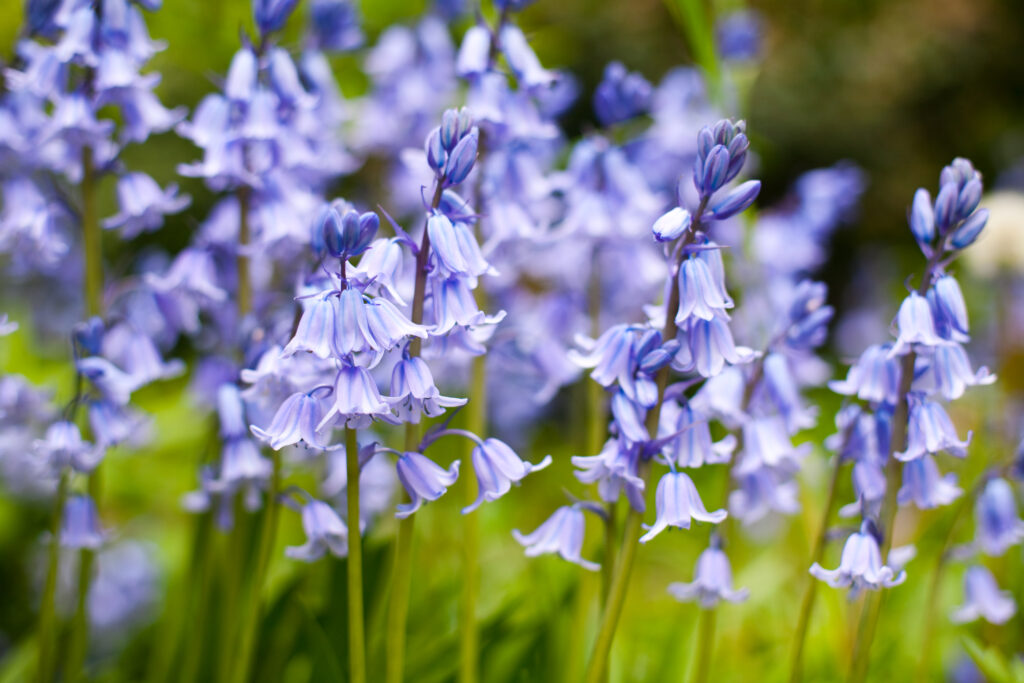
You’ll spot them blanketing ancient woodlands and meadows in a haze of violet-blue, drawing in families, dog walkers and photographers alike. However, what many people don’t realise is that picking or disturbing these wildflowers can actually get you into serious legal trouble. Here’s what makes them so protected, and the key facts that every nature lover should know.
Bluebells are protected under UK law.
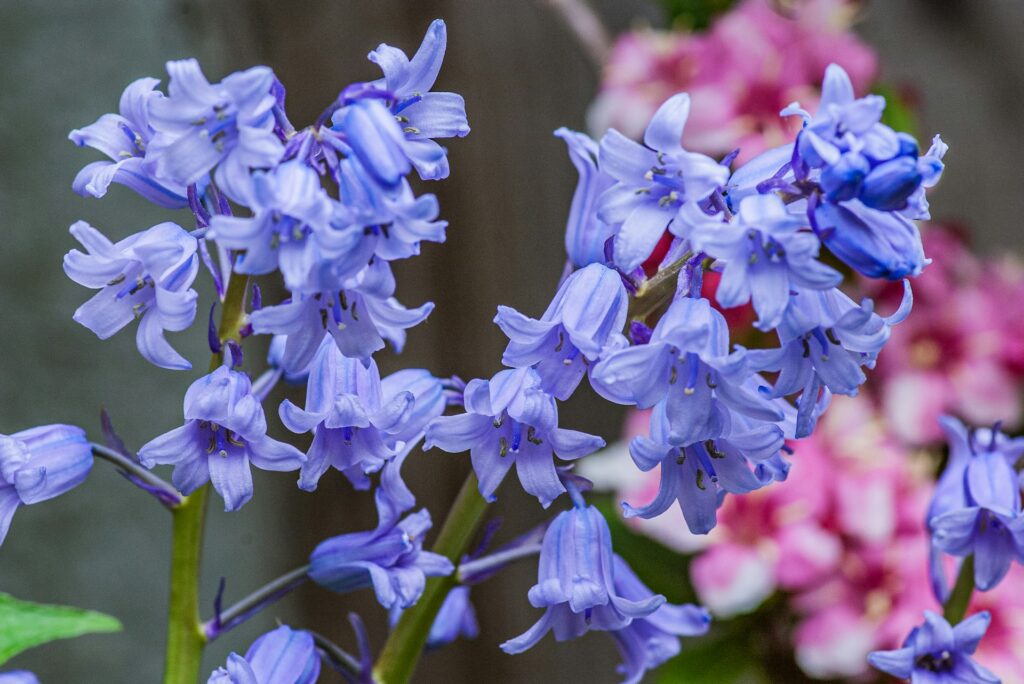
It’s not just frowned upon to pick wild bluebells, it’s illegal. Under the Wildlife and Countryside Act 1981, it’s an offence to uproot any wild plant without the landowner’s permission. Bluebells are specifically listed for extra protection due to their vulnerability. That means even digging them up from a public woodland or trying to transplant bulbs is a crime. The law’s there to make sure bluebells don’t disappear from the wild just because someone wants them in their garden.
Wild bluebells take years to spread.
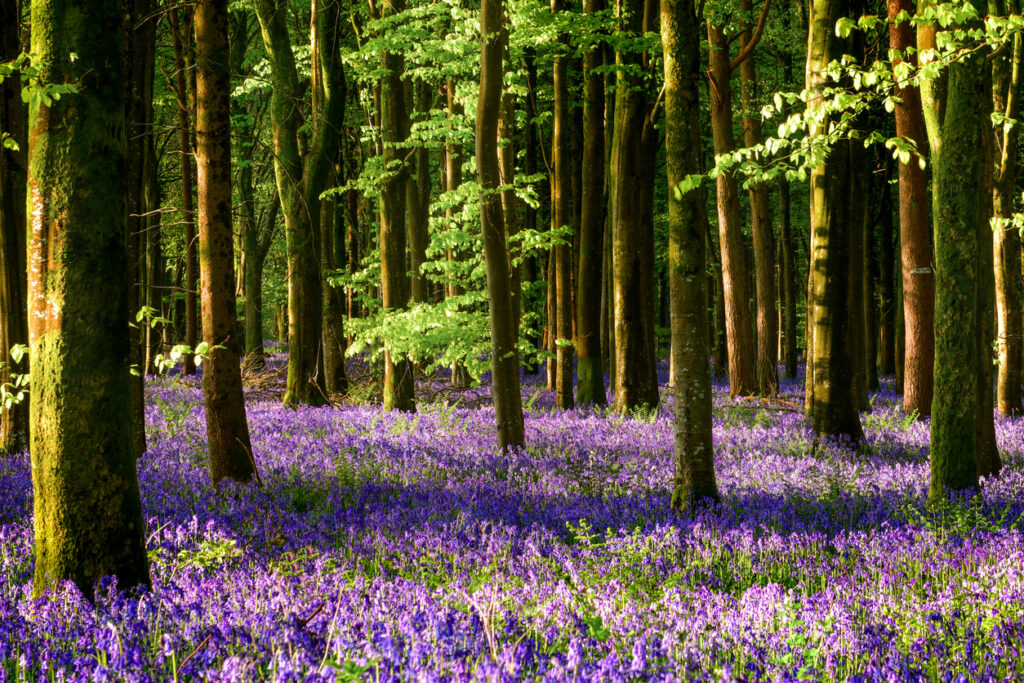
Part of the reason bluebells need protection is how slowly they grow. It can take five to seven years for a single bluebell bulb to develop into a flowering plant. Once a patch is damaged, it won’t bounce back quickly, if it returns at all. This slow growth makes them incredibly vulnerable to trampling, picking, or being dug up. Even if you think you’re only taking one or two, the impact on the habitat can be long-lasting and widespread.
Uprooting bulbs can lead to fines.
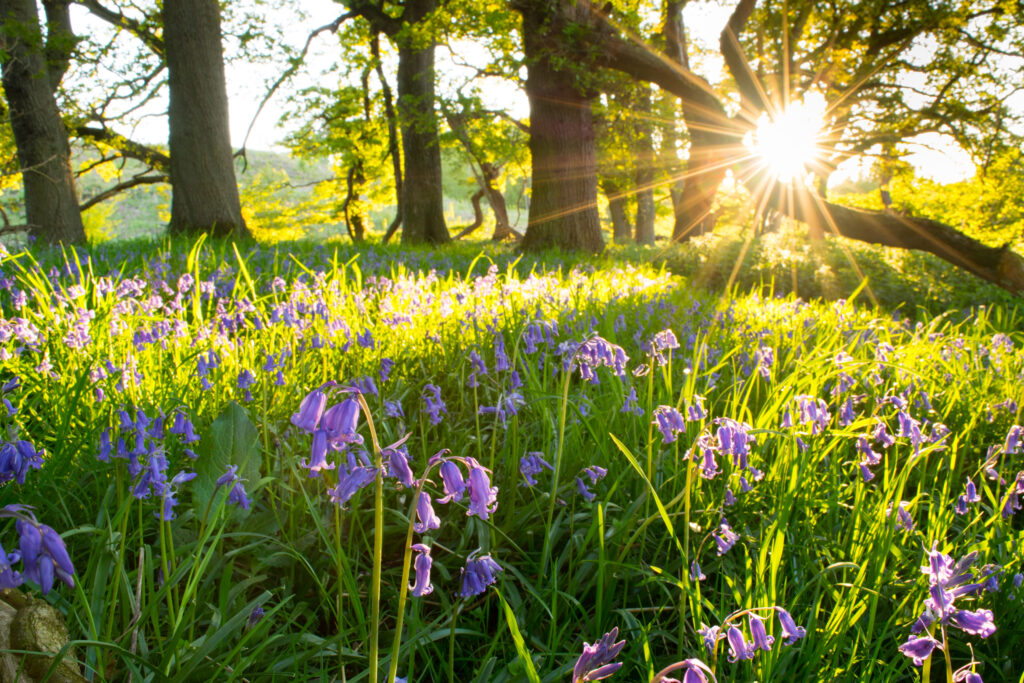
If you’re caught removing bluebell bulbs from the wild, you could face a fine of up to £5,000 per incident. That’s not just an idle threat; it’s written into law to discourage over-harvesting and to protect native flora. It doesn’t matter whether you’re picking for your own garden or to sell. The moment a wild bluebell is taken from its natural habitat, the law is being broken. Enforcement may be rare, but that doesn’t mean the risk isn’t real.
Hybridisation is threatening native species.
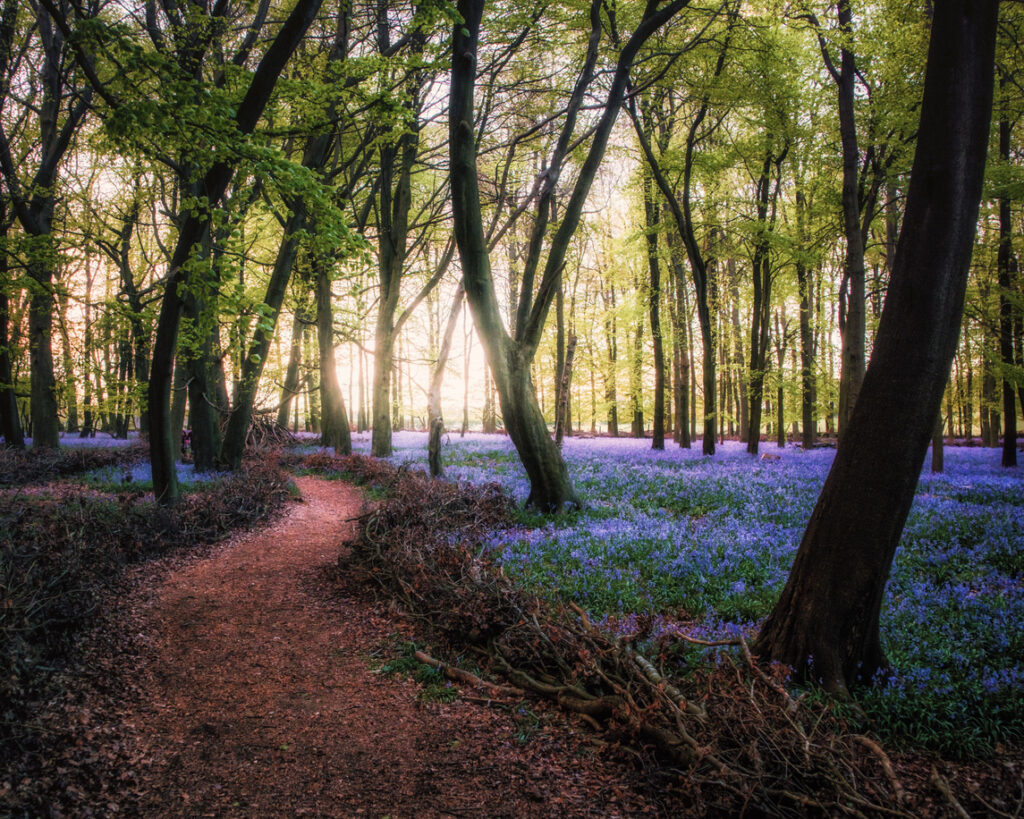
The classic British bluebell (Hyacinthoides non-scripta) is under pressure from its tougher, non-native cousin, the Spanish bluebell. These two can crossbreed easily, leading to hybrid varieties that crowd out the native population. This is another reason you shouldn’t move bluebells from one place to another, even between gardens. Mixing species increases the spread of hybrids, weakening the future of true native bluebells across the UK.
Picking flowers damages the whole plant.
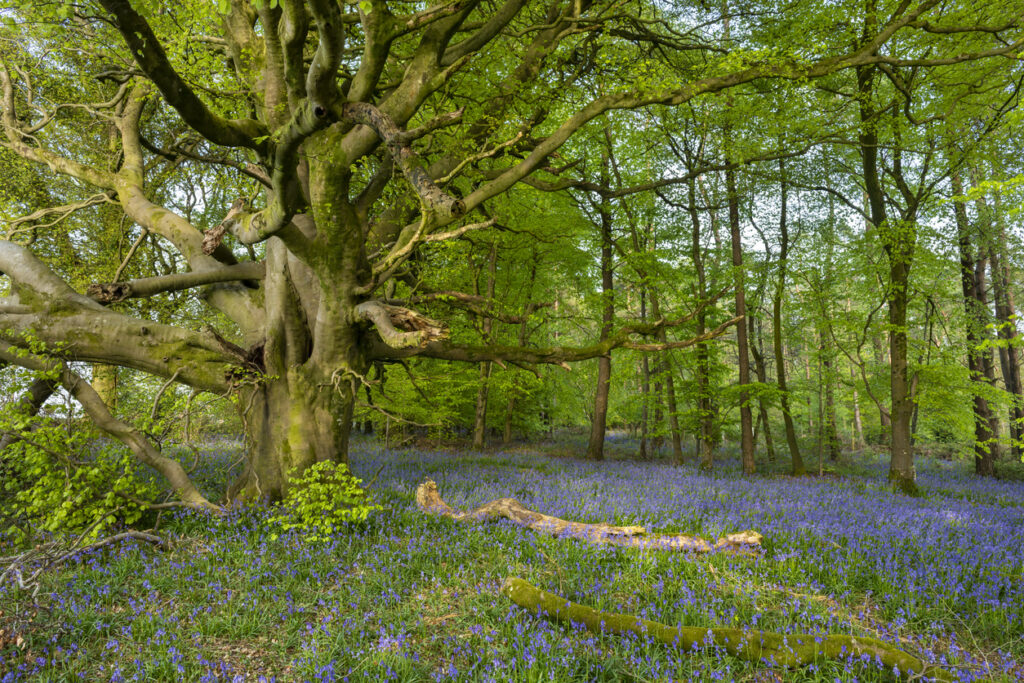
Even just picking the flower head can be harmful. When bluebells lose their blooms too early, they can’t produce seeds, and their chances of reproducing naturally are cut dramatically. So while snapping off a few for a bouquet might seem harmless, it contributes to the long-term decline of local bluebell populations. They depend on those flowers to complete their life cycle and come back the following year.
Trampling causes unseen damage.
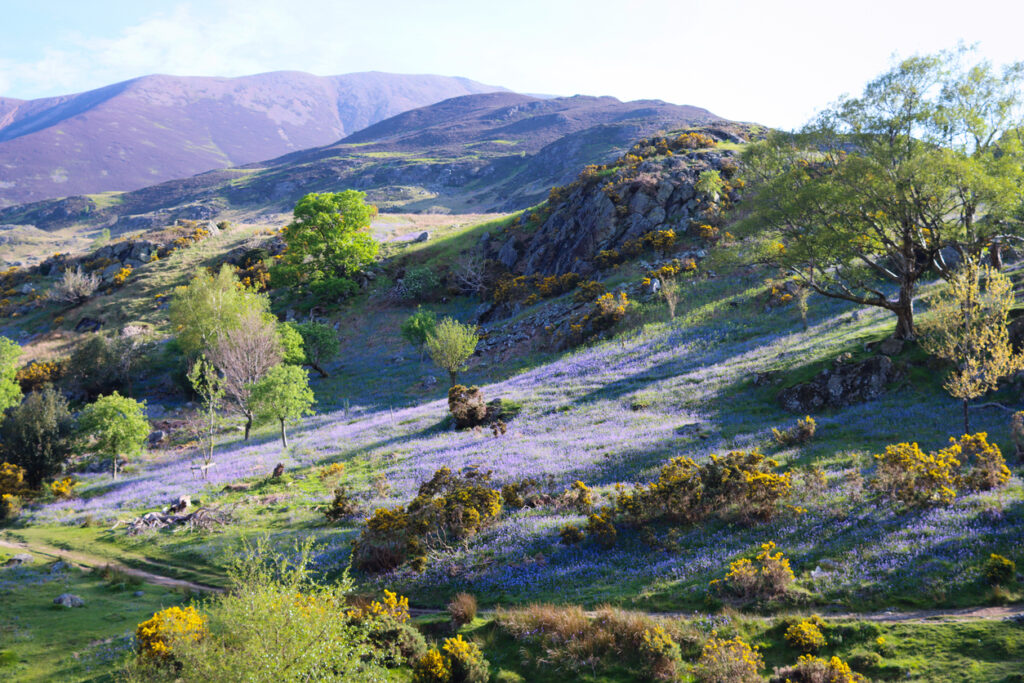
Bluebells look resilient, but walking through a patch can crush the leaves and bulbs below the surface. That means no energy gets stored up for next year’s growth, and the plant may not survive at all. That’s why many nature reserves and woods encourage visitors to stick to marked paths during bluebell season. Even a few heavy footsteps can leave a noticeable dent in the next year’s bloom.
Taking bluebells home doesn’t work anyway.
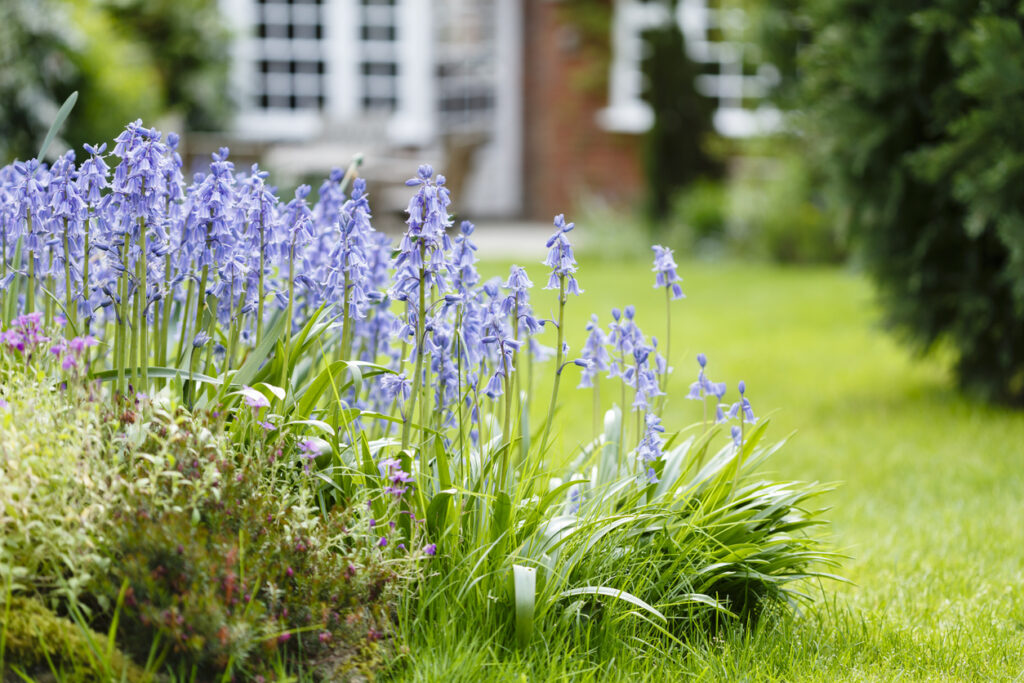
Even if you could legally collect bluebells, they’re notoriously tricky to grow from wild bulbs. Once removed from their woodland habitat, they often fail to thrive and end up dying off completely. The truth is, if you want bluebells in your garden, the best route is to buy certified bulbs from a native UK grower. That way you’re not damaging wild populations, and you’re more likely to see them succeed.
Picking for profit is a major problem.
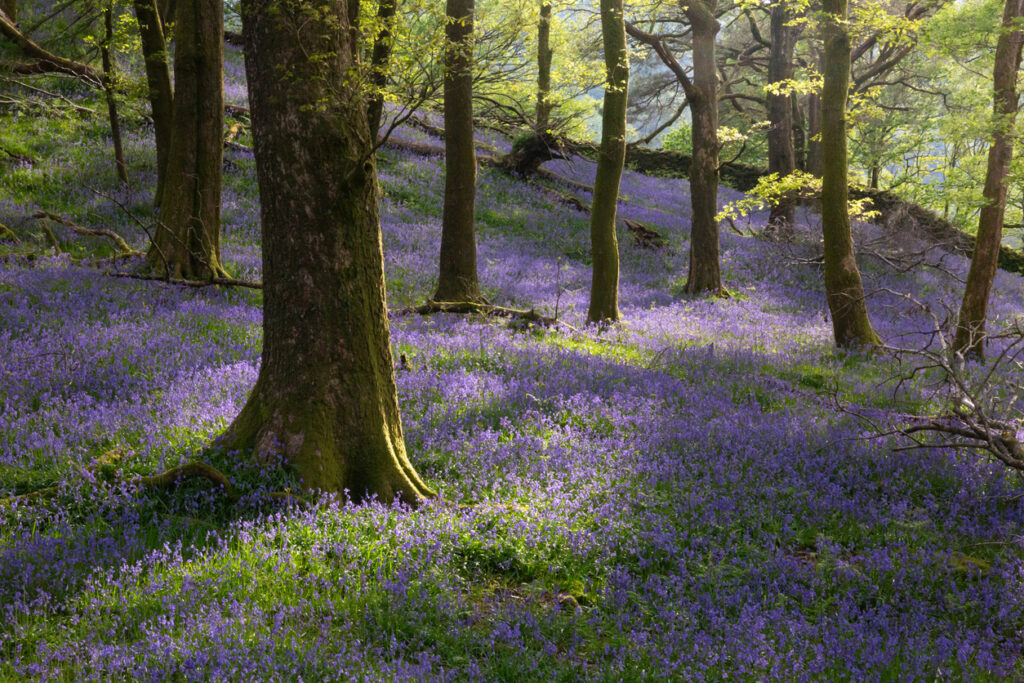
In the past, wild bluebells were picked and sold commercially, especially around Easter and May Day. That practice was banned because of how quickly it led to disappearing colonies and degraded habitats. Today, it’s still illegal to collect bluebells for commercial purposes. So if you see them for sale at a market or roadside stall and they’re not clearly cultivated, there’s a good chance someone’s breaking the law.
They’re a key species in ancient woodlands.
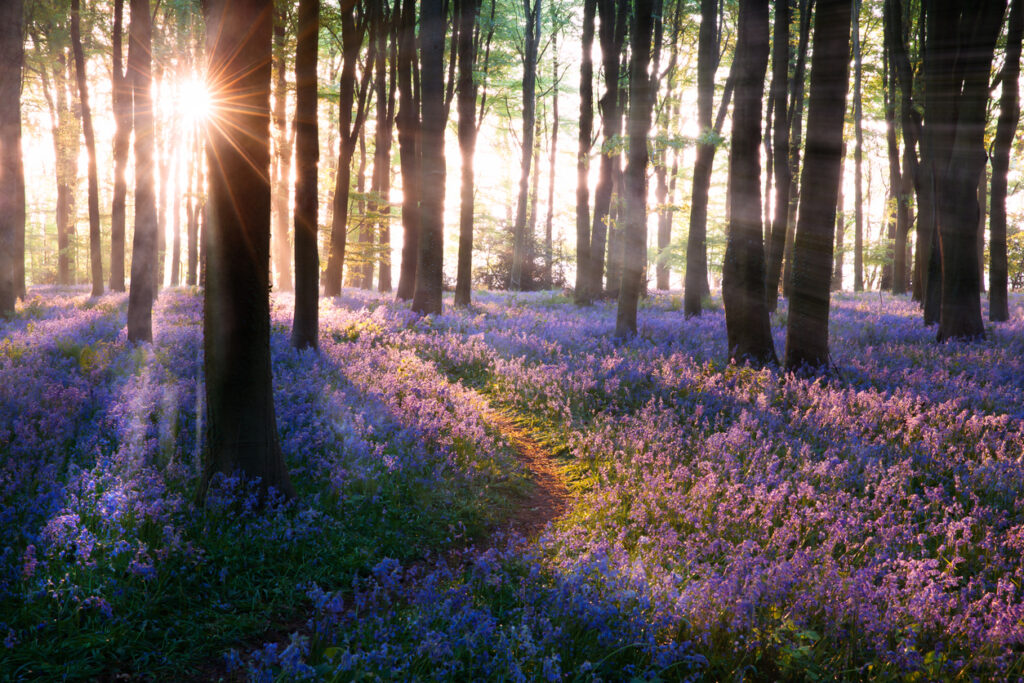
Bluebells are often considered an “indicator species” for ancient woodland. Their presence suggests the forest has been undisturbed for centuries, and they help support a wider web of insects, birds, and soil life. Damaging bluebells isn’t just about harming one plant. It’s about breaking a chain that supports entire ecosystems. Their survival matters more than just for their beauty; they’re part of a bigger picture.
They’re a national treasure for a reason.
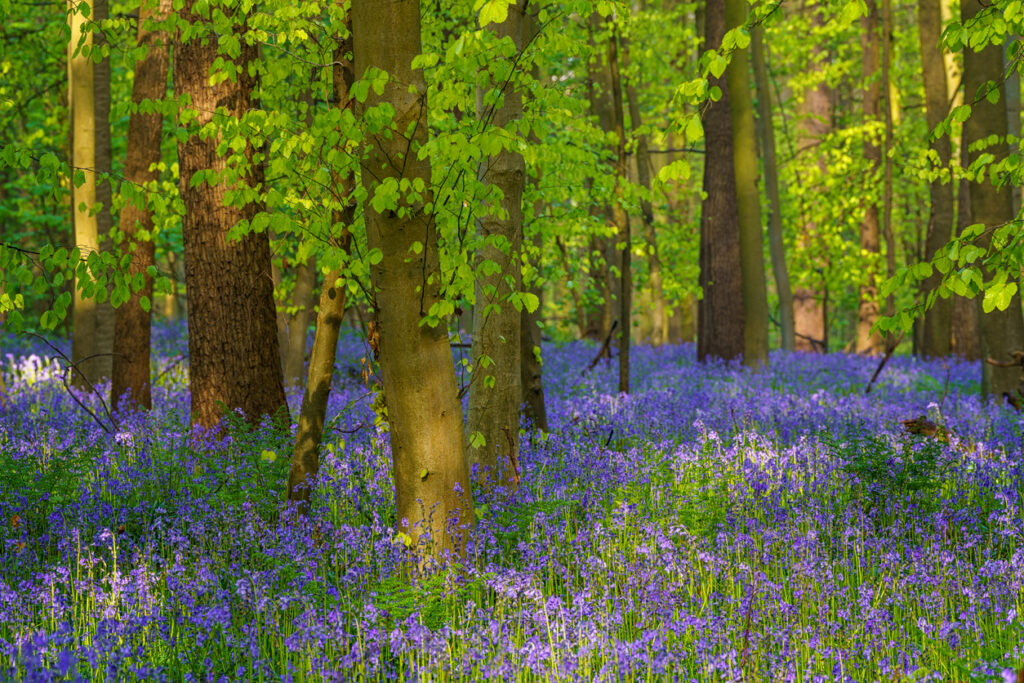
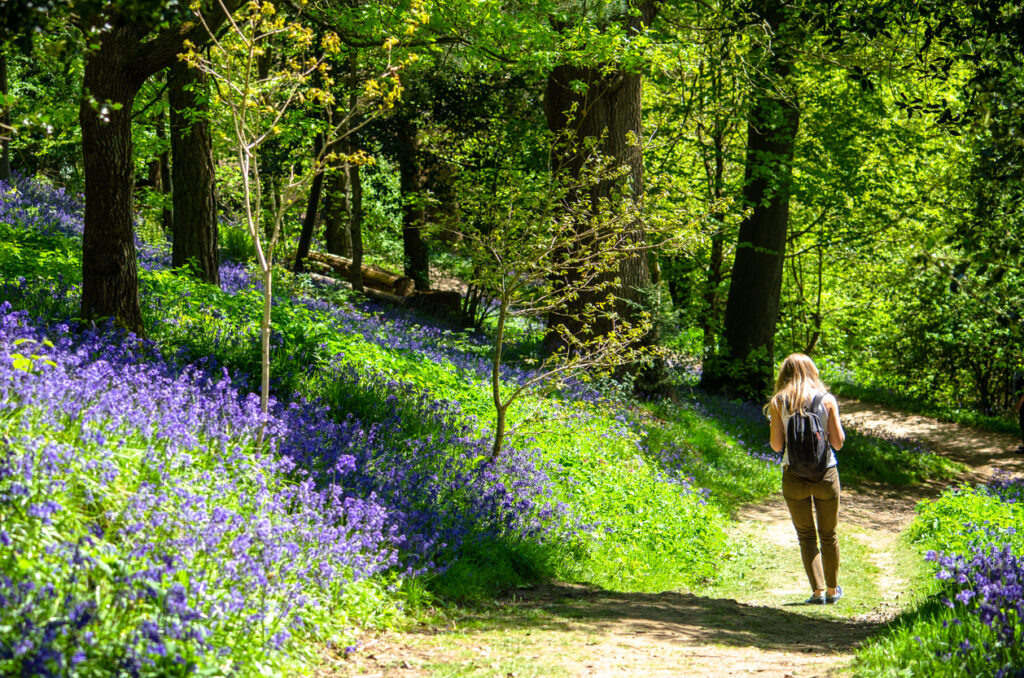
Few things feel more British than a walk through a bluebell wood in April or May. Their seasonal burst of colour is part of what makes spring feel like spring. But they can only stay magical if we leave them alone. By respecting bluebell laws and spreading awareness, we help keep these iconic flowers blooming year after year. Sometimes protecting nature is as simple as admiring it with your eyes, and keeping your hands out of it.
They’re threatened by climate change too.
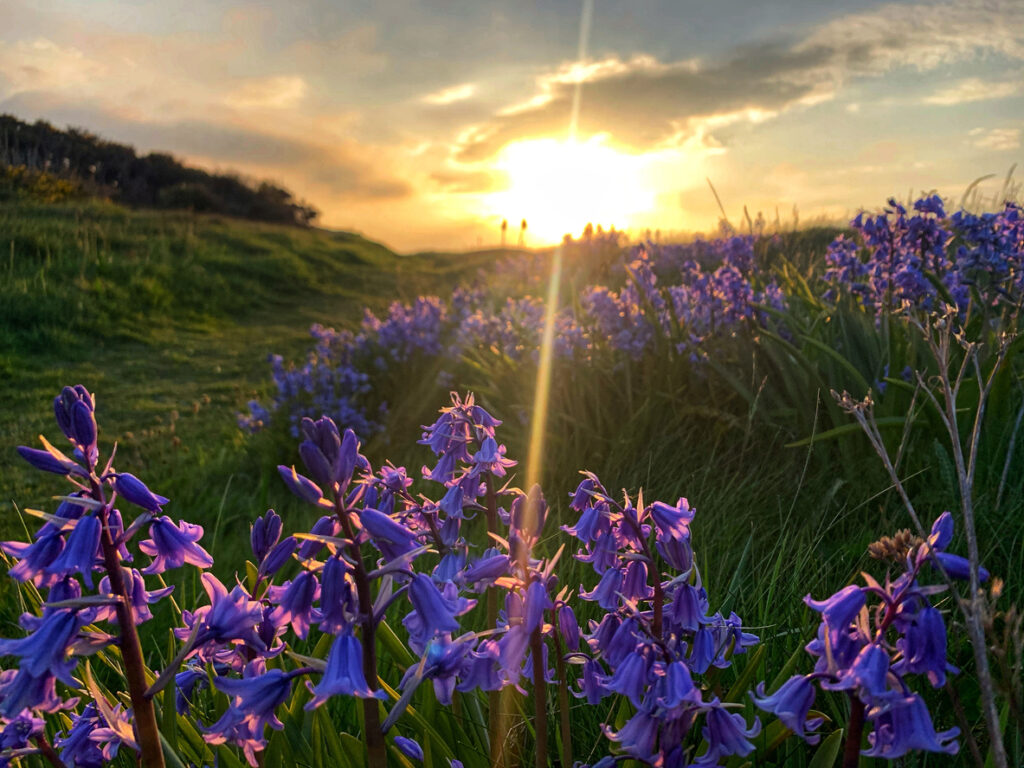
Like many wild plants, bluebells are under pressure from warming temperatures and unpredictable weather. Early springs and late frosts can throw off their growth cycle, and drier soils may make it harder for bulbs to survive. That makes it even more important not to add further strain through human damage. Giving bluebells space and leaving them undisturbed gives them their best chance of adapting to changing conditions.
You can help protect them by spreading the word.
Lots of people still don’t know it’s illegal to pick or dig up bluebells, and many wouldn’t do it if they realised. That means one of the most powerful things you can do is gently share that information when you hear someone talking about “just taking a few.” By helping other people understand why bluebells matter and how fragile they really are, you’re contributing to their survival. And in a world where so much is being lost, even small acts of care go a long way.