Sleep might seem simple enough: get tired, find somewhere soft, and drift off.
However, in the animal world, rest is far from straightforward. Some animals doze standing up, others sleep with one eye open, and a few barely sleep at all. From survival tactics to bizarre adaptations, these sleeping styles reveal just how weird and wonderful nature can be. Here are 12 of the most extraordinary ways animals manage to catch some Zs.
Dolphins sleep with half their brain awake.
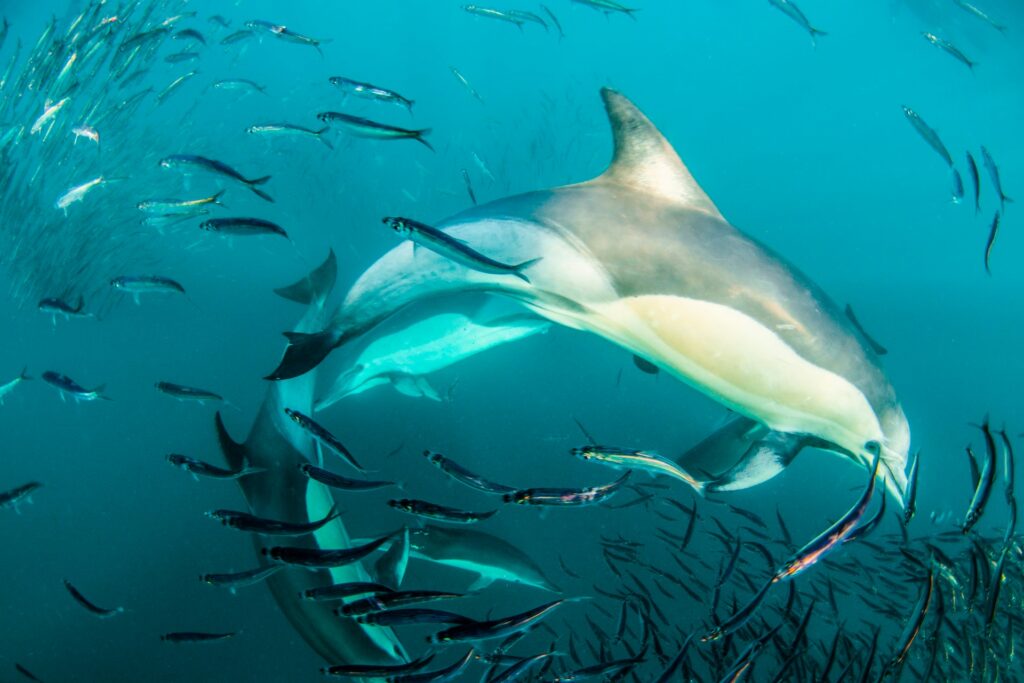
Dolphins are marine mammals, so they need to breathe air, but they can’t exactly shut down completely to sleep underwater. Their solution? Unihemispheric slow-wave sleep. Basically, one half of their brain sleeps while the other stays alert enough to surface for air and keep an eye out for predators.
This means dolphins never fully “switch off” the way humans do. They take turns resting each hemisphere of their brain, which lets them stay alive and active in the open ocean without ever being totally unconscious.
Giraffes take micro-naps standing up.
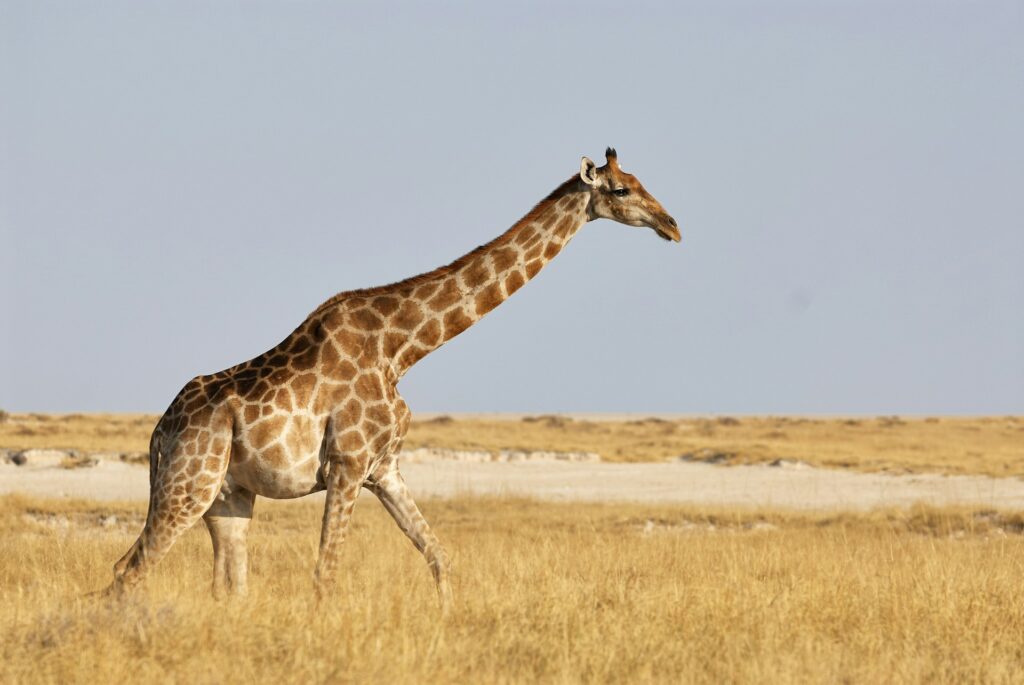
You’d think an animal as big and heavy as a giraffe would need a decent rest, but giraffes sleep far less than most mammals for just a few minutes at a time, often standing. In the wild, lying down makes them vulnerable, so they mostly snooze upright with their necks balanced on their backs or slightly tilted.
When they do lie down, it’s usually only for a short burst of deep sleep, sometimes just five minutes long. Their ability to thrive on such brief rest is still a bit of a mystery to scientists.
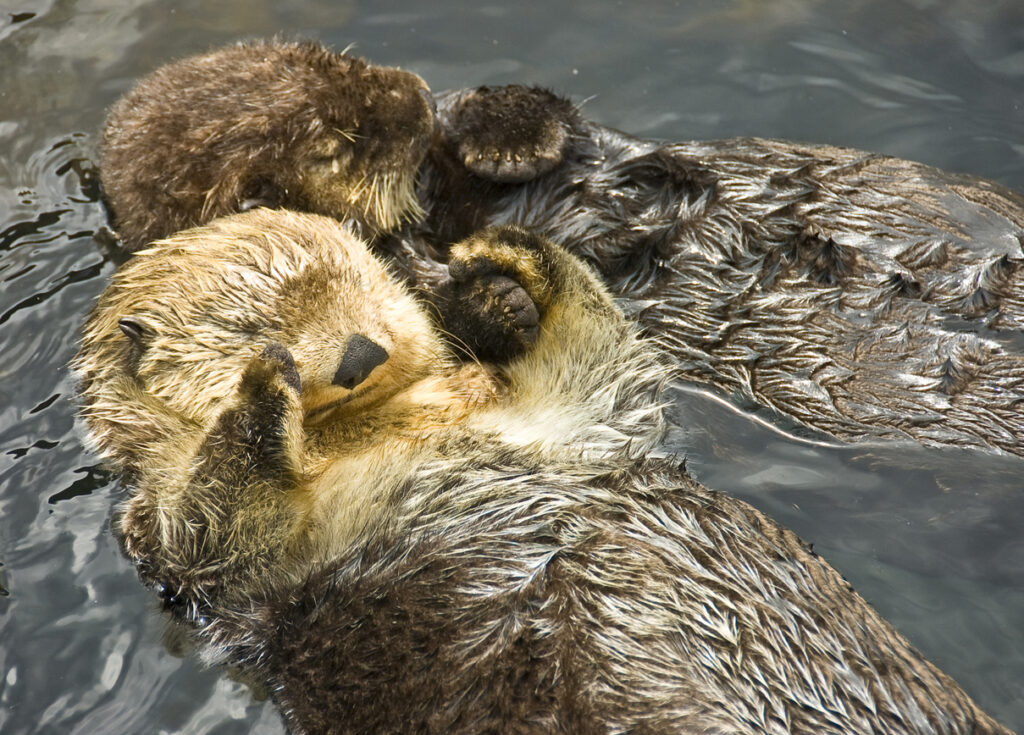
Otters hold hands while they sleep.
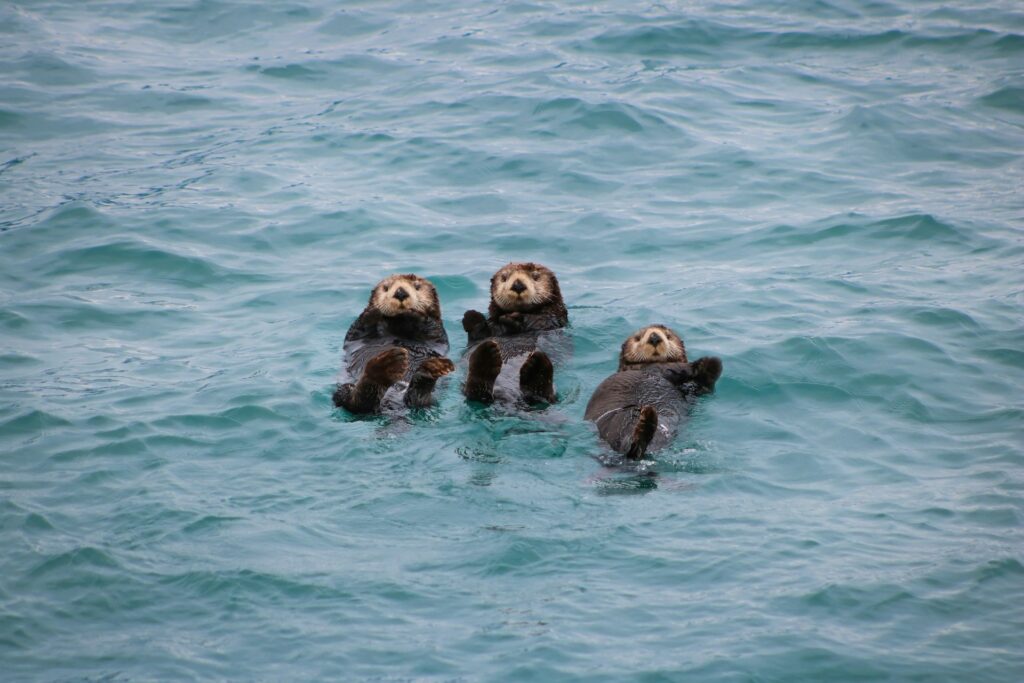
Sea otters float on their backs in the water when they sleep, often forming little “rafts” with other otters. To avoid drifting apart while snoozing, they hold paws, or wrap themselves in kelp to stay anchored. This isn’t just adorable; it’s also practical. The open sea can be a dangerous place to doze off, so staying together in groups provides safety in numbers while they rest.
Birds can nap mid-flight.
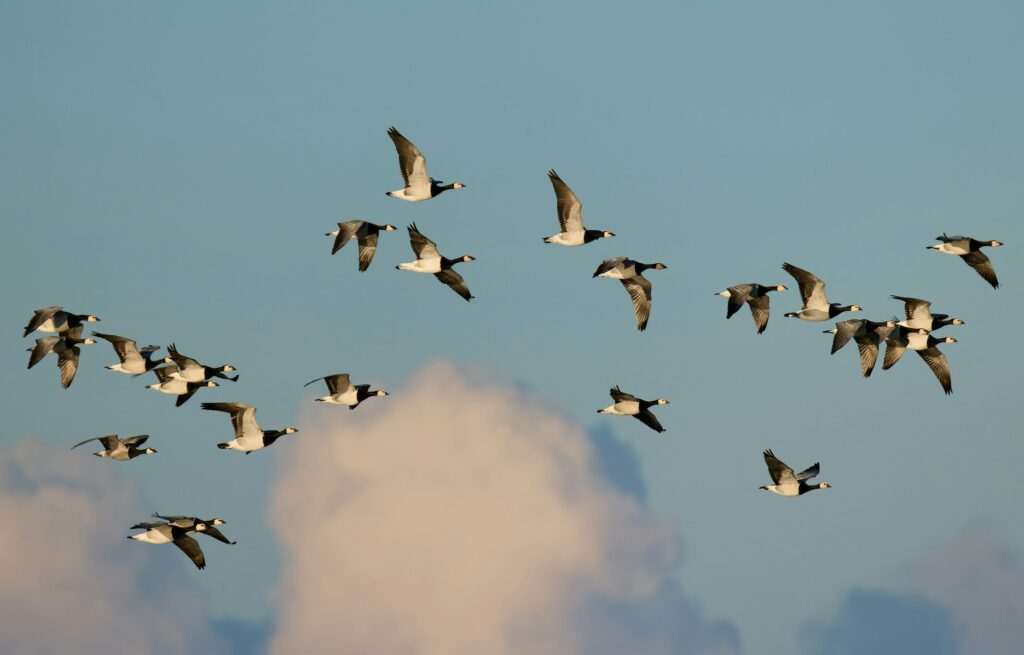
Some migratory birds, like frigatebirds and swifts, can actually sleep while flying. It sounds impossible, but they use short bursts of unihemispheric sleep during long migrations, allowing them to rest without stopping. Incredibly, they may fly for days, or even weeks, without landing. Scientists are still studying how they manage to avoid crashing midair, but it’s clear that their brains are wired for multitasking on the move.
Bats sleep upside down.
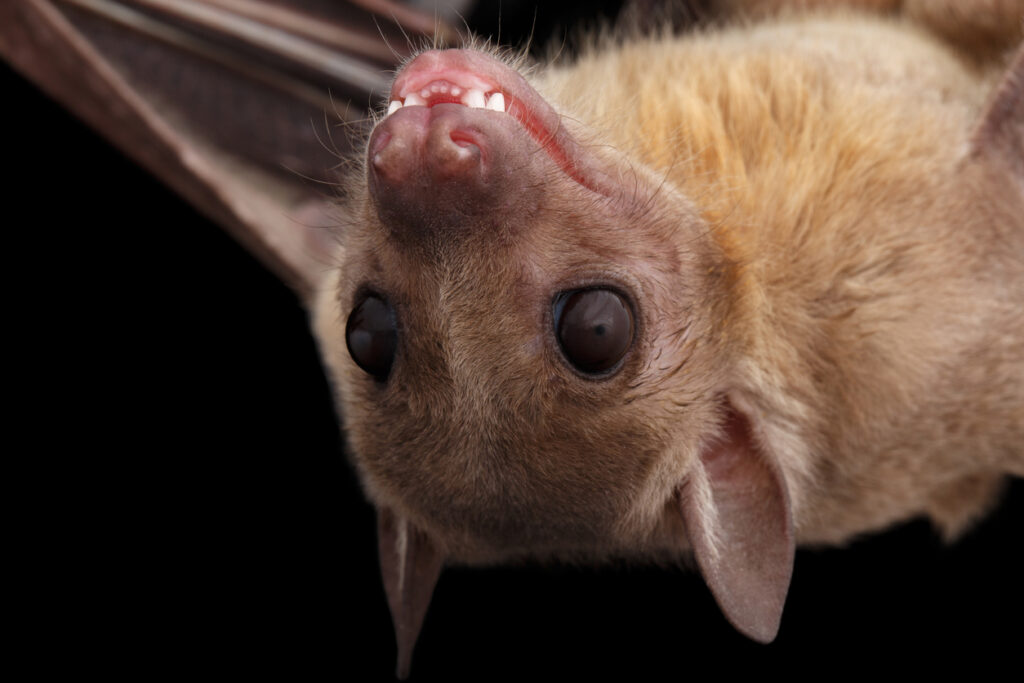
It’s one of the most iconic animal sleep styles: bats hanging upside down in caves or trees. Their feet are specially adapted to lock into place while relaxed, so they don’t have to use any energy to hold on while they sleep. This position also gives them a quick takeoff if threatened, and keeps them tucked away from many predators. It might look uncomfortable, but for a bat, it’s the perfect sleeping pose.
Walruses can sleep underwater, or on ice.
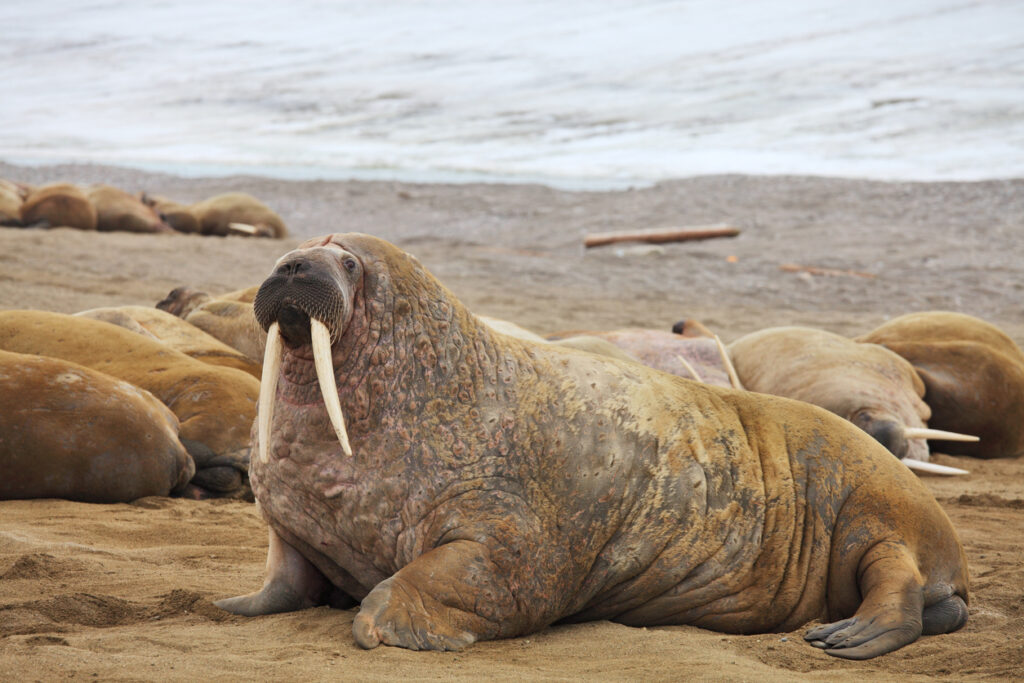
Walruses are built for harsh environments, and their sleep habits reflect that. They can snooze floating in the water, using their built-in air sacs in their necks to stay buoyant, or they haul out onto ice and crash out there. They’re also known to go without sleep for extended periods during long migrations or feeding sprees, showing a pretty impressive level of sleep control depending on their environment.
Horses sleep standing but lie down for deep sleep.
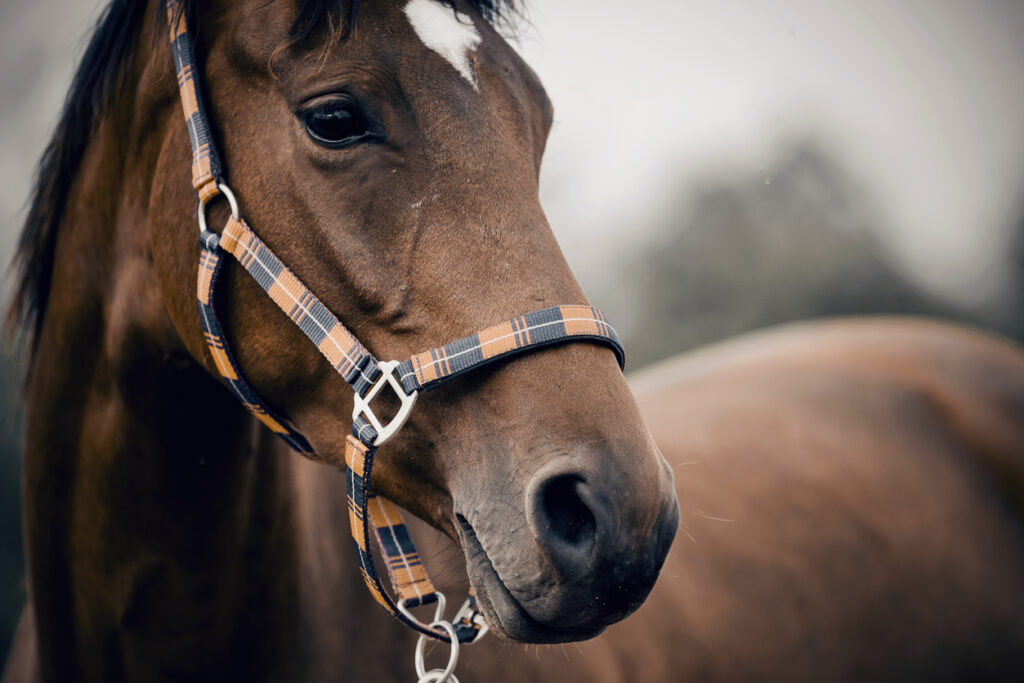
Thanks to a locking mechanism in their legs, horses can nap while standing, which helps them stay alert and escape quickly if needed. However, when it’s time for deep, REM sleep, they do need to lie down. Because of this, horses often sleep in short bursts and only fully lie down when they feel safe, such as in the presence of other herd members or in a secure environment like a stable.
Sharks may never truly sleep.
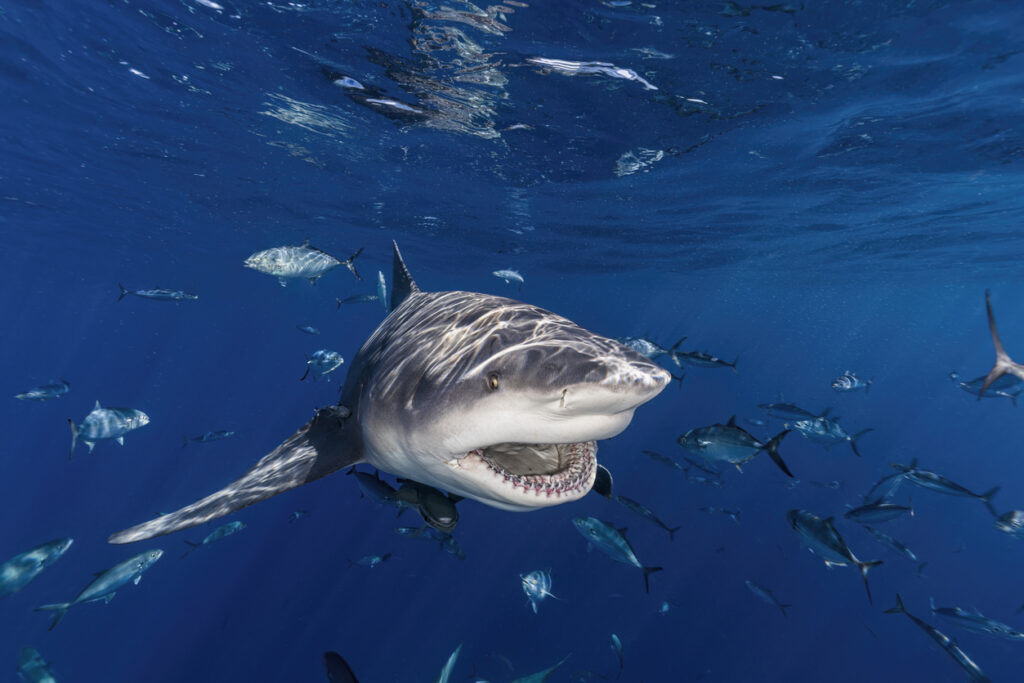
Some shark species need to keep moving to breathe, which makes sleeping a bit tricky. While they don’t sleep like land mammals do, they do enter restful, low-energy states where their activity slows and brain function changes. Others, like nurse sharks, have spiracles that allow them to breathe while resting on the sea floor. The exact definition of “sleep” in sharks is still being debated, but they definitely take downtime in their own unique way.
Meerkats sleep in tangled piles.
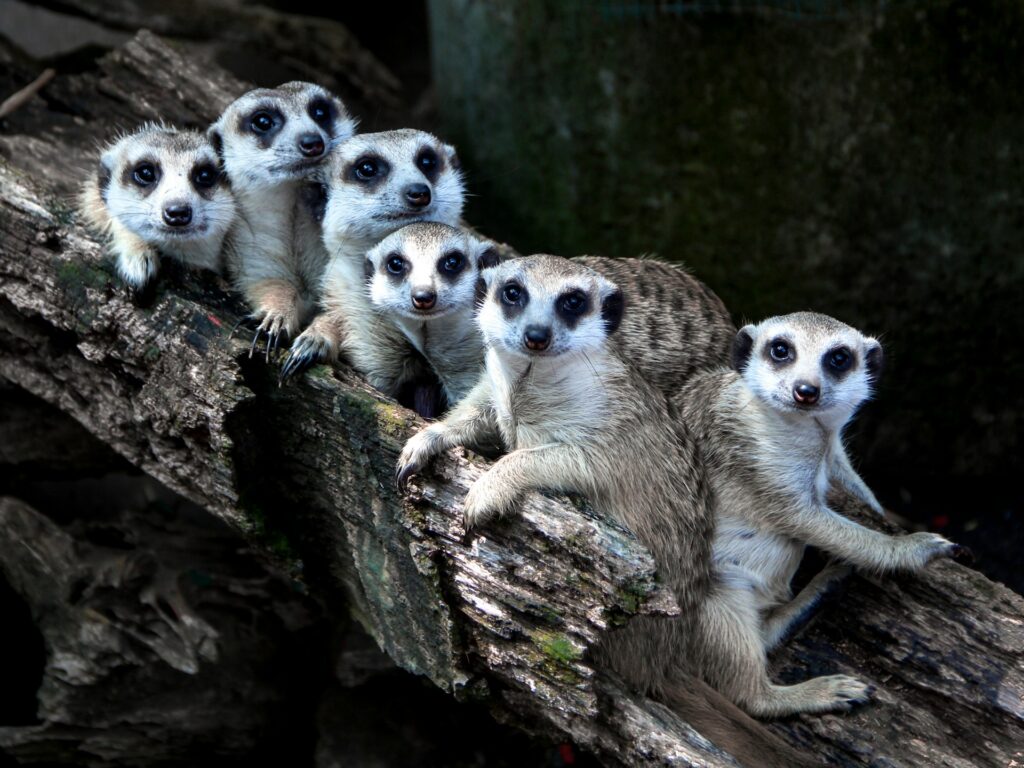
Meerkats are incredibly social animals, and they take that closeness into their sleeping habits. At night, they retreat into underground burrows and sleep in cuddled-up heaps for warmth and protection. The dominant female usually claims the central, safest spot. Their group sleeping habits help reinforce social bonds and make it easier to react quickly to threats as a unit.
Albatrosses doze over the ocean for days.
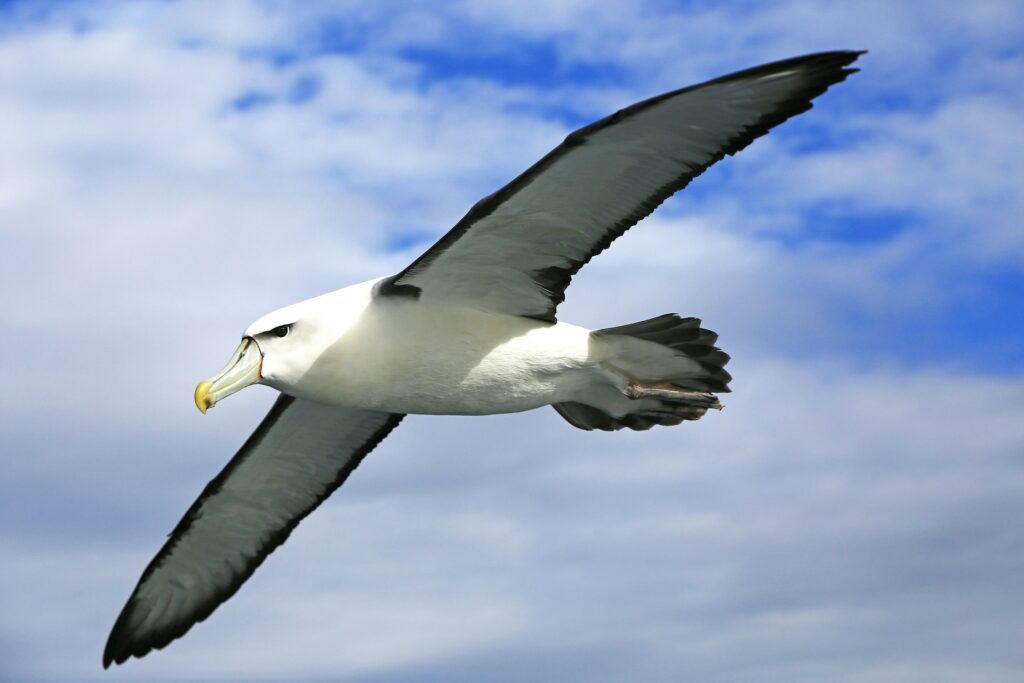
Albatrosses are known for their long, open-ocean flights, sometimes circling the globe in a single trip. They’ve been found to grab tiny snatches of sleep mid-flight, sometimes while gliding on air currents. It’s not restful in the way we think of sleep, but it’s enough to keep them going through their long-distance journeys. For a bird that can fly for thousands of miles without touching land, that’s a critical survival tool.
Frogs freeze in winter, and wake up in spring.
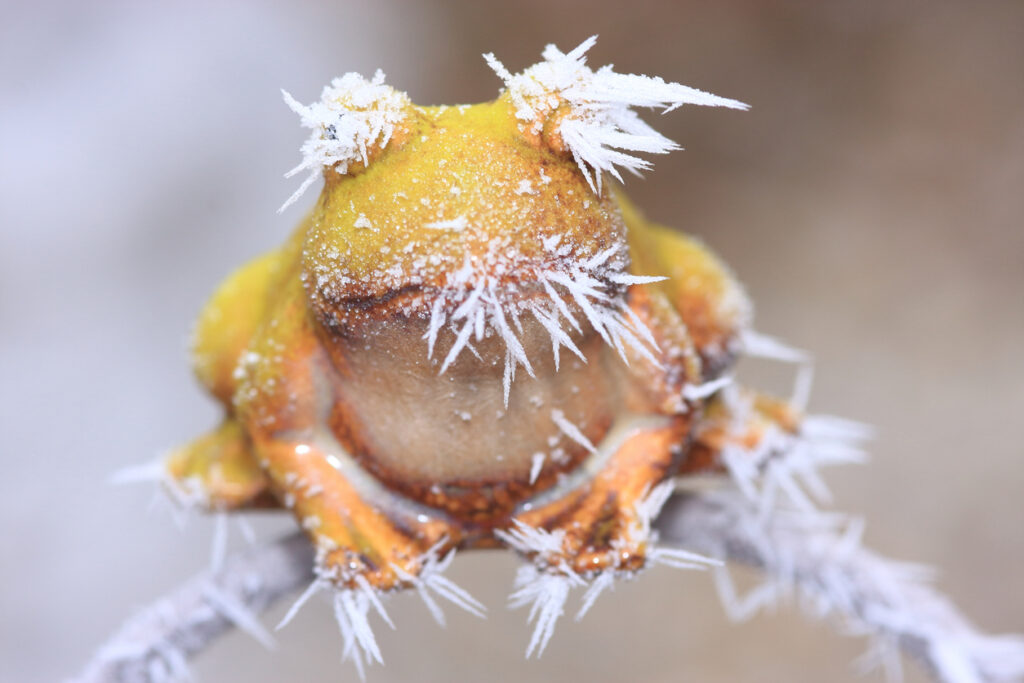
Some species of frogs, like wood frogs, survive harsh winters by freezing solid. Their bodies stop functioning, including their heart and brain activity, and they appear completely lifeless during this time. When temperatures rise, they thaw out and “wake up” with no apparent damage. It’s one of nature’s strangest hibernation strategies, and a kind of suspended sleep that defies belief.
Cats sleep like it’s their full-time job.

Domestic cats are some of the world’s sleepiest creatures, clocking up to 16 hours of sleep a day, or even more if they’re kittens or elderly. They’re crepuscular, meaning they’re most active at dawn and dusk, so much of the day is spent snoozing in sunbeams. Even when cats look completely relaxed, they’re often in a light sleep state. Their ears might twitch, or they might suddenly bolt upright. That mix of rest and readiness is part of their survival instinct, even if they live in total comfort now.