Planting something upside down sounds like gardening gone wrong, but in some cases, it’s actually a smart move.
Certain plants can not only handle being grown upside down, they often do better that way. The method can save space, reduce pests, improve airflow, and even make watering more efficient. It’s not for every plant, but for the right ones, it’s a clever twist on traditional growing. Here are 13 plants that thrive when you flip the script and let gravity work in your favour.
1. Strawberries
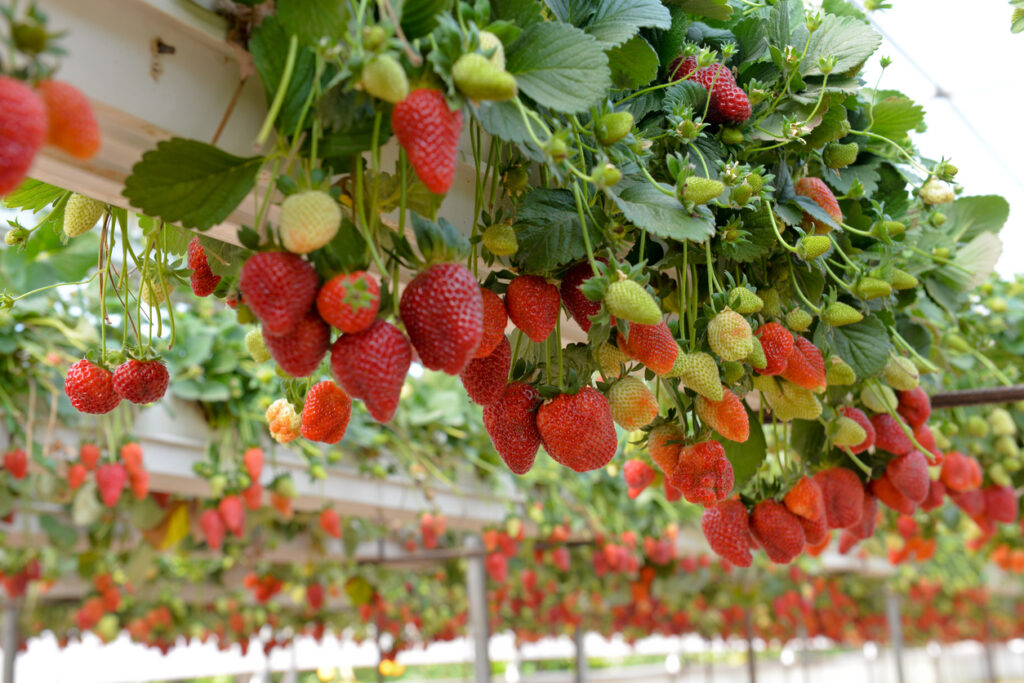
Strawberries already like to dangle, so growing them upside down feels like a natural fit. Hanging them reduces issues with mould, slugs, and soggy fruit, all of which are common in traditional strawberry beds. The fruit hangs freely, ripens evenly, and stays cleaner overall.
They’re also easy to tuck into small pockets in hanging containers or vertical bags. Just make sure they get enough sun and that the soil doesn’t dry out too fast. The roots still want consistent moisture, even if the leaves are happily trailing downward in the breeze.
2. Peppers
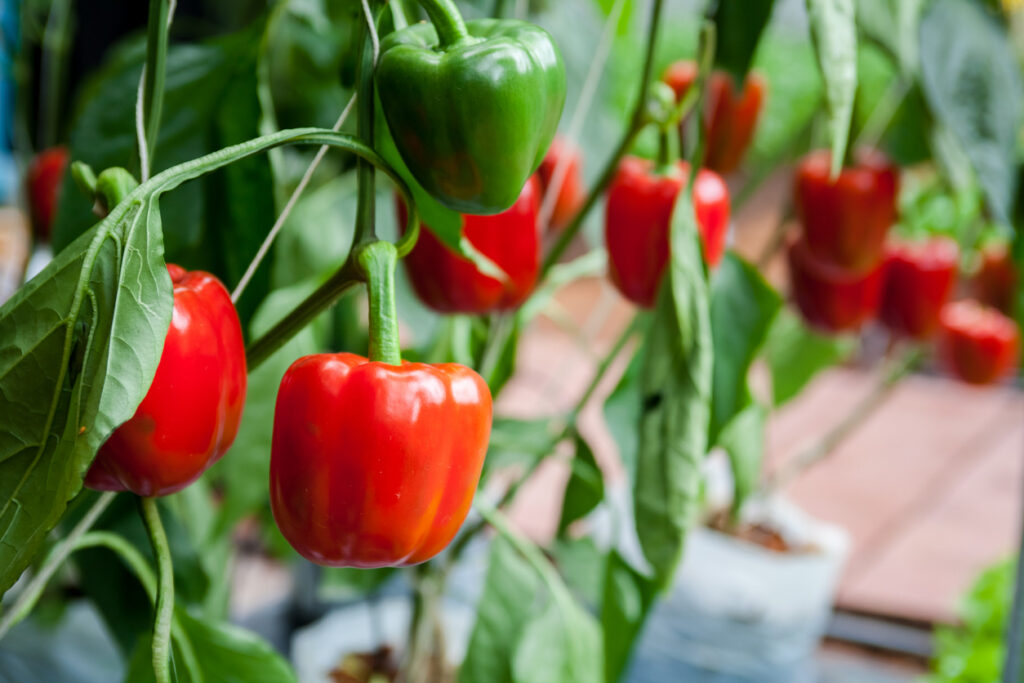
Peppers can grow upside down with surprising success, especially small varieties like chili or banana peppers. They adapt well to the reversed orientation, continuing to fruit downward in a tidy cluster rather than sprawling across a bed or pot.
They benefit from the same airflow and pest reduction as tomatoes. You’ll need a strong hanging container and consistent watering, as the roots can dry out faster when suspended. But the upside is less bending for harvest and fewer issues with soil pests chewing on the stems.
3. Swiss chard
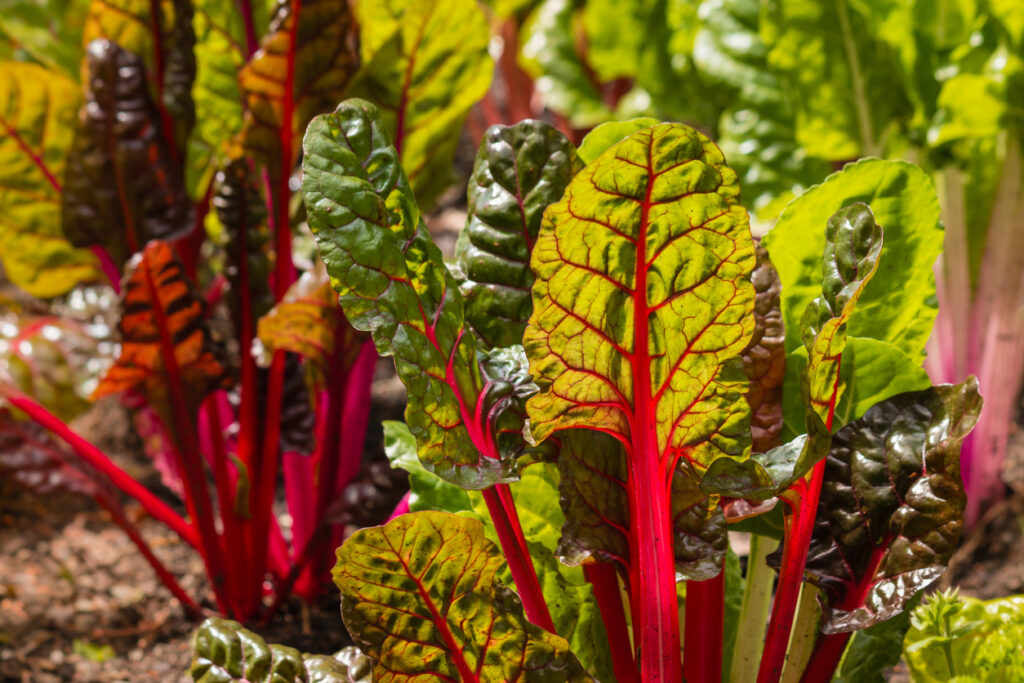
Swiss chard might not be the first thing you think of for upside-down planting, but its sturdy stems and vibrant leaves can adapt well to it. Smaller varieties, like ‘Bright Lights,’ look especially striking as they grow downward in a splash of colour.
Like lettuce, chard prefers a steady supply of water and cooler temperatures, so upside-down planting can actually help avoid soil splashing while keeping pests away from the lower stems. You’ll need to trim it often to encourage fresh growth, but the leaves stay cleaner and easier to harvest this way.
4. Cucumbers
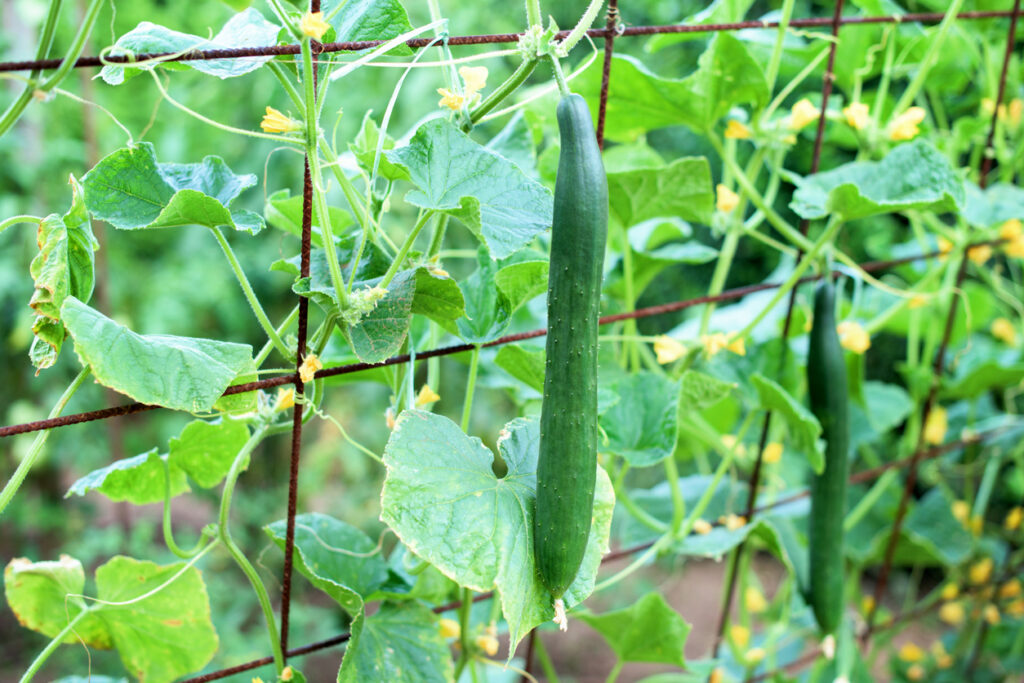
Certain cucumber varieties, especially the smaller, pickling types, can be grown upside down with good results. Their vines naturally trail, and when suspended, they’re less likely to suffer from mildew or rot thanks to the improved airflow and sunlight exposure.
You’ll need to choose compact, bush-type cucumbers rather than long vining varieties, as these get too heavy. Regular watering is key; gravity will pull moisture away quickly, so frequent checks are a must. But once they’re established, upside-down cucumbers can be surprisingly productive and easy to harvest.
5. Lettuce (leaf types)
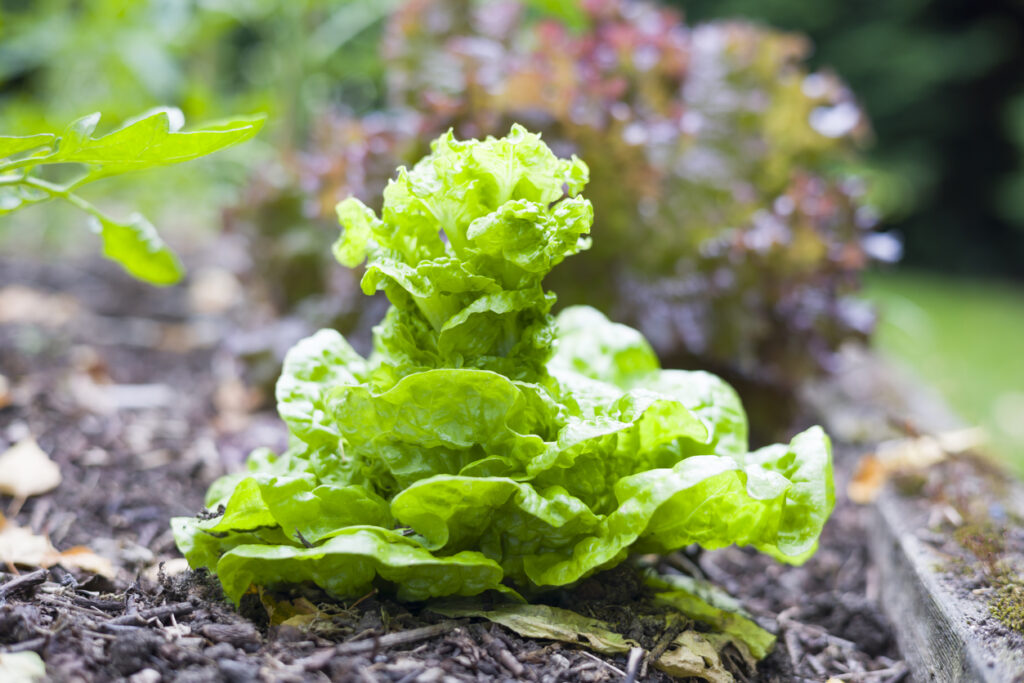
Lettuce is a surprising candidate for upside-down growing, but some gardeners have success with loose-leaf varieties like oak leaf or butterhead. They don’t form dense heads, so they’re lighter and easier to manage in a hanging system.
Since lettuce prefers cooler conditions, this method works best in spring or autumn, and in shadier areas. Growing them upside down keeps the leaves clean and free of ground splash, though it does require careful watering and regular trimming to avoid wilting from sun exposure.
6. Nasturtiums
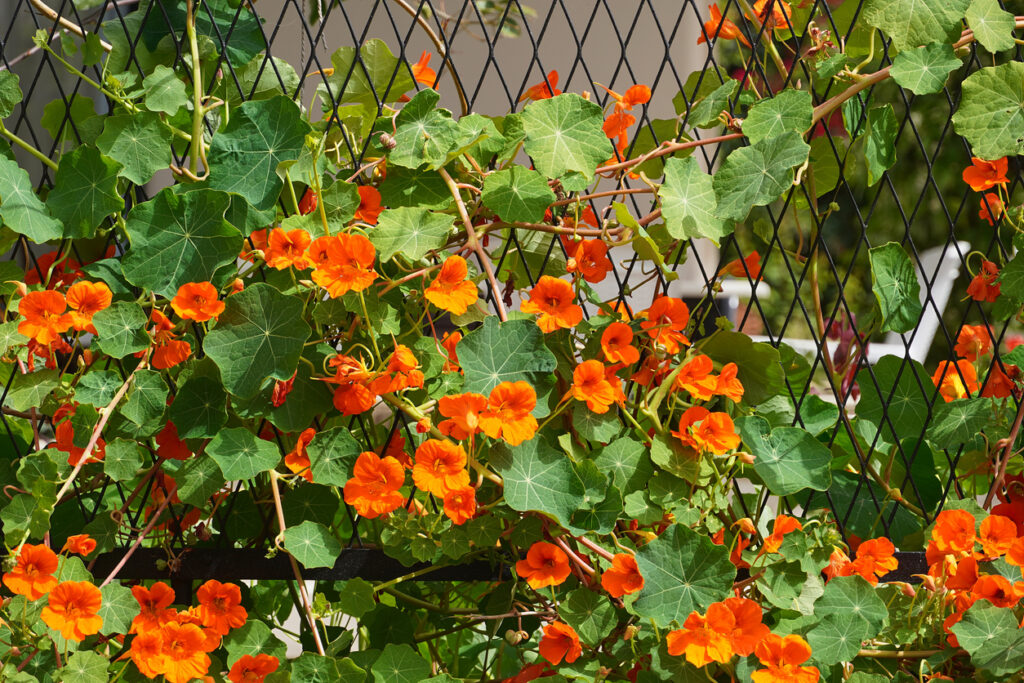
Technically a flower, but one that’s often grown as an edible companion plant, nasturtiums thrive when grown in a hanging setup, including upside down. Their trailing habit means they naturally spill downward, and their vibrant flowers and leaves look great as they cascade.
They’re not heavy feeders and can survive in leaner soil, which makes them easy to manage in an upside-down planter. Plus, they repel aphids and other pests, making them a good companion to hang near more delicate edibles. Bonus: you can eat the leaves and flowers in salads.
7. Beans

Some compact bush bean varieties can be grown upside down, although it’s less common. When done right, it saves space and keeps the pods off the soil, reducing the risk of rot and damage. It also makes harvesting a little easier, no crouching required.
Pole beans are usually too long and heavy for this method, but short, hardy types like French beans can manage. They may curve upward slightly at first (because of phototropism), but they’ll settle into the hanging direction over time. Just give them a deep container and steady watering.
8. Eggplants
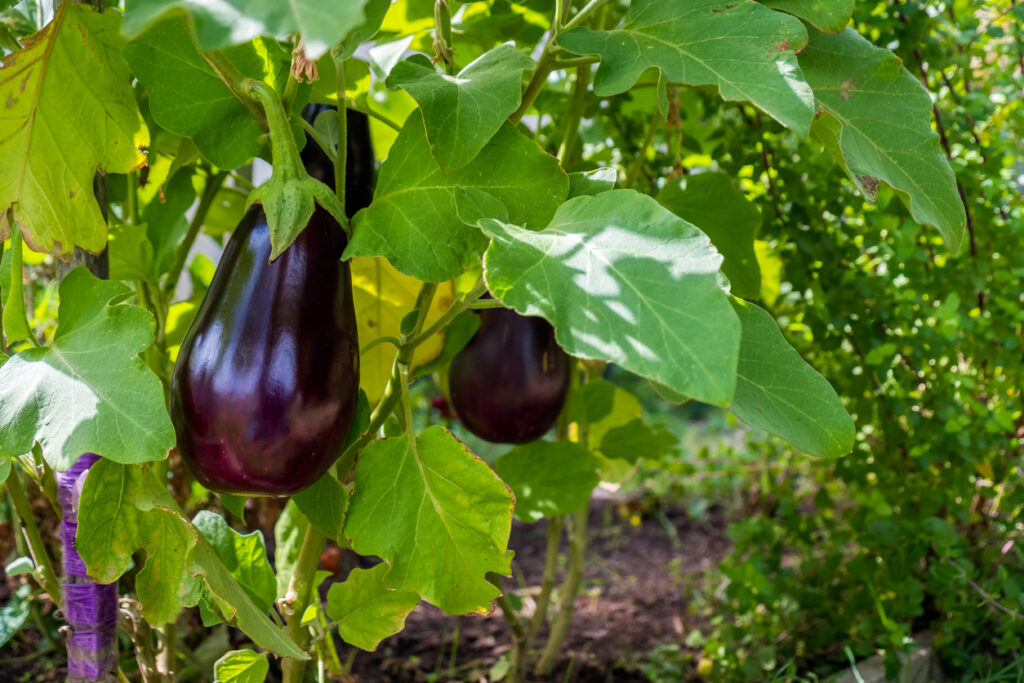
Eggplants can grow upside down, although they’ll need a strong support system. Compact varieties like ‘Fairy Tale’ or ‘Patio Baby’ are best suited for it. Their hanging fruit stays off the ground, which reduces bruising and rot while making them easier to harvest when ripe.
Upside-down growing helps prevent some of the common leaf issues and pests that love the underside of leaves. Like tomatoes, eggplants appreciate warmth and steady feeding. You’ll want to keep the container full of rich, well-draining soil and make sure it doesn’t dry out in the sun.
9. Spinach
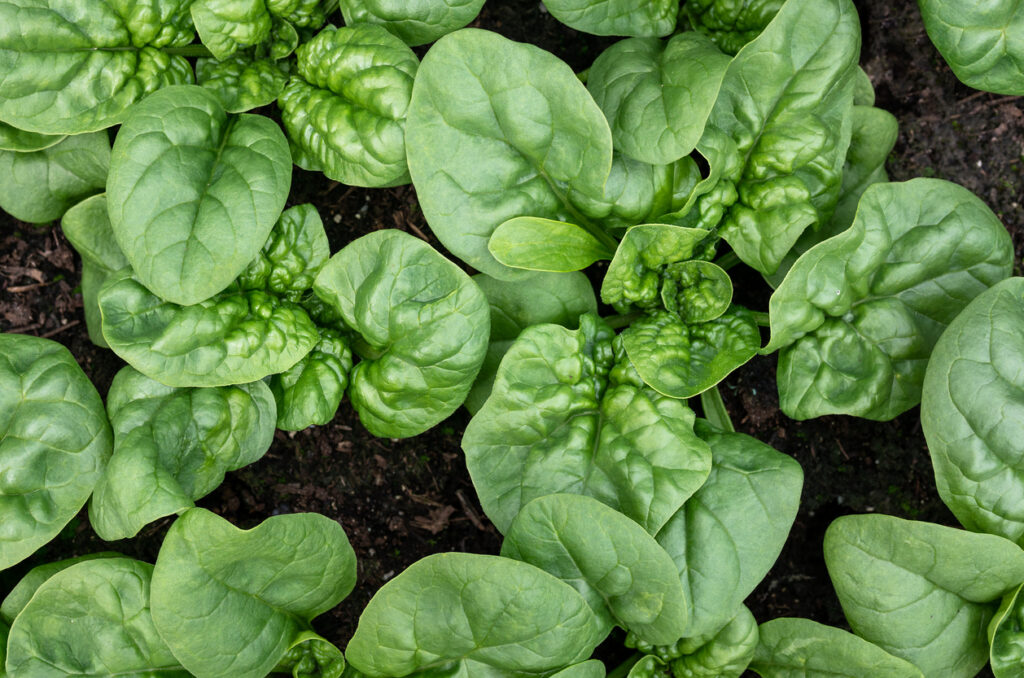
Spinach can be tricky upside down, but with baby leaf varieties and the right container, it can work. It doesn’t form heavy heads, so weight isn’t a problem, and the leaves grow in a tight bunch, which makes them easier to manage in a confined space.
The key with spinach is hydration; upside-down setups dry out quickly, and spinach hates drying out. If you keep the soil moist and shaded in hot months, you can enjoy clean, fresh leaves without the slug damage or soil mess that ground-level spinach often deals with.
10. Herbs (basil, mint, oregano)
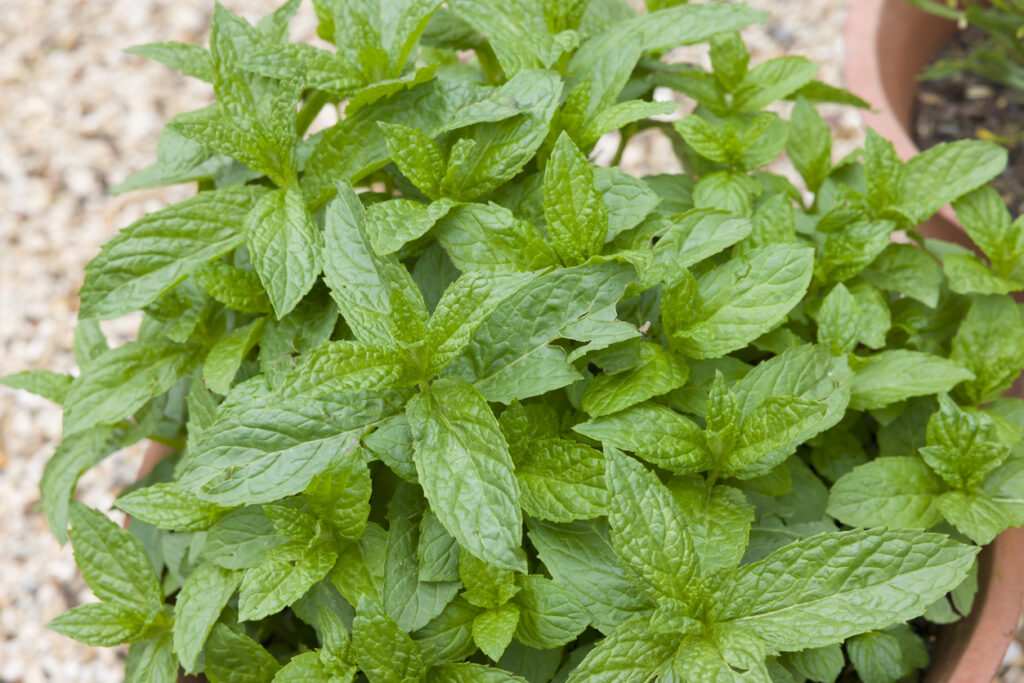
Herbs like basil, mint, oregano, and even thyme can all grow upside down quite happily, especially if you don’t mind a bit of trailing. Their lightweight structure makes them ideal candidates for vertical hanging gardens or upside-down pouches.
This setup helps reduce soil splash and keeps the herbs off ground-level pests. Mint especially benefits from the containment, as it can be a bit invasive in traditional beds. Keep in mind that herbs in upside-down planters may need more frequent watering, but the payoff is compact, fragrant plants that are easy to snip and use.
11. Zucchini
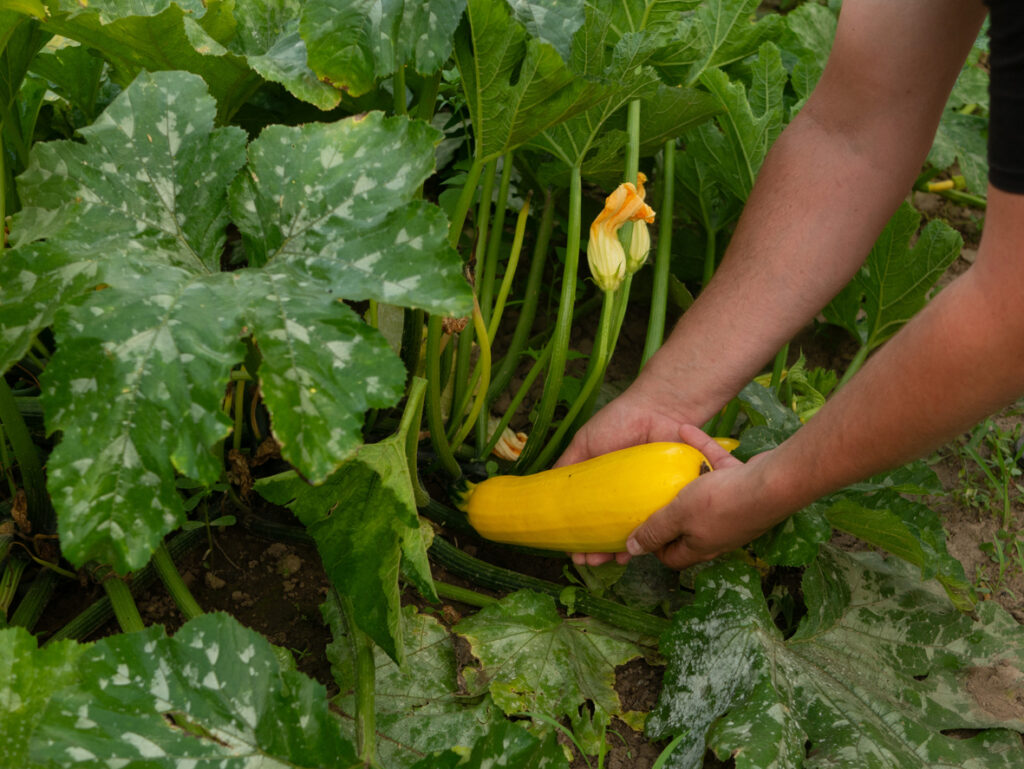
While not a typical choice, some gardeners have had success growing compact zucchini upside down. The trick is to choose small-fruiting types and to be ready with support slings if the fruit gets heavy. When it works, the fruit dangles cleanly, away from the damp soil and bugs.
Because zucchini plants are quite thirsty, watering from the top of the container helps moisture trickle down through the roots efficiently. If you manage the weight properly, you’ll get a decent harvest and avoid a lot of the rot issues that plague ground-level zucchini.
12. Peas
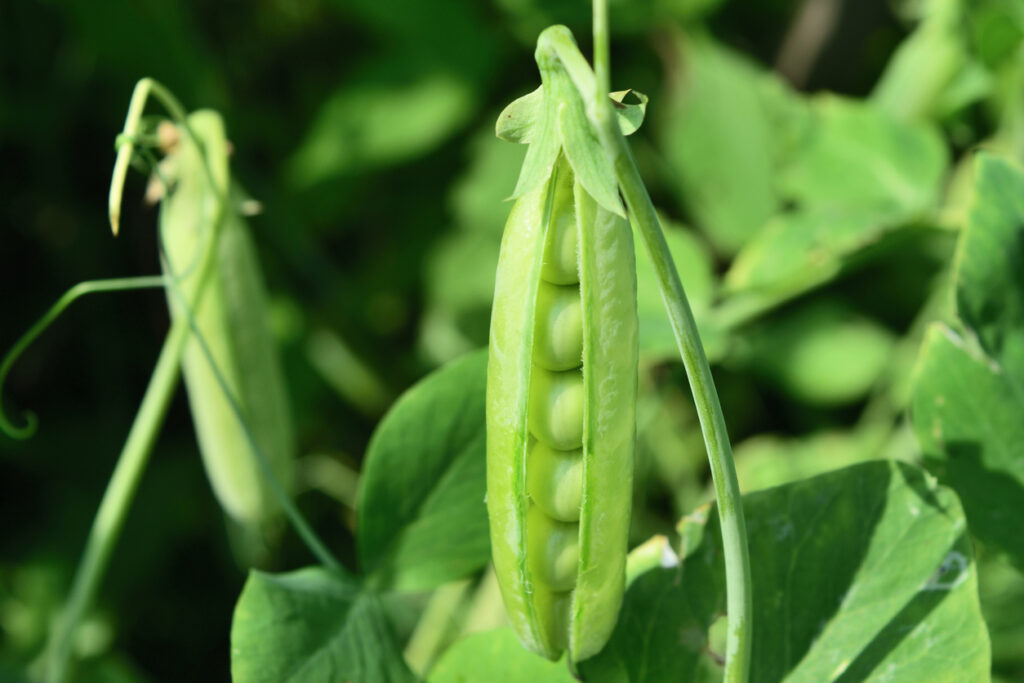
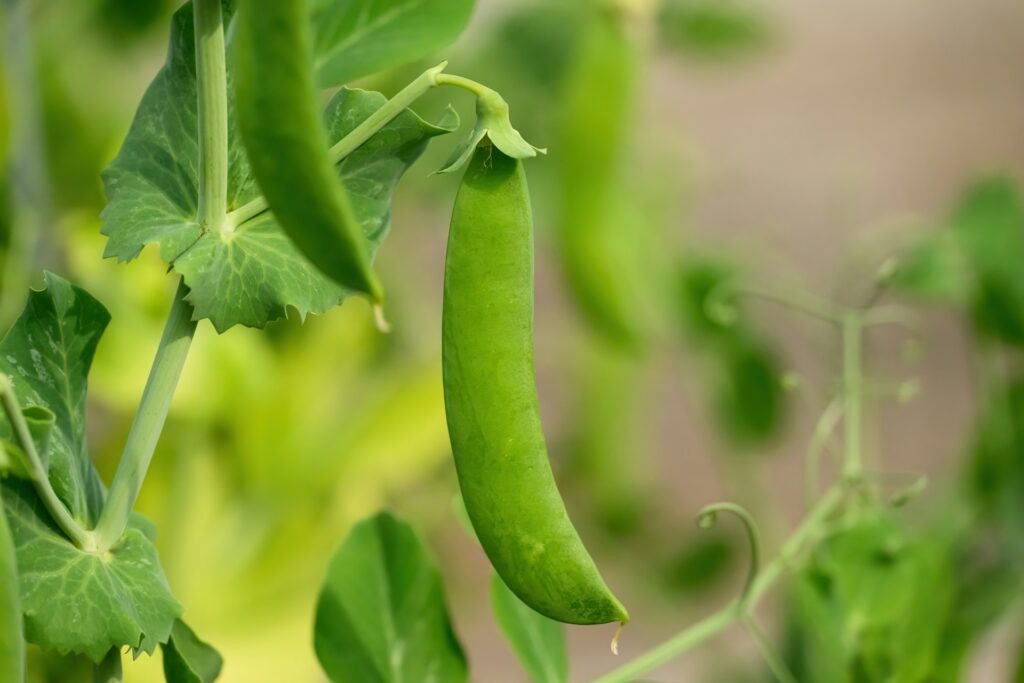
Peas can grow upside down if you use dwarf or bush varieties rather than climbing types. Their stems will curve upward at first, trying to grow toward the light, but will settle into a gentle arch. The pods then hang freely, making picking them simple and mess-free.
This method can also reduce fungal issues caused by damp soil or crowded stems. The main challenge is keeping the roots cool and moist enough while hanging. Mulching the top of the container or placing it in partial shade can help manage that balance.
13. Tomatoes
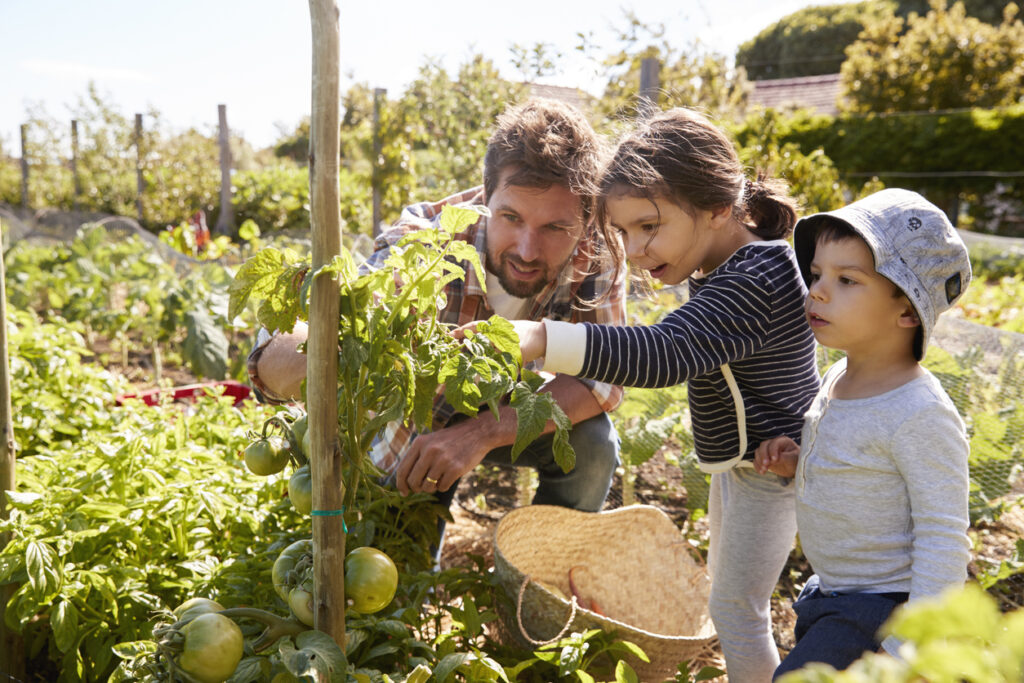
Tomatoes are probably the most well-known upside-down growers. They adapt easily to being suspended because their vines naturally trail downward anyway. Hanging them saves garden space and helps prevent soil-based diseases like blight, which often splash up from the ground onto the lower leaves.
When grown upside down, tomatoes also tend to develop stronger stems as they work against gravity. You’ll still need to water and feed them regularly, but the fruit stays cleaner and more accessible. Cherry and plum varieties do especially well this way, with less sprawling and more airflow around the plant.