When most people picture dinosaurs, they think of solitary beasts battling it out for survival.
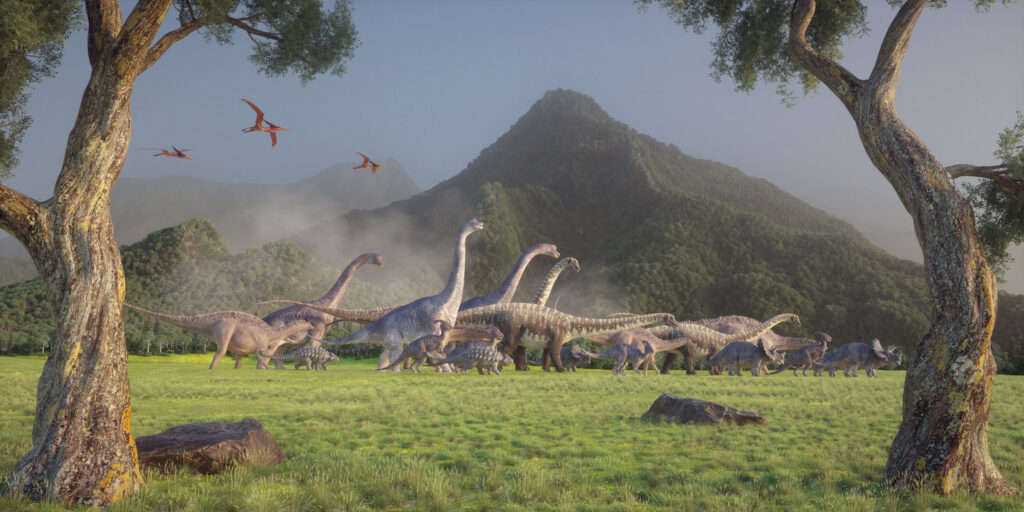
However, recent fossil discoveries have flipped that idea on its head. Some species didn’t just live in groups; in fact, they had surprisingly complex social lives. From coordinated herds to multi-generational nesting grounds, there’s growing evidence that certain dinosaurs may have had social structures rivalling those of modern primates. Here are 13 dinosaurs that likely lived in organised groups, possibly with roles, ranks, and behaviours that suggest a social world far richer than we ever imagined.
1. Maiasaura
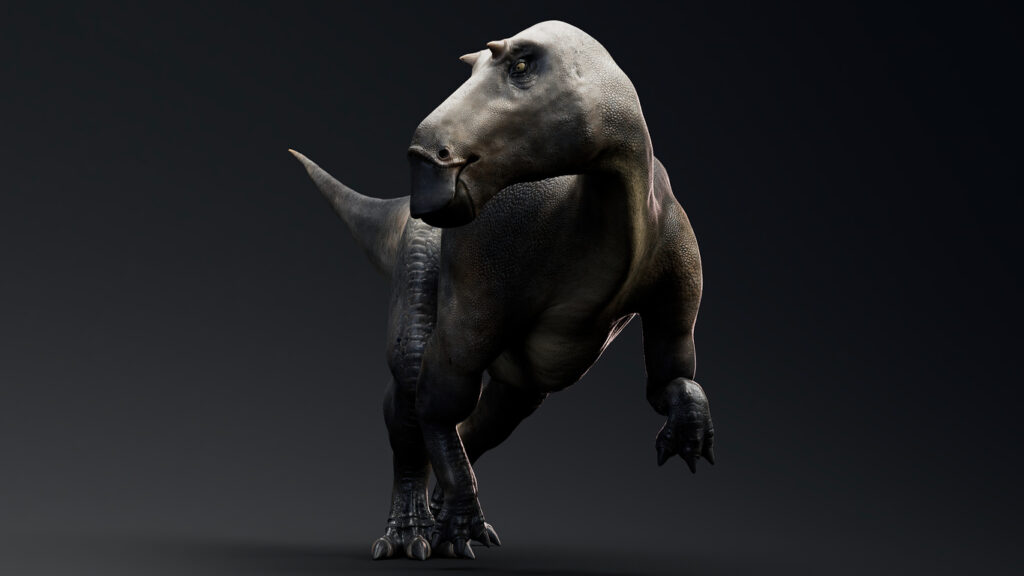
Nicknamed the “good mother lizard,” Maiasaura was one of the first dinosaurs that gave researchers strong evidence of parental care. Fossil sites in Montana revealed massive nesting colonies, with dozens, sometimes hundreds, of nests in close proximity. These weren’t just dumped eggs, either; hatchlings showed signs of being fed and looked after in the nest for extended periods.
That level of coordination suggests more than basic survival. In fact, it hints at a community structure. Adults may have taken turns guarding nests or worked together to keep predators away. The sheer scale of these colonies points to a society with rules, routines, and possibly even roles, much like those found in large primate groups.
2. Troodon
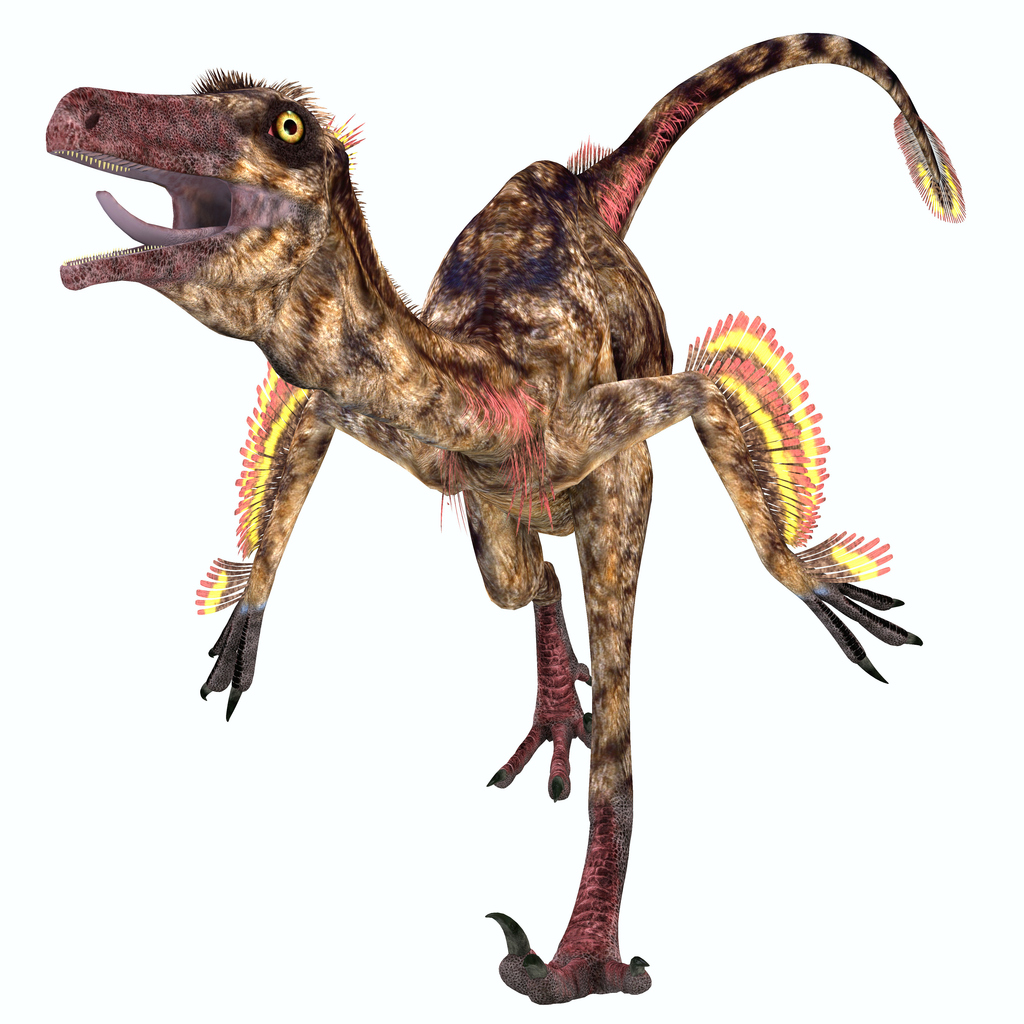
Troodon was small, fast, and widely considered one of the most intelligent non-avian dinosaurs. Its large brain-to-body ratio has led many scientists to compare its intelligence to modern birds or even mammals. Fossil evidence suggests it may have nested in colonies and returned to the same sites year after year.
There’s also reason to believe Troodon may have hunted in packs or communicated using vocal signals. If that’s the case, then their social organisation may have involved shared hunting roles, leadership structures, or cooperative parenting—all behaviours we often associate with social primates.
3. Pachycephalosaurus
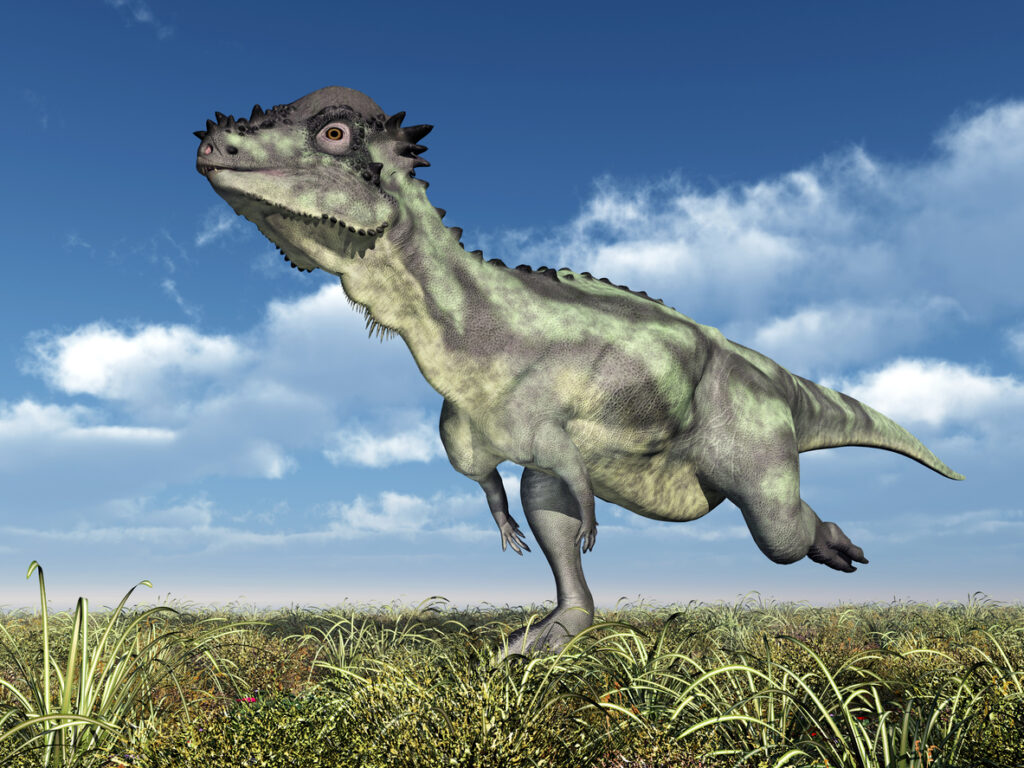
Famous for its thick, domed skull, Pachycephalosaurus is often imagined bashing heads in brutal one-on-one combat. But those dramatic encounters may have been part of a structured dominance system, similar to how gorillas chest-beat or how deer rut during mating season.
These displays could have helped establish social rank without the need for constant fighting. Some palaeontologists think they lived in loosely organised groups where individuals followed a pecking order. If true, that’s not far off how certain primates negotiate status and access to mates.
4. Protoceratops
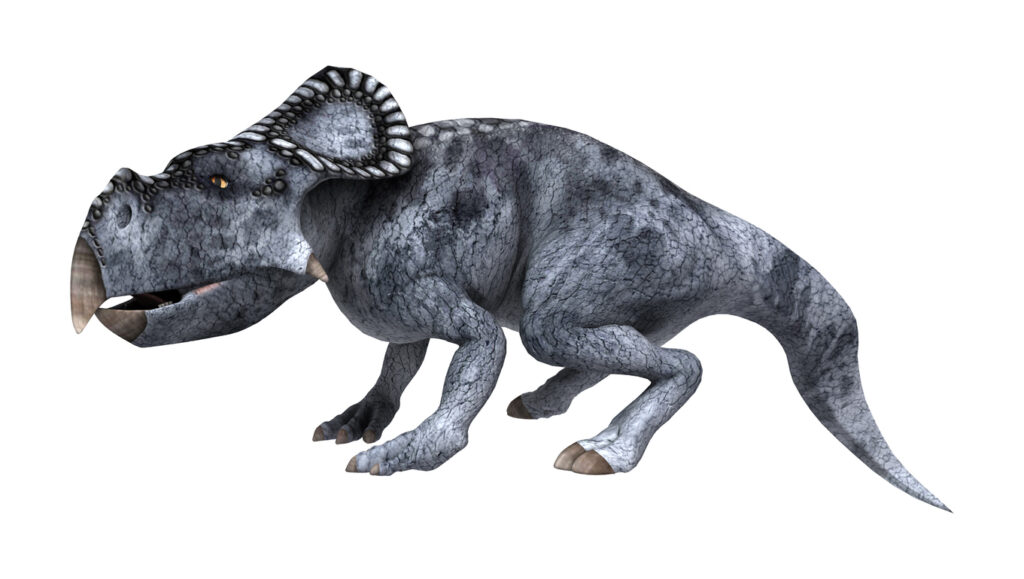
Fossil beds in Mongolia have revealed groups of Protoceratops preserved together, often in family-like clusters. Juveniles and adults are found side by side, which suggests they stayed in groups long after hatching. This kind of age-mixed social unit is rare in reptiles but common in socially complex animals like elephants or baboons.
It’s possible these groups offered safety in numbers, but the consistency of these fossil finds hints at something more stable than just a temporary alliance. There may have been elders, matriarchs, or dominant individuals keeping order, which are roles we tend to associate with more advanced social species.
5. Edmontosaurus
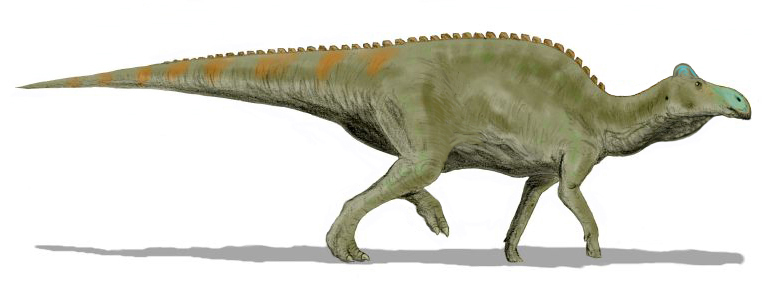
Edmontosaurus was a duck-billed dinosaur known for living in massive herds. Some fossil sites suggest thousands of individuals travelled together, possibly migrating across long distances. This isn’t just about safety; coordinated movement on that scale points to social organisation and possibly even leadership roles within the group.
The herds likely included individuals of all ages, from hatchlings to adults, and there’s evidence they moved in structured formations. This kind of group behaviour mirrors that of modern-day wildebeest or zebras, but may have involved more vocal communication or learned behaviour passed through generations.
6. Oviraptor

Despite their name, Oviraptors weren’t egg thieves; they were attentive parents. Fossils show adults sitting on nests, often with arms spread protectively over eggs, just like a brooding bird. Some remains even show embryos still inside, suggesting these adults died while guarding their nests.
That kind of commitment speaks to a strong social bond. In some species, multiple adults may have shared childcare duties or nested in close colonies. These behaviours point to a level of cooperation and care that’s more in line with birds and primates than with lizards or crocodiles.
7. Centrosaurus
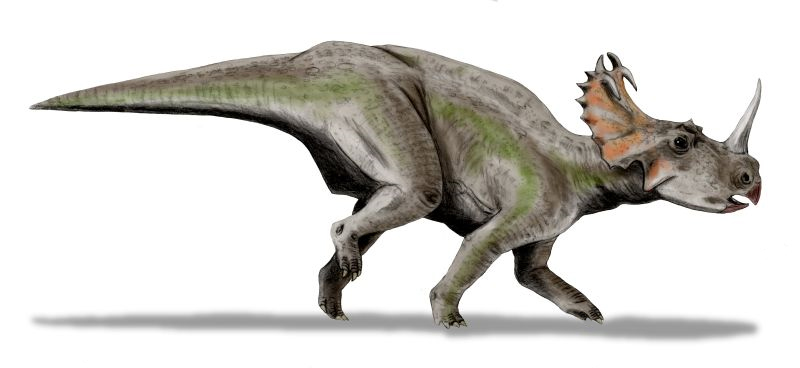
Centrosaurus, a horned dinosaur related to Triceratops, is known from massive bonebeds in Canada where hundreds of individuals died together. While it’s possible these were just unfortunate stampedes or floods, the fact that they were travelling in such large numbers suggests tight-knit group living.
Some scientists believe these dinosaurs may have had complex mating or social rituals during migrations, not unlike caribou or even flamingos. Their frills and horns may have played a role in social signalling, helping to establish rank, attract mates, or reduce in-group conflict.
8. Coelophysis
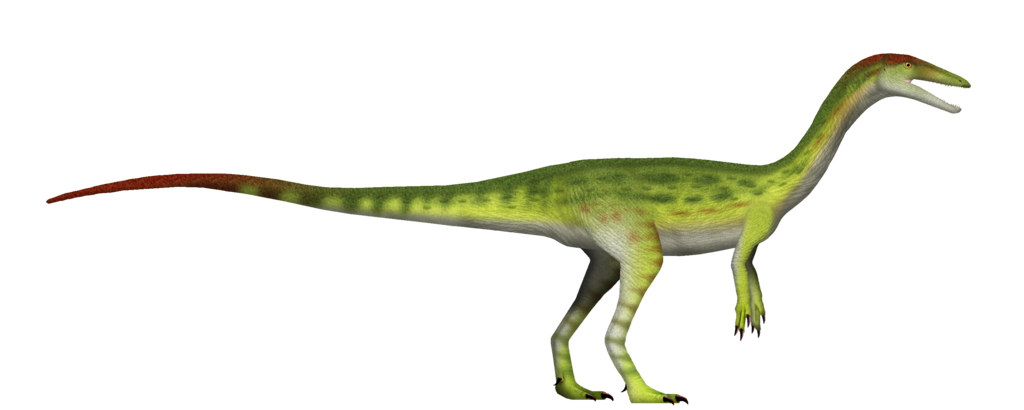
One of the earliest known dinosaurs, Coelophysis fossils have been found in massive bone beds, hinting at pack living or coordinated hunting. These long-legged, agile predators may have worked together to take down prey much larger than themselves, which would have required some degree of social strategy.
Evidence of group nesting also suggests that their social lives included more than just hunting. If they raised young communally or returned to the same sites together, their social networks might’ve rivalled those of wolves, or even early hominids in terms of coordination and shared responsibility.
9. Iguanodon
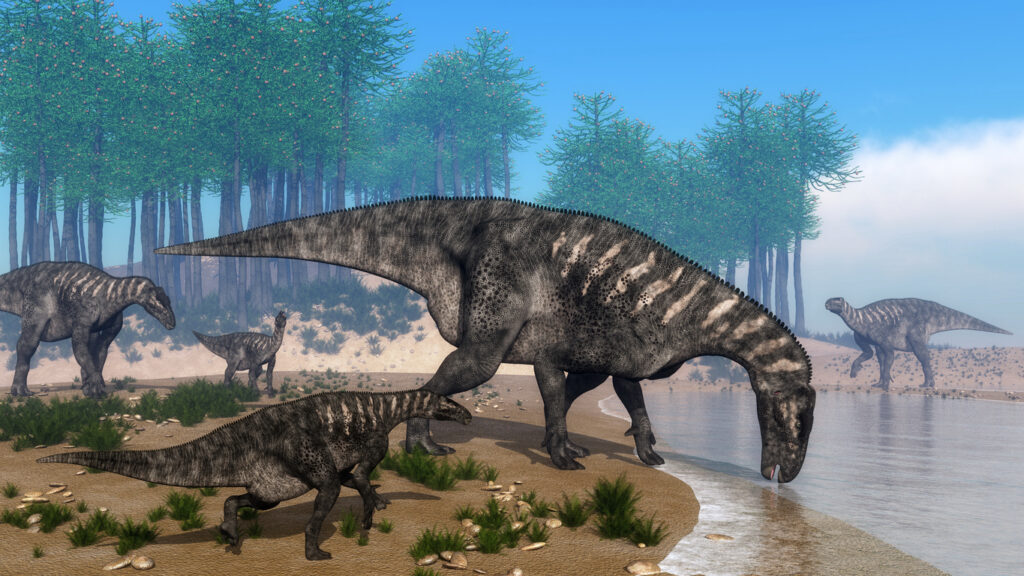
Once one of the most famous dinosaurs in Britain, Iguanodon fossils have been found in group formations, often with individuals of similar age clustered together. This has led to theories that they lived in herds with distinct social layers, possibly separating young individuals from adults for safety or teaching.
Some scientists believe the thumb spike may have been used more for in-group social signalling than defence. If that’s the case, it could’ve played a role in establishing rank or deterring conflict, similar to how baboons use facial expressions or body postures to keep social peace.
10. Lambeosaurus
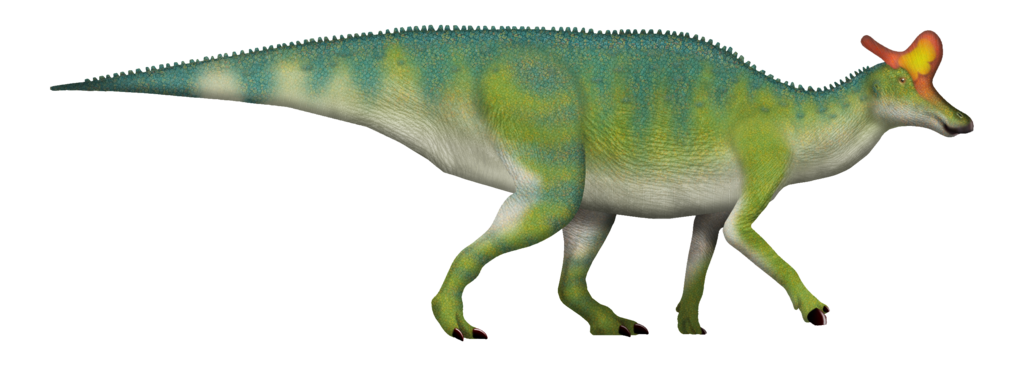
These crested hadrosaurs were likely among the loudest dinosaurs, thanks to their elaborate, hollow skull crests that worked like built-in trumpets. Researchers believe these crests were used for sound communication, helping individuals keep track of each other in dense herds or coordinate during movement.
The need for long-range vocal signals suggests that Lambeosaurus groups were large, mobile, and socially connected. They may have had call-and-response systems or warning sounds, much like how monkeys alert each other to danger with specific calls. It’s the kind of behaviour you don’t see without a deeply wired social brain.
11. Therizinosaurus
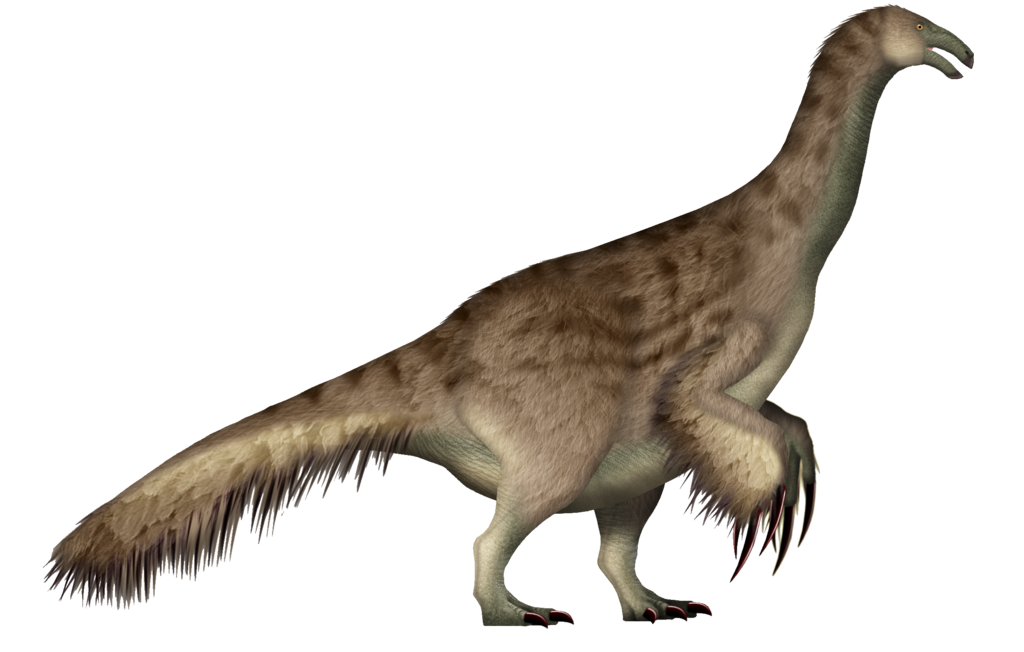
Known for their massive claws and odd appearance, Therizinosaurus was a plant-eating dinosaur that may have lived in groups based on fossil site patterns. While there’s still debate over their exact behaviour, some evidence points toward communal nesting and even age-structured groups within their range.
These dinosaurs likely relied on complex signalling to avoid conflict, especially given how dangerous those claws could’ve been if used against each other. If they managed to live in groups without constant fights breaking out, that alone would speak to a surprisingly advanced social dynamic.
12. Massospondylus
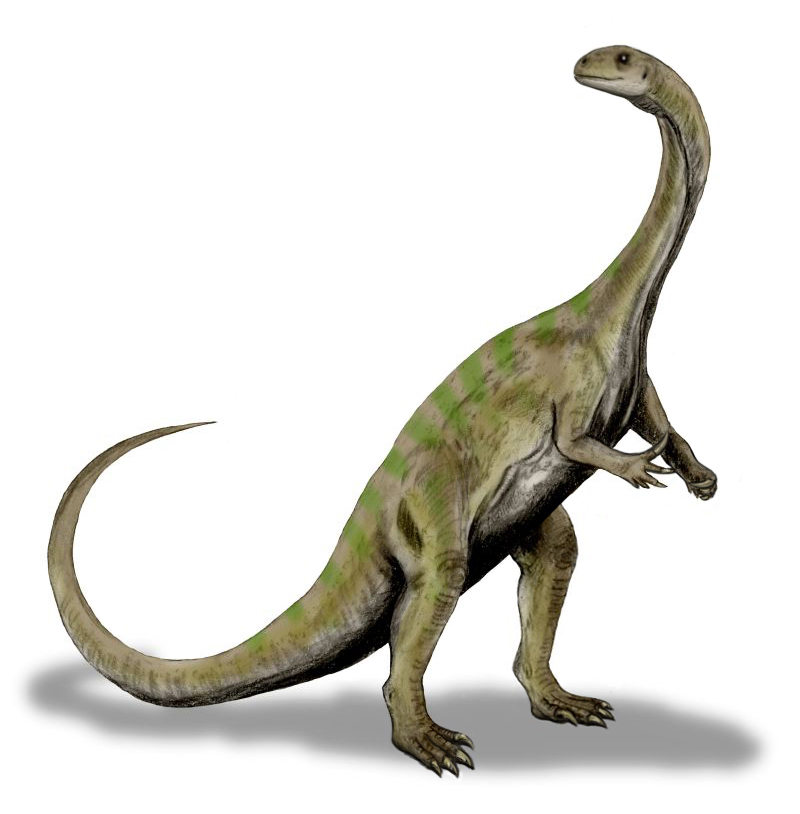
This early sauropodomorph has given us rare insight into nesting behaviour. Fossils from South Africa show neatly arranged nests, possibly returned to year after year. Even more fascinating, the spacing and structure of the nests suggest some kind of shared understanding between individuals.
That kind of site fidelity and organisation implies long-term planning, cooperation, and perhaps even generational knowledge passed down through social learning. For an animal from the Early Jurassic, that’s a lot more structure than most would expect, especially from a group that would later evolve into the enormous sauropods.
13. Allosaurus
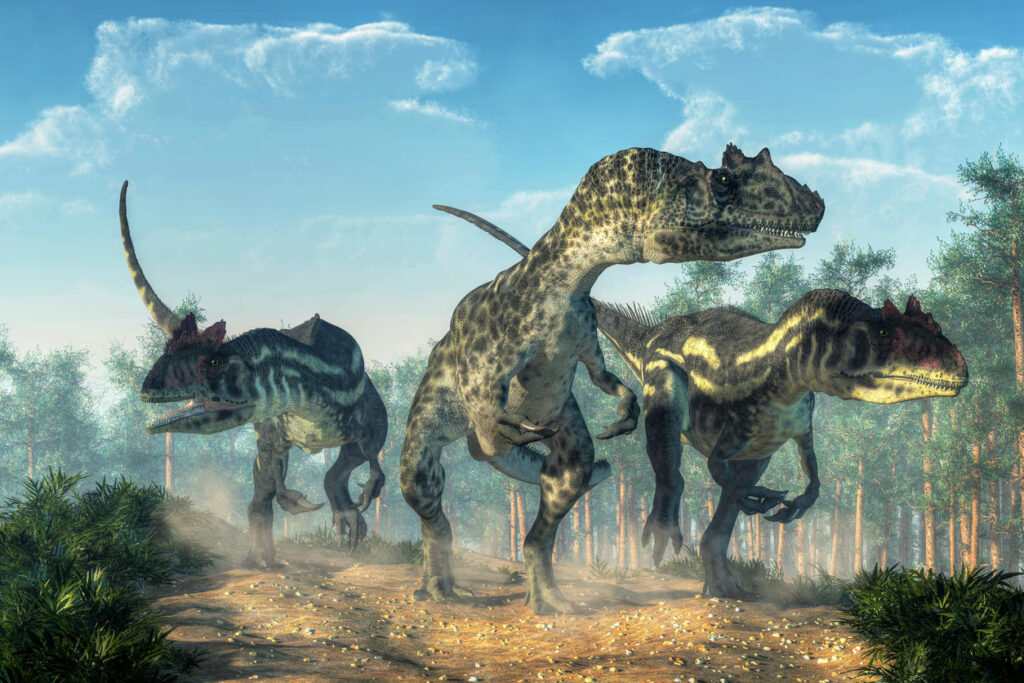
Though typically seen as a lone predator, there’s some evidence that Allosaurus may have hunted in coordinated groups, especially when going after large prey like sauropods. Bite marks found on bone suggest multiple individuals feeding on the same carcass, possibly hinting at cooperative behaviour.
If Allosaurus did engage in group hunts, it would’ve required role division, communication, and maybe even leadership, much like how lions or hyenas operate today. That would place them far beyond the cold-blooded killer stereotype and into the realm of genuinely social, organised predators.