Most of us picture tigers as big cats, and they are, but the scale is often lost until you really dig into the details.

These aren’t just oversized tabbies with stripes. They’re stealthy, insanely strong, and built for domination. People think lions are the kings of the jungle, but tigers don’t need a crown. They rule by raw power, and most of it happens in silence. Here’s why these creatures are even more formidable than most realise.
1. Adult male tigers can weigh over 300 kg.
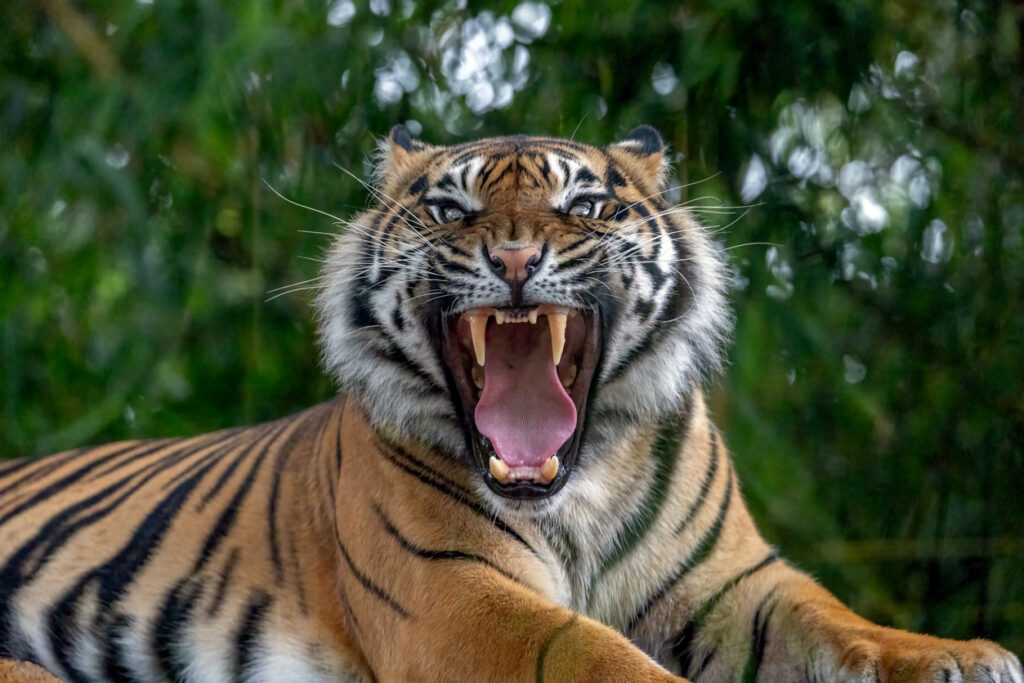
If you’ve only seen tigers in photos, it’s easy to assume they’re around the same size as a big dog. However, in real life, an adult male Siberian tiger can weigh 300 kg or more, and still move like a shadow through the forest. That kind of bulk, combined with muscle, means they can bring down prey twice their size without breaking a sweat. It’s like a bodybuilder built for silence, with claws and teeth added for good measure.
2. Their paws are bigger than your face.
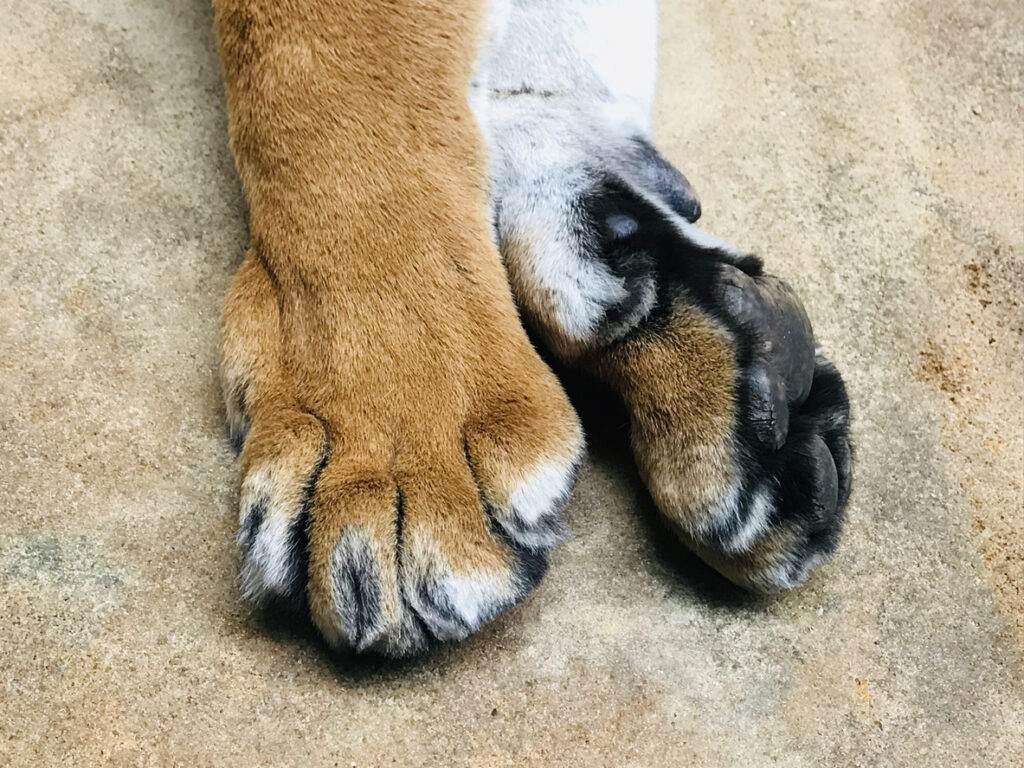
A single tiger paw print can be over 15 cm wide. That’s larger than most adult human faces. Those paws aren’t just for walking; they’re powerful weapons with retractable claws sharp enough to slice through thick hide. They use them to pin, slash, and grip prey, often going straight for the throat in one leap. If you ever see a tiger paw print in the wild, turning around is a smart move.
3. They can bite through bone.
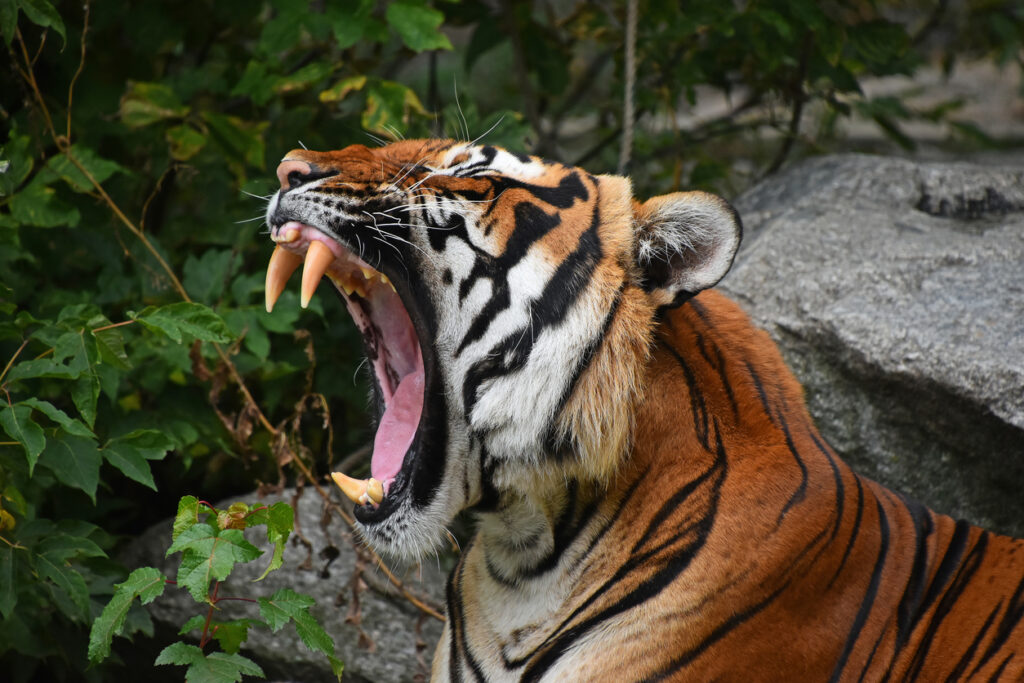
Tiger jaws are no joke. Their bite force clocks in at around 1,000 psi (pounds per square inch), which is strong enough to snap bone with ease. It allows them to take down large animals like buffalo and even bears. Unlike cheetahs that suffocate prey, tigers often go for the back of the neck, aiming to crush the spinal cord in a single bite. It’s a clean, quick kill, and terrifyingly efficient.
4. They’re insanely quiet when stalking.
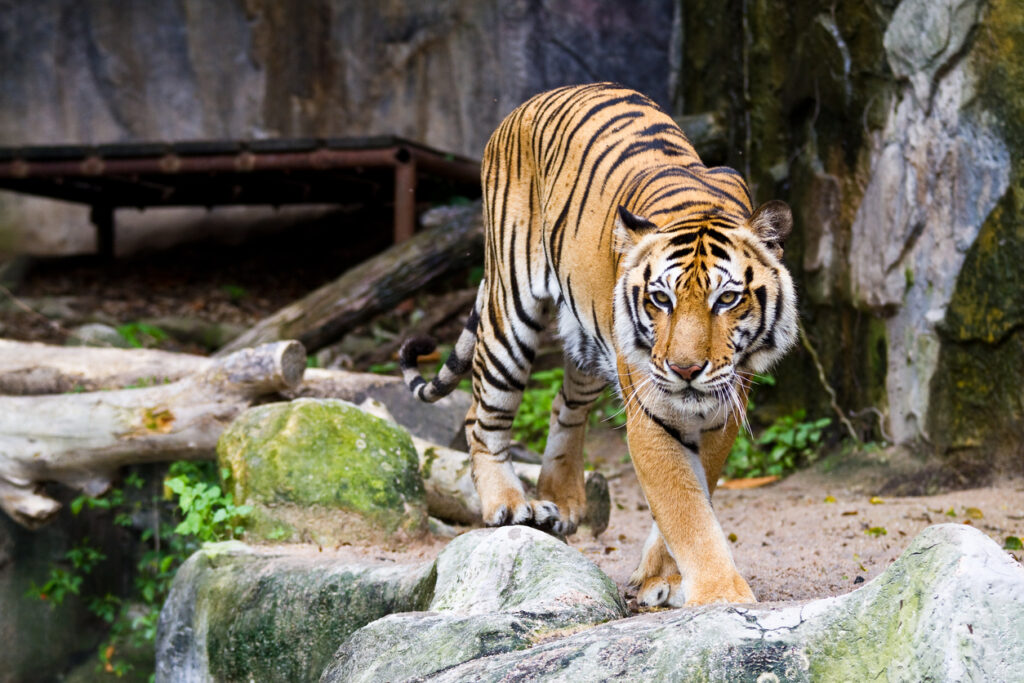
Despite their size, tigers are silent stalkers. Their padded feet and deliberate movements mean they can sneak up on prey without a sound. You’ll never hear one coming until it’s too late. They don’t chase like wolves or pounce like leopards from trees. They wait, watch, and when the moment is right, launch a powerful ambush. They’re less “roar and charge,” more “suddenly behind you.”
5. They’ve been known to take on crocodiles.
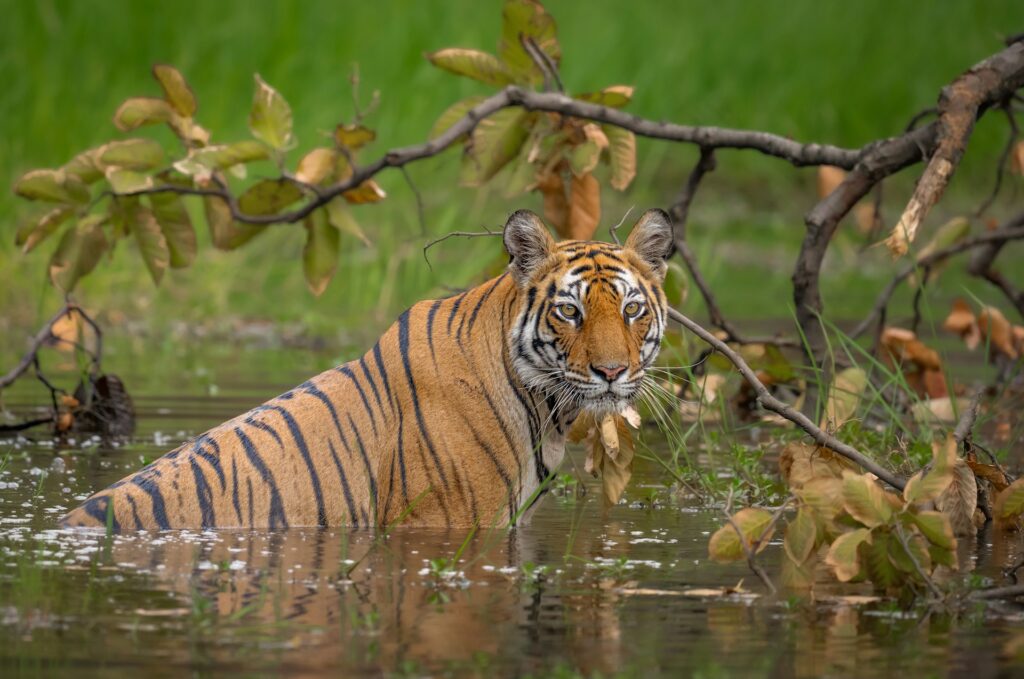
Yes, tigers sometimes fight, and kill, crocodiles. In India, where their territories overlap, there are records of tigers dragging crocs out of the water and overpowering them. It’s not an everyday occurrence, but it shows just how fearless and capable these animals are. They’re not just top predators; they’re the kind that pick fights with other top predators and win.
6. A tiger’s territory can cover 100 square kilometres.
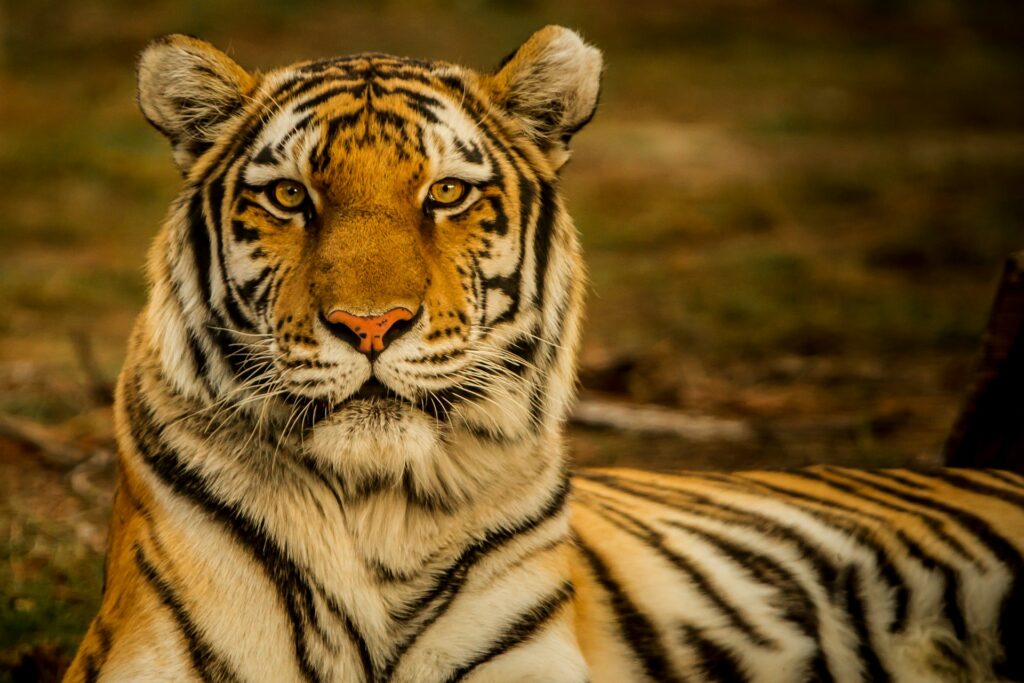
Tigers need space. A male’s territory can stretch across over 100 square kilometres, depending on prey availability. That’s a massive area to patrol and protect, and they’re highly territorial about it. This need for space is one reason tigers struggle in captivity or in fragmented wild habitats. They don’t do well when boxed in. They’re made for roaming, not pacing.
7. They can sprint at 40 mph for short bursts.
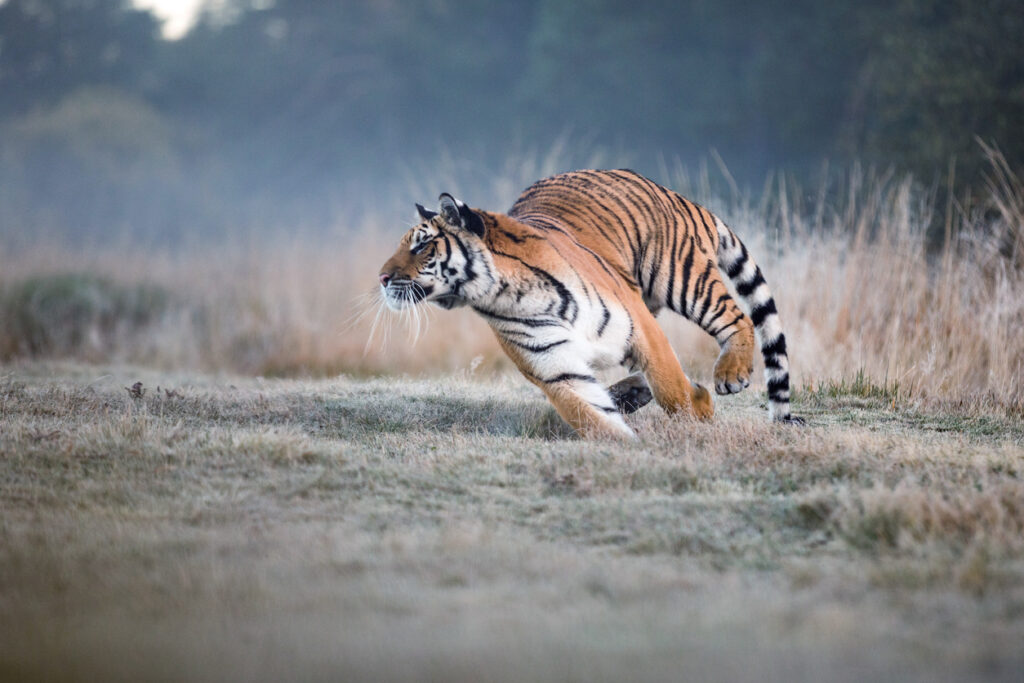
While not built for endurance, tigers can hit speeds of up to 40 miles per hour in short sprints. That’s faster than most horses at full gallop, and it comes out of nowhere when they launch an attack. They only need a few seconds of top speed to close the gap between them and their target. Once they’re within range, it’s game over for most prey.
8. Some have developed a taste for humans.

While human attacks are rare, they do happen, and some tigers have become so-called “man-eaters.” Usually, this happens when they’re old, injured, or can’t catch faster prey. In desperation, they turn to slower-moving humans. One infamous tigress in India reportedly killed over 400 people in the early 1900s. It’s a rare behaviour, but when it happens, it’s chilling how easily they switch focus, and how good they are at it.
9. They can swim for miles.
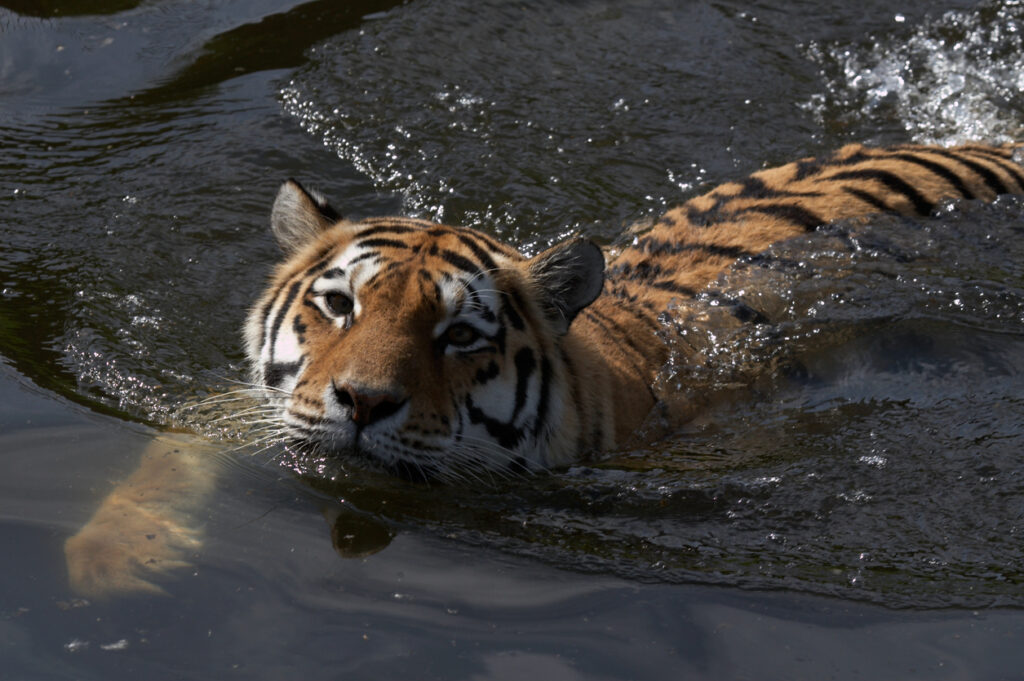
Unlike most cats, tigers love water. They’ll bathe, swim, and even hunt in it. Some have been known to swim across rivers over 5 miles wide just to get to new territory or pursue prey. In the Sundarbans, a vast mangrove region between India and Bangladesh, tigers swim between islands regularly. Being in the water doesn’t make you safe. It just means they’re coming from a different direction.
10. They kill by crushing, not mauling.
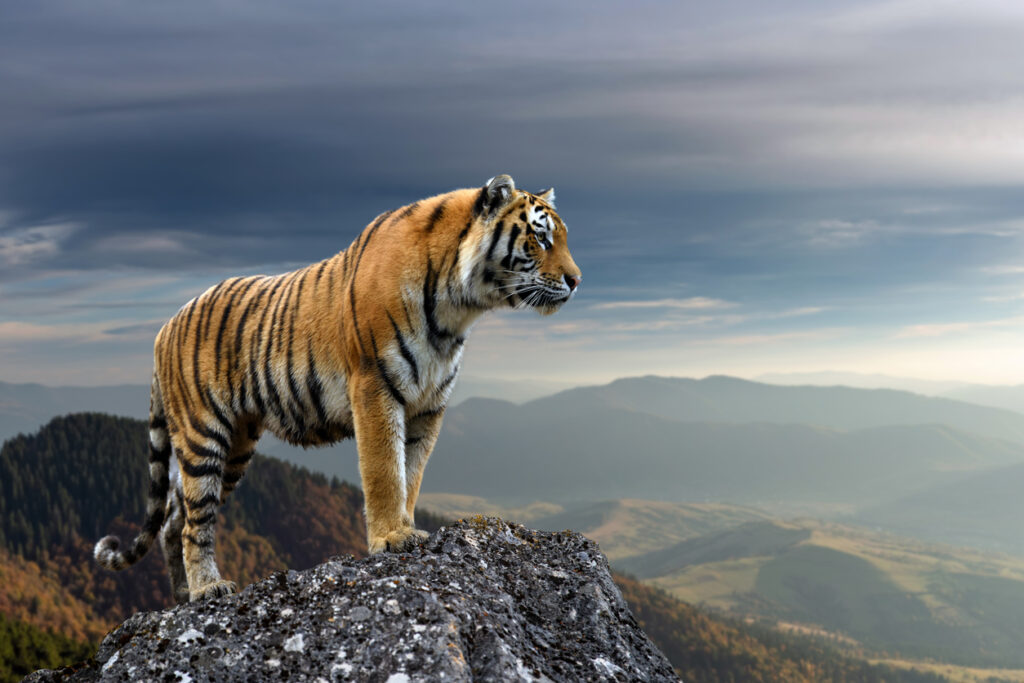
Tiger attacks aren’t about blood and flailing claws. When they hunt, they go straight for vital points, often crushing the windpipe or spine in one decisive move. It’s fast, clean, and horrifyingly effective. This precision is part of what makes them so dangerous. They’re not reckless; they’re methodical killers with anatomy built for control, not chaos.
11. Tiger cubs are trained to hunt early.
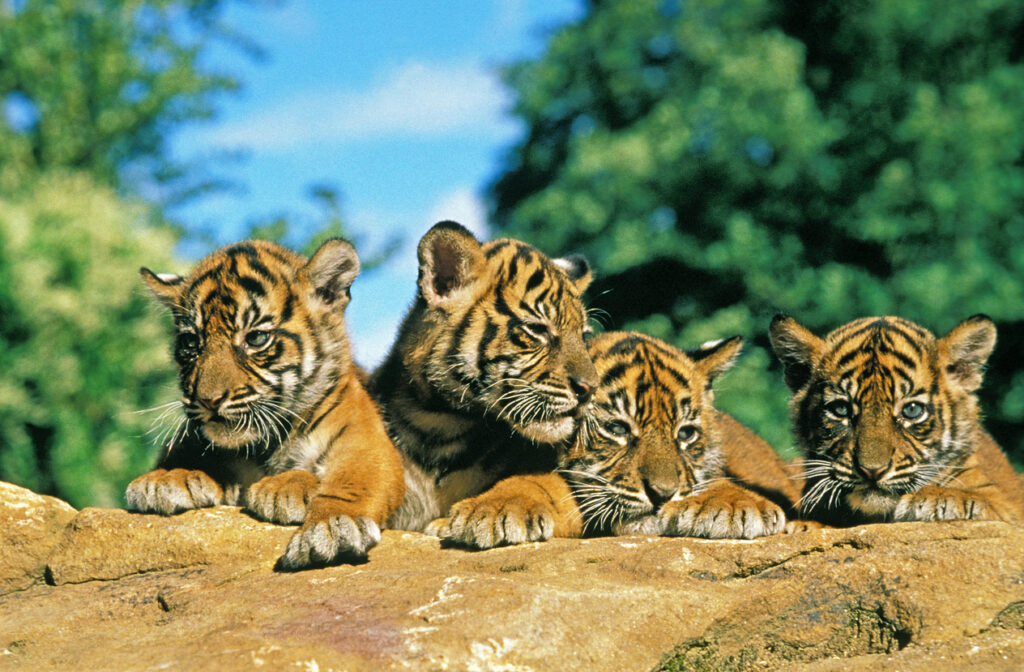
By six months, tiger cubs are following their mothers on hunts, watching and learning. They play with prey to practise strikes, balance, and timing. It’s cute, but also training for future kills. By the time they leave their mothers around age two, they’re already dangerous hunters in their own right. Plus, unlike lions, they do it solo, not in teams.
12. They’ve been caught using strategy.
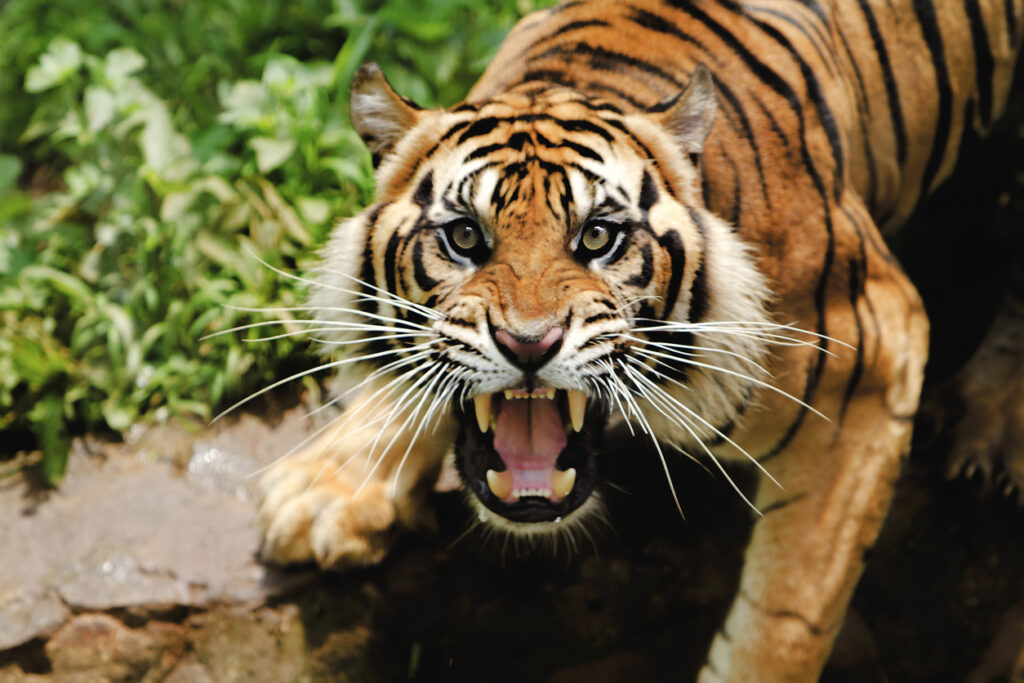
Some tigers have been seen circling herds, using terrain, or even sending a decoy (like a mother distracting while cubs sneak in). These aren’t just brute force attacks; they often involve patience, setup, and timing. There are even records of tigers learning from mistakes and changing how they approach certain prey after a failed attempt. That level of adaptability makes them one of the most effective predators on the planet.