Extinction used to be something we thought happened over millennia.
Now, species are disappearing in real time, sometimes before we’ve had a proper chance to study them. Habitat loss, climate change, pollution, and human development are accelerating extinction rates across the globe. In some cases, we knew these animals were at risk. In others, the speed of their decline has caught scientists off guard. Here are 12 creatures vanishing faster than anyone expected, and what makes their stories so urgent.
1. African forest elephant
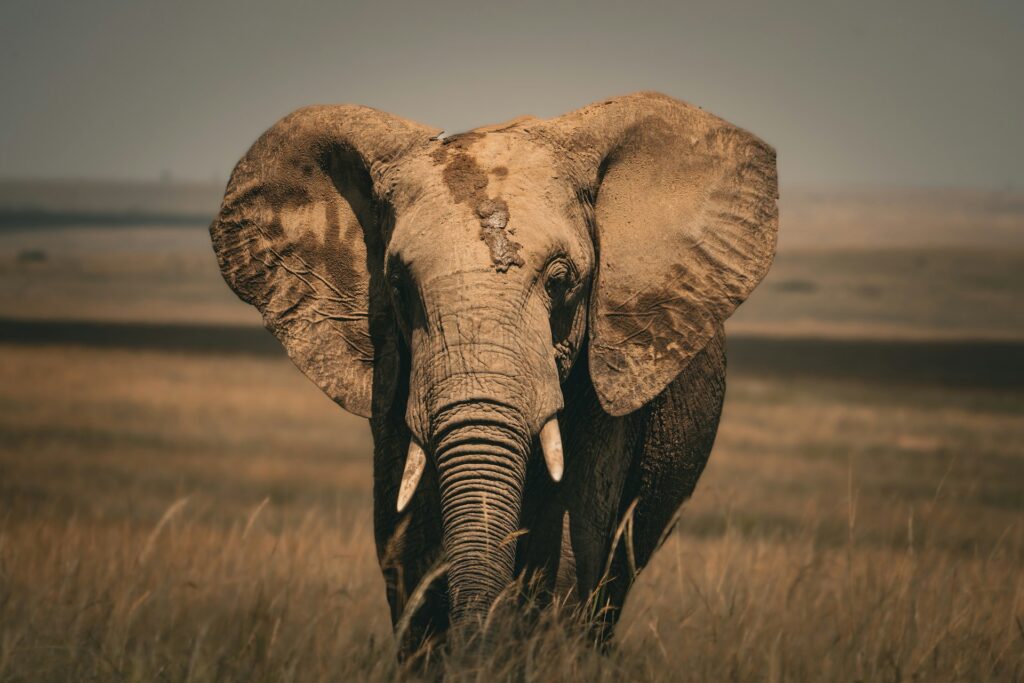
Often overshadowed by their savanna cousins, African forest elephants have seen their population drop by over 80% in just a few decades. Poaching and habitat loss in central and West Africa have hit them especially hard, and their slow reproductive rate makes it nearly impossible for them to bounce back quickly.
What’s particularly worrying is that many people didn’t realise forest elephants were a distinct species until recently. That late recognition means conservation efforts lagged behind, and now scientists say they could be gone within a generation if current trends continue.
2. Vaquita
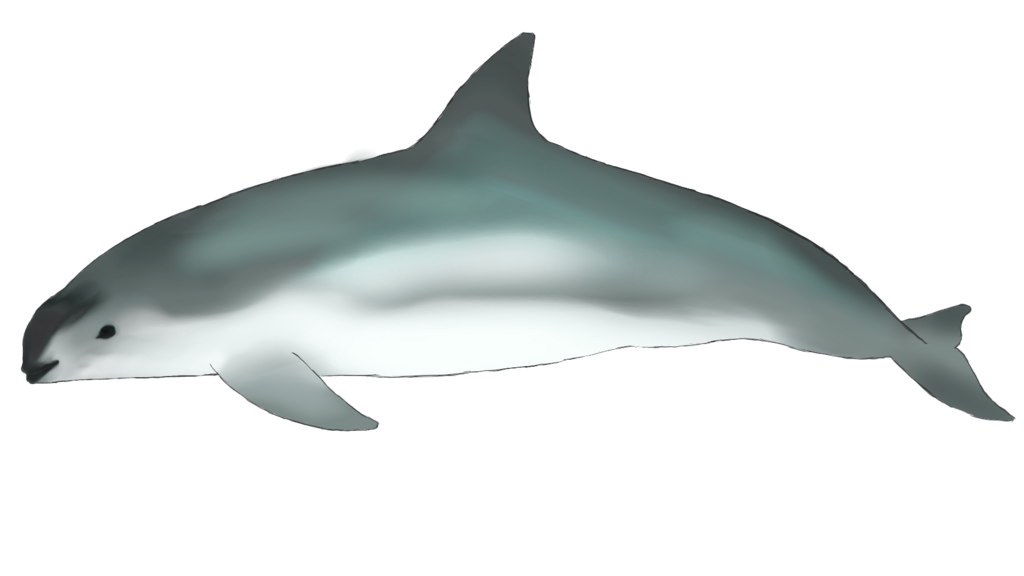
The vaquita is a tiny porpoise that lives in the northern part of the Gulf of California—and it’s now the most endangered marine mammal on the planet. Fewer than 10 individuals are believed to be left, and despite years of international attention, the decline hasn’t stopped.
The main threat? Illegal fishing nets set for another species entirely, the totoaba. Vaquitas get tangled and drown. Even with a ban in place, enforcement is weak. Conservationists are running out of time, and many fear the species could vanish entirely within the next few years.
3. Northern bald ibis
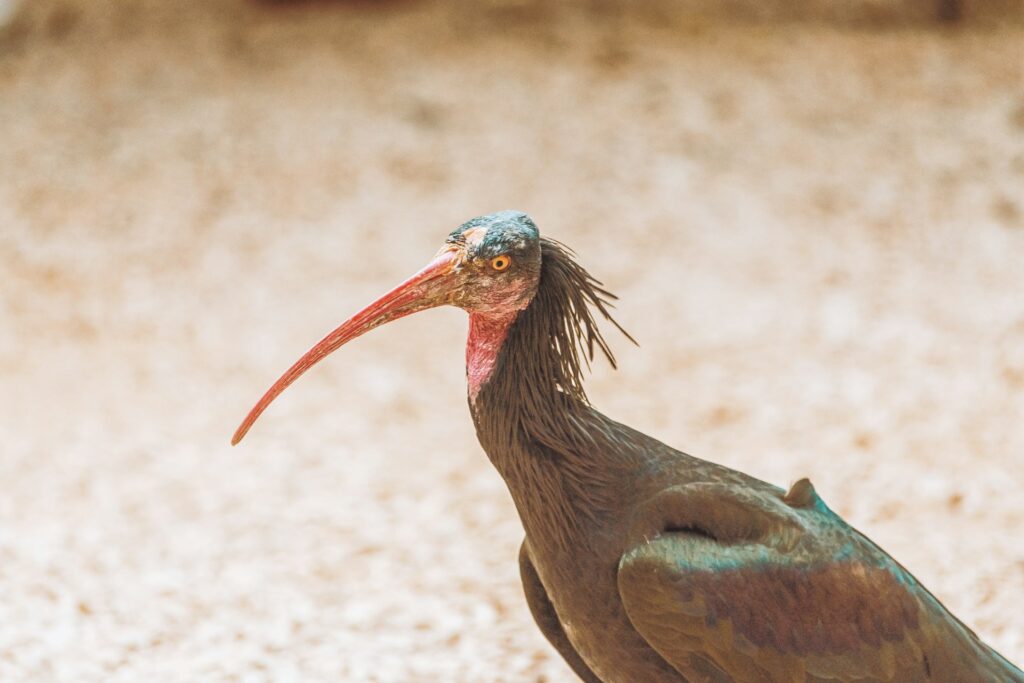
With its bare, wrinkled head and iridescent black feathers, the northern bald ibis is hard to miss—but it’s becoming harder and harder to find. Once common across Europe and the Middle East, this bird is now limited to a few scattered colonies, with reintroduction efforts fighting against the clock.
Climate extremes and habitat destruction have taken a heavy toll. While conservation groups have had some success breeding and releasing them, unexpected weather events and migratory route challenges are pushing the species closer to the brink than anticipated.
4. Yangtze giant softshell turtle
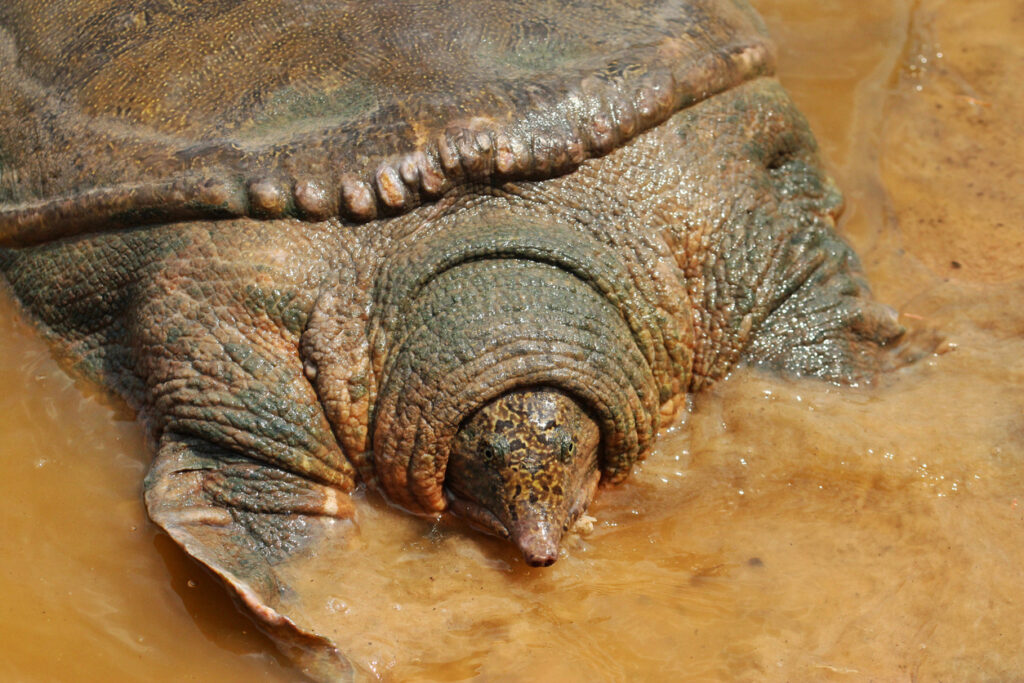
Known as the largest freshwater turtle in the world, the Yangtze giant softshell is down to just a handful of known individuals. In 2019, the last known female died during an attempted artificial insemination, leaving scientists scrambling for any unknown survivors.
Habitat destruction in China and Vietnam, along with hunting and pollution, decimated their numbers. What’s shocking is how long the decline went unnoticed, until suddenly, it was almost too late. The hope now lies in discovering a breeding pair in the wild, but time is running out.
5. Javan rhino
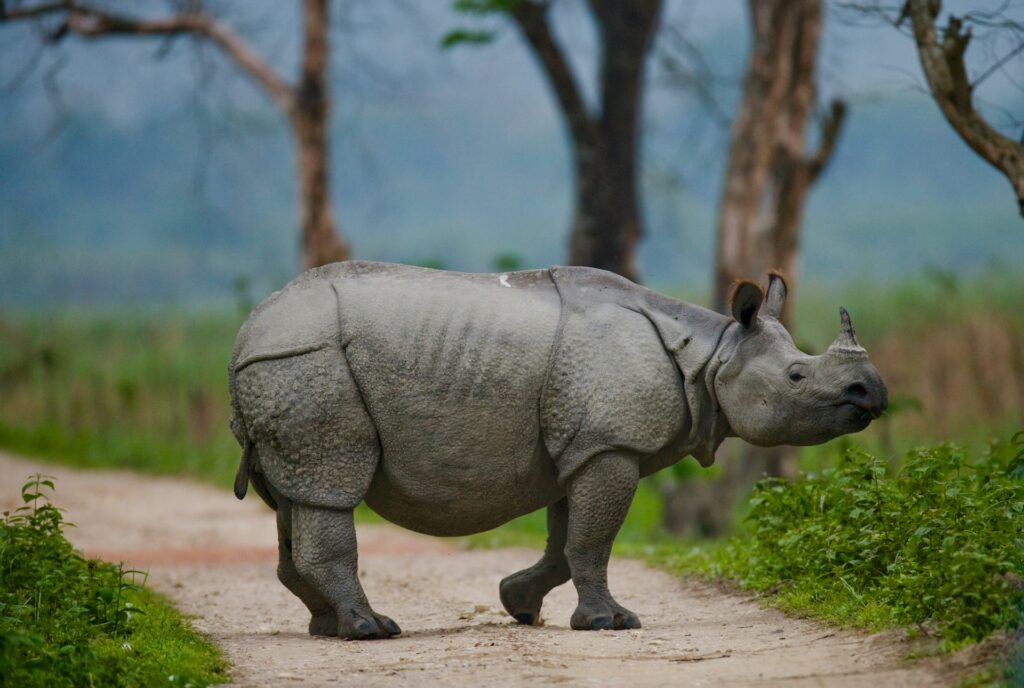
There are fewer than 80 Javan rhinos left in the world, all confined to one national park in Indonesia. Once found across Southeast Asia, their range has been reduced to a single vulnerable location, making them incredibly susceptible to disease, natural disasters, or poaching.
Conservationists had hoped that protection within the park would stabilise their numbers, but threats like invasive plant species and overcrowding have made survival even tougher. If anything goes wrong in that one area, the entire species could disappear overnight.
6. Axolotl

The axolotl is often seen in pet shops or memes online, but in the wild, this Mexican amphibian is vanishing fast. Native only to a series of lakes near Mexico City, the axolotl’s habitat has been heavily drained and polluted, leaving it critically endangered in its natural environment.
Captive populations are thriving, but the wild version is another story. Their numbers have dropped by more than 90% in recent years. Urban sprawl, introduced species, and contaminated water are pushing one of the world’s most unique creatures to the edge.
7. Saola

Nicknamed the “Asian unicorn,” the saola is one of the rarest large animals on Earth, and barely anyone has seen one in the wild. Native to the Annamite Mountains between Laos and Vietnam, it was only discovered in 1992, and since then, sightings have been almost non-existent.
While it’s not hunted directly, snares set for other animals have devastated its numbers. Conservationists fear it could become extinct without ever having been properly studied. For a species so recently discovered, its rapid vanishing feels especially tragic.
8. Eastern curlew
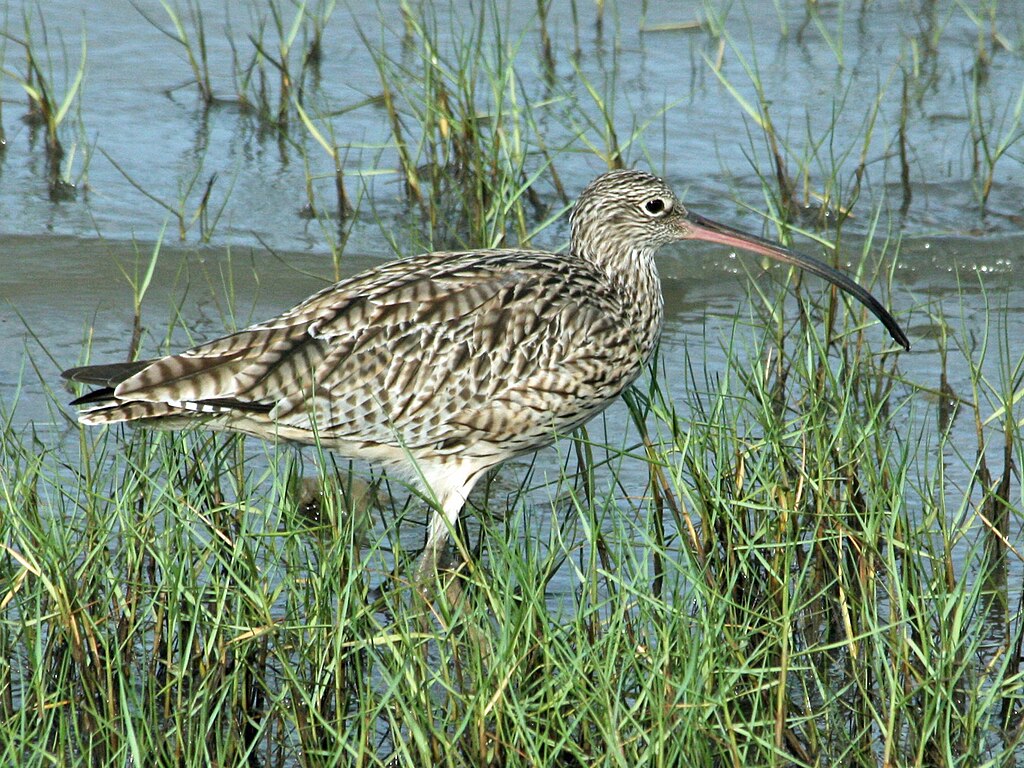
This large migratory shorebird travels vast distances from breeding grounds in Russia to coastlines in Australia. But habitat loss along its migratory path, particularly in Asia, is taking a toll. Numbers have plummeted faster than researchers anticipated.
Wetland reclamation for industrial use has removed vital resting and feeding areas. Even small disruptions along their route have major consequences for survival. As global development ramps up, the eastern curlew may simply run out of safe places to land.
9. Caribbean monk seal
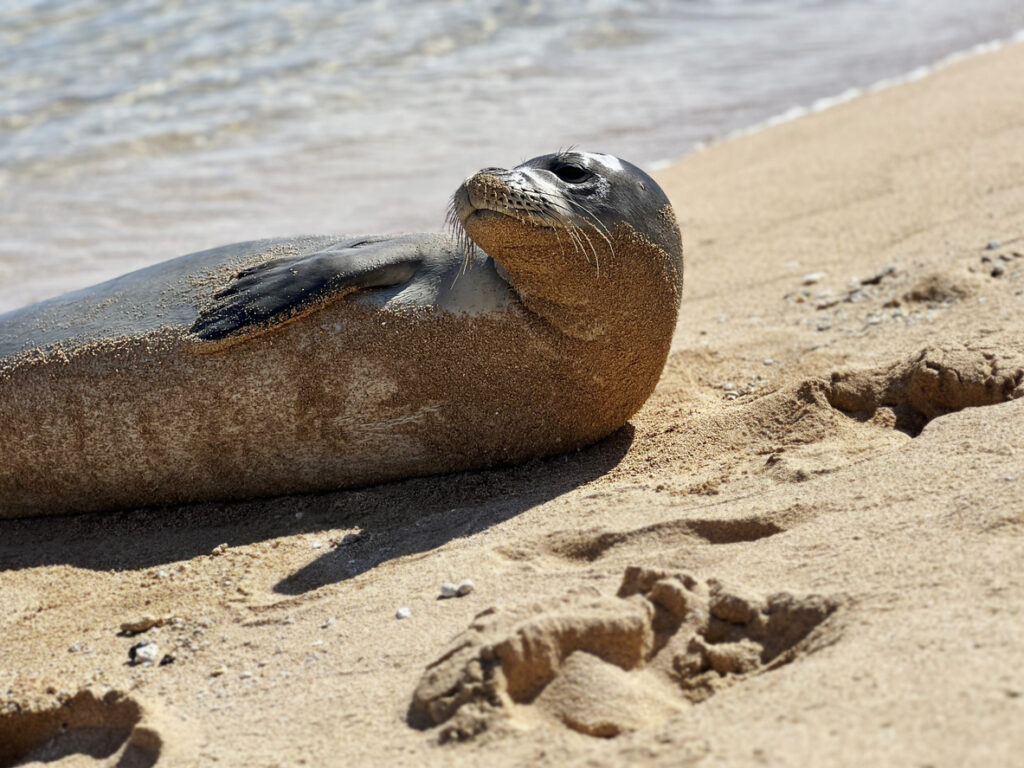
This one has already gone, but far faster than anyone predicted. Declared extinct in 2008, the Caribbean monk seal was once found throughout the Gulf of Mexico and Caribbean Sea. Overhunting and habitat degradation wiped them out by the mid-20th century.
Scientists hoped to find a remnant population for decades, but no confirmed sightings were ever made again. Their sudden disappearance is a reminder that extinction can happen quietly—without fanfare, headlines, or final goodbyes.
10. Australian bogong moth
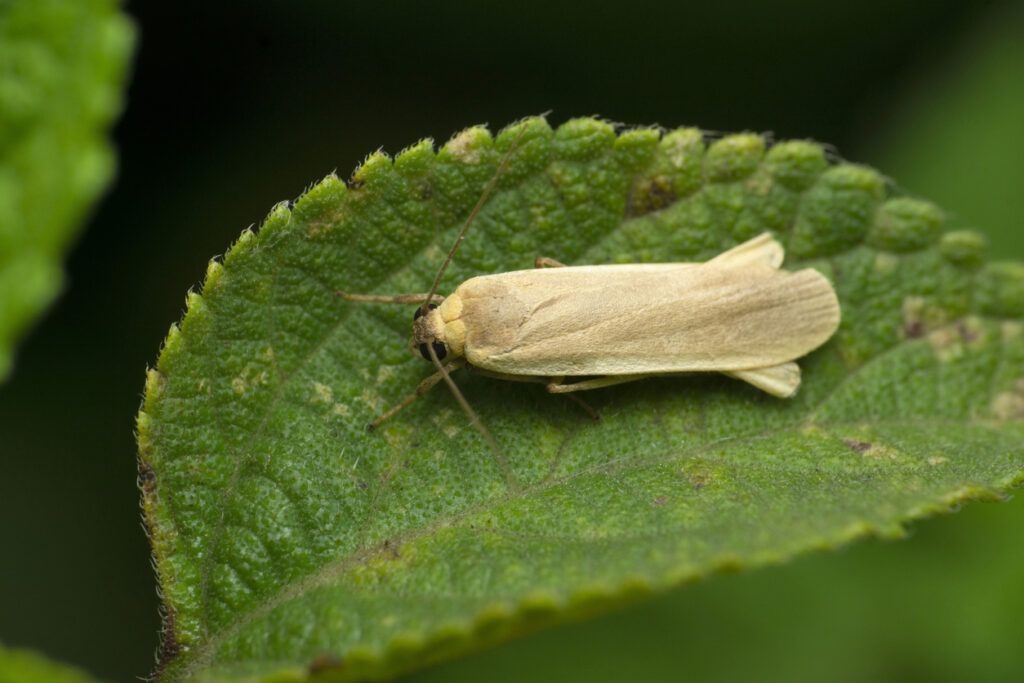
Once so numerous they filled the night skies, bogong moths have seen catastrophic population crashes in the last two decades. Their numbers dropped by more than 99% between 2016 and 2020, largely due to drought and climate disruption.
These moths aren’t just important in themselves. They’re also a major food source for species like the mountain pygmy possum. Their decline has had a ripple effect across ecosystems, showing how even the smallest creatures can have outsized impacts when they vanish.
11. Gharial
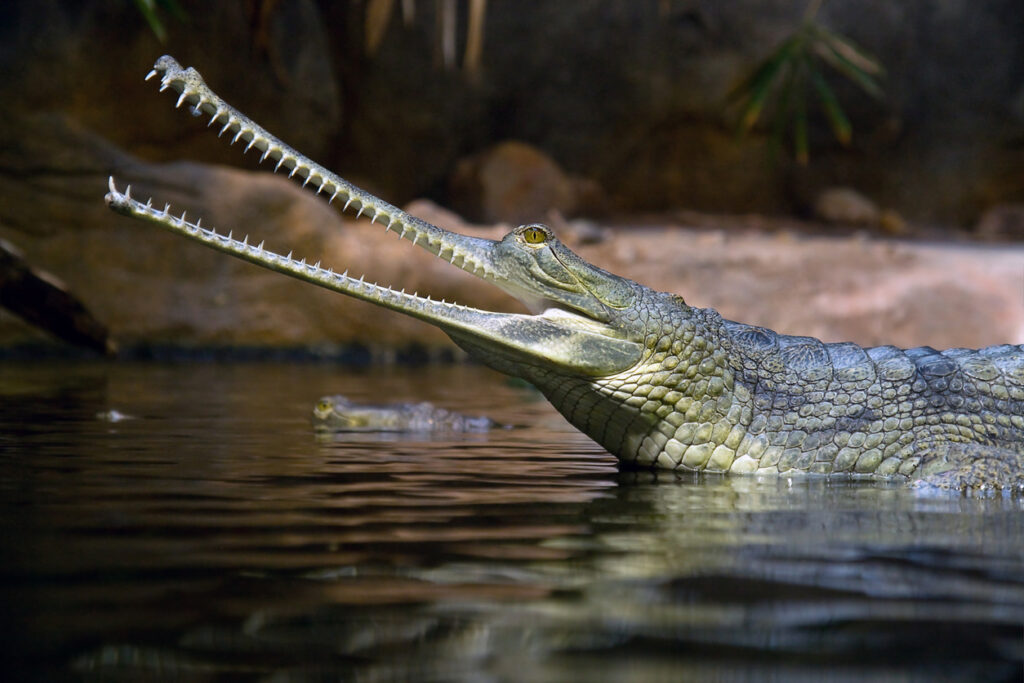
This long-snouted crocodile once roamed many of India’s rivers, but now fewer than 250 adults remain. The rapid decline of river systems due to pollution, damming, and sand mining has made it harder for them to breed and thrive. Despite some dedicated conservation work, progress has been slower than hoped. Gharials rely on clean, fast-flowing rivers, which are something that’s becoming increasingly rare in the regions they once dominated.
12. Atlantic puffin
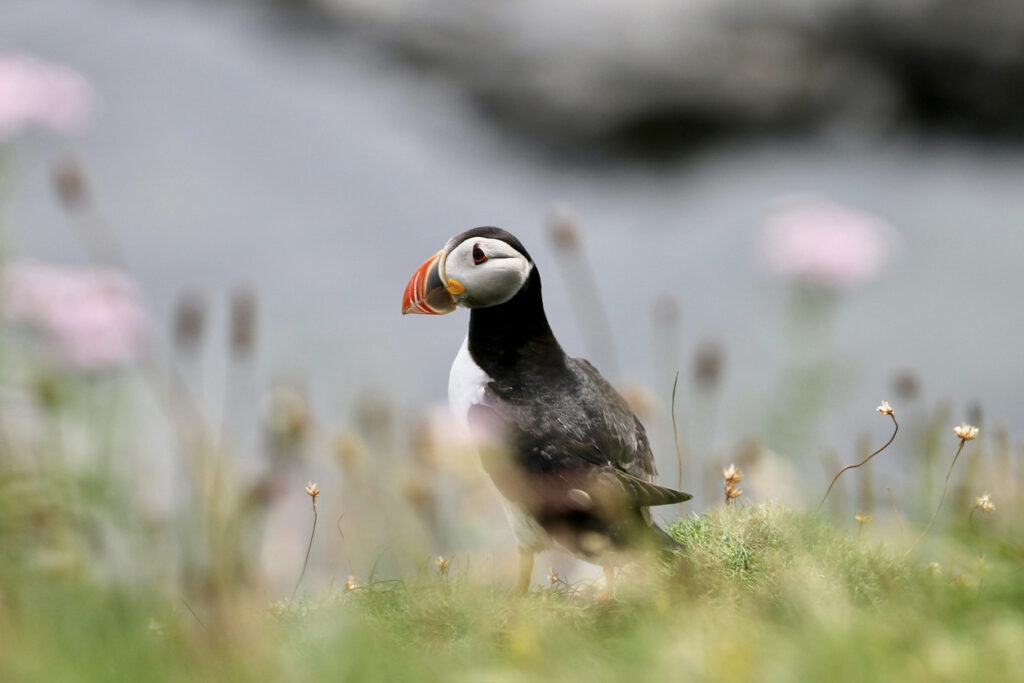
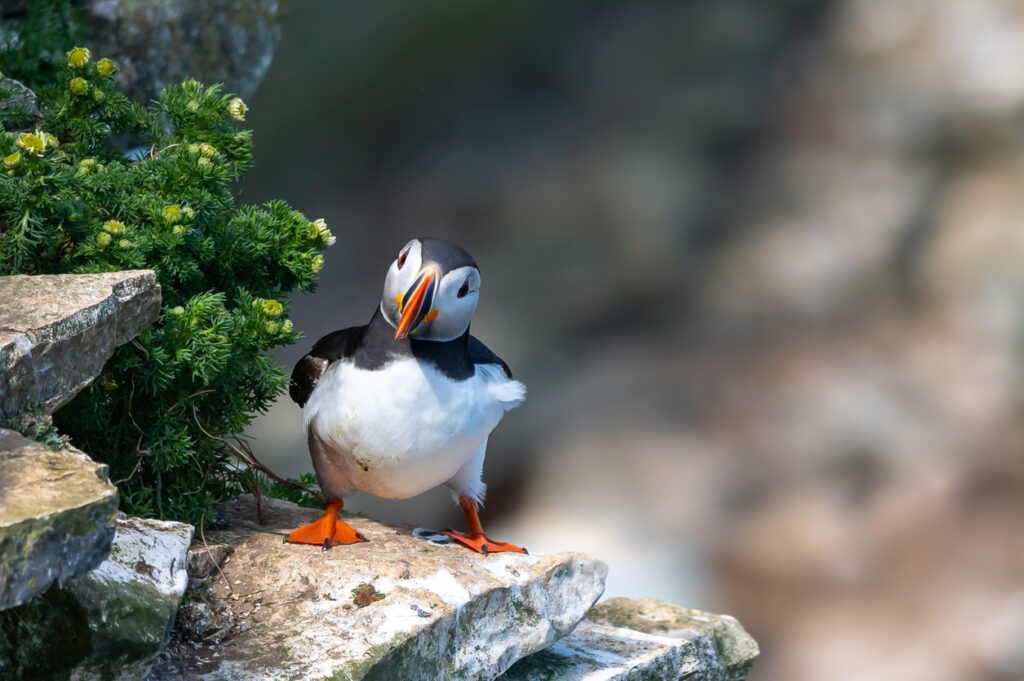
Often seen as a symbol of rugged coastlines and seabird charm, the Atlantic puffin has seen steep declines in key breeding areas. Rising sea temperatures are affecting their food supply, particularly sand eels, which are essential for feeding chicks.
Climate change is pushing puffins into a survival crisis far faster than previously estimated. While they’re still relatively widespread, population collapses in parts of Iceland, the UK, and Norway are ringing alarm bells for conservationists.