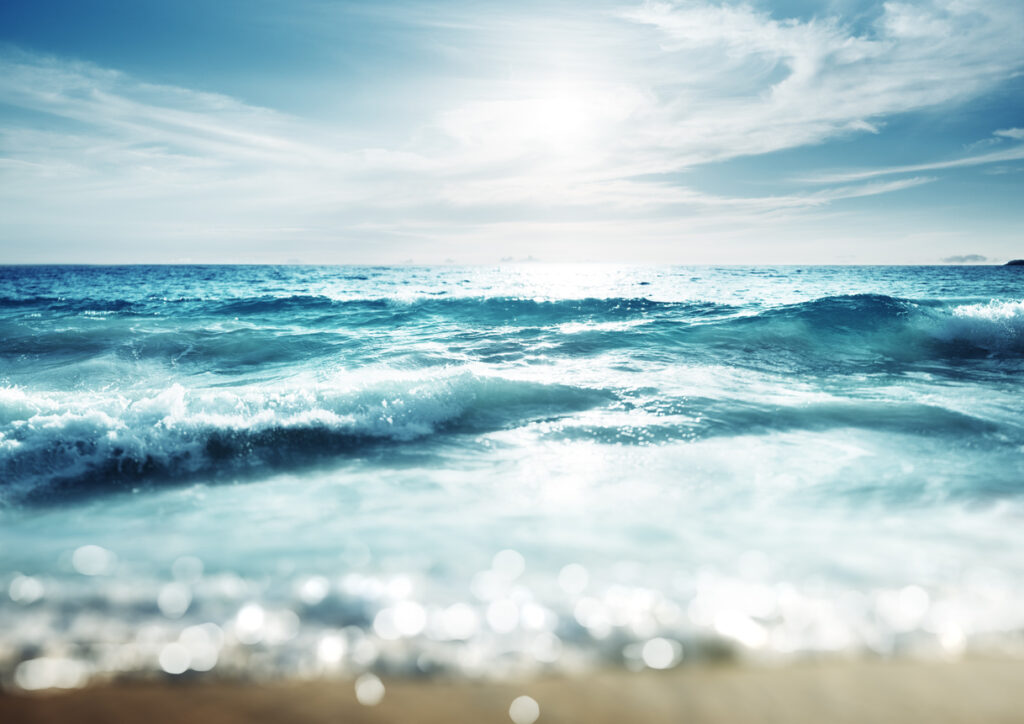
It’s something surfers, sailors, and coastal walkers have quietly noticed for centuries: ocean waves often seem to come in a repeating pattern, with every seventh wave standing out as bigger, stronger, or more dramatic than the rest. But is this just myth and folklore, or is there actual science behind the so-called “seventh wave” phenomenon? As it turns out, there’s a blend of both. Wave behaviour is shaped by complex forces, but there are real reasons why some waves group together and seem to arrive in predictable sets.
It’s not always exactly seven.
Despite the popular idea that waves come in perfect sets of seven, the number isn’t fixed. Depending on the ocean conditions, waves can arrive in sets of five, seven, ten, or even more. The “seven” figure is more of an average, something noticed often enough to feel consistent, but not a strict rule. The real story is that wave sets exist because of how different waves interact and combine. And while “every seventh wave is bigger” sounds poetic, it’s a rough pattern rather than a scientific guarantee.
Wave sets form from interference patterns.
Ocean waves don’t all come from the same place or source. Some are formed by local winds, others by distant storms. When these various waves meet, they combine through a process called interference, sometimes amplifying each other, sometimes cancelling out.
This interference creates patterns of higher and lower wave energy. The result? Groups or “sets” of waves that feel more powerful, separated by smaller, less energetic ones. It’s a little like overlapping ripples in a pond, just on a much larger and messier scale.
Constructive interference makes waves appear larger.
When two or more wave systems combine in phase (meaning their crests and troughs line up), they create what’s called constructive interference. This results in bigger, more powerful waves within the set. It’s often these amplified waves that people remember or notice—the bigger “seventh wave” in the set. It’s not that every seventh wave is objectively larger—it’s that we tend to spot the peak of constructive interference and attach meaning to the timing.
Swell periods create the rhythm.
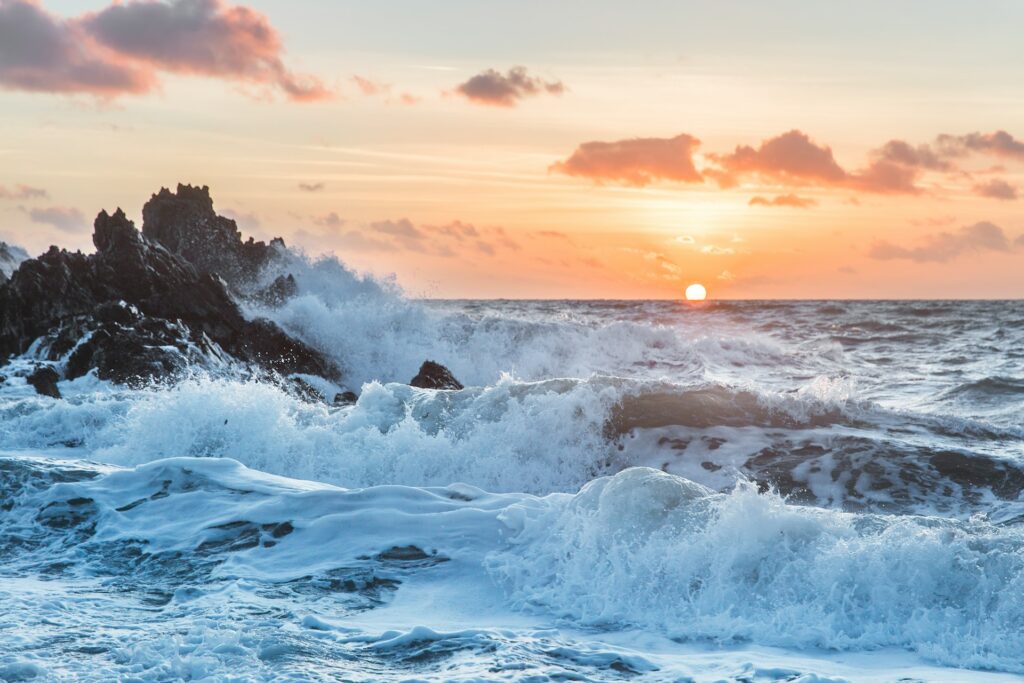
The time between wave crests, known as the swell period, affects how wave energy travels and groups. Longer-period swells carry more energy and often form more noticeable sets as they reach the shore. When several long-period swells interact, they produce those clean, spaced-out wave sets surfers love. These are the conditions where the “seventh wave” myth feels most real because the grouping becomes easier to observe.
Waves come in trains, not singles.
Waves typically arrive in groups, or “trains,” with a few larger waves surrounded by smaller ones. This is especially noticeable when conditions are calm or when there’s a long fetch, meaning the waves have had a long distance to organise themselves. These trains form because waves travel in packets of energy, not isolated blips. The energy gets released in bursts, giving that classic rhythm of build-up, peak, and fade that we often interpret as a “seven-wave” cycle.
Coastal shape and depth play a role.
The way waves hit the shoreline can dramatically affect their pattern. Bays, cliffs, reefs, and changes in sea floor depth all influence how wave energy behaves as it reaches land. In some spots, waves refract and bend around underwater structures, which can exaggerate the set effect. A beach known for “big seventh waves” might owe that reputation more to its underwater terrain than to any universal ocean rule.
It’s more noticeable when you’re watching intently.
People tend to notice wave patterns when they’re sitting, waiting, or anticipating, like surfers watching for the next rideable wave. This act of observing closely makes even subtle patterns more apparent. If you’re scanning the ocean casually, you might miss the rhythm altogether. Of course, the minute you’re alert and waiting for something, like the perfect wave, your brain starts picking up on any repetitive signals, even if they’re a bit inconsistent.
Larger waves stand out more.
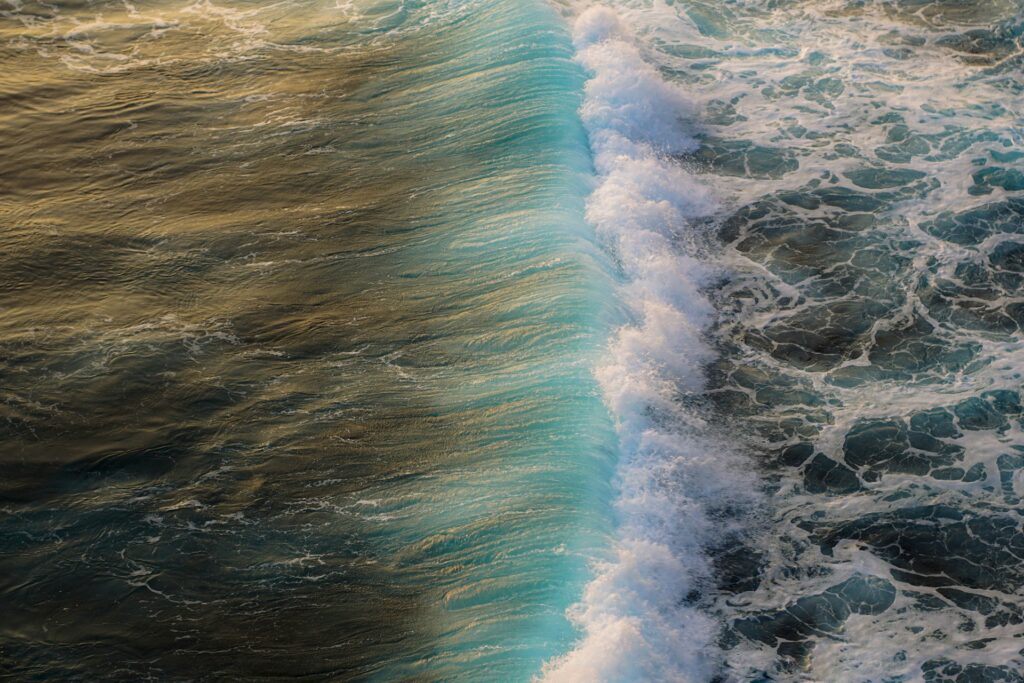
Within each wave set, there’s often one wave that’s noticeably larger than the rest. This is due to the cresting of multiple wave systems at once. It’s that standout wave that sticks in our memory, often being dubbed “the seventh” even if it wasn’t literally number seven. Our brains are wired to latch onto moments that feel dramatic or different. So even if the biggest wave came third or tenth, it tends to become the one we build stories around.
The myth has stuck around for centuries.
Sailors and coastal communities have passed down the idea of the “seventh wave” for generations. In some cultures, it’s even tied to superstitions or spiritual beliefs about the sea’s power and mood. Like many sea-related myths, it blends real observational truth with human storytelling. And because it’s just consistent enough to be believable, it continues to be repeated today, even by people who know the science behind it.
It’s a blend of fact and perception.
The “seventh wave” idea holds a bit of truth in that wave sets are real, and bigger waves do appear regularly within them. However, the number seven isn’t fixed, and it can change based on weather, tide, swell direction, and geography. In the end, it’s a great example of how human experience and natural science overlap. The ocean might not always count to seven, but it definitely speaks in patterns, and we’ve been listening for a long time.