Cats are notorious for hiding discomfort, which can make it incredibly hard to tell when something’s wrong.

Unlike dogs, they don’t often whine or limp in obvious ways. Instead, they tend to go quiet, change routines, or subtly alter their body language. However, if you know what to look for, the signs are there, and spotting them early can make a massive difference to your cat’s health. Here are 10 low-key signs your cat might be in pain, and why it’s worth paying attention.
1. They’re suddenly avoiding being touched.
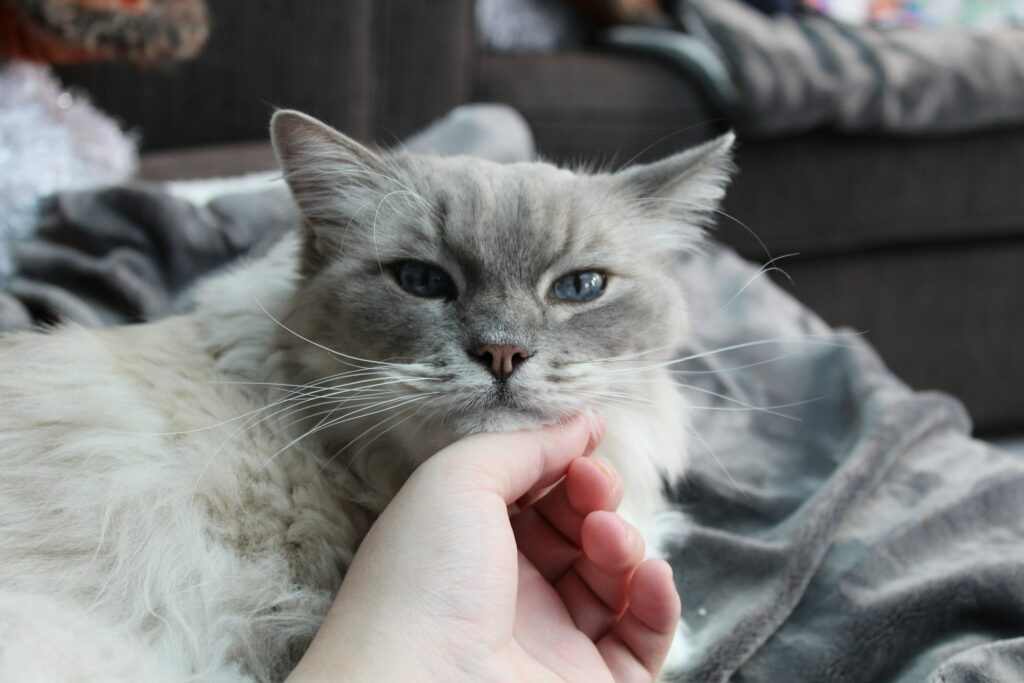
If your cat usually enjoys a stroke or cuddle but has started pulling away, flinching, or even hissing when touched, it’s worth noting. Painful areas, especially in the back, joints, or abdomen, can cause cats to become touch-averse even with people they trust. They might not lash out, but a subtle change in how they respond to petting can be a big clue. If this happens consistently, it’s not just “moodiness”; it could mean they’re hurting in a spot you can’t see.
2. They’ve changed how they move.

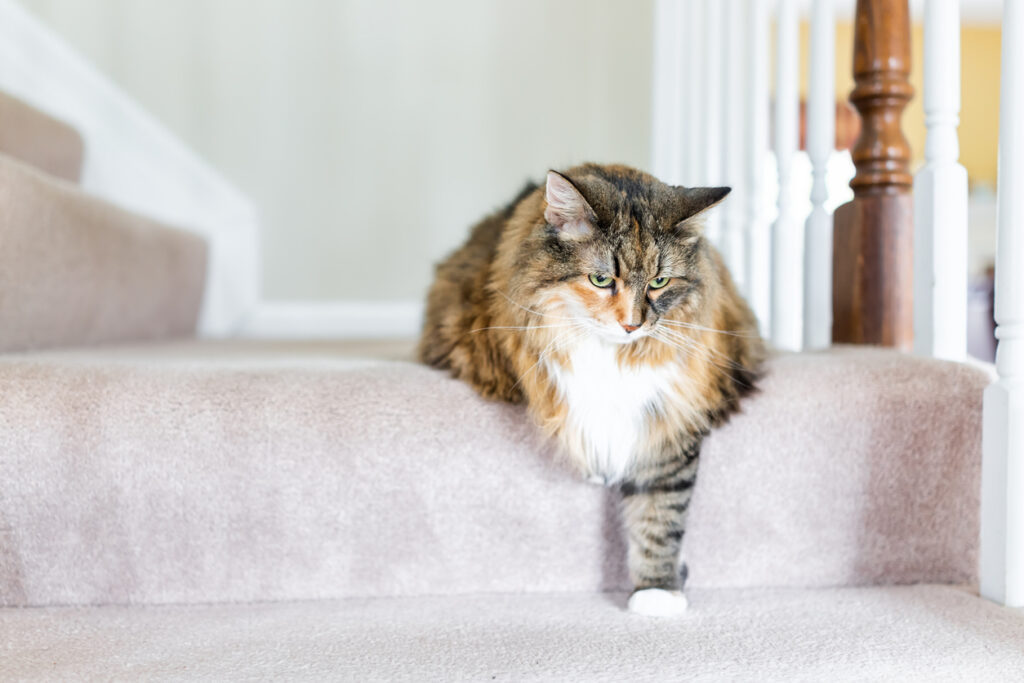
Watch for subtle changes in how your cat jumps, climbs, or even walks. A cat in pain might hesitate before leaping onto their favourite windowsill, or they might stop using the stairs altogether. They might also walk more stiffly, hold their tail differently, or move more slowly than usual. Cats are agile by nature, so any sign of reduced grace or movement should raise a flag.
3. Grooming habits change, especially around one area.
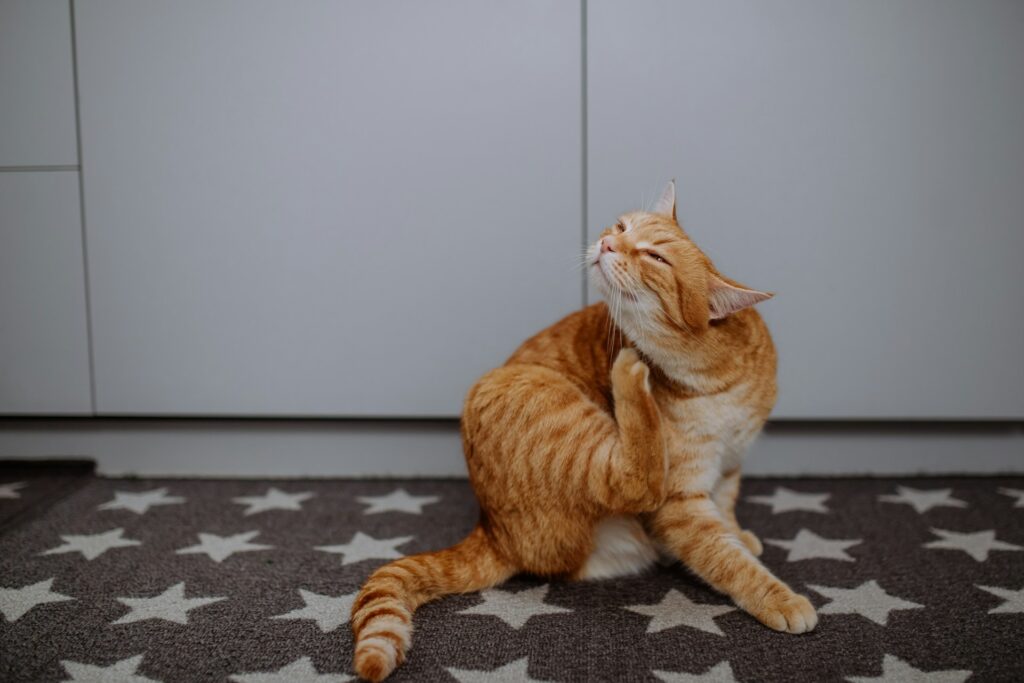
Overgrooming a specific spot, or suddenly neglecting their usual grooming routines, can both signal pain. If they’re licking a joint, paw, or lower back area repeatedly, they may be trying to soothe discomfort. On the flip side, if they stop grooming entirely and their coat looks greasy or unkempt, it could mean that pain is making movement or effort too uncomfortable. Grooming is usually a priority; if it stops, something’s off.
4. They’re suddenly hiding more than usual.
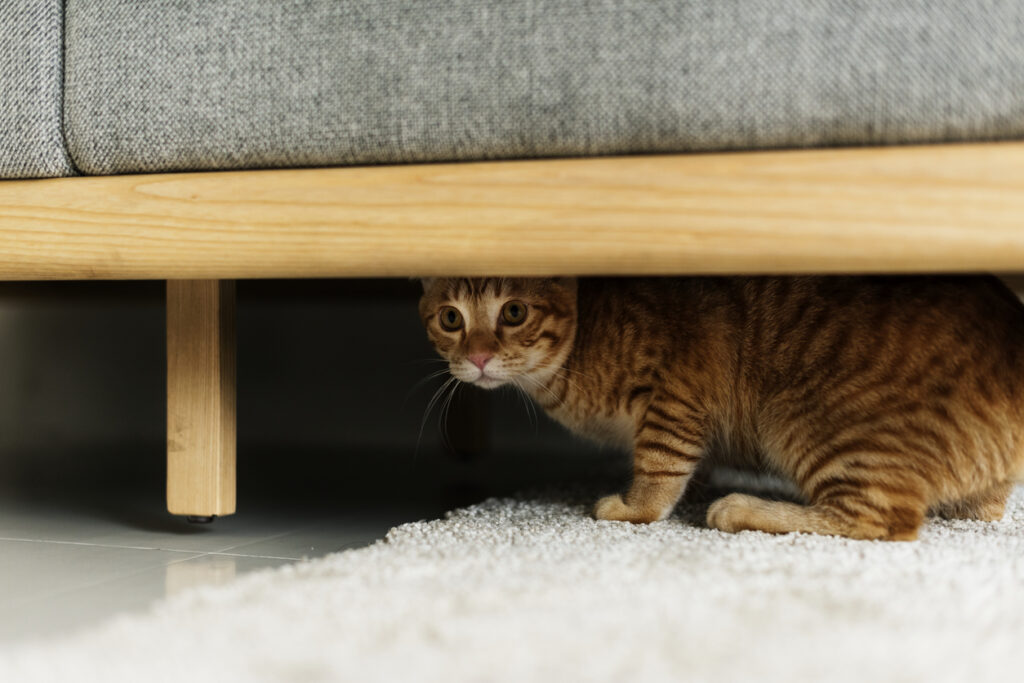
Cats often retreat to quiet, enclosed spots when they’re unwell or in pain. If your cat has suddenly started spending all day under the bed or tucked into the back of a wardrobe, take note. This isn’t always a sign of shyness; it’s often a survival instinct to isolate when vulnerable. While some cats are naturally more private, a noticeable increase in hiding behaviour deserves a closer look.
5. Their appetite has dropped.
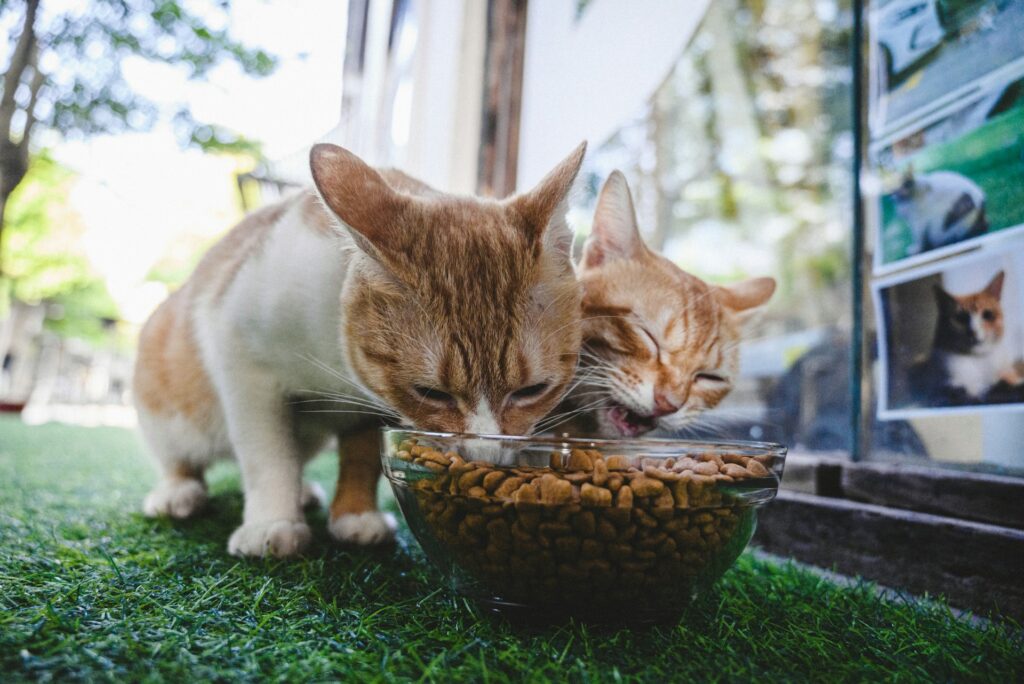
A healthy cat usually won’t skip meals without a reason. If yours has started leaving food in their bowl, eating less than usual, or only picking at certain types of food, it might be pain-related. Dental pain is especially common and easy to miss. Gum disease or a sore tooth can make eating a miserable experience, even if they still appear hungry. Don’t assume it’s fussiness; pain could be making mealtime a chore.
6. They’re meowing more, or going silent.
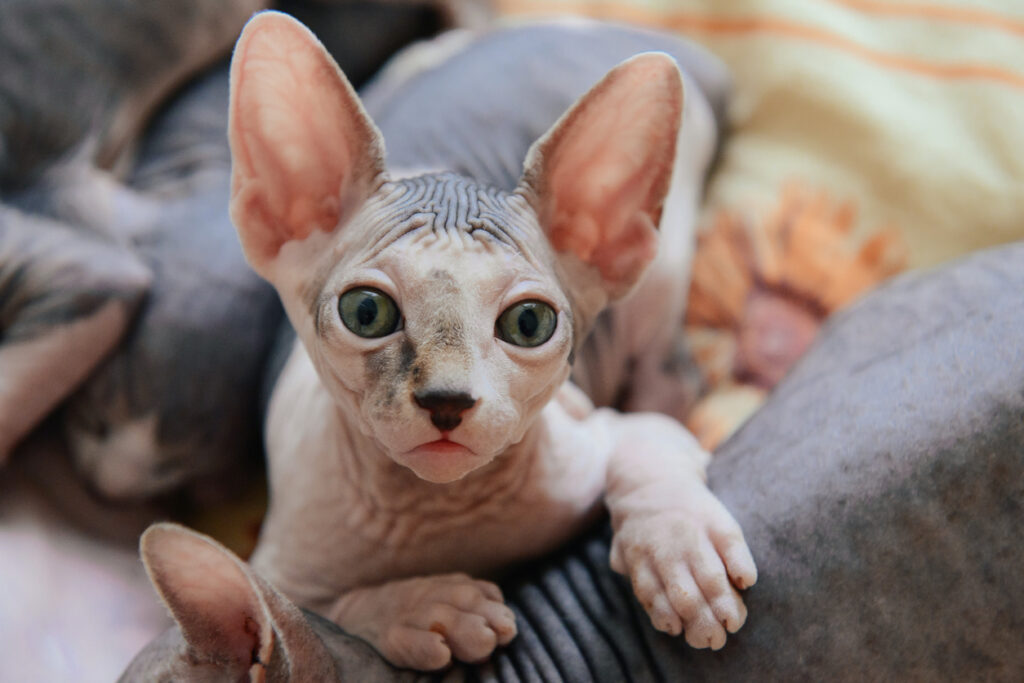
Some cats vocalise more when they’re in pain, often with low, drawn-out meows or yowls. It’s especially noticeable if this happens at night or when they’re alone. The sound might be subtle but persistent. Interestingly, some cats do the opposite and become much quieter. If your usually chatty cat has gone quiet, or vice versa, it’s worth investigating. Changes in vocal behaviour often indicate a change in their physical or emotional state.
7. Their facial expression changes.
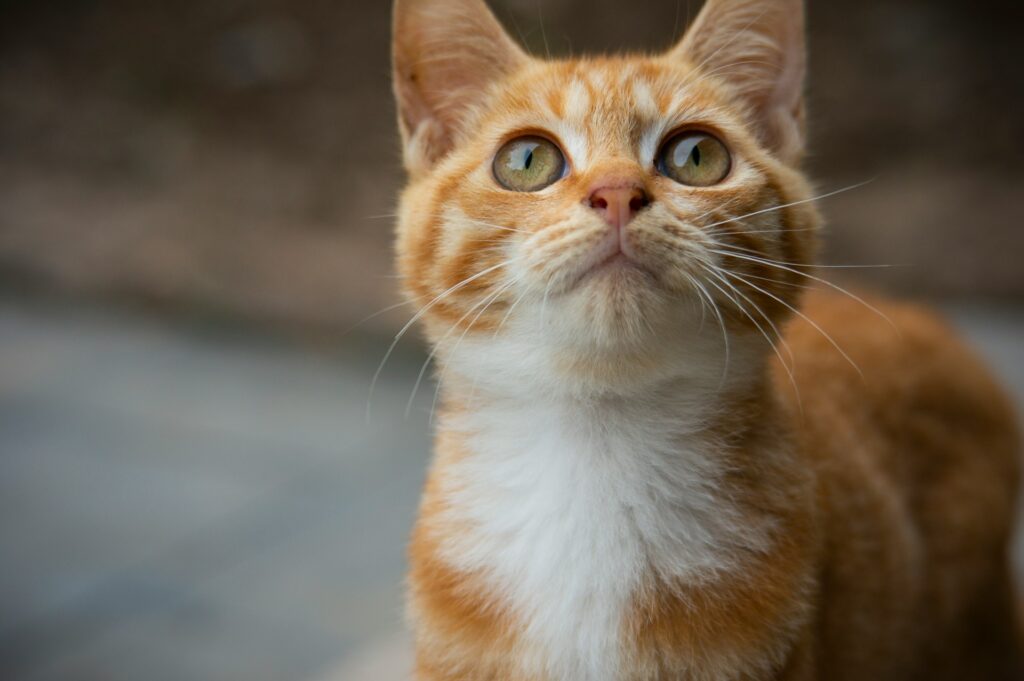
Just like us, cats wear pain on their faces, even if it’s subtle. Squinting, tight mouths, flattened ears, or a generally tense expression can all be signs something’s not right. Vets often use a “grimace scale” to detect pain in cats based on these exact cues. If your cat’s face just seems more tense or “off” than usual, trust your instincts and keep an eye on them.
8. They’re using the litter tray differently.
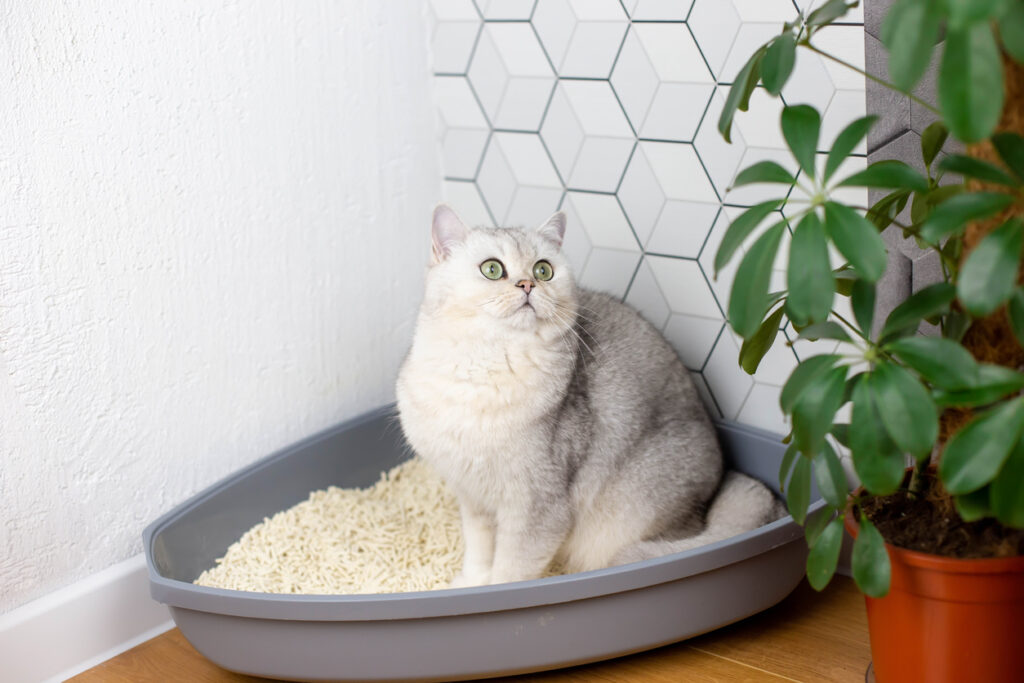
Struggling to get in or out of the litter tray, missing the box, or suddenly going outside their usual toilet routine could point to pain, especially in the joints, hips, or back. Urinating outside the tray can also signal urinary tract discomfort, which is common and often serious in cats. Sudden toilet changes should always be checked out, even if they seem minor or occasional.
9. They’ve become more aggressive, or withdrawn.
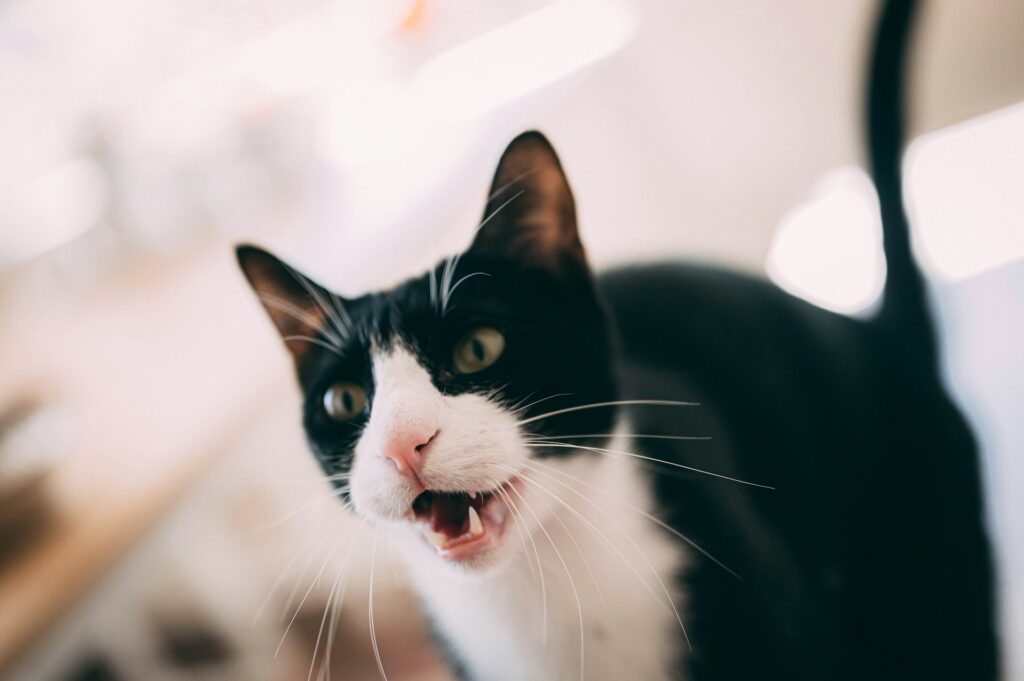
Pain can make even the sweetest cat suddenly irritable or snappy. If your cat has started swatting when approached or growling during normal interactions, it could be because they’re hurting, not just moody. Alternatively, they might go quiet and withdrawn, losing interest in play or affection. Behavioural changes like this are often one of the first clues that something’s physically wrong underneath the surface.
10. They’re sleeping in odd positions.
Cats do love a stretch, but certain sleeping positions can indicate discomfort. If your cat is constantly curled in a tight ball, avoiding putting pressure on one side, or resting in odd crouched poses, pain could be the reason. Some will even start sleeping somewhere completely new to avoid movement. If they suddenly abandon their usual cosy spots or look restless during sleep, don’t ignore it. It could be how their body is trying to cope with pain.