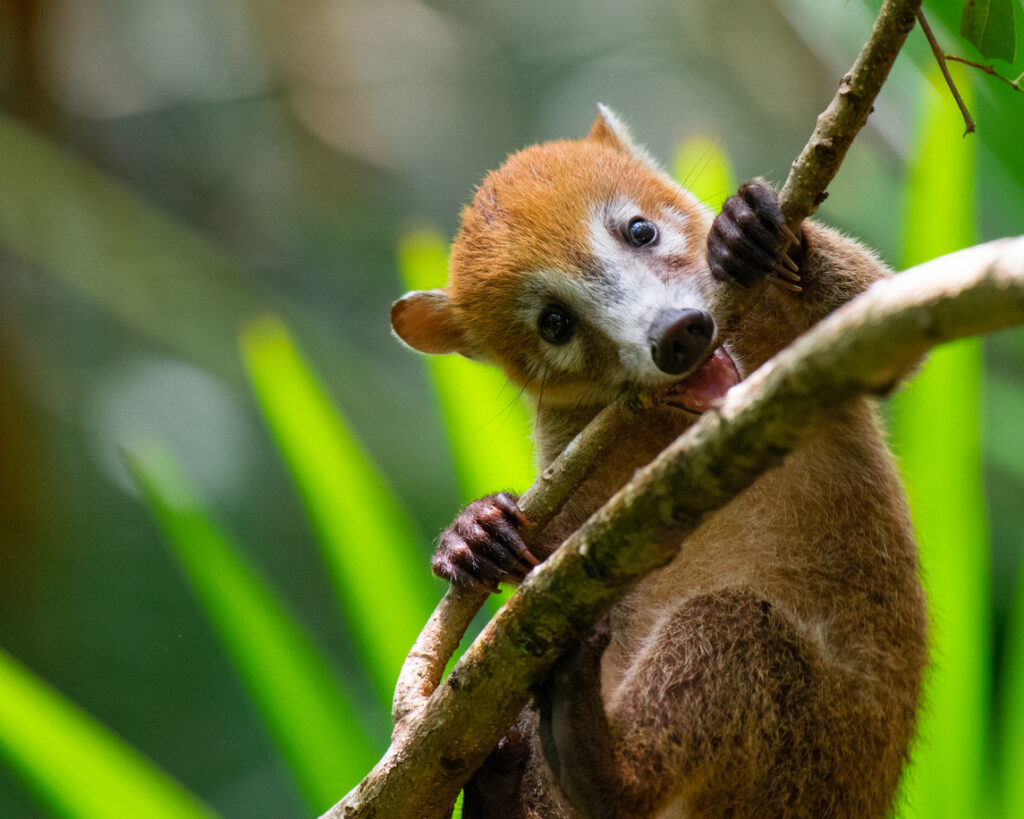
When people think about animals climbing, they usually picture sharp claws or sticky feet doing all the work. However, for some species, the tail is just as important as the legs. In fact, certain animals have evolved tails that act like extra limbs, gripping branches, balancing their bodies, and sometimes even supporting their entire weight. These specialised tails are known as prehensile tails, and they turn climbing into something far more controlled and efficient.
Spider monkeys practically use their tails as a fifth limb.
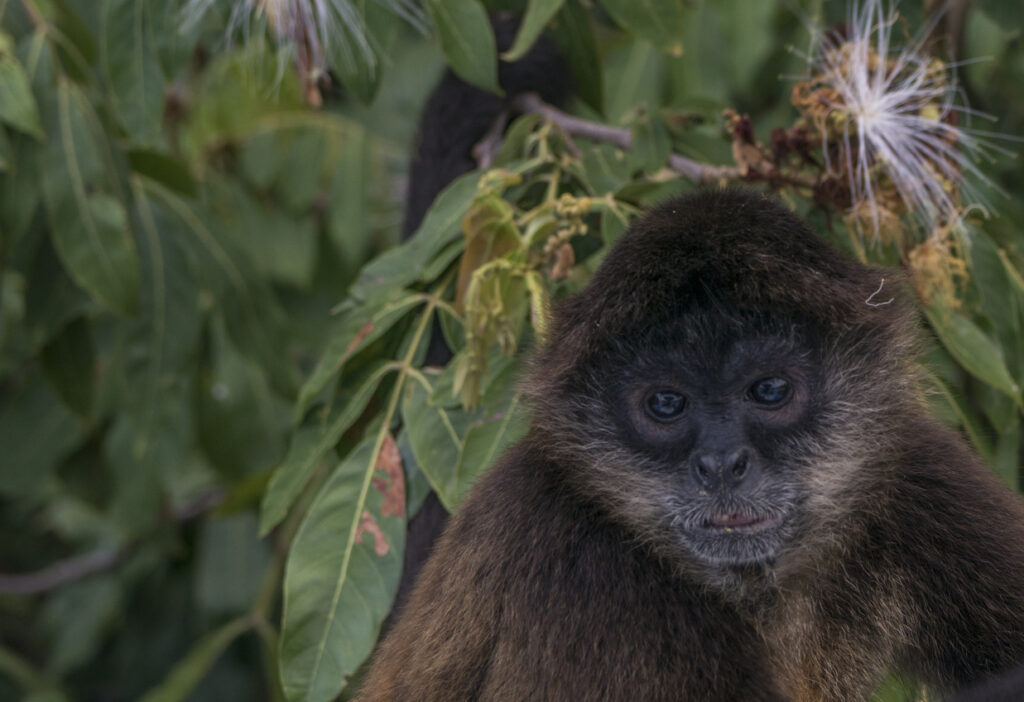
Spider monkey are famous for their long, muscular tails that function almost like an extra arm. When moving through the rainforest canopy, they often hang completely from their tails while reaching for fruit or swinging to the next branch.
The underside of the tail tip even has a patch of bare skin with sensitive nerve endings, allowing the monkey to grip and feel surfaces. It gives them remarkable control when navigating high branches, especially in dense tropical forests where slipping could mean a dangerous fall.
Prehensile-tailed porcupines climb slowly but securely.
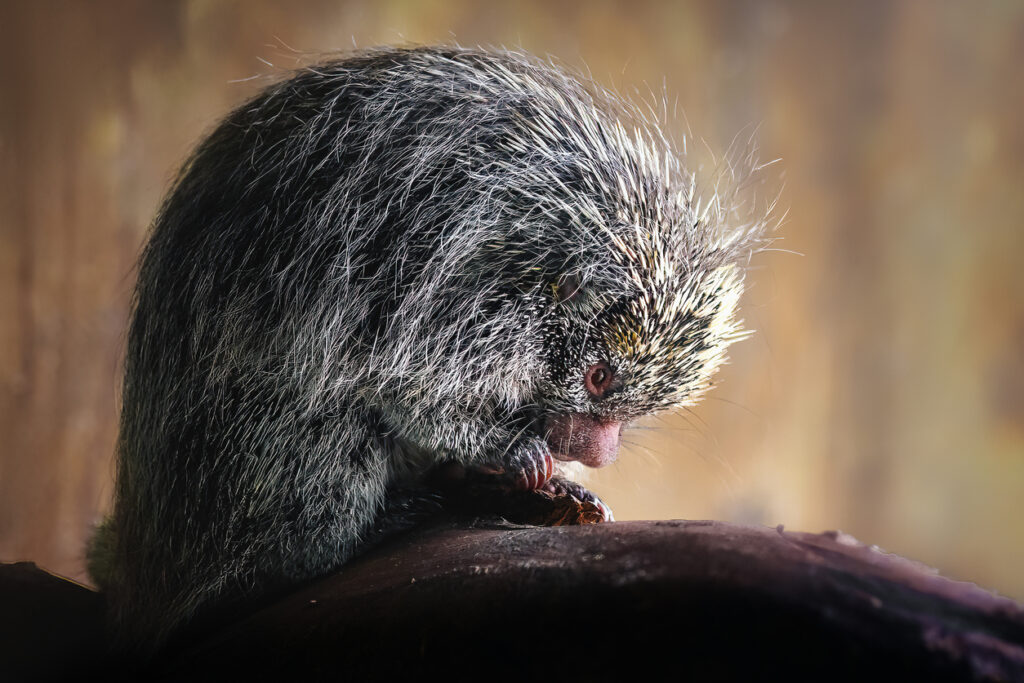
Prehensile-tailed porcupine might look heavy and awkward, but their tails help them move confidently through trees. The tail curls around branches to anchor the animal as it climbs.
Because they move slowly and carefully, this extra grip becomes essential. It stabilises their body while their claws search for the next foothold. Without that tail acting as a brace, navigating the canopy would be far more risky for such a bulky rodent.
Kinkajous rely heavily on their tail for balance.
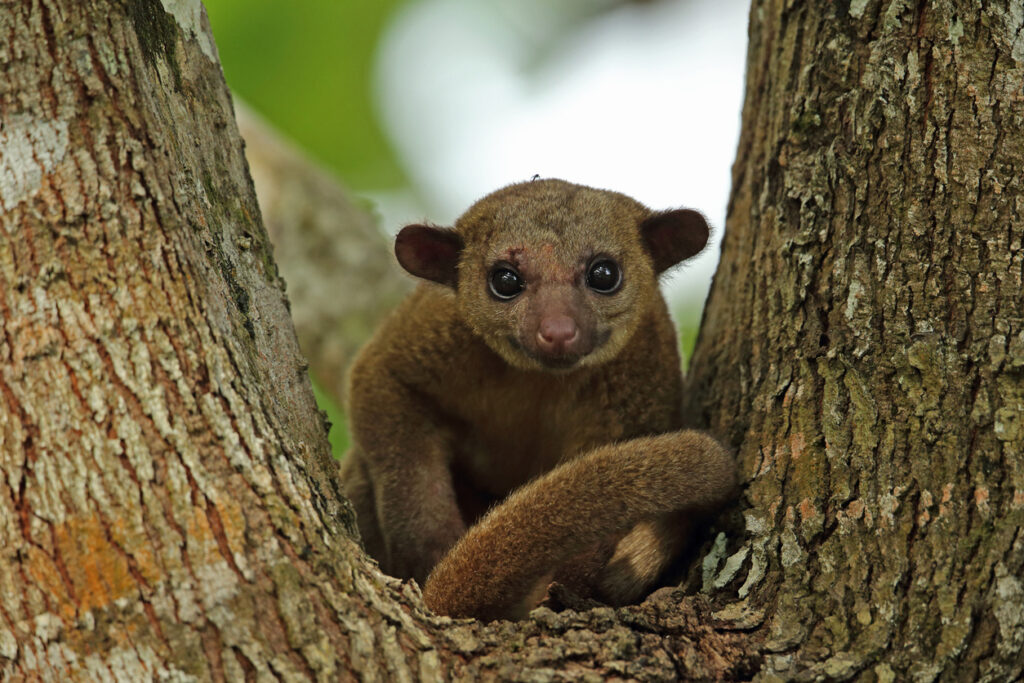
Kinkajou spend most of their lives in the trees of Central and South American rainforests. Their long prehensile tail works like a safety rope while they scramble through branches at night. They often wrap the tail around a branch before stretching out to grab fruit. This prevents them from losing balance and allows them to reach further than they otherwise could. In a habitat where food might sit just beyond easy reach, that extra stability makes a big difference.
Tree kangaroos use their tails like counterweights.
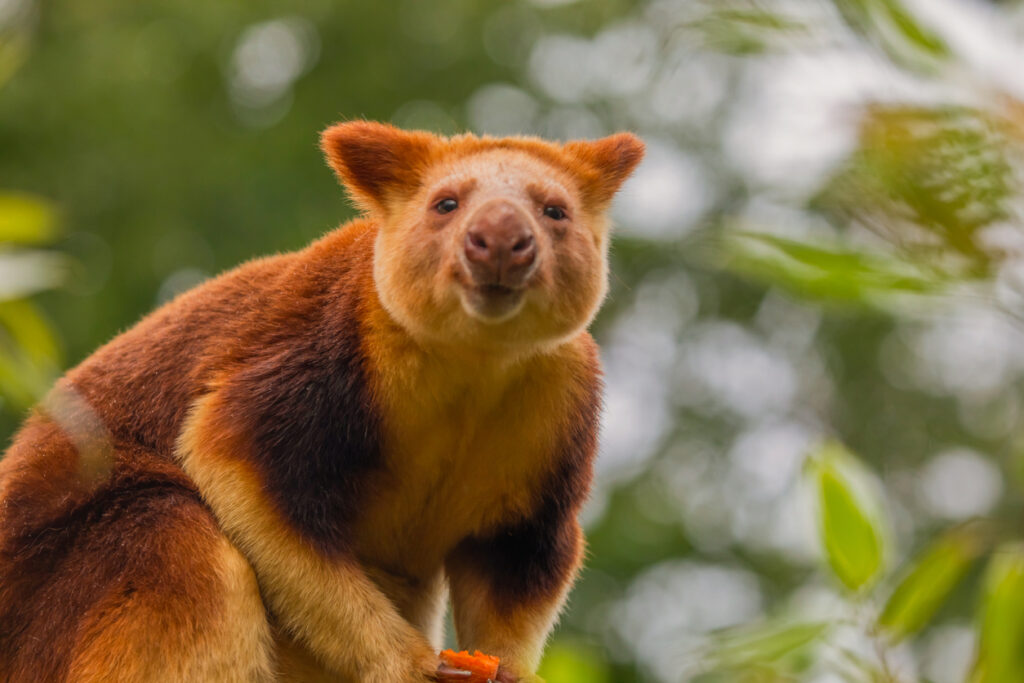
Tree kangaroo look like someone tried to redesign a ground kangaroo for life in the canopy. Their strong tail plays a key role in keeping them balanced as they climb and leap between branches. While the tail isn’t fully prehensile like a monkey’s, it acts as a powerful counterbalance. When the animal shifts its weight or jumps between limbs, the tail adjusts to keep the centre of gravity stable.
Opossums grip branches with their tail.
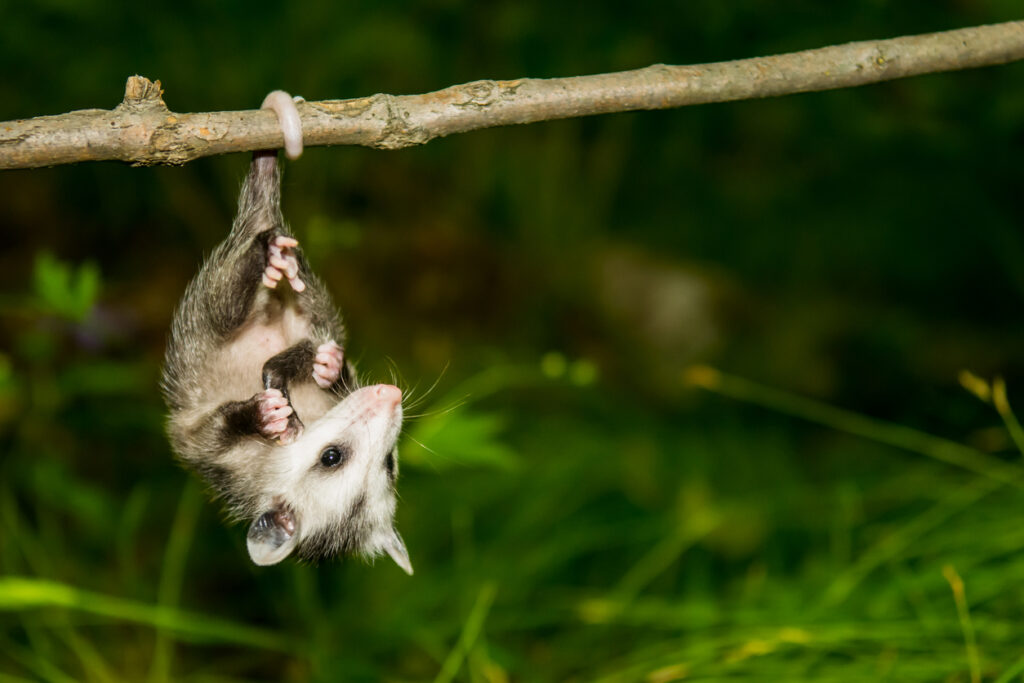
Virginia opossum have a tail that can wrap around branches when climbing. Young opossums especially rely on this ability while exploring trees. The tail helps them maintain stability while their feet grip bark. It doesn’t usually support their full body weight for long periods, but it still acts as a helpful anchor while they manoeuvre through branches.
Howler monkeys steady themselves with powerful tails.
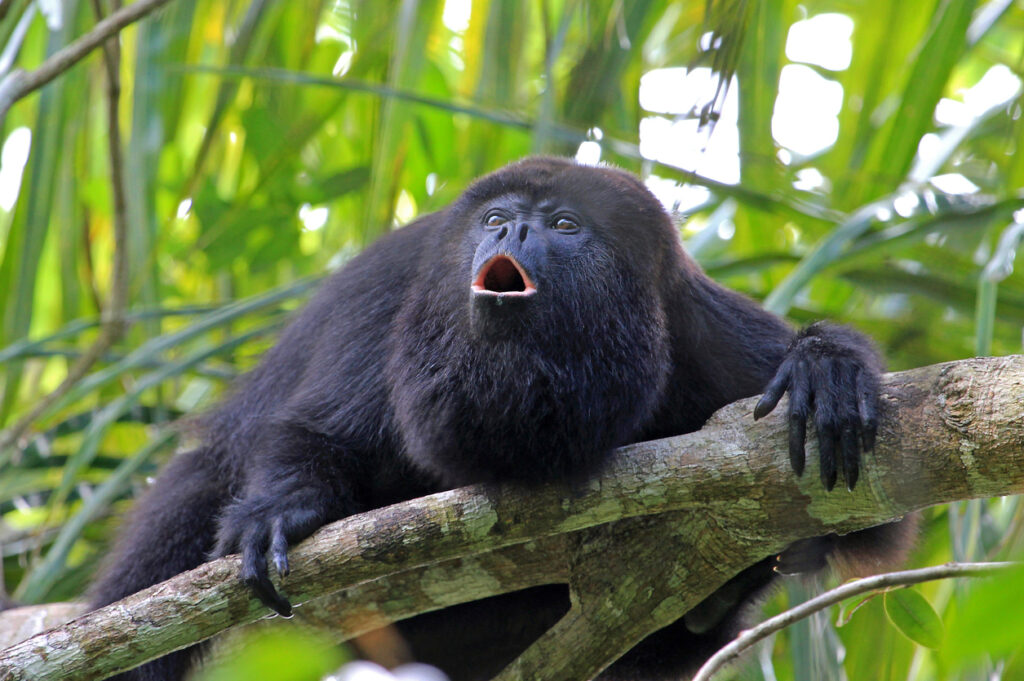
Howler monkey possess one of the strongest prehensile tails among primates. In fact, they frequently use it to hang while feeding in the canopy. Their tail tip is sensitive and flexible, allowing them to secure a firm grip on branches. This ability lets them move through trees without constantly relying on all four limbs, which helps conserve energy while feeding.
Chameleons wrap their tails tightly around branches.
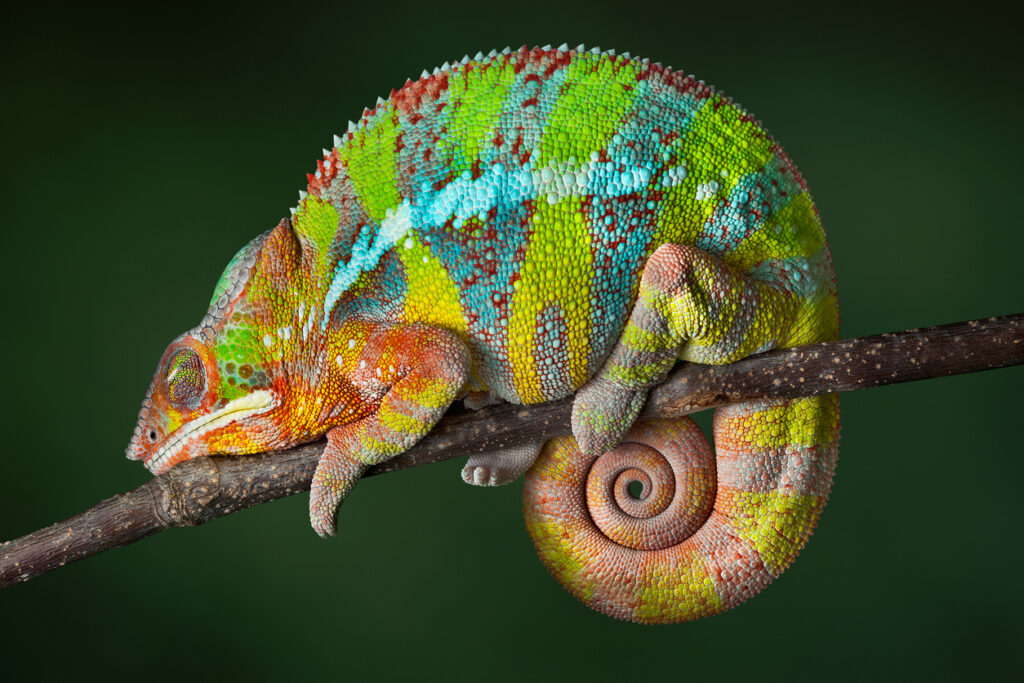
Chameleon are famous for their slow, careful climbing style. Their curled tail acts like a safety hook while they inch along narrow twigs. When the lizard reaches forward with its feet, the tail tightens around the branch to keep the body steady. Combined with their specialised feet, this grip allows them to move through thin vegetation without slipping.
Coatis use their tails for stability in trees.
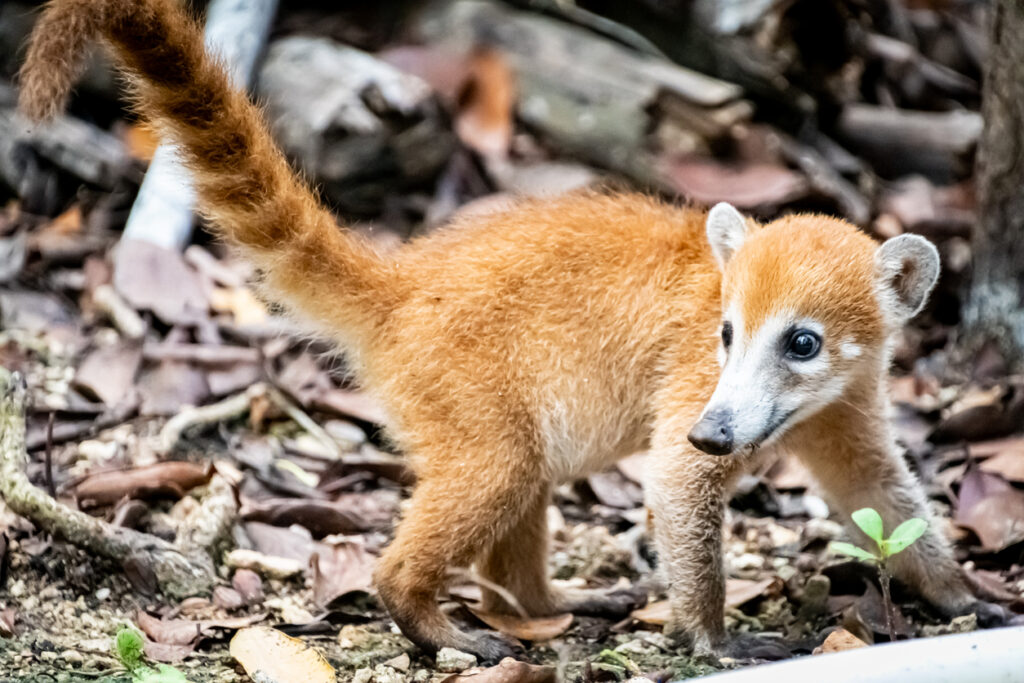
Coati don’t have prehensile tails that can grip branches, but their long tails are still essential for climbing. The tail works like a balancing pole when they move through branches or scramble up trunks. It helps them stay stable while searching for fruit, insects, and eggs high above the forest floor.
Animals that rely on their tails for climbing show how evolution can turn almost any body part into a useful tool. Whether gripping branches, acting as a safety line, or simply balancing the body in midair, these tails give their owners an extra advantage in life among the trees. In environments where one slip could mean a dangerous fall, having that extra support makes all the difference.