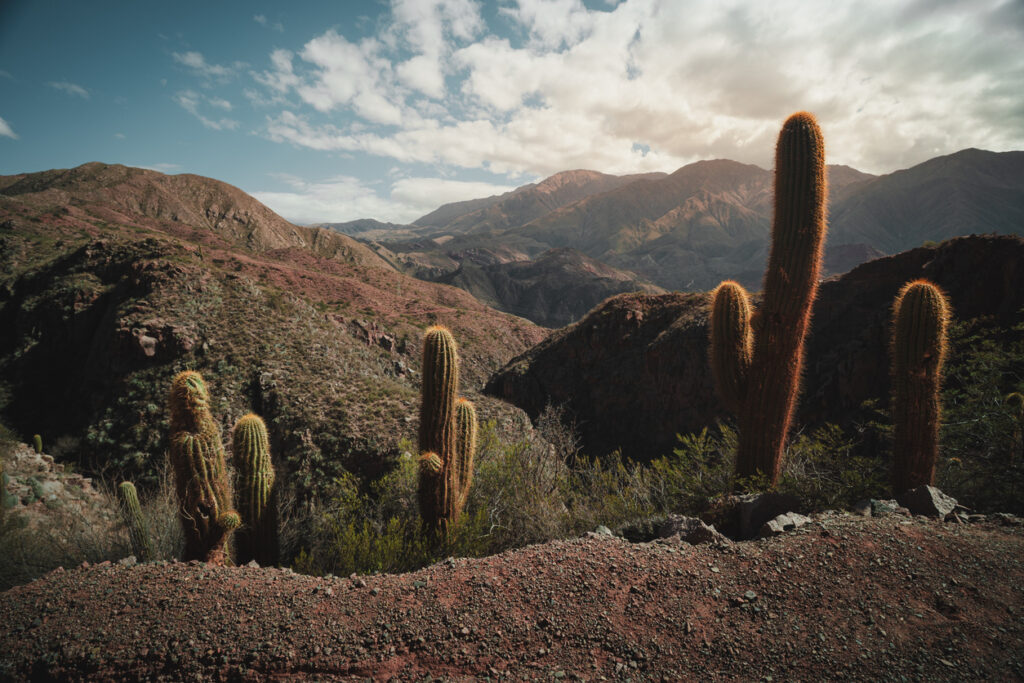
Giant cacti look almost unreal when you see them in person. Towering above the desert floor with thick arms and ribbed trunks, they often seem more like sculptures than living plants. What many people do not realise is just how long these desert giants can survive. Some of them live longer than several human generations combined. Their slow growth and tough design allow them to survive in places where most plants would struggle to last even a single season.
Some giant cacti can live for more than 150 years.
One of the best known giant cacti is the saguaro, which grows in the deserts of the American southwest. These plants grow extremely slowly, especially in the early part of their lives. A young saguaro might only reach a few centimetres tall after several years.
Because their growth is slow and steady, they can survive for a very long time. Many saguaros are thought to live between 150 and 200 years if conditions remain stable. Some may even live longer when they avoid storms, disease, and damage from animals.
Their slow growth is one reason they live so long.
Unlike fast-growing plants that shoot up quickly and then die within a few seasons, giant cacti take their time. They put energy into building thick tissue and strong structures that can last for decades. That slow pace helps them survive harsh desert conditions. Instead of racing to grow, they focus on storing water, strengthening their outer skin, and developing the deep roots that help them survive drought.
@eastcoastcamanchaca Have you seen an eulychnia from up close? They’re massive arborescent cacti that can reach 20 feet in height. Truly magnificent 😍 #cactus #eulychnia #cactusysuculentas #仙人掌 #cactosesuculentas ♬ original sound – Rare cacti & succulents
It can take decades before they grow their first arms.
Many people recognise giant cacti by the large arms that branch out from the main trunk. What surprises many people is how long it takes for those arms to appear. In species like the saguaro, arms usually begin forming when the cactus is around 50 to 70 years old. Until then, the cactus grows as a single tall column rising slowly above the desert floor.
A cactus can keep growing throughout most of its life.
Even after reaching impressive heights, giant cacti often continue growing slowly for many years. The trunk thickens and the plant may develop additional arms as it ages. Growth may slow down later in life, but it rarely stops completely. As long as the cactus remains healthy and continues absorbing water during rare desert rains, it can keep adding small amounts of new tissue year after year.
Their thick skin helps them survive for generations.
The outer layer of a giant cactus is far tougher than it looks. The skin is designed to hold moisture inside while protecting the plant from the intense desert sun. This protective layer also helps prevent damage from small animals and insects. Combined with the cactus spines, it forms a defensive barrier that helps the plant survive for decades without serious injury.
Their ribs allow them to expand when they store water.
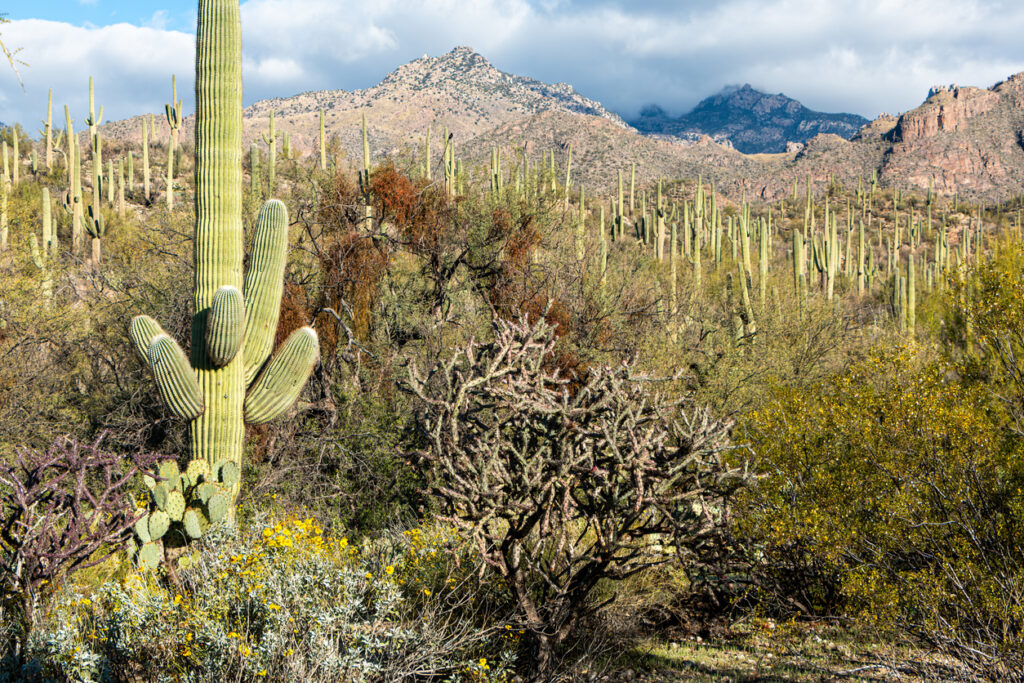
One of the most distinctive features of giant cacti is the ribbed shape running along their bodies. These ribs are not just decorative. They allow the cactus to expand when it absorbs large amounts of water after rainfall. The trunk can swell like a natural water tank. By storing that moisture inside its tissues, the cactus can survive long dry periods that would kill most other plants in the same environment.
Their roots spread wide rather than deep.
Giant cacti do not rely on deep roots like many trees. Instead, they develop wide root systems that stretch across the surface of the soil. This allows them to quickly absorb rainwater before it evaporates in the desert heat. Even short bursts of rainfall can be captured by these shallow roots and stored inside the cactus for later use.
Birds and animals often depend on old cacti.
As giant cacti age, they become important homes for desert wildlife. Birds such as woodpeckers often carve holes into the thick flesh of older cacti to create nests. Other animals use these openings as shelter once the birds move on. Over time, a single old cactus can become a small wildlife hub supporting several species in the surrounding desert.
Storms are one of the biggest threats to their long lives.
Although giant cacti are tough plants, strong desert storms can still cause serious damage. Heavy rain can soften the ground around their roots, making them more likely to fall over. Lightning strikes and strong winds can also split or knock down older cacti. Because they grow so slowly, losing one large cactus can mean losing a plant that took more than a century to reach its full size.
Some cacti alive today began growing before modern cities existed.
When you see a towering cactus in the desert, it might be far older than it appears. Many of the largest specimens began growing long before modern towns and roads appeared nearby. In some cases, a cactus standing today may have started life when early settlers first arrived in the region. Their long lifespan makes them living landmarks that silently record decades of desert history.