Animals are far more inventive than we often give them credit for, especially when it comes to keeping food fresh.
In the wild, where meals aren’t guaranteed, and storage space is whatever you can find, survival means getting creative. Some creatures have developed surprisingly complex methods for hiding, saving, or even preserving their next meal, and a few of them are downright bizarre.
These clever strategies show just how adaptable animals can be when faced with limited resources. Whether they’re stashing snacks for winter or preparing food in ways that seem almost human, their instincts reveal an unexpected kind of ingenuity. What nature came up with makes even the most advanced fridge look ordinary.
1. Squirrels bury food everywhere, then forget half of it.
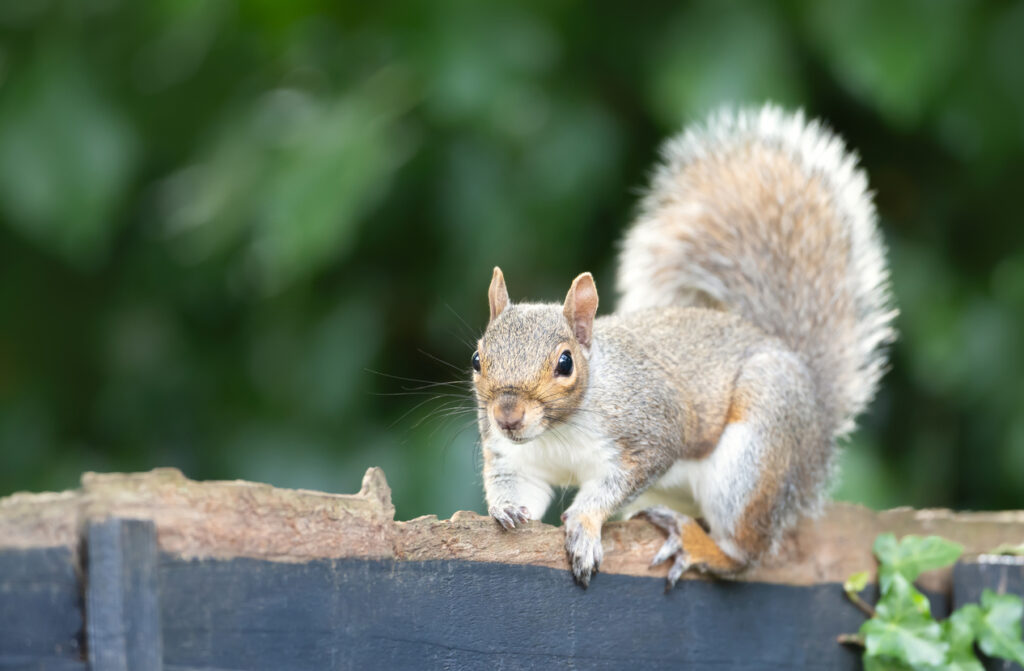
When autumn arrives, squirrels start collecting nuts and seeds, burying them across gardens, parks, and forests. They remember most of their hiding spots, but forget plenty, which is how many trees end up being planted each year. They use their sense of smell to locate caches under snow or soil, but memory still plays a big part. Their scatterbrained approach may look clumsy, but it’s nature’s way of turning their forgetfulness into future forests.
2. Woodpecker finches spear their food for later.
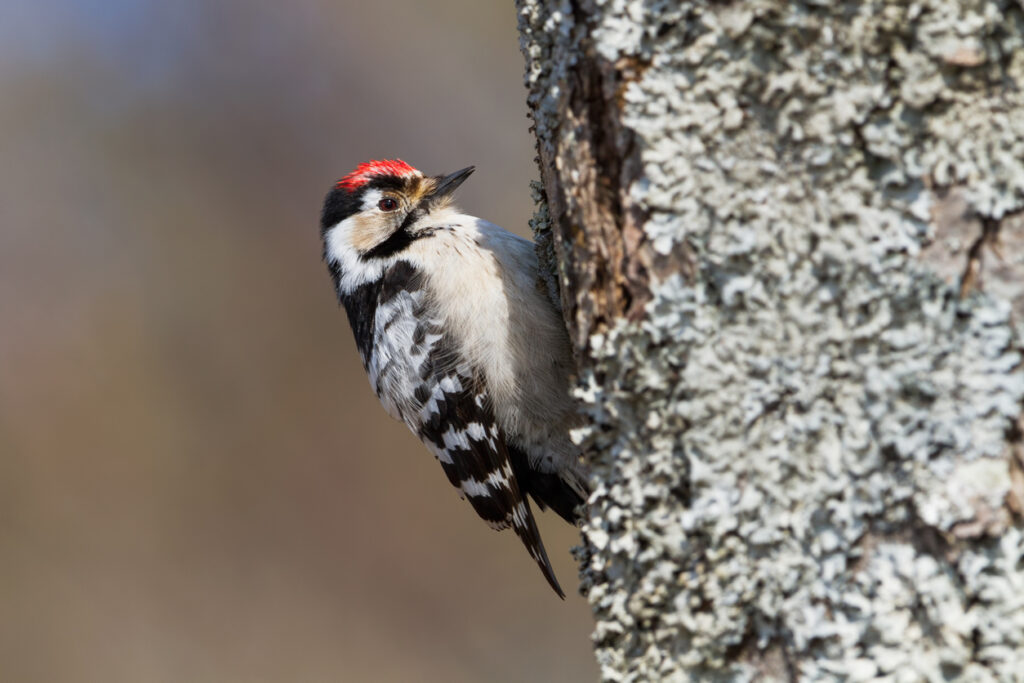
Found in the Galápagos Islands, the woodpecker finch is one of the few birds known to use tools. It catches insects using small twigs, then sometimes leaves them wedged inside bark crevices for a later meal. This technique works like natural storage. By hiding prey in wood, the finch ensures a steady supply when food becomes scarce. It’s not refrigeration, but it’s impressively practical for such a small bird.
3. Leopards drag carcasses into trees.
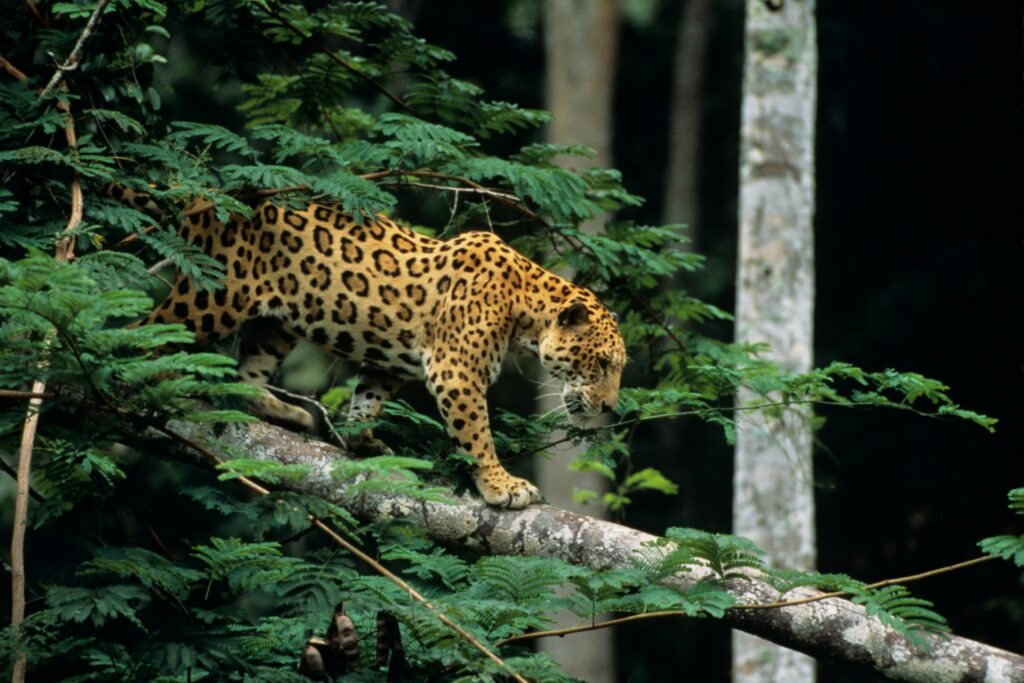
Leopards often haul their kills up high, wedging them between branches where other predators can’t reach. This keeps meat fresh for days and away from hyenas, lions, and scavengers that roam below. Balancing heavy prey in trees takes strength and strategy. It also lets them eat in peace without losing a meal to competitors, proving that good storage can mean the difference between survival and hunger.
4. Beavers build underwater food pantries.
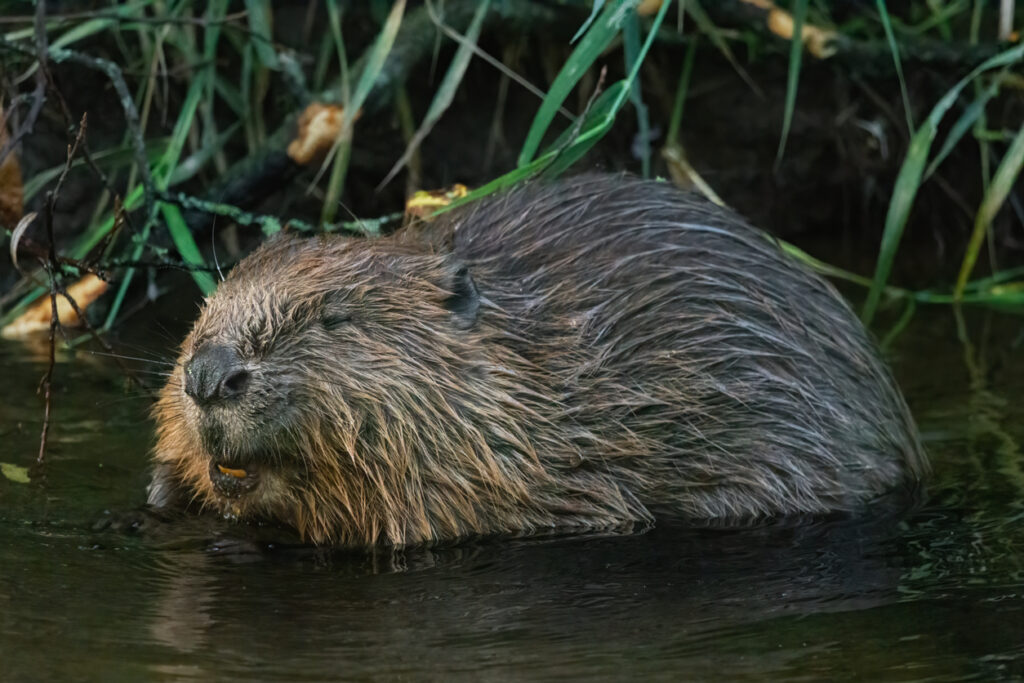
In colder regions, beavers prepare for winter by collecting branches and logs, which they anchor near their lodge under the ice. When the surface freezes, they can still swim down and grab food from their stash. By keeping their pantry underwater, the beavers protect it from freezing completely and from other animals. It’s a system that keeps them fed even when snow buries everything else above ground.
5. Shrikes impale prey on thorns.
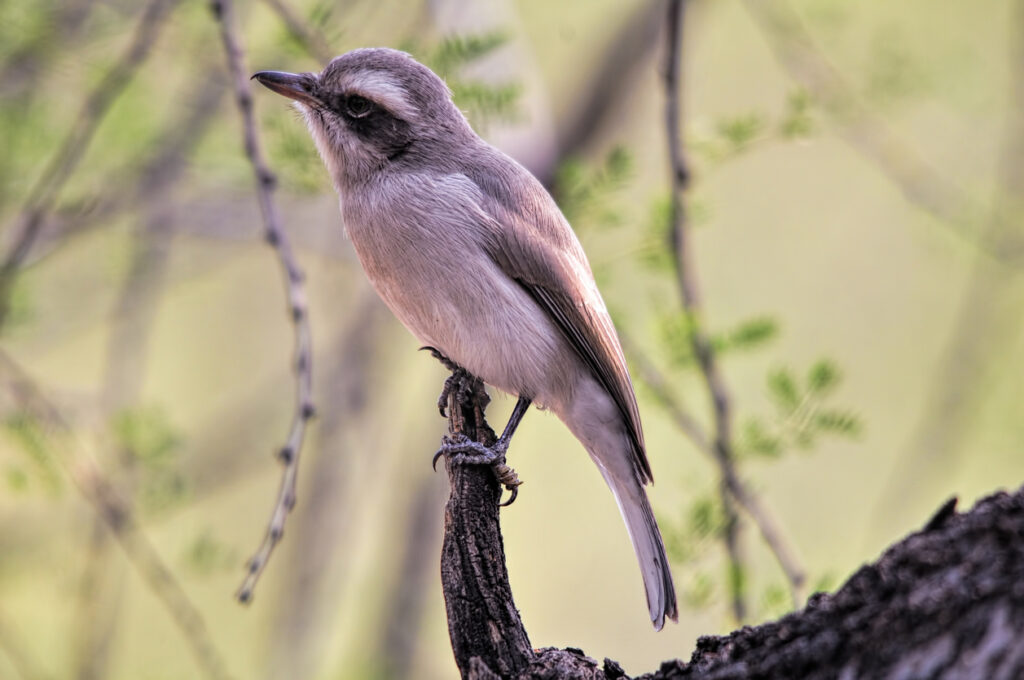
Often called “butcher birds,” shrikes have a habit that’s as gruesome as it is effective. They catch insects, frogs, or small mammals and skewer them on sharp branches or barbed wire to eat later. These hanging displays serve as both storage and a visual warning to rivals. It’s nature’s darkest version of a fridge, though for shrikes, it’s simply efficient food management in the open air.
6. Honeybees seal their pantry in wax.
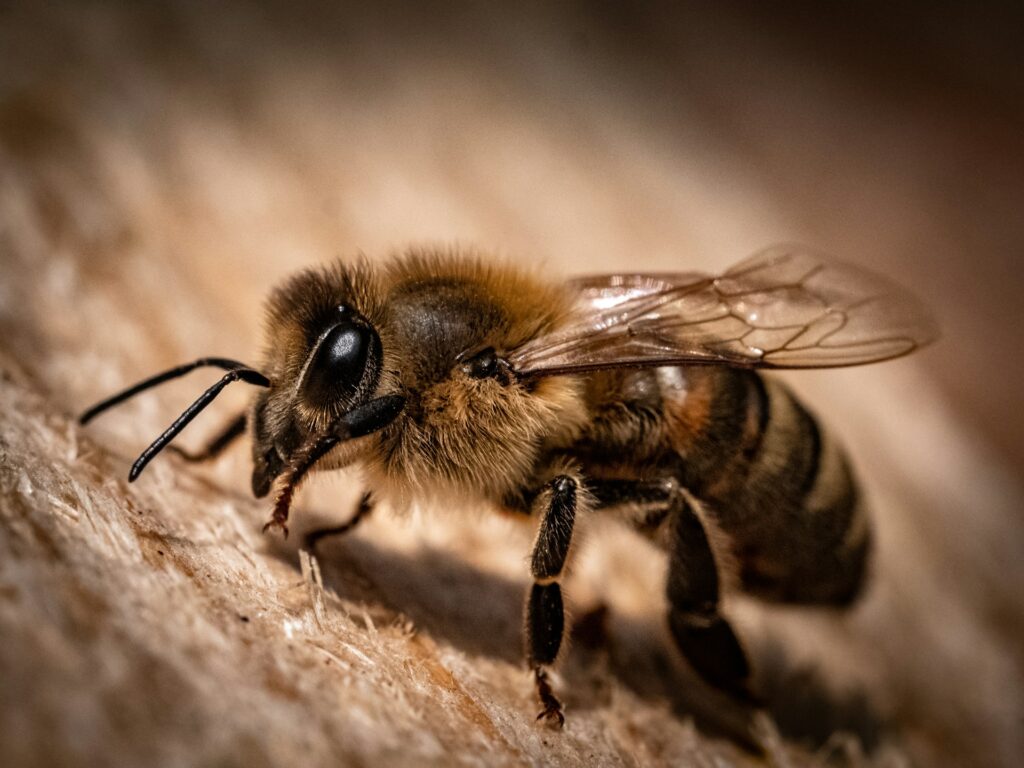
Bees have one of the most organised storage systems on the planet. They collect nectar, convert it into honey, and store it inside hexagonal wax cells that keep moisture and bacteria out. The wax acts like natural packaging. It allows honey to stay preserved for months or even years, which keeps the colony alive during the winter when flowers vanish and food sources disappear.
7. Arctic foxes hide leftovers under snow.
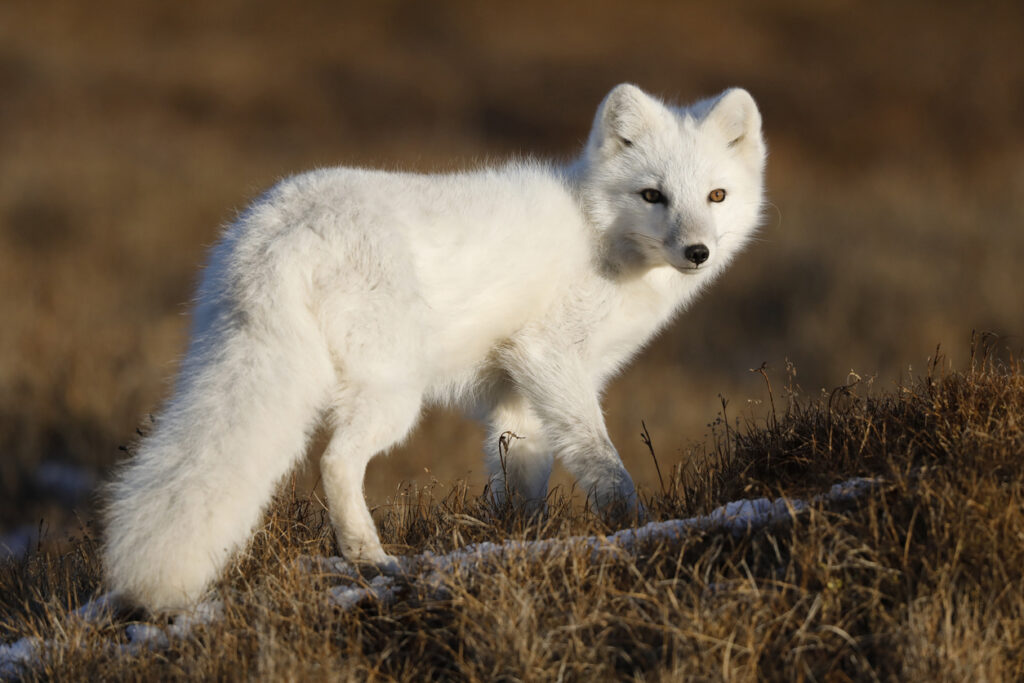
In the frozen north, food isn’t easy to find, so Arctic foxes bury scraps and carcasses beneath snowdrifts. The cold acts like a natural freezer, keeping their meals preserved for weeks. This technique lets them survive long stretches when prey is scarce. By using the weather as storage, they’ve turned the Arctic’s harshest feature into their biggest ally.
8. Jays stash hundreds of acorns across miles.
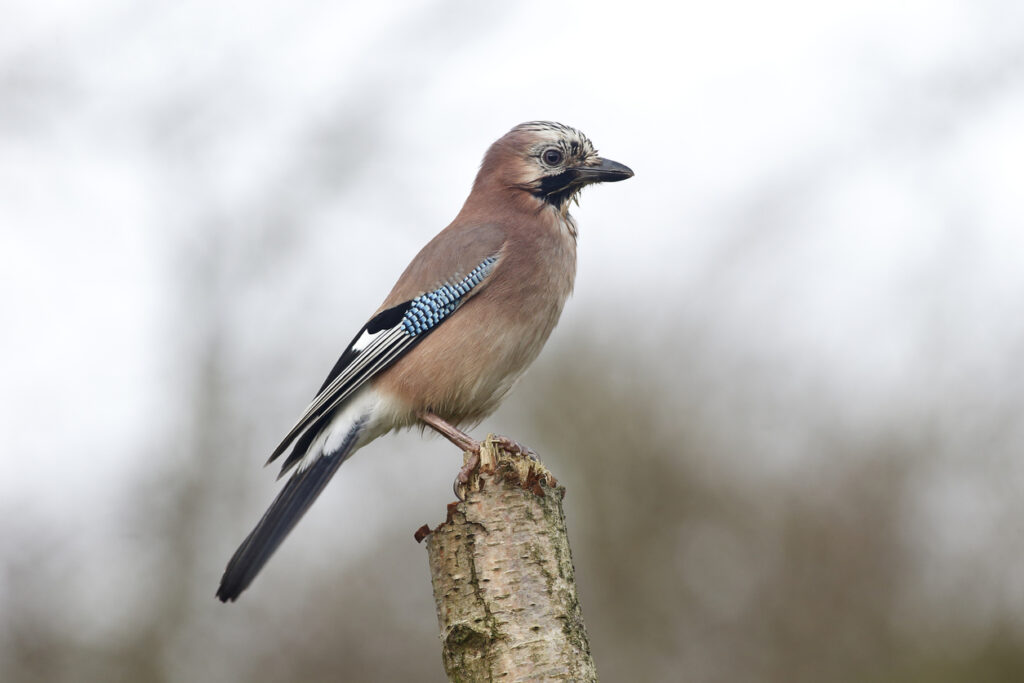
Eurasian jays are some of the most methodical food hoarders in the bird world. Each autumn they hide thousands of acorns in separate locations, often spreading them over several kilometres of woodland. They rely on memory to retrieve them later and can remember the spots for months. Their habit not only feeds them through winter but helps oak forests spread and regenerate naturally.
9. Ants turn other insects into living storage.
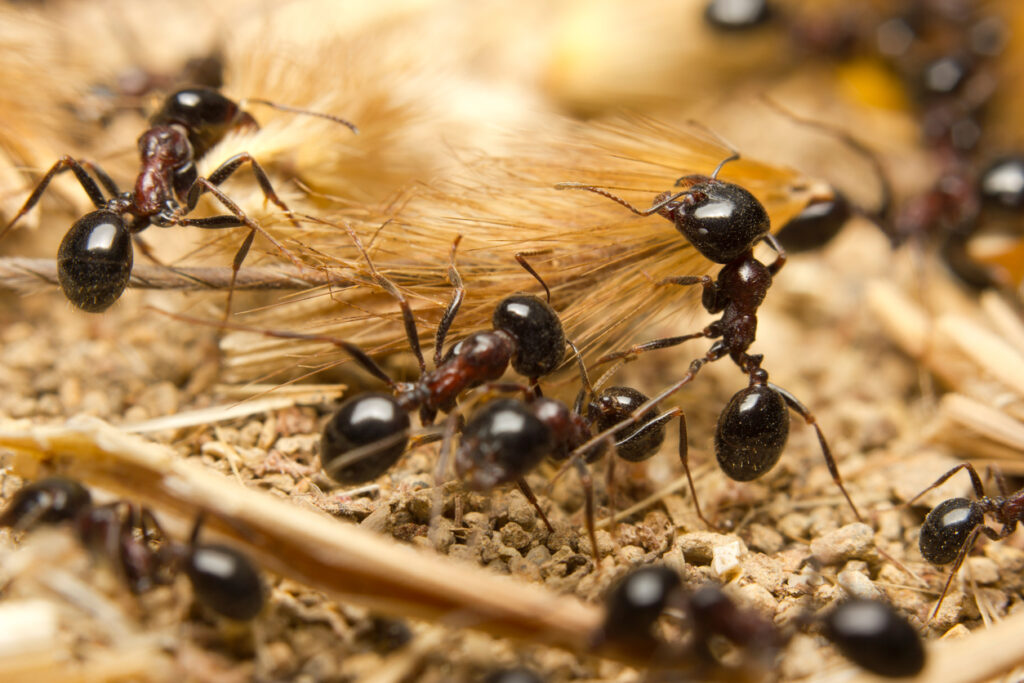
Some ant species, like honeypot ants, use certain workers as living storage jars. These ants gorge on nectar until their abdomens swell with liquid food, then hang upside down in the nest for others to feed from when supplies run low. It’s an astonishing example of teamwork. The storage ants can stay filled for weeks, sharing their reserves on demand to keep the colony fed when the outside world offers nothing.
10. Crocodiles hide food underwater to let it rot.
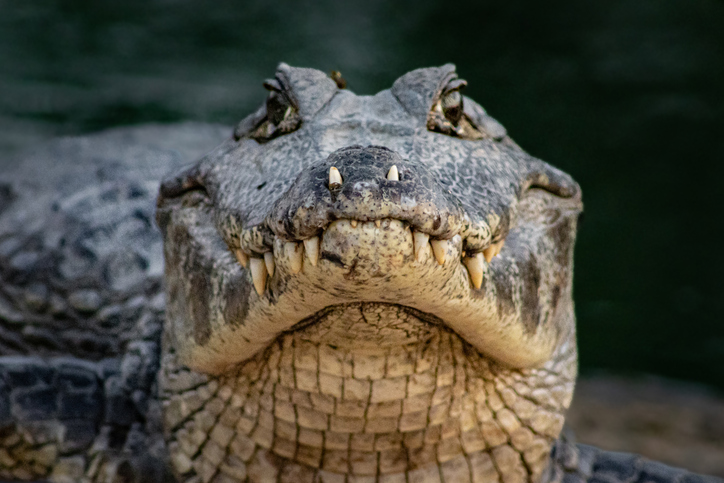
Crocodiles often drag large prey into the water and wedge it under logs or rocks. They wait for decomposition to soften the flesh, making it easier to tear apart when they return for a meal. It’s grisly but effective. The water slows decay while keeping scavengers away. What looks like brutality is really just another form of long-term food management in the wild.
11. Harvester ants build underground silos.
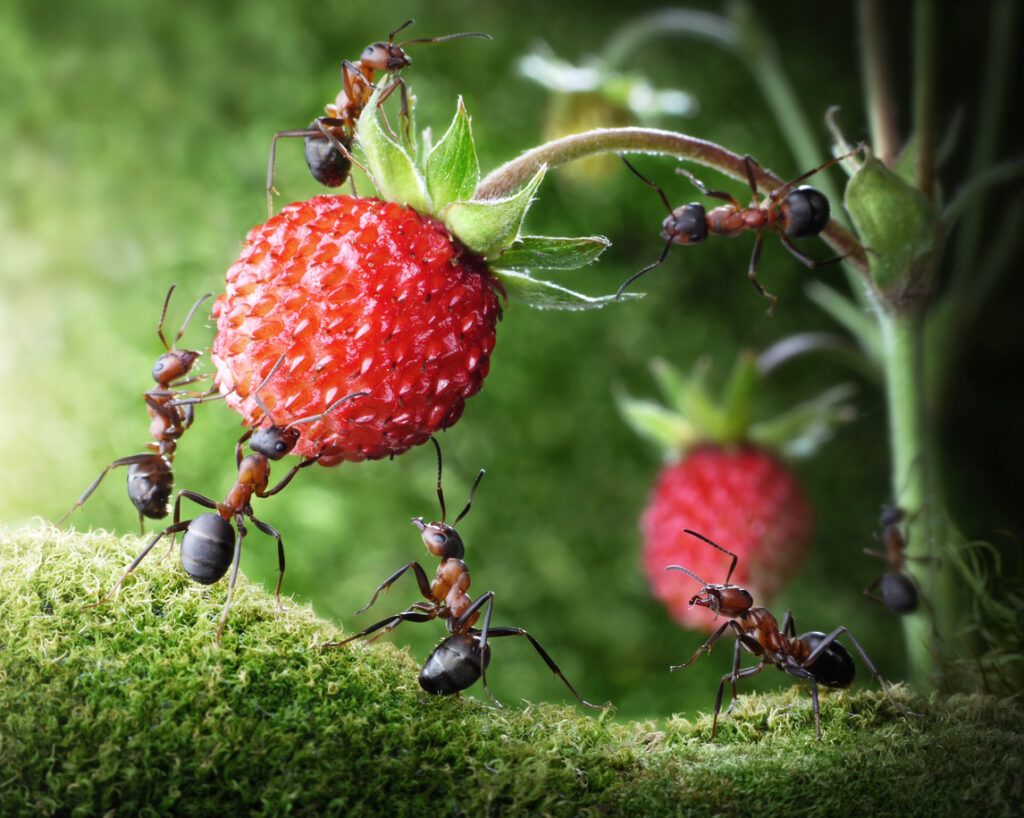
These ants spend their lives collecting seeds, which they sort and store deep underground. The chambers stay cool and dry, preventing mould and rot even in humid climates. Their tunnels work like natural ventilation systems, keeping airflow steady, so the seeds last for months. It’s a design that predates human storage by millions of years but works just as efficiently.
12. Pikas make haypiles for winter.
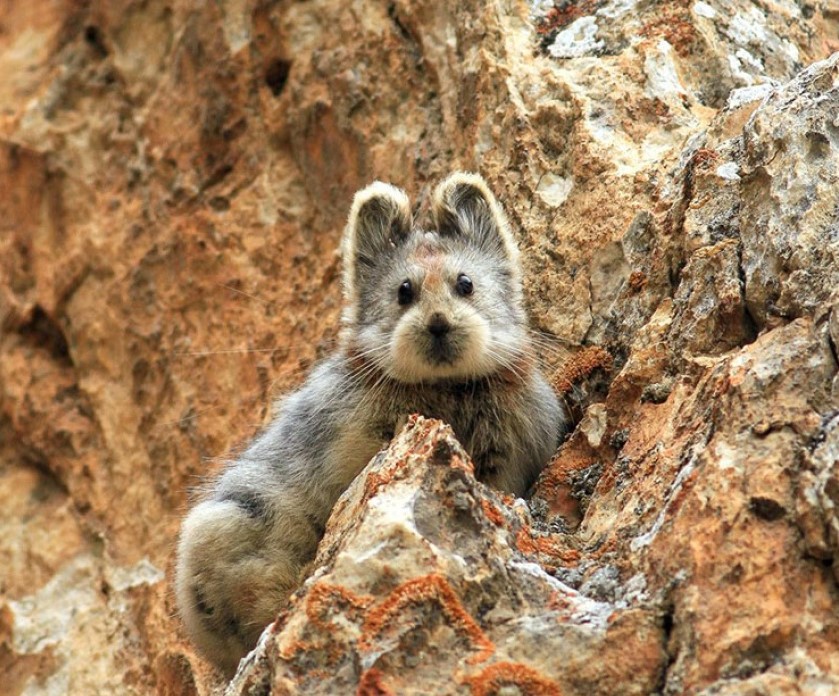
In mountain regions, pikas collect grass, flowers, and herbs during summer, spreading them out to dry before stacking them into haypiles under rocks. These caches become their main food supply once snow sets in. Each pile is built with precision. Pikas choose plants that resist mould and rotate them regularly, showing a level of planning most people wouldn’t expect from a small, rabbit-like mammal.
13. Spiders wrap prey in silk for later.
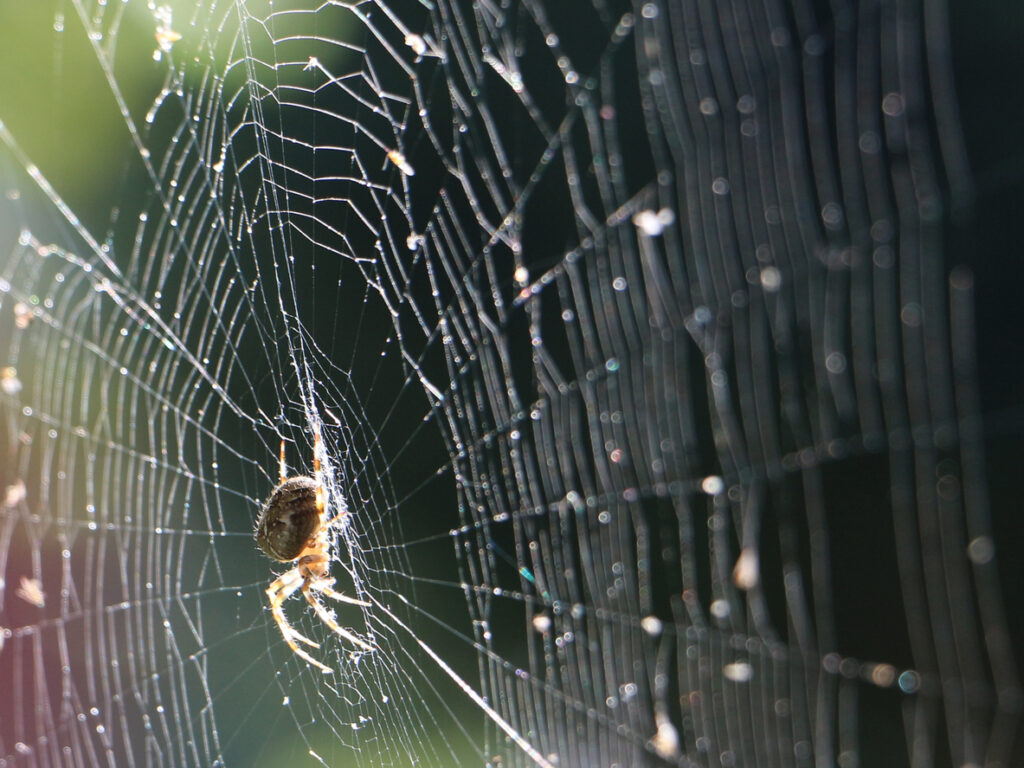
Many spiders don’t eat their catches immediately. Instead, they inject venom to immobilise them, then wrap them in silk to preserve freshness. The webbing keeps the prey moist and secure until hunger strikes again. This behaviour ensures they never waste energy on extra hunting. Their silk works like airtight packaging, sealing dinner until the perfect moment to feed.
14. Owls hide prey in tree hollows.
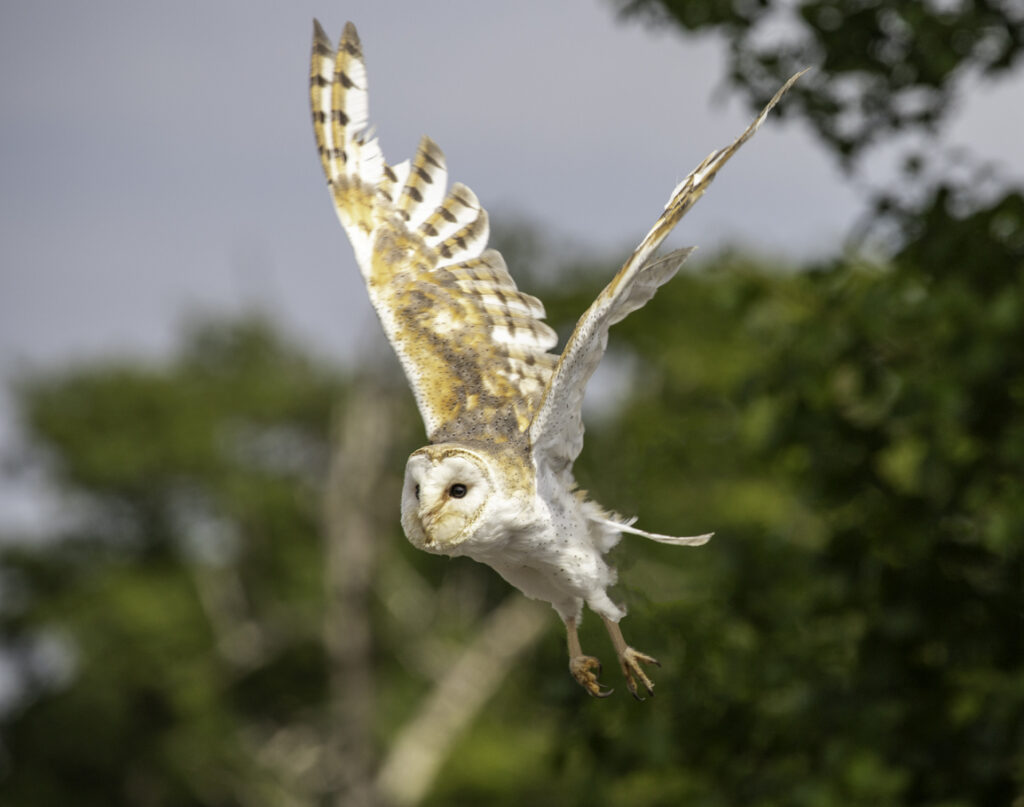
Owls, particularly those living in cold climates, stash mice and small birds in hollow trees or cracks in barns. The low temperatures keep their food from spoiling, giving them ready meals when weather turns harsh. They often build several small caches within their territory. This guarantees that even if one is stolen, there’s always another waiting somewhere close by.
15. Chipmunks use their cheeks as temporary cupboards.
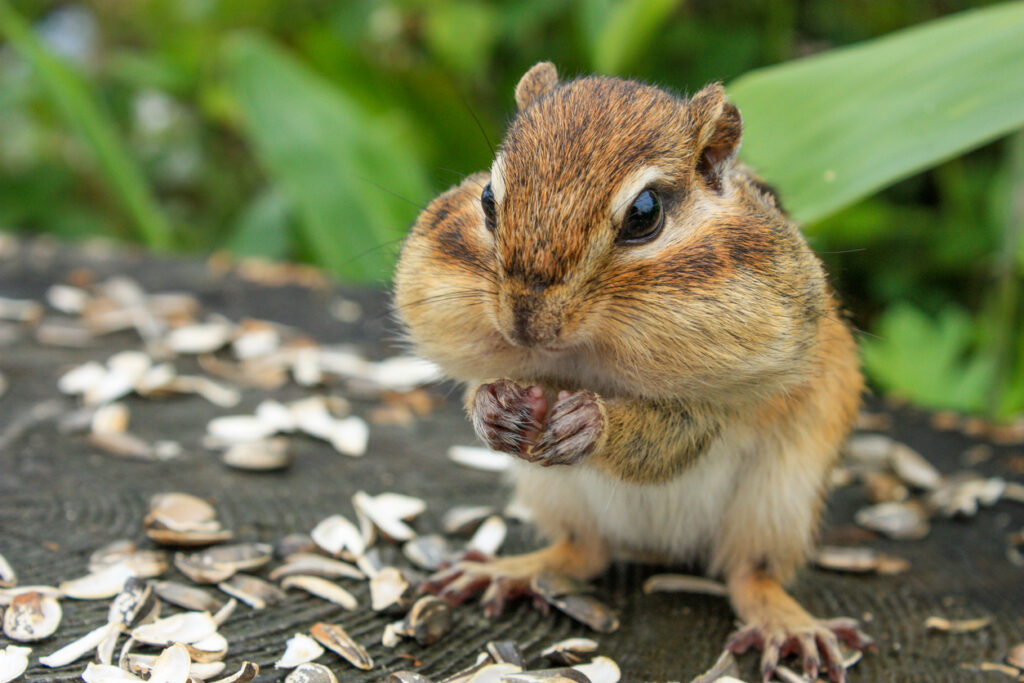
Chipmunks are walking food storage systems. Their cheek pouches can expand several times their head size, allowing them to carry seeds and nuts back to underground chambers during the day. Once home, they sort their collections carefully, separating edible from spoiled. Those hidden stores keep them well-fed through the cold months without needing to risk winter trips outside.
16. Vultures rely on communal leftovers.
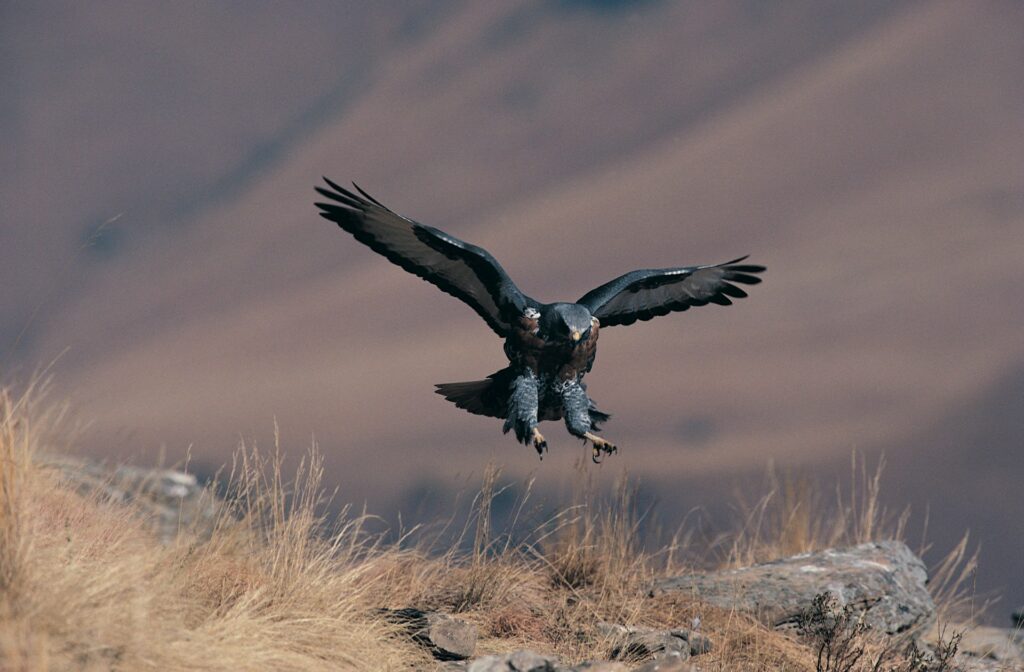
While not classic food hoarders, vultures use a different kind of storage: the ecosystem itself. They depend on the remains left behind by other predators, arriving last to clean up what’s left. Taking a shared approach means they don’t waste energy hunting or hiding prey. It’s nature’s recycling system, showing that sometimes survival means letting others do the storing for you.