The UK has some pretty eccentric laws, but a few of the strangest ones still lurking in the rulebooks involve nature itself.

From protecting swans that technically belong to the King to banning the shaking of trees, these laws were mostly written centuries ago and somehow never disappeared. Here are some of the oddest by-laws about nature that are still, technically, enforceable in Britain today.
1. It’s illegal to handle swans (unless you’re King Charles III).
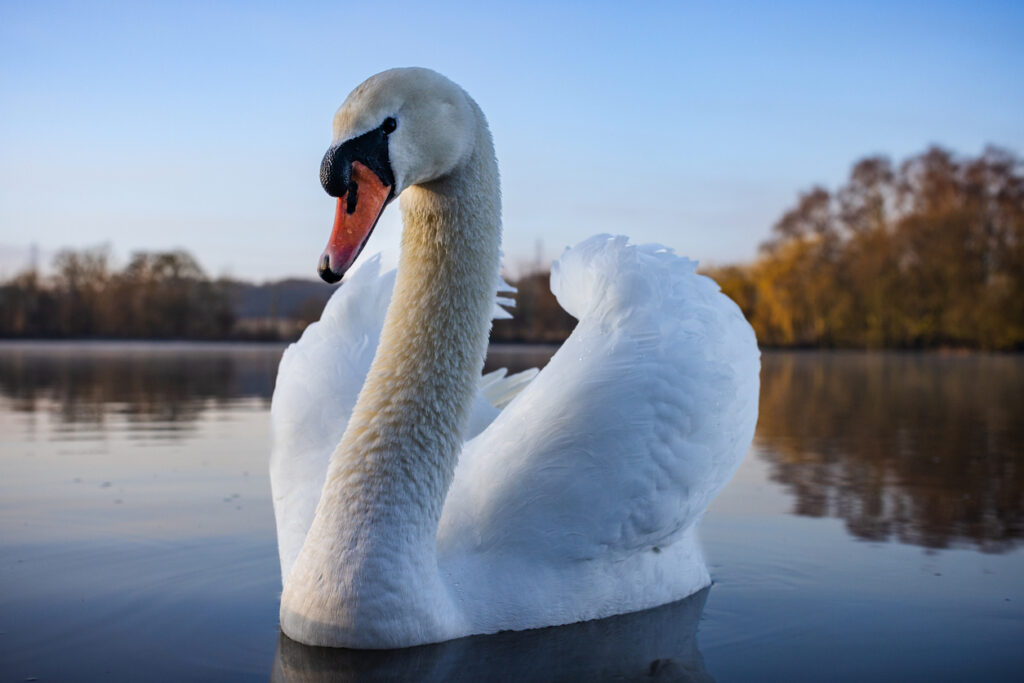
Swans have a long and bizarre legal history in the UK. By ancient royal prerogative, all unmarked mute swans in open water technically belong to the monarch. The rule dates back to the 12th century when swans were prized as royal delicacies, and it’s still in force today.
While you’re unlikely to be arrested for feeding one bread, it’s still against the law to touch, harm, or take a swan without permission. So if one hisses at you on the Thames, remember that you’re arguing with royal property.
2. Picking wildflowers can still land you a fine.

Most people don’t realise it’s technically illegal to pick, uproot, or destroy certain wildflowers in the UK under the Wildlife and Countryside Act 1981. This includes species like bluebells, orchids, and snowdrops. Even taking flowers from protected land can get you in trouble.
For most plants, picking a few petals is fine, but if you start uprooting them or selling bunches, you could face a fine. It’s one of those old laws that still protects Britain’s countryside from overzealous foragers.
3. You can’t shake or climb someone else’s tree.

Under the Theft Act 1968, it’s an offence to pick fruit, flowers, or foliage from another person’s tree without permission. But it also extends to shaking or climbing the tree to make fruit fall. The idea was to stop “scrumping,” or stealing apples from neighbours’ gardens, which was a big problem back in the day.
Basically, if you’re tempted to hop a fence for some ripe blackberries or apples, think twice. It’s technically classed as theft, even if you only wanted one for a snack.
4. Damaging wild bird nests is illegal.
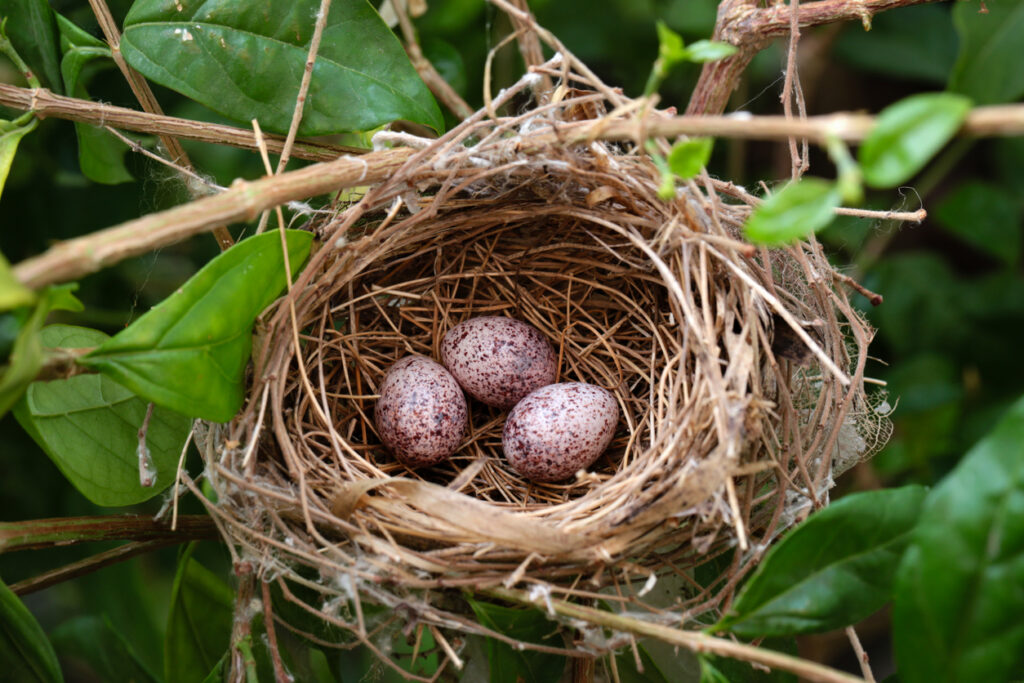
The Wildlife and Countryside Act 1981 makes it an offence to disturb or destroy the nest of any wild bird during the breeding season. That includes moving or even cleaning out nests while they’re active, no matter how inconveniently they’re built.
That means if a robin builds its nest above your front door, you’ll have to wait until the chicks are gone before removing it. The same goes for hedgerows: trimming them during nesting season can land farmers or homeowners with fines.
5. It’s illegal to take pebbles from the beach.
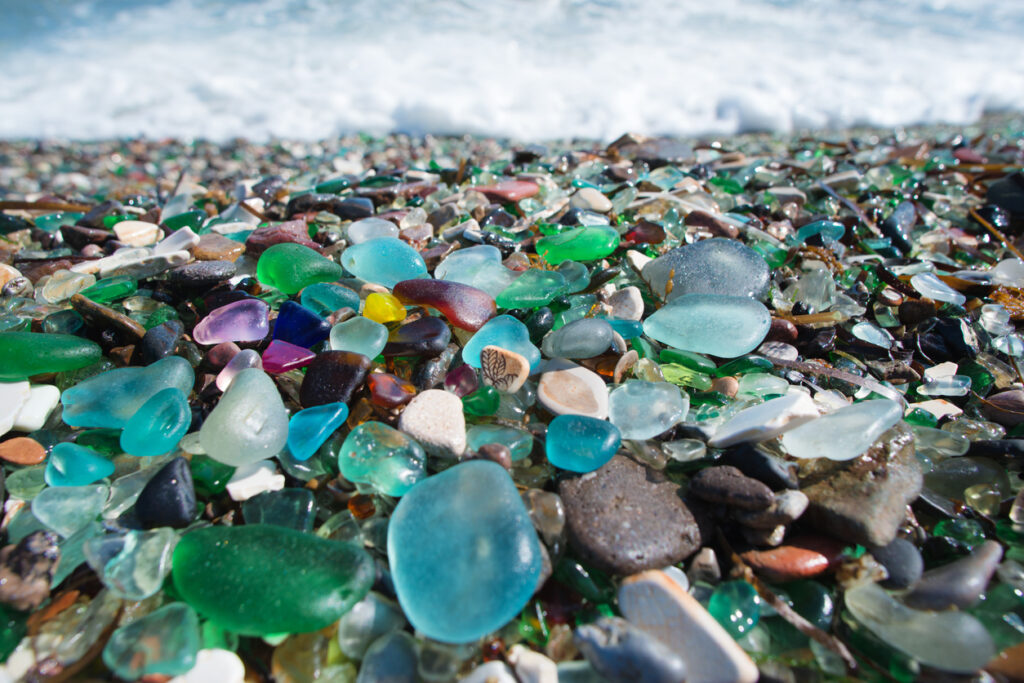
While it might seem harmless, removing stones, shells, or sand from British beaches is technically illegal under the Coastal Protection Act 1949. Those pebbles help protect the coastline from erosion, so taking them messes with natural defences.
Some local councils even have signs warning visitors not to pocket souvenirs. In extreme cases, people have been fined for filling their car boots with beach stones, which is proof that the rule’s still being taken seriously.
6. Feeding pigeons in Trafalgar Square is banned.
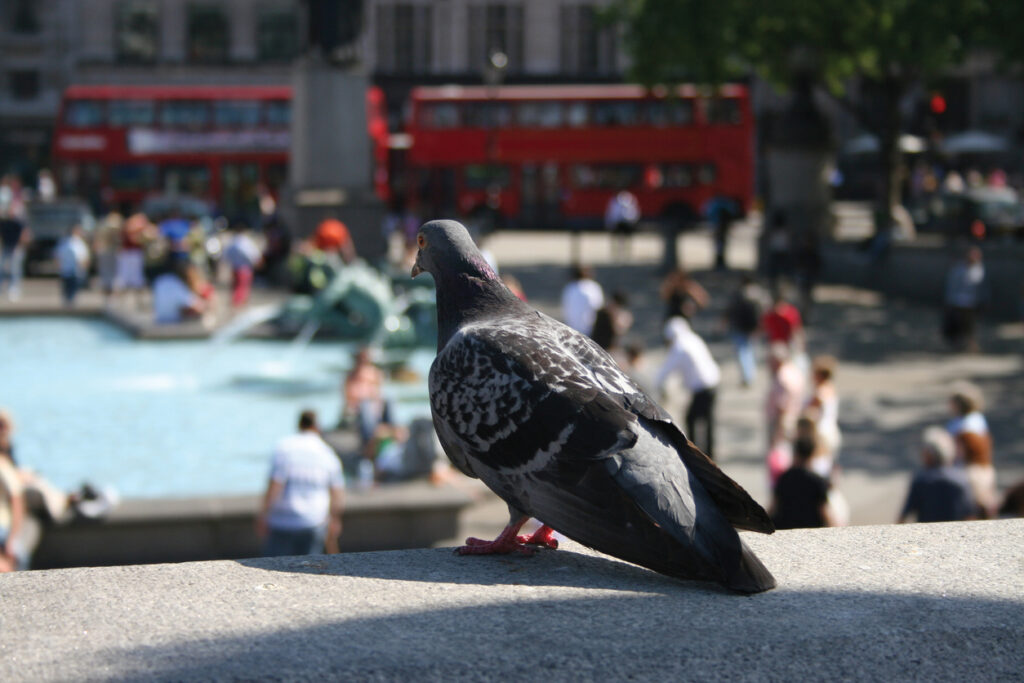
Once a beloved London pastime, feeding the pigeons in Trafalgar Square has been banned since 2003 under the London Local Authorities Act. The ban was introduced because the bird population had exploded, damaging statues and creating health hazards.
Even bringing birdseed into the area can technically lead to a fine. The once-famous pigeon-feeding stalls are long gone, and anyone caught encouraging the birds now risks a £500 penalty.
7. Hedge trimming bans during nesting season.

Farmers and landowners are legally banned from cutting hedgerows between March and August under the Hedgerow Regulations 1997. The law protects nesting birds and other wildlife that depend on dense hedges for shelter and safety.
It’s one of the few nature by-laws that’s actually enforced regularly. Violating it can lead to prosecution, especially if inspectors find evidence of damaged nests or disturbed habitats.
8. You can’t fish without a licence, even in your own pond.

Under the Salmon and Freshwater Fisheries Act 1975, anyone fishing for freshwater species in England and Wales must have a valid rod licence. It doesn’t matter whether you’re fishing in public water or a private pond; the rule still applies.
Fishing without a licence can result in a hefty fine. The law’s purpose is to help fund fish conservation efforts, though many casual anglers still don’t realise it applies to them too.
9. It’s illegal to kill or disturb bats.
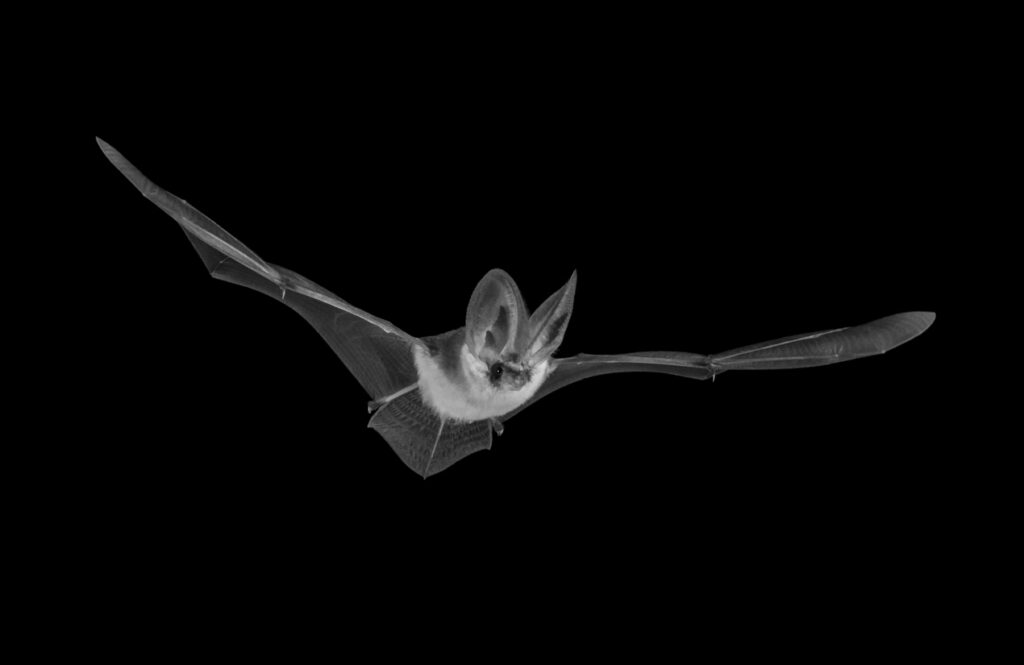
Bats are one of the UK’s most protected species under both national and international law. You can’t trap, handle, or disturb them, even accidentally, without a special licence. That includes removing them from your attic if they decide to move in.
Breaking this law can lead to heavy fines or even imprisonment. If you discover bats in your home, you have to contact Natural England or a licensed bat handler before doing anything about it.
10. It’s a crime to uproot bluebells.
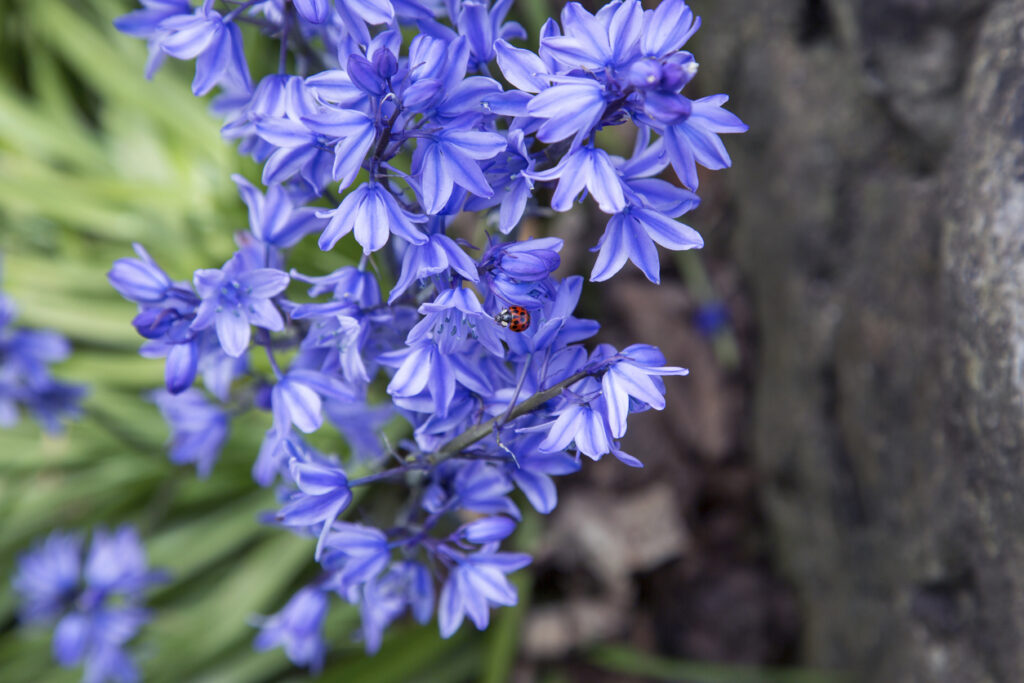
English bluebells are protected under the Wildlife and Countryside Act because of their decline in the wild. It’s illegal to uproot or sell them without permission, even from private land. Picking a few flowers is one thing, but digging up bulbs is another matter entirely.
The law exists to protect native bluebells from being replaced by invasive Spanish ones, which are more aggressive. It’s one of the more specific by-laws still protecting Britain’s spring woods and meadows.
11. You can’t disturb badger setts.
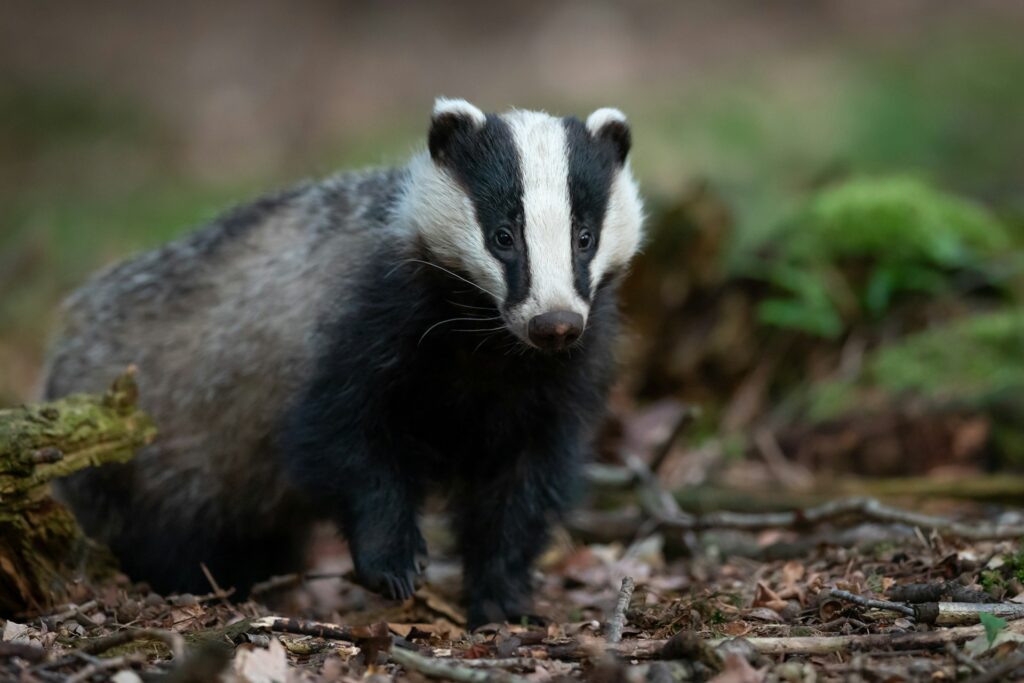
The Protection of Badgers Act 1992 makes it illegal to damage or block the entrances to badger setts. Even accidental disturbance can lead to prosecution. Builders and developers are often required to carry out surveys before starting work near known badger habitats.
It might sound excessive, but badgers are territorial and highly sensitive to disruption. This law helps keep them safe in an increasingly built-up landscape.
12. It’s illegal to let your dog chase livestock.

Under the Dogs (Protection of Livestock) Act 1953, it’s an offence to let your dog chase or attack farm animals. Even friendly dogs can cause stress or injury to sheep and cattle, so farmers are allowed to intervene to protect their animals.
Walking dogs through fields is fine, but they should always be on leads around livestock. It’s one of those countryside rules that people only remember after it’s too late.
13. You can’t light a fire on common land without permission.
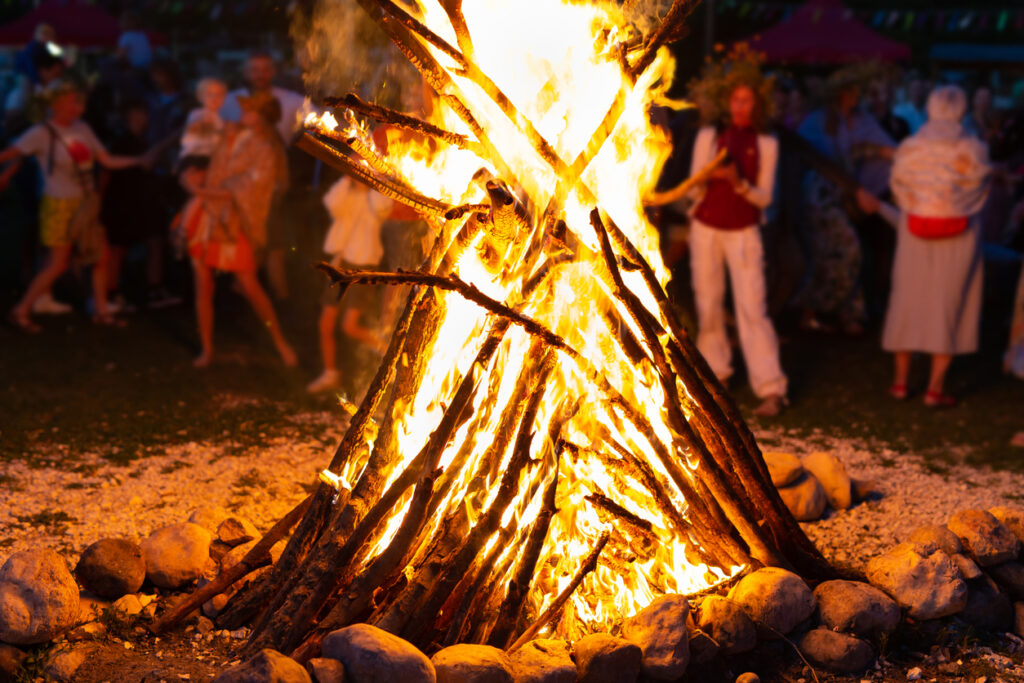
Lighting a bonfire or barbecue on common or protected land without consent can still break by-laws under various local authority regulations. Many commons are managed for conservation, and open fires risk damaging plants and habitats.
Even in areas where it’s technically allowed, fire safety rules apply. If you’re ever unsure, it’s best to use a designated barbecue spot or ask the local council first; otherwise, you could be fined for something that feels harmless.
14. Damaging ancient trees can lead to prosecution.

Some trees in the UK are protected by Tree Preservation Orders under the Town and Country Planning Act 1990. Cutting, pruning, or damaging these trees without permission is a criminal offence, even if they’re on your property.
It’s a serious law with real consequences. Local councils often track ancient trees for protection, and anyone caught breaking the rule can face fines up to £20,000. So if you’ve got an old oak in your garden, check before you trim it.
15. Removing bird feathers can be illegal.
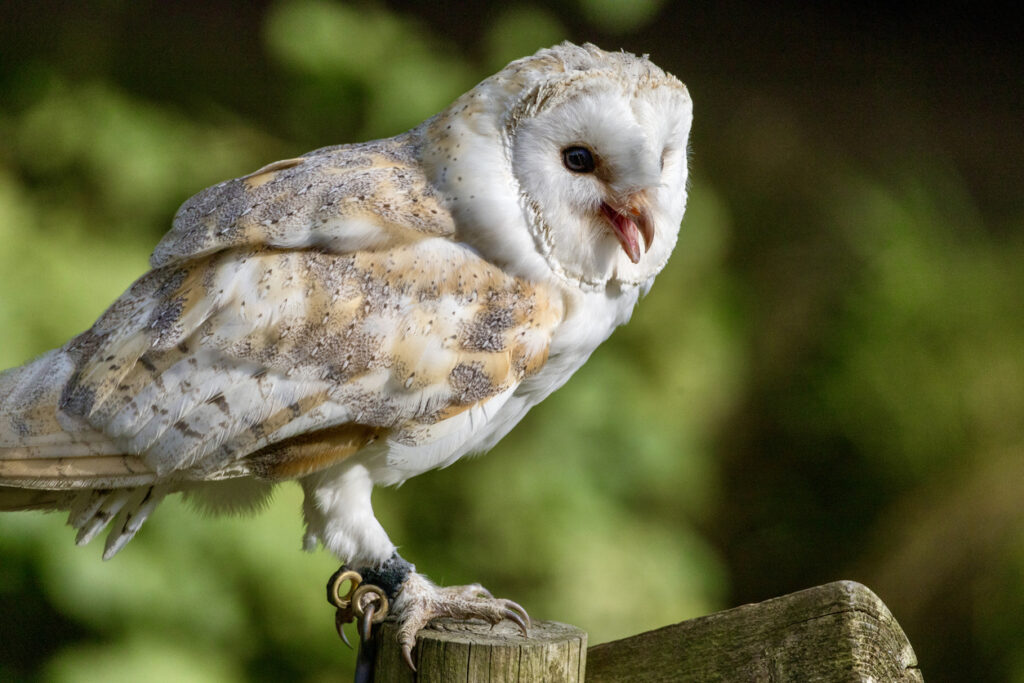
Under the Wildlife and Countryside Act, it’s technically illegal to possess the feathers of any wild bird in the UK, even if they were found naturally. This rule dates back to Victorian times, when feather collecting for fashion nearly wiped out some species.
While enforcement is rare today, the law still stands. So, if you pick up a pretty feather on a walk, it’s best to admire it and leave it where it is, just in case.