Humans like to think we’re the ones constantly discovering, inventing and improving.

However, a surprising amount of our progress comes from watching the natural world. Animals have been solving problems, communicating, navigating and adapting for millions of years, long before we ever built a tool or scribbled a diagram. When scientists pay attention, they often realise that nature cracked the code first.
From unexpected problem solvers to tiny creatures with surprisingly advanced systems, animals have shaped everything from engineering to medicine to space exploration. Some have inspired major breakthroughs, others have quietly influenced technology we use every day without even noticing. Once you see how much we’ve learned from them, it becomes impossible not to look at the animal kingdom with a new kind of respect.
1. Dolphins inspired underwater communication.
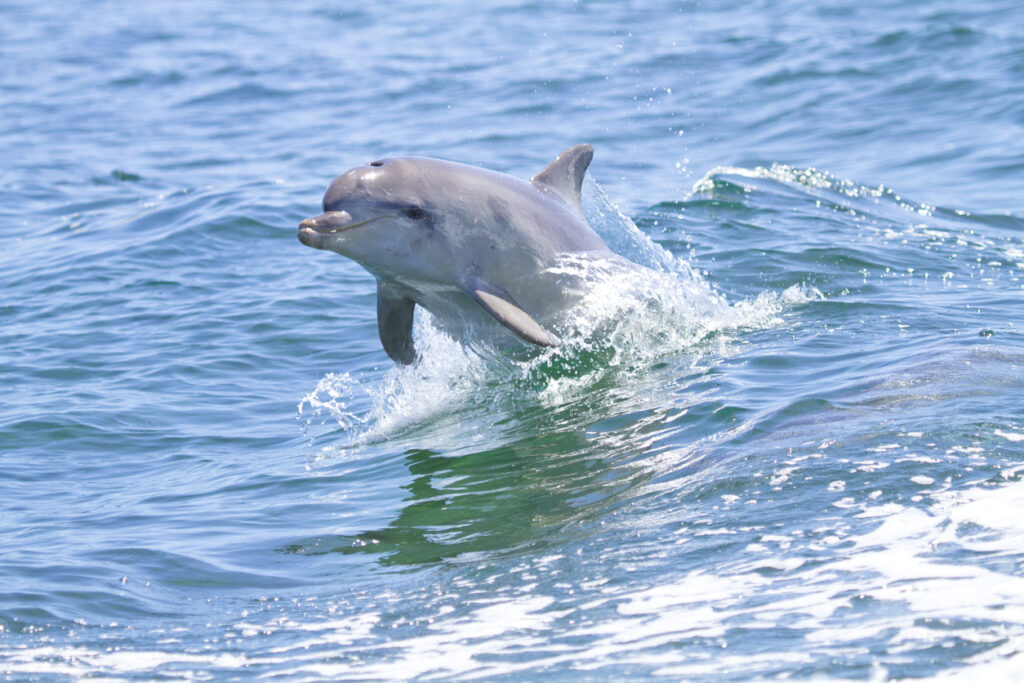
Scientists studying dolphin clicks and whistles discovered that these mammals use sound to navigate, hunt and socialise. Their sonar skills inspired early designs for human sonar and underwater communication systems that could transmit messages without light or wires. They showed us that sound could be language as well as navigation. Modern acoustic research still borrows from dolphin patterns to help improve underwater mapping and rescue technology.
2. Bees revealed the power of organisation.
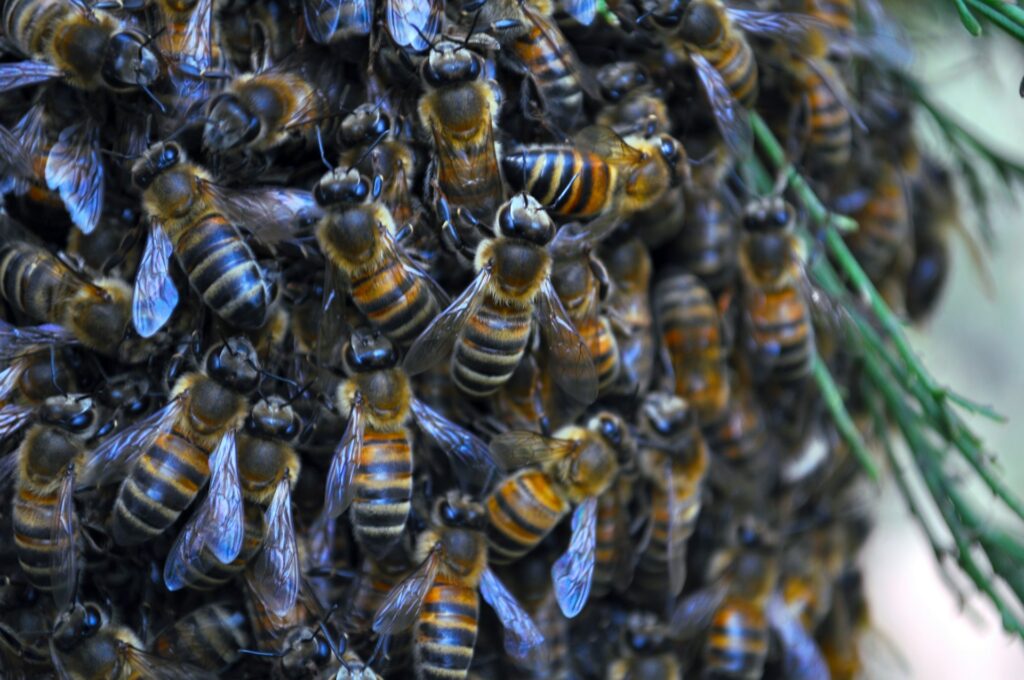
Bees taught humans how cooperation works on a massive scale. Every worker, drone, and queen has a defined role, and together they maintain a thriving hive with mathematical precision. Scientists used bee colony patterns to design more efficient systems for traffic flow, logistics, and even computer networking. Their collective intelligence reshaped how we think about teamwork and resource sharing.
3. Bats advanced our understanding of sonar.

Before humans built radar, bats were already using echolocation to fly and hunt in total darkness. By studying how they bounce sound waves off objects, researchers developed technologies for navigation and object detection. This research laid the groundwork for everything from submarines to self-driving cars. The natural precision of bat hearing helped us translate biology into engineering.
4. Dogs changed how we understand emotion.

Our oldest companions have helped humans learn more about empathy and communication. Dogs read tone, body language and even facial expression with remarkable skill, showing that emotional intelligence exists beyond humans. Their attunement to our moods helped psychologists and neuroscientists explore attachment and social bonding. Dogs made it clear that understanding emotion is a survival skill, not just a human trait.
5. Octopuses taught us about problem-solving.
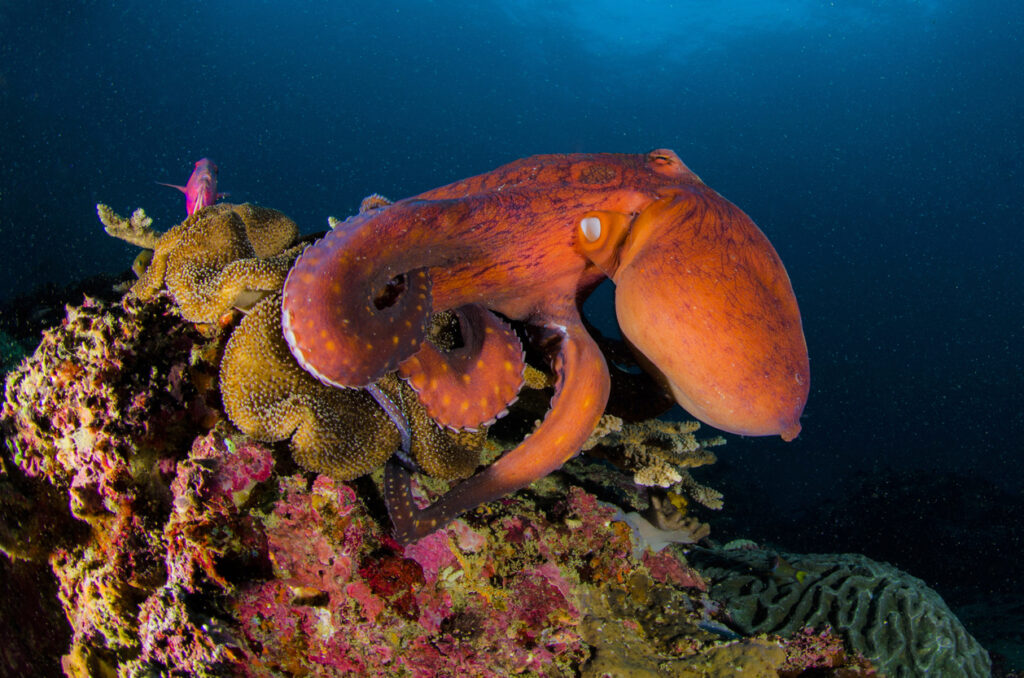
Octopuses are masters of escape and innovation. They open jars, mimic textures and learn patterns quickly. Studying them challenged scientists to rethink what intelligence looks like in species far removed from mammals. Their flexible thinking inspired robotics research. Engineers now model soft robots on octopus arms to create tools that can grip, twist and move with delicate precision.
6. Crows proved that logic isn’t limited to humans.

Crows use tools, recognise faces and solve puzzles that stump many mammals. In labs, they’ve demonstrated planning, problem-solving and even the ability to hold grudges. These birds forced scientists to reconsider what a “smart” brain looks like. Their intelligence reshaped how we study learning, especially since bird brains differ structurally yet perform with human-like reasoning.
7. Cats reminded us about independence and boundaries.

Unlike dogs, cats don’t exist to please humans, and that’s taught us a lot about autonomy. Their balance of affection and independence helped researchers understand how animals set social boundaries without verbal cues. Cats influenced studies on stress, adaptability, and comfort. By observing their body language, humans gained insight into how self-regulation and environmental control affect wellbeing.
8. Ants taught us efficiency.

Ant colonies work like perfectly tuned machines. Every ant follows simple rules, yet together they create networks, farms, and transport routes that rival human planning. Their collective problem-solving inspired algorithms used in computer science and logistics. Systems that direct delivery routes or digital data often trace back to how ants find the shortest path to food.
9. Parrots helped us study language learning.
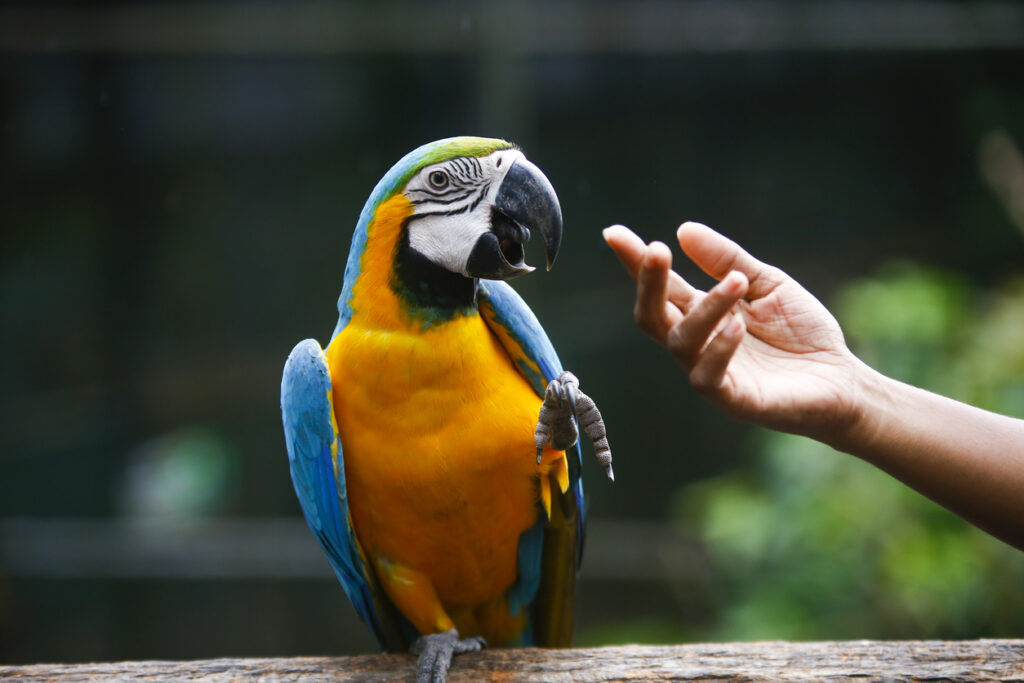
Parrots’ ability to mimic speech gave linguists clues about vocal learning. Birds like the famous African grey, Alex, showed that parrots don’t just copy; they understand context, numbers and simple reasoning. These discoveries influenced studies of child language development and artificial intelligence. Parrots proved that comprehension isn’t limited to humans; it’s about how brains process sound and meaning.
10. Horses deepened our understanding of trust.

Horses mirror human emotion in subtle ways. Through body posture, breathing and tone, they reflect the feelings of the person handling them. This connection became a foundation for equine therapy and trauma recovery work. They taught us how non-verbal communication builds safety and trust. Horses reminded humans that calmness and respect often speak louder than words.
11. Rats revolutionised medical research.
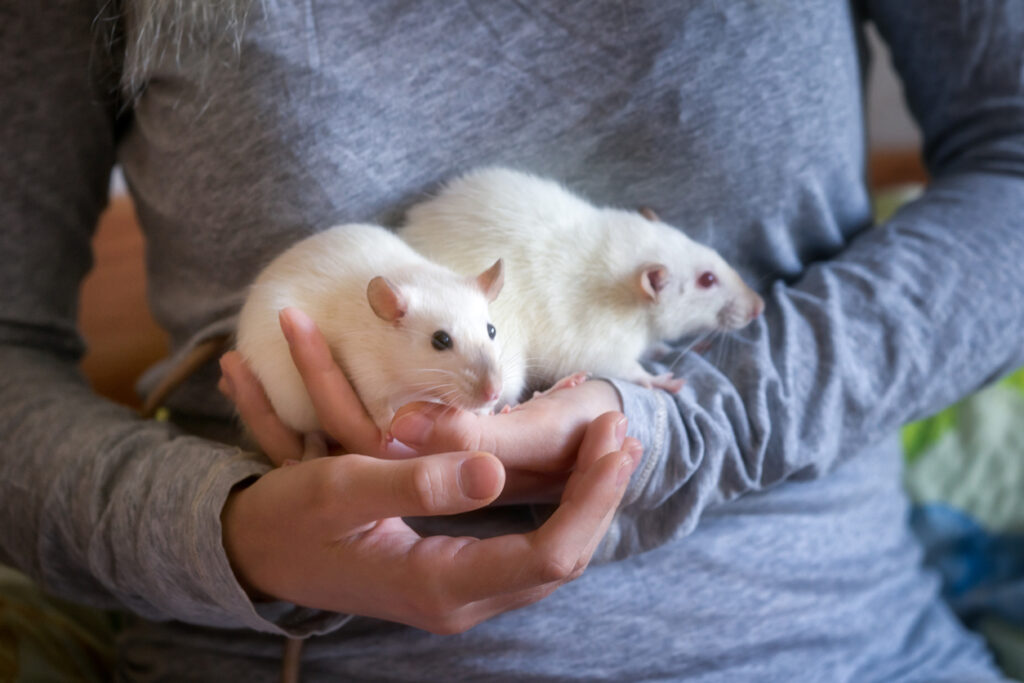
Though not glamorous, rats have contributed more to science than most animals. Their genetic and behavioural similarities to humans made them ideal subjects for studying disease, addiction and learning patterns. Modern medicine owes countless breakthroughs to them. Their role in testing treatments shaped how we understand the brain, the body, and behaviour under stress.
12. Chimpanzees showed us our reflection.
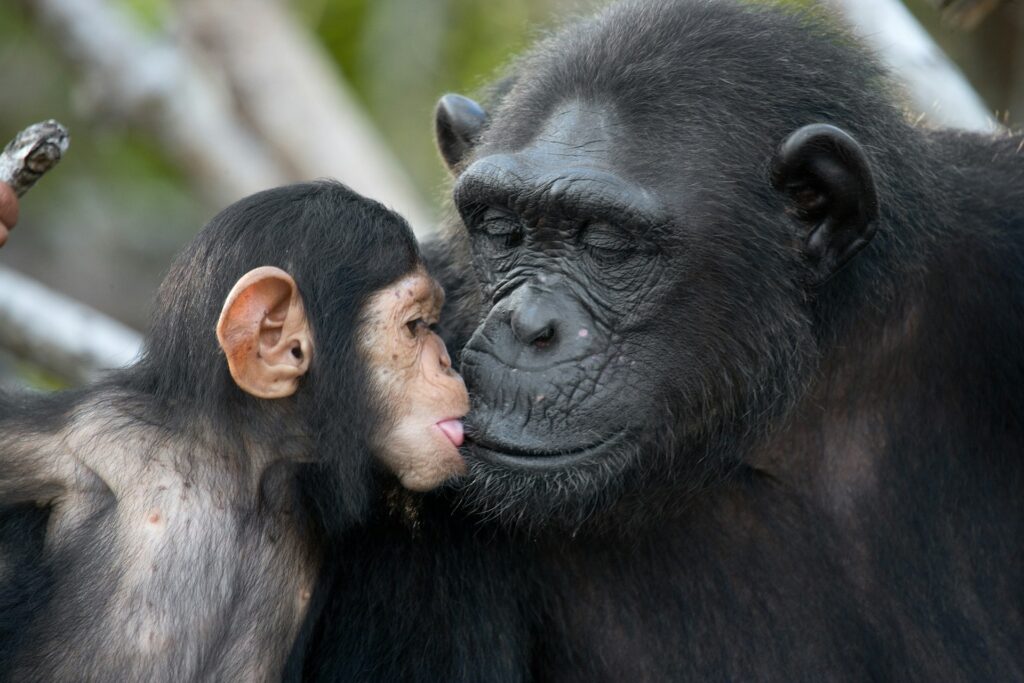
Watching chimps taught us more about ourselves than any mirror could. Their use of tools, social hierarchies and emotional reactions revealed that human behaviour is part of a much older pattern of intelligence and empathy. From them, we learned that cooperation, conflict, and culture aren’t unique to us. Every insight from chimp behaviour helps fill in the evolutionary story we share.
13. Pigeons advanced neuroscience and navigation research.

Once dismissed as city pests, pigeons turned out to be navigation experts. Their ability to return home from hundreds of miles away led to studies on magnetic fields, memory and spatial awareness. They’ve helped neuroscientists understand how animals process direction and time. In a quiet way, pigeons reshaped our understanding of memory and instinctive intelligence.
Every species listed here gave humans something more than curiosity: they gave us perspective. Each one shows that intelligence doesn’t follow a straight line from simple to advanced. Sometimes, it takes another creature to teach us what thinking really means.