Animals notice changes long before we do.
When habitats shift, temperatures rise or food sources disappear, they adapt in whatever way they can. Sometimes that means moving to places they have never lived in before. Other times, it means behaving in ways that make scientists stop and say, “That definitely shouldn’t be happening.” These behaviours aren’t random quirks; they’re warnings.
We hear about melting ice and extreme weather so often that it stops feeling real, but when you look at the animal world, the impact becomes impossible to ignore. Creatures are changing how they migrate, breed, and even feed in ways that break old patterns. These strange reactions are signals that the natural balance is unravelling, and they show the climate crisis is already altering life on Earth in ways we never expected.
1. Bears are skipping hibernation completely.

In warmer winters, bears in some regions aren’t hibernating at all. They’re staying awake because temperatures don’t drop enough to trigger their biological need for deep sleep. This exhausts their bodies and disrupts breeding cycles. Bears evolved to hibernate for a reason, and forcing them to stay active all year is slowly breaking down their health.
2. Birds are shrinking in size.
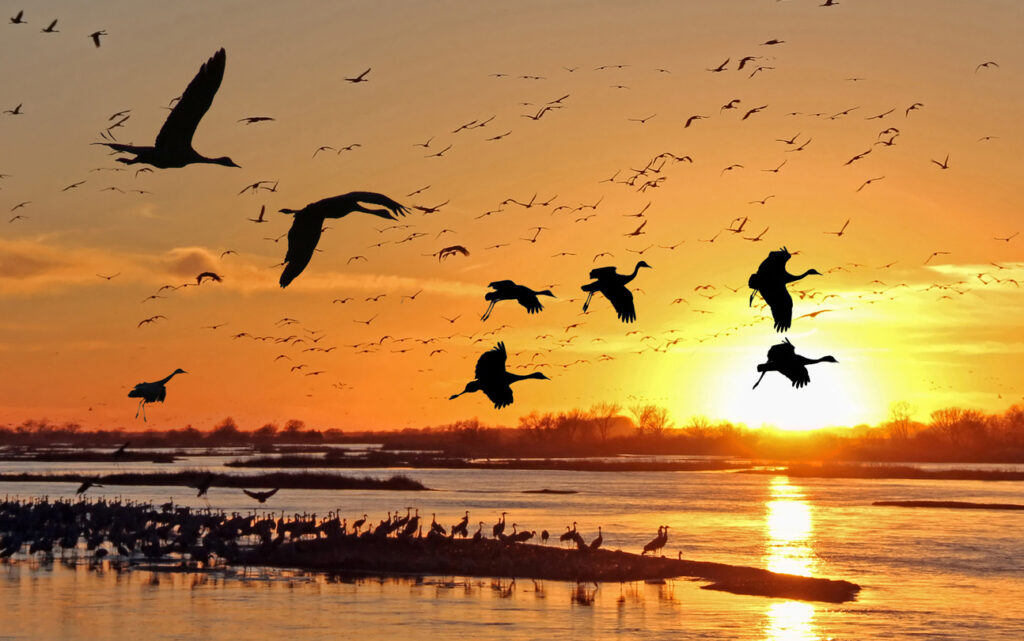
Migratory birds measured over decades are getting physically smaller. Their bodies are adapting to hotter temperatures by reducing mass so they can cool down more efficiently. Smaller bodies mean less strength for long migrations and fewer resources for breeding. These birds are literally shrinking themselves to survive the heat.
3. Sea turtles are producing almost entirely female offspring.
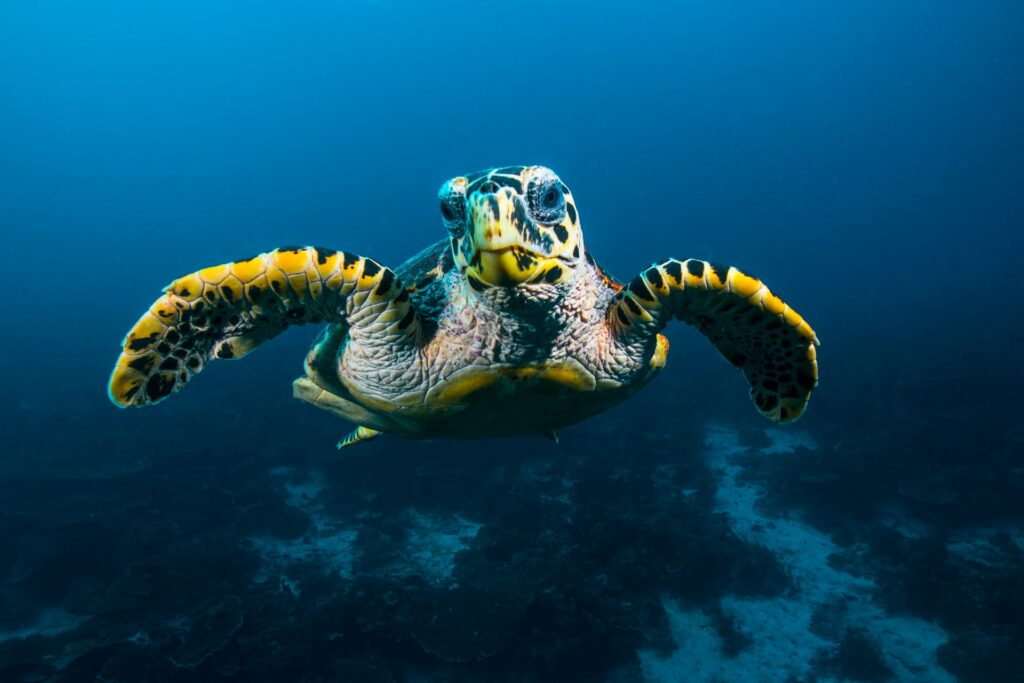
Sand temperature determines turtle gender, and warming beaches mean nearly all eggs are developing as females. Some populations are now over 99% female. Without males, these populations will collapse within a generation or two. The species is being pushed towards extinction by temperatures rising just a few degrees.
4. Dolphins are abandoning their hunting grounds.
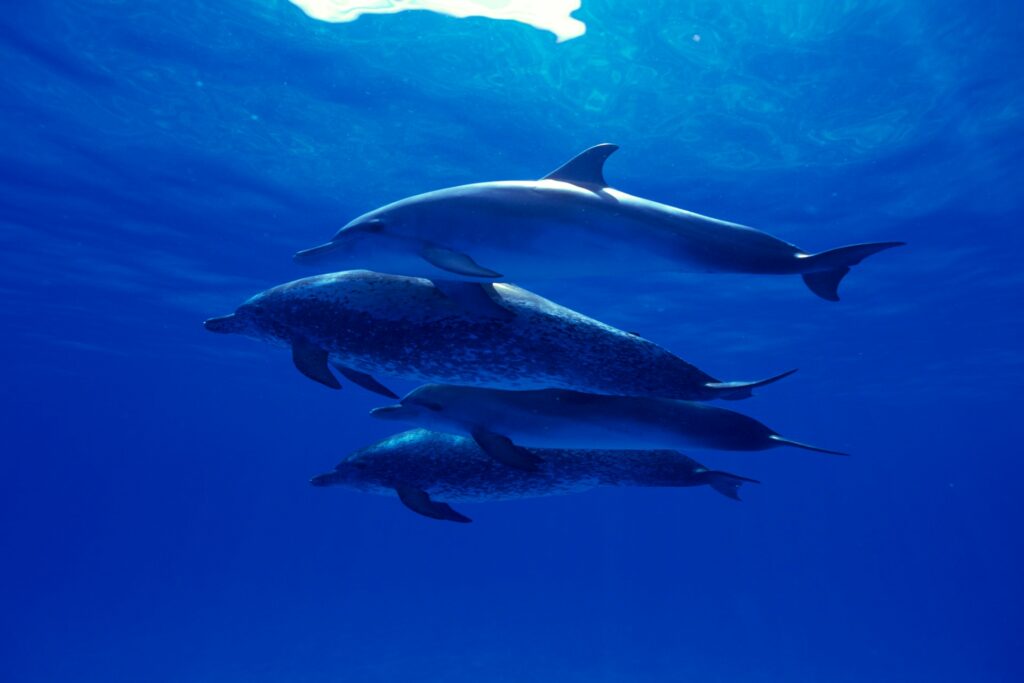
Pods that have used the same coastal areas for generations are suddenly relocating. They’re following fish populations that have moved to cooler waters. This forces them into unfamiliar territory where they don’t know the best hunting spots or safe areas. Entire social structures built over centuries are falling apart.
5. Penguins are walking hundreds of miles inland.
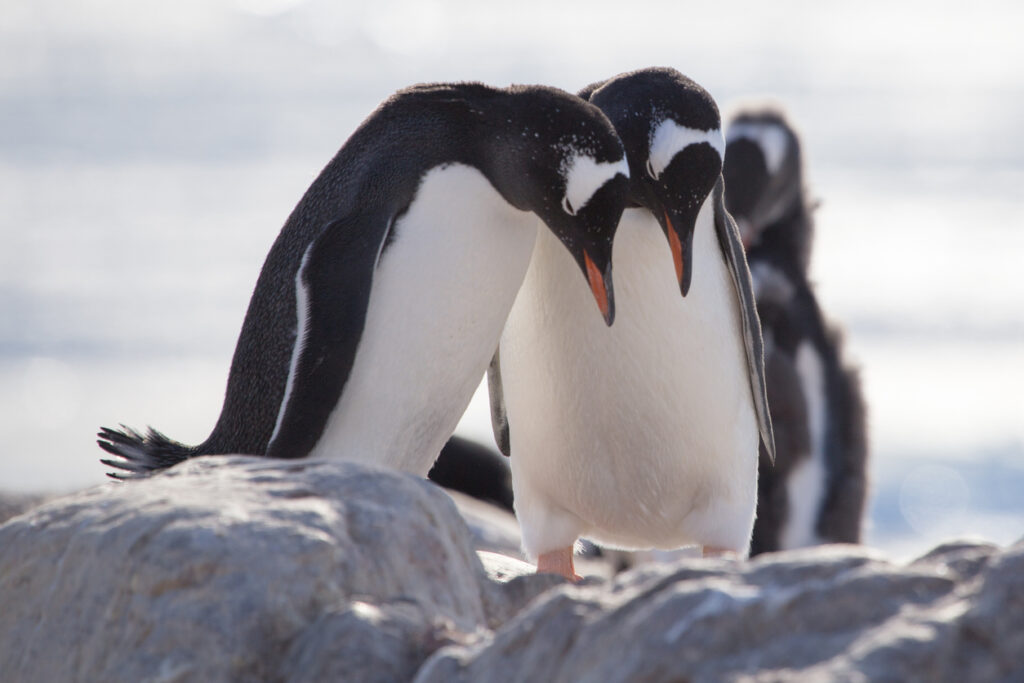
Antarctic penguins are trekking inland across ice sheets to find stable breeding grounds. Coastal ice they’ve always used is melting too early in the season. These journeys exhaust them before they even start breeding. Many don’t survive the walk, and those that do have less energy for raising chicks.
6. Squirrels are having multiple litters per year.
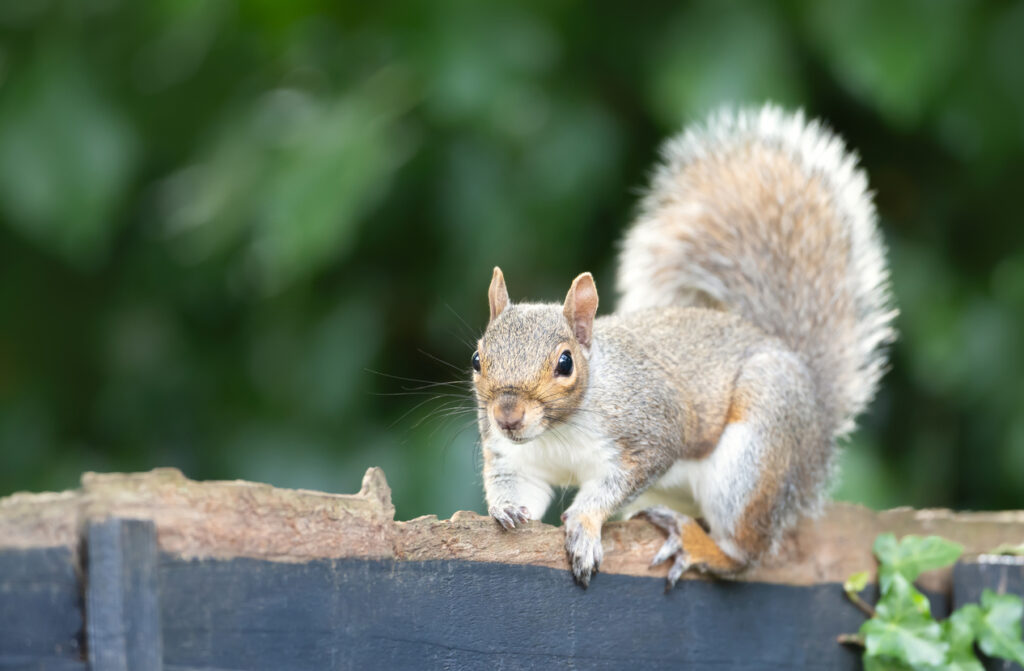
Warmer temperatures are triggering extra breeding cycles in squirrels. Their bodies think spring has arrived twice, so they’re producing more offspring than normal. Food supplies haven’t increased to match these extra mouths. More babies are starving because the ecosystem can’t support this accelerated reproduction.
7. Coral reefs are bleaching and staying white.
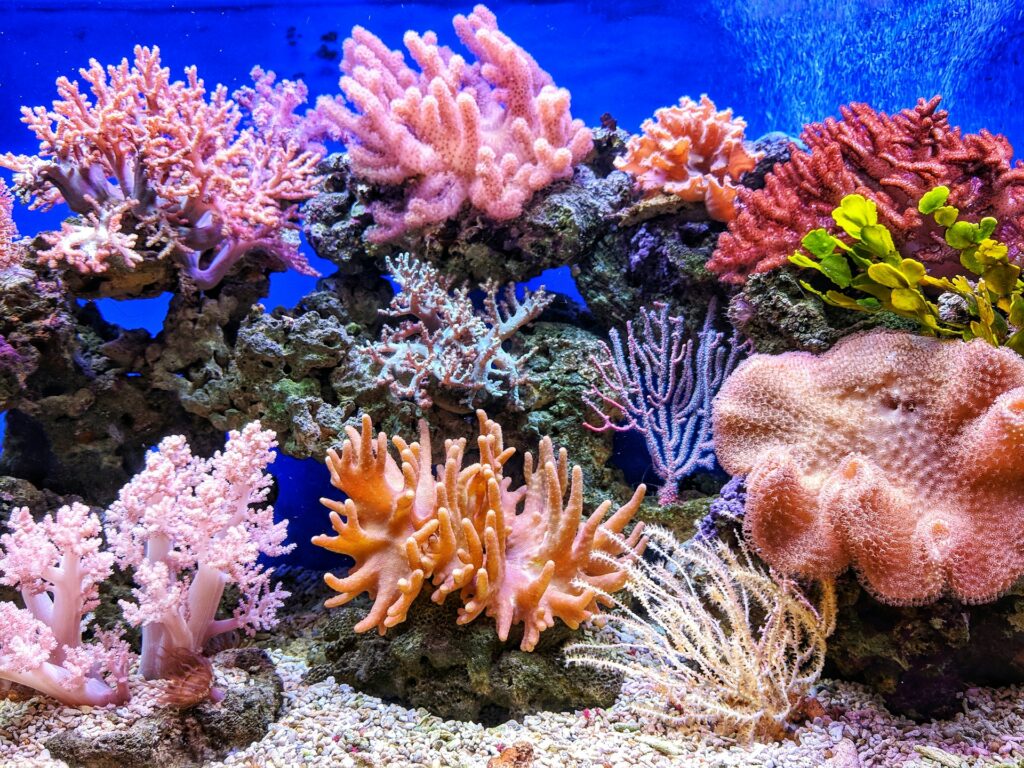
When water gets too warm, corals expel the algae that give them colour and nutrients. They’re essentially stress-vomiting and then slowly starving. Reefs that used to recover from occasional bleaching events now bleach every year. They don’t have time to heal before the next heat wave hits.
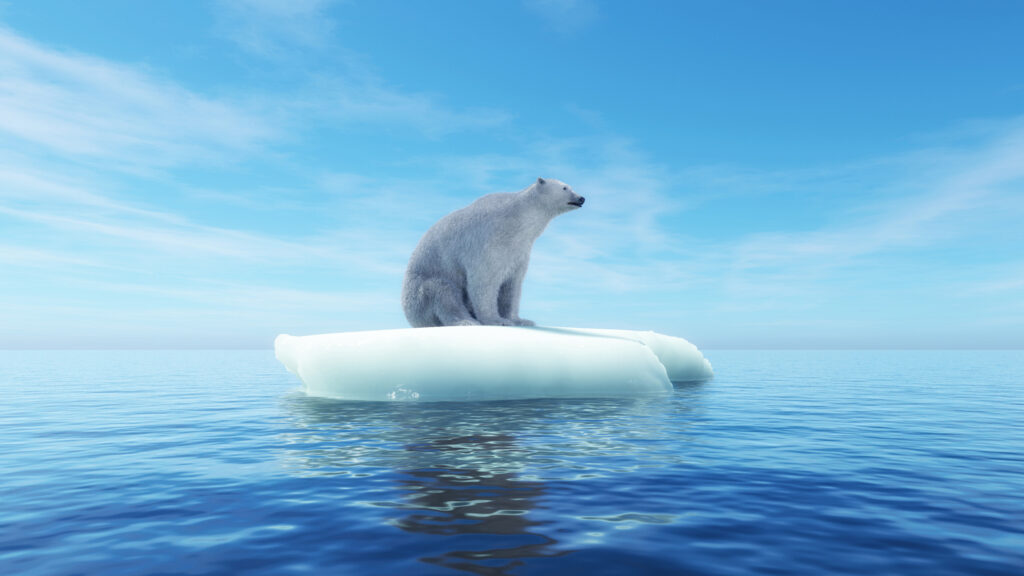
8. Polar bears are eating bird eggs instead of seals.
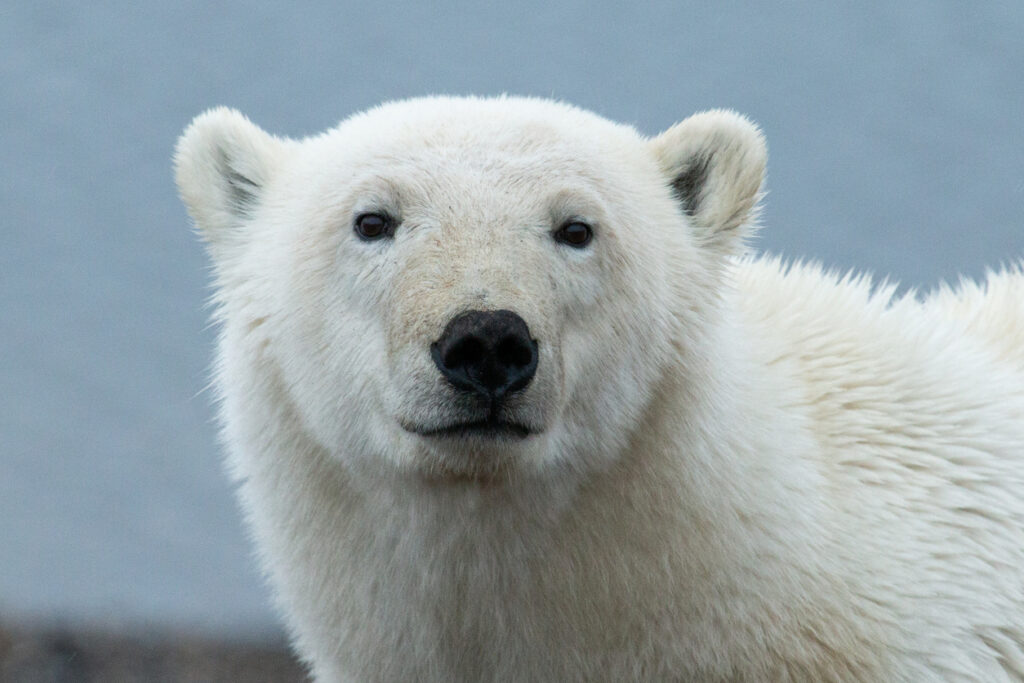
With sea ice disappearing earlier each year, polar bears can’t hunt seals as long. They’re raiding bird colonies and eating eggs just to survive. Bird eggs don’t provide enough nutrition for an animal that size. These bears are essentially starving slowly while destroying bird populations in the process.
9. Salmon are dying in rivers before they can spawn.
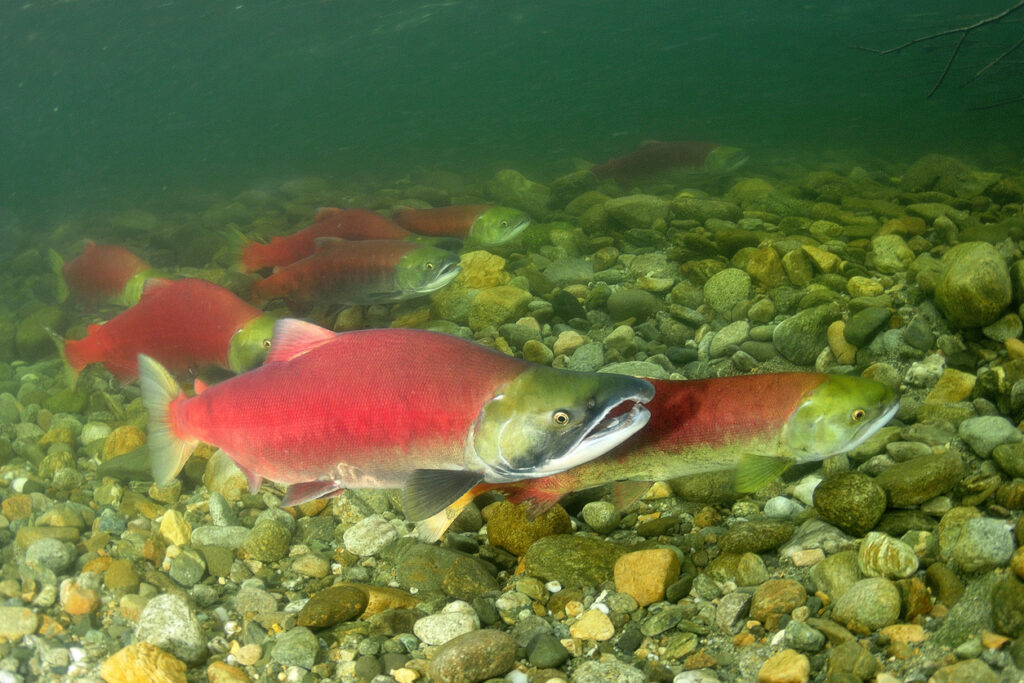
Rivers are warming to temperatures salmon can’t tolerate. They’re literally cooking to death in water that used to be cold enough for their migration. Entire runs of salmon are disappearing before they can reproduce. Ecosystems that depend on these fish for nutrients are collapsing alongside them.
10. Bats are dying from heat exhaustion mid-flight.

During extreme heat waves, bats are falling from the sky dead. Their bodies can’t regulate temperature once air exceeds certain thresholds. Mass die-offs of thousands of bats are becoming common in Australia. These aren’t isolated events anymore, they’re the new normal during summer.
11. Whales are washing up on beaches far from their usual routes.
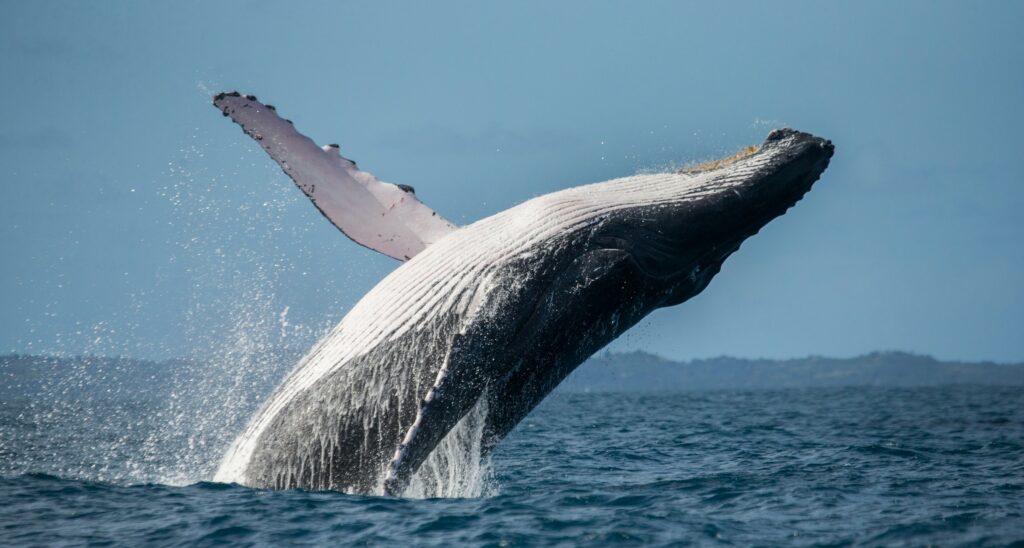
Species that never came near certain coastlines are appearing disoriented and stranded. They’re following prey into unfamiliar waters as fish populations shift. Without knowledge of these new areas, they beach themselves or get trapped in shallow bays. Climate change is literally losing them in waters they don’t recognise.
12. Butterflies are emerging before their food plants bloom.

Warming temperatures trigger butterflies to hatch earlier, but plants aren’t adjusting their blooming schedule at the same rate. Butterflies emerge to find nothing to eat. This timing mismatch is devastating populations. They’re starving in an environment that used to provide everything they needed at exactly the right moment.
13. Moose are suffering from massive tick infestations.
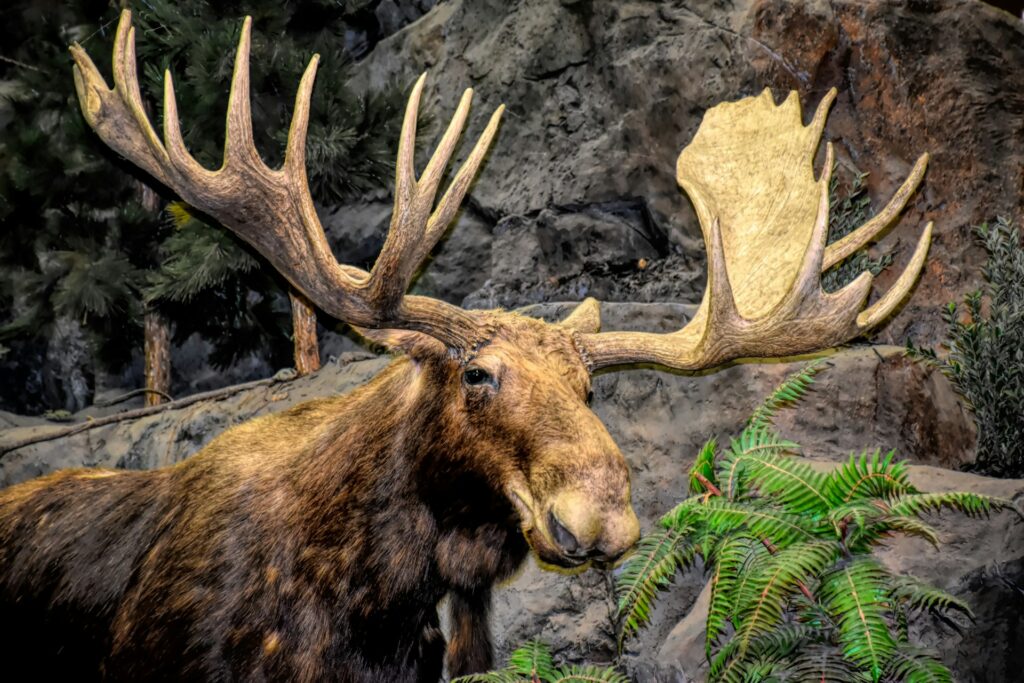
Warmer winters mean ticks survive in huge numbers. A single moose can be carrying 100,000 ticks draining its blood. Moose are scratching themselves so aggressively they’re losing all their fur in winter. They’re dying from blood loss and exposure because parasites are thriving in mild weather.
14. Puffins are abandoning their chicks.
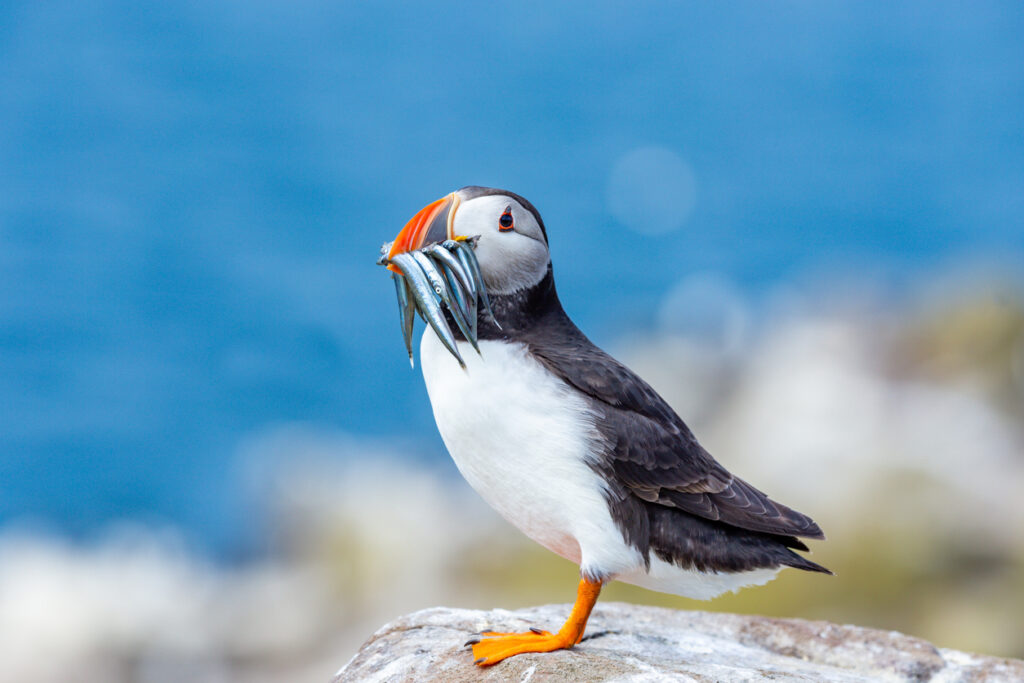
Fish that puffins feed their young are moving to deeper, colder water. Parent birds can’t dive deep enough to catch them, so they’re leaving chicks to starve. Entire colonies are producing almost no surviving offspring. The adults physically can’t reach the food their babies need to survive.
15. Elephants are raiding villages more frequently.

Droughts are forcing elephants out of their usual ranges to find water. They’re coming into conflict with humans because their natural water sources have dried up. These encounters often end badly for both species. Elephants are becoming more aggressive out of desperation, and humans are killing them to protect their resources.
16. Frogs are croaking at different frequencies.
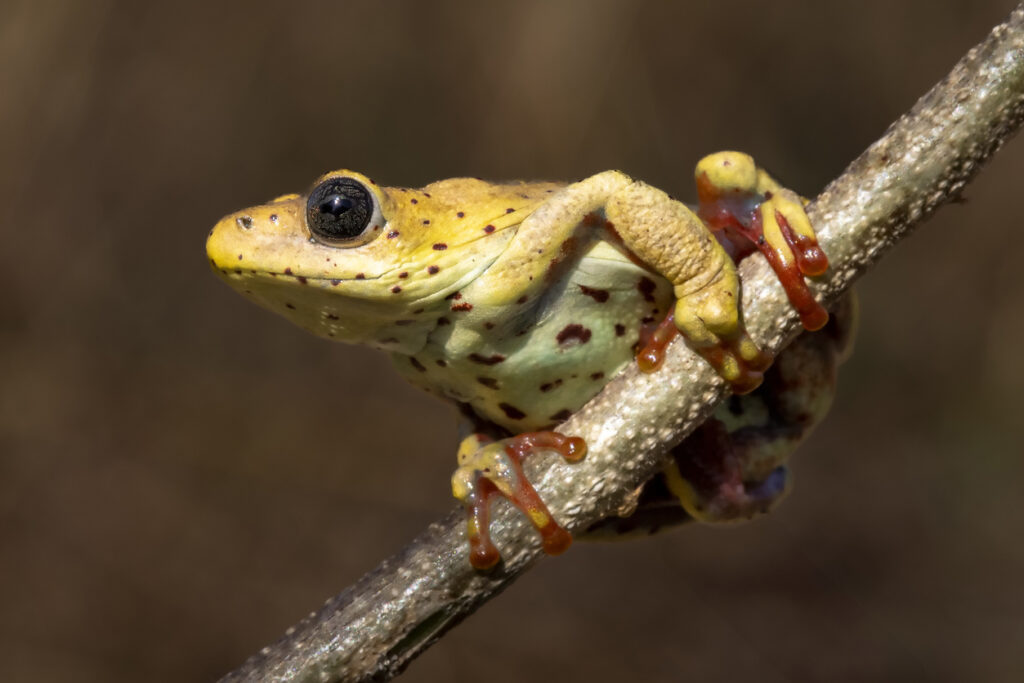
Males are adjusting their mating calls because background noise from insects has changed. Warmer temperatures have shifted when insects are active, drowning out traditional frog frequencies. Females can’t hear males properly, so breeding success is dropping. Communication systems that evolved over millions of years are failing within decades.
17. Caribou are giving birth too early.
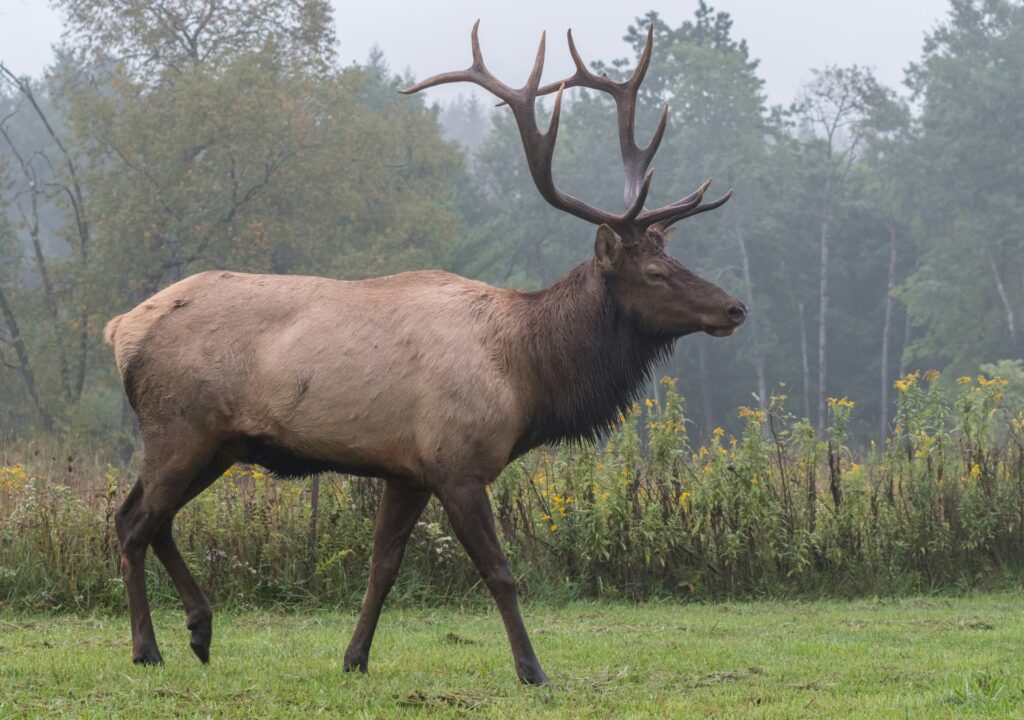
Warmer springs trigger earlier births, but the plants caribou calves need aren’t growing yet. Newborns arrive before there’s enough food to support them. Calf survival rates are plummeting. Migration timing that worked perfectly for thousands of years is now out of sync with the vegetation cycle.
18. Jellyfish are taking over ecosystems.
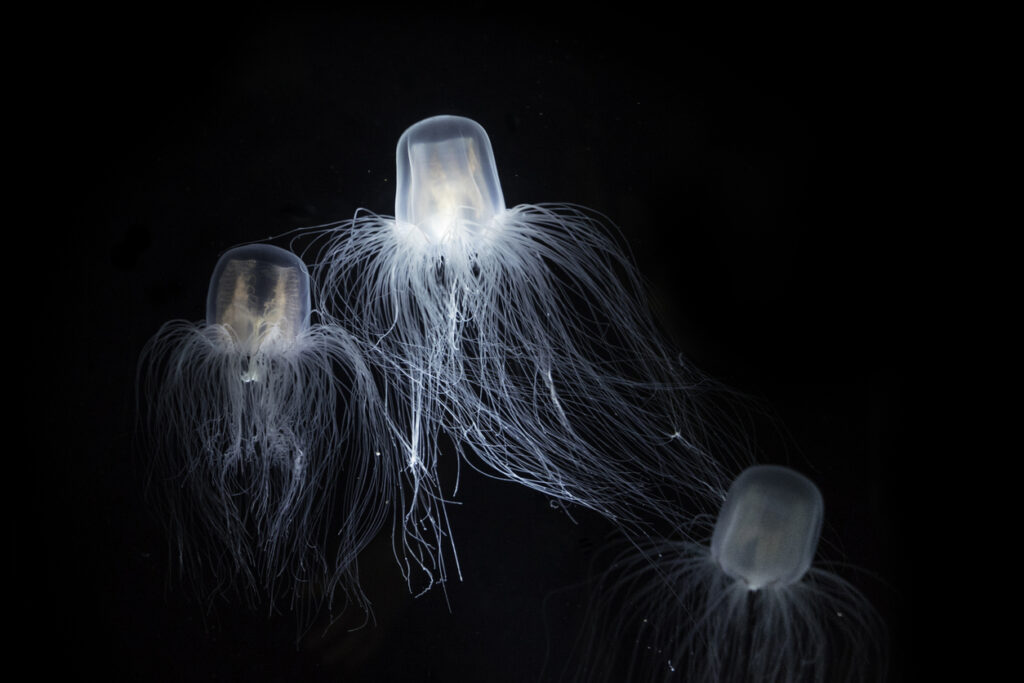
Warmer, more acidic oceans favour jellyfish over fish. They’re blooming in massive numbers and eating the same food that fish larvae need. Areas that used to be rich fishing grounds are becoming jellyfish dead zones. They’re outcompeting everything else because they thrive in conditions that kill other species.
19. Owls are hunting in broad daylight.
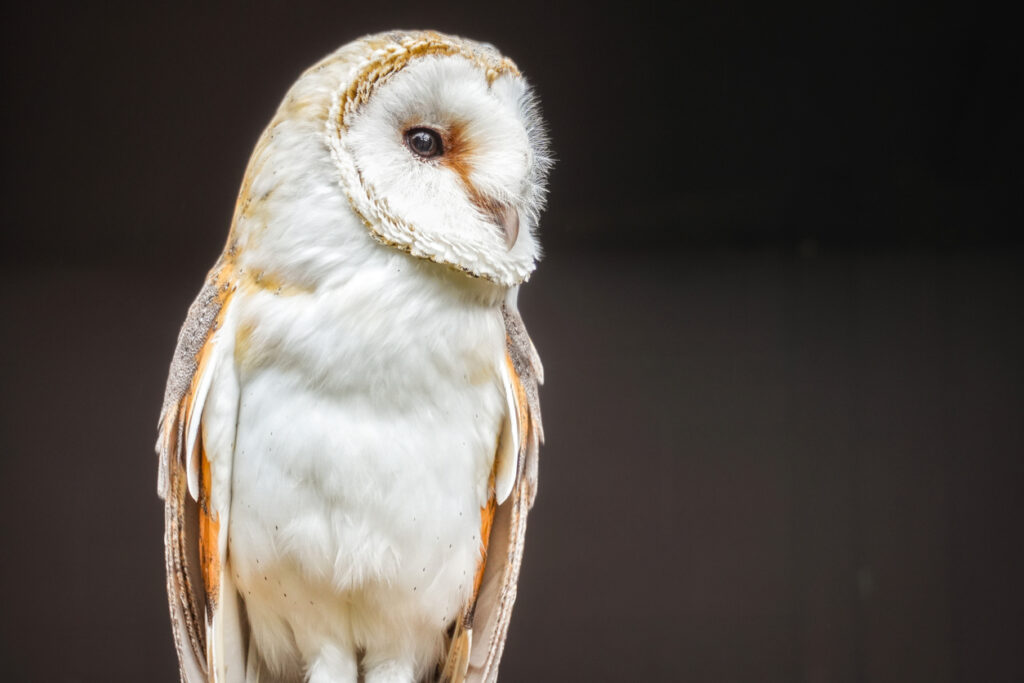
Nocturnal prey animals are adjusting their behaviour to avoid heat, becoming active at different times. Owls are being forced to hunt during daylight just to find food. Daytime hunting exposes them to predators and makes them less effective hunters. They’re abandoning millions of years of evolutionary adaptation out of necessity.
20. Rats are appearing in places they’ve never lived before.

As temperatures rise, rats are expanding into regions that used to be too cold for them. They’re bringing diseases into ecosystems that have no immunity. Native species that never dealt with rat predation are being devastated. Climate change is essentially importing invasive species by making new territories habitable for them.