We’ve spent centuries patting ourselves on the back for being the cleverest things on the planet, mostly because we can build skyscrapers and write bad poetry.
It’s a bit of a classic human trait to assume that if an animal doesn’t speak English or use a smartphone, it must be a bit dim. However, the more we actually pay attention, the more we’re finding that our definition of “intelligence” is incredibly narrow and frankly a bit arrogant.
There are creatures out there navigating complex social hierarchies, solving geometric puzzles, and using tools in ways that make our own cognitive abilities look a bit clunky. It turns out that while we’re busy worrying about our Wi-Fi signal, these 12 animals are busy demonstrating levels of memory, problem-solving, and emotional depth that completely move the goalposts on what it means to be a genius.
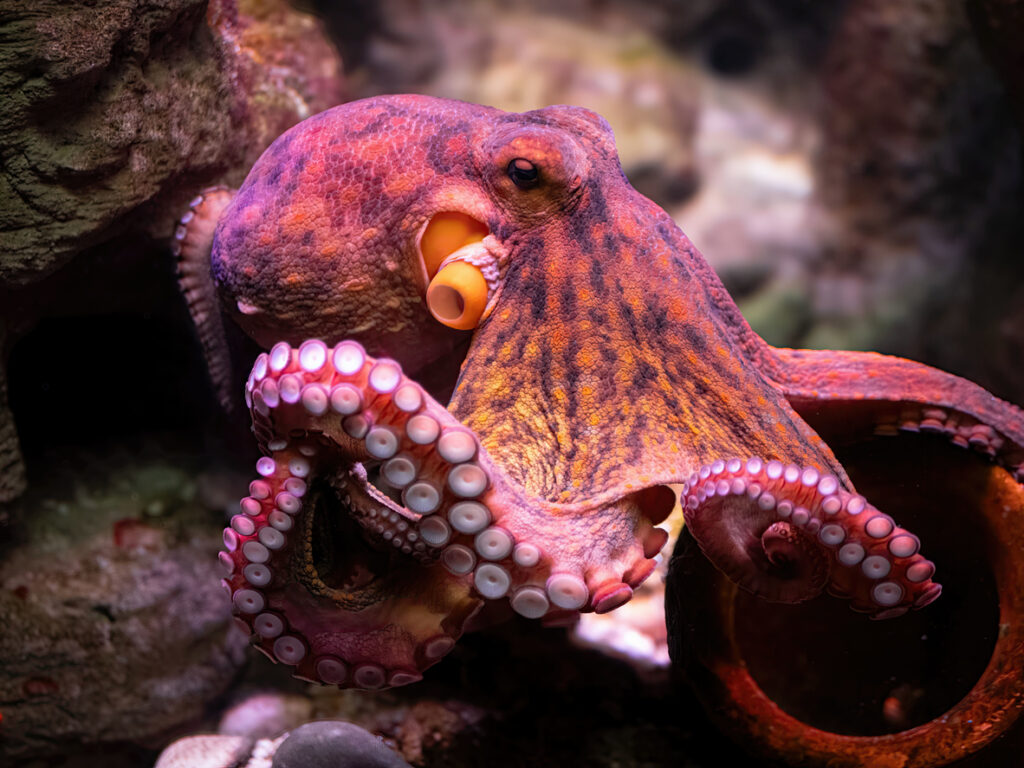
1. Octopuses solve problems we struggle to even imagine.
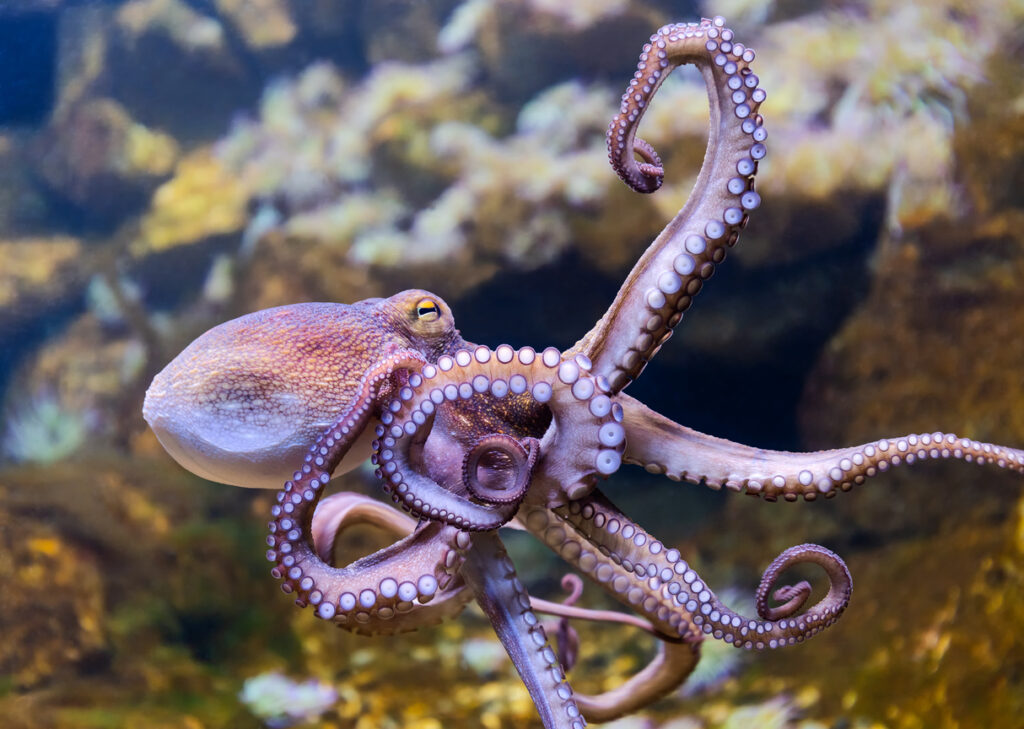
Octopuses don’t just react to the world, they experiment with it. In lab tests, they’ve opened jars, escaped sealed tanks, dismantled equipment, and remembered solutions weeks later without any reward waiting. Their brains are spread through their arms, meaning each limb can make decisions on the fly, something humans physically can’t do.
What really unsettles scientists is how flexible their thinking is. An octopus doesn’t need repetition to learn. One successful attempt can be enough. Humans like to think we’re the masters of problem-solving, but octopuses do it without language, without tools designed for them, and without a central brain calling all the shots.
2. Dolphins process social information faster than humans.
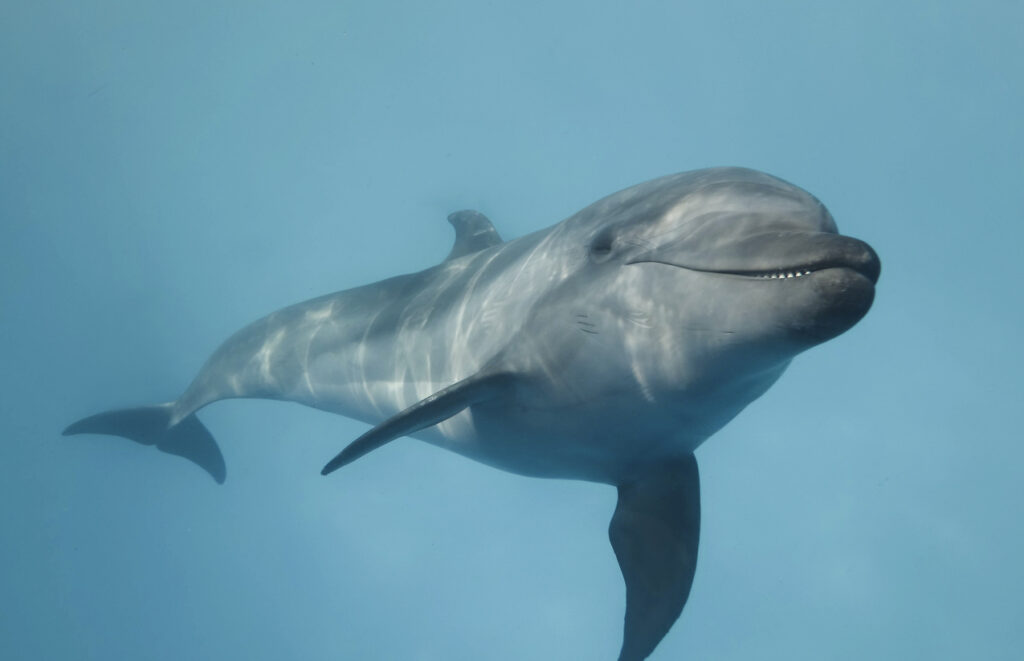
Dolphins don’t just recognise individuals, they track relationships, alliances, and past interactions across large groups. Their communication is layered, with clicks, whistles, and body language working together at speed. In many social cognition tests, dolphins process complex social data more quickly than humans can.
They also understand symbols and abstract rules with minimal training. Some dolphins can grasp grammar-like structures, meaning they don’t just learn commands, they understand how instructions are built. That level of social intelligence isn’t about being friendly. It’s about running a mental database humans would need technology to manage.
3. Crows outperform humans at certain memory tasks.

Crows can remember hundreds of food cache locations across different seasons, adjusting for which items spoil faster and which are worth returning to later. Humans struggle with that level of spatial memory without writing things down. Crows do it while flying, avoiding predators, and navigating changing landscapes.
They also remember faces, holding grudges for years and passing that information to other crows. This isn’t instinct alone. It’s learned, shared knowledge. In experiments, crows have outperformed humans at recalling complex visual information after long delays, without rehearsal.
4. Elephants understand death more deeply than we expect.
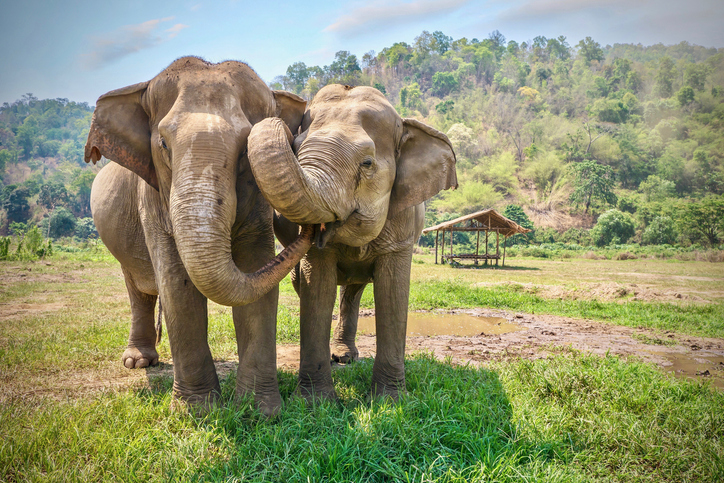
Elephants don’t just notice when another elephant dies. They investigate the body, revisit bones years later, and show changes in behaviour that resemble grief. Their memory for individuals can last decades, far longer than many humans manage without reminders.
They also demonstrate emotional intelligence through empathy and cooperation. Elephants comfort distressed herd members and coordinate complex group decisions. In emotional awareness and long-term memory combined, they rival or exceed human abilities in ways that don’t rely on language or storytelling.
5. Bees understand numbers better than most people realise.
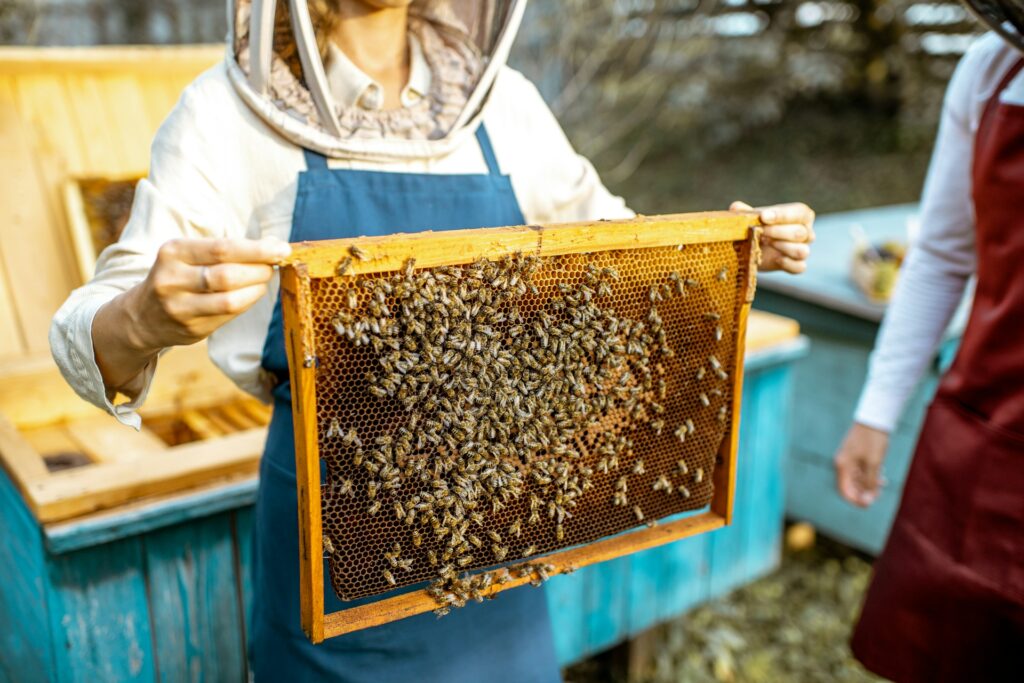
Bees can count, understand zero as a concept, and solve simple arithmetic problems when trained. That alone surprises researchers, but what really stands out is efficiency. Bees achieve this with brains smaller than a grain of rice, using neural shortcuts humans don’t have.
In controlled tests, bees have beaten humans at speed-based numerical discrimination tasks. Humans rely on learned symbols and counting rules. Bees just see patterns and act. Their intelligence isn’t broad, but where it’s focused, it’s frighteningly sharp.
6. Chimpanzees have faster working memory than adult humans.
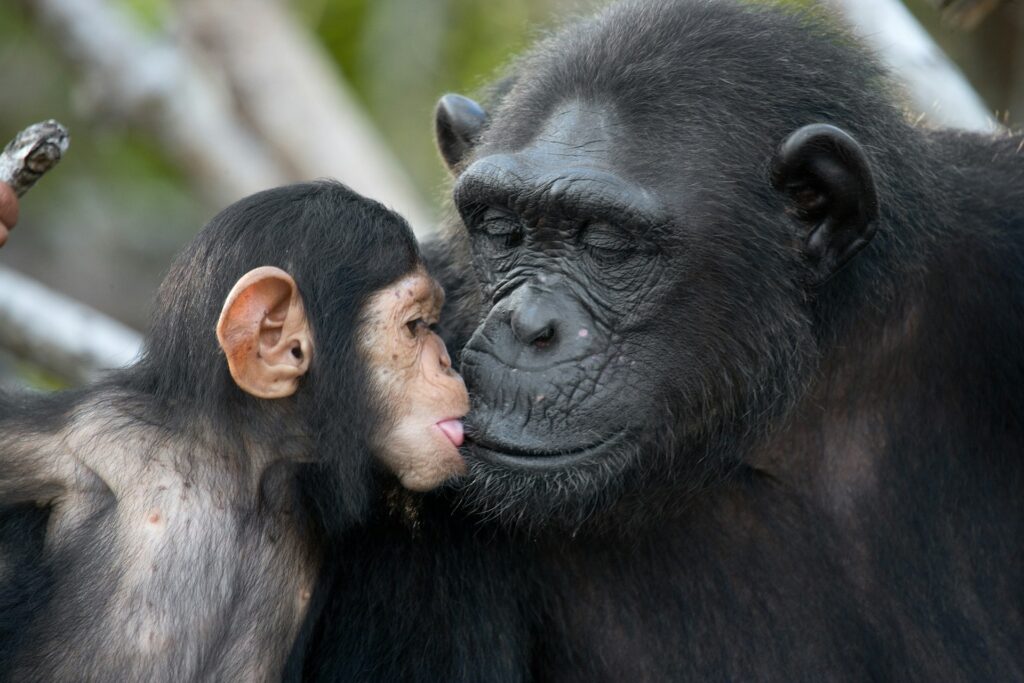
Young chimpanzees have been shown to outperform humans in memory tests involving rapidly changing numbers on a screen. They can recall positions with near-perfect accuracy after seeing them for a fraction of a second.
Humans can’t compete at that speed. We compensate with strategies and tools, but raw working memory under pressure is not our strong suit. Chimps don’t need tricks. Their brains are simply built to process and store information instantly.
7. Pigeons excel at pattern recognition beyond human ability.
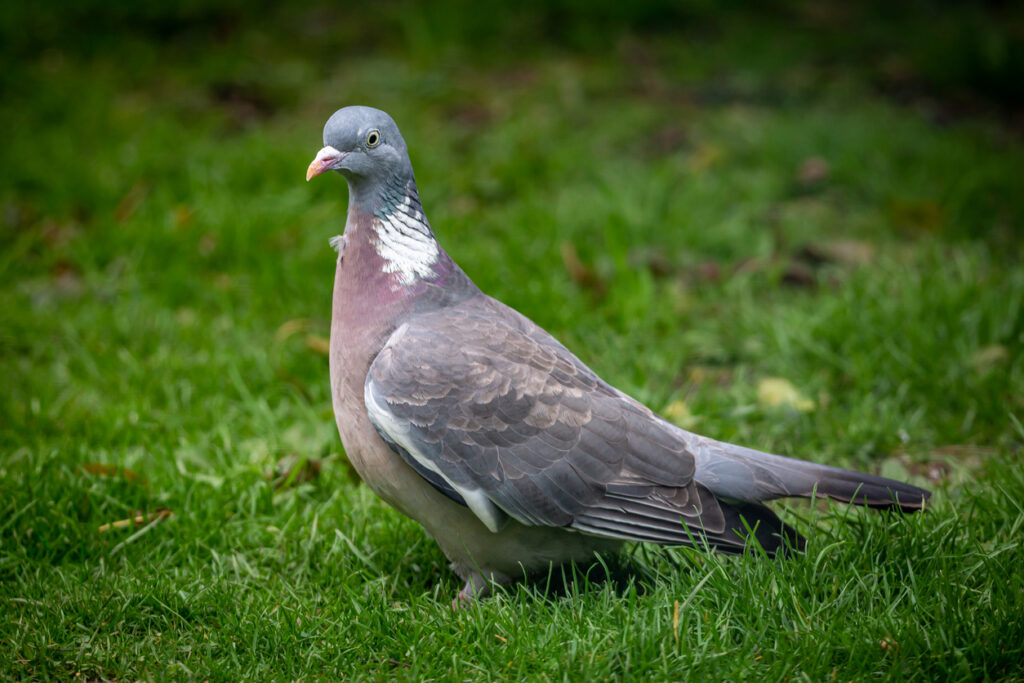
Pigeons can distinguish between complex visual patterns, including medical images like cancerous versus healthy tissue, after limited training. In some studies, their accuracy matched or exceeded that of trained humans.
This doesn’t mean pigeons understand medicine, but it shows how powerful their visual processing is. Humans get distracted by meaning and expectation. Pigeons just see what’s there, and that focus can outperform human judgement in specific tasks.
8. Rats show emotional intelligence humans underestimate.

Rats respond to the emotional states of other rats, altering their behaviour to help distressed companions even when there’s no direct reward. They’ll free trapped rats instead of going for food, suggesting empathy plays a role.
In problem-solving experiments, rats also show adaptability that rivals humans. When rules change, they update strategies quickly. Humans often cling to habits. Rats switch gears without overthinking it, which can look like a smarter response under pressure.
9. Parrots grasp concepts many humans struggle with.

Some parrots understand concepts like same and different, cause and effect, and even probability. They don’t just mimic sounds. They apply words correctly across new situations, something many human children take years to master.
Parrots can also reason through problems verbally, combining known concepts to reach new conclusions. This kind of flexible thinking is rare outside humans, yet parrots manage it with brains structured very differently from ours.
10. Dogs read human emotions more accurately than humans do.
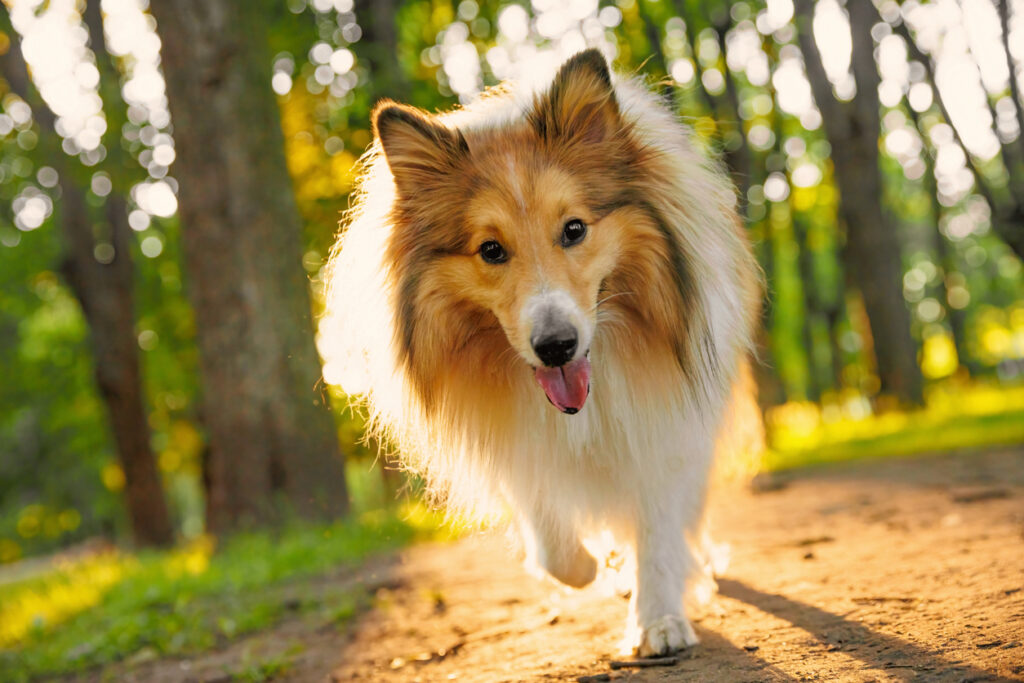
Dogs can detect subtle changes in facial expression, posture, and tone that humans regularly miss. They also integrate smell into emotional detection, picking up chemical signals linked to stress or fear.
In controlled studies, dogs have outperformed humans at identifying emotional states without visual cues. Humans rely heavily on words and conscious signals. Dogs read the body and chemistry, giving them a clearer picture of what someone is actually feeling.
11. Ant colonies solve logistical problems humans struggle with.

Ants manage traffic flow, resource distribution, and construction without leaders or planning meetings. Their collective intelligence adapts in real time to disruptions like blocked paths or changing food availability.
Humans need infrastructure, communication systems, and authority to manage similar tasks. Ants do it through simple rules that scale perfectly. In terms of efficiency and resilience, their system outperforms many human-designed networks.
12. Whales communicate across distances humans can’t comprehend.
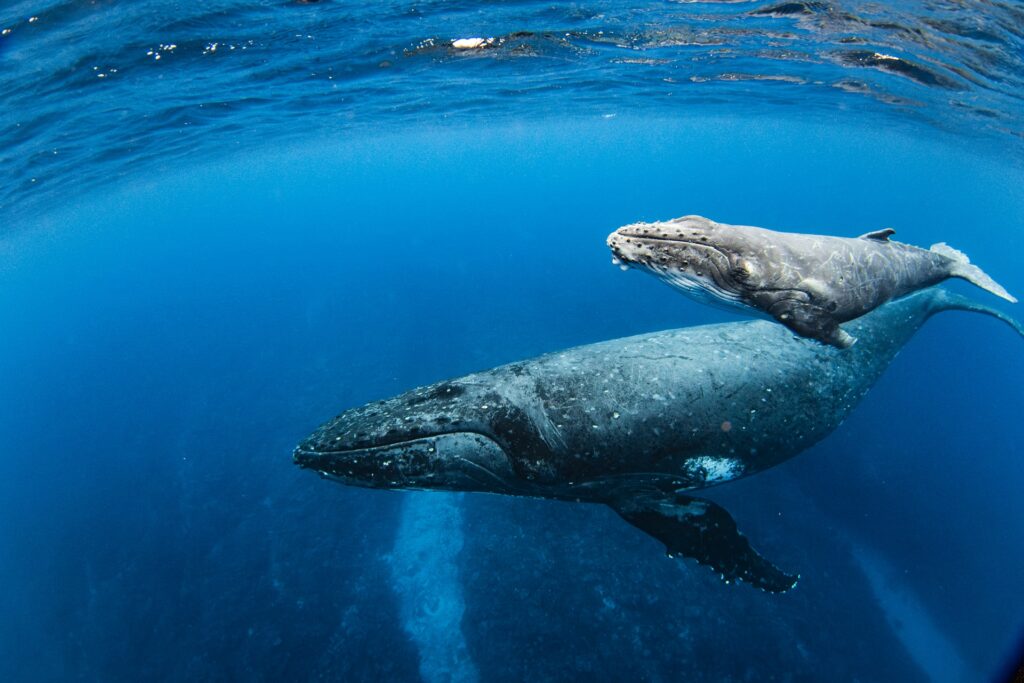
Some whale species use vocalisations that travel hundreds of miles underwater, carrying structured information scientists are still decoding. Their communication adapts to ocean conditions, noise levels, and group needs in ways human speech can’t.
Beyond distance, whales show cultural learning, passing songs and behaviours between generations. Humans like to think culture is our domain, but whales maintain traditions without writing, recording, or even visual contact, relying purely on shared memory and sound.