It’s easy to think of cities as concrete deserts where nature has been completely pushed out.

However, the reality is that a lot of animals haven’t just moved in; they’ve basically reinvented themselves to handle the madness of urban life. While their cousins in the countryside are sticking to the traditional ways of hunting and hiding, the city-dwelling versions are becoming a different beast entirely.
It’s a bit like seeing a rural relative suddenly show up in London and start using the Tube; the environment forces a change in personality that’s fascinating to watch. From birds that have literally changed their tune to drown out the sound of traffic to scavengers that have developed a level of problem-solving that would put a toddler to shame, the divide between town and country is much wider than we realised.
1. Foxes
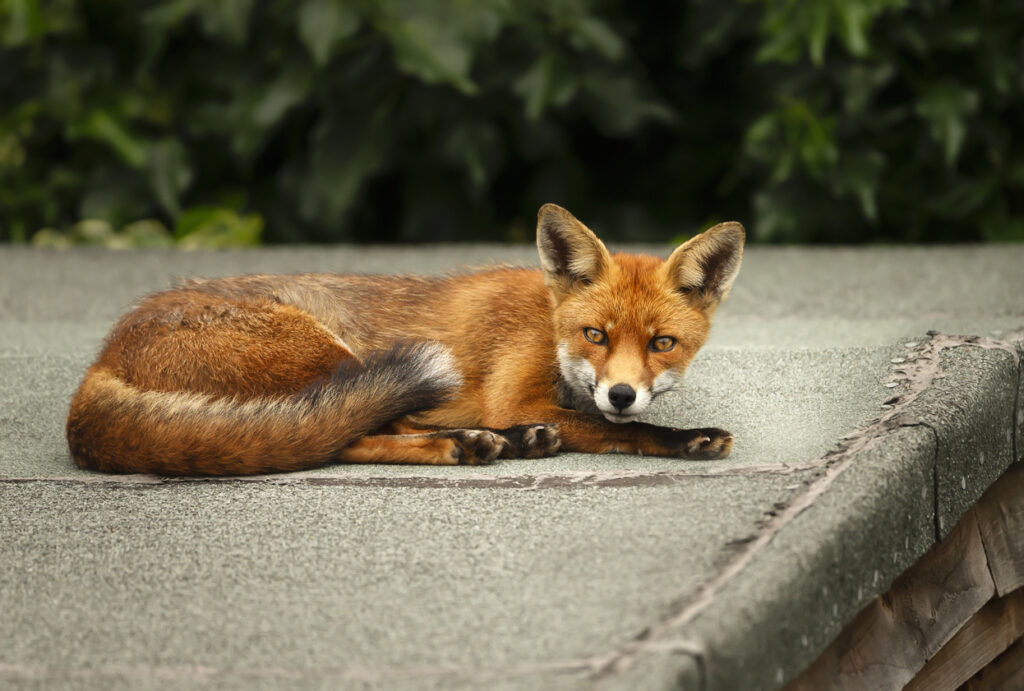
In the countryside, foxes are cautious, mostly nocturnal, and careful to avoid anything that smells strongly of humans. They stick to hedgerows, fields, and woodland edges, travelling long distances to hunt small mammals and birds. Their lives revolve around territory, scent marking, and staying out of sight. Urban foxes behave almost like a different species. They’re bolder, more relaxed around people, and far more flexible with their schedules. Many are active during the day, raid bins, use gardens as regular routes, and rely heavily on human food waste. City foxes also tend to live in smaller territories because food is easier to find, which changes their social behaviour too.
2. Pigeons

Rural pigeons are skittish birds that flush quickly when disturbed. They nest in trees, barns, and cliffs, and spend most of their time foraging quietly for seeds and grain. Human presence is something they watch carefully rather than ignore. City pigeons are famously unbothered by people. They walk between feet, nest on buildings, and feed openly in crowds. Urban life has trained them to associate humans with food rather than danger, which has reshaped their sense of risk almost entirely.
3. Rats

In the countryside, rats live near waterways, farms, and hedges, keeping a low profile. They’re mostly nocturnal, extremely cautious, and quick to flee anything unfamiliar. Survival depends on avoiding attention. Urban rats behave more boldly. Constant noise and movement mean danger cues are less clear, so they adapt by becoming less reactive. City rats also have access to consistent food sources, which allows populations to grow larger and behaviour to become more opportunistic.
4. Blackbirds

Country blackbirds tend to sing at dawn and dusk, when sound carries best and disturbance is low. They’re quick to flee from people and prefer quieter nesting sites hidden in hedges or woodland. Urban blackbirds sing louder and often earlier to compete with traffic noise. They’re also less likely to abandon nests when disturbed. City living has pushed them to become more tolerant, more vocal, and more persistent.
5. Badgers

In rural areas, badgers follow traditional routes, emerge mostly at night, and avoid human structures where possible. Their setts are usually hidden in woodland or field margins, away from regular disturbance. Urban badgers adapt by using parks, cemeteries, railway embankments, and even gardens. They often emerge earlier in the evening and show less fear of artificial light. City environments force them to be more flexible, even though the risks are higher.
6. Gulls

Coastal and rural gulls feed on fish, invertebrates, and natural food sources. They nest on cliffs or remote ground and keep a healthy distance from humans unless food is involved. Urban gulls behave aggressively by comparison. Rooftop nesting, food theft, and loud territorial calls are common. City gulls have learned that humans are a reliable food source, and their confidence reflects that change.
7. Deer

In the countryside, deer are highly alert and reactive. They flee at the first sign of danger and stick to woodland cover as much as possible. Human scent alone can change their movement patterns. Deer living near towns behave differently. They become habituated to cars, people, and noise, often feeding in gardens or parks. This reduced fear makes them more visible, but also puts them at greater risk of accidents.
8. Hedgehogs
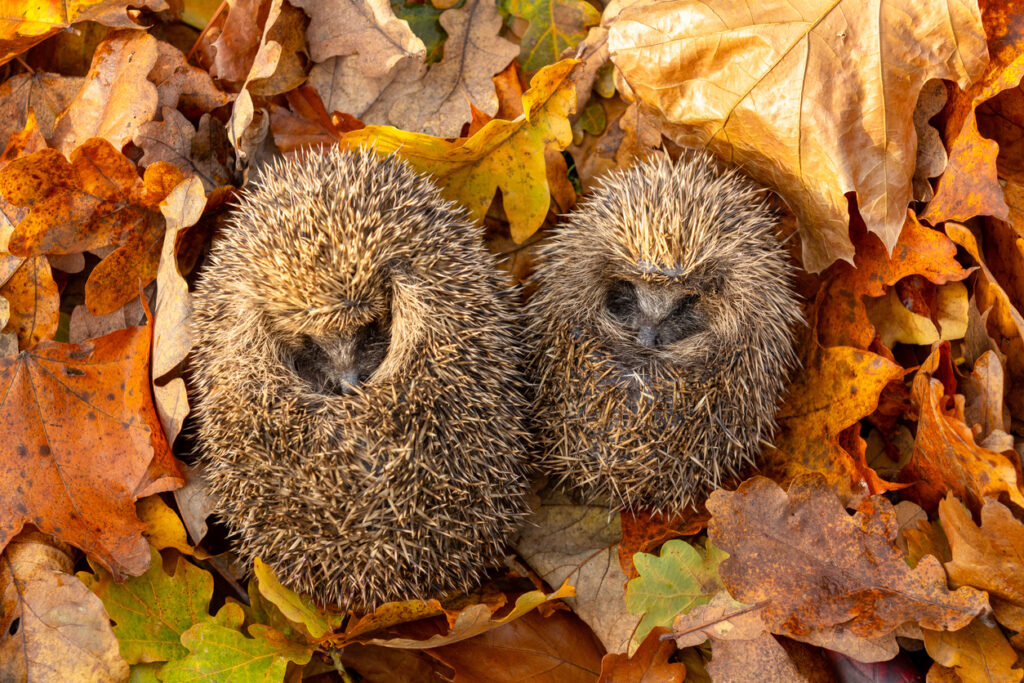
Rural hedgehogs range widely across fields and hedgerows, feeding on insects and travelling long distances each night. Their movement is shaped by natural cover rather than obstacles. Urban hedgehogs live in fragmented spaces. Gardens, fences, and roads change how they travel, forcing them to adapt routes and behaviour. Some become more active earlier in the evening to avoid traffic, while others rely heavily on food left out by people.
9. Crows

In the countryside, crows are alert and wary, often keeping their distance from humans. They rely on natural food sources and maintain clear territories. City crows are noticeably more confident and intelligent in their behaviour. They use traffic to crack nuts, recognise individual humans, and exploit urban routines. City life seems to sharpen their problem-solving skills rather than dull them.
10. Squirrels
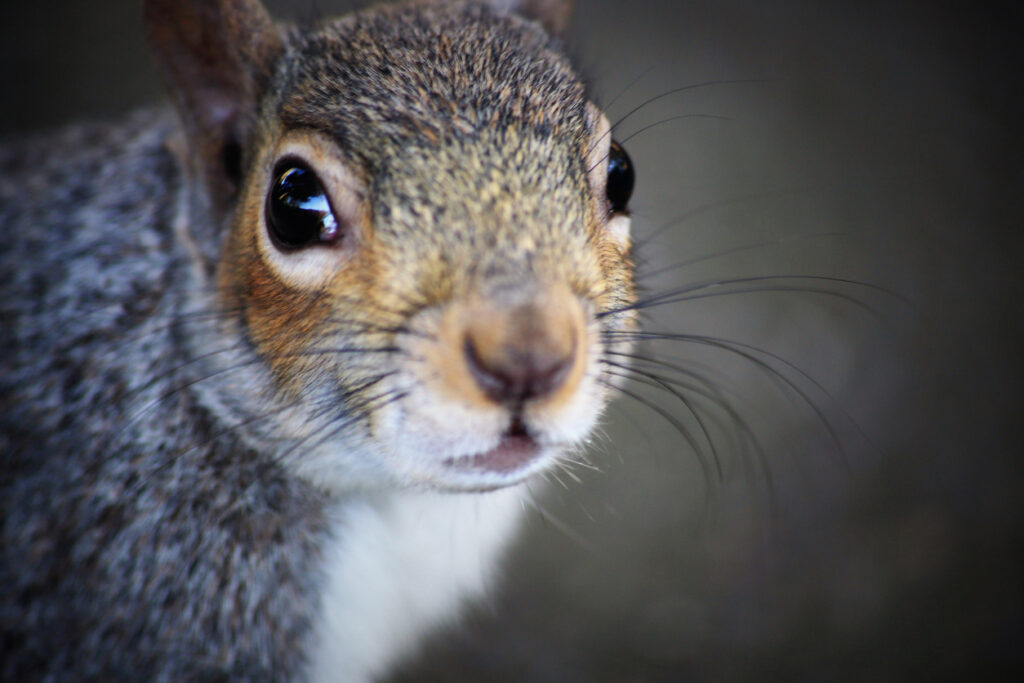
Rural squirrels spend most of their time avoiding predators and caching food in woodland. They’re cautious, fast-moving, and rarely linger in open spaces. Urban squirrels behave far more boldly. They approach people, raid bins, and adapt quickly to human schedules. City living reduces predation risk, which changes how cautious they need to be.
Animals don’t just survive in cities, they adjust their behaviour to fit them. The result is wildlife that looks familiar but acts differently, shaped by noise, light, food, and constant human presence. The countryside rewards caution. Cities reward adaptability.