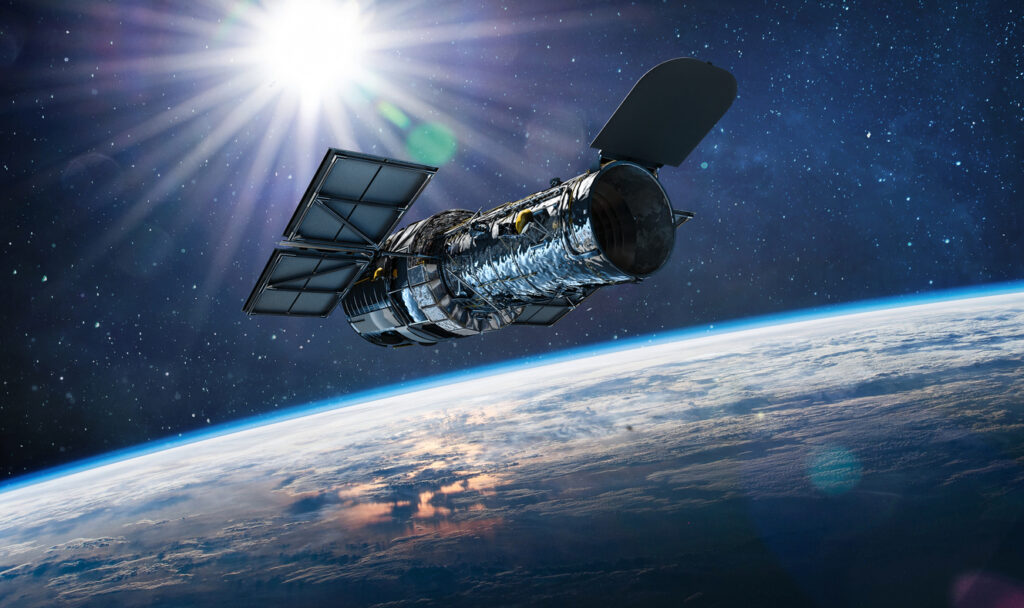
The moment you step outside the safety of a pressurized hull, the universe stops being a scenic backdrop and starts being an incredibly hostile environment that’s actively trying to pull you apart. We’re used to our atmosphere providing a nice, cosy blanket of pressure and a steady temperature, but the vacuum of space doesn’t play by those rules. It’s a place of extremes that would make a horror film look tame, where the lack of air is actually the least of your immediate worries.
From what happens to the liquids in your body to the way bits of metal can suddenly fuse together without any heat, space has a funny way of stripping everything down to its most basic physical properties in a matter of seconds.
Your body’s fluids immediately start moving to your head.
Without gravity pulling everything downward, all the blood and fluids that normally sit in your legs redistribute upward toward your chest and head. Astronauts get puffy faces, stuffy noses, and their legs get noticeably thinner within hours because roughly two litres of fluid has shifted from their lower body.
This feels like having a permanent head cold combined with the worst hangover of your life. Your body thinks you’ve got too much blood volume because of all the fluid in your upper body, so it starts getting rid of it through increased urination. The longer you’re in space, the more your cardiovascular system adapts to this new normal, which creates problems when you come back to Earth and gravity returns.
Materials start releasing trapped gases you didn’t know were there.
The near-vacuum of space causes something called outgassing where materials release gases that were absorbed or trapped in them on Earth. Plastics, adhesives, and metals all start venting these gases, which can contaminate sensitive equipment or create a cloud around spacecraft.
That’s why everything sent to space gets tested in vacuum chambers first, because you can’t have your equipment slowly destroying itself or fogging up solar panels. The smell inside spacecraft is partly from this outgassing, creating a distinctive metallic, burnt smell that astronauts describe as unique to space. Materials that seem perfectly stable on Earth can become surprisingly reactive or fragile once the air pressure disappears.
Your bones start dissolving at an alarming rate.
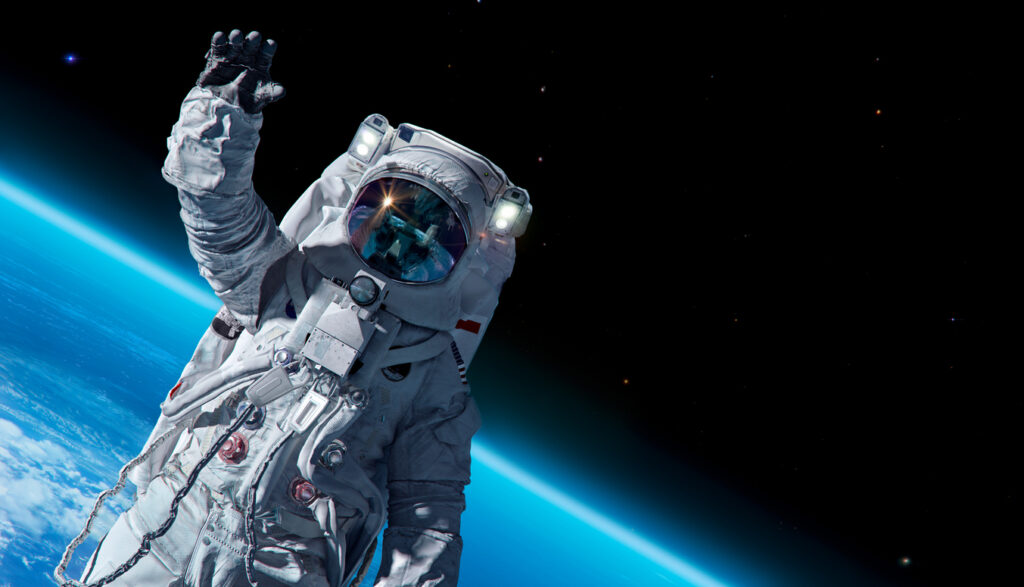
Without gravity forcing your skeleton to support your weight, your bones begin losing density at about 1-2% per month. This is roughly ten times faster than osteoporosis on Earth, and it happens to healthy young astronauts who were fine before launch. Your body decides it doesn’t need strong bones if they’re not being used, so it starts breaking them down and getting rid of the calcium.
Astronauts can lose significant bone mass during long missions, particularly in load-bearing bones like hips, spine, and legs. Exercise helps slow this down but can’t stop it completely, and regaining that bone density on Earth takes ages if it happens at all.
Extreme temperatures swing from boiling to freezing instantly.
Objects in direct sunlight can reach over 120 degrees Celsius while parts in shadow can drop to minus 150 degrees, and there’s nothing in between because there’s no atmosphere to moderate temperatures. Spacecraft need careful thermal management because one side can be roasting while the other’s freezing at the exact same time.
Materials expand and contract violently with these temperature swings, which causes stress and eventual failure if not properly designed for it. There’s no air to carry heat away, so things only cool down through radiation, which is much slower than convection or conduction. This extreme temperature variation wrecks anything that wasn’t specifically built to handle it.
Your muscles waste away without constant exercise.
Floating around means your muscles don’t have to work against gravity, so they start atrophying within days. Astronauts lose muscle mass and strength rapidly, particularly in their legs and back, which normally do the heavy lifting of moving you around Earth. They have to exercise for hours every day just to slow down the muscle loss, not even prevent it entirely.
Your heart is a muscle too, and it weakens in space because it doesn’t have to work as hard to pump blood around. Coming back to Earth after months in space means astronauts can barely stand or walk at first because their muscles have forgotten how to support their weight.
Radiation quietly damages cells without you noticing.
Earth’s atmosphere and magnetic field protect us from loads of radiation that’s just constantly present in space. Astronauts on the International Space Station receive as much radiation in six months as you’d get from thousands of chest X-rays on Earth. This damages DNA, increases cancer risk, and affects eyes by creating cataracts through continuous low-level exposure.
There’s also occasional solar flares that send out massive doses of radiation with basically no warning. You can’t see or feel this happening, but it’s steadily harming your cells the entire time you’re up there, and the damage accumulates over time.
Liquids behave in completely mental ways.

Without gravity, water doesn’t pour or pool, it forms floating blobs held together by surface tension. Tears don’t fall down your face, they just collect in a weird ball attached to your eye until you wipe them away. Drinking requires special containers because liquids won’t flow down your throat naturally.
Sweat doesn’t drip off, it accumulates in a gross layer on your skin until you towel it off. This means normal hygiene is complicated because water clings to everything rather than flowing away like it should. Even bodily fluids behave strangely, which creates some properly grim situations that astronauts have to deal with daily.
Your spine stretches and causes constant back pain.
Without gravity compressing your spine all day, the discs between your vertebrae expand, and you can grow up to 5 cm taller in space. This sounds good, but actually causes major back pain because your spine isn’t meant to be that stretched out. The muscles and ligaments around your spine struggle to support this new length, creating constant discomfort.
Astronauts often have trouble sleeping because lying down doesn’t relieve pressure like it does on Earth, since there’s no pressure to relieve. When you return to Earth, gravity compresses you back down to normal height, which is also painful and takes time to adjust to.
Metal surfaces can weld themselves together permanently.
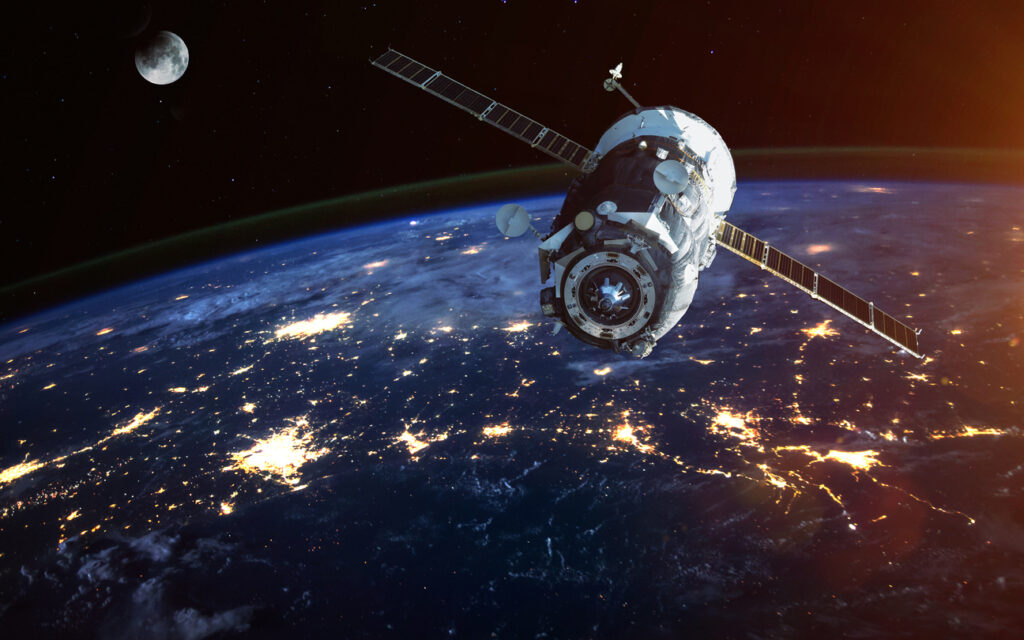
In the vacuum of space, when two clean metal surfaces touch, they can cold-weld together without any heat or welding equipment. This happens because there’s no oxygen or moisture to create a barrier between the metals, so the atoms bond directly. On Earth, oxidation and contamination prevent this, but in space’s vacuum, metals will spontaneously fuse.
This is a massive problem for moving parts on spacecraft and satellites that can suddenly seize up. Engineers have to coat surfaces with specific materials to prevent accidental welding because otherwise things that need to move separately will just become one permanent piece of metal.
Your immune system stops working properly.
Microgravity weakens your immune system significantly, making astronauts more susceptible to infections and causing dormant viruses to reactivate. Your immune cells don’t function as well in space for reasons scientists are still working out completely. Wounds heal slower, astronauts get sick more easily, and viruses that were dormant on Earth suddenly become active again.
This is particularly concerning for long-duration missions because there’s limited medical care available and infections can become serious quickly. Your body’s ability to fight off illness is compromised the entire time you’re up there, which creates risks that don’t exist on Earth.