Most of us will never walk through tiger territory, but in parts of India, Nepal, Russia, and Southeast Asia, it’s a real possibility.

Tigers are powerful, quiet, and incredibly good at staying unseen. The good news is they usually avoid humans. The bad news is that when they’re nearby, you might not notice straight away. If you’re ever in tiger habitat, knowing the early signs and how to respond calmly can make a big difference in how the encounter plays out. Here are some indicators one of these gorgeous creatures isn’t too far away.
You notice very large paw prints in soft ground.
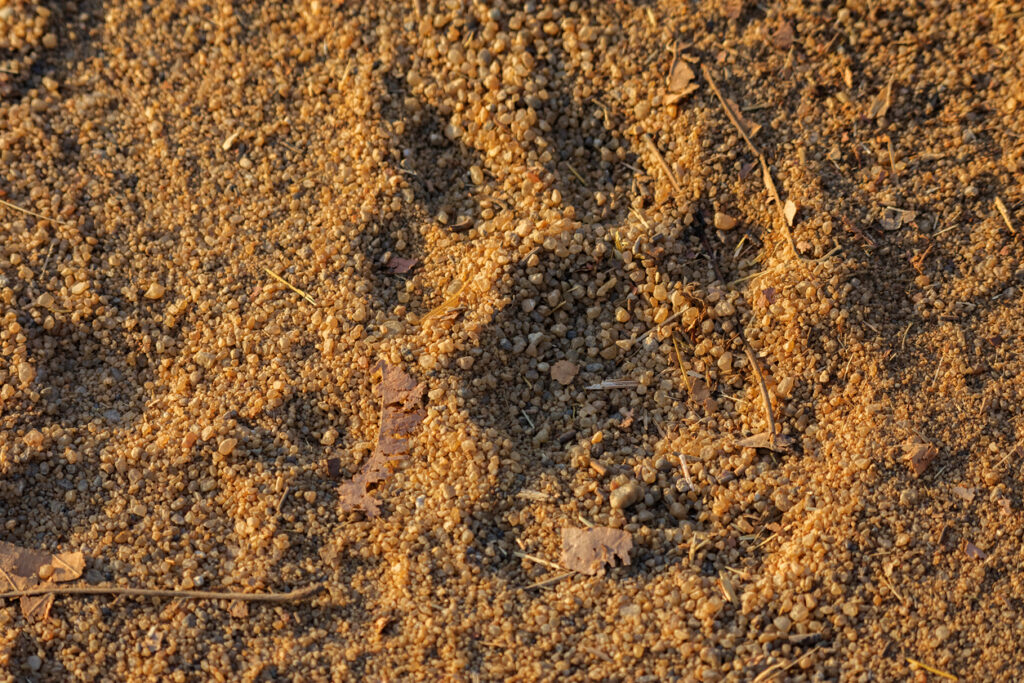
Tiger tracks are big. Much bigger than a dog’s. The front paw can be around the size of a grown man’s hand, sometimes wider. You’ll usually see four toes and a large padded heel mark. Unlike dogs, tigers don’t leave claw marks in their prints because their claws retract. That’s one of the clearest differences.
If you spot fresh prints, meaning the edges are sharp and not filled with dust or water, assume the tiger could be nearby. Don’t follow the tracks out of curiosity. Stay calm, gather the people you’re with, and slowly move away in the opposite direction without running.
You hear alarm calls from deer, monkeys, or birds.

Animals in tiger habitats are constantly watching and listening. When a tiger moves through an area, prey animals often give sharp, repeated alarm calls. Langur monkeys, for example, will bark loudly from treetops. Deer may snort or call out in short bursts.
If you suddenly hear a pattern of alarm calls that sounds urgent and repetitive, stop and pay attention. It doesn’t mean a tiger is definitely there, but it does mean something large is moving. Stay alert, keep your group close, and avoid walking toward the source of the noise.
You find strong, musky spray marks on trees or bushes.
Tigers mark their territory with urine spray and scent from glands on their face and paws. It has a strong, musky smell that can linger. You might also see scratch marks on tree trunks at about waist to chest height, sometimes higher.
If you notice fresh spray or deep claw marks, treat it as a sign that you’re inside an active territory. Don’t panic. Simply avoid lingering. Move away steadily and avoid brushing against vegetation that might carry scent, as this can make you more noticeable.
You see partially eaten prey hidden in bushes.

Tigers often drag their kill into cover and may return to it over several days. If you come across a carcass that looks recently eaten, especially if it’s partly covered with leaves or grass, that’s a serious warning sign. Definitely don’t approach it for a closer look. Back away slowly while facing the area because a tiger may be watching from nearby. Give the site a wide berth and leave quietly but steadily.
The forest suddenly goes very still.
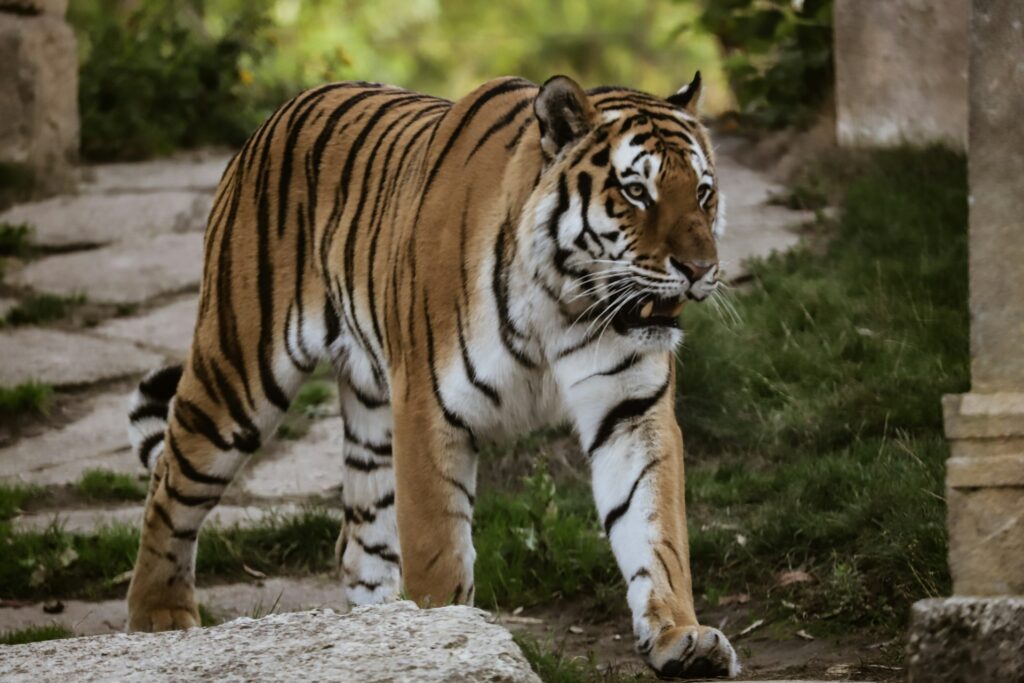
In tiger habitats, forests are rarely silent. You usually hear birds, insects, or movement in the undergrowth. When a top predator moves through, the atmosphere can change quickly. Birds go quiet, while smaller animals freeze.
If you notice a sudden unnatural stillness, pause and scan your surroundings without turning your back on open areas. Stay upright. Keep your group tight together. Avoid crouching or bending down, as that can make you look smaller and more like prey.
You spot fresh scat that contains fur or bone fragments.
Tiger scat is large and often contains visible fur, bones, or hooves from prey. It has a strong smell and is usually left along trails or territory boundaries. Fresh scat will be dark and moist rather than dried out. If you come across it, treat it as a clear sign you’re in active territory. This isn’t the moment to explore further. Turn around calmly and retrace your steps, staying aware of your surroundings as you leave.
7. You feel like you’re being watched.

It sounds dramatic, but many people who work in tiger areas say the feeling of being observed can be strong. Tigers are masters of camouflage. They can stand a short distance away and remain almost invisible in tall grass or forest shade.
If your instincts suddenly spike, and you feel uneasy without knowing why, don’t ignore it. Stop, stand tall, and look around slowly. Avoid turning your back. Start moving away in a controlled, steady manner while maintaining awareness of your surroundings.
You see movement in tall grass at eye level.

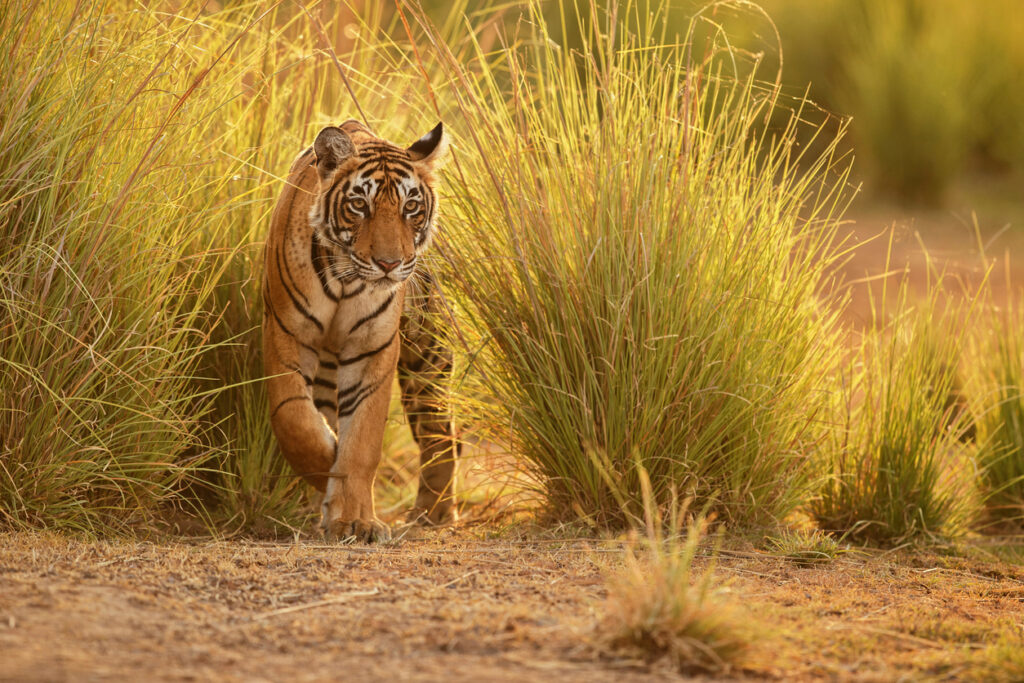
A tiger’s shoulders are high. In tall grass, movement can appear higher than you’d expect for a deer. You might catch a flash of orange, black stripes, or just a ripple moving against the wind direction.
If you see suspicious movement, don’t run, as tempting as it might be to do so Running can trigger a chase instinct. Instead, face the direction of the movement, make yourself look larger by standing upright, and slowly back away while keeping eye contact if the tiger becomes visible.
You come across fresh drag marks on the ground.

Tigers often drag prey to safer spots. You might see long, heavy lines through leaves or dirt where something large has been pulled. These marks can lead toward thick cover or water sources. Don’t follow drag marks; move away from them. Following could take you directly toward a resting tiger or a kill site. Keep your group close and increase your awareness as you leave the area.
You actually see the tiger.

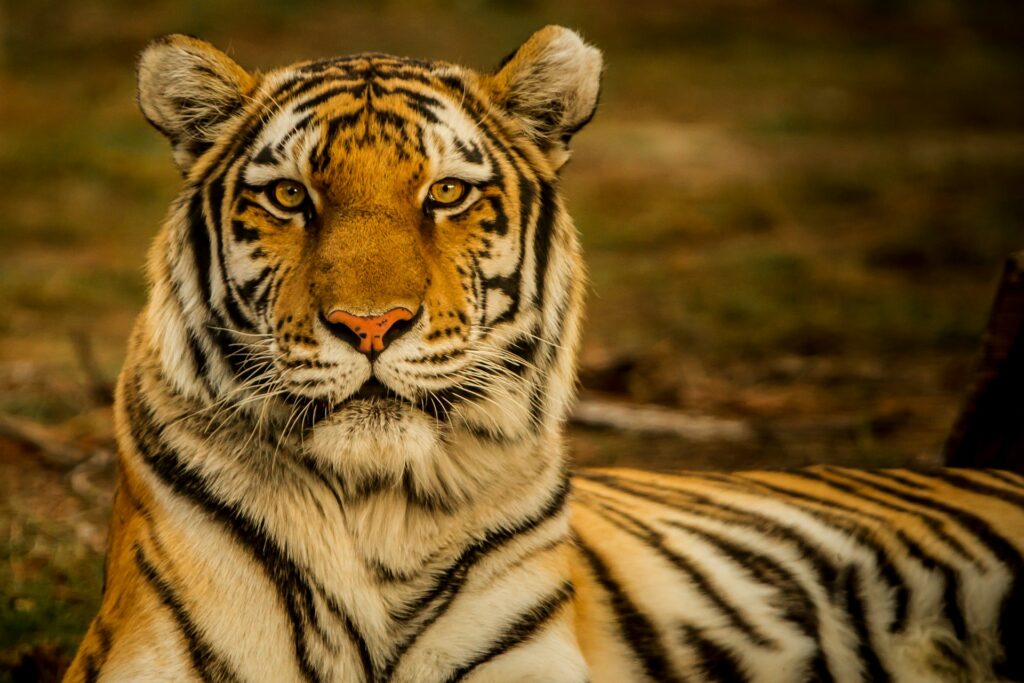
If you do see a tiger, the most important thing is to stay calm. Most tigers don’t see humans as prey and will avoid confrontation if they can. Stand upright. Don’t crouch, and don’t turn and run. Speak in a firm, steady voice so it knows you’re human.
Slowly back away without breaking eye contact completely, and keep facing the tiger while creating distance. If you’re in a group, stay together so you appear larger. Give it space and a clear escape route. In most cases, if you remain calm and don’t behave like prey, the tiger will choose to leave.