In the wild, motherhood isn’t always soft and nurturing; for some species, it’s a ruthless power struggle where the stakes are life and death.
You’ve got these alpha mums who’ll go to absolutely mental lengths to make sure their own bloodline stays at the top of the pile, even if it means sabotaging every other female in the group. It’s a bit of a reality check for anyone who thinks nature is all sunshine and rainbows, as these females use everything from psychological warfare to actual physical violence to keep their control.
Whether they’re suppressing the hormones of their rivals or taking out the competition’s offspring, these mothers are playing a high-stakes game where being the “nice guy” gets you nowhere. Here’s a look at the species where the mums definitely don’t play fair.
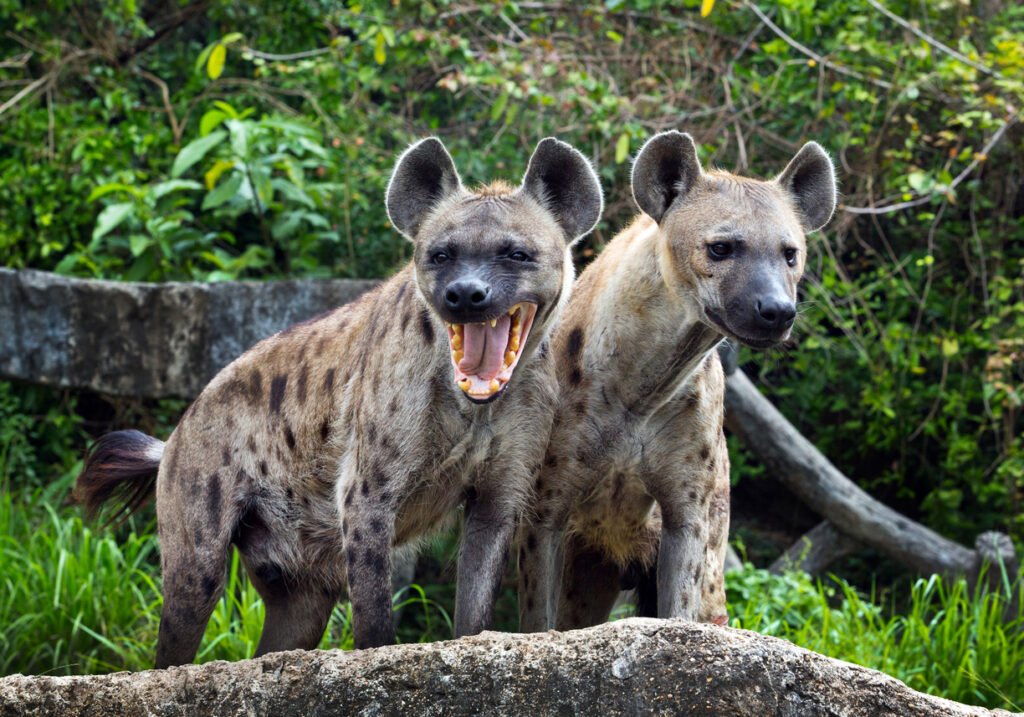
1. Spotted hyenas
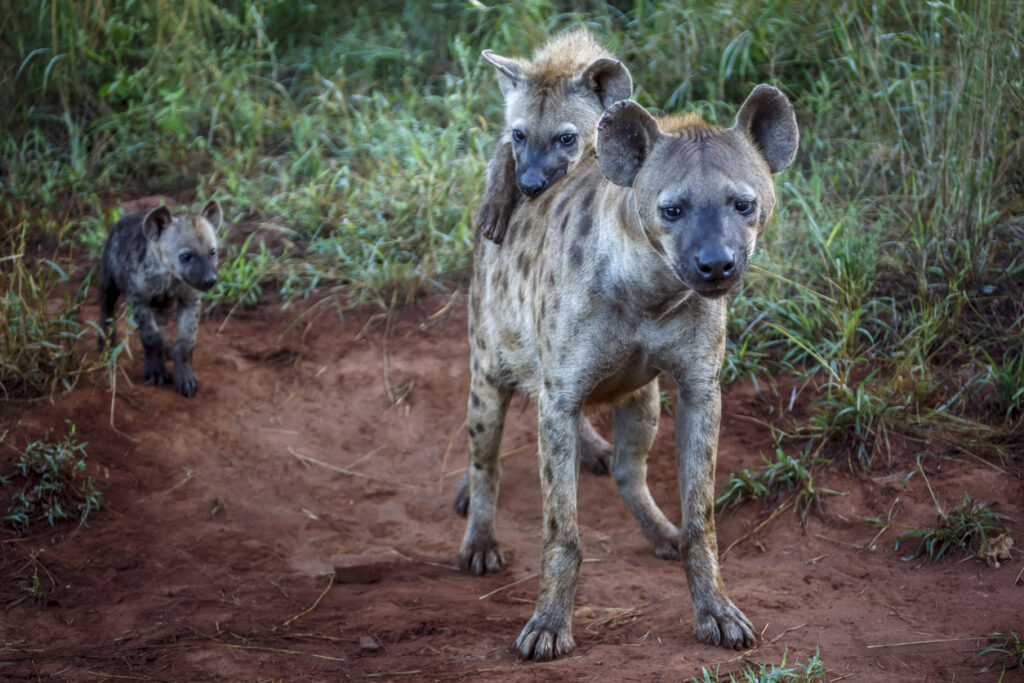
Spotted hyena females are dominant over males, and that hierarchy starts almost immediately after birth. Twin cubs born the same sex will often fight viciously in the den within hours of arriving, and the mother rarely intervenes. She’ll fiercely defend her cubs from outside threats, but the internal power struggle between siblings is left to play out. The cubs that survive tend to be stronger for it, which is more or less the point.
2. Meerkats
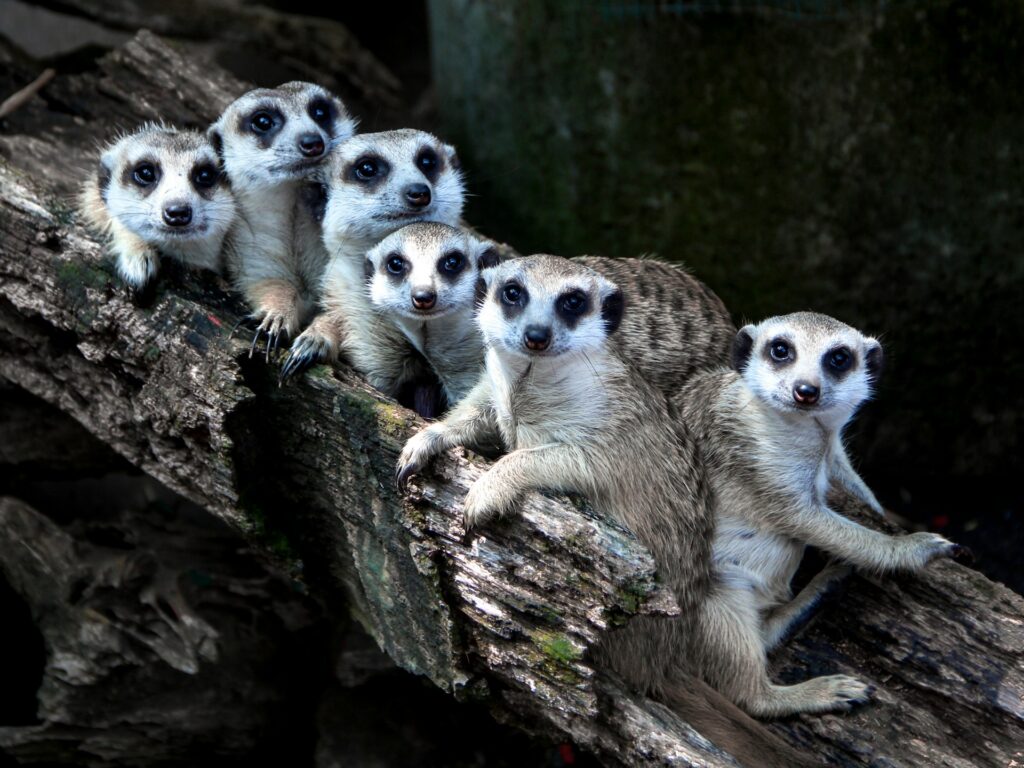
The dominant female in a meerkat group has a particularly harsh way of maintaining control. She’ll evict subordinate females who fall pregnant, sometimes forcibly driving them out of the group entirely to eliminate competition. If a subordinate female does manage to give birth, the dominant mother has been known to kill the litter outright. It keeps resources focused on her own offspring and her position at the top firmly intact.
3. Komodo dragons
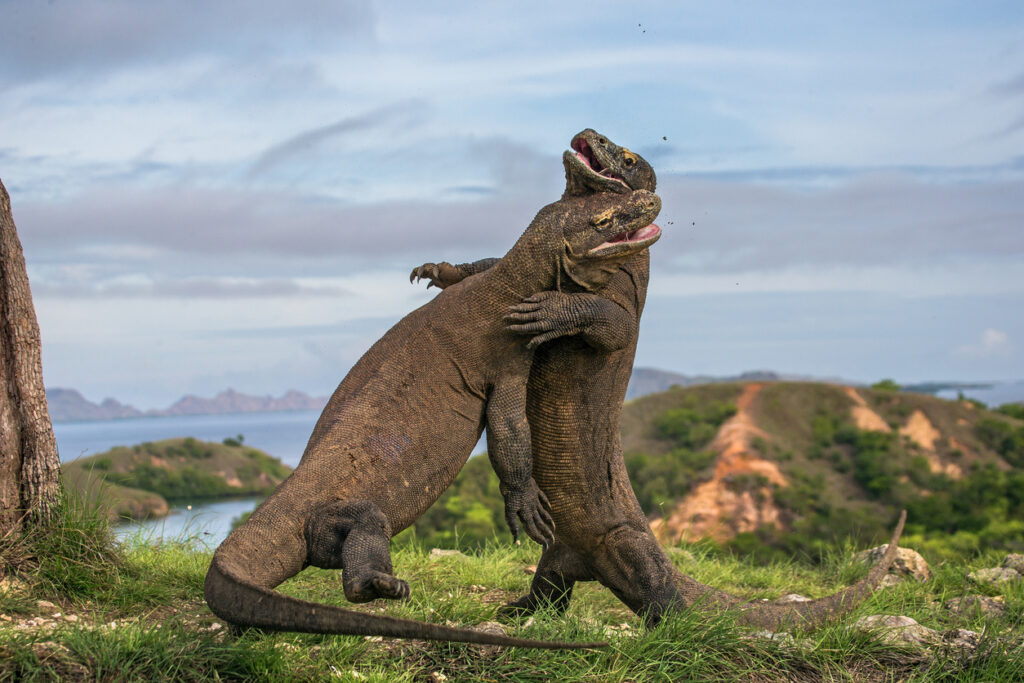
Female Komodo dragons will aggressively defend their nesting sites against any intruder, including much larger individuals. They’re capable of reproducing without a male entirely, and once eggs are laid, the female guards them ferociously for months. Given that adult Komodo dragons will readily eat juveniles, including their own, the aggression involved in protecting a nest is less optional and more a matter of keeping the eggs alive long enough to hatch.
4. Polar bears
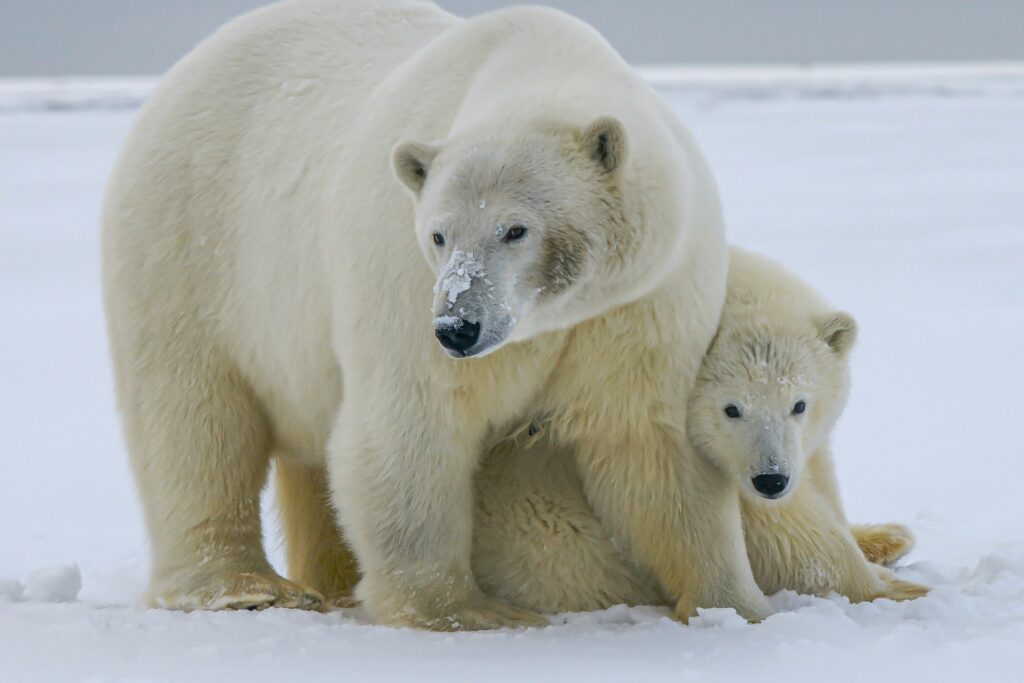
A polar bear mother with cubs is one of the most dangerous animals you could encounter in the wild, and other polar bears are well aware of it. Adult males will kill cubs given the opportunity, so mothers spend a significant amount of energy tracking threats, positioning themselves between danger and their young, and when necessary, taking on animals considerably larger than themselves. The ferocity involved is not exaggerated. They fight seriously and with intent.
5. African elephants

The matriarch of an elephant herd is the decision-maker, the protector and when necessary, the enforcer. Older matriarchs have been observed charging vehicles, lions and rival groups without hesitation when they judge the situation to require it. Within the herd, younger females learn quickly that the matriarch’s authority isn’t up for debate. She uses size, experience, and sheer force of presence to maintain control, and the herd’s survival is generally better for it.
6. Octopuses

Female octopuses lay eggs once and then dedicate the rest of their lives entirely to guarding them. They stop eating, stop moving far from the nest, and will attack anything that comes close. The aggression is total and sustained over weeks or months depending on the species. By the time the eggs hatch, the mother is usually close to death, having spent every remaining resource she had on keeping that clutch safe.
7. Grizzly bears
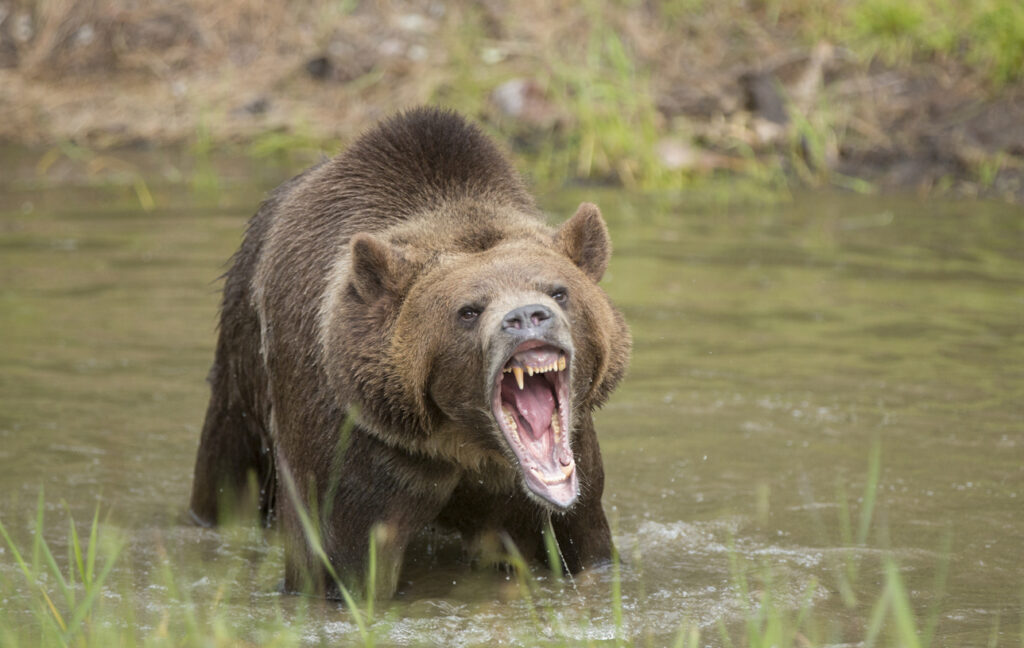
Grizzly mothers are widely regarded as some of the most aggressive protective animals on the planet. They’ll charge wolves, other bears and anything else they perceive as a threat to their cubs without much hesitation, and the charges are not always bluffs. What makes them particularly unpredictable is the speed of the decision. There’s very little warning before a grizzly mother with cubs decides something needs to be dealt with, and by the time you’ve registered it, she’s already moving.
8. Bottlenose dolphins
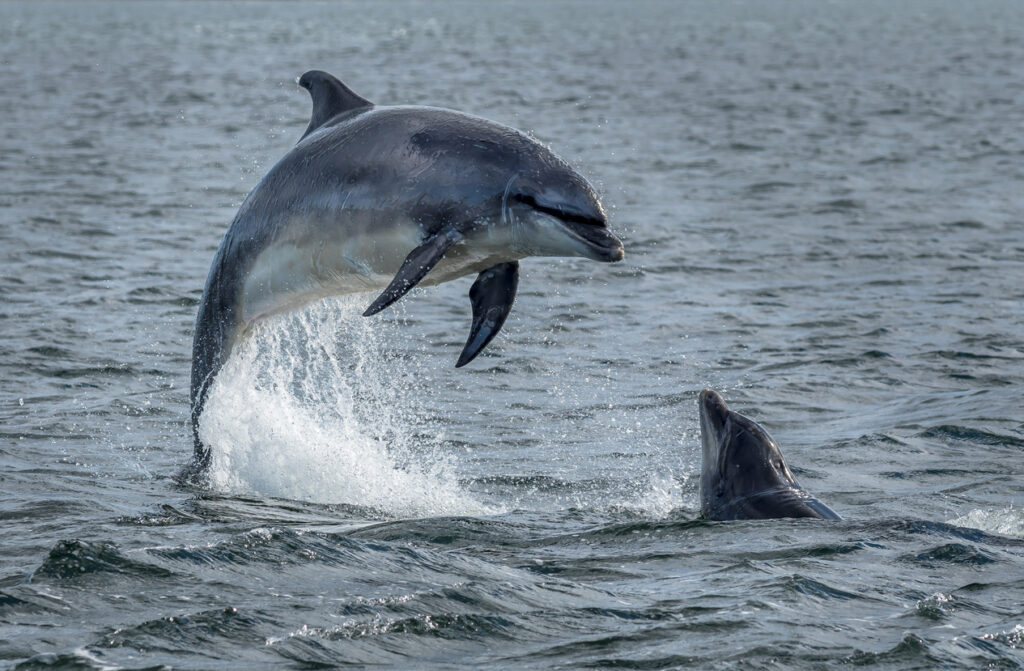
Female bottlenose dolphins can be quietly but seriously aggressive when it comes to protecting calves. They use coordinated group behaviour to box out threats, and mothers have been observed physically ramming sharks that come too close to their young. The intelligence involved is part of what makes their aggression effective. They assess situations, communicate with other females and respond in ways that are deliberate rather than panicked, which makes them considerably harder to outsmart.
9. Red kangaroos
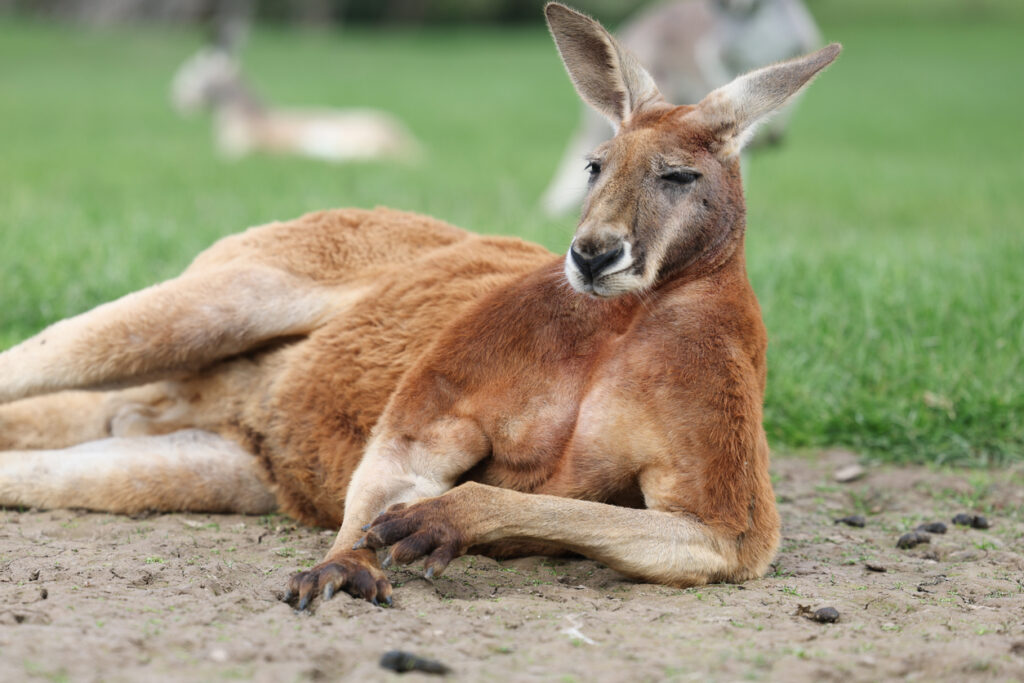
Female red kangaroos are generally perceived as the gentler side of the species, but a mother with a joey in her pouch is a different proposition entirely. They kick with serious force when threatened, and have been observed fighting off predators considerably larger than themselves to protect young. The pouch itself becomes something worth fighting for, and females don’t surrender the advantage of it without considerable resistance.
10. Lions
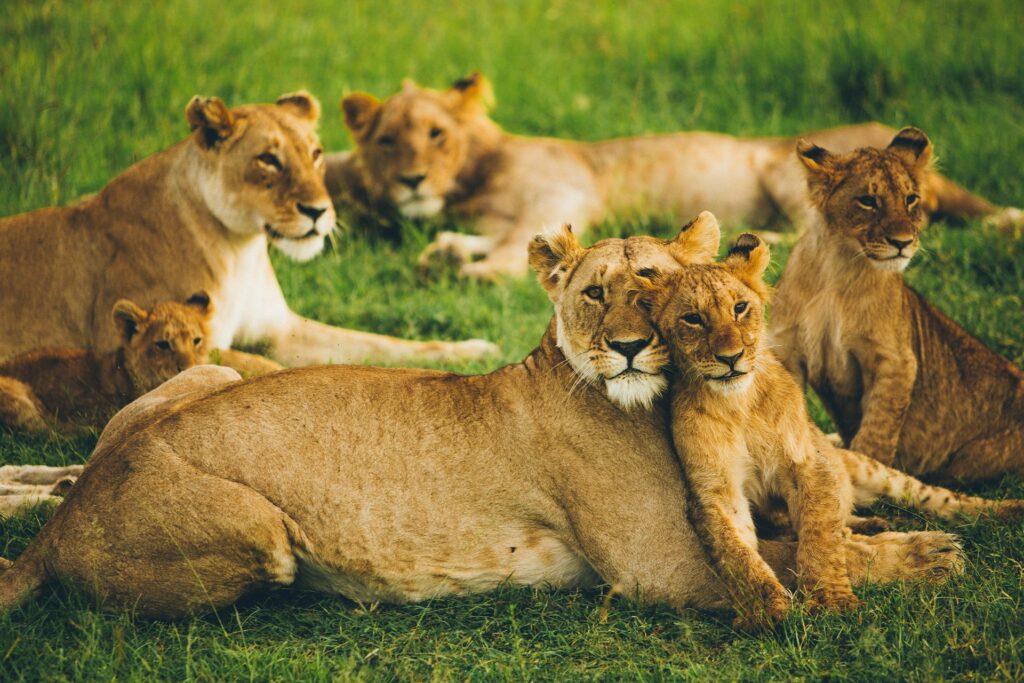
Lionesses do the vast majority of hunting and cub-rearing within a pride, and they’re not passive about protecting their young from outside threats. When new males take over a pride, they will often kill existing cubs to bring females back into breeding condition, and lionesses will fight back when they can, sometimes coordinating with other females in the group. They don’t always win, but they don’t give ground without a fight either.
11. Emperor penguins
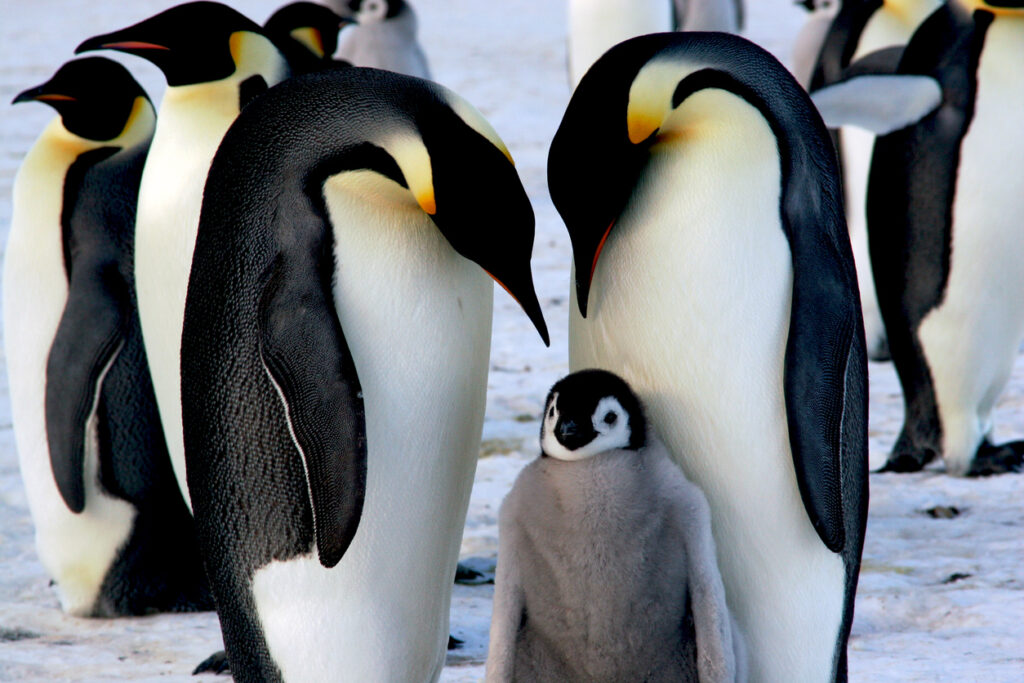
Emperor penguin mothers travel enormous distances across ice to reach feeding grounds after laying eggs, but once they return and the chick has hatched, the protective instinct is immediate and intense. Females have been observed fighting other adults who attempt to steal or adopt their chick, which happens with some regularity in crowded colonies, where females who’ve lost their own chicks will sometimes attempt to take another. The battles are noisy, physical, and sustained.
12. Wolverines
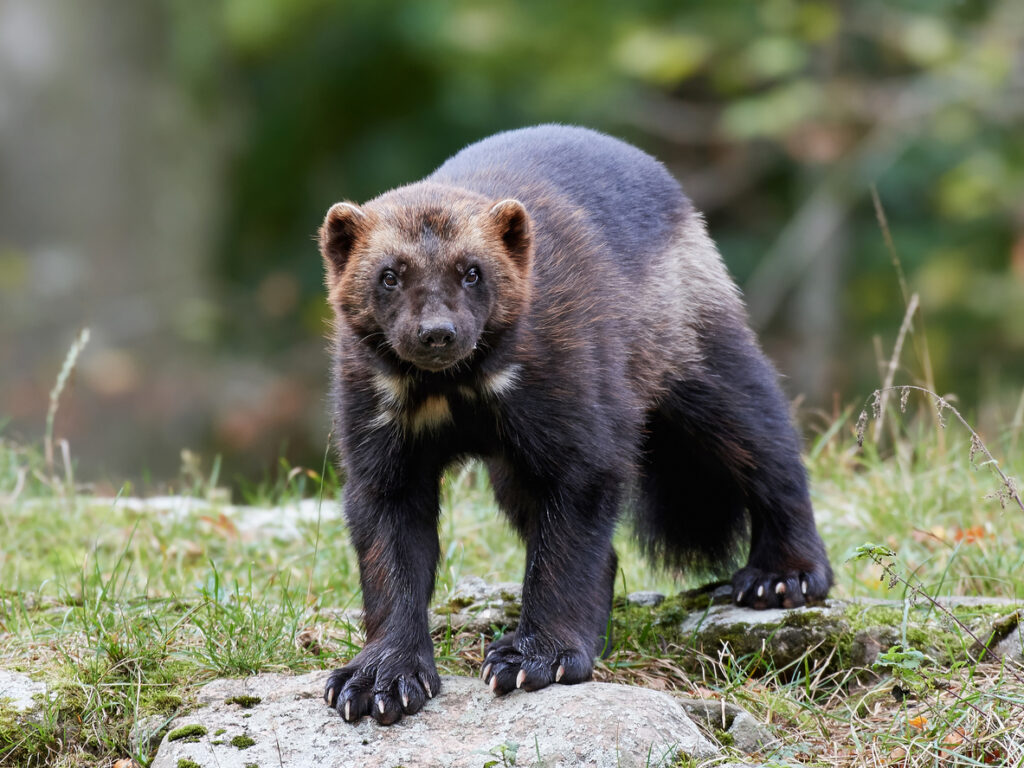
Wolverines punch considerably above their weight in almost every situation, and motherhood makes them more aggressive rather than less. Female wolverines are known to drive off wolves, bears and other threats from their dens with a ferocity that seems completely disproportionate to their size. They rely on a combination of aggression, a remarkably strong bite and the willingness to simply not back down, which tends to be enough to make larger animals reconsider.
13. Chimpanzees
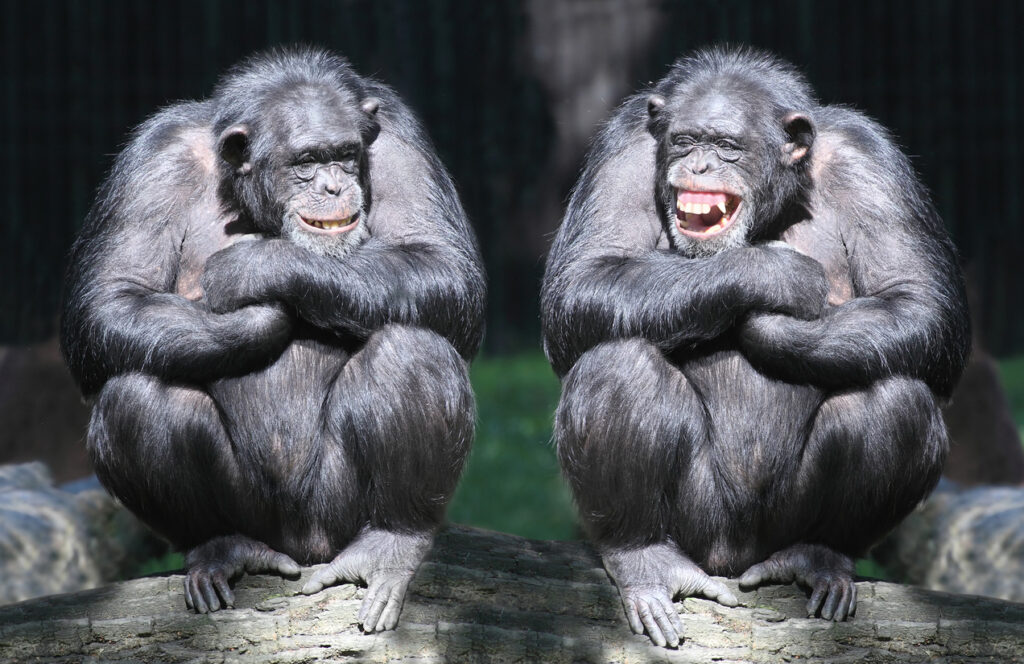
Chimpanzee mothers are physically aggressive in defence of their offspring, but the more interesting element is how politically they operate within their groups. High-ranking females actively work to maintain their status because it directly benefits their young, giving them better access to food and protection within the community. They form alliances, challenge rivals, and use social manoeuvring alongside physical intimidation to keep themselves and their offspring in a strong position. It’s not just fighting. It’s strategy.