A lot of people assume dogs end up in rescue because they are aggressive, untrainable, or somehow “bad.”

The truth is usually far less dramatic. In most cases, it comes down to mismatched expectations, lifestyle changes, housing issues or owners underestimating what a particular breed actually needs day to day. Some breeds simply appear more often in rehoming centres because they are popular, powerful, high-energy, or misunderstood. Here are 10 types that regularly show up in UK rescues, and the real reasons why.
1. Mixed breeds and unknown crosses

Mixed breeds make up the largest group in most rescue centres, not because they are problematic, but because they are common. Accidental litters, backyard breeding and unclear parentage mean many people take on a puppy without fully knowing what they are getting. A small, fluffy pup can grow into a large, strong adult with working-breed energy that surprises the owner six months later. When expectations clash with reality, some families realise they are out of their depth.
Another factor is unpredictability. With a pure breed, you can usually research typical size, coat type and temperament. With crosses, especially unknown mixes, it can be harder to predict behaviour, exercise needs or prey drive. That uncertainty can make first-time owners anxious if the dog grows more energetic or stubborn than expected. In many cases, the dog is perfectly lovely, just not suited to that specific home.
2. Staffordshire bull terriers and similar types
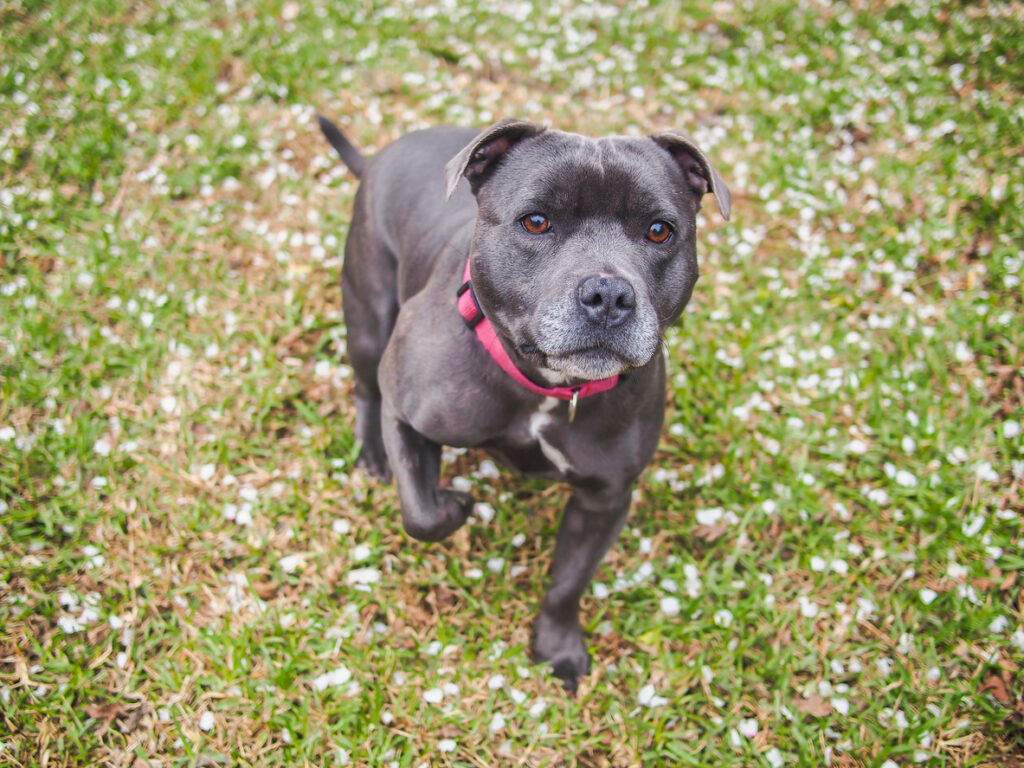
Staffies are affectionate, loyal and famously people-focused, often complete softies with their families. The challenge is that they are also muscular, energetic, and strong for their size. If they are not given consistent training, boundaries and daily exercise, their enthusiasm can become overwhelming. A bouncy, excitable Staffy can feel like too much dog for someone who expected something calmer.
There is also the issue of public perception. Even well-behaved Staffies can face breed stigma, which affects renting, insurance and neighbour relations. Some owners feel pressured when complaints arise simply because of the breed’s reputation. Sadly, this external pressure contributes to higher rehoming numbers, even when the dog itself is affectionate and manageable in the right environment.
3. Akitas

Akitas are impressive, dignified dogs with strong guarding instincts and independent minds. They are not typically eager-to-please in the way some other breeds are, which can surprise owners who expect easy obedience. Without firm, calm leadership and early socialisation, they can become wary of strangers or protective of their space. That personality needs confident handling, not casual ownership.
People are often drawn to their thick coats and striking appearance, without realising how much work goes into raising them properly. They are large, powerful dogs that do not respond well to inconsistent rules. In busy households where training slips or boundaries blur, problems can grow quickly. When owners realise they underestimated the breed, rescues often become the outcome.
4. Dobermans

Dobermans are intelligent, alert and deeply bonded to their people. They thrive when they have structure, purpose and regular stimulation. Without that, they can develop anxiety, destructiveness or excessive guarding behaviour. A bored Doberman is not a quiet dog, and that can catch unprepared owners off guard.
They also struggle with being left alone for long hours. Many modern households involve full-time work and long commutes, which does not suit a breed that craves interaction. When separation issues begin, it can escalate into chewed furniture, noise complaints or stress-related behaviour. Often it is not the dog being difficult, but a lifestyle that does not fit their needs.
5. Rottweilers

Rottweilers are calm and loyal when raised well, but they are physically strong and confident dogs. Early training and consistent socialisation are essential because a poorly managed Rottweiler grows into a very powerful adult. Small behaviour issues that might be manageable in a smaller breed can feel intimidating in a large one.
Their size also creates pressure. Even a friendly Rottweiler can make visitors nervous, and that social reaction affects owners. Insurance restrictions, landlord concerns and public fear can create ongoing stress. In some cases, families decide it is easier to rehome the dog than constantly defend or manage other people’s reactions.
6. German shepherds

German shepherds are one of the most popular breeds, which naturally increases their presence in rescues. They are intelligent, energetic and often protective, which makes them brilliant working dogs. The difficulty comes when that working drive is placed in a home with limited time, space, or activity.
Without mental stimulation and routine, shepherds can develop reactivity, excessive barking or guarding tendencies. They do not cope well with boredom, and boredom shows quickly. Owners who fall in love with the idea of a loyal, clever companion sometimes struggle with the daily reality of meeting that dog’s needs properly.
7. Lurchers

Lurchers are often gentle and relaxed indoors, happily curled on the sofa for hours. Outside, however, their sighthound instincts can switch on in seconds. Their prey drive can be strong, and once they start chasing, recall may disappear. That contrast between a calm house dog and high-speed outdoor athlete surprises some owners.
Secure fencing and consistent training are essential. Without them, stressful situations can happen in parks or rural areas. Owners who expected an easygoing family dog everywhere may feel overwhelmed when instinct takes over. In reality, lurchers are often wonderful companions, but they require understanding of their natural drive.
8. Greyhounds
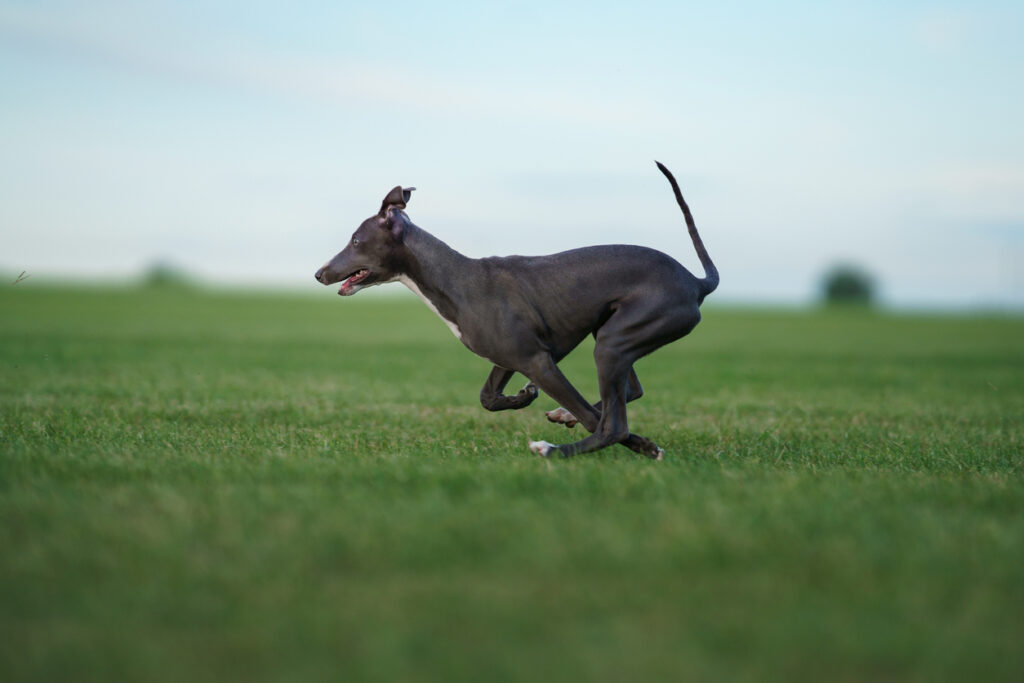
Greyhounds regularly enter rescue once their racing careers finish. Many are quiet, affectionate and surprisingly lazy at home, but they may need time to adjust to domestic life. Stairs, glass doors, slippery floors and household noises can all be unfamiliar at first. That adjustment period requires patience and support.
Some adopters expect a plug-and-play pet and become worried when the dog seems unsure or anxious in the early days. With guidance, most greyhounds settle beautifully. However, if expectations are unrealistic or support is lacking, some find their way back into rescue while waiting for a more suitable long-term home.
9. Border collies
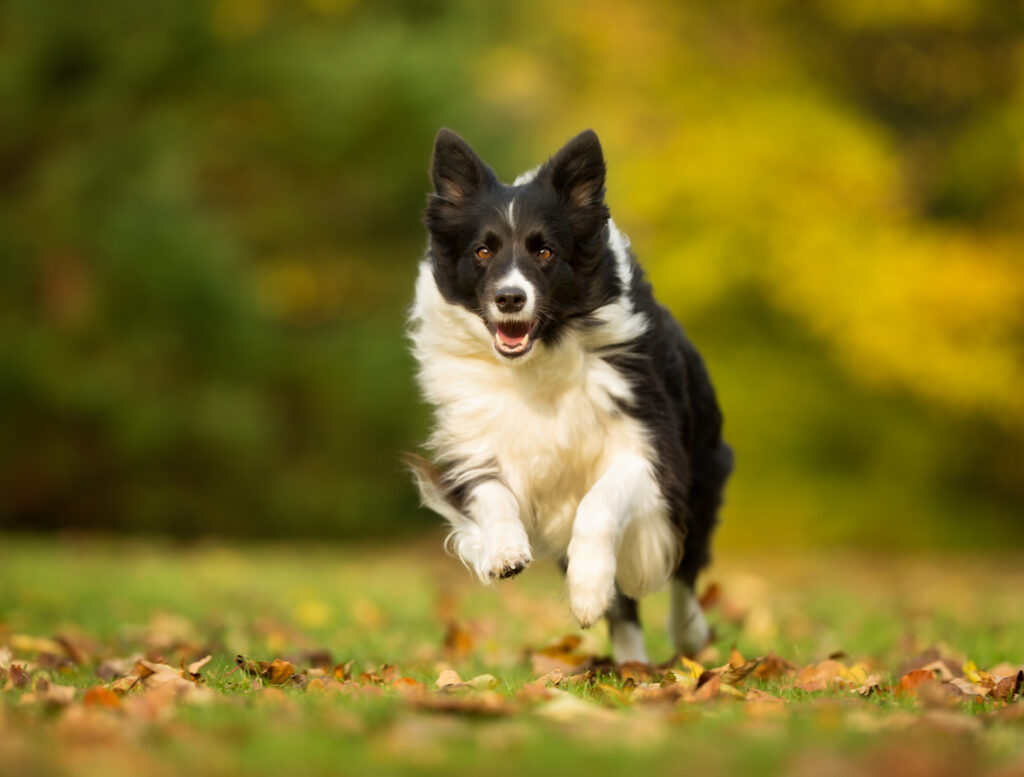
Border collies are widely known as one of the most intelligent breeds. What often gets overlooked is how much daily mental and physical stimulation they truly need. They were bred to work livestock for hours at a time. A short daily walk rarely satisfies that drive.
When under-stimulated, collies may develop obsessive behaviours, constant barking, shadow chasing or herding of children and other pets. Owners can feel exhausted trying to keep up. Many people admire their intelligence without fully realising the responsibility that comes with it. Rehoming often reflects unmet working needs rather than bad temperament.
10. Small terriers, especially Jack Russell types

Small terriers are frequently underestimated because of their size. They are energetic, determined and often fearless, with strong prey instincts and plenty of stamina. A Jack Russell in a sedentary household can quickly become noisy, destructive, or difficult to manage.
People sometimes expect a small dog to mean low effort, but many terriers have the drive of much larger working breeds. Without exercise, structure and firm boundaries, they can develop challenging behaviours. The issue is rarely that they are unsuitable dogs. It is that their bold, lively nature does not suit every home.
Rehoming statistics often reflect popularity and misunderstanding more than inherent problems. Large, energetic and working breeds naturally appear more often because they are chosen for looks or reputation rather than lifestyle fit. When people research honestly, match energy levels carefully and prepare for long-term commitment, these breeds can thrive. The real lesson is not about which dogs are difficult. It is about choosing the right dog for the life you actually live.