It’s a bit mindblowing to think that while we’re rushing around worrying about our 5-year plans, there are animals out there that have seen entire empires rise and fall without breaking a sweat.
Most of us are lucky to hit 80 or 90, but for some creatures, a century is just the warm-up act. It isn’t just about having good genes; these animals have figured out a way to move through life at a completely different pace, often in environments that don’t change much from one decade to the next.
From deep-sea dwellers that barely move to tortoises that have outlived their famous owners, these long-haulers prove that slow and steady really does win the race. These 10 creatures make you realise that our time on this planet is just a blink of an eye compared to the shift they’re putting in.
1. Greenland sharks can live for over 400 years.
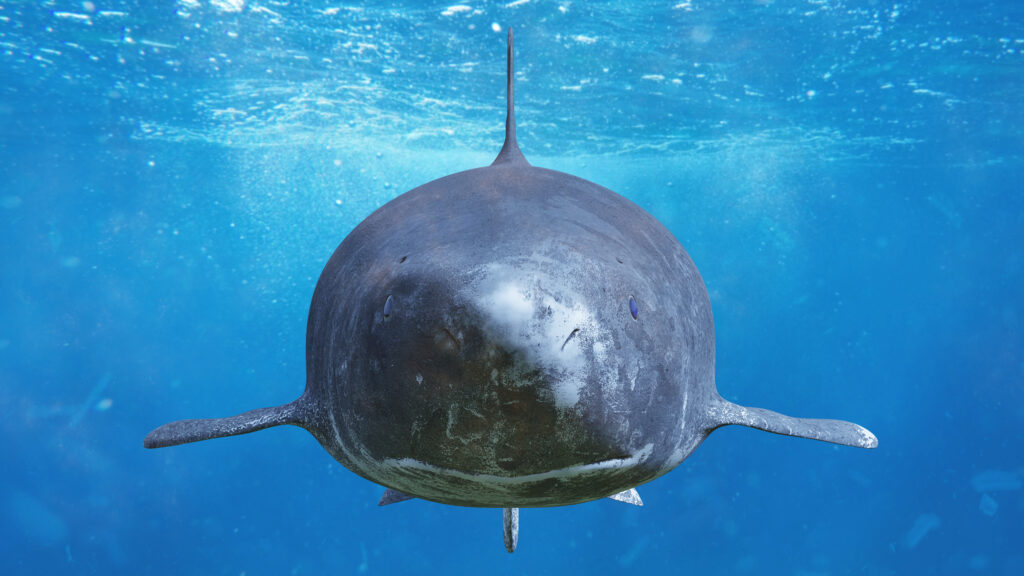
These massive predators swimming in the Arctic and North Atlantic are the longest-lived vertebrates on Earth, with one female estimated to be around 400 years old based on radiocarbon dating of her eye tissue. They grow incredibly slowly, only about one centimetre per year, and don’t reach sexual maturity until they’re around 150 years old.
The cold water they inhabit slows their metabolism dramatically, which likely contributes to their extraordinary longevity. Scientists discovered their age accidentally whilst studying their eye lenses, finding tissue that dated back to the 1600s. Most Greenland sharks alive today were born before the Industrial Revolution, swimming through centuries of human history whilst barely changing at all.
2. Ocean quahog clams have been found at over 500 years old.
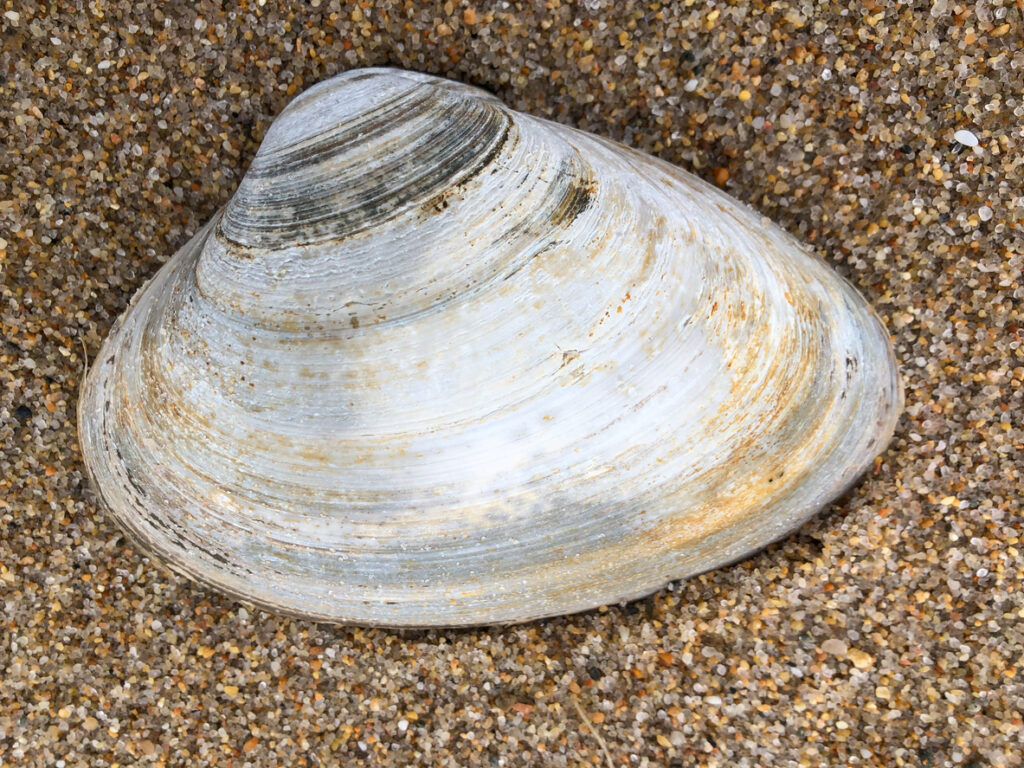
One particular clam nicknamed Ming was discovered to be 507 years old when researchers counted the growth rings in its shell, making it the oldest non-colonial animal ever recorded. Unfortunately, the process of counting those rings killed the clam, so Ming died in the name of science after surviving since 1499.
These clams live buried in the seabed of the North Atlantic, filtering food from the water whilst barely moving their entire lives. Their extreme longevity comes from living in cold water with very slow metabolic rates and experiencing minimal predation once they’re buried. Each ring in their shell represents one year of growth, creating a physical record of their age that’s more reliable than most dating methods.
3. Bowhead whales regularly exceed 200 years of age.
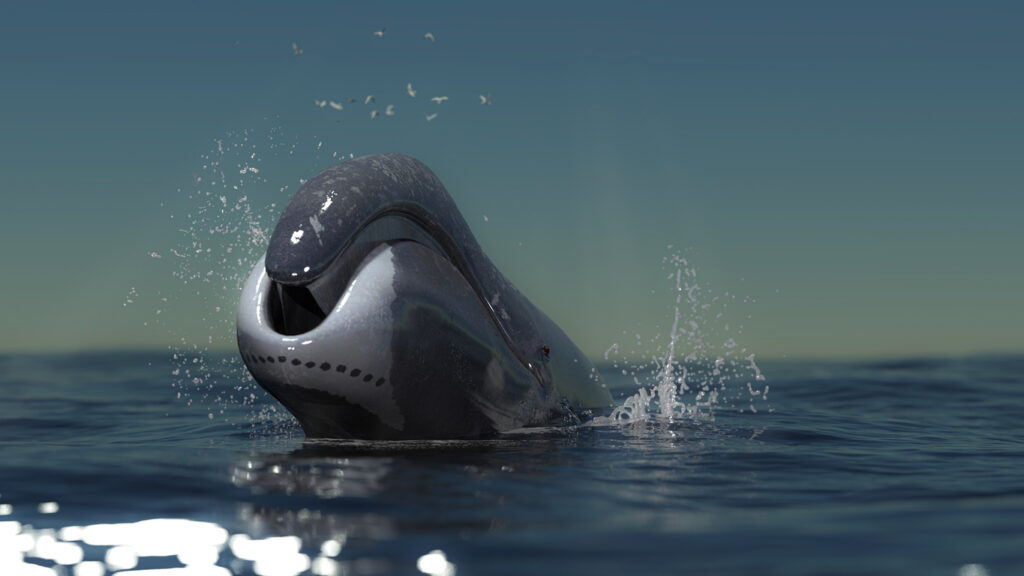
These Arctic whales are the longest-lived mammals on Earth, with some individuals estimated to be over 210 years old based on analysis of amino acids in their eye tissue. Whalers in the 1990s found stone harpoon points embedded in some bowheads, weapons that hadn’t been used since the 1800s, proving these whales had survived hunting attempts over a century earlier.
They’ve evolved remarkable resistance to cancer and other age-related diseases, which scientists are studying to understand human ageing better. Their massive size, thick blubber, and life in cold Arctic waters all contribute to their longevity. Some bowheads alive today were swimming when Queen Victoria was a young woman.
4. Giant tortoises commonly live 150 to 200 years.
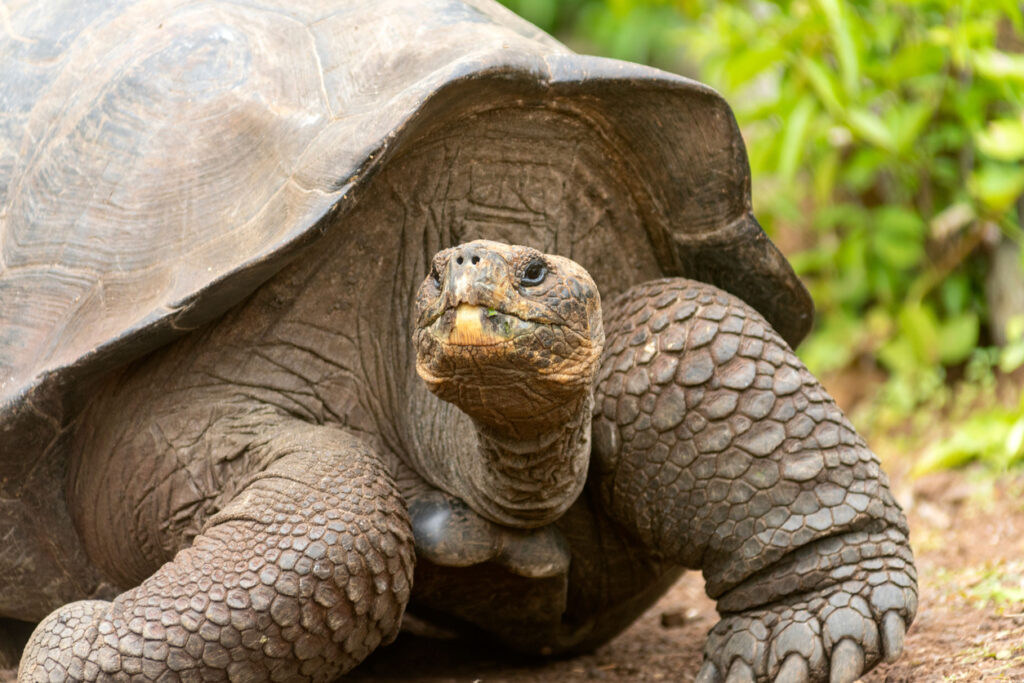
Galápagos and Aldabra giant tortoises are renowned for their extreme lifespans, with several documented individuals living past 150 years in captivity, where their ages could be reliably tracked. Jonathan, an Aldabra giant tortoise living on St Helena, is currently around 192 years old, making him the oldest-known living land animal.
These tortoises have incredibly slow metabolisms and can survive months without food or water by living off stored fat and moisture. Their large size protects them from most predators once they’re fully grown, and they show remarkably few signs of age-related decline even in their final decades. The oldest reliably documented tortoise lived to 188 years, though claims of even older individuals exist without solid proof.
5. Tuatara can live well past 100 years in the wild.
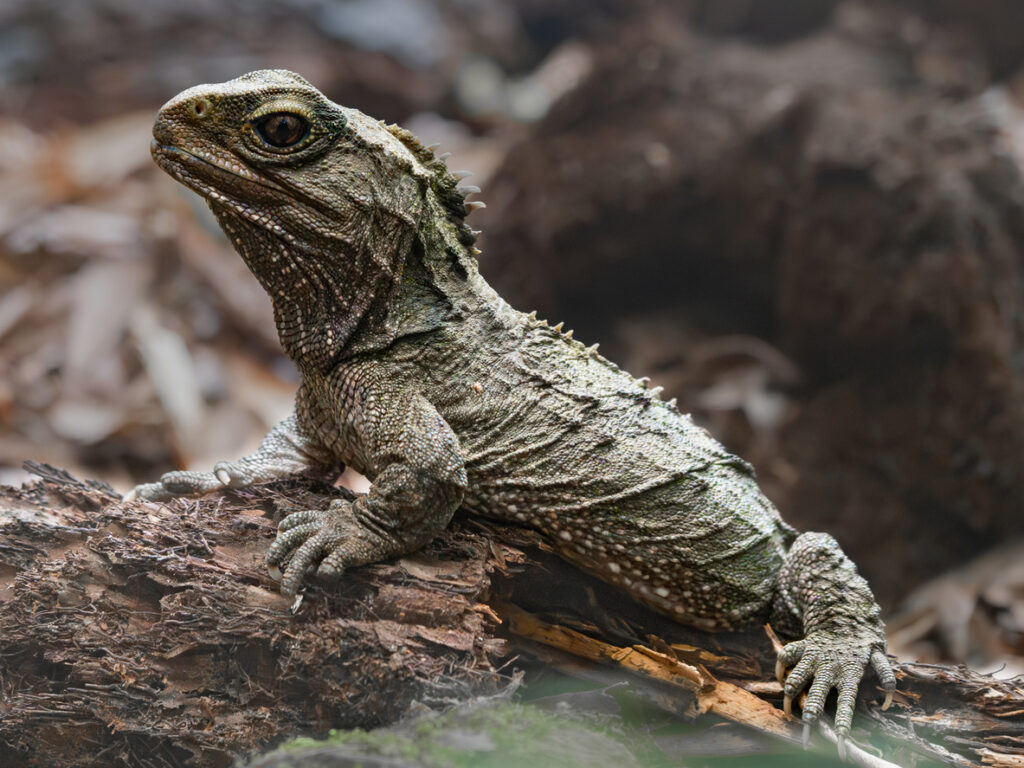
These reptiles from New Zealand look like lizards, but are actually the last survivors of an ancient order that predates dinosaurs. They grow extremely slowly and don’t reach full size until they’re about 35 years old, with some individuals confirmed to live past 100 years and possibly reaching 150.
Tuatara have one of the slowest metabolisms of any reptile, breathing only once per hour when resting, and able to survive in temperatures that would kill most other reptiles. Their third eye on top of their head helps regulate their circadian rhythms and might contribute to their longevity by optimising their exposure to sunlight. They continue reproducing throughout their entire lives without showing typical signs of reproductive decline.
6. Red sea urchins have been documented at over 200 years old.
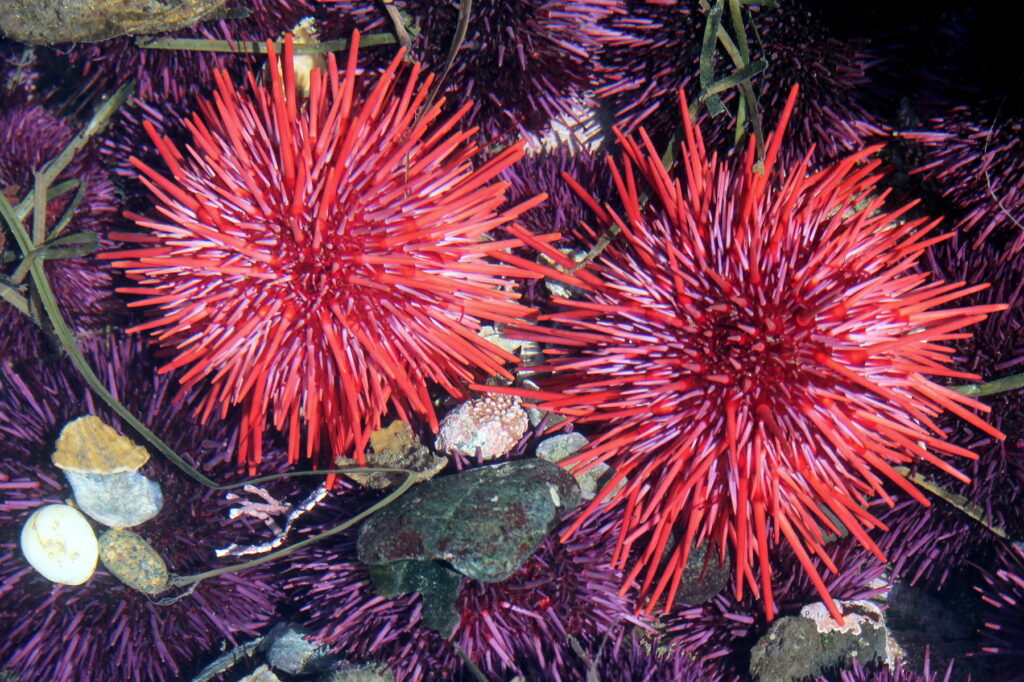
These spiny creatures off the coast of British Columbia and Alaska grow so slowly and age so gradually that scientists initially had no idea they lived this long. Growth ring analysis similar to tree ring counting revealed some individuals were over 200 years old, with no signs of increased mortality as they aged.
Red sea urchins show almost no senescence, meaning they don’t deteriorate with age the way most animals do. Their regenerative abilities remain strong throughout their lives, and older urchins are just as likely to reproduce successfully as younger ones. The main threats to their survival are predators and disease rather than age-related decline.
7. Rougheye rockfish can reach 200 years of age.
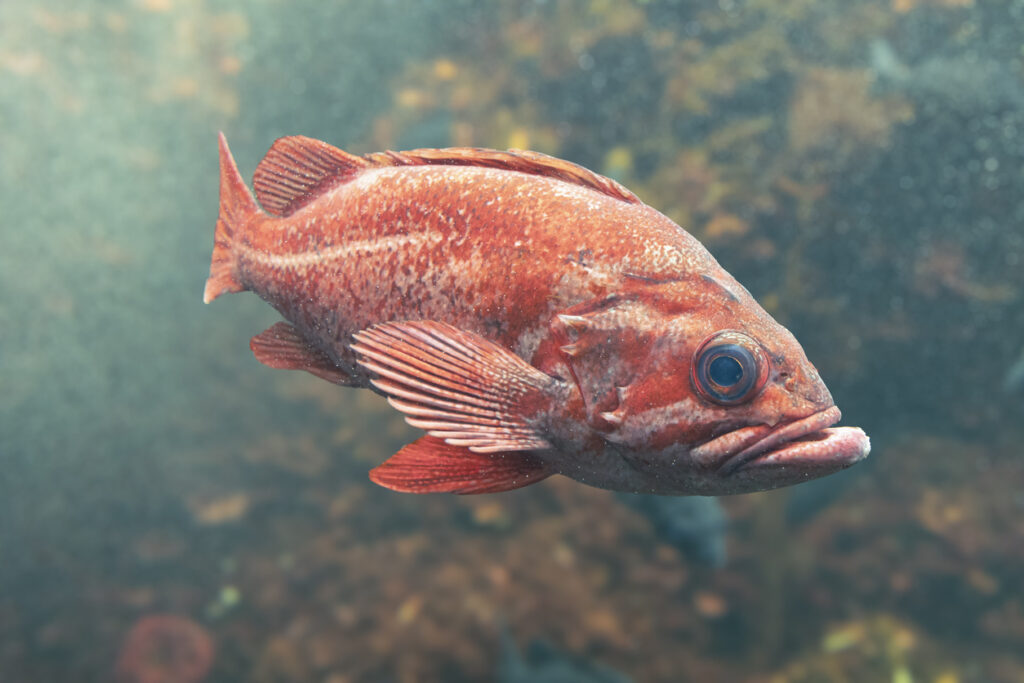
These fish living in the deep waters of the North Pacific grow incredibly slowly and don’t reach maturity until they’re around 20 years old. The oldest confirmed rougheye rockfish was 205 years old when caught, with its age determined by counting growth zones in its ear bones.
Living in deep, cold water with stable temperatures and limited predators allows them to survive far longer than their shallow-water relatives. They continue growing throughout their entire lives, with the largest individuals almost always being the oldest. Their longevity creates problems for fisheries management because populations take decades to recover from overfishing when the fish don’t reproduce until they’re 20 and can live for two centuries.
8. Geoduck clams regularly live 140 to 160 years.
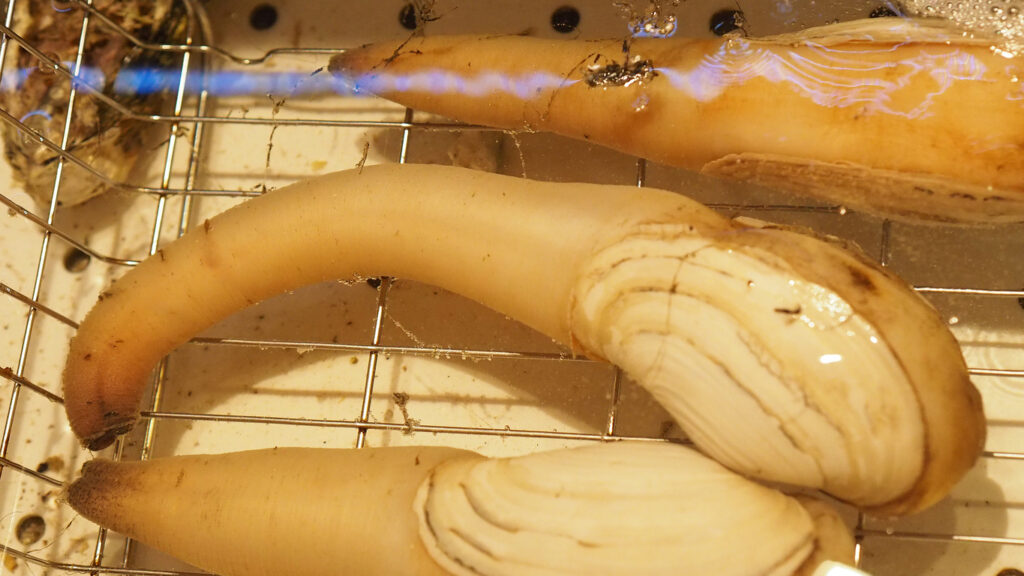
These enormous burrowing clams from the Pacific Northwest can weigh several pounds and live well over a century buried in the seabed. The oldest confirmed geoduck was 168 years old, with its age verified through growth ring analysis. They spend their entire adult lives in the same burrow with just their siphon extending above the sediment to filter food from the water.
Their protected position underground shields them from most predators and environmental changes, contributing to their remarkable longevity. Despite living so long, they grow most rapidly in their first few years and then slow dramatically once they reach full size.
9. Koi fish have been documented living over 200 years.
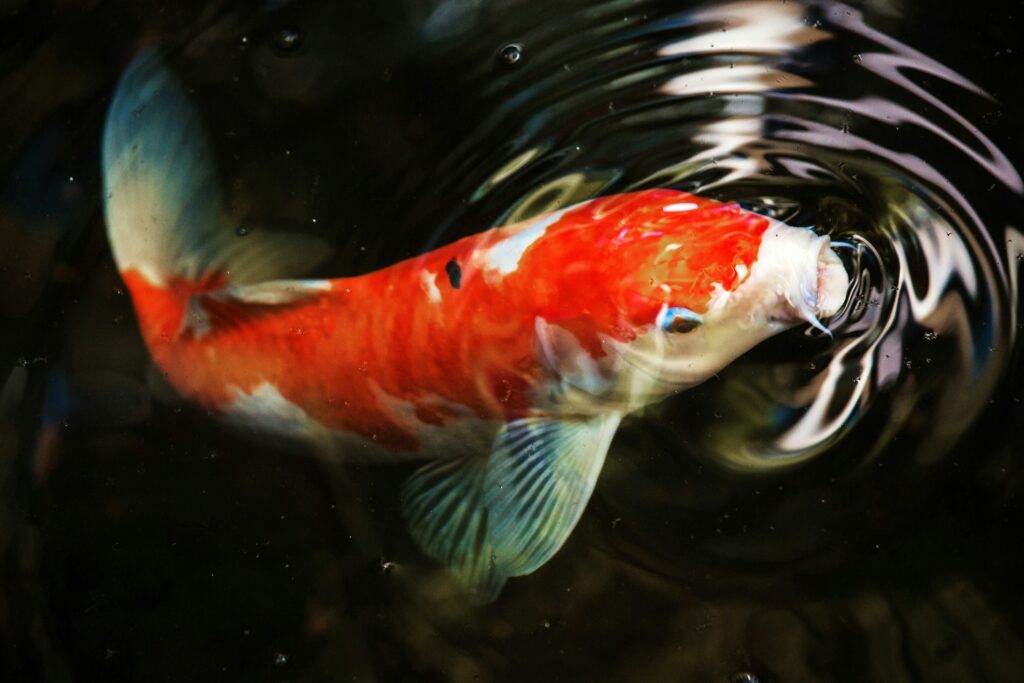
Hanako, a famous scarlet koi in Japan, was reportedly 226 years old when she died in 1977, with her age verified by counting growth rings in her scales. Most koi don’t live nearly that long, but in ideal conditions with excellent care, reaching 100 years is relatively common for these ornamental carp.
They’re descended from common carp that already have naturally long lifespans, and selective breeding for colour hasn’t diminished their longevity. Koi kept in large, well-maintained ponds with good water quality and proper nutrition can outlive several generations of their owners. Their continued growth throughout life means the largest koi in a pond are almost certainly the oldest.
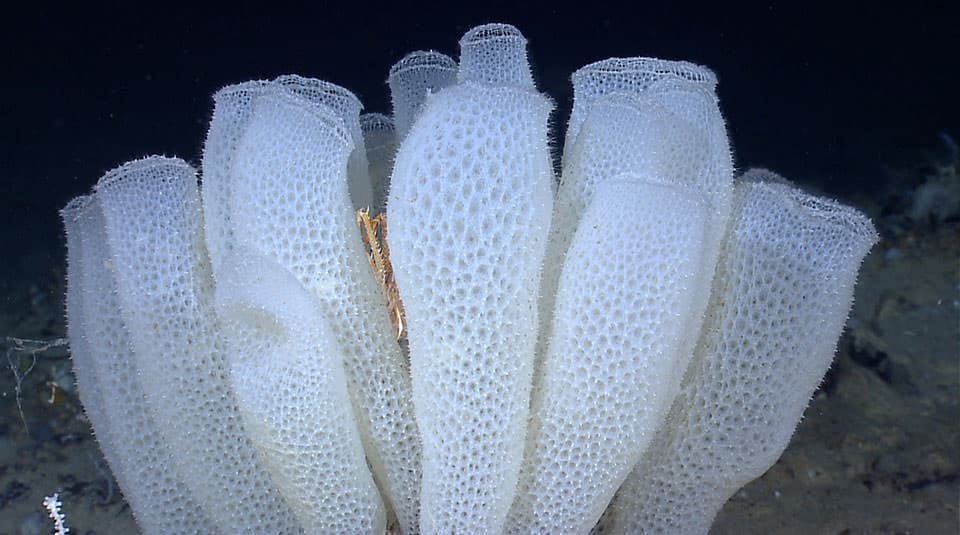
10. Glass sponges can live for thousands of years.
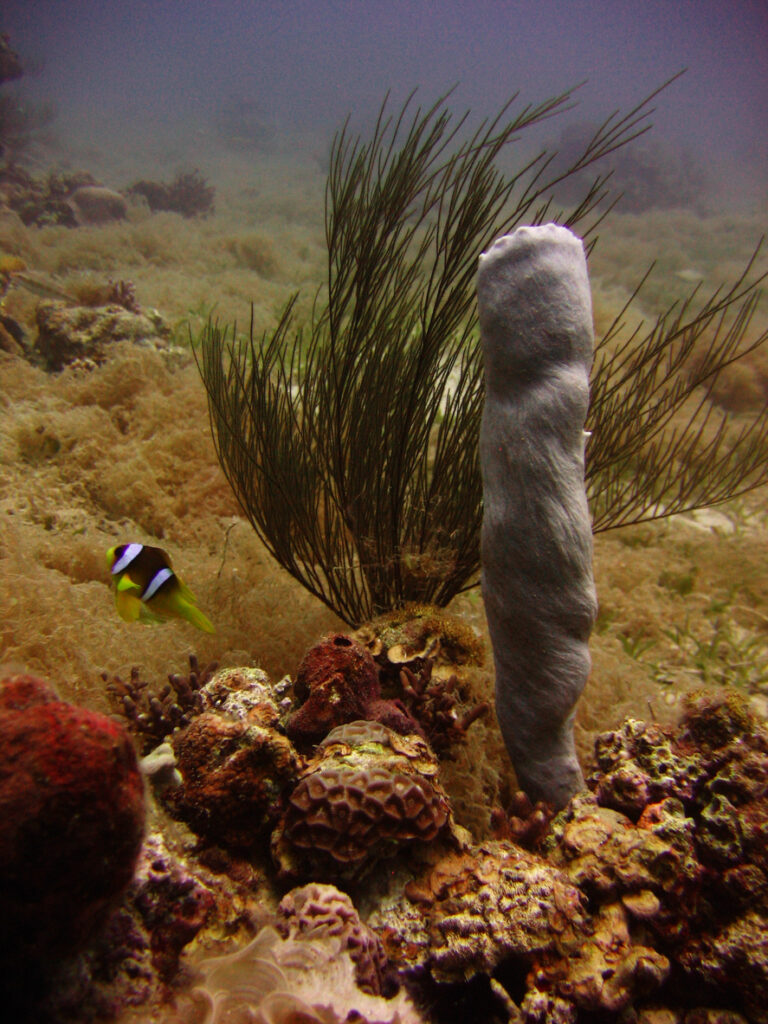
These deep-sea sponges form structures made of silica that can persist for millennia, with some specimens estimated to be over 10,000 years old. They grow at incredibly slow rates in the stable, cold environment of the deep ocean, adding just millimetres to their structure per year.
Glass sponges are colonial organisms made up of many connected individuals, so determining their age is more about dating the structure than any single organism. Their silicon skeletons are nearly indestructible and accumulate over centuries into massive reef-like formations. Some glass sponge reefs off British Columbia are ancient enough to have started growing when woolly mammoths still roamed the Earth.