You’re in the garden centre and you spot a plant that looks like it’s been plucked straight from a rainforest, all glossy leaves and tropical vibes.

You tell yourself that this time it’ll be different and you’ll actually keep the thing alive, but three weeks later it’s looking like a shrivelled bit of kale. Some houseplants are just born to be difficult, demanding a level of humidity, light, and specific water temperatures that’d make a spa manager sweat.
It’s easy to feel like a failure when they start dropping leaves the second you look at them funny, but the truth is that some species are just total divas that aren’t suited to a normal British front room. Recognising that these plants are ridiculously high-maintenance heartbreakers is the only way to save your sanity and your bank balance because sometimes, a plastic version really is the better shout.
1. Calathea sulks the second the air gets dry.
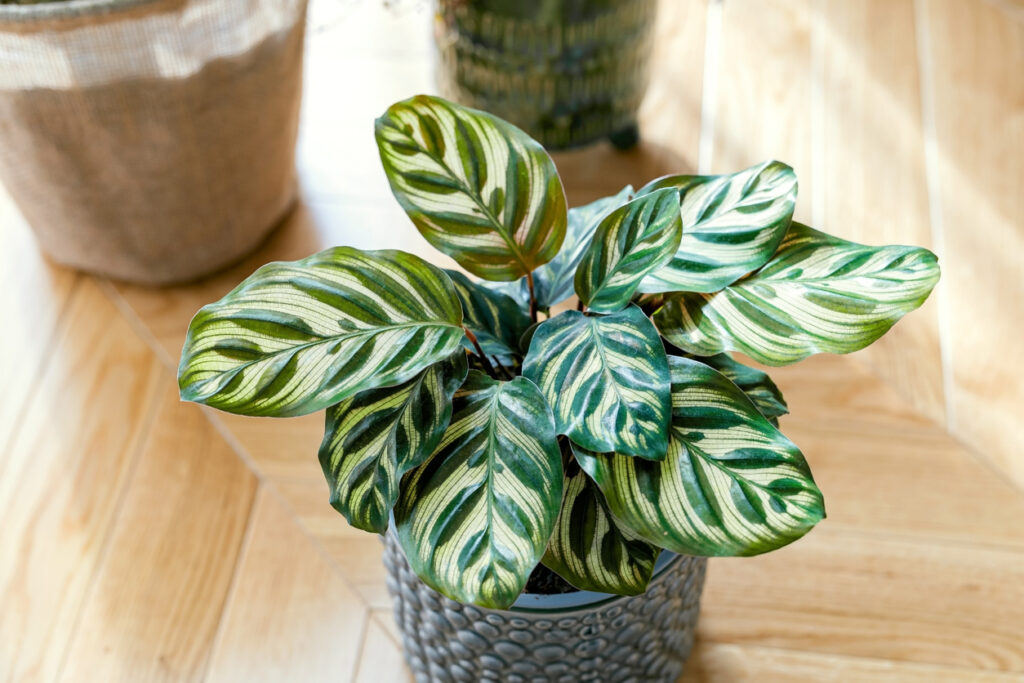
Calatheas are the kings and queens of drama. They’re gorgeous, they’ve got those patterned leaves that look painted on, and they move a bit through the day like they’re alive in a slightly spooky way. The problem is that they’re sensitive to basically everything. Too much sun, not enough sun, water that’s too hard, air that’s too dry, a slight change in temperature, even being moved a few feet. They’ll curl, crisp, droop, and turn brown on the edges like they’re auditioning for a plant soap opera.
To keep one truly happy, you’re often looking at filtered water, steady warmth, and proper humidity, not just the odd misting you remember twice a week. If your home gets chilly at night, if you’ve got radiators blasting in winter, or if you forget one watering, it’ll let you know immediately. Plenty of people end up stuck in a cycle of trying to fix it, then watching it decline anyway, and that’s when the plant stops being relaxing and starts feeling like guilt in a pot.
2. The maidenhair fern turns crispy if you blink.
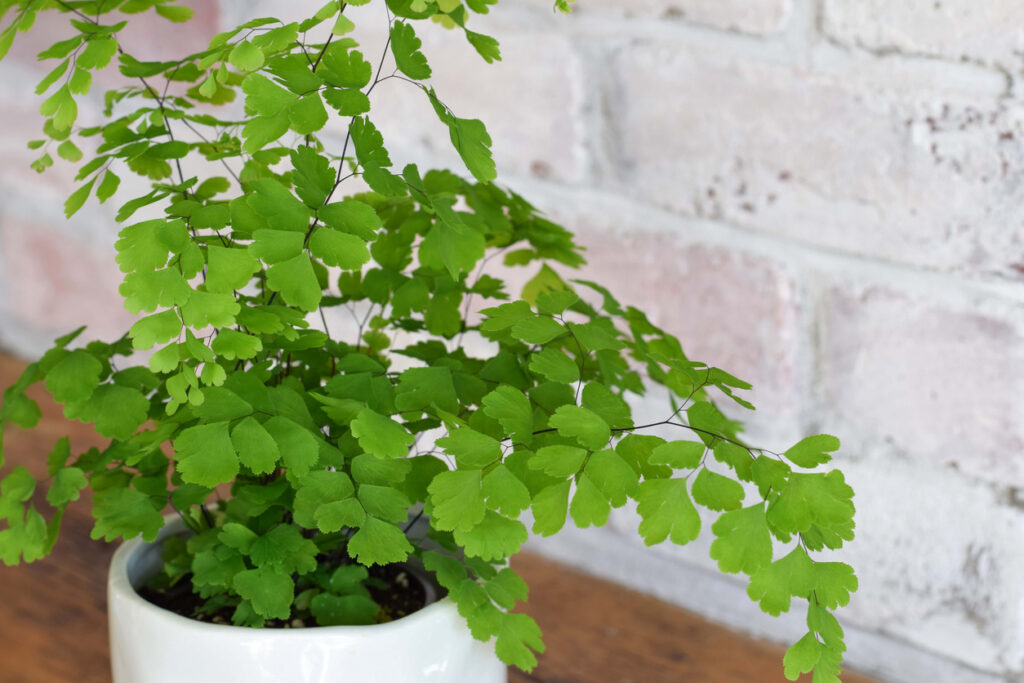
Maidenhair ferns are stunning when they’re thriving. They’ve got those delicate, soft fronds that make a room feel calmer and a bit more grown-up. The issue is that they’re one of the quickest plants to punish you for being a normal human with a normal life. They hate drying out, they hate dry air, and they seem to hate being alive unless everything is perfect. Miss one watering, and you can watch them go from lush to sad in what feels like a single afternoon.
They’re not really a plant for a windowsill in a regular living room because they need consistently moist soil without being soggy, plus high humidity that doesn’t fluctuate. Bathrooms can work, but only if there’s decent light, and you don’t forget about them. Most people buy one because it’s pretty, then spend weeks trying to revive it, and eventually, you’re just staring at a pot of crunchy twigs wondering why you did this to yourself.
3. The fiddle-leaf fig drops leaves over tiny changes.
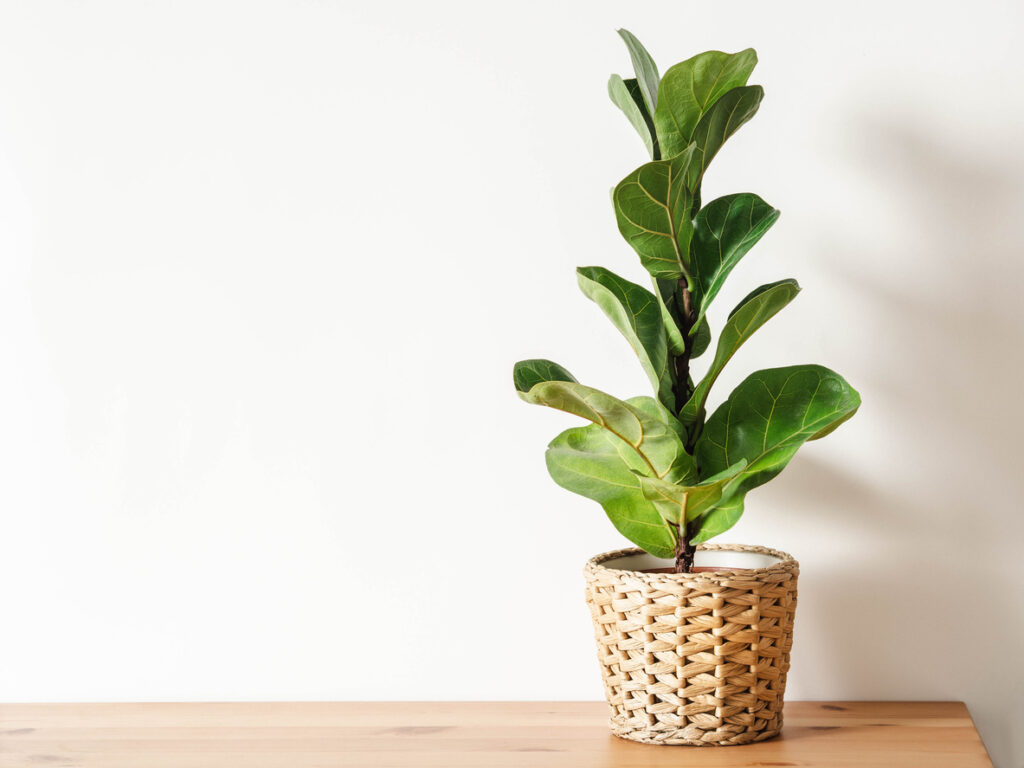
The fiddle-leaf fig has a reputation for a reason. When it’s doing well, it looks incredible, like you’ve got a little indoor tree that makes your whole room feel more stylish. When it’s not doing well, it punishes you by dropping leaves in a slow, smug way that feels personal. It hates drafts, hates being moved, hates inconsistent watering, hates low light, and sometimes seems to hate you even if you’ve done everything right.
It’s also the kind of plant that takes ages to show you it’s unhappy, so you might think it’s fine, then suddenly it’s dropping three leaves a week, and you’re panicking. The trunk can get leggy, the leaves can spot or brown, and it’s weirdly hard to fix once it starts sulking. Unless you’ve got a really bright spot, and you’re good at keeping a routine, a fiddle-leaf fig can become an expensive, slow-moving disappointment that sheds all over your floor.
4. Alocasia wants a tropical holiday all year round.
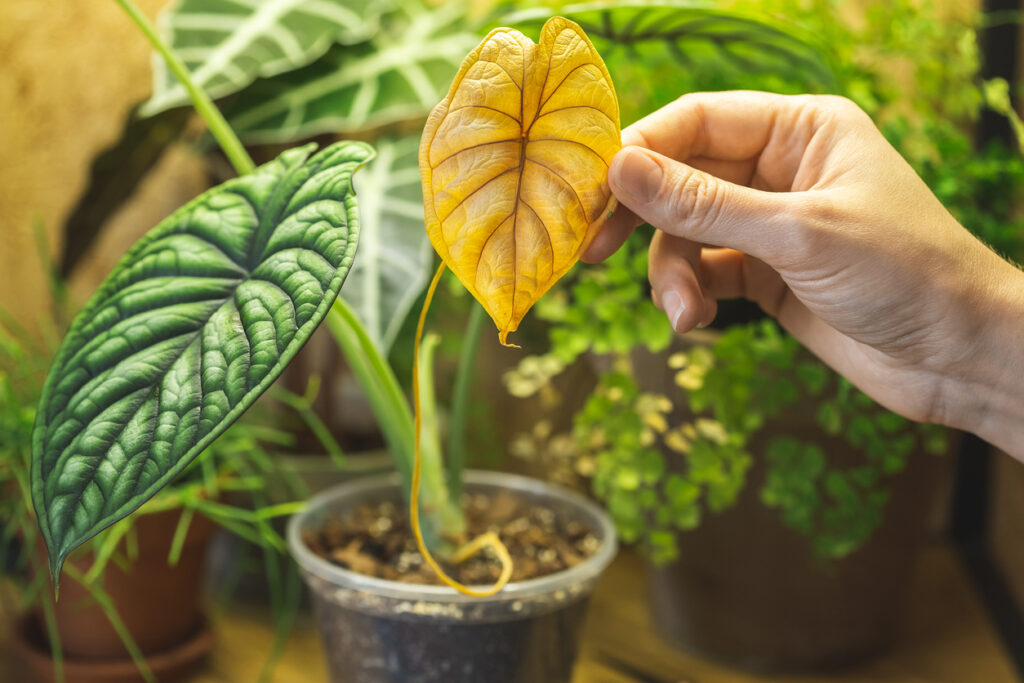
Alocasias look unreal. Big dramatic leaves, bold shapes, proper jungle energy, the kind of plant that makes you feel like you’ve got your life together. In reality, they’re fussy little divas that demand warmth and humidity, then act offended when your home behaves like a normal home. They can drop leaves fast, go limp, or decide they’re going dormant, and you’re left wondering if it’s dying or just being moody.
The thing that catches people out is that they’re sensitive to overwatering and underwatering, so you can do the classic panic move where you water more to fix drooping, then accidentally rot the roots. They also attract pests like spider mites, especially if the air is dry, and those pests love hiding under the leaves until it’s a full-blown mess. For a plant that costs decent money, the amount of stress it causes can feel wildly unfair.
5. String of pearls dies from one wrong sip of water.
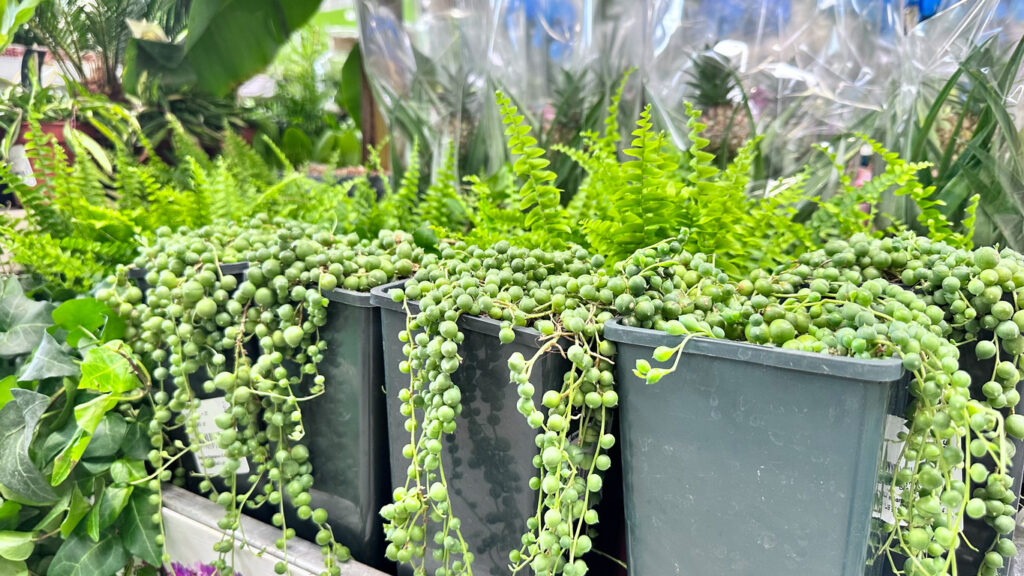
String of pearls is one of those plants that makes people fall in love instantly. It’s cute, it trails beautifully, and it looks amazing in a hanging pot by a bright window. Unfortunately, it’s incredibly easy to kill, especially if you’re the kind of person who waters plants the moment they look slightly sad. The pearls can shrivel if it’s too dry, but if you overwater even a little, the stems can rot and collapse like wet spaghetti.
It also hates poor light, but direct hot sun can scorch it, so you’re constantly trying to find the sweet spot. If it’s in the wrong soil or the pot doesn’t drain properly, it’s basically doomed. People think succulents are always easy, but this one is weirdly fragile for something meant to survive dry conditions. You’ll see it thriving in someone else’s house, buy it, then spend months watching it slowly disintegrate while you keep whispering, “Please don’t die.”
6. Croton drops leaves like it’s shedding a winter coat.
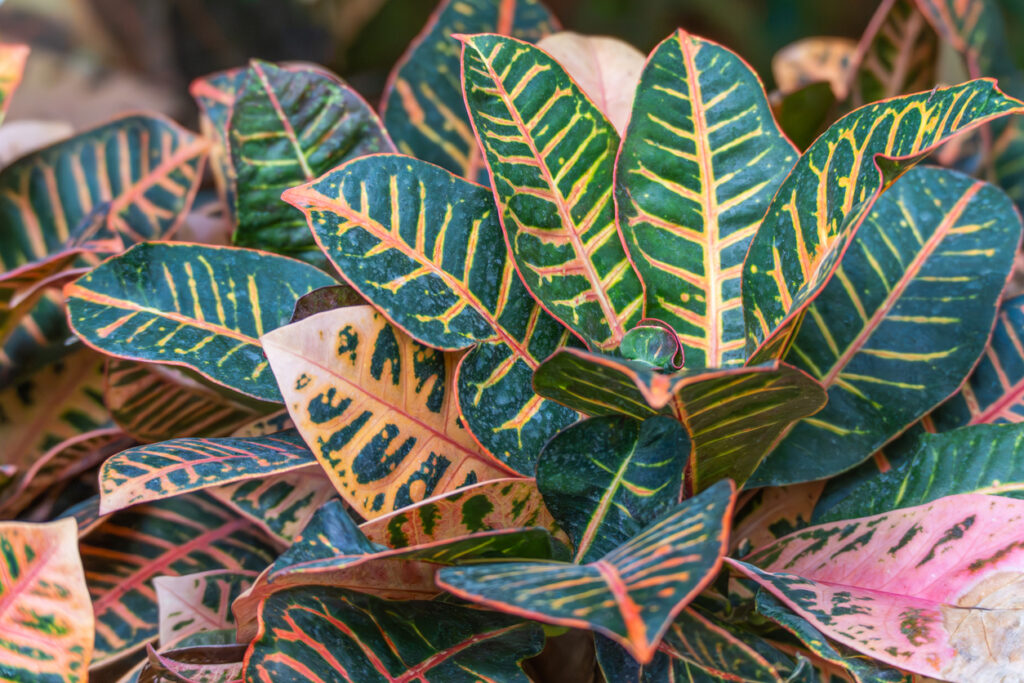
Crotons are loud in the best way. Bright colours, bold leaves, proper personality, and they can make a boring corner look instantly more alive. But they’re not a chill plant. They hate change, and when they’re unhappy they don’t just look a bit sad, they drop leaves aggressively like they’re rage-quitting. Move it to a new spot, let the soil dry too much, change the temperature, and you’ll find leaves all over the place.
They also need a lot of light to keep those colours, which can be tricky in UK homes, especially in winter. If the light isn’t strong enough, they go dull and leggy, which defeats the whole point of having one. They can also get spider mites if conditions aren’t right, which adds another layer of hassle. For most people, a croton ends up being a high-effort plant that still looks annoyed half the time.
7. A bonsai turns into a hobby you didn’t sign up for.
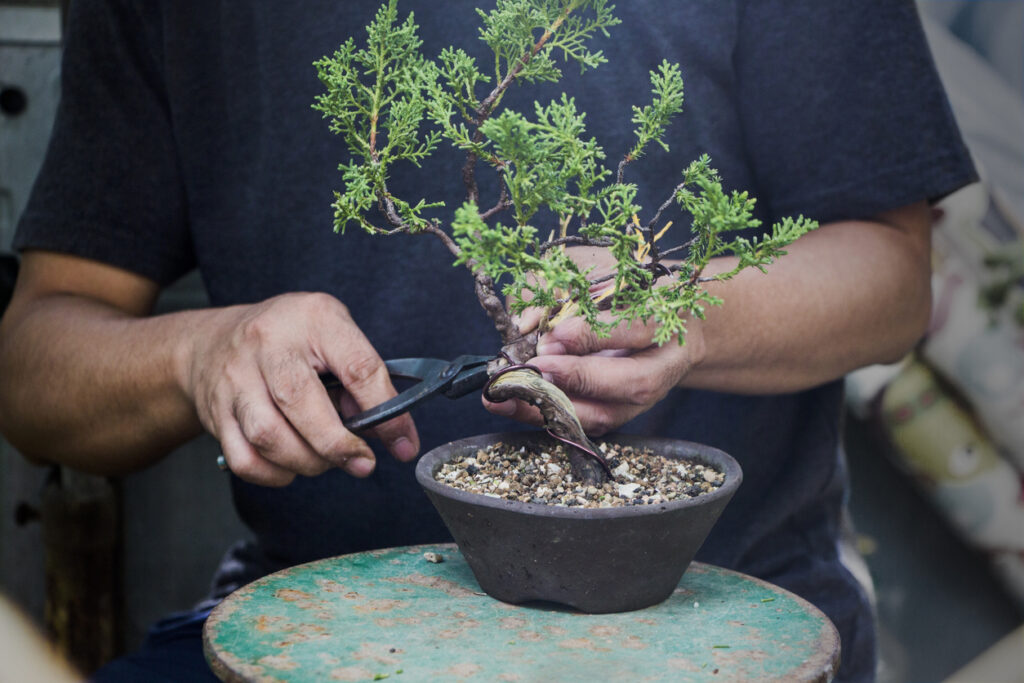
Bonsai trees look cool because they feel like living art. Tiny tree, shaped branches, calm vibes, very zen, very tidy. But bonsai isn’t just owning a plant, it’s basically taking on a tiny long-term project. The watering needs are constant because the pot is small, the soil dries quickly, and a single missed day can do real damage. Depending on the type, it might need outdoor conditions too, which catches people out when they keep it inside like a normal houseplant.
On top of watering, you’ve got pruning, shaping, rotating for even light, and knowing what it needs in different seasons. If you’re not into learning the basics, it starts to feel like you’re failing a beautiful little tree every week. A lot of people buy one as a cute gift to themselves, then realise it’s more like adopting a very delicate pet that can’t tell you what’s wrong until it’s already too late.
8. The Venus flytrap needs specialist care, not vibes.
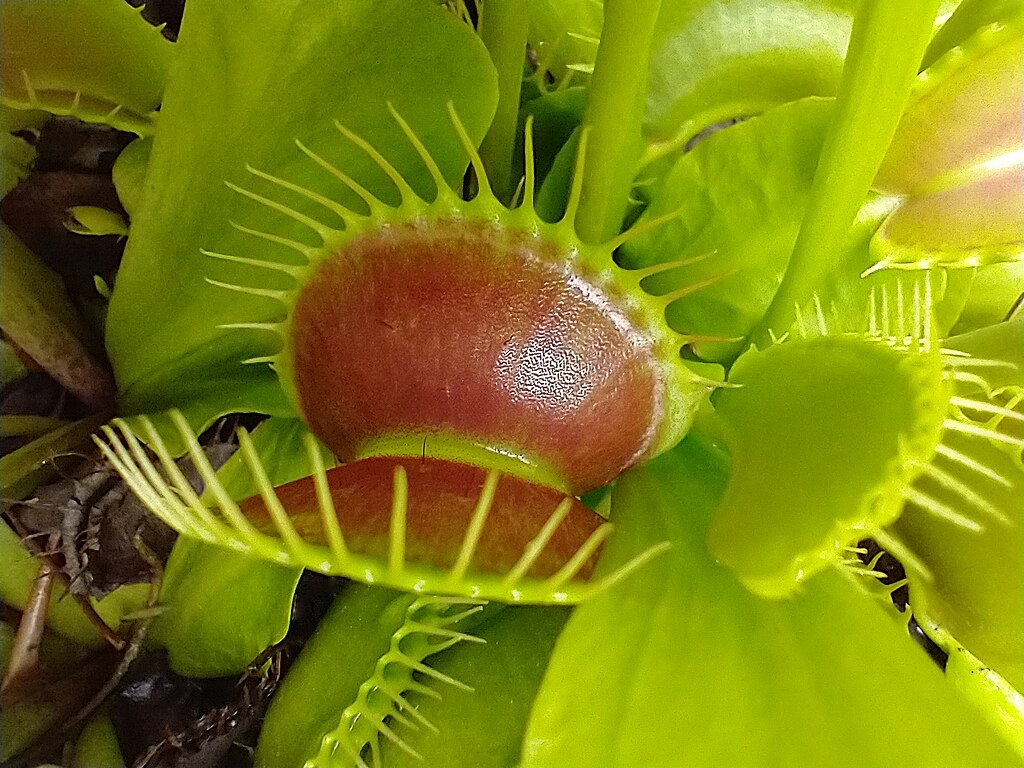
Venus flytraps are fun in theory because they’re weird and interactive, like a plant that’s secretly an animal. In reality, they’re one of the easiest plants to slowly kill without even realising it. They need pure water, not tap water because minerals build up and mess them up. They need a specific growing medium, plenty of light, and they’re fussy about humidity and airflow. People often think they’ll live happily on a windowsill like any other plant, and they usually won’t.
They also need a winter dormancy period, which surprises loads of people. Without it, they gradually weaken, and it becomes this confusing cycle of decline that feels impossible to fix. People also poke them for fun or try to feed them like it’s a party trick, which just drains the plant. If you want a plant that feels low-stress and reliable, a Venus flytrap is the opposite. It’s basically a specialist pet disguised as a novelty plant.
9. The orchid looks elegant, but refuses to be straightforward.
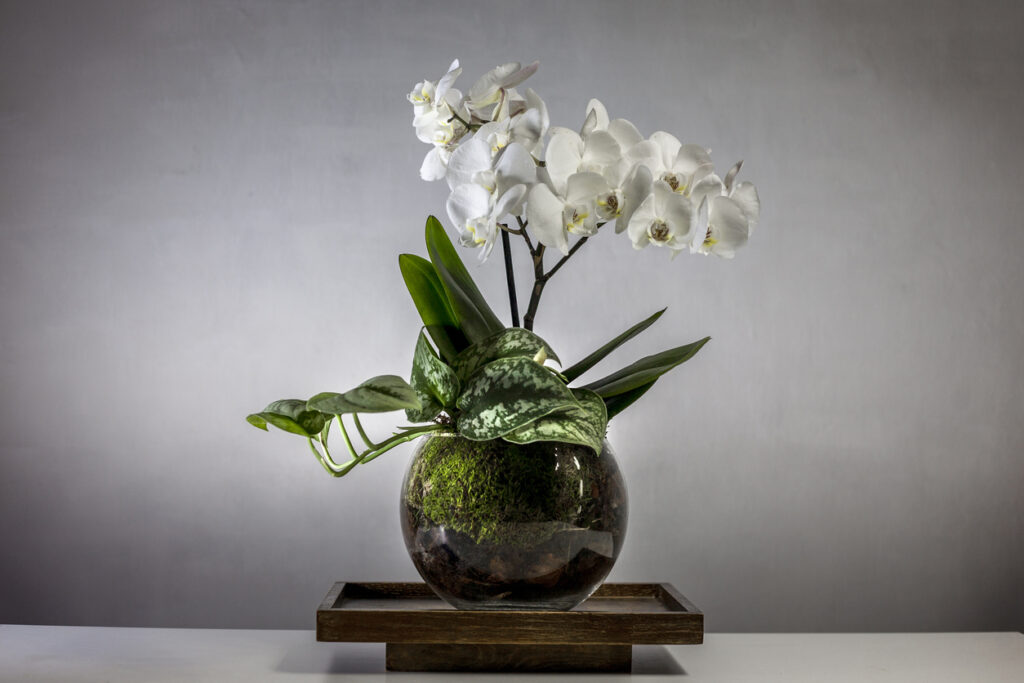
Orchids are beautiful, and when they’re in bloom, they make your home feel instantly nicer. The trouble is most people buy them while they’re flowering, enjoy the flowers for a few weeks, then everything drops, and they assume the plant has died. It hasn’t died, but it’s also not going to bounce back without the right care, and orchid care is one of those things that sounds simple until you’re doing it wrong for six months.
They don’t want normal watering, they don’t want normal soil, and they definitely don’t want to sit in a puddle of water. They like bright light but not harsh sun, and they can be picky about temperature changes. Getting them to rebloom takes patience, and if you’re someone who likes quick wins, they can feel like a lot of effort for not much reward. Plenty of people end up with a sad orchid skeleton on a windowsill, purely out of guilt.
10. Zebra plants act fine until they suddenly fall apart.
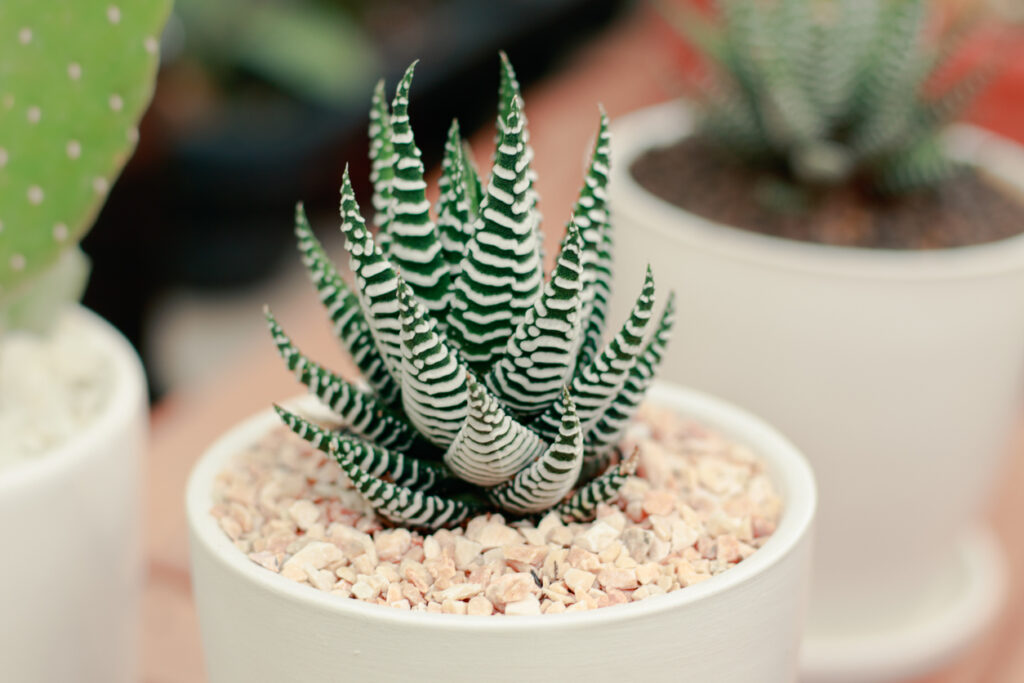
Zebra plants look like they should be easy because they’re compact, bold, and tidy. The striped leaves are gorgeous, and the yellow flowers can be genuinely stunning when they show up. The problem is that they’re another humidity-loving plant that doesn’t cope well with normal indoor air, especially in winter when heating dries everything out. They can drop leaves fast, go droopy, and generally look miserable unless conditions are just right.
They also get angry about watering routines. Too dry, and they collapse; too wet, and they rot, and the sweet spot can feel narrow and annoying. A lot of people find they’re constantly fiddling with it, moving it around, misting, checking the soil, worrying about it, then it still looks unhappy. For a plant that’s meant to be a nice little statement piece, it can end up being a lot of effort for something that never really relaxes into your home.