Most of us think of beaches as the cleanest places on earth, thanks to open skies, salt air, somewhere you can breathe properly. The uncomfortable truth is that some coastlines have become so polluted that swimming is regularly banned, warnings are posted, or locals simply avoid the water altogether. Pollution rarely arrives in one dramatic moment. It builds slowly through sewage leaks, plastic waste, industrial run-off, and poor infrastructure. As time goes on, that build-up turns a postcard setting into a health risk.
1. Kamilo Beach, Hawaii
Kamilo Beach gained global attention because of the sheer amount of plastic that washes ashore there. Ocean currents in the Pacific act like conveyor belts, delivering debris from across vast distances. Instead of smooth sand, parts of the beach have been layered with broken plastic fragments, fishing nets and tiny microplastics embedded into the shoreline. It isn’t a case of the occasional bottle drifting in. It is a constant incoming tide of waste.
Volunteers regularly organise large clean-up efforts, removing tonnes of debris at a time. The difficulty is that more plastic keeps arriving. The beach sits in a zone where ocean currents converge, so it becomes a resting place for floating rubbish. Visiting means witnessing the scale of the plastic problem up close, and in some areas the debris makes walking barefoot impossible.
2. Chowpatty Beach, Mumbai
Chowpatty Beach has long struggled with water contamination linked to sewage discharge and urban run-off. During monsoon season, heavy rainfall overwhelms drainage systems and carries waste directly into the sea. Bacteria levels can rise sharply after storms, prompting warnings about entering the water. What looks like a simple cloudy tide can actually carry significant health risks.
Clean-up drives are common, especially after festivals or heavy rains, but the root issue is tied to infrastructure pressure from a densely populated city. When waste management systems can’t keep pace with population growth, the coastline absorbs the impact. For many locals, the beach has become a place for evening walks and street food rather than swimming.
@onlytravel Kuta Beach Vlog March 2026 The beach is not looking nice #kutabeach #bali #balitrip #kuta #travelvlog ♬ original sound – onlytravel
3. Kuta Beach, Bali
Kuta is internationally famous, yet during certain times of year the shoreline can be covered in floating rubbish. Monsoon currents push plastic, food packaging and general debris onto the sand in large volumes. Tourists sometimes arrive expecting pristine views and instead find cleanup crews working constantly to manage the influx.
The problem is seasonal but persistent. Local authorities deploy heavy machinery and teams of workers to clear the waste each morning during peak pollution periods. Even so, the scale of plastic flowing through regional waterways means the issue keeps returning. Swimming can remain technically open, but the visible pollution deters many visitors.
4. Doheny State Beach, California
Doheny State Beach has faced repeated temporary closures due to elevated bacteria levels. After heavy rainfall, stormwater run-off can carry pollutants from streets and drainage systems into coastal waters. Ageing sewage infrastructure has also contributed to contamination events in the past. These spikes often trigger official health advisories.
The closures may only last days or weeks at a time, but repeated warnings shape how people view the beach. A coastline can look calm and clear while still testing unsafe. It highlights how pollution doesn’t always look dramatic. Sometimes the water appears normal, while bacteria levels quietly exceed safety limits.
5. Copacabana Beach, Rio de Janeiro
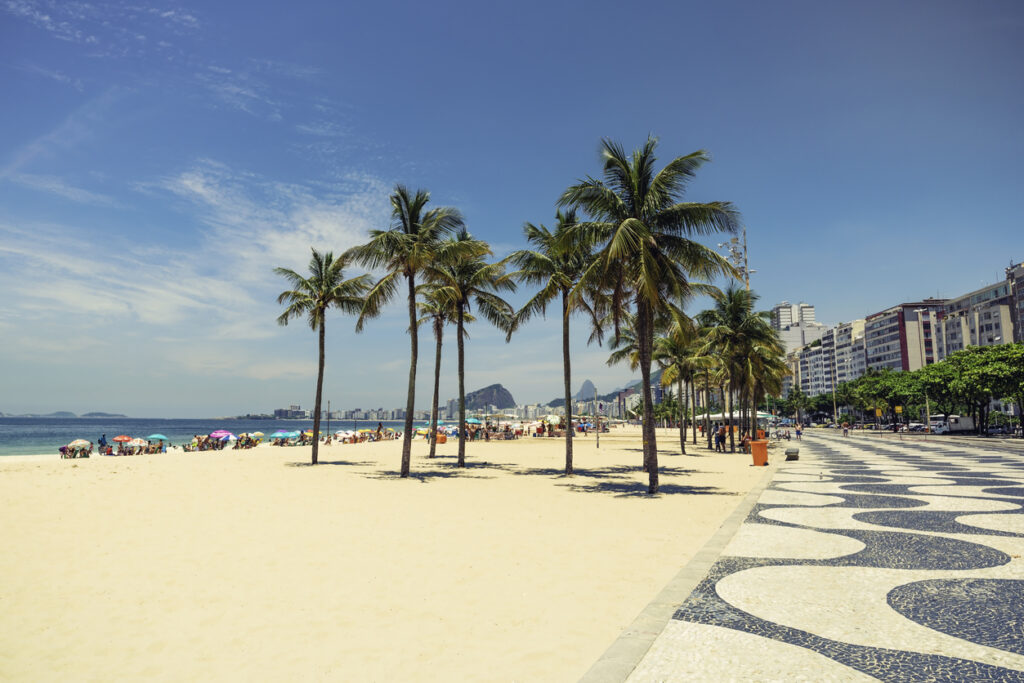
Copacabana is one of the world’s most recognisable beaches, yet it has periodically recorded high levels of bacteria due to untreated sewage entering coastal waters. Heavy rainfall and major events can strain waste systems, increasing the risk of contamination. Authorities sometimes issue swimming advisories when testing reveals unsafe conditions.
The beach remains open much of the time, but fluctuations in water quality mean visitors can’t always assume safety. Urban density and infrastructure gaps play a major role. When millions live close to a coastline, the sea often becomes the final outlet for waste unless strong systems are in place.
6. Juhu Beach, Mumbai
Juhu Beach regularly experiences visible plastic pollution along its shoreline. Waste carried through drainage channels flows into the sea and washes back onto the sand. During certain periods, authorities have warned against entering the water due to contamination concerns. The combination of plastic debris and questionable water quality changes how the beach is used.
Community volunteers frequently organise clean-up efforts, sometimes removing tonnes of rubbish in a single campaign. While these efforts improve conditions temporarily, long-term solutions depend on better upstream waste control. Without it, the cycle continues, and the coastline absorbs the overflow.
7. Haeundae Beach, Busan
Haeundae Beach is a major tourist hub, yet it has experienced episodes of marine pollution, including algal blooms and storm-driven waste inflow. After severe weather, debris can accumulate rapidly, and water quality sometimes dips below recommended standards. Temporary restrictions have been imposed during contamination events.
Urban coastlines face a balancing act between development and environmental protection. When run-off and coastal pressure increase, even well-maintained beaches can struggle. Haeundae shows how pollution isn’t limited to poorer regions. Infrastructure strain can affect high-profile destinations too.
8. Guanabara Bay, Rio de Janeiro
Guanabara Bay has been heavily impacted by industrial waste and untreated sewage for decades. Floating debris and high bacteria levels have raised serious concerns about public health and marine life. International attention has spotlighted the issue, but long-term clean-up has proved complex and expensive.
While parts of the bay remain active for boating and fishing, sections are widely regarded as unsafe for recreational swimming. Pollution here isn’t just cosmetic. It is systemic, linked to industrial discharge, population density and incomplete sewage treatment coverage.
@distant.elephantRio’s NASTY beaches
9. Versova Beach, Mumbai
Versova once became symbolic of plastic pollution after images showed mountains of rubbish piled along the sand. What had once been a typical urban beach transformed into a landfill-like shoreline. A sustained volunteer campaign removed thousands of tonnes of waste over several years, restoring much of its appearance.
The transformation was powerful, but it also revealed how quickly a beach can be overwhelmed. Plastic entering rivers and drains doesn’t just disappear; it often ends up at the coast. Versova’s recovery shows progress is possible, yet it also demonstrates how fragile that recovery can be without ongoing waste management reform.
10. Kamari Beach, Santorini
Kamari Beach, known for its dark volcanic sand, has faced contamination warnings following sewage leaks and stormwater discharge. Temporary swimming bans have been issued when water testing revealed elevated bacteria levels. Tourism pressure increases demand on infrastructure, and when systems fail, the sea reflects that failure immediately.
Although closures aren’t permanent, repeated advisories affect trust in water safety. Even short-term contamination events can reshape how locals and visitors use the coastline. It underlines a broader pattern. Popular destinations aren’t immune to environmental strain.