You’ve likely grown up with the idea that most wild animals are more scared of you than you’re of them, but there are a few exceptions that haven’t got that memo.
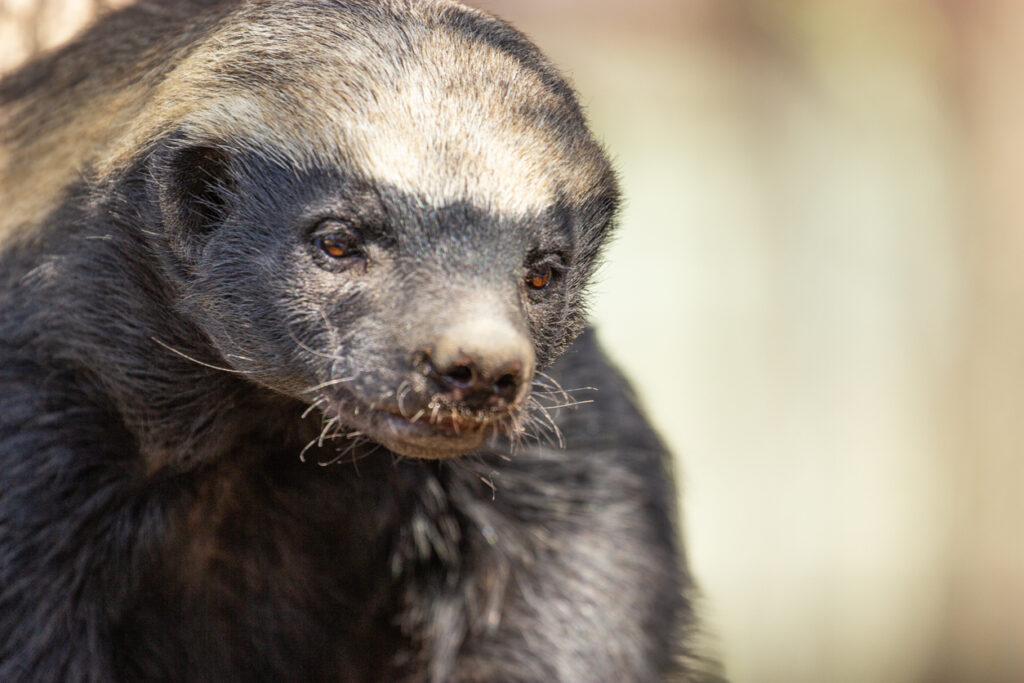
While most creatures will happily bolt the second they hear you coming, there’s a specific group that’ll see a perceived threat as an invitation to settle the score. It’s not necessarily about size or teeth, either; some of the most dangerous animals on the planet are the ones that look relatively harmless until they decide you’ve crossed a line. When these animals feel cornered, they don’t just defend themselves—they go on the offensive with a level of speed and aggression that’ll leave you with zero time to regret your life choices.
Honey badger
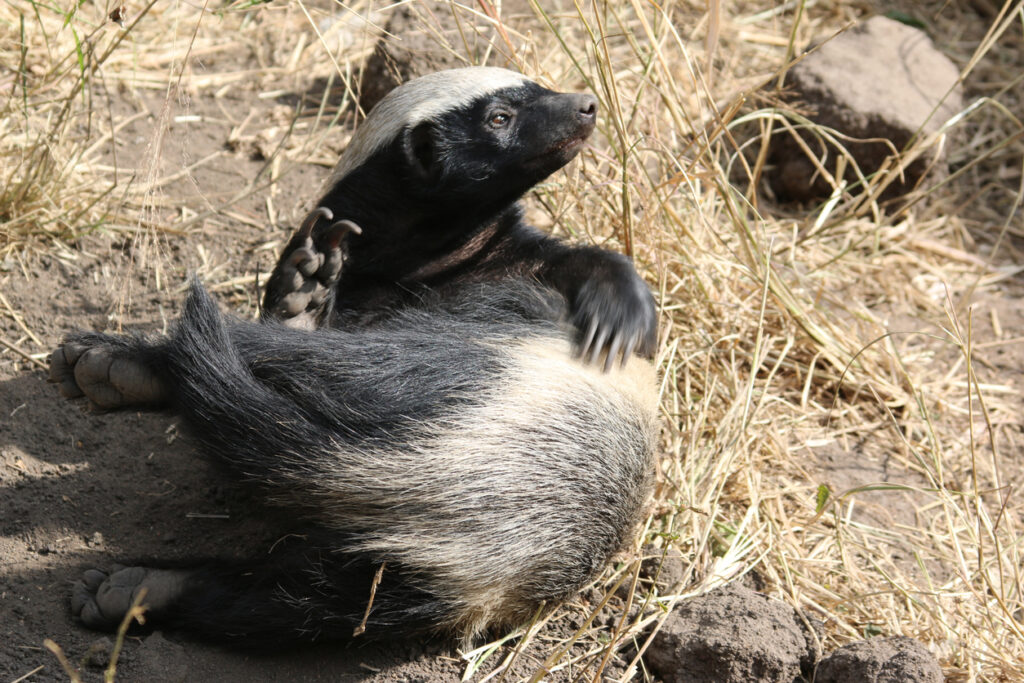
The honey badger has a reputation that wildlife researchers describe with something close to reluctant admiration. It has loose, incredibly tough skin that allows it to twist around inside its own hide to bite whatever is holding it, making it nearly impossible to get a grip on. It’s been documented surviving venomous snake bites, fighting off lions, and returning repeatedly to a threat it has no realistic chance of defeating simply because it refuses to retreat. Cornering one is not a problem that resolves quickly or cleanly, and even large predators have been observed giving them space after the first attempt.
Cape buffalo
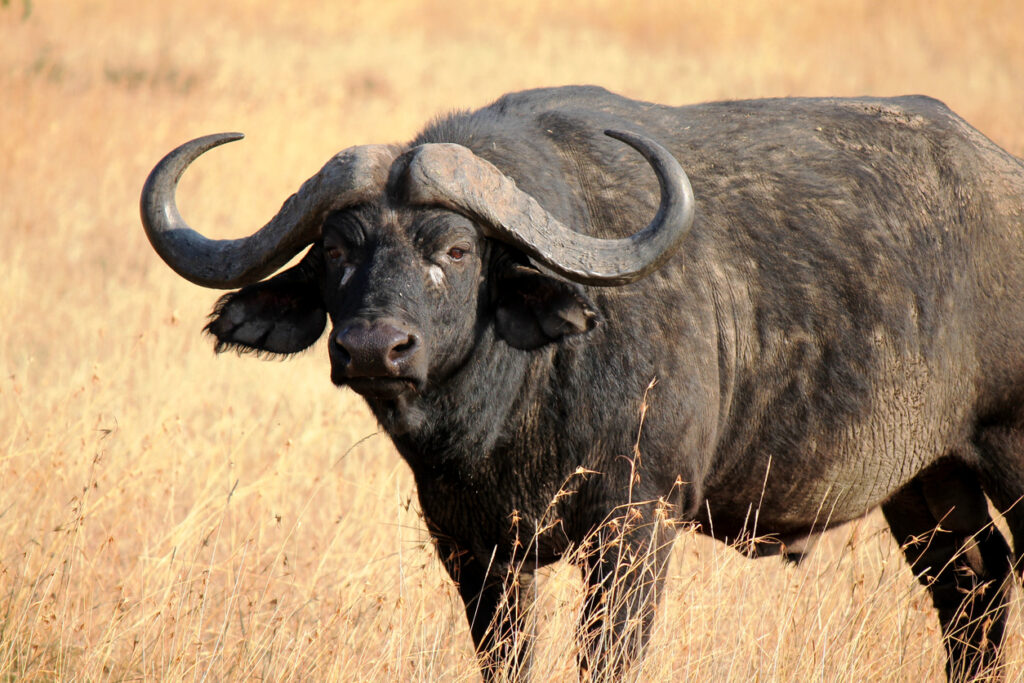
Cape buffalo are responsible for more human deaths in Africa than almost any other large animal, which surprises people who assume lions or hippos hold that distinction. They’re not aggressive by default, but a threatened or wounded buffalo becomes a different animal entirely. They’re known to circle back and ambush hunters who have wounded them, sometimes waiting hours before attacking from behind. A herd that perceives a threat responds collectively, and the combined force of a buffalo charge from multiple animals is something even large predators treat with extreme caution.
Cassowary

The cassowary is a large flightless bird native to the rainforests of northern Australia and New Guinea, and it has a reputation among wildlife researchers as one of the most dangerous birds alive. It can reach nearly two metres tall and has a dagger-like claw on each foot that can reach ten centimetres in length. When threatened, it can kick forward and down with enough force to cause serious injury, and it doesn’t typically give much warning before doing so. They’re generally reclusive, but encounter one on a forest path and behave in a way it finds threatening, and the situation escalates faster than most people are prepared for.
Wolverine
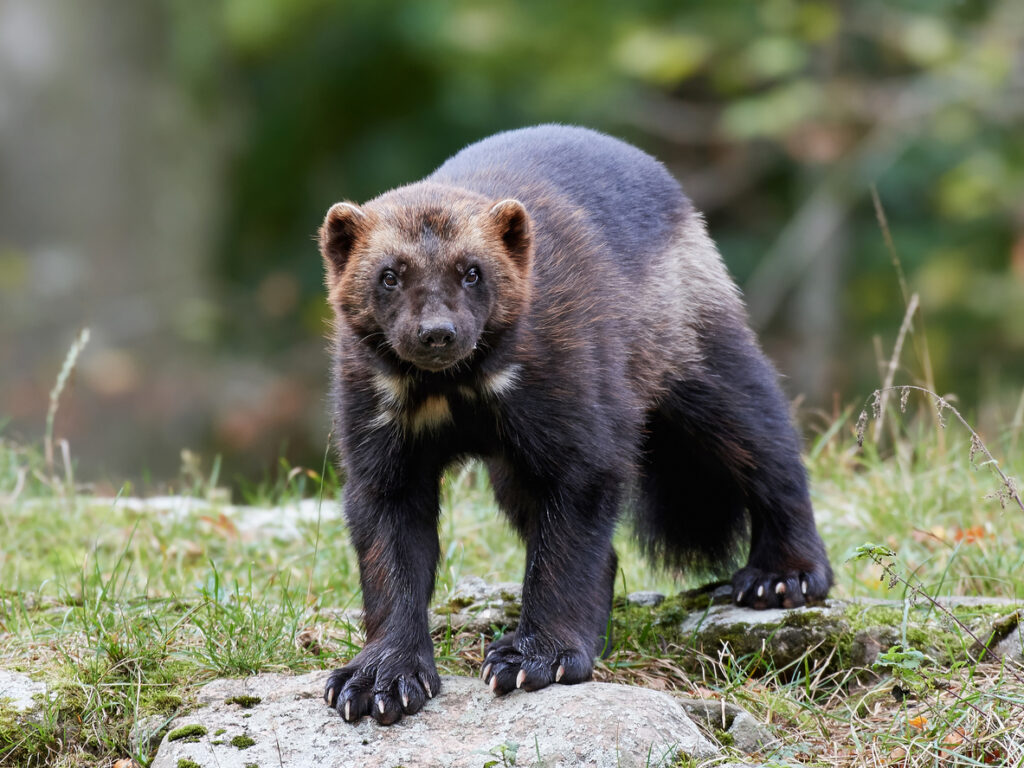
Wolverines are built like small bears but operate with an aggression that most animals three times their size don’t match. They’ve been documented driving wolves and even bears off kills, and they approach threats with a total-commitment style that makes size differential largely irrelevant. Their jaws are strong enough to crush frozen bone, and their constitution allows them to keep fighting through injuries that would stop most animals. They’re not naturally predatory toward humans, but a cornered or threatened wolverine is one of the more genuinely alarming wildlife encounters available in the northern hemisphere.
African elephant
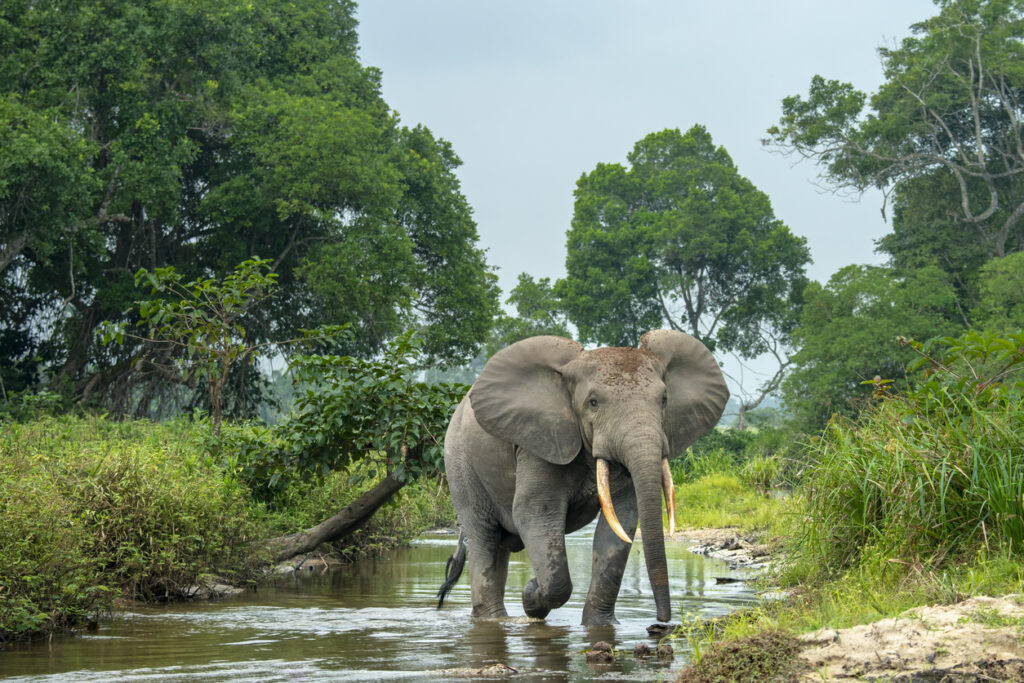
Elephants are highly intelligent, emotionally complex animals with long memories and strong social bonds, which means threatening one, particularly a mother near a calf or a bull in musth, carries consequences that pure size alone doesn’t capture. A charging elephant can reach speeds of around twenty-five kilometres per hour, which is faster than most people can run, and a mock charge and a real one can be very hard to distinguish in the moment. Elephants that have been harassed or harmed by humans in the past remember it, and their responses to perceived threats are shaped by that history in ways that make individual encounters unpredictable.
Slow loris

The slow loris is one of the only venomous primates in the world, which catches most people off guard because it looks almost comically cute. When threatened, it raises its arms above its head and licks venom from glands near its armpits, which it can deliver through a bite. The venom causes tissue death around the wound and has triggered anaphylactic shock in some cases. The illegal pet trade exploits their appearance while removing their teeth to prevent biting, which is both deeply cruel and genuinely dangerous given that a stressed animal finding another way to defend itself is entirely possible.
Platypus
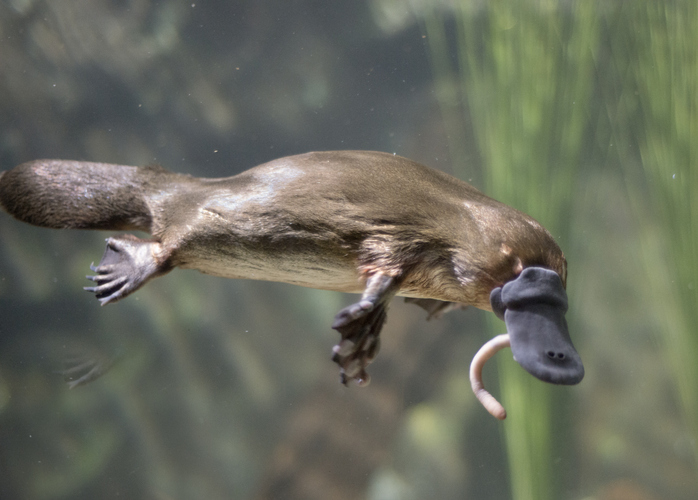
The platypus manages to be both one of the strangest and one of the more unexpectedly dangerous animals in Australia. Male platypuses have spurs on their hind legs that deliver venom strong enough to cause excruciating pain in humans, pain that has been described as worse than any other the people affected had experienced, including broken bones and other animal injuries. The pain is resistant to conventional painkillers and can last for weeks. It’s not fatal to humans, but picking one up without knowing this or assuming it’s harmless because it looks docile is a mistake that people make and regret considerably.
Puffer fish

A threatened puffer fish inflates into a near-spherical shape covered in spines that makes it almost impossible to swallow, but the more serious defence is internal. Puffer fish contain tetrodotoxin, one of the most potent neurotoxins found in nature, concentrated in the liver, ovaries, and skin. There is no antidote. In the right culinary hands, certain species are prepared as a delicacy, but the margin between a safe portion and a lethal one is narrow enough that licensed preparation is a legal requirement in Japan. Handling or eating a puffer fish without knowing exactly what you’re doing isn’t a risk that resolves in your favour.
Moose

Moose are significantly more dangerous than most people realise, partly because they don’t look threatening in the way a predator does. They’re enormous—bulls can weigh over 700 kilograms!—and they react to perceived threats with a speed and intensity that their bulk makes hard to anticipate. They’re responsible for more injuries in North America than bears, and a cow protecting a calf is particularly volatile. Dogs provoke them badly, which is relevant if you’re walking one in moose territory, and you’re not expecting the calf that’s just on the other side of the tree line.
Black mamba

The black mamba combines speed, aggression when cornered, and venom that is almost invariably fatal without immediate treatment in a way that puts it in a category of its own. It can move at around twenty kilometres per hour, which makes the idea of running from one largely theoretical, and a threatened mamba doesn’t simply hold its ground. In fact, it’s been observed moving toward a threat rather than away from it. A single bite delivers enough neurotoxin to kill a human within hours without antivenom, and in parts of its range where medical facilities are distant, encountering one in a defensive state is one of the more genuinely perilous wildlife situations on earth.
Most of these animals aren’t looking for a confrontation—they just want to be left alone. The ones that end up in dangerous encounters with humans are almost always reacting to being approached too closely, cornered, or harassed. The consistent lesson, across all of them, is that some animals have earned the right to a respectful amount of space.