The animal kingdom is full of creatures that make our human lifespans look like a quick weekend trip.
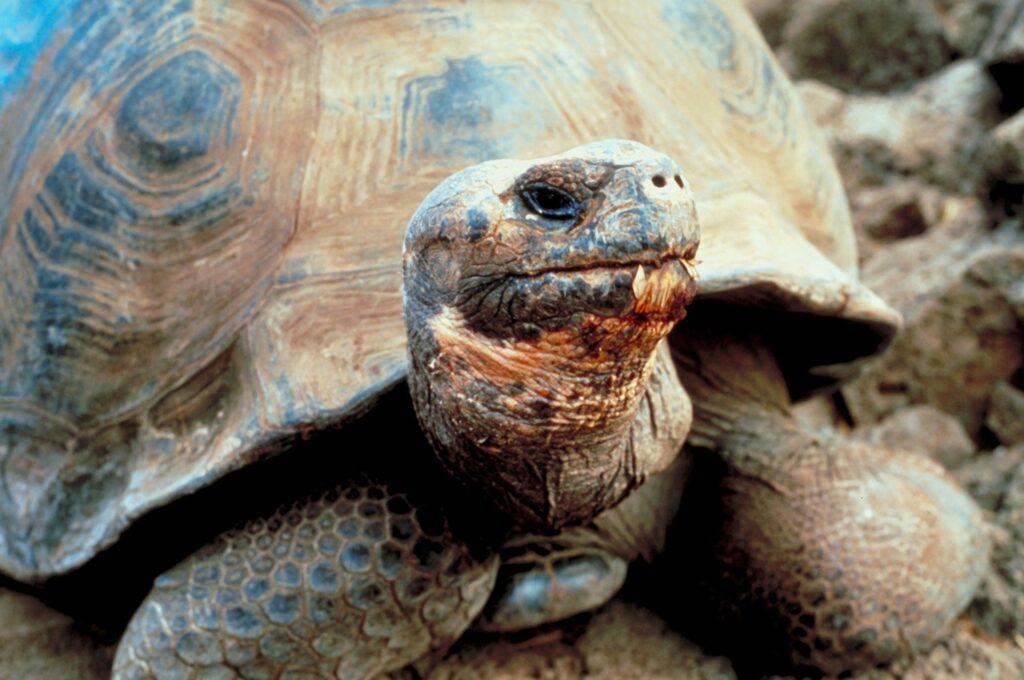
From tortoises that were alive when Napoleon was kicking about to jellyfish that have basically figured out how to cheat death, these long-lived legends put our skincare routines to shame. While no animal is truly immortal, some of these creatures get to hang around the planet so long, they might as well be.
1. Greenland sharks live for centuries without even trying.
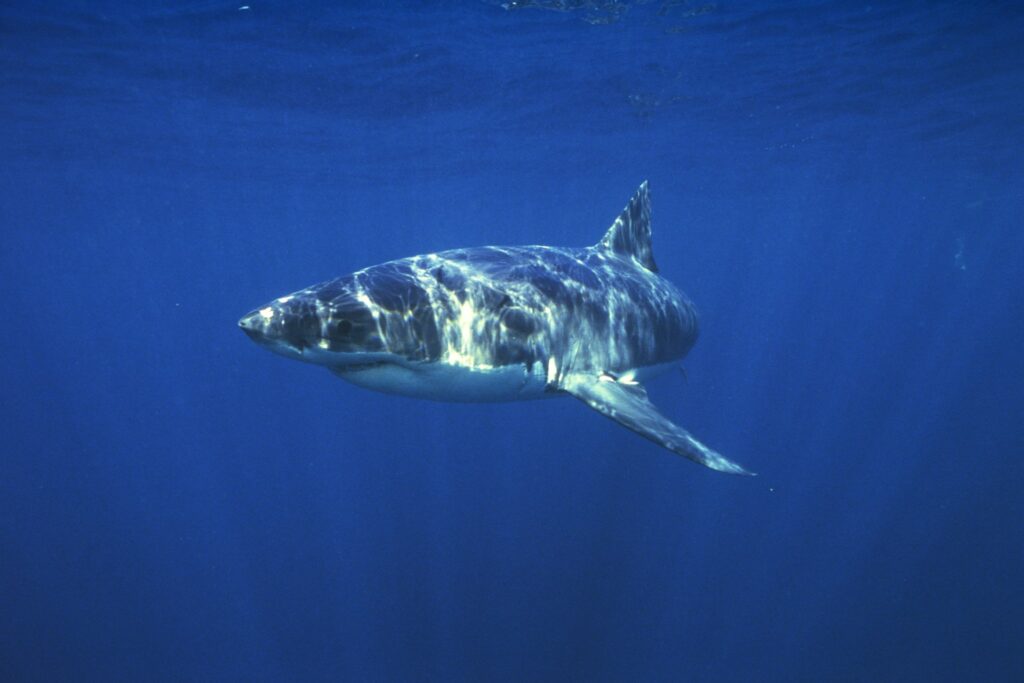
These massive Arctic sharks can live over 400 years, with some estimated to be around 500 years old. They don’t even reach sexual maturity until they’re 150 years old, which means some sharks swimming today were born before Shakespeare wrote Hamlet.
Their extremely slow metabolism and cold Arctic waters dramatically slow down all their biological processes. This natural refrigeration effect keeps their cells functioning efficiently for centuries, while most other animals burn out in decades.
2. Bowhead whales remember the Victorian era.
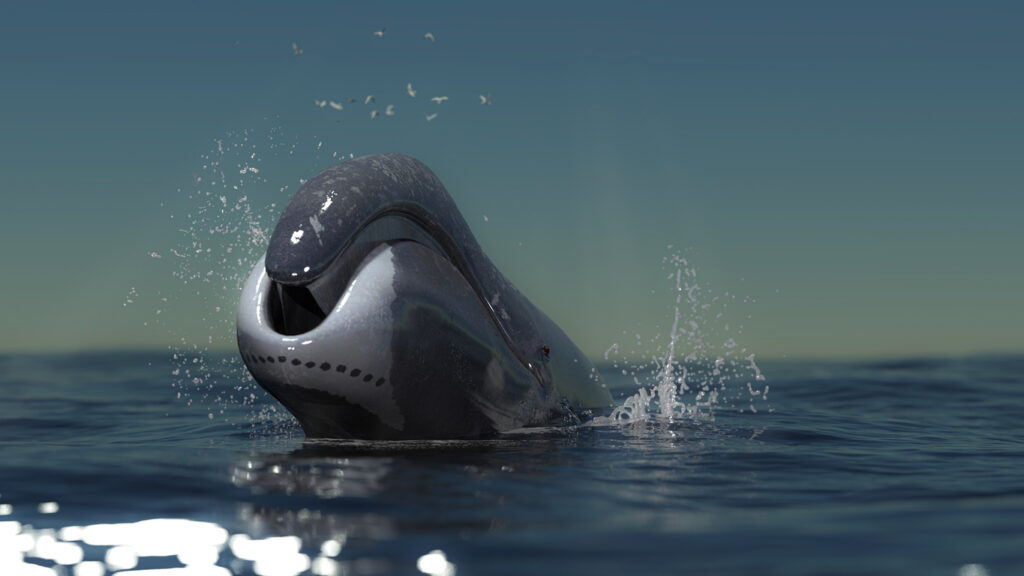
These Arctic whales can live over 200 years, and some individuals alive today might have been swimming when Queen Victoria was on the throne. Scientists discovered this when they found 19th-century harpoon tips still embedded in living whales.
Their longevity comes from incredibly efficient DNA repair mechanisms and living in freezing Arctic waters. They have enhanced genes that fix cellular damage and prevent cancer, allowing them to maintain healthy cells for over two centuries.
3. Giant tortoises outlive your great-great-grandparents.
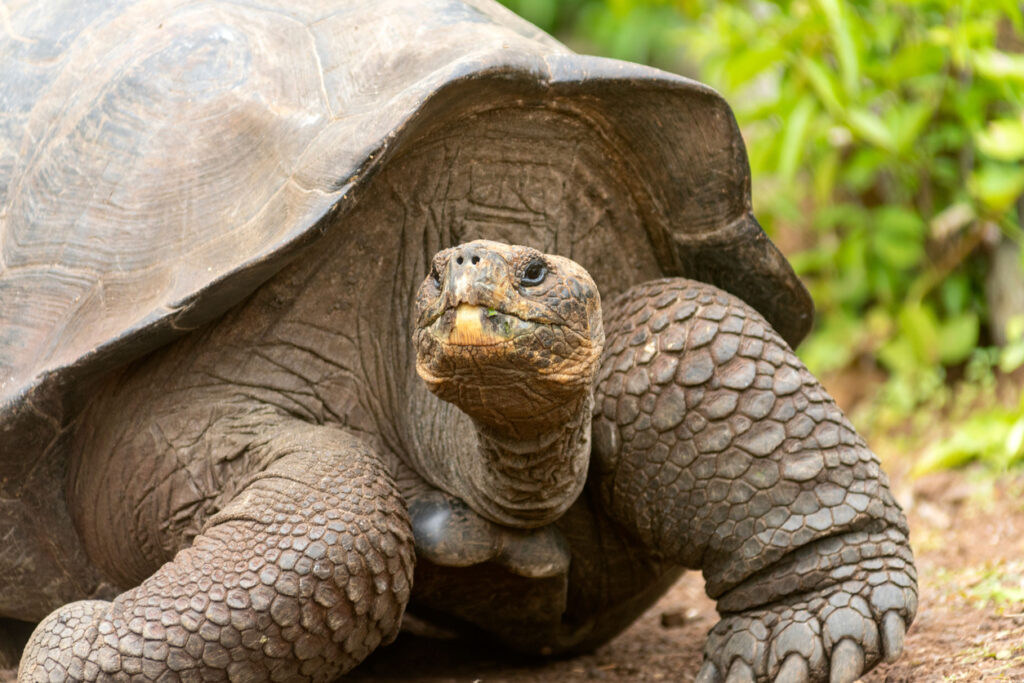
These massive tortoises regularly live past 150 years, with some individuals reaching over 200. Jonathan, a famous Seychelles giant tortoise, is currently 192 years old and has witnessed six British monarchs, two World Wars, and the invention of literally everything modern.
Giant tortoises have multiple copies of genes that fight cancer and ageing, plus their slow metabolism reduces cellular damage over time. They reach sexual maturity late and grow slowly, conserving energy that would otherwise accelerate ageing processes.
4. Immortal jellyfish have figured out how to age backwards.
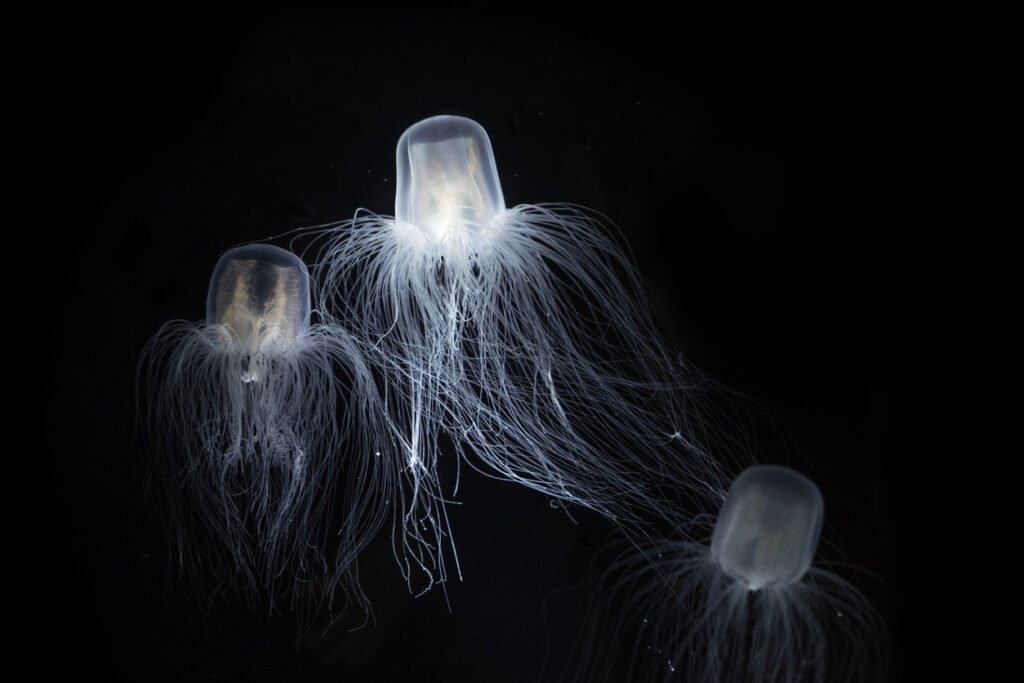
The immortal jellyfish can theoretically live forever by reversing its ageing process when stressed or injured. When things get tough, it transforms back into a juvenile and starts life over again through a process called transdifferentiation.
This tiny jellyfish can convert its adult cells into completely different cell types, essentially restarting its entire life cycle. Scientists have identified over 1,000 genes related to ageing and DNA repair, giving it double the genetic protection of normal jellyfish.
5. Glass sponges are older than human civilisation.

Deep-sea glass sponges can live up to 15,000 years, making some specimens older than agriculture, writing, and every human civilisation combined. The oldest ones were already ancient when the Egyptian pyramids were built.
These underwater ancients grow less than 1 cm per year in frigid waters that dramatically slow their cellular processes. Their silicon-based skeletons provide exceptional durability, and their filter-feeding lifestyle requires minimal energy expenditure.
6. Tardigrades are basically indestructible.

These microscopic “water bears” can survive temperatures from near absolute zero to over 300 °F, crushing pressures, and radiation thousands of times lethal to humans. They’ve survived direct exposure to space and can remain in a death-like state for decades before springing back to life.
Their superpower is cryptobiosis: they can lose 98% of their body water and reduce metabolism to almost nothing. Scientists have discovered their “damage suppressor” protein actually increases radiation tolerance in human cells by 40% when introduced in laboratory studies.
7. Queen ants live hundreds of times longer than their workers.

While worker ants live just weeks or months, queen ants can live 100–500 times longer, with the record holder reaching 28 years. This happens despite queens and workers being genetically identical, making it one of biology’s most extreme longevity differences.
Queens produce specific anti-ageing proteins that block cellular ageing, while their ovaries create compounds that suppress ageing-related insulin pathways. They have significantly higher expression of DNA and protein repair genes compared to their identical worker sisters.
8. Tuataras became fathers at 111 years old.

Henry the tuatara became globally famous when he became a father at 111 after cancer surgery restored his libido. These “living fossils” from New Zealand can live up to 200 years and are the sole survivors of an ancient reptile order from 240 million years ago.
They achieve longevity through staying active at surprisingly low temperatures and having extremely slow growth rates. Their late sexual maturity and energy conservation strategy trades rapid reproduction for extreme longevity in harsh environments.
9. Naked mole rats are wrinkly anti-ageing marvels.
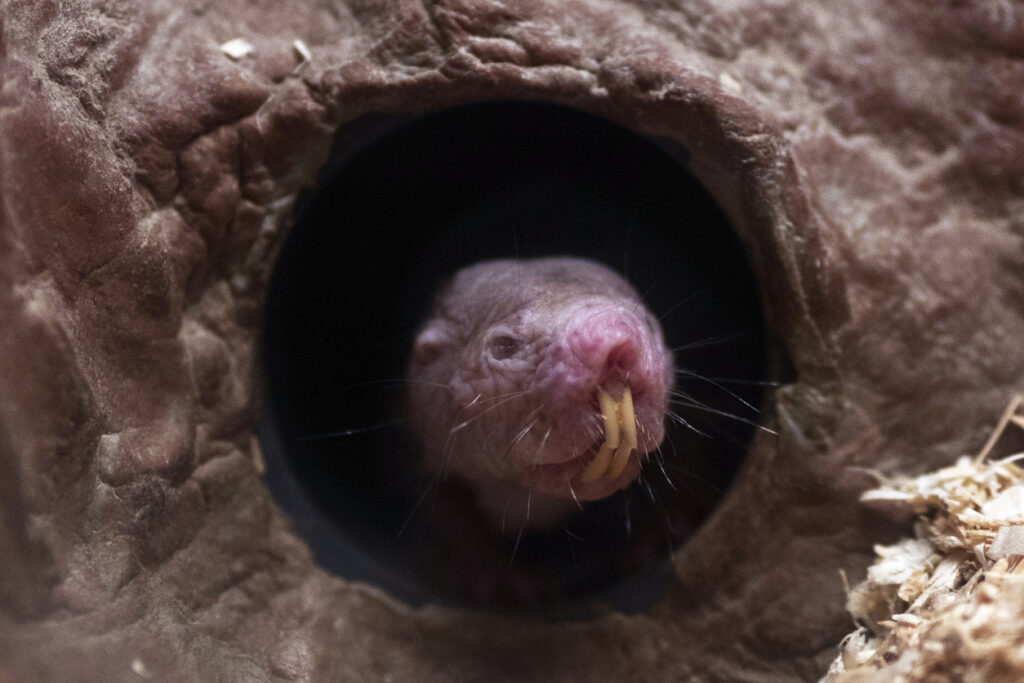
Despite their unusual appearance, naked mole rats live 10 times longer than similar sized mice, which is up to 37 years. They’ve evolved extraordinary anti-ageing mechanisms that scientists are desperately trying to replicate in humans.
Their cells produce high molecular weight hyaluronic acid that acts as a powerful anti-inflammatory and cancer-protective agent. Recent studies successfully transferred naked mole rat longevity genes into mice, extending their lifespan by 4.4% and dramatically reducing cancer rates.
10. Ancient creatures wake up after millennia.

Scientists recently revived microscopic animals from 24,000-year-old Siberian permafrost. Incredibly, these creatures had been frozen since before human civilisation began. Even more incredibly, researchers awakened nematodes that survived 46,000 years in ice.
These organisms achieve near immortality through cryptobiosis—time spent frozen doesn’t count toward ageing because their biological processes completely stop. They can repair completely shattered DNA when they thaw out, essentially resetting their cellular damage to zero.