We tend to think of ancient woods as untouched wilderness, but many of the UK’s oldest woodlands have long, tangled histories involving kings, commoners, battles, and boundary lines.
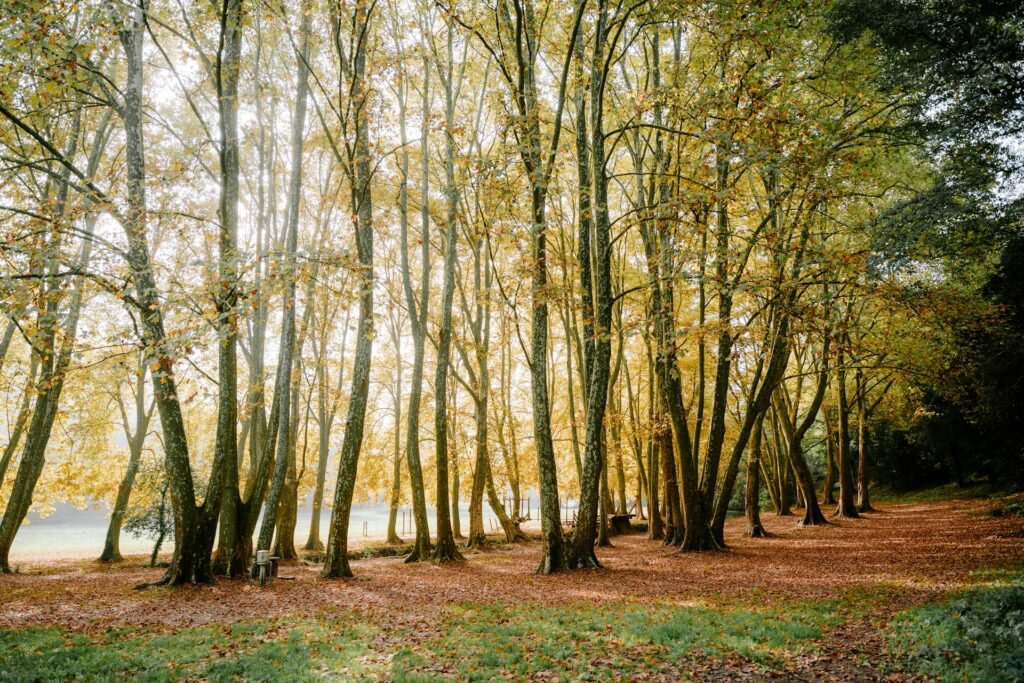
Some are so old they were recorded in the Domesday Book of 1086, while others have simply existed so long they’re considered “ancient woodland” by today’s standards. These woods have outlived monarchs, survived wars, and kept growing as the world changed around them. Here are some of the UK’s most remarkable old woodlands, and why they’re still worth visiting today.
1. Savernake Forest, Wiltshire
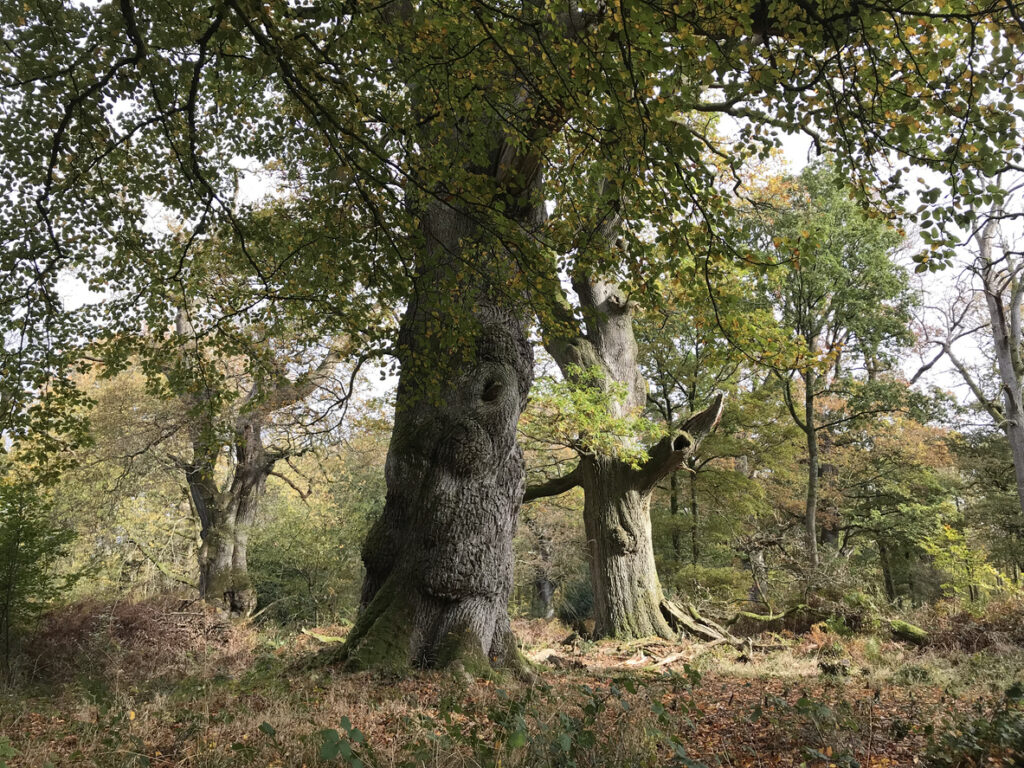
Savernake is one of the few privately owned forests in the UK that still allows public access, and it’s been around for more than a thousand years. It was even mentioned in the Domesday Book, with ties to royal hunting parties and historic estates.
What makes Savernake unique is its stunning collection of ancient trees, some over 1,000 years old, including twisted oaks and massive beeches. Walking through it feels like stepping into another century, especially in the misty months when the forest gets that otherworldly atmosphere.
2. Epping Forest, Essex/London
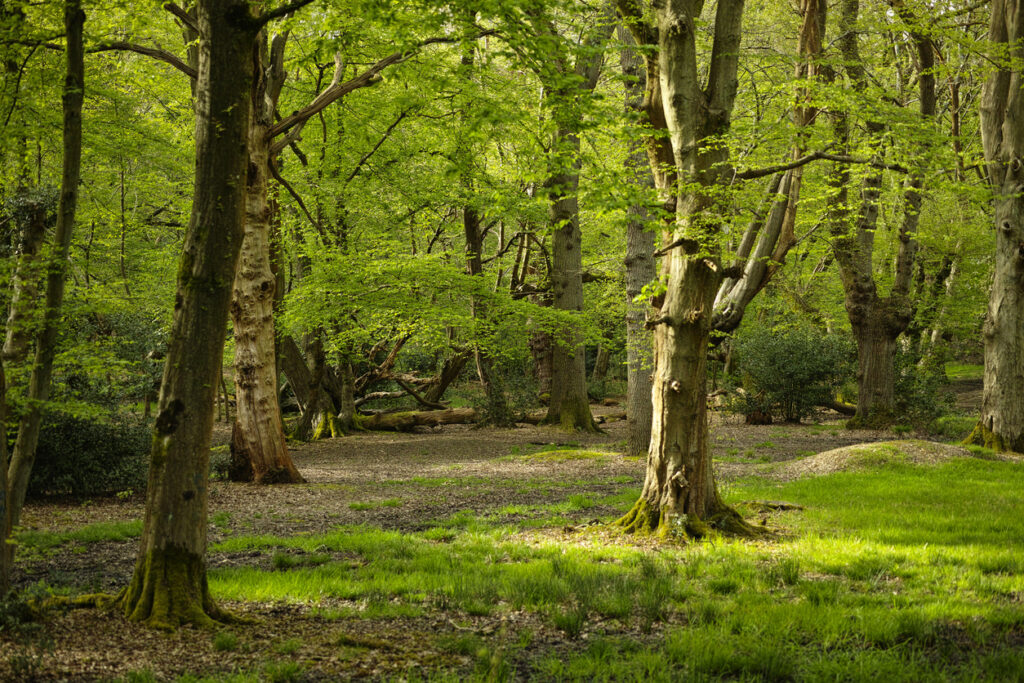
Also mentioned in the Domesday Book, Epping Forest straddles the boundary between city and countryside. Once a royal hunting ground, it’s now a protected green space that stretches across northeast London and Essex.
Epping is known for its gnarled, pollarded trees, many hundreds of years old, and a rich mix of habitats. You’ll find deer, fungi, old oaks, and even bits of Roman road. Despite its age and history, it’s still buzzing with dog walkers, cyclists, and curious day-trippers.
3. Hatfield Forest, Essex
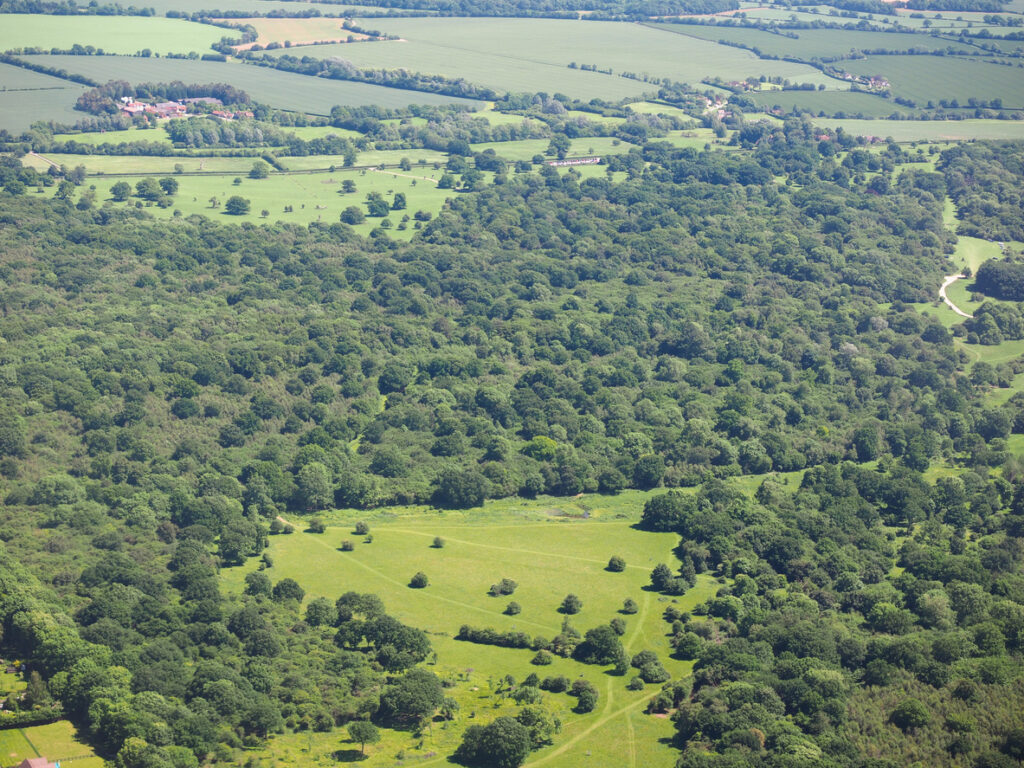
This is one of the best surviving examples of a medieval royal hunting forest, and unlike many other ancient woods, it’s been managed continuously for over 1,000 years. It’s another Domesday Book entry that still feels deeply historical today.
Hatfield has a rare mix of woodland and open glades known as “wood-pasture,” plus a lake and medieval earthworks. The way light filters through the old hornbeams and coppiced trees gives it a gentle, enchanted kind of atmosphere, especially in spring and autumn.
4. Sherwood Forest, Nottinghamshire
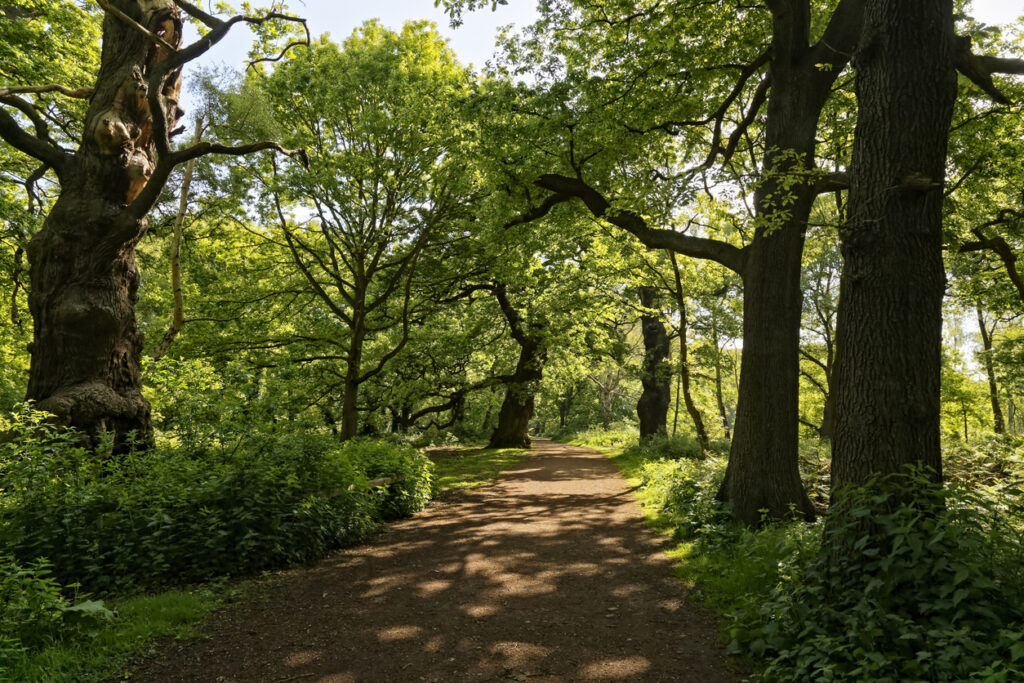
Everyone knows Sherwood for its Robin Hood legends, but it also has solid historical roots, dating back to at least 958 AD and appearing in the Domesday Book as “Sciryuda.” That name literally meant “shire wood,” and parts of it have remained forested ever since.
The Major Oak, believed to be up to 1,000 years old, is the star attraction. But there are hundreds of ancient oaks, plus heathland and birch groves to wander through. Even with the tourist attention, the forest still has quieter spots where you can feel the centuries under your feet.
5. Alice Holt Forest, Hampshire
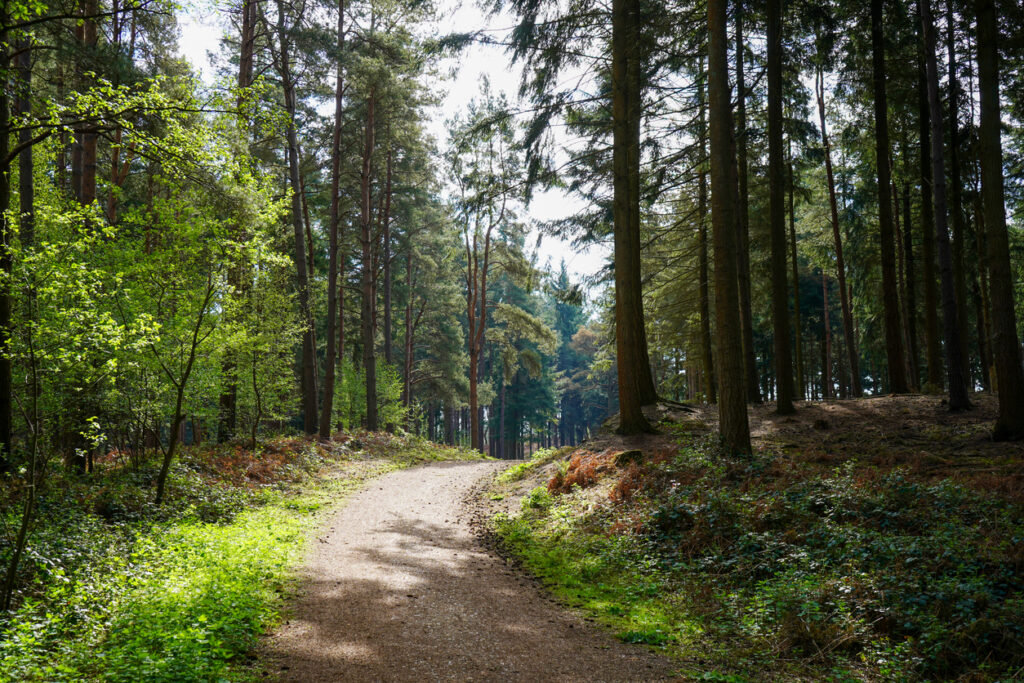
Alice Holt was once a major supplier of oak timber for the Royal Navy. It doesn’t always get the attention of other old woods, but it’s been around since at least Saxon times and was recorded in, you guessed it, the Domesday Book.
Today, it’s a managed woodland with family trails and cycling paths, but if you wander off the main tracks, there are sections where time feels like it’s paused. The ancient woodland soils here have supported trees and wildlife for centuries, and it still shows in the diversity.
6. Burnham Beeches, Buckinghamshire

This beautiful patch of beech and oak woodland has been around since at least the 12th century and is designated as ancient woodland. It wasn’t in the Domesday Book, but it’s old enough to feel like it should’ve been.
It’s been used as a filming location for everything from Harry Potter to Robin Hood, thanks to its sweeping roots and mossy, twisted trees. Despite its cinematic fame, it remains a peaceful spot, rich with fungi, bats, and centuries of careful management.
7. Wistman’s Wood, Dartmoor
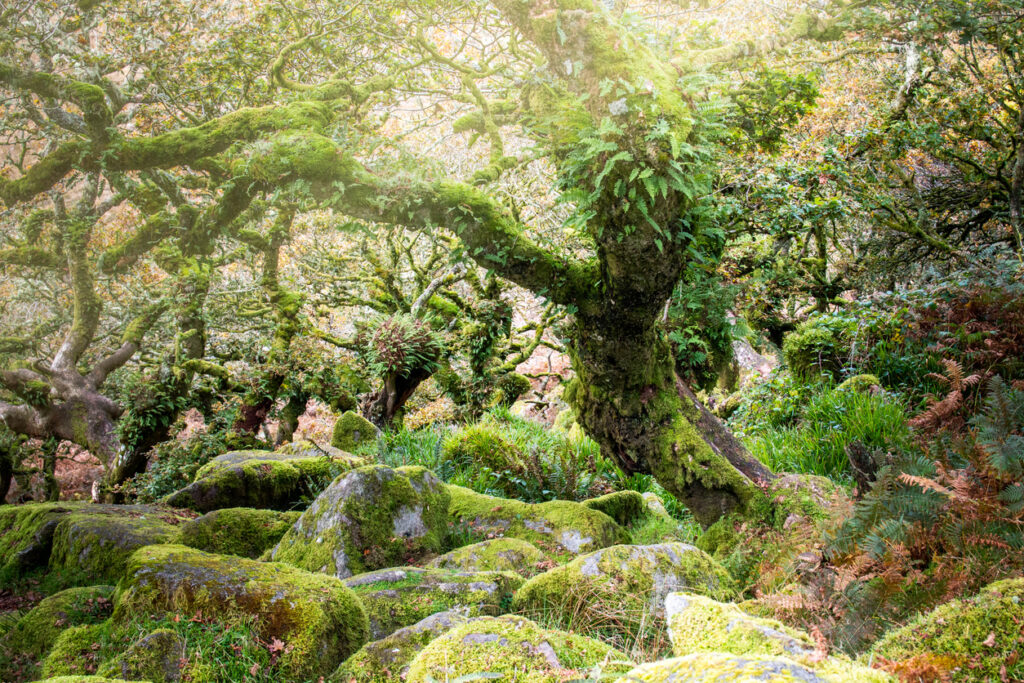
Wistman’s Wood feels prehistoric. It’s not in the Domesday Book, likely because of its remote location, but it’s often considered one of the few surviving fragments of the original Dartmoor forest. It’s wild, mossy, and filled with granite boulders and stunted oaks.
Some of the trees here are thought to be several hundred years old, though the woodland itself could trace back thousands of years. Because of its eerie beauty and untouched feel, it’s often linked to local myths and legends, even today, it feels like a place out of time.
8. Glen Finglas, Scotland
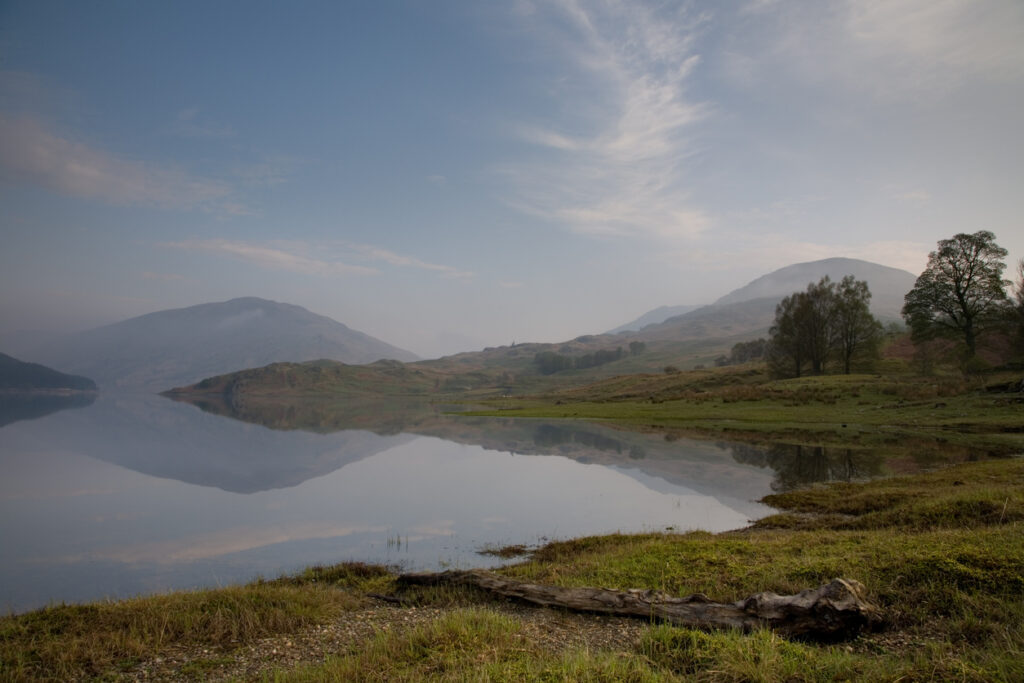
While the Domesday Book didn’t cover Scotland, Glen Finglas in the Trossachs is one of the country’s oldest wooded landscapes. It’s been shaped by centuries of grazing, farming, and forest regrowth, and is now home to one of the most ambitious rewilding efforts in the UK.
The area blends ancient woodland with newer native tree planting and winding moorland paths. Red deer, pine martens, and otters call it home, and the landscape tells a story that stretches back to medieval clans and Celtic legends.
9. Ashridge Estate, Hertfordshire
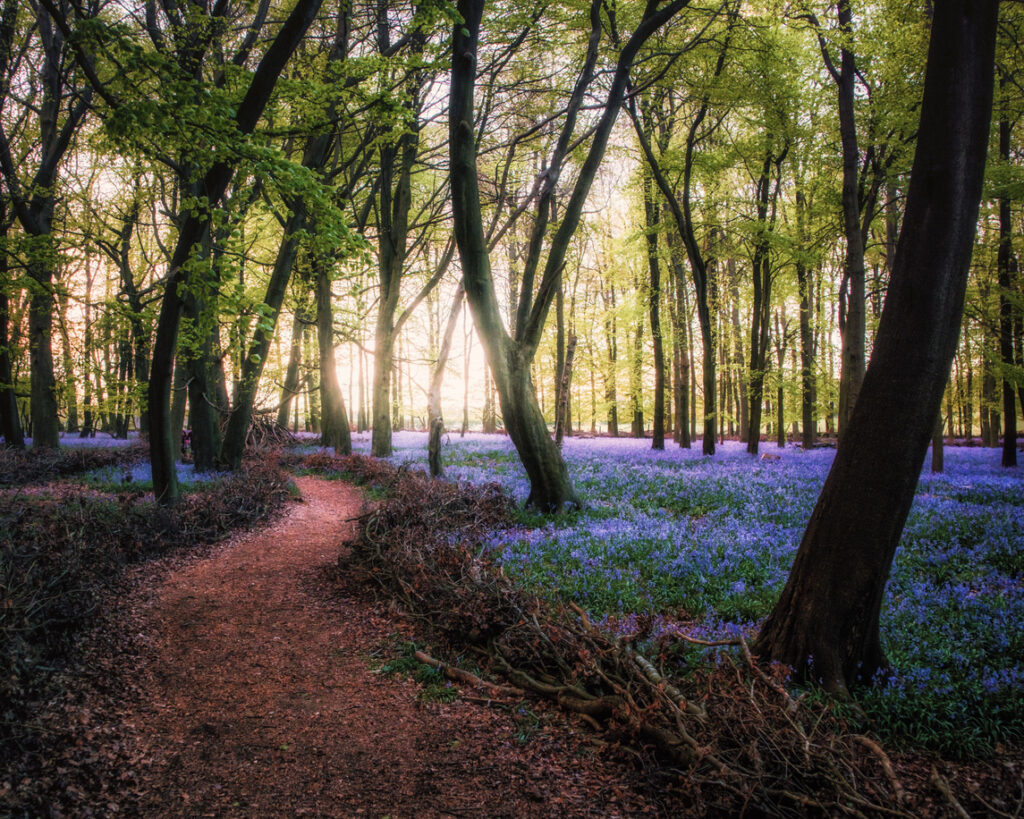
Parts of Ashridge were recorded in the Domesday Book, and over the centuries it’s passed through the hands of monks, royals, and wealthy estates. The ancient trees here, especially the pollarded beeches, are living relics of medieval woodland management.
The estate today is popular for bluebell walks and autumn colour, but the deeper parts of the forest still hold that hushed, timeless feeling. It’s a brilliant mix of open parkland, winding trails, and secret-feeling glades where history feels thick in the air.
10. The New Forest, Hampshire
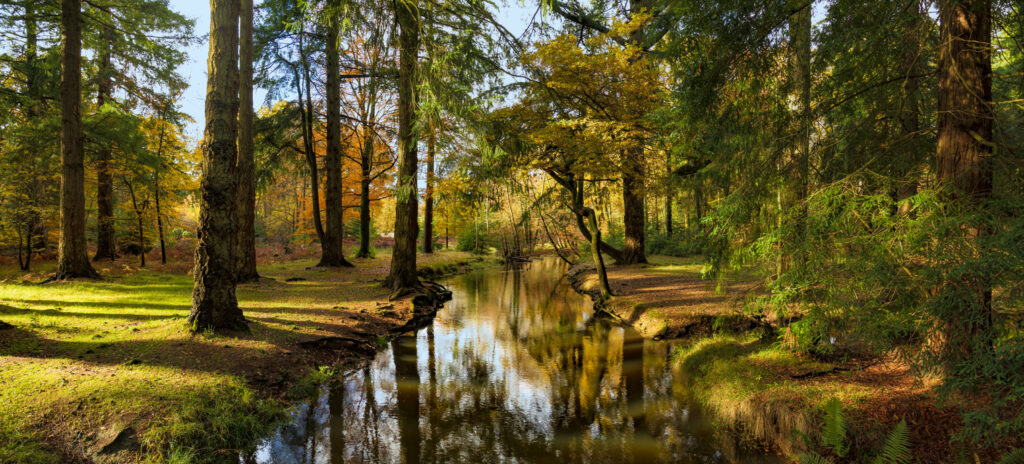
Technically “new” because William the Conqueror named it that in 1079, but the woodland itself was already ancient. It was used for royal hunting and was officially recorded just seven years later in the Domesday Book.
The New Forest is now a National Park, but many of its woodlands remain unchanged in layout for centuries. Old oaks, holly, and beech trees mingle with heathland and roaming ponies. It’s one of the best places in the UK to experience living history through the landscape itself.
11. Dean Forest, Gloucestershire

Another Domesday forest, the Forest of Dean has a long and complex history tied to coal mining, ironworks, and even Roman settlements. The ancient woodland portions have been continuously forested since at least 1066.
You’ll find everything from mighty oaks to tucked-away ruins as you walk through. Wild boar have returned here in recent years, adding to the old-world feel. It’s a place where human history and deep-rooted nature intertwine around every corner.
12. Duncliffe Wood, Dorset
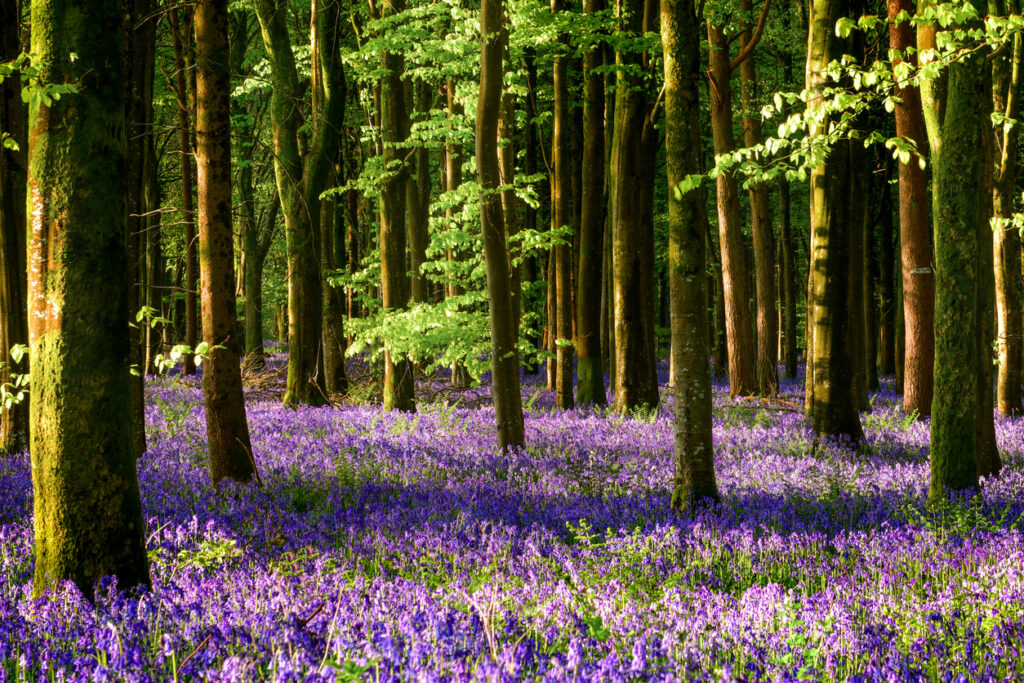
Duncliffe is one of the largest remaining pockets of ancient woodland in Dorset and is believed to date back over 1,000 years. While it wasn’t directly named in the Domesday Book, it sits in a region where several nearby woods were listed.
Now managed by the Woodland Trust, it has a fantastic mix of native trees, including small-leaved lime and old hazels, plus carpets of bluebells in spring. It’s a quieter, lesser-known woodland that offers a glimpse into what ancient Dorset forests might have looked like centuries ago.