Foraging can feel like a wholesome, harmless activity, but in Britain not everything is fair game.
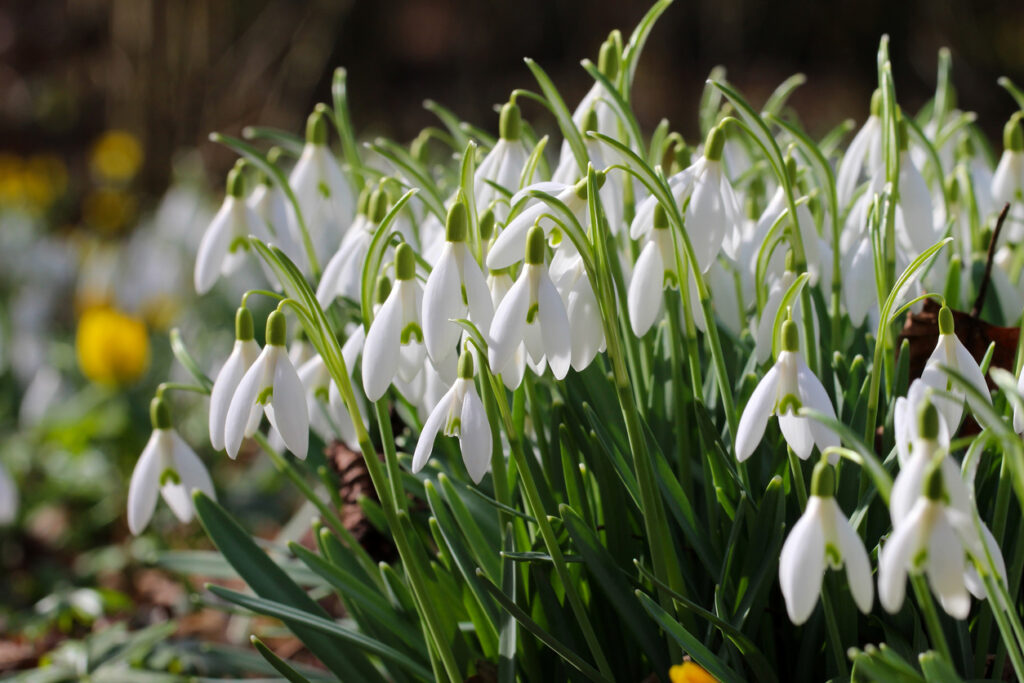
It sounds ridiculous, but you can’t just go around picking anything that looks good to you, even if it’s on public land and doesn’t belong to anyone in particular. As it turns out, some wild plants are legally protected because of their rarity or ecological importance. Here are the plants you could be breaking the law by picking.
1. Bluebells
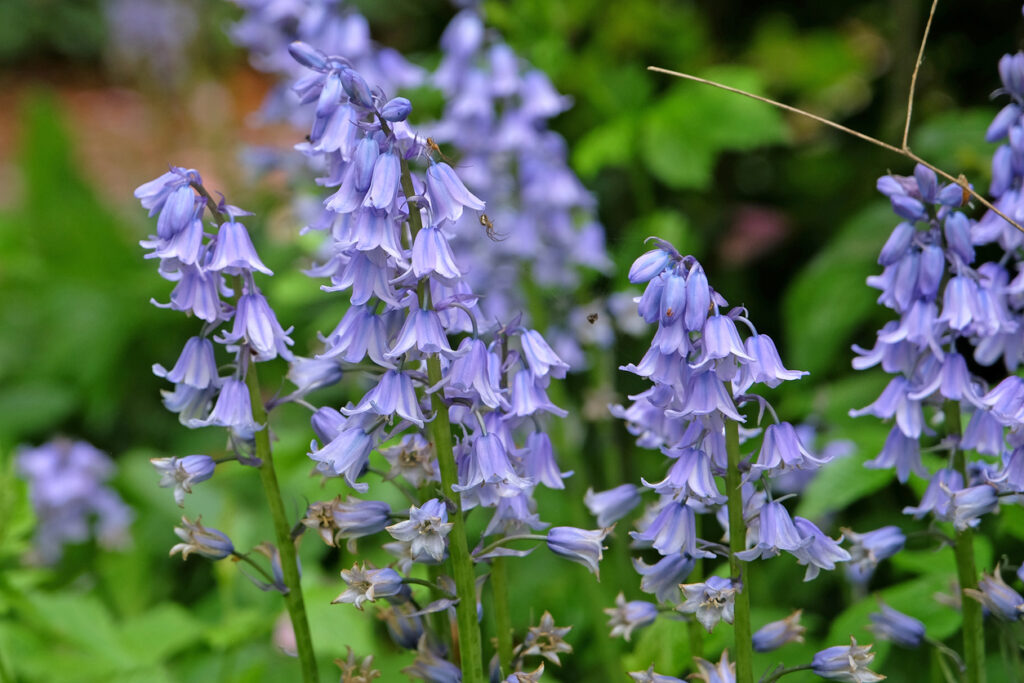
English bluebells carpet woodlands each spring with their distinctive purple haze. They’re one of Britain’s most iconic wildflowers, but picking them is illegal because they’re protected under the Wildlife and Countryside Act.
They take years to recover once disturbed. Uprooting or collecting bulbs damages entire colonies, which is why even moving them from one site to another without permission is against the law.
2. Snowdrops
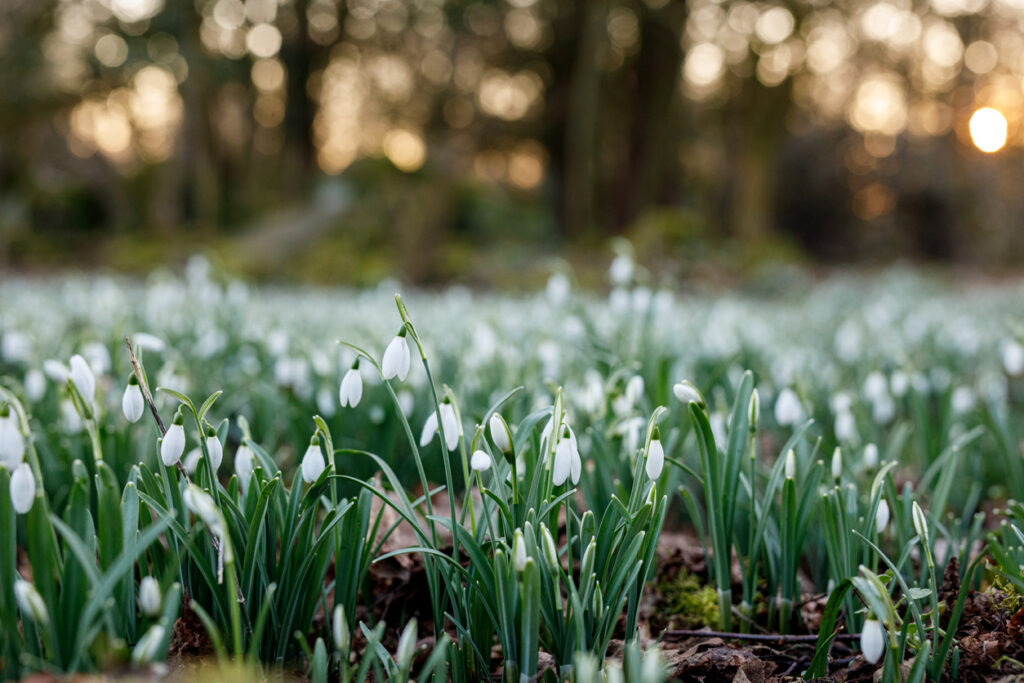
Snowdrops are often associated with the first sign of spring, but in the wild, they’re protected. Collecting bulbs for sale or personal use without landowner consent is considered an offence.
The law exists to prevent overharvesting. What looks like a small handful of bulbs can quickly strip an area bare, weakening natural populations that need to regenerate in peace.
3. Wild daffodils
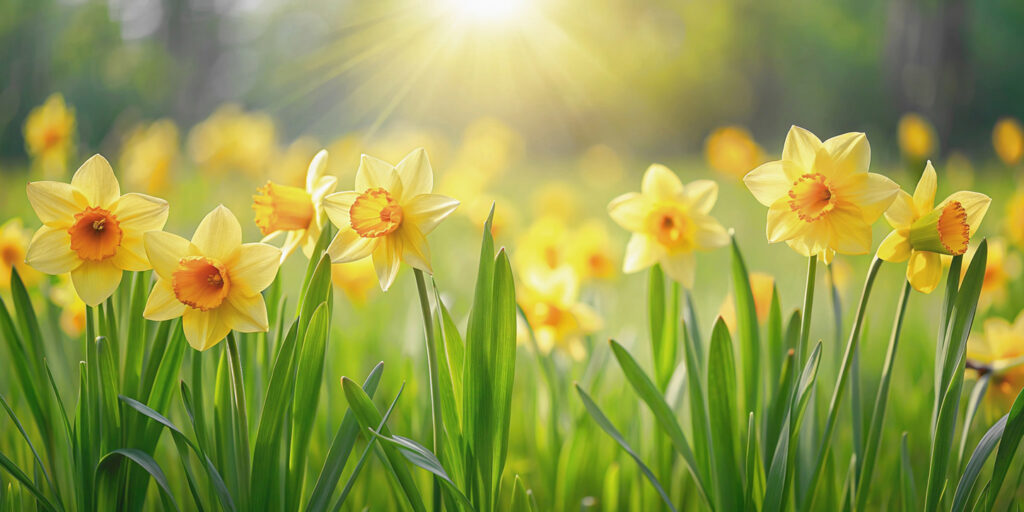
Unlike cultivated varieties, wild daffodils are legally safeguarded. These smaller, delicate flowers often grow in ancient woodlands and meadows, making them particularly vulnerable to careless picking.
Taking bulbs or flowers damages fragile habitats. They’re now much rarer than in the past, so protections ensure they remain part of Britain’s spring landscape for future generations.
4. Lily of the valley
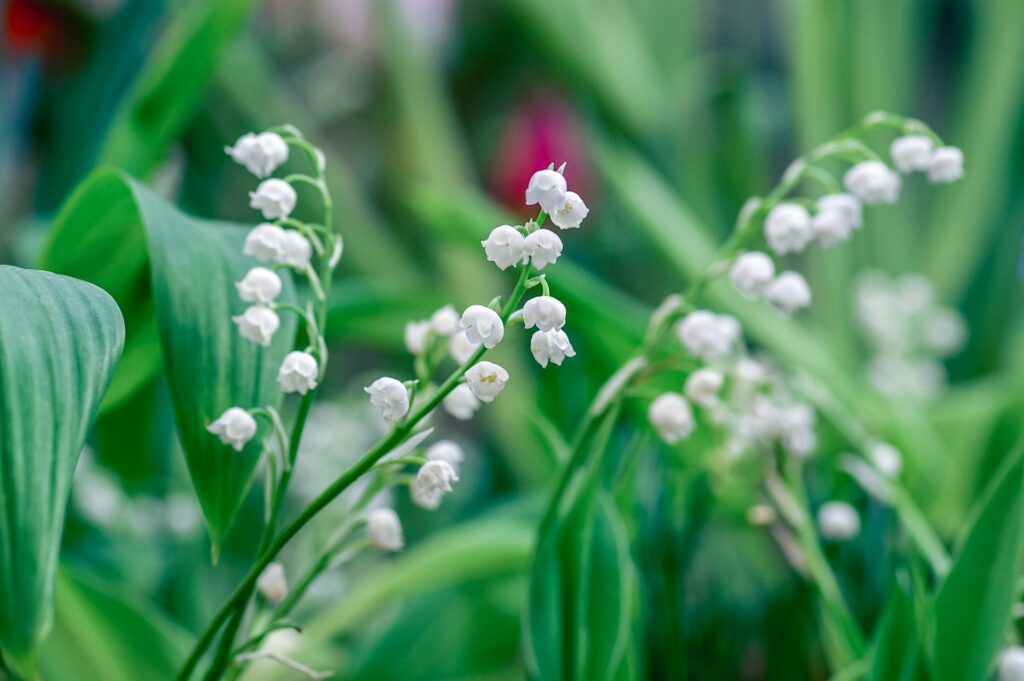
Though sometimes grown in gardens, lily of the valley is a protected species in the wild. Its sweetly scented white flowers have long been valued, but collecting them is prohibited.
The main reason is rarity. Wild populations are limited and easily disturbed, so removing plants for personal gardens or bouquets directly threatens their survival in natural settings.
5. Wild orchids
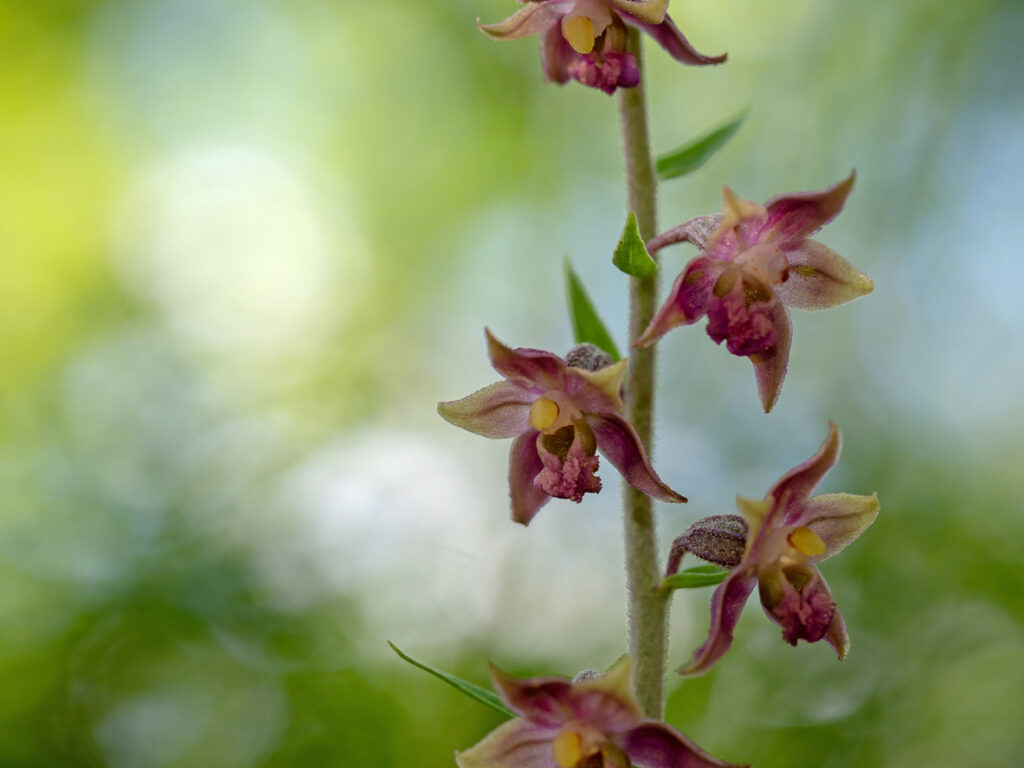
Britain is home to many wild orchid species, including the bee orchid and the early purple orchid. All are strictly protected, making it illegal to uproot or damage them in the wild.
They rely on very specific growing conditions and often take years to flower. Once disturbed, whole colonies can collapse, which is why legal protection is so strong for this group.
6. Pasqueflower
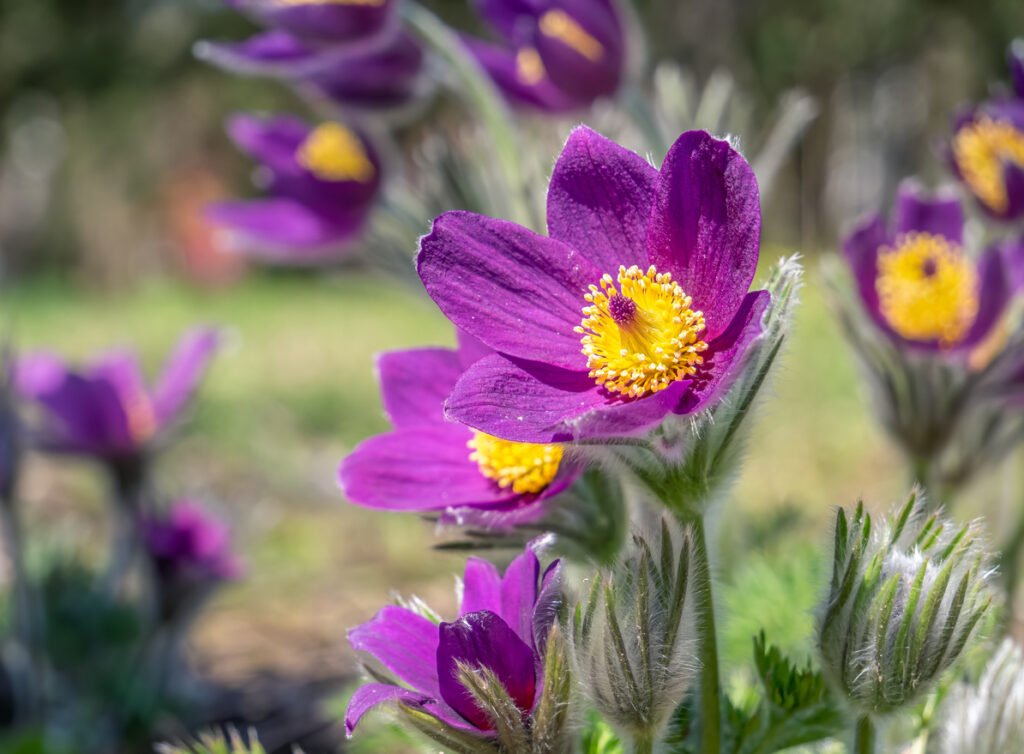
The pasqueflower is a rare purple bloom found mainly on chalk grassland. It’s one of Britain’s most threatened wild plants, making any attempt to pick or dig it up against the law.
Even light disturbance damages populations. Conservation groups carefully monitor remaining sites, and legal safeguards are designed to give this fragile flower its best chance of long-term survival.
7. Cornflower
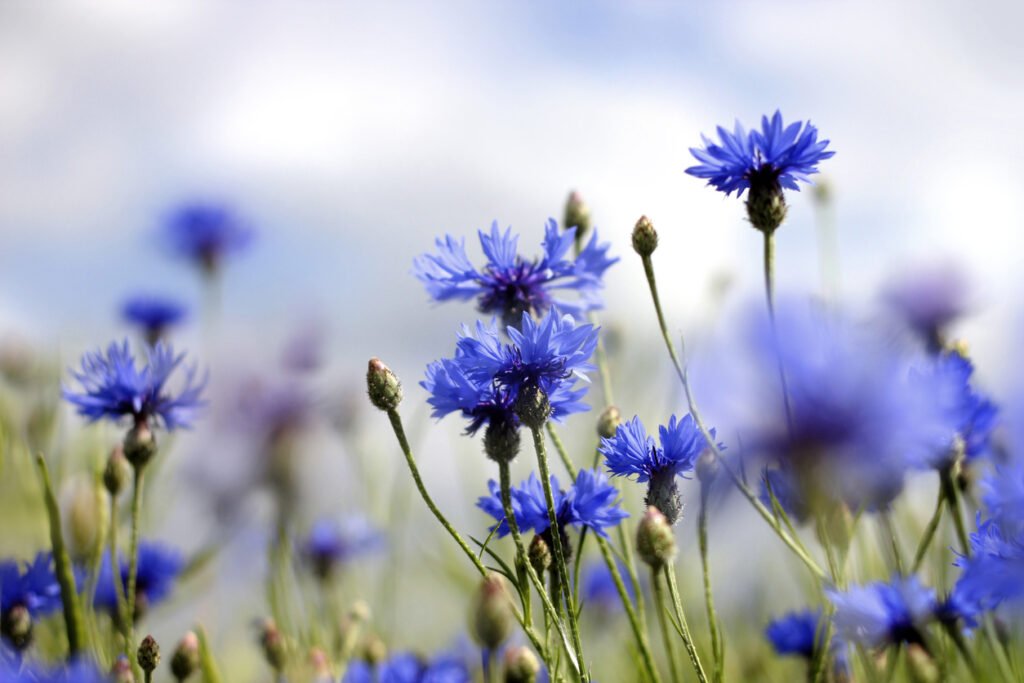
Once a common sight in cornfields, the wild cornflower is now a protected species due to its steep decline. Its striking blue petals make it tempting to pick, but taking it from the wild is prohibited.
Modern agriculture has all but erased it from fields. Where it does remain, protection is crucial to prevent further losses and keep this colourful plant from vanishing completely.
8. Sundews
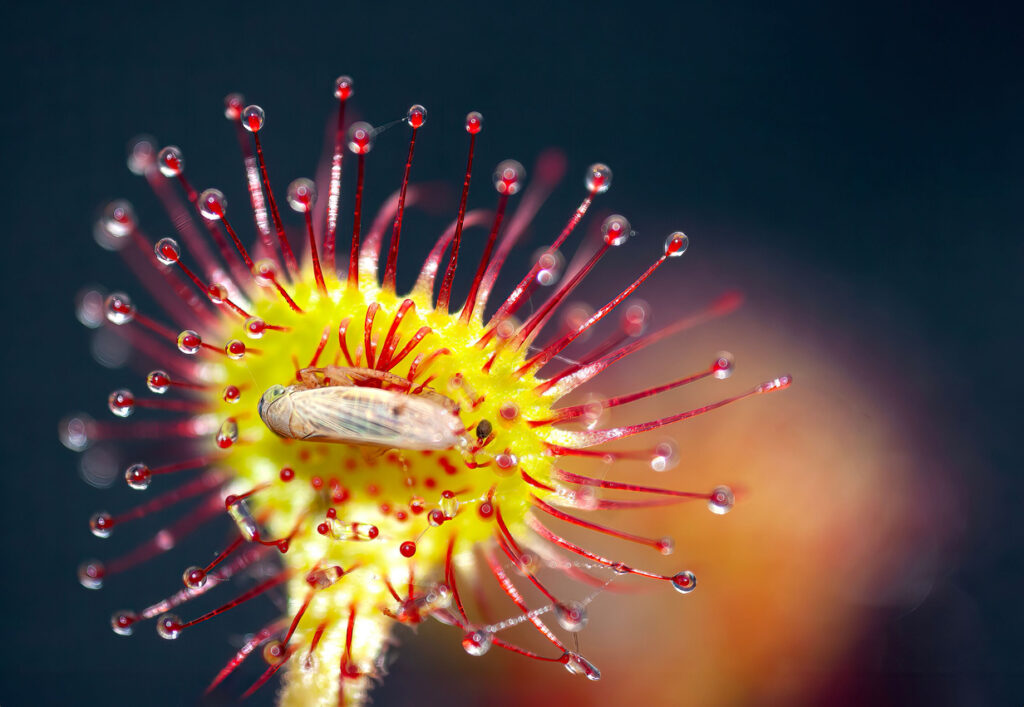
Sundews are insect-eating plants that grow in bogs and wetlands. They’re rare and highly specialised, which is why they’re protected under UK law. Removing them from their habitats is an offence.
They play an important role in fragile ecosystems. Disturbing them not only threatens the plants themselves, but also the wider balance of species that depend on these wetland environments.
9. Wild clary
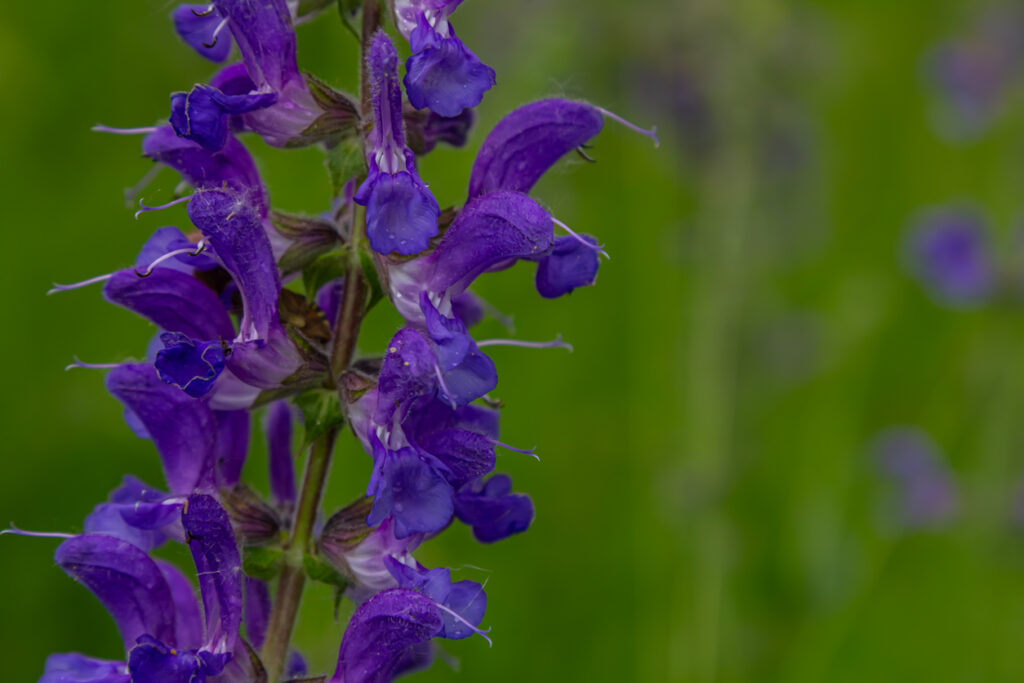
Wild clary is a close relative of sage and is found in patches of chalky grassland. It’s legally protected because of its scarcity and should never be gathered by foragers or gardeners.
Its purple flowers are attractive to bees and butterflies. Removing plants disrupts pollinator food sources, making protection an important step in keeping both clary and wildlife healthy.
10. Dwarf milkwort
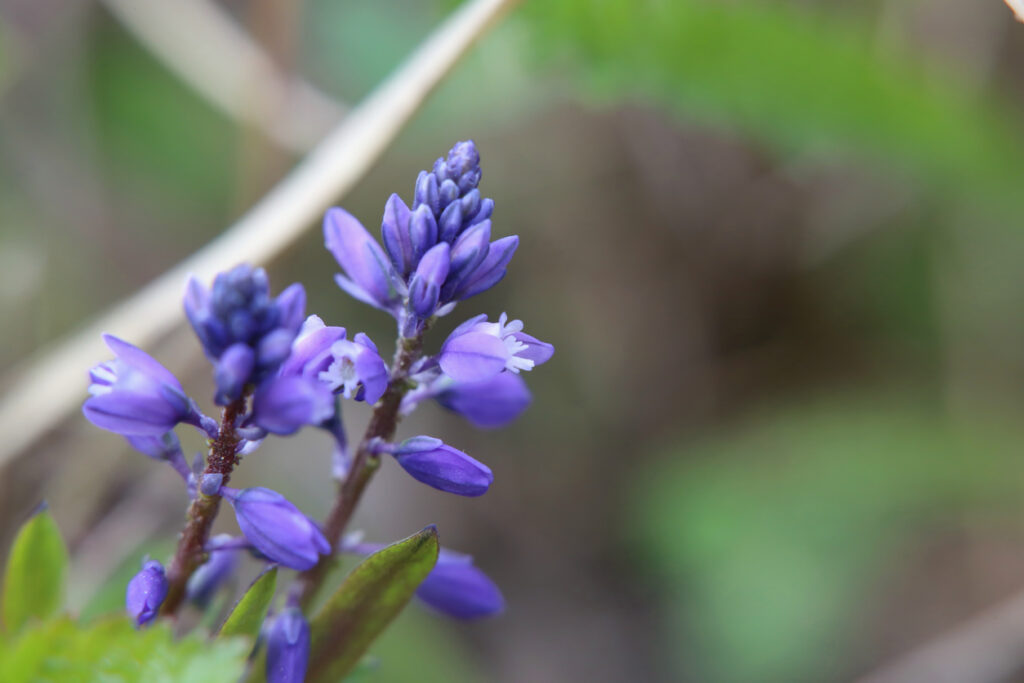
This low-growing plant is one of the less obvious species on the list, but it’s rare and legally safeguarded. Found mainly on chalk and limestone soils, it can easily be overlooked and trampled.
Picking or uprooting it reduces already small populations. Laws are in place to protect what little remains, ensuring these delicate flowers aren’t pushed closer to extinction.
11. Wood anemone
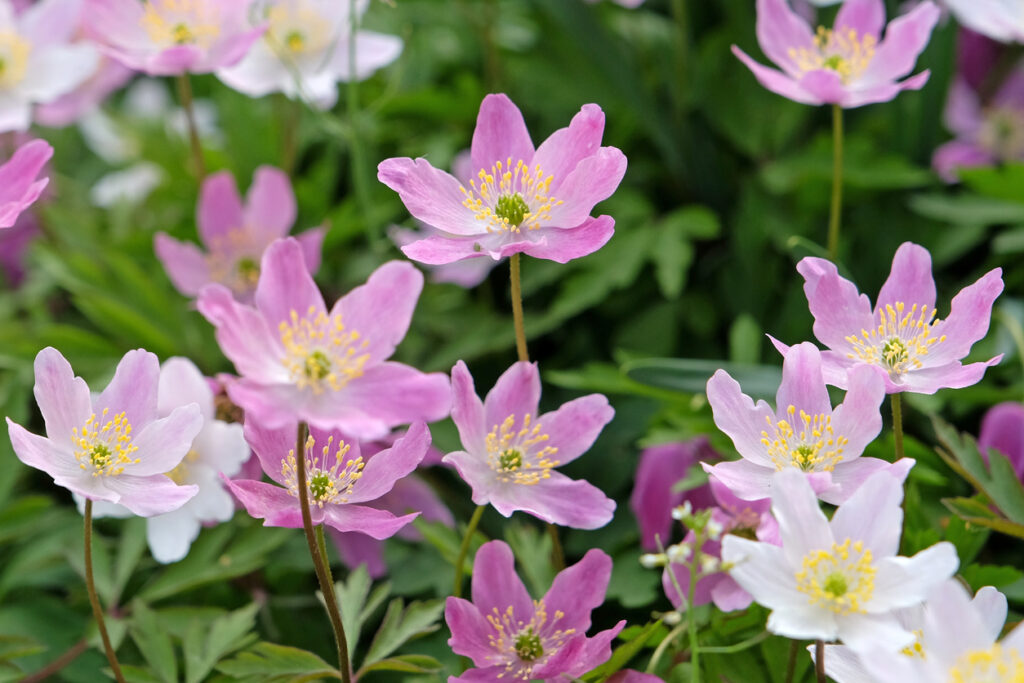
Wood anemones often create stunning carpets of white in ancient woodlands. Despite their beauty, they’re protected, and picking them in the wild is illegal without landowner consent.
They grow slowly, spreading through rhizomes at a glacial pace. Even light disturbance takes years to recover from, which is why legal protection is necessary to safeguard woodland displays.
12. Sea holly
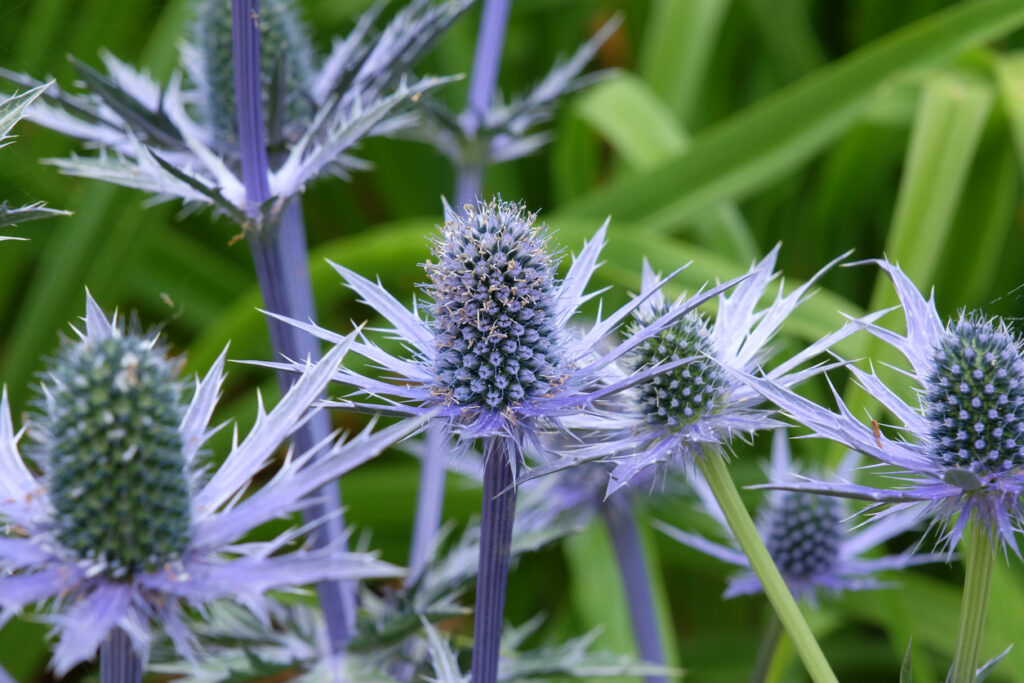
Sea holly grows along sandy coastal areas, producing metallic blue thistles that stand out against the shore. Its coastal habitat makes it vulnerable, so it’s included in protected species lists.
Removing it contributes to coastal erosion problems. These plants help stabilise sand dunes, so their protection has both ecological and practical importance for coastal management.
13. Rock sea lavender
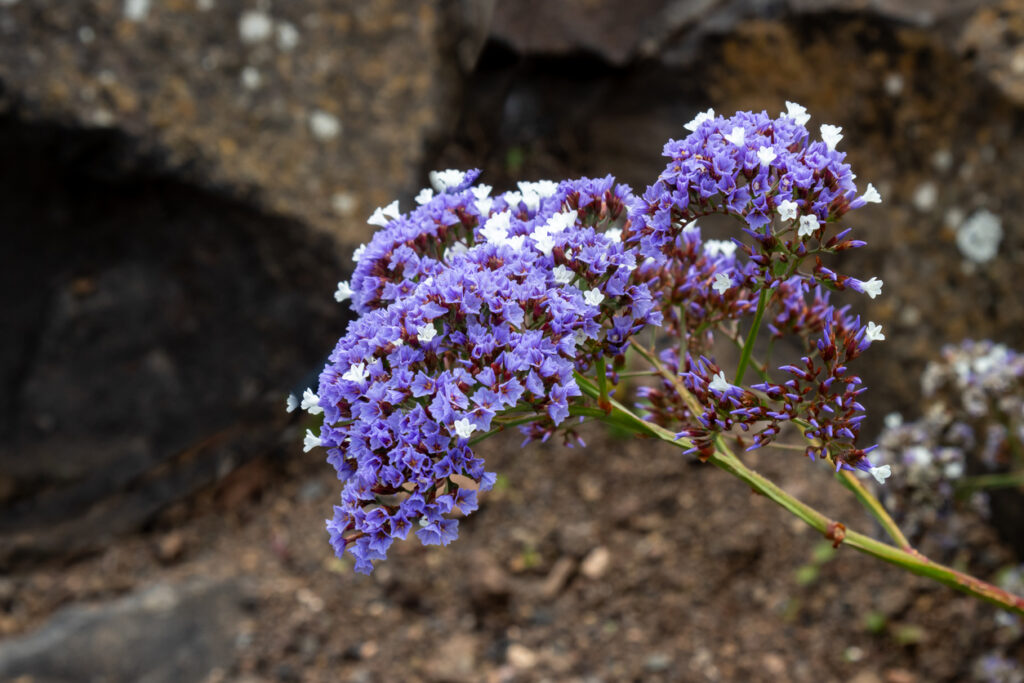
Rock sea lavender grows in saltmarshes and estuaries. Because these habitats are already under pressure from development, the plants that survive are legally protected from collection or disturbance.
Sea lavender stabilises mudflats and supports insect life. Picking it may seem harmless, but the long-term ecological damage is why strict legal safeguards are in place.
14. Welsh poppy
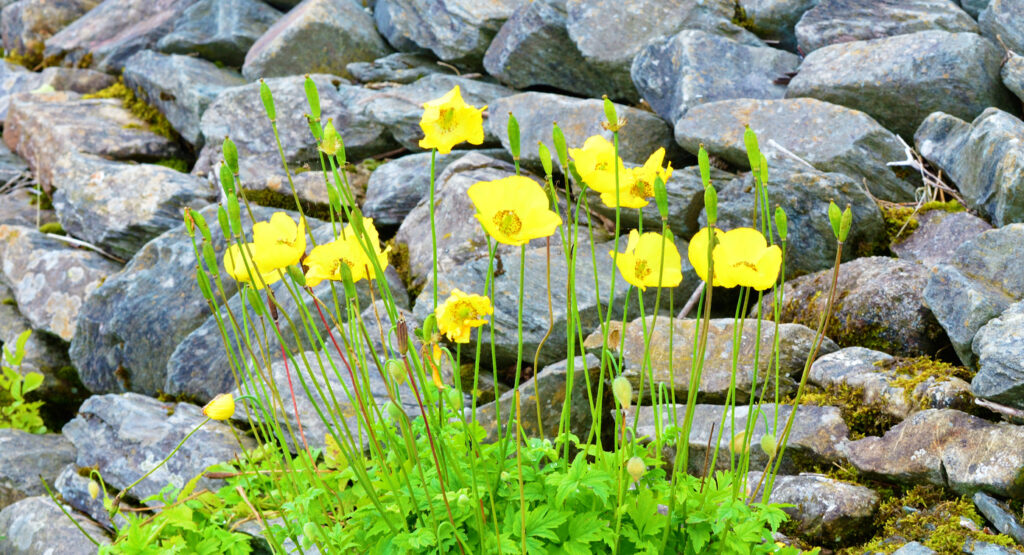
The bright yellow Welsh poppy grows naturally in certain parts of Wales and western Britain. While it’s cultivated in gardens, wild populations are protected by law to prevent over-collection.
They flourish in damp, shady spots, but natural numbers are limited. Legal protection helps keep them alive in the wild, while gardeners can still enjoy cultivated varieties.
15. Spreading bellflower
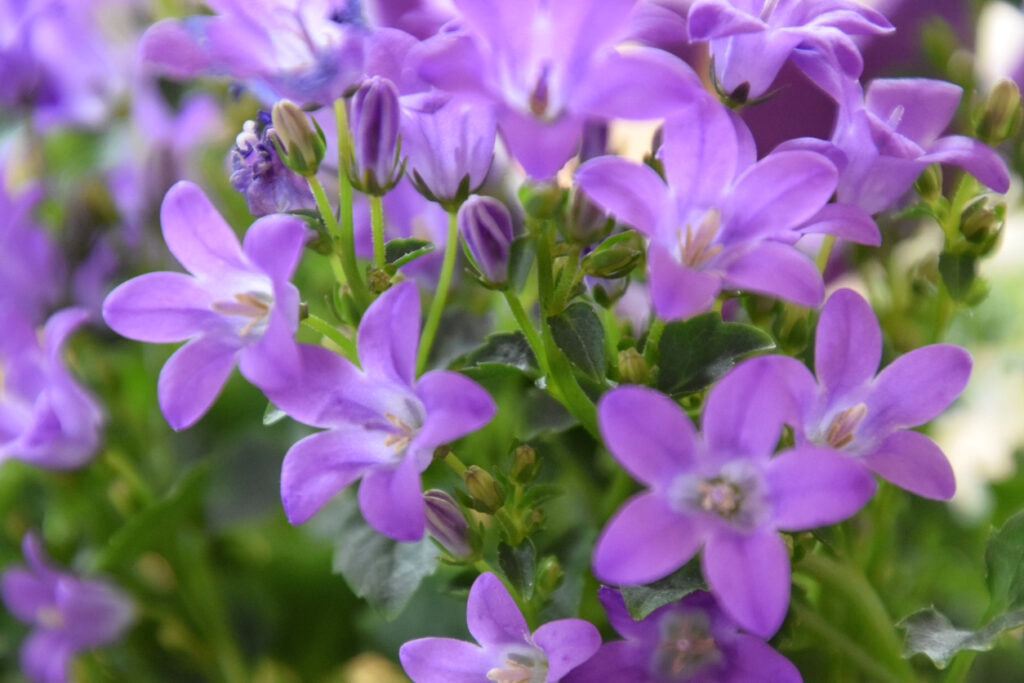
Once common in hedgerows, spreading bellflower is now rare and protected. Its striking purple-blue flowers make it noticeable in late summer, but taking it from the wild is prohibited.
Habitat loss has left only scattered populations. Protection gives this species a fighting chance to survive, even as its numbers remain critically low across Britain.
16. Stinking iris
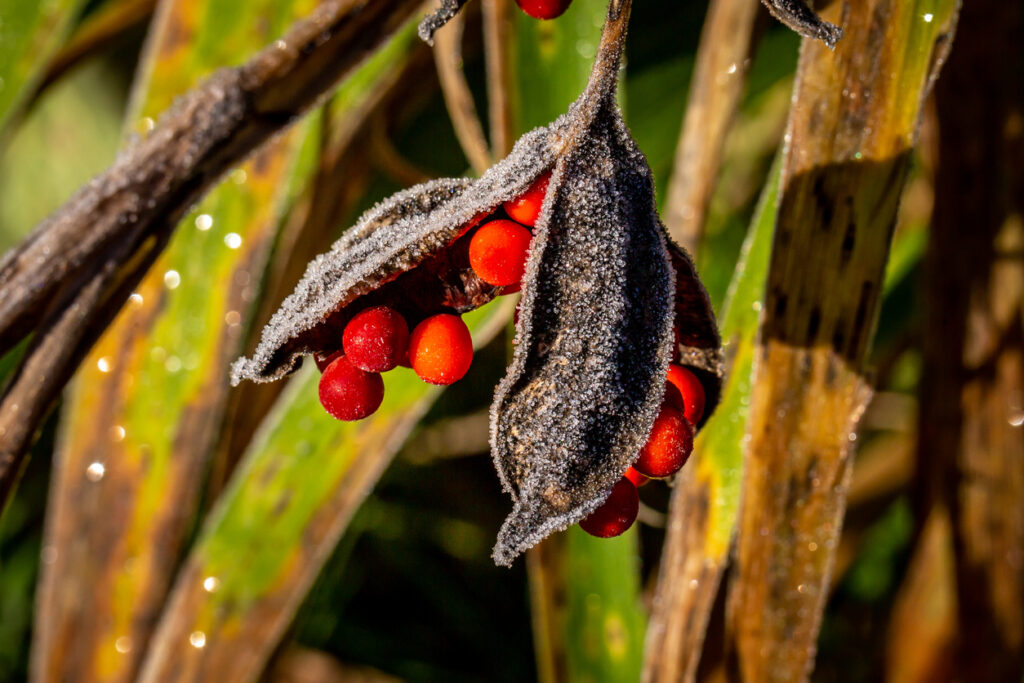
This unusual plant is named for the faint smell its leaves release when crushed. Despite its hardy appearance, wild populations are legally protected and should not be picked or disturbed.
It produces bright orange seed pods that stand out in autumn. Removing them threatens both the plant and the wildlife that rely on its berries for food.
17. Deptford pink
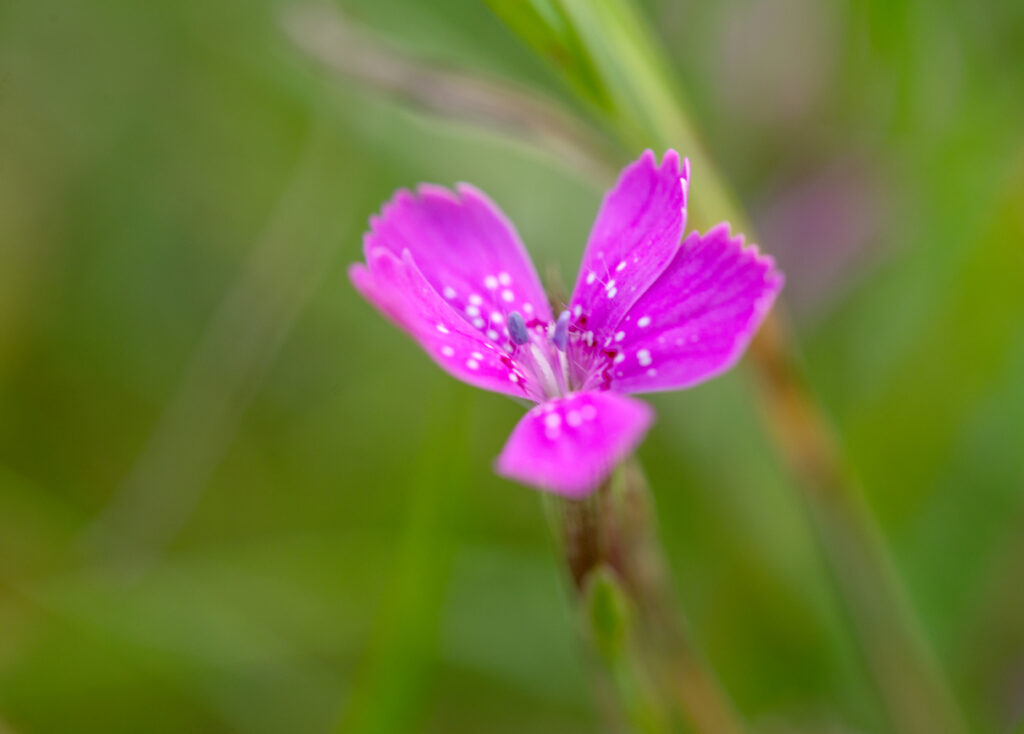
This small pink wildflower is now scarce in Britain, surviving only in scattered sites. It’s legally protected, and removing it from the wild is against the law.
Conservation programmes are working to protect remaining sites. Collecting it would undo years of effort to keep the delicate Deptford pink alive in Britain’s countryside.
18. Rare ferns
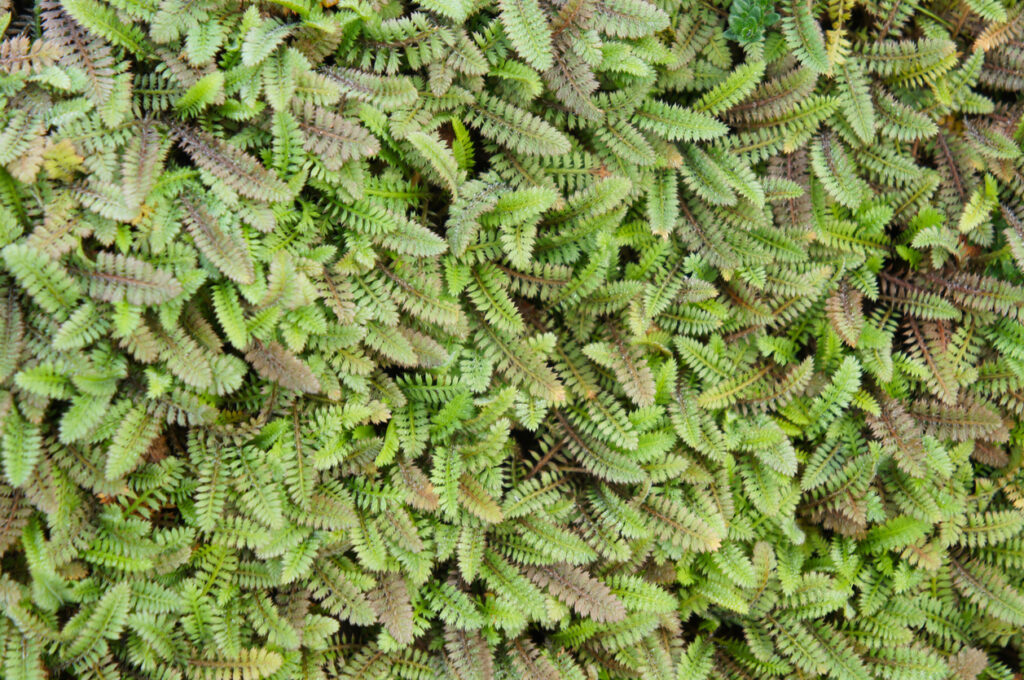
Certain ferns, such as the oblong woodsia, are incredibly rare and legally protected. They survive in small numbers on rocky outcrops and are vulnerable to disturbance from collectors.
Because their populations are so limited, even minor damage has major effects. Their inclusion under legal protection reflects how fragile some of Britain’s plant life has become.