It’s tempting to give wild animals a little snack now and then, isn’t it?
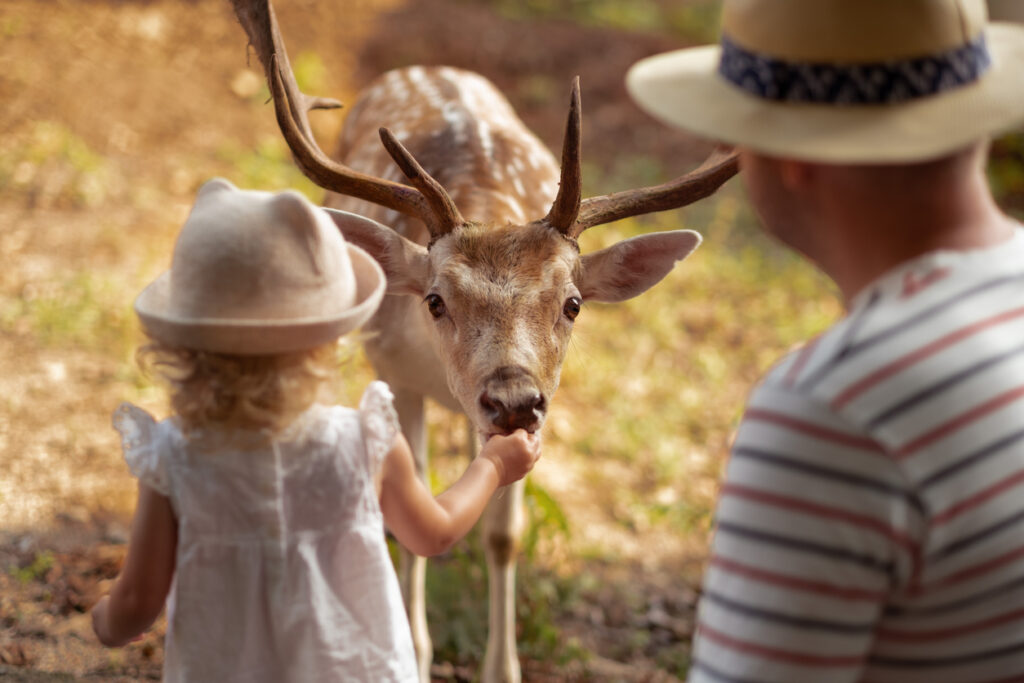
You spot a duck looking a bit thin, a fox eyeing you up hopefully, or a squirrel acting like it’s on its last legs, and suddenly, you’re rummaging around for snacks. It feels kind, harmless, even wholesome. The problem is that feeding wild animals in the UK isn’t just a bad idea. In many cases, it can land you in serious trouble.
What a lot of people don’t realise is that feeding wildlife can mess with natural behaviour, spread disease, and cause long-term harm to the very animals you’re trying to help. Because of that, some species are protected by law, and feeding them can result in hefty fines or worse. Good intentions won’t save you if you’re caught, so it’s worth knowing which animals you should absolutely keep your sandwiches, bread, and leftovers away from.
1. Deer
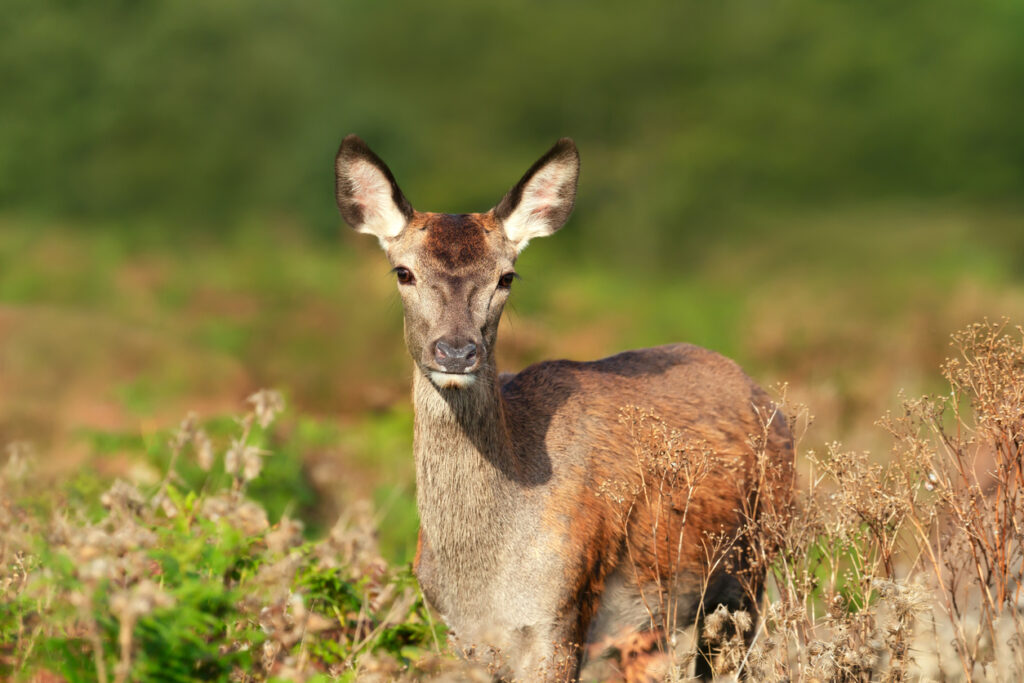
Deer have a way of pulling at people’s heartstrings. Big eyes, gentle movements, and that slightly lost look when they wander near footpaths. The problem is that once humans start feeding them, everything about their behaviour changes. They stop avoiding people, linger near roads, and start hanging around parks and gardens where accidents are far more likely.
There’s also the wider knock-on effect people don’t think about. Artificial feeding boosts deer numbers beyond what the land can support, which leads to stripped woodland, damaged crops, and long-term harm to ecosystems. That’s why councils and land managers take it seriously. In protected areas, persistent feeding can result in fines climbing towards £1,000, especially if warnings are ignored.
2. Foxes

Foxes feel familiar now, especially in towns and cities, which makes feeding them seem almost neighbourly. You leave scraps out once, they come back, you feel oddly chosen, and suddenly, it’s a routine. That’s where trouble starts. Fed foxes lose their natural wariness, get bolder, and start pushing boundaries, including entering sheds, gardens, and even homes.
Once that behaviour kicks in, councils step in fast. Complaints about noise, mess, or aggressive encounters with pets often lead straight back to whoever’s been feeding them. While there’s no single fox-feeding law across the UK, fines under environmental or antisocial behaviour rules can reach £500 or more, especially if feeding is causing repeated problems.
3. Badgers

Badgers might look sturdy and self-sufficient, but feeding them does real harm. Regular food sources alter their natural foraging patterns and encourage them to gather in larger groups than normal. That increases disease risk and can pull badgers closer to roads, gardens, and livestock areas where they’re more likely to come into conflict with humans.
Because badgers are legally protected, the consequences are much more serious than people expect. Feeding near setts, or in a way that interferes with behaviour, can fall under the Protection of Badgers Act. Fines can reach £5,000, and in serious cases, there’s even the risk of prosecution. Good intentions don’t count for much when protected wildlife is involved.
4. Swans

Feeding swans bread feels almost nostalgic, like something everyone did growing up. Unfortunately, it causes a stack of problems that only show up later. Bread fills them up without giving proper nutrition, leading to weakened health, wing deformities, and increased disease risk. Fed swans also start to associate people with food, which is when aggression creeps in.
That’s why many waterways, parks, and councils now ban swan feeding outright. Where signs are posted, fines commonly range from £100 to £500. In protected waterways, enforcement officers are well within their rights to issue penalties, especially if feeding is contributing to overcrowding or aggressive behaviour.
5. Seagulls

Feeding gulls might be the quickest way to regret a decision you’ve ever made. One chip turns into ten gulls, then twenty, then suddenly they’re dive-bombing anyone who looks vaguely snack-shaped. Once gulls learn people are an easy food source, they become fearless, loud, and increasingly aggressive.
Coastal councils have had enough of it. Many now treat gull feeding as a nuisance offence, with fines reaching £500 and on-the-spot penalties in some areas. In cases where feeding has led to repeated problems or public safety issues, people have even faced prosecution after ignoring warnings. The message is pretty clear: feeding gulls causes chaos, and authorities are no longer looking the other way.
6. Pigeons

Pigeons get dismissed as harmless city fixtures, which is exactly why feeding them causes so many problems. One person throwing down seed quickly turns into dozens of birds congregating in the same spot every day. That leads to fouling, damage to buildings, blocked gutters, and a very quick rise in complaints from people who live or work nearby.
Because of that, many town centres ban pigeon feeding outright. Councils can issue fines on the spot, usually between £50 and £150, with higher penalties for repeat offences. It’s less about punishing kindness and more about stopping a situation that spirals fast once birds learn food is guaranteed.
7. Squirrels
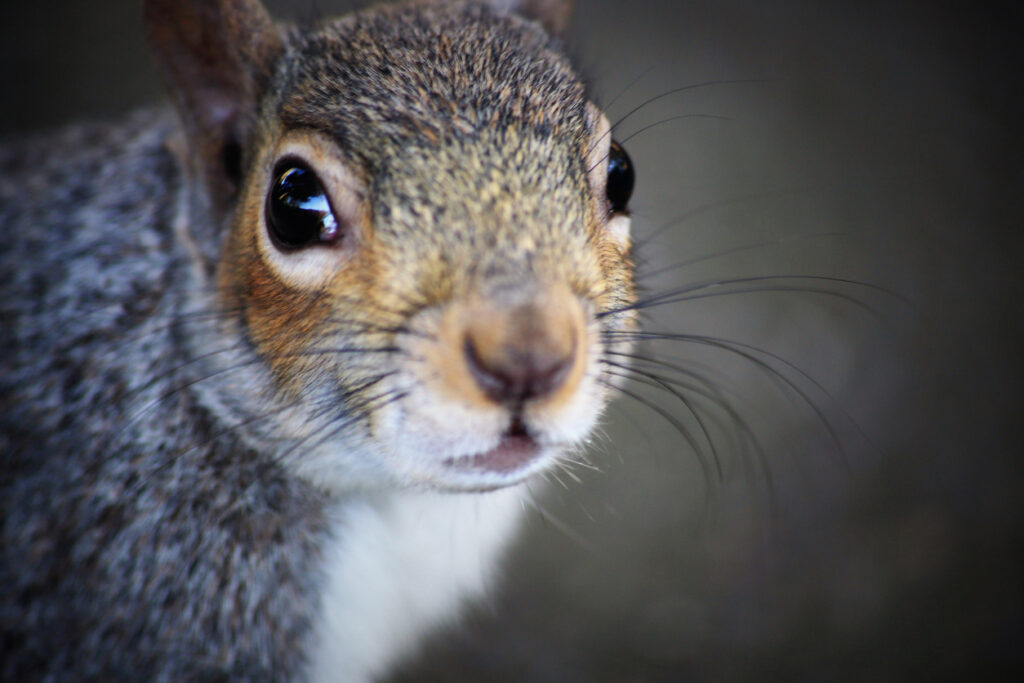
Squirrels look like they’re built for snacks, especially when they sit up and stare at you like a tiny woodland beggar. Feeding them regularly, though, creates bold behaviour that puts them at risk. They start approaching people, running across roads more often, and damaging property as they hunt for handouts.
In parks and nature reserves, feeding squirrels often breaks local by-laws, with fines commonly ranging from £100 to £500. In areas protecting red squirrels, enforcement is stricter because supporting grey squirrel populations indirectly harms native wildlife. What feels like a small kindness can undo years of conservation work.
8. Horses and ponies on commons
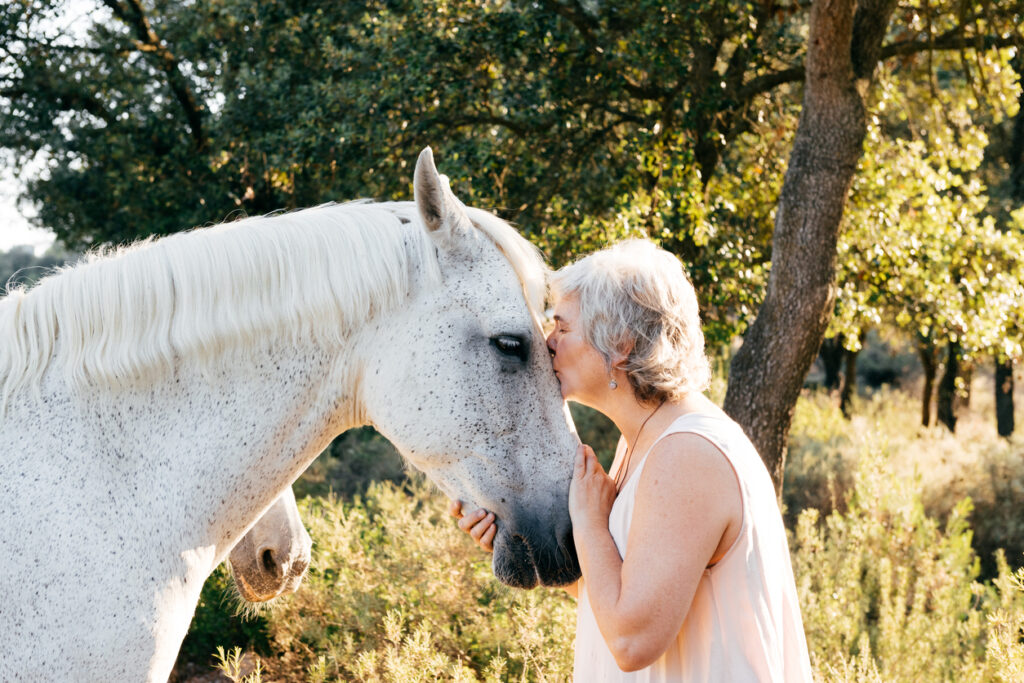
This one catches people out all the time. Those horses and ponies wandering freely on commons or moorland might look like they’re hungry or neglected, but they’re usually carefully managed. Feeding them treats, carrots, or bread can cause serious health problems, including colic and laminitis, which can be fatal.
Because the risks are so high, feeding grazing animals in these areas is often illegal. In national parks and protected landscapes, fines can climb to £1,000, especially if animals are harmed. Signage is usually very clear, and authorities don’t have much patience for “I didn’t know” excuses.
9. Ducks and geese
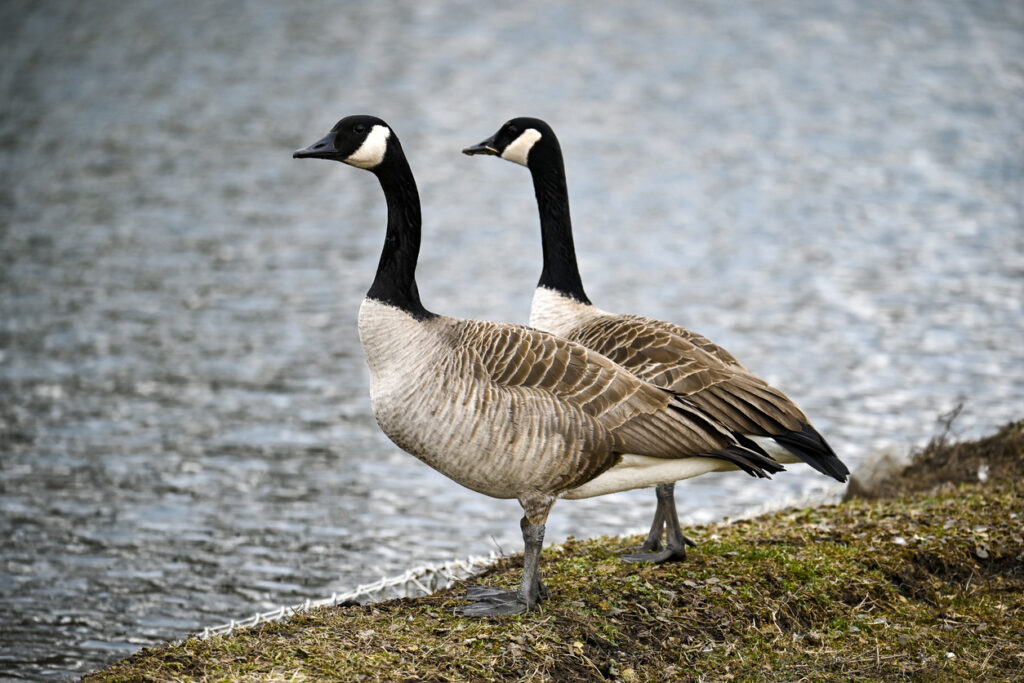
Ducks and geese have become the unofficial mascots of bad feeding habits. Bread gets thrown in, birds pile in, water quality drops, and suddenly the pond smells awful and everyone’s wondering what went wrong. Overfeeding leads to overcrowding, disease, and aggressive behaviour, particularly from geese during nesting season.
Many councils now restrict or ban feeding altogether in certain areas. Where rules are in place, fines typically sit between £50 and £500. Some councils issue warnings first, but repeat feeding usually ends with a fixed penalty notice. The shift away from feeding isn’t cruelty, it’s damage control.
10. Wild boar
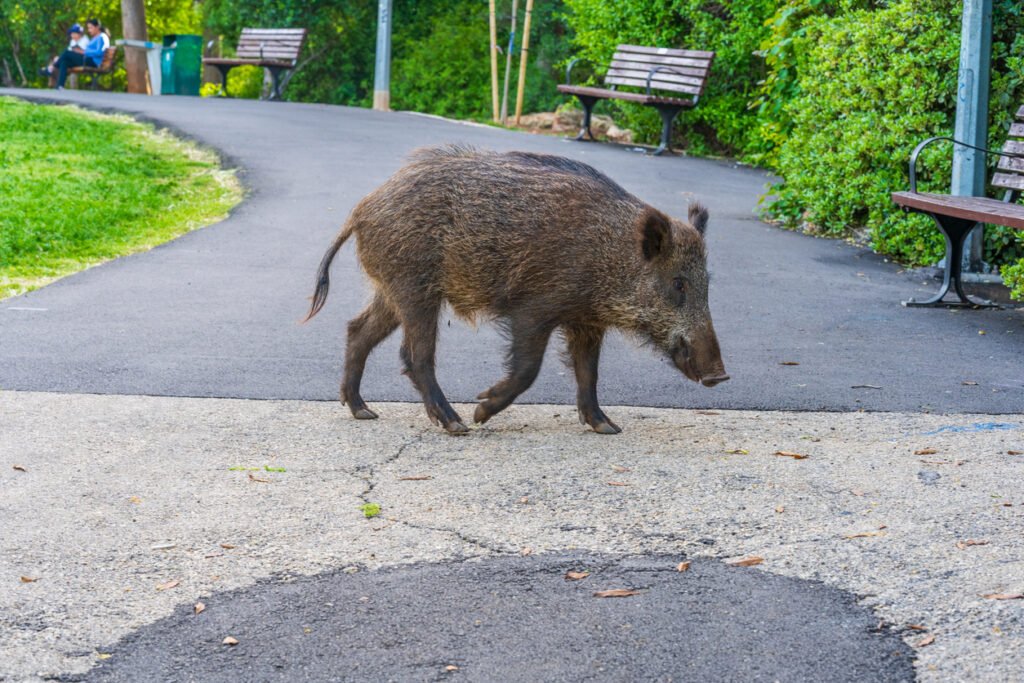
Wild boar aren’t widespread, but where they exist, feeding them is treated as a serious safety issue. Boar are strong, unpredictable, and capable of causing serious injury once they lose fear of humans. Feeding pulls them closer to homes, roads, and footpaths, which is exactly where things go wrong.
Because of the risk involved, feeding wild boar can lead to fines of £1,000 or more under public safety and wildlife management laws. Authorities don’t mess around with this one. Encouraging boar to associate people with food creates a problem that usually ends badly for both humans and animals.