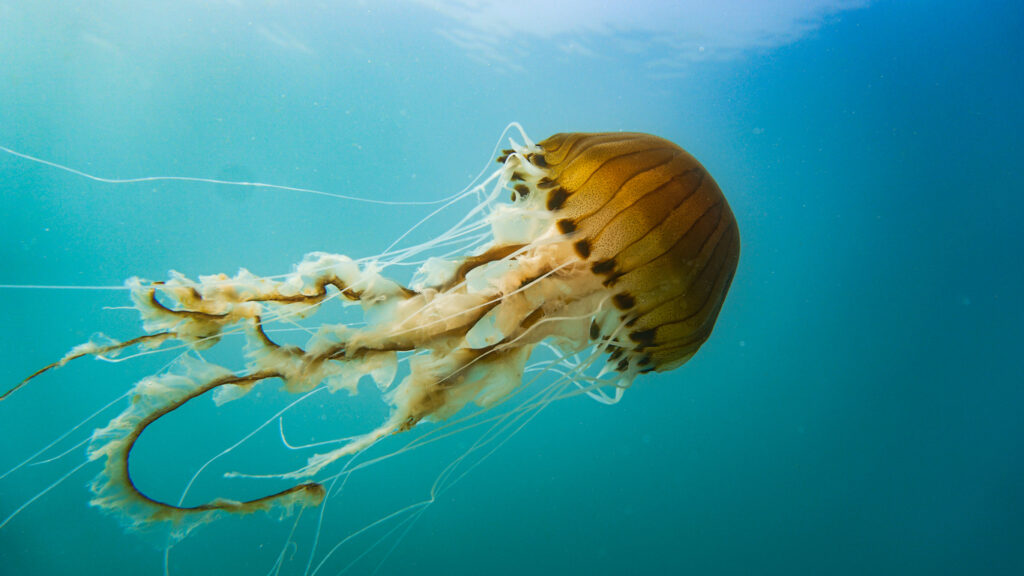
Jellyfish might seem like rare, otherworldly visitors in UK waters, but they’re actually becoming more common, especially in summer. Warmer temperatures, changes in ocean currents, and even human activity are creating the perfect conditions for jellyfish swarms to appear closer to shore. If you’ve spotted more of them while paddling lately, here’s why they’re showing up now more than ever.
1. Warmer seas bring them closer.
Jellyfish thrive in warmer water, and UK seas are heating up. Summer’s rising temperatures create a more comfortable habitat for jellyfish, which helps boost their numbers and brings them closer to the coast. It’s part of a broader trend tied to climate change and changing marine ecosystems. These warmer conditions can even speed up jellyfish reproduction cycles, meaning more jellyfish, and faster. So what might’ve been a rare sight years ago is now becoming a regular part of British beach visits.
2. Calm waters help them drift inland.
Jellyfish are weak swimmers, relying mostly on ocean currents to carry them around. During summer, calmer sea conditions around the UK help push jellyfish gently toward the shore. Without strong waves or storms to push them back out, they end up clustering near beaches. This is why you’ll often spot them floating near the surface or stranded along the sand on still, sunny days. They’re not trying to visit; they’re just drifting with the tide.
3. Seasonal currents carry them here.
Natural changes in ocean currents during spring and summer help funnel jellyfish from deeper offshore waters toward the UK coastline. These seasonal currents act like moving walkways for jellyfish, bringing large groups along with the flow. Species like the moon jellyfish often show up in big numbers thanks to these gentle marine highways. Their timing isn’t random. It’s ocean choreography that plays out every year.
4. More plankton means more food.
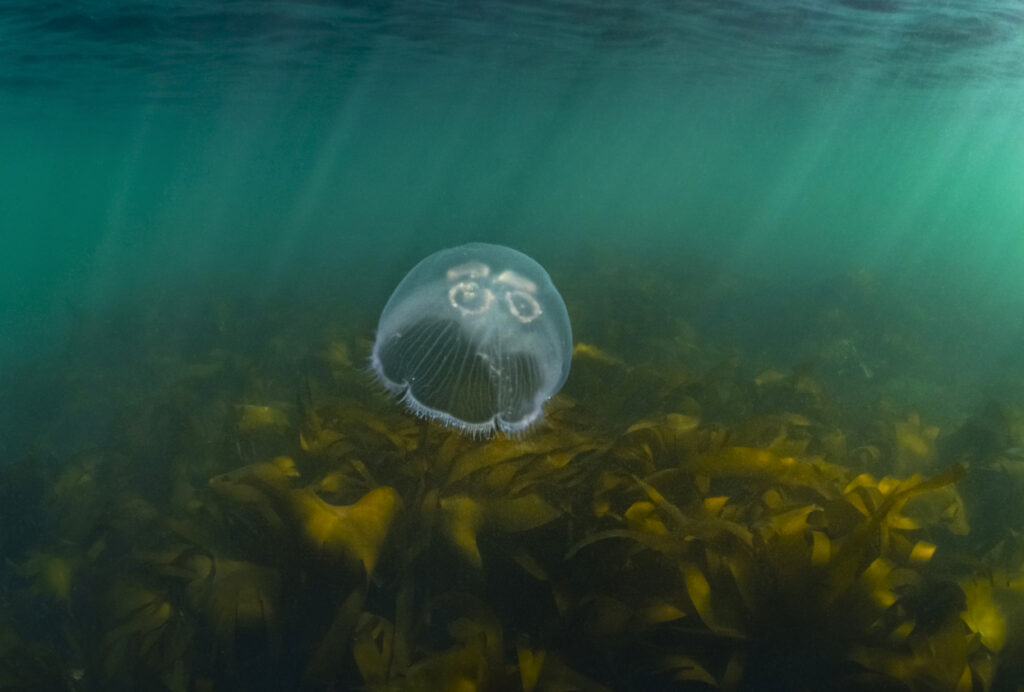
Jellyfish eat plankton, and plankton thrives in warm, nutrient-rich water. In summer, plankton blooms provide jellyfish with a buffet of easy meals, encouraging them to stay and multiply. It’s a win-win for them, and a reason they’re more active this time of year. Where there’s food, there’s jellyfish. So if you’re seeing more jellyfish, there’s a good chance there’s also been a big bloom of plankton in the area.
5. Overfishing helps jellyfish thrive.
Fish like tuna, mackerel, and sea turtles feed on jellyfish and keep their numbers in check. But with these predators in decline due to overfishing, jellyfish populations have more room to grow. Without enough natural threats, their numbers can quickly balloon. This gives jellyfish a bigger presence in coastal waters than they would normally have. It’s an indirect effect, but one that’s tipping the balance in their favour.
6. Harbours and piers give them shelter.
Man-made structures along the coast create the perfect places for jellyfish to spawn. Docks, piers, and harbours offer calm, shaded waters where jellyfish polyps can anchor and grow into adults. These sheltered spots act like jellyfish nurseries. As seaside towns expand and build more coastal infrastructure, they’re unintentionally creating more safe zones for jellyfish life cycles to flourish right under our noses.
7. They reproduce in large numbers.
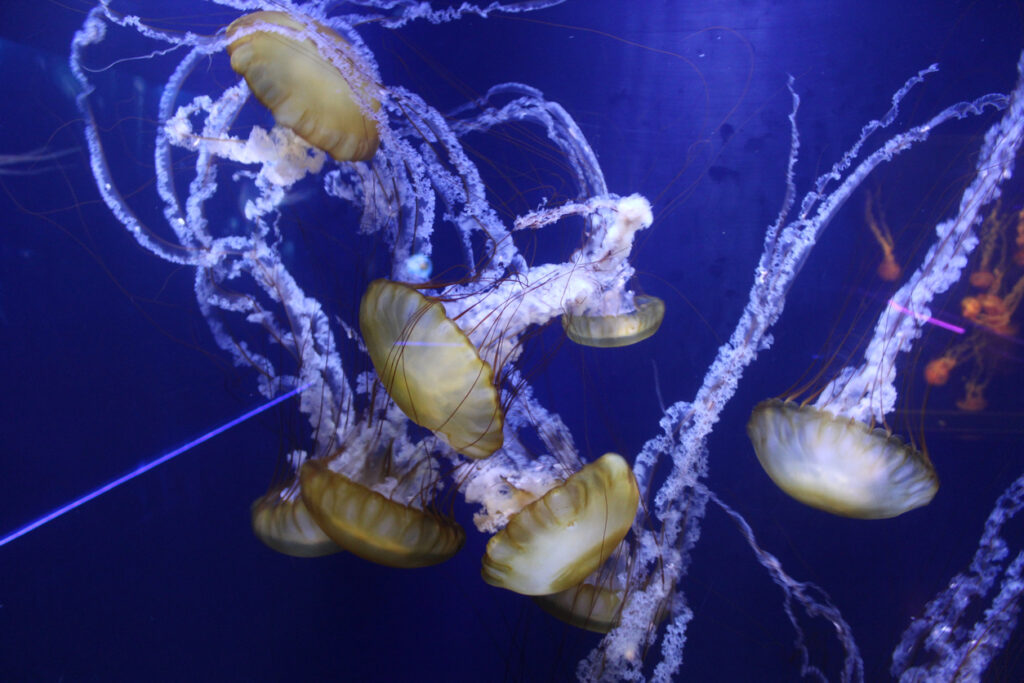
Jellyfish are built for population booms. Each adult jellyfish can release thousands of eggs, and under the right conditions, like summer warmth and abundant food, those eggs develop quickly into new jellyfish. That’s why sightings can seem to go from zero to dozens almost overnight. A few ideal days in a row, and suddenly the sea is full of them.
8. Some species are seasonal visitors.
Not all jellyfish hang around the UK year-round. Some species migrate, drifting toward the British coastline as part of their seasonal life cycle. Summer offers the conditions they need, so they naturally show up in larger numbers during this time. Species like the compass jellyfish and barrel jellyfish tend to appear most reliably during these warmer months, then fade again as temperatures cool down.
9. They live longer in warmer water.
Temperature doesn’t just affect jellyfish reproduction, it also affects how long they live. Warmer summer waters extend the lifespan of some jellyfish species, allowing them more time to grow, feed, and multiply before the season ends. So the longer the warm weather lasts, the longer jellyfish stick around. A mild winter followed by a hot summer gives them the ideal timeline to dominate coastal waters.
10. More sightings don’t always mean more danger.
Most jellyfish found in UK waters, like moon jellyfish or barrel jellyfish, are harmless to humans. While they can look intimidating, they generally cause little or no discomfort if touched. But a few species, like the lion’s mane jellyfish, can sting, so it’s always best to give them space. Seeing more jellyfish doesn’t automatically mean the sea is unsafe. It just means you need to stay aware. If you’re ever unsure, local lifeguards usually post warnings about jellyfish blooms.
11. They’re early warning signs of climate changes.
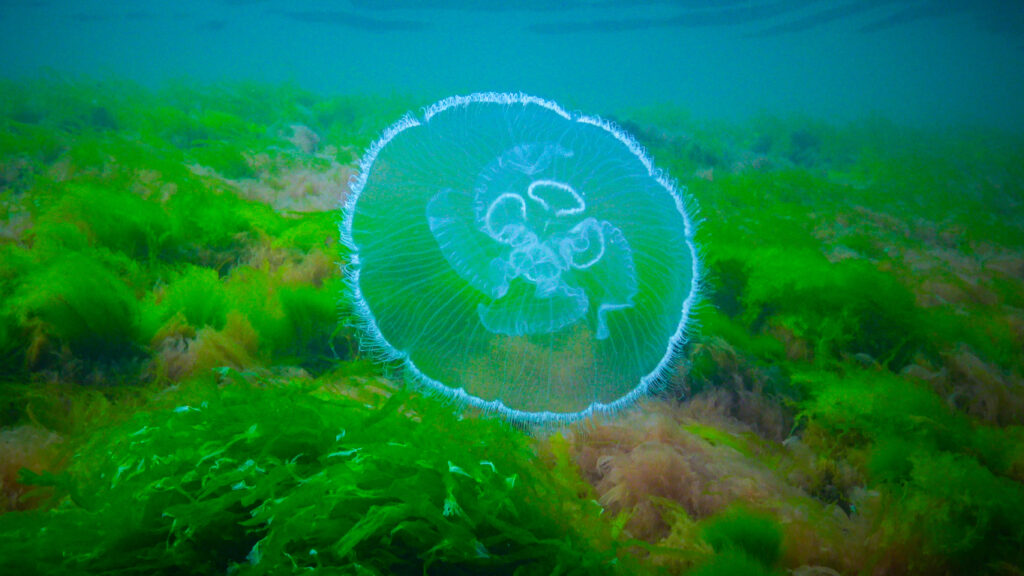
Jellyfish blooms aren’t just a seasonal curiosity. They can signal deeper changes in the marine ecosystem. Their growing presence is sometimes a clue that ocean temperatures are rising, predator numbers are falling, or ecosystems are becoming unbalanced. Scientists watch jellyfish closely for this reason. When their numbers surge, or they show up unusually early, it often means something in the water has shifted more than we realise.
12. People are simply noticing them more.
With more people heading to the coast during summer and sharing photos online, jellyfish sightings are becoming more widely reported. Social media makes it feel like they’re everywhere, even if their numbers haven’t dramatically increased in some places.
This uptick in visibility doesn’t mean jellyfish are taking over the sea. It just means we’re paying more attention than ever before. However, that attention is helping researchers, too, as sightings help map their movements and populations across the UK.