We’ve all been raised on a diet of sci-fi films featuring little green men or slimy monsters with glowing eyes, but the reality of finding life elsewhere is probably going to be a lot less cinematic and much more confusing.
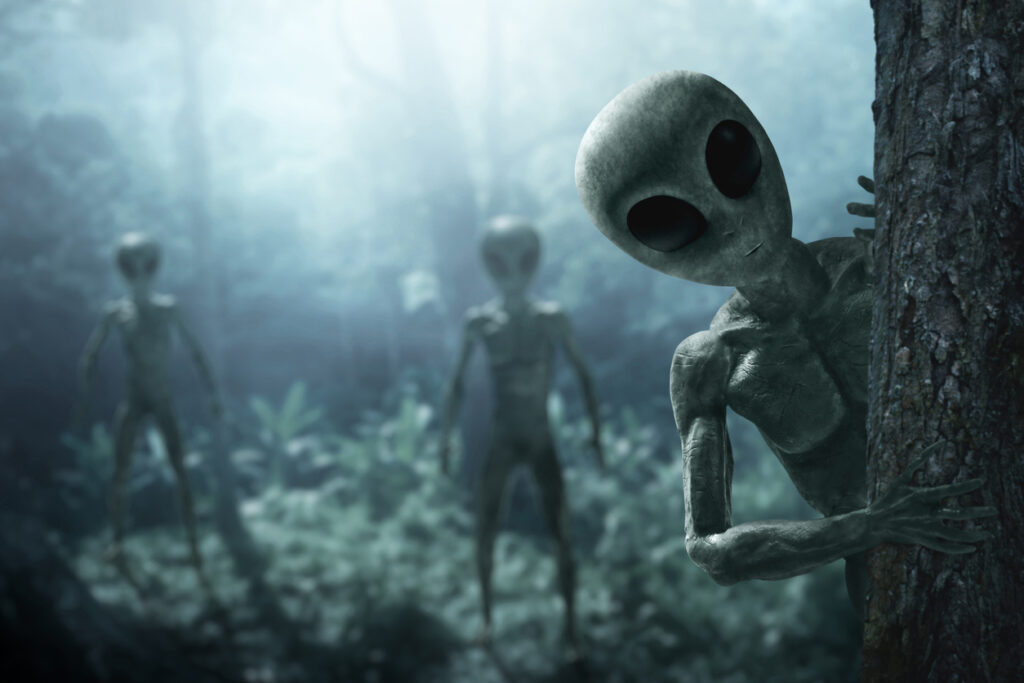
Our entire definition of “living” is based on what we see here on Earth, which means we’re effectively looking for a needle in a haystack while wearing a blindfold. If we stumble across something that doesn’t breathe, move, or even have DNA, our first instinct is probably going to be to step over it and keep walking. It’s a massive challenge for our brains to wrap around the idea that life might not look, act, or even exist in the same dimension as us, making it highly probable that we’ve already missed the very thing we’re searching for.
We’re only searching for Earth-style biology.

Every detection method we’ve developed assumes life needs water, carbon-based chemistry, and similar conditions to what works here. This makes sense because it’s all we know, but it’s incredibly limiting. Alien life might use completely different building blocks or processes that we wouldn’t recognise as biological at all. Our instruments are designed to find Earth-like signatures, so anything radically different would just pass unnoticed.
Life might exist at completely different timescales.
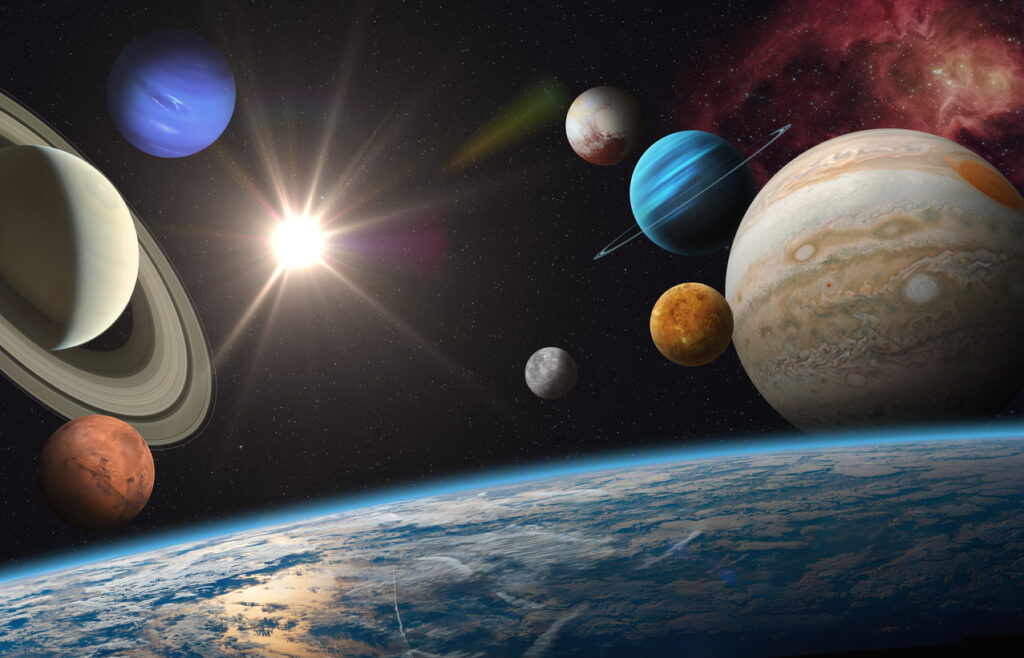
We think of life as something that grows, reproduces, and dies within observable timeframes. Alien organisms might operate so slowly that their life processes take centuries, making them appear completely static to us. Or they could exist on such rapid timescales that we can’t perceive their activity. What looks like a geological process or random chemical reaction might actually be a living system operating outside our temporal perspective.
Our definition of life is probably too narrow.
We define life by metabolism, reproduction, and response to stimuli based entirely on what we see on Earth. Alien life might not reproduce in any recognisable way, or might not have clear boundaries between individuals and their environment. Some theoretical life forms could exist as patterns of energy rather than matter, or as information rather than physical organisms. If we’re only looking for cells and DNA, we’ll miss everything that doesn’t fit that pattern.
The chemistry might be unrecognisable.
Carbon and water work brilliantly for Earth life, but other elements and solvents could support entirely different biochemistry. Silicon-based life, ammonia-based systems, or chemistry we haven’t even theorised could exist under conditions we consider hostile. Our tests for biosignatures specifically look for Earth-type chemistry. We might sample something directly and conclude it’s just interesting geology when it’s actually alive.
Intelligence might not look like intelligence to us.
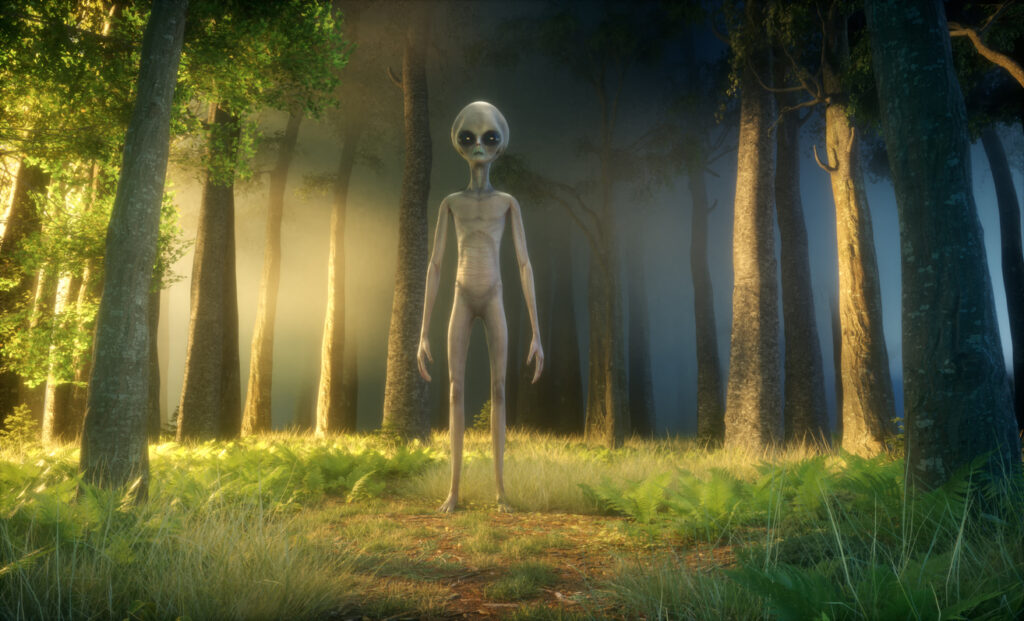
We assume intelligence means technology, communication, and behaviour we can recognise as purposeful. Alien intelligence could be so different that it doesn’t produce any signals we’d interpret as meaningful. A planet-wide consciousness, distributed intelligence across ecosystems, or thinking that happens through processes we don’t understand would all be invisible to current search methods. We’re listening for radio signals when the conversation might be happening in ways we haven’t discovered yet.
Life could exist in environments we’ve dismissed.

We focus on planets in the habitable zone with liquid water, but that’s incredibly Earth-centric thinking. Life might thrive in the clouds of gas giants, within the ice of frozen moons, or even in the vacuum of space itself. Some organisms could exist in temperatures or pressures that would instantly destroy anything we know. By limiting our search to Earth-like conditions, we’re ignoring most cosmic environments where genuinely alien life might exist.
The scale might be completely wrong.
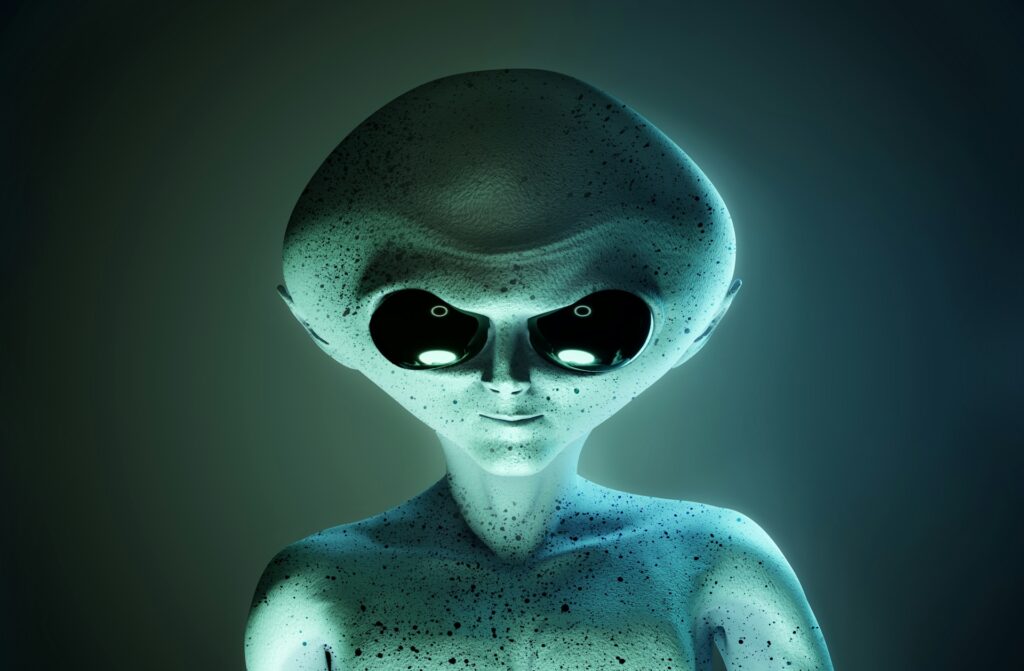
We’re looking for life at roughly our scale, from microbes to complex organisms. Alien life could be planet-sized entities or exist at quantum scales we can’t directly observe. What we interpret as planetary processes like atmospheric chemistry or magnetic fields could actually be the metabolism of enormous organisms. Or life might exist at such tiny scales that we only see collective effects without recognising individual living units.
We might have already found it without realising.
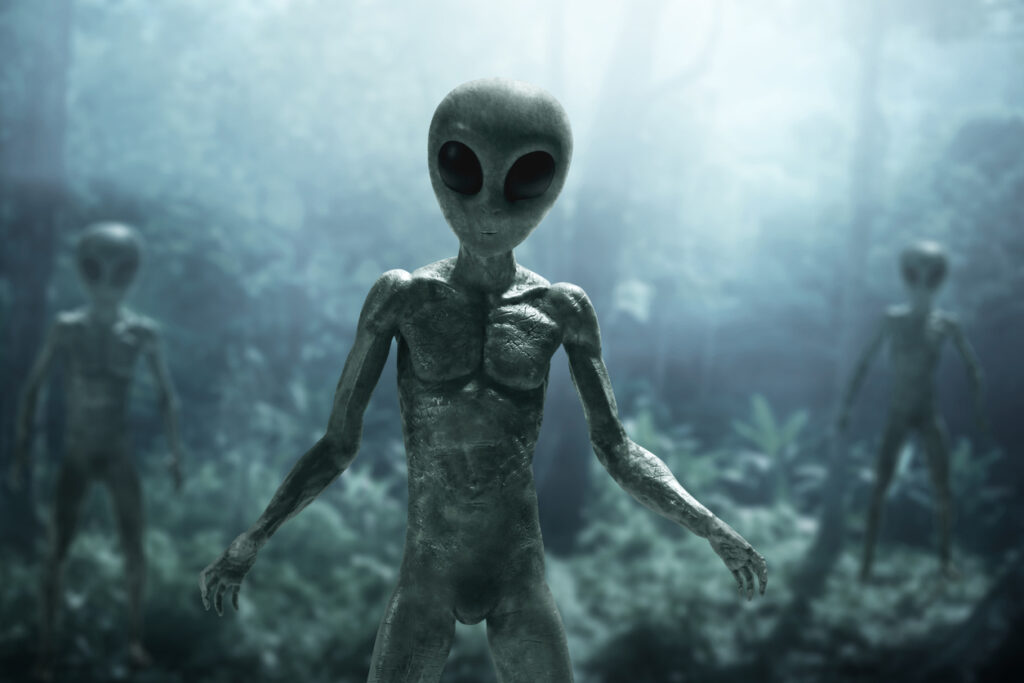
Various space missions have returned puzzling data that doesn’t fit neat explanations. The Viking landers in the 1970s produced results that some scientists still argue could indicate Martian life, though the interpretation remains controversial. We’ve found complex organic molecules and unexplained atmospheric signatures on multiple worlds. It’s genuinely possible we’ve already detected alien life but explained it away as contamination, instrument error, or unknown chemistry because we couldn’t accept what the data might actually mean.
Communication could be impossible to decode.
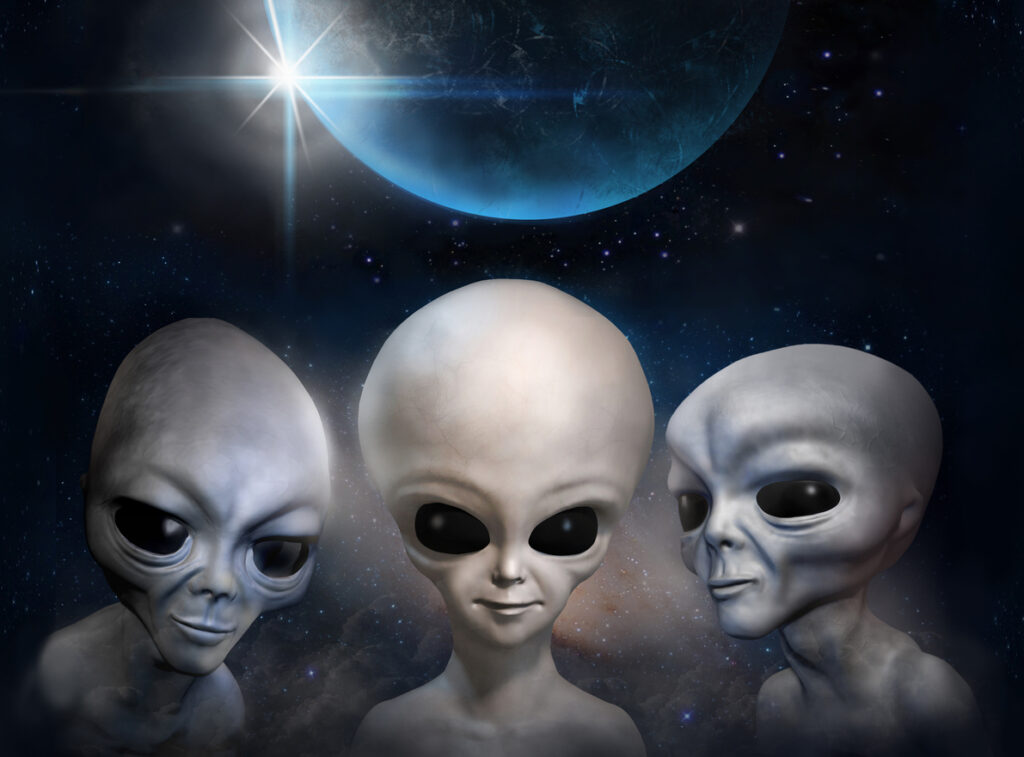
Even if aliens are trying to communicate, their signals might be indistinguishable from natural phenomena to us. Advanced civilisations could use methods that look like background noise, cosmic radiation, or random fluctuations. They might encode information in ways we don’t recognise as information at all. We’re searching for patterns that seem intentional to human minds, but alien intent might produce patterns we’d dismiss as meaningless.
The sensory requirements might be incompatible.
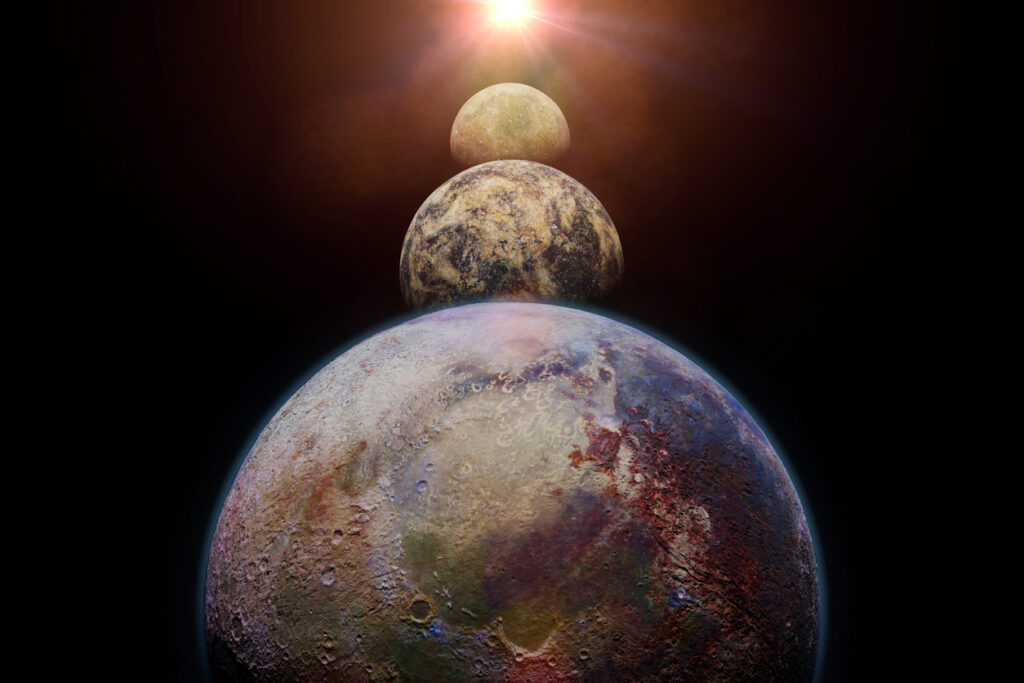
Earth life evolved around visible light, sound, and chemical detection that match our environment. Alien life might perceive reality through senses we don’t possess and can’t easily imagine. They could communicate through magnetic fields, gravitational waves, or things we can’t detect at all. If their entire sensory world is incompatible with ours, we could be right next to alien life without any mutual awareness existing.
Artificial and natural might be indistinguishable.
We assume we’ll recognise alien technology as artificial, but advanced civilisations might create things that look completely natural to us. Megastructures could mimic natural astronomical objects, or technology could be biological and integrated into ecosystems. The distinction between tool and organism might not exist for them. We could be looking at artificial constructs and cataloguing them as unusual natural phenomena because they don’t match our concept of technology.
Our instruments can only detect what they’re designed to find.
Every telescope, probe, and sensor we build makes assumptions about what we’re looking for. If alien life operates on principles we haven’t theorised, our instruments simply won’t register it. We’re using tools designed for specific signatures, so anything outside those parameters stays invisible. Until we develop detection methods based on broader assumptions about what life could actually be, we’re limited to finding variations of what we already know.