
Tarantulas don’t exactly scream cuddly companion. For most people, they sit firmly in the nightmare category. Hairy legs, slow movements, that intense stare. Yet people who actually keep them will tell you a very different story. They’re calm, low maintenance, surprisingly fascinating, and far easier to care for than most traditional pets. If you can get past the spider stereotype, they start to make a lot more sense than you’d expect.
They’re incredibly low maintenance compared to most pets.
Tarantulas don’t need walks, grooming appointments, training sessions, or constant stimulation. A well set up enclosure, fresh water, and occasional feeding are often enough to keep them healthy. Once their habitat is correct, they mostly get on with their own lives without demanding attention.
For people with busy schedules or limited space, that simplicity is a huge advantage. You don’t have to rearrange your entire day around them. They’re not lonely in the way social mammals can be. In many ways, they’re one of the most self-sufficient pets you could own.
They eat far less than you think.
One of the biggest surprises for new owners is how little tarantulas actually need to eat. Many species can go a week or more between meals, and adults sometimes eat even less frequently. Their slow metabolism means they don’t require daily feeding like dogs, cats, or even small mammals.
This makes them affordable to keep and easier to manage if you travel for short periods. You’re not dealing with constant feeding schedules. A healthy tarantula is perfectly content with a simple diet of insects at sensible intervals.
@dtalkspodcast Why tarantulas make great pets #tarantula #tarantulasoftiktok #tarantulatok #spiders #exoticpets #darrenrita #podcast ♬ original sound – D-Talks
They’re generally calm, not aggressive.
Despite the horror film image, most commonly kept tarantula species are defensive rather than aggressive. They would much rather retreat or flick hairs than attack. Bites are rare and usually happen only if the spider feels seriously threatened. When left undisturbed in a proper enclosure, they spend much of their time sitting still or slowly exploring. The dramatic lunging monster stereotype simply doesn’t match the reality of most captive species.
They don’t smell or create mess.
Unlike many furry pets, tarantulas produce almost no odour when their enclosure is maintained properly. There’s no fur shedding, no litter trays, no muddy paw prints across the floor. Their waste is minimal and easy to spot and remove. For people living in flats or shared spaces, that cleanliness is a real benefit. You’re not dealing with pet hair in your clothes or strong smells in small rooms. Their footprint in the home is surprisingly small.
They don’t need constant handling.
Some pets demand physical affection and interaction to stay happy. Tarantulas are different. They don’t crave being picked up or cuddled, and in fact they’re usually better observed than handled. That removes a lot of pressure from the owner. You can appreciate them visually without feeling guilty for not engaging constantly. For people who enjoy watching rather than interacting physically, this suits them perfectly. It is companionship without the expectation of constant touch.
Their lifespan can be impressively long.
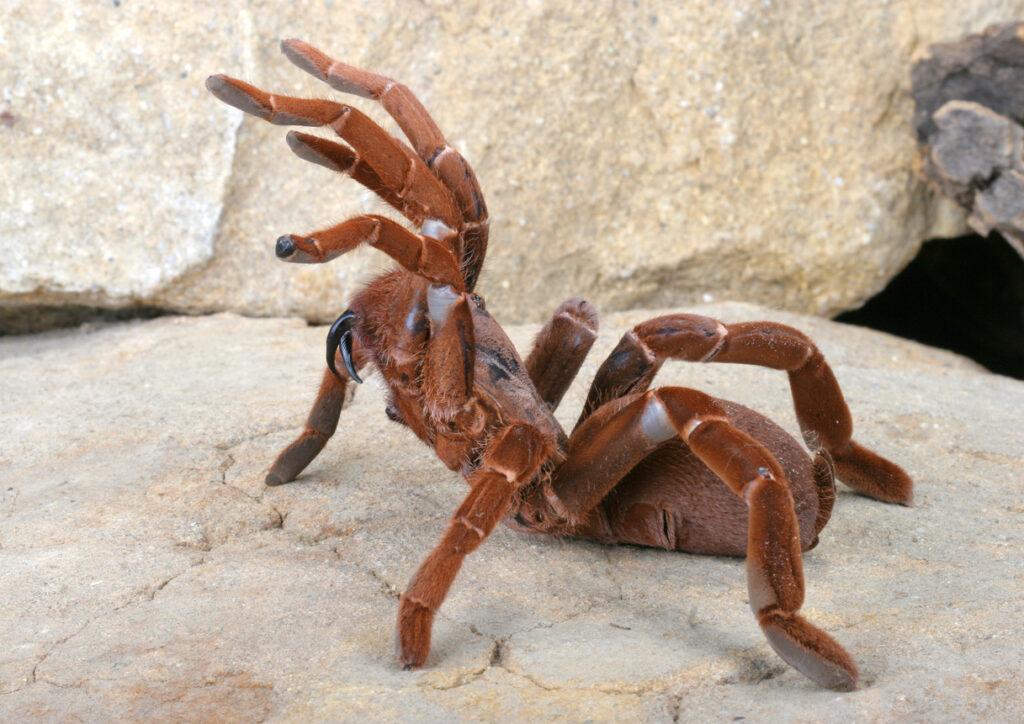
Female tarantulas of many species can live for fifteen to twenty years, sometimes even longer with good care. That kind of lifespan is comparable to many traditional pets. You’re not bringing home a short-term novelty. Their long life allows you to learn their patterns and habits over time. You see growth, moulting cycles, and subtle changes in behaviour. It becomes a long-term commitment rather than a brief curiosity.
Watching them is genuinely fascinating.
Tarantulas may not be energetic in the way dogs are, but they’re endlessly interesting to observe. The way they move, groom themselves, or carefully manipulate prey reveals a level of precision that can be surprisingly absorbing. Moulting, in particular, is an extraordinary process to witness. Seeing a tarantula shed its entire exoskeleton and emerge fresh and delicate is something most people never experience. It feels almost prehistoric and quietly dramatic.
They require minimal space.
A properly sized enclosure doesn’t take up much room at all. For many species, a secure tank on a shelf is sufficient. You don’t need a garden, a park nearby, or a large indoor area. That makes them practical for people in smaller homes. They fit into spaces where larger pets simply wouldn’t be realistic. Their environmental needs are focused and contained.
@reddph TOP 5 REASONS WHY YOU NEED A TARANTULA #fyp #PET #fypシ #BLOG #YOUTUBE #spider ♬ Fast – LLusion
They encourage calm observation.
Keeping a tarantula tends to slow you down. You can’t rush their movements or force interaction. You learn patience simply by watching them exist in their own steady rhythm. In a strange way, they can be grounding. Sitting quietly and observing a creature that moves with deliberate, careful steps can feel almost meditative. It is a very different kind of pet experience.
They’re surprisingly affordable to keep.
Once the enclosure is set up, ongoing costs are relatively low. Food insects are inexpensive, and there are no routine grooming bills or expensive specialist foods. Electricity use for heating is usually modest if required at all. Compared to many common pets, the financial commitment is far lighter. That accessibility makes them appealing to people who want a companion animal without ongoing heavy expense.
They challenge common fears.
For some owners, keeping a tarantula is partly about confronting and softening a fear of spiders. Over time, what once looked terrifying begins to look intricate and even beautiful. Learning about their behaviour and biology replaces panic with understanding. That shift can be empowering. It turns something once avoided into something appreciated.
They’re not trying to please you.
Perhaps the most unexpected appeal is that tarantulas are completely indifferent to your approval. They don’t perform tricks, seek praise, or compete for attention. They simply exist. There’s something refreshing about that. The relationship is based on care and observation rather than emotional dependency. For the right person, that quiet presence feels steady and uncomplicated in a way few other pets can match.