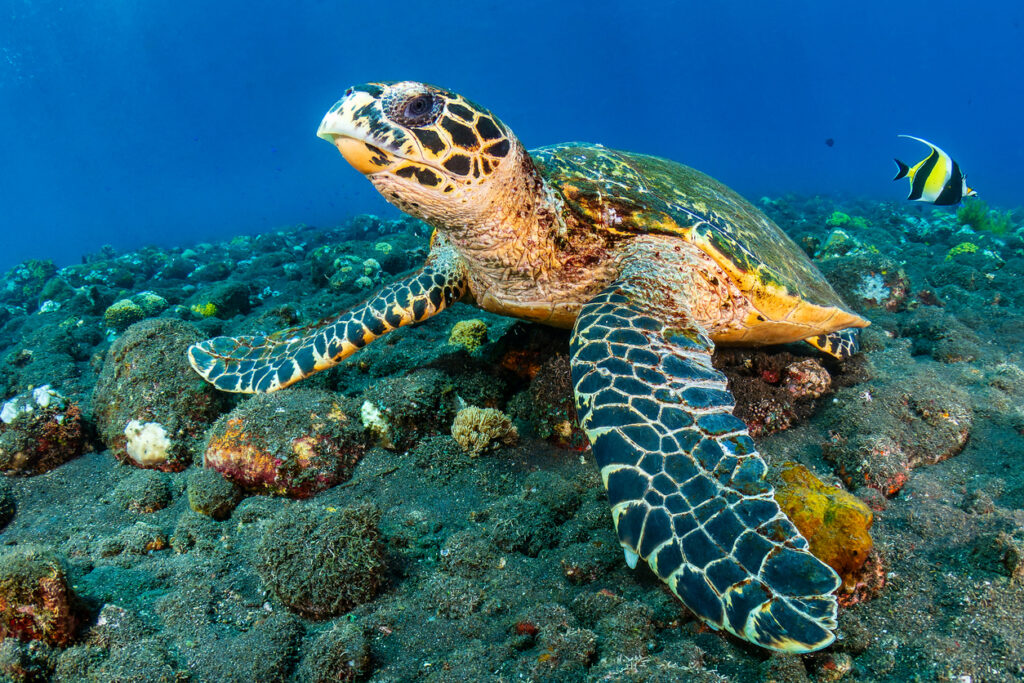
Sea turtles have been around for over 100 million years, surviving everything from dinosaur extinctions to ice ages, but they’re struggling more than ever to deal with the challenges humans have created in just the last few decades. According to the World Wildlife Foundation (WWF), tens of thousands are lost every year, and those numbers are only going up. Here’s why they’re in so much peril.
1. Plastic pollution is literally everywhere they eat.
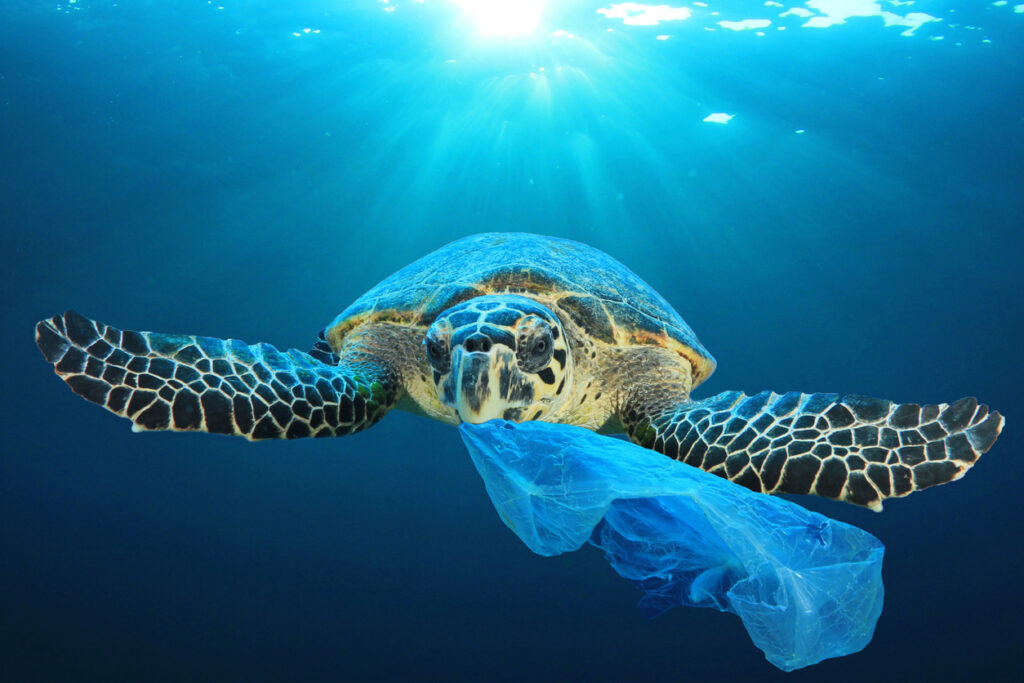
Sea turtles mistake plastic bags for jellyfish, bottle caps for small fish, and microplastics are now found in basically every part of the ocean where they feed. A single plastic bag can kill a turtle by blocking its digestive system, and even smaller pieces accumulate in their stomachs, making them feel full when they’re actually starving.
The amount of plastic in our oceans has increased dramatically since the 1950s, and it’s not just the big, obvious pieces that are problematic. Microplastics are in the water column, in the algae they eat, and even in the jellyfish that form a major part of their diet. They literally can’t avoid consuming plastic anymore.
2. Rising sea levels are drowning their nesting beaches.
Climate change is causing sea levels to rise faster than beaches can naturally adjust, which means many traditional nesting sites are getting smaller or disappearing entirely. Sea turtles return to the same beaches where they were born to lay their own eggs, so when those beaches vanish, entire populations lose their breeding grounds.
Even beaches that aren’t completely underwater are getting hit with more frequent storm surges and higher tides that wash away nests before the eggs can hatch. Some nesting beaches that have been used for thousands of years are now unusable, forcing turtles to find less suitable alternatives or skip breeding entirely.
3. Warmer sand is messing with their gender ratios.
Sea turtle sex is determined by the temperature of the sand where their eggs incubate: cooler sand produces males, while warmer sand produces females. With global temperatures rising, many beaches are now so warm that they’re producing almost exclusively female hatchlings, which creates a massive gender imbalance.
Some populations are seeing ratios as extreme as 99% female hatchlings, which means there won’t be enough males to maintain breeding populations in the future. Even a few degrees of temperature increase can completely skew these ratios, and many nesting beaches are already hitting critical temperature thresholds.
4. Coastal development is blocking their access to nesting sites.
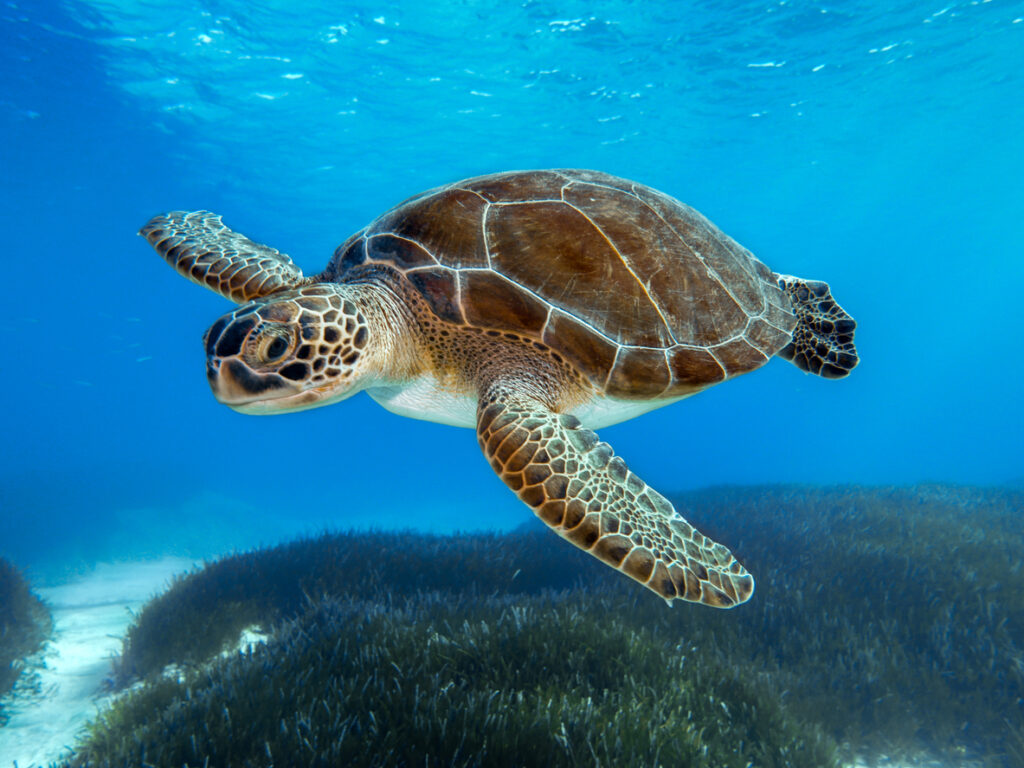
Hotels, condos, and beachfront development have built right up to the high-tide line on many beaches where sea turtles have nested for generations. These structures block access to suitable nesting areas and create barriers that make it impossible for female turtles to reach the dry sand they need for laying eggs.
Even when development includes some beach access, the constant human activity, noise, and artificial lighting can disturb nesting females enough that they abandon their attempts to nest. Some beaches that once hosted thousands of nesting turtles now see only a handful each year because of coastal development pressure.
5. Light pollution is confusing hatchlings, with deadly consequences.
Baby sea turtles naturally follow the brightest light source when they hatch, which used to be moonlight reflecting off the ocean. Now, artificial lights from buildings, streetlights, and cars are brighter than natural light, causing hatchlings to crawl toward land instead of toward the sea.
This misorientation can lead to hatchlings crawling into roads, getting eaten by predators, or dying from exhaustion and dehydration before they ever reach the water. Even if they eventually find the ocean, the delay and stress significantly reduce their chances of survival during their most vulnerable life stage.
6. Fishing gear is killing them faster than we can help.
Sea turtles get caught in fishing nets, tangled in abandoned gear, and hooked by longlines at rates that conservation efforts can’t keep up with. Commercial fishing operations accidentally capture thousands of sea turtles every year, and while some are released alive, many die from their injuries or drown before they can be freed.
Ghost fishing, where lost or abandoned nets continue to catch and kill marine life, is a huge problem for sea turtles because they can’t escape once they’re entangled. These nets can drift in the ocean for years, essentially becoming underwater death traps that continue killing long after they’ve been abandoned.
7. Boat strikes are becoming more common as ocean traffic increases.
Sea turtles need to surface regularly to breathe, which puts them at risk of being hit by boats, especially in busy coastal areas and shipping lanes. As recreational boating and commercial shipping have increased, so have the number of turtles killed or seriously injured by boat propellers and strikes.
Even non-fatal boat strikes can cause shell damage, internal injuries, or neurological problems that make it harder for turtles to feed, dive, or avoid other threats. Many turtles that survive initial boat strikes end up dying later from complications or increased vulnerability to other dangers.
8. Ocean acidification is weakening their food sources.
As oceans absorb more carbon dioxide from the atmosphere, they become more acidic, which affects the marine organisms that sea turtles depend on for food. Coral reefs are bleaching and dying, reducing habitat for the fish and invertebrates that some turtle species eat.
The shells of molluscs and other prey species are becoming thinner and weaker in more acidic water, which might seem like it would make them easier for turtles to eat, but it actually means there are fewer of these animals surviving to reproduce, reducing the overall food supply.
9. Pollution is making them sick in new ways.
Chemical pollutants like pesticides, heavy metals, and industrial chemicals accumulate in sea turtle tissues and can cause immune system problems, reproductive issues, and increased susceptibility to diseases. These contaminants build up over their long lifespans, creating health problems that weren’t seen in previous generations.
New types of pollution, including pharmaceutical drugs that end up in waterways and endocrine disruptors from plastics, are creating novel health challenges that sea turtle immune systems haven’t evolved to handle. These pollutants can affect everything from their ability to navigate to their reproductive success.
10. Disease outbreaks are more frequent and severe.
Fibropapillomatosis, a disease that causes tumour-like growths on sea turtles, has become increasingly common and is linked to environmental stressors and pollution. These tumours can grow over their eyes, flippers, and other body parts, making it difficult for them to see, swim, or feed properly.
The disease appears to be more prevalent in areas with poor water quality and high levels of pollution, suggesting that environmental degradation is making sea turtles more vulnerable to diseases that might not have been serious threats in healthier ecosystems.
11. Invasive species are taking over their habitats.
Non-native plants and animals introduced by human activities are changing the ecosystems where sea turtles feed and nest. Invasive seagrasses can crowd out native species that turtles prefer to eat, while introduced predators can devastate nesting beaches by eating eggs and hatchlings.
On some beaches, invasive plants have completely changed the sand composition and temperature, making previously suitable nesting sites unusable. These ecosystem changes happen much faster than sea turtles can adapt, leaving them with fewer suitable habitats and food sources.
12. Illegal harvesting continues despite protection laws.
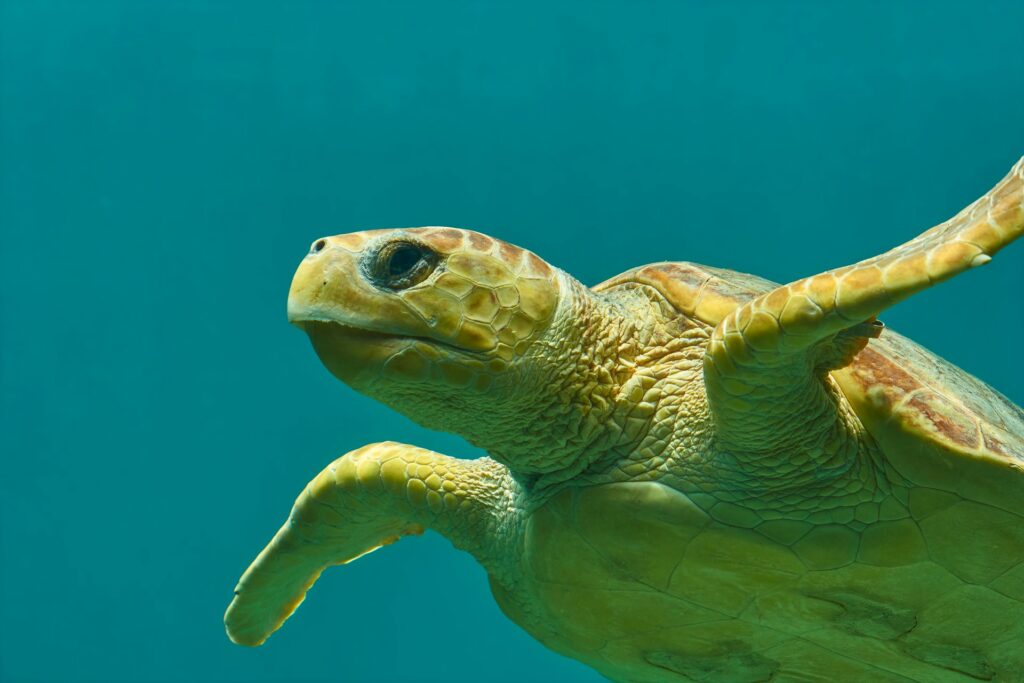
Even though sea turtles are protected by international laws, illegal hunting for their meat, eggs, and shells continues in many parts of the world. Black market demand for turtle products, especially in traditional medicine, creates ongoing pressure on already vulnerable populations.
Enforcement of protection laws is often difficult in remote areas, and the high value of turtle products provides strong economic incentives for poaching. Some populations that were showing signs of recovery have declined again due to increased illegal harvesting pressure.
13. Climate change is accelerating faster than they can adapt.
All of these individual threats are happening simultaneously and at a pace that’s unprecedented in sea turtle evolutionary history. While they’ve survived major environmental changes before, those changes typically happened over thousands or millions of years, giving them time to adapt gradually.
The current rate of climate change, combined with all the other human-caused threats, is creating a perfect storm of challenges that sea turtles simply haven’t had an opportunity to evolve responses to. Their slow reproductive rate and long generation times make it even harder for them to adapt quickly to rapidly changing conditions.