Planting trees gets framed as the ultimate climate solution, but it’s not always as simple as it sounds.
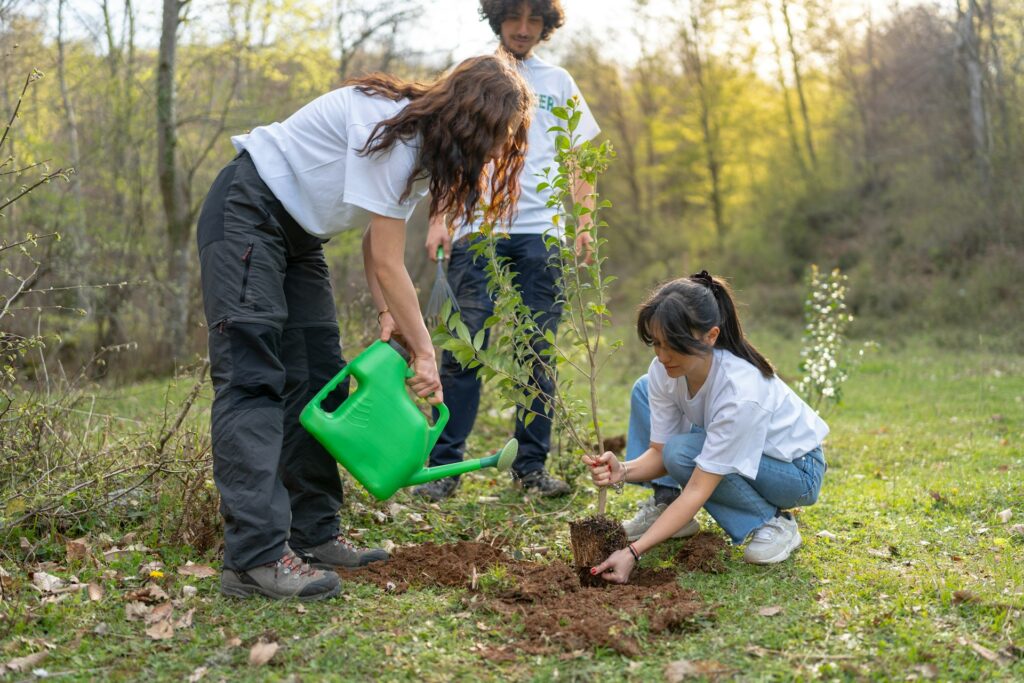
The idea of grabbing a shovel, putting a sapling in the ground, and instantly helping the planet is appealing, and it makes for great headlines. However, the truth is more complicated. In the wrong place, trees can disrupt ecosystems, drain water supplies, or even make warming worse. The key isn’t planting everywhere possible, it’s knowing where and how trees actually make sense. Sometimes, the best thing you can do for the environment is not plant at all.
Grasslands store more carbon than you think.
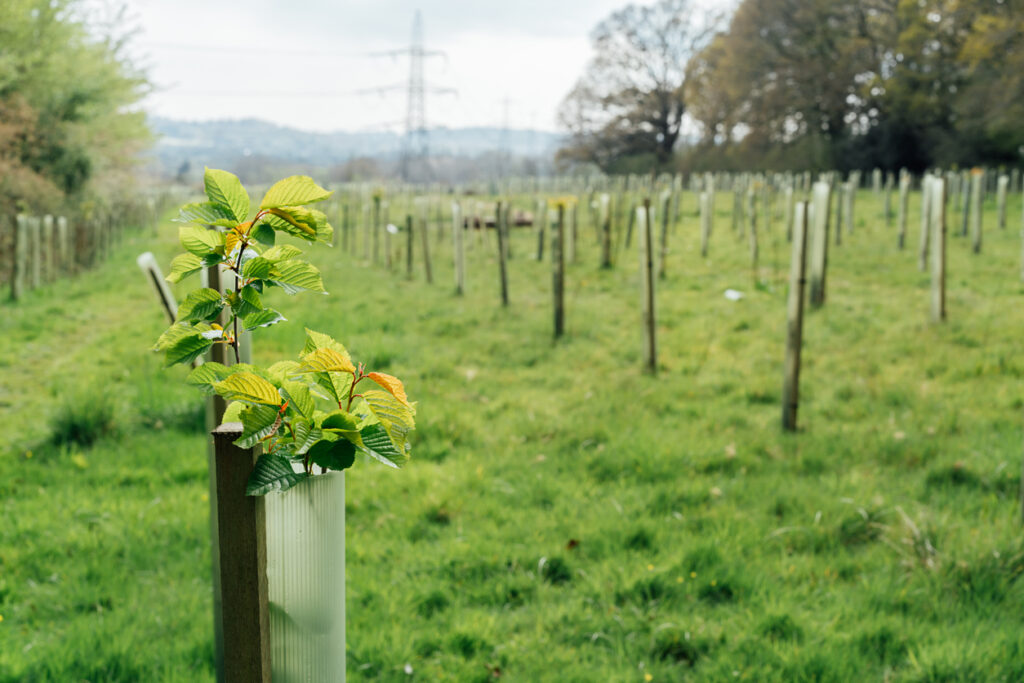
It’s easy to look at a wide, open grassland and assume it’s “wasted space” that could be improved with trees. In reality, grasslands are silent climate heroes. Their strength lies underground: root systems stretch deep into the soil, storing carbon securely for centuries. When grasslands are ploughed up or planted over, that carbon gets released, undoing thousands of years of natural storage in one swoop.
Keeping grasslands intact is far more beneficial than covering them with forest. These ecosystems evolved without trees, and they’re already pulling their weight in ways that aren’t obvious at first glance. Protecting them means protecting one of the planet’s most overlooked carbon banks, as well as the wildlife that depends on open landscapes to thrive.
Peatlands are a climate superpower.
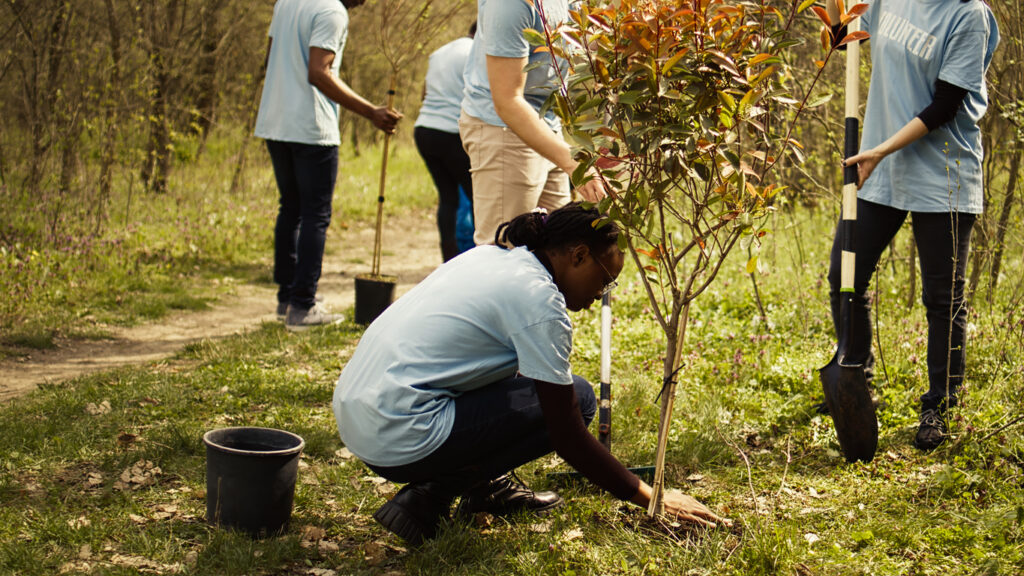
Peat bogs and wetlands may not be glamorous, but they’re some of the most efficient carbon sinks on Earth. Peat forms over thousands of years, locking away layer upon layer of carbon-rich plant material. Planting trees in these areas disrupts the waterlogged conditions that keep peat stable. Once drained, peat begins releasing vast amounts of carbon back into the air, often more than trees could absorb in decades.
Restoration, not planting, is what peatlands need. Re-wetting bogs and protecting them from development keeps their carbon stores safe and functioning. A single healthy peatland can outperform entire forests in terms of climate benefit, which makes preserving them one of the smartest moves we can make.
Non-native trees can cause hidden damage.
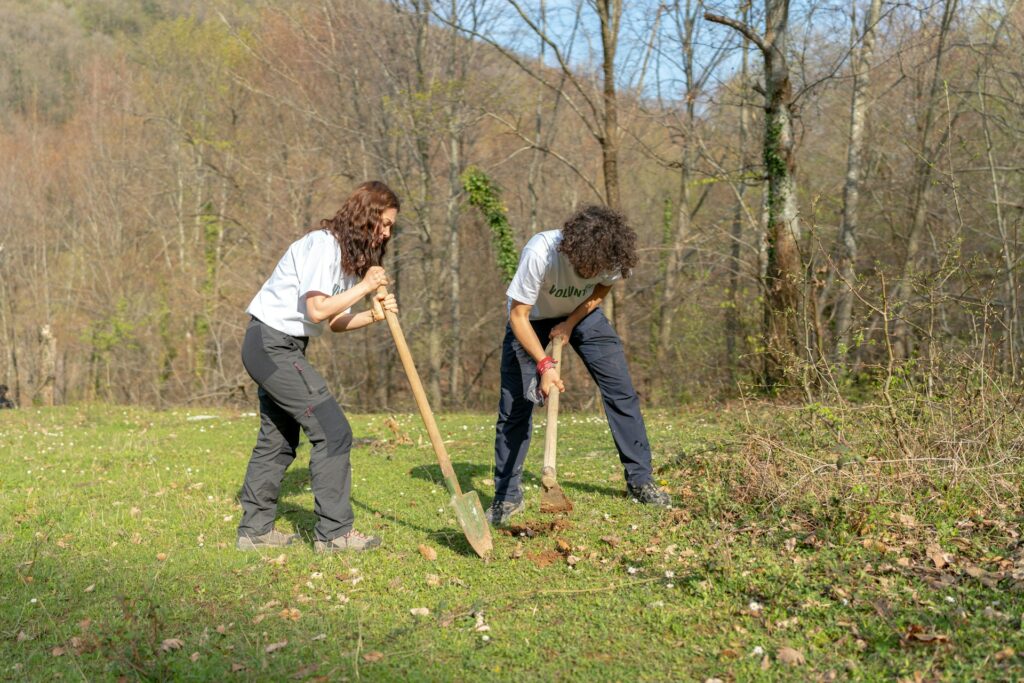
Tree planting projects often favour species that grow quickly and look impressive, but that speed comes at a cost. Non-native species can overwhelm local ecosystems, outcompeting native plants, starving insects, and weakening biodiversity overall. What looks like a forest from a distance is often an ecological desert up close.
The solution is to stick with native trees that evolved to support the local environment. They may grow slower, but they provide food, shelter, and balance that fast-growing imports can’t. Healthy forests aren’t measured in straight lines of identical trunks. They’re measured in diversity, resilience, and the ability to sustain life.
Tree plantations aren’t real forests.

Rows of identical trees may look lush, but they function more like crops than ecosystems. Plantations store less carbon than diverse forests and are more vulnerable to pests, disease, and fire. Without undergrowth, wildlife corridors, and variety, they simply can’t offer the same climate or ecological benefits.
Protecting old-growth forests or allowing natural regeneration is always better. Diversity is the engine that makes ecosystems resilient, and plantations can’t replicate that. At best, they’re short-term carbon storage; at worst, they replace genuine habitats with something far more fragile.
Snow and ice melt faster near trees.

In colder regions, tree cover creates an unexpected problem. Snow and ice naturally reflect sunlight, keeping the planet cooler. When trees are planted in these landscapes, they darken the surface and absorb heat instead. That extra warmth speeds up melting, which adds to global warming instead of fighting it.
Tundra and polar regions thrive without trees and play a critical role in regulating global temperatures. The smartest move there is to protect their openness, not cover it up. In these cases, a treeless landscape is exactly what the climate needs.
Dry soils can’t handle thirsty trees.
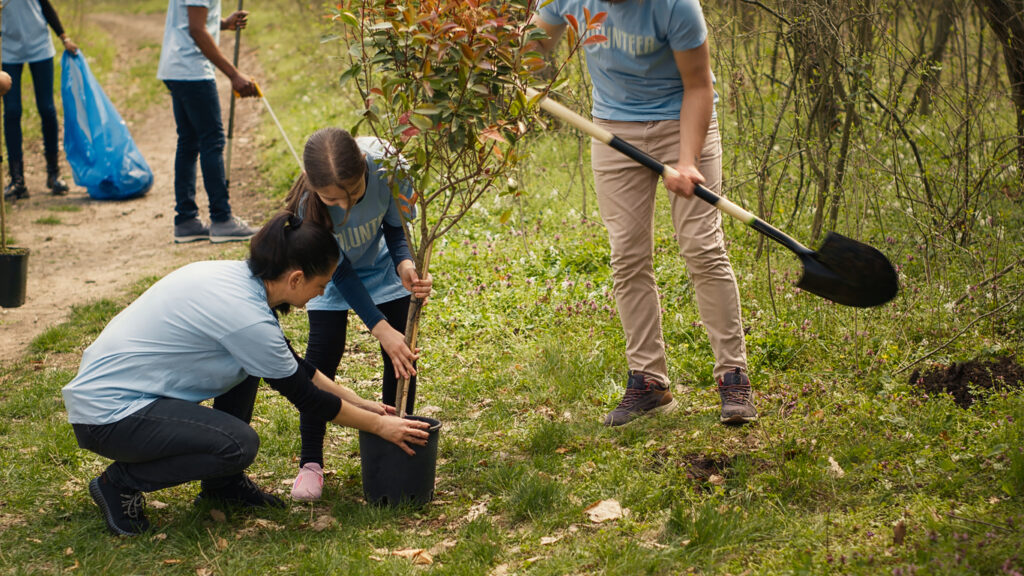
Planting in arid or nutrient-poor soils often sounds hopeful, but rarely works in practice. Trees need water and nutrients to establish themselves, and in places where those resources are scarce, they struggle to survive. Even if they do, they pull what little water exists away from native plants and communities that already rely on it.
Instead, working with what naturally grows, such as drought-resistant shrubs, grasses, or groundcover, makes far more sense. These plants stabilise soil, provide habitat, and survive without draining resources. In dry regions, planting trees can cause more harm than good, while supporting native vegetation offers real resilience.
Planting disrupts water cycles.

Trees are thirsty, and when planted in already dry regions, they can upset delicate water balances. By pulling groundwater and reducing river flows, they risk leaving local communities and ecosystems with less to survive on. What begins as a climate solution can quickly become a human problem.
That’s why planning matters. Tree planting must be balanced with water availability, ensuring it doesn’t compete with people’s needs. Smart restoration projects work with water cycles instead of straining them, protecting both communities and the environment in the process.
Carbon payback takes too long.
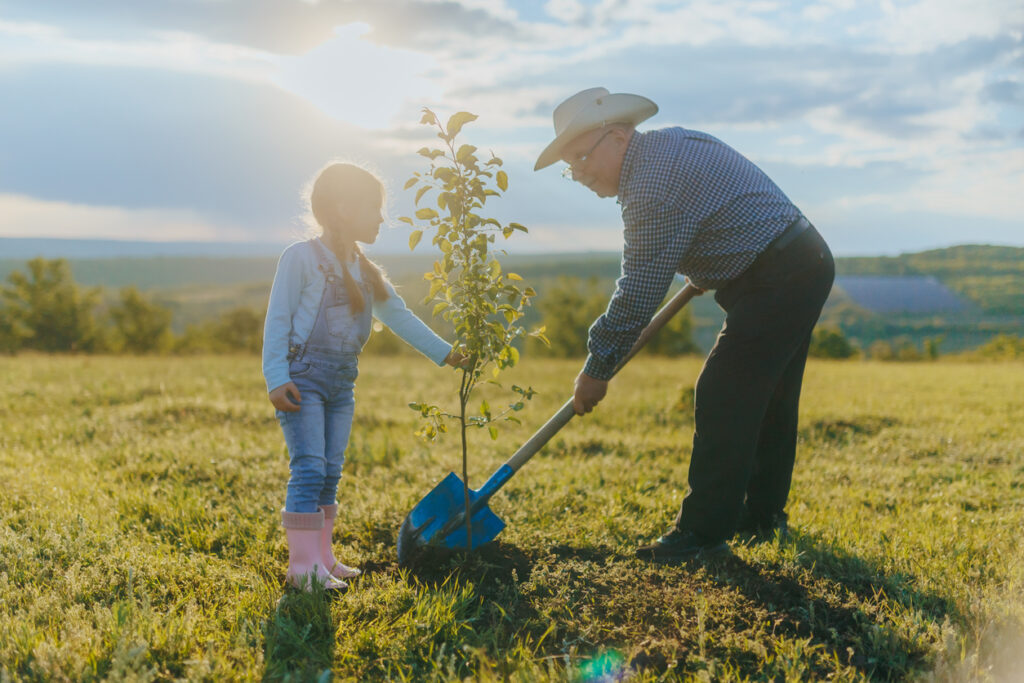
One of the biggest myths about tree planting is that it instantly cancels out emissions. In reality, young trees take decades to store meaningful amounts of carbon. Meanwhile, clearing grasslands, peat, or old forests to make room for them releases carbon immediately. The maths doesn’t add up; the damage happens now, while the benefits don’t arrive for generations.
Protecting mature ecosystems is always the faster, smarter choice. They’re storing carbon today, not 40 years down the line. That doesn’t mean new trees are useless, but they should never replace existing habitats in the rush to look like progress is being made.
Some schemes are about optics, not impact.

Tree planting has become a PR tool. Companies fund flashy projects to appear eco-friendly, even when those projects displace communities or harm local ecosystems. It looks good in an advert, but it rarely solves the underlying problem of emissions.
Real solutions aren’t about image, they’re about impact. That means funding projects led by science, not marketing, and focusing on long-term restoration instead of quick wins. Greenwashing may buy goodwill, but it doesn’t buy time against climate change.
Natural regeneration works better.

Nature has its own plan for recovery, and often it outperforms human intervention. Left alone, landscapes can regrow with a mix of native species, insects, and wildlife that balance each other out. These ecosystems are stronger because they emerge naturally, not from human design.
Supporting regeneration instead of rushing to plant creates healthier, more sustainable forests. Sometimes the best way to help is to step back, reduce the pressures that caused the damage in the first place, and let nature do the heavy lifting. Patience, in this case, pays off far more than planting in the wrong place.