Foraging has become popular again because people want to reconnect with nature and enjoy food that feels fresh and meaningful.
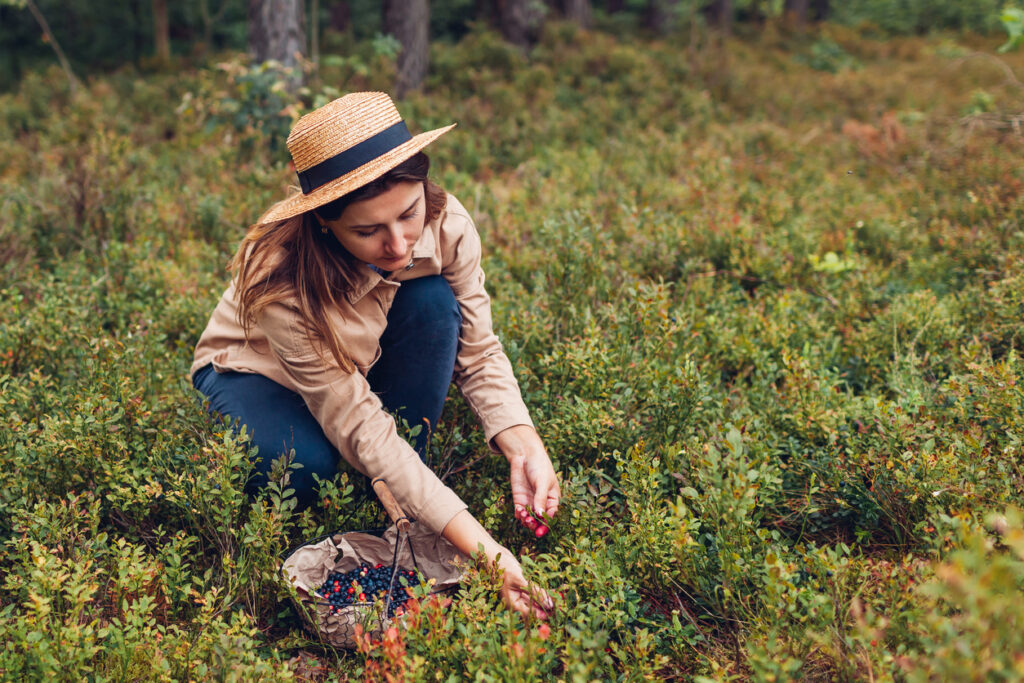
However, while it’s one of those things people are suddenly curious about, it’s not just a trendy hobby. Getting outside, paying attention to what’s growing around you, and actually learning what’s edible does something surprisingly good for your head. It slows you down and gives you a sense of connection you don’t usually get from a supermarket shop. Plus, there’s something genuinely satisfying about finding food yourself instead of grabbing it off a shelf.
That being said, foraging isn’t a free-for-all where you can pick anything that looks interesting. There are smart, safe ways to do it, and a few things you need to know before wandering into the woods with a basket. When you get it right, it’s fun, grounding and ridiculously rewarding. Here’s why foraging is good for you, and how to do it properly.
It gets you moving in a natural, gentle way.
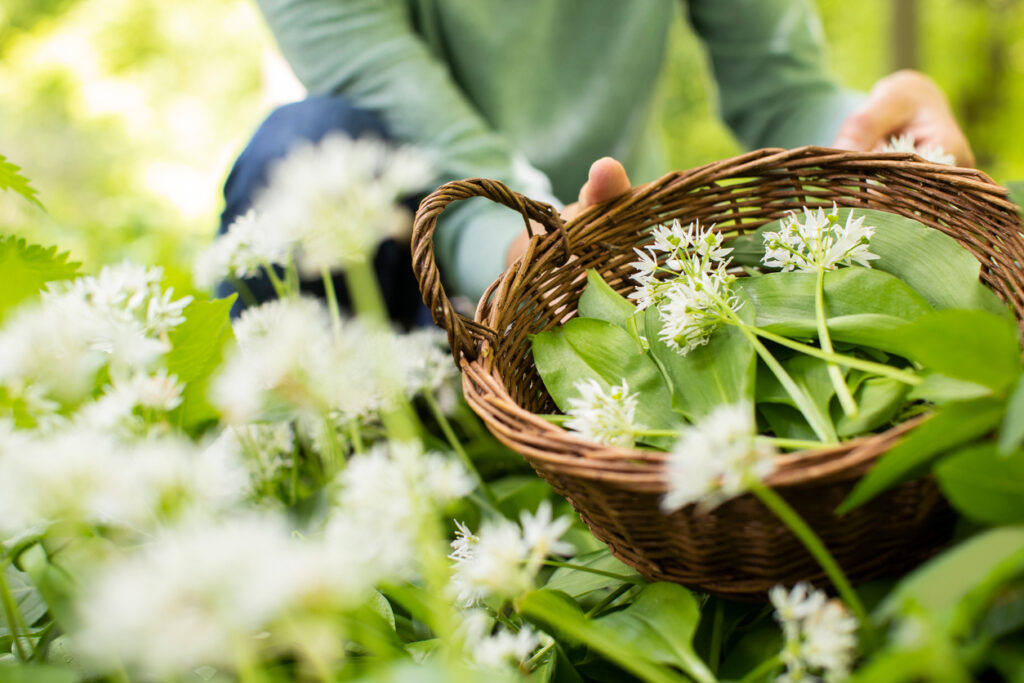
Foraging encourages slow walking, bending, stretching and steady movement that feels easier than formal exercise. You cover ground without thinking about it because your focus is on the plants you’re searching for, and such relaxed movement is good for your body and doesn’t feel like a workout.
It also gets you breathing fresh air and spending more time outside. Even a short forage gives you a boost of energy because your body responds well to gentle activity mixed with outdoor exploration.
It helps you relax and stay present.
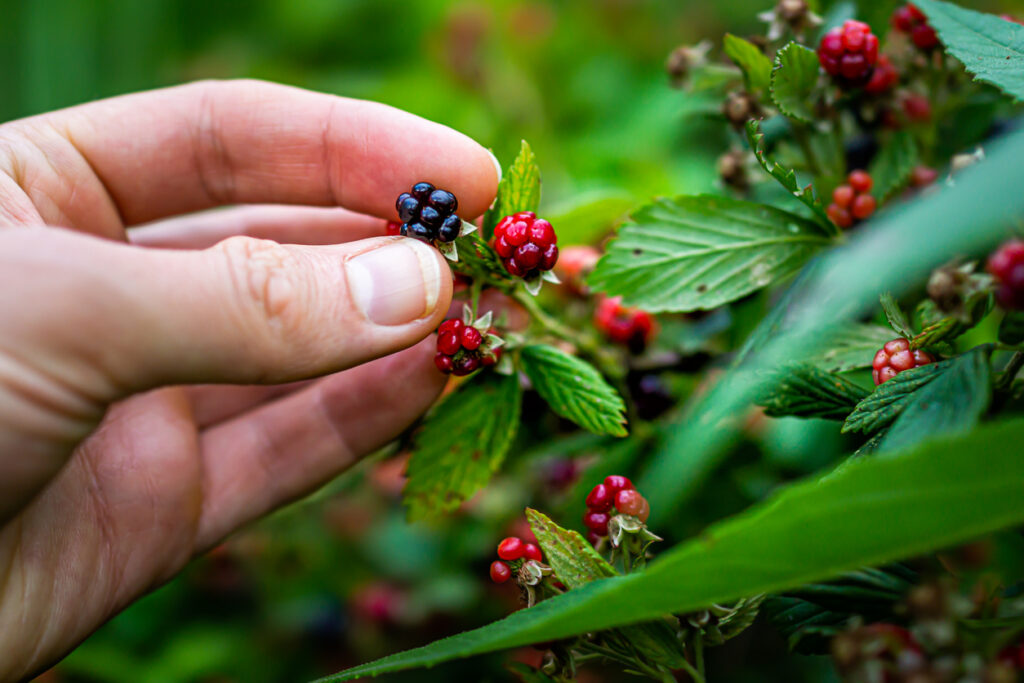
Foraging naturally slows your mind down. You look closely at leaves, berries, textures and colours, which pulls your attention away from stress. You’re concentrating, but not in a heavy or pressured way, and that helps you switch off from everyday worries. Being outdoors also reduces tension, so the whole experience becomes a quiet break that refreshes your mind.
It teaches you patience and observation.

To forage safely, you have to look carefully at shapes, stems, and patterns. This makes you more observant and aware of the small details around you. You start noticing things you walked past before without seeing. As your skills grow, you learn to trust your judgment and take your time. Developing that patience gives you a deeper connection with the natural world and a better understanding of what grows near you.
It can improve your cooking in an easy, fun way.
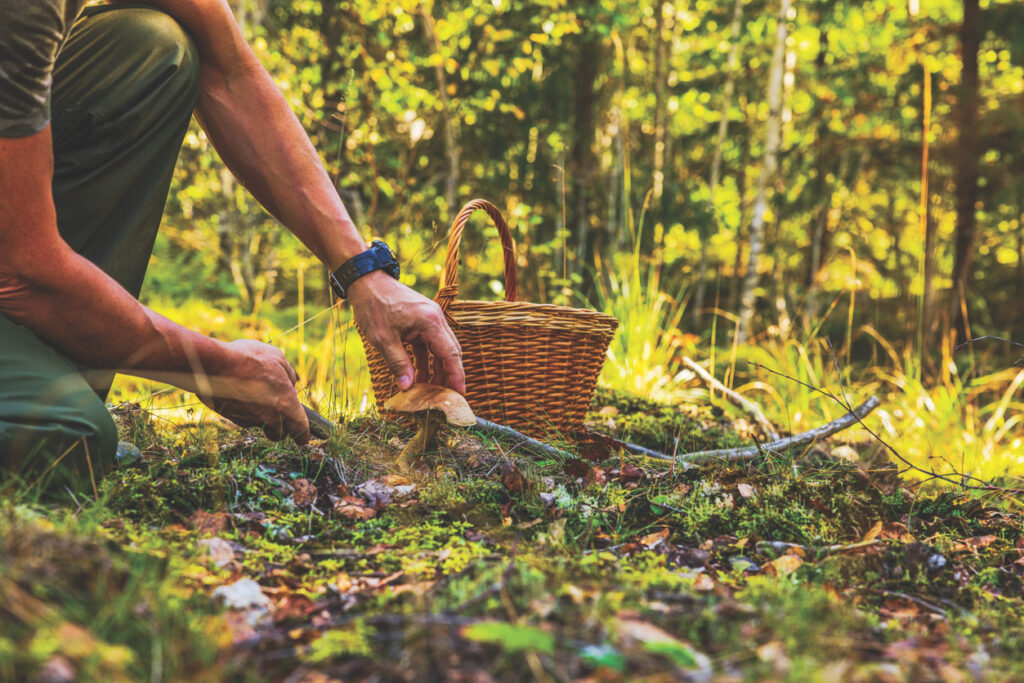
Fresh herbs, greens, and berries make meals more flavourful. You don’t need to be a skilled cook to use foraged ingredients. Simple additions like wild garlic, blackberries or young nettles can lift everyday dishes. Because you picked the ingredients yourself, the food feels more satisfying. You enjoy meals more because there’s a story behind them, and the taste is fresher than anything from the supermarket.
It encourages you to spend more time in nature.
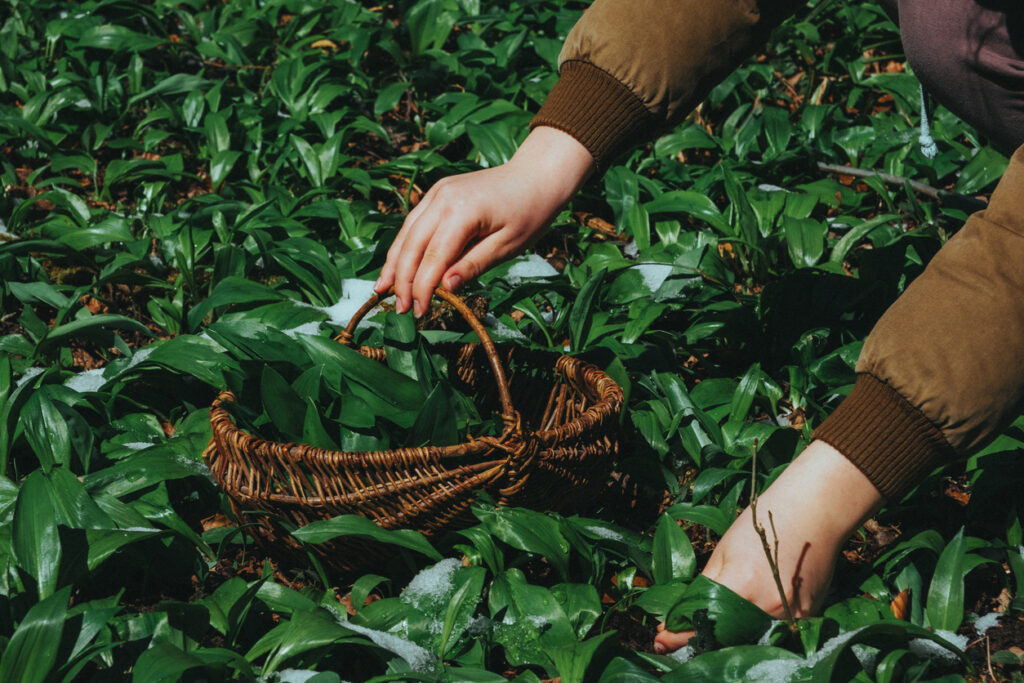
Foraging gets you exploring woods, fields and coastal paths. You start learning where different plants grow and how the seasons change the landscape. The more you go out, the more connected you feel to these places. Being outdoors regularly improves your mood and gives you moments of calm you don’t always get in daily life. Nature becomes something you look forward to instead of something you visit only now and then.
It gives you a sense of achievement.
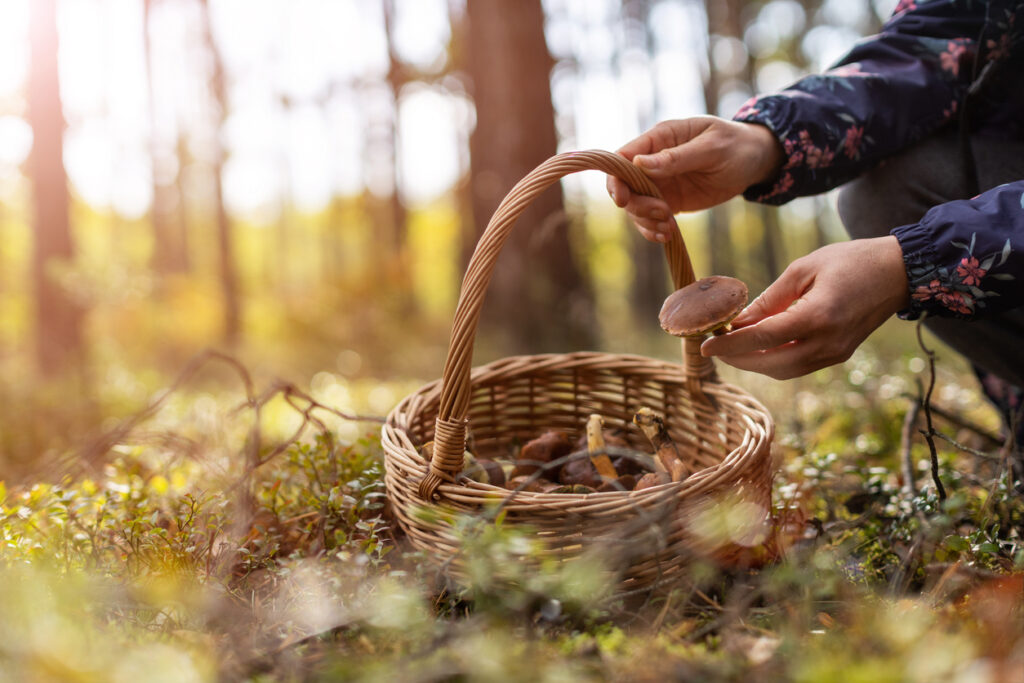
Finding the right plant feels rewarding, especially when you’ve learned how to identify it correctly. You see immediate results from your effort, which gives you a boost of confidence. Even small finds feel meaningful because you put in the time, paid attention and trusted your ability to recognise things safely. Each success makes you more comfortable trying new foraging skills.
It helps you learn more about local wildlife.
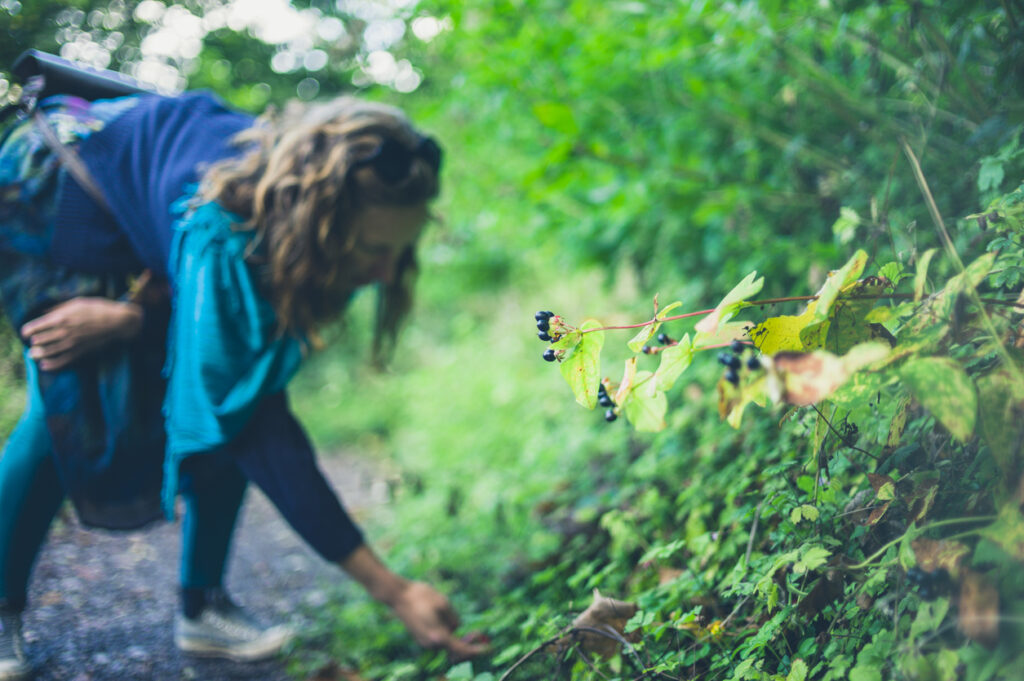
When you forage, you start noticing signs of animals, patterns in the plants they eat and how different species share the same spaces. Developing this awareness gives you a deeper appreciation of the environment. You see how everything fits together, which makes the natural world feel more interesting and alive. It’s a simple way to learn without feeling like you’re studying.
It can save you money.
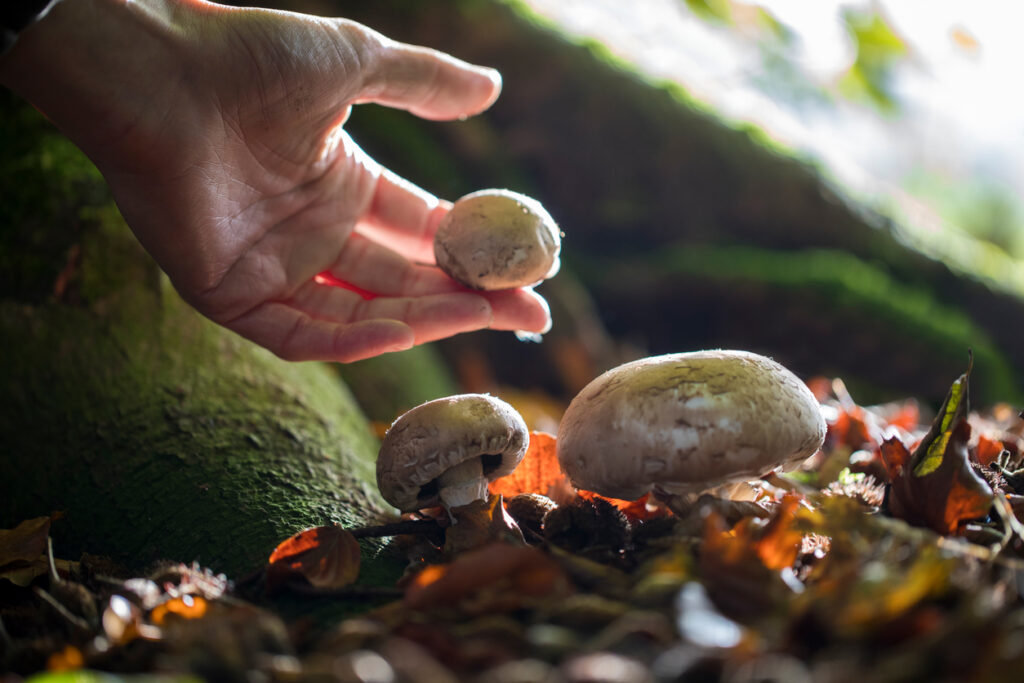
Foraged food can replace items you’d normally buy, like herbs, berries, and salad leaves. It won’t replace your whole shopping list, but it can cut down small costs. The main advantage is that foraging gives you high-quality ingredients without spending extra. You gain fresh flavours and unique additions to meals at no cost.
It encourages sustainable habits.
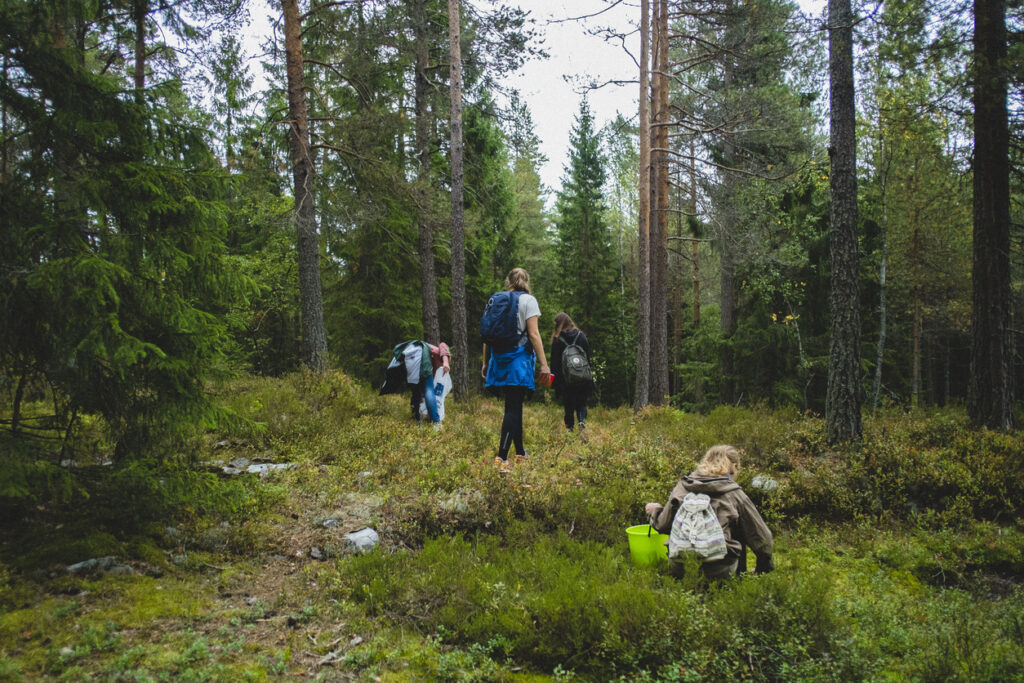
Foraging makes you think more carefully about where your food comes from. You become more aware of seasons, habitats and how plants grow, which naturally encourages you to take only what you need. You also learn how important it is to leave enough behind for wildlife and future growth. Striking that sense of balance teaches respect for nature in a practical way.
It’s a great way to bond with friends or family.
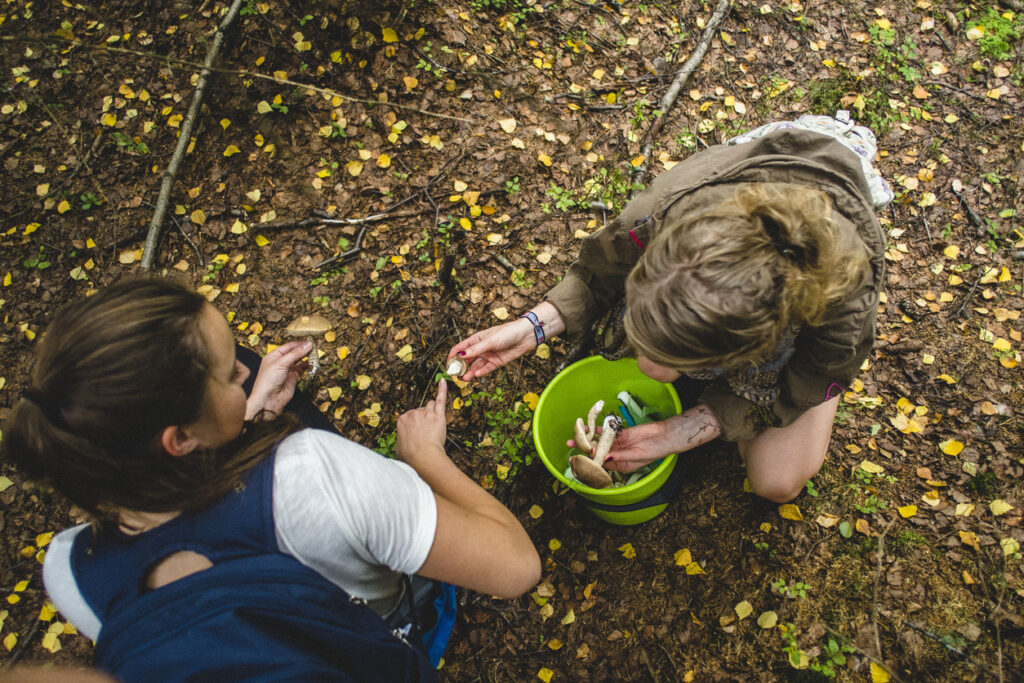
Foraging can be social. Walking together, spotting plants and sharing finds creates an easy, relaxed atmosphere. It gives you something to focus on while you talk, which makes conversations feel more natural. It’s also a fun activity for children, who love the treasure-hunt aspect. Everyone learns something, and the shared experience creates simple, happy memories.
It helps you understand the seasons more deeply.
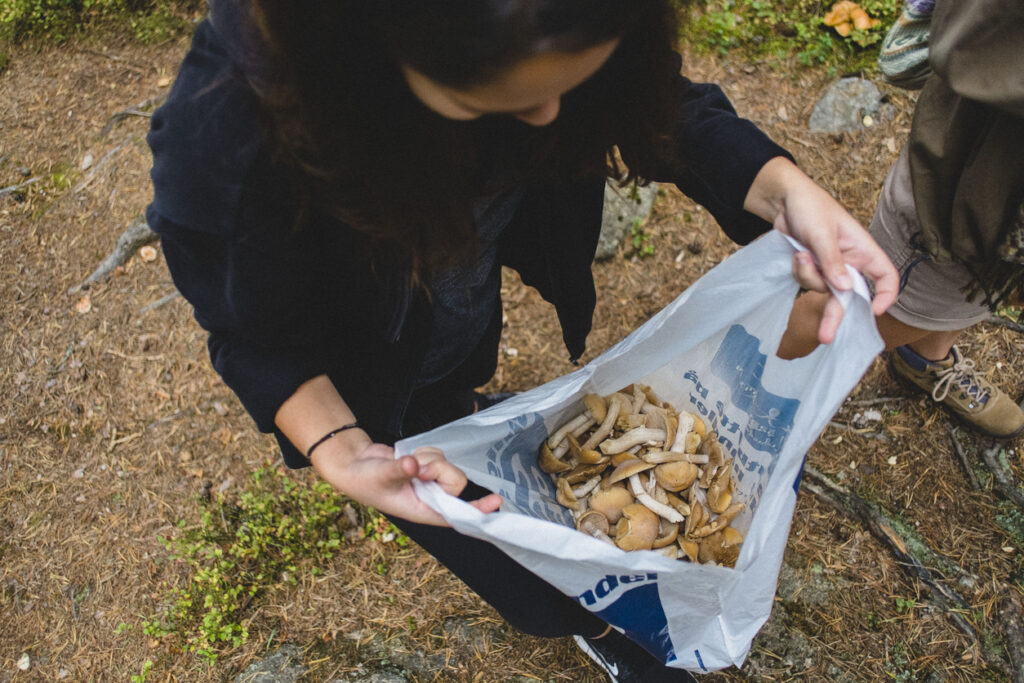
Different plants appear at different times, so you start paying attention to signals like temperature changes, blossom, new shoots or mushroom growth. You become more aware of how nature moves through the year. Developing a bit of seasonal awareness makes you feel more connected to the outdoors. Instead of seeing the weather change and moving on, you look forward to what each season brings.
It reduces food waste at home.
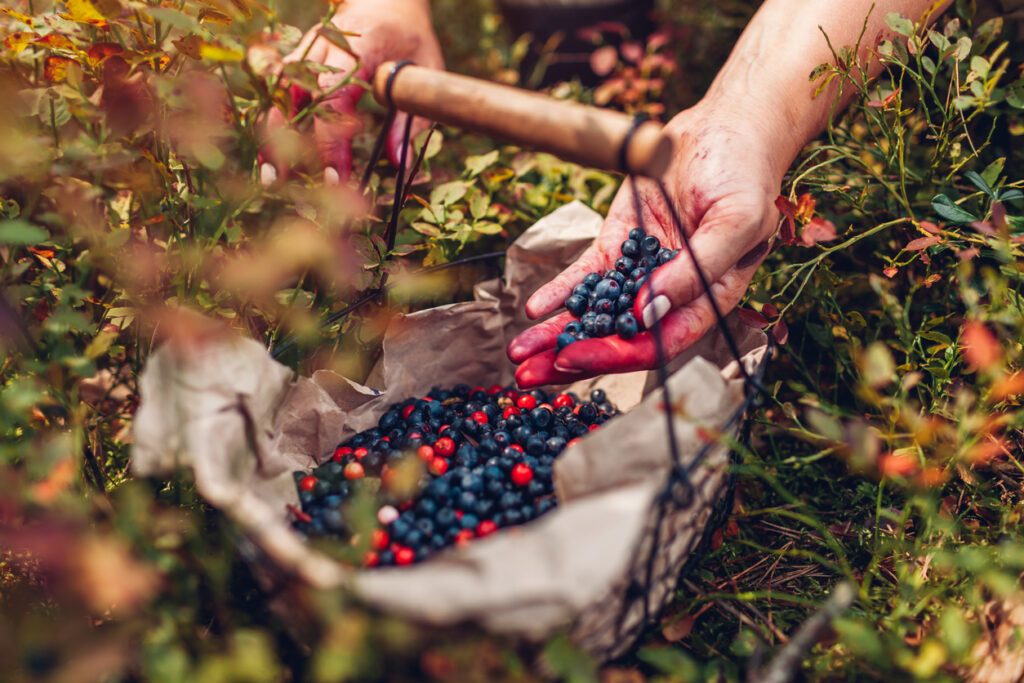
When you work harder to gather food, you tend to use it more carefully. You store it properly, cook it sooner and enjoy it more. The effort you put in makes the food feel valuable. This reduces waste and encourages simple, thoughtful cooking. You value each part of the plant you’ve picked and use it with intention.
How to forage safely and responsibly
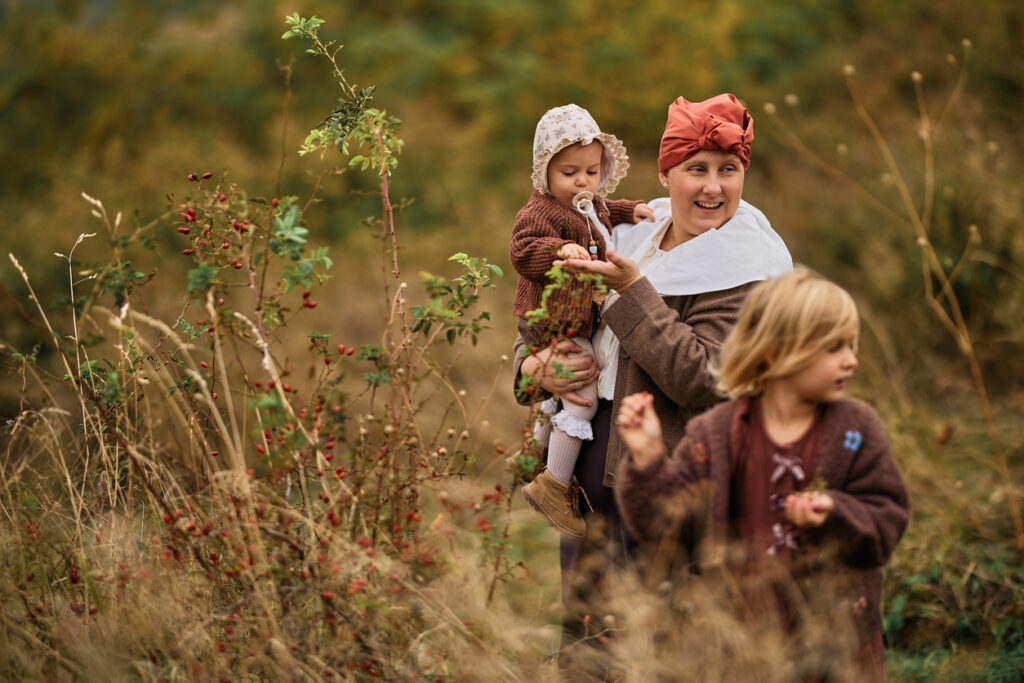
Only pick what you can clearly identify. If you’re unsure, leave it. Many edible plants have dangerous lookalikes, so take your time. Using a trusted guidebook or joining a local foraging walk can help you learn safely.
Always take small amounts and leave plenty behind for wildlife and future growth. Avoid protected areas and never dig plants up at the root. Respecting the environment keeps the ecosystem healthy and ensures your foraging is safe for nature and for you.