
If you’ve ever felt like a walking buffet at a barbecue while everyone else escapes untouched, you’re not imagining it—mosquitoes really do bite some people more than others. Scientists have studied this for years, and it turns out that everything from your sweat to your blood type can make you more attractive to these tiny pests. Here’s what might be making you a mosquito magnet.
You have Type O blood.
One of the strongest predictors of mosquito preference is blood type. Studies have shown that people with Type O blood are bitten almost twice as often as those with Type A. Type B falls somewhere in the middle. Mosquitoes can’t see your blood type directly, but they can detect chemical markers on your skin that give it away.
It’s not something you can control, obviously, but it does explain why two people sitting side by side can have completely different experiences. If you’re Type O and always seem to get eaten alive, this could be the reason behind it.
You breathe out more carbon dioxide.
Mosquitoes use carbon dioxide (CO2) to detect humans from a distance—up to 50 metres away. People who exhale more CO2, like larger individuals or those who are physically active, are more likely to be targeted. The more you breathe out, the easier you are to find.
This also explains why pregnant women, who exhale more CO2 and have higher body temperatures, tend to get bitten more often. If you’re exercising outdoors or just naturally breathe heavily, you might be unknowingly ringing the dinner bell.
Your skin emits certain chemicals.
Our skin produces hundreds of chemical compounds, and some of them are more appealing to mosquitoes than others. For example, lactic acid, which is released in sweat, can draw them in. So can ammonia and certain fatty acids found naturally on the skin.
People produce these compounds at different rates depending on genetics, diet, and skin bacteria. You might smell perfectly normal to another person—but to a mosquito, you could be sending out an irresistible signal.
Your body temperature is higher.
Warm skin is more attractive to mosquitoes, partly because it signals the presence of blood just under the surface. If you run warm naturally, or you’ve just come back from a workout, you’re likely to be more appealing to them than someone cooler. This is also why mosquitoes tend to go for the neck, feet, and ankles—spots where the skin is thinner, and blood flow is higher. Add a bit of sweat, and you’re basically offering them a five-star meal with table service.
You wear dark clothing.
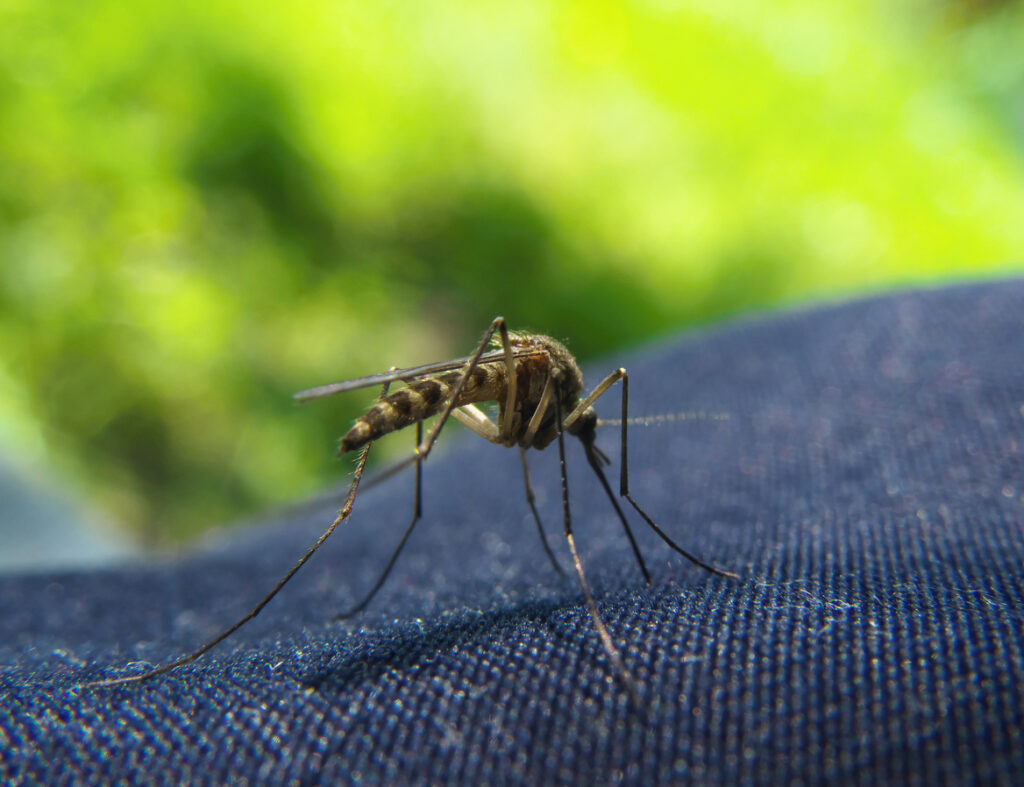
Mosquitoes use their vision to help find targets once they’re close. Dark colours like black, navy, or deep red make it easier for them to lock onto you. Light-coloured clothing makes you harder to spot, especially in dim environments. So if you’re heading out at dusk wearing black leggings and a hoodie, you’re likely helping them find you faster. Wearing lighter shades doesn’t make you immune, but it can reduce how visible you are in the first place.
You’ve been drinking alcohol.
A cold beer on a warm evening might make you feel relaxed, but it can also make you more of a target. Drinking alcohol raises your skin temperature and may also change the composition of your sweat, both of which are appealing to mosquitoes.
Even small amounts of alcohol can have this effect. One study found people drinking just one can of beer were significantly more likely to be bitten. So if you’re the only one drinking at a garden party and wondering why you’re getting swarmed, that could be why.
Your skin bacteria are more appealing.
Our skin is covered in microbes, and while they’re invisible to us, they influence how we smell to insects. People with more diverse skin bacteria tend to get bitten less often, while certain bacterial combinations seem to act like a beacon for mosquitoes.
This is why two people sweating side by side can have very different experiences. It’s not just the sweat; it’s how your body chemistry and bacteria combine to create your unique scent profile. Unfortunately, there’s no quick fix unless you’re willing to change your skin microbiome.
You’re pregnant.
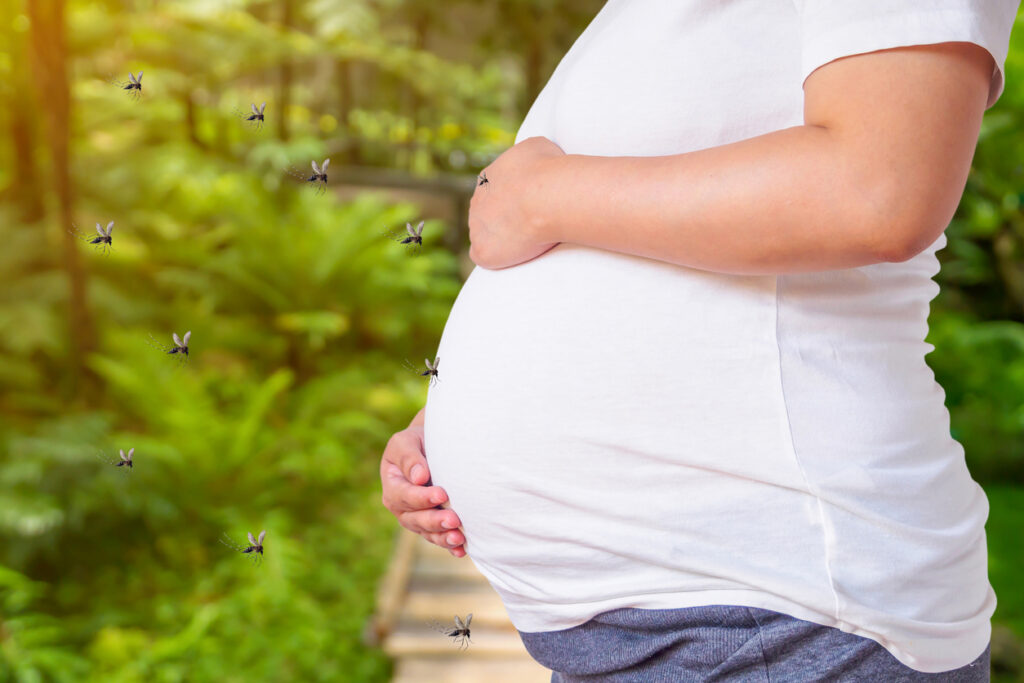
Pregnant women tend to get bitten more often than others. This is due to a mix of increased body temperature, higher blood volume, and greater carbon dioxide output, all of which make them more noticeable to mosquitoes. The abdomen also tends to be more exposed in warmer months, giving mosquitoes easier access to blood-rich areas. If you’re pregnant and feel like you’ve suddenly become a magnet, it’s not your imagination—it’s basic insect biology.
You’re outside during their prime time.
Some people get bitten more simply because they’re outdoors at the wrong time. Mosquitoes are most active at dawn and dusk, especially in warmer months. If you’re out gardening, running, or just sitting on the patio during these times, you’re right in their path.
Adding in any of the other risk factors, like sweating or wearing dark clothes, just makes you more of a target. Changing your routine slightly, or covering up during peak hours, can make a noticeable difference.
It really could just be genetics.
At the end of the day, some people are genetically more prone to being bitten. Your blood type, body chemistry, skin bacteria, and even how much heat you give off are all influenced by your DNA. You might not love the idea, but being a mosquito magnet could simply be something you were born with.
If that’s the case, your best defence is a strong offence, meaning good repellent, breathable long sleeves, and mosquito-proof habits. You can’t change your genes, but you can definitely stop giving mosquitoes an open invitation.