It’s a tempting idea to cut open a supermarket tomato, scoop out the seeds, plant them, and wait for a garden full of homegrown produce.

However, the truth is, not all seeds from shop-bought fruit and veg will actually grow, and even if they do, the results aren’t always what you expect. Some produce comes from hybrids, some are treated not to sprout, and others just need the right conditions. Still, plenty of them can grow if you know what to look for. Here are the supermarket seeds that have the best shot of turning into real, edible plants in your own garden.
1. Tomatoes (sometimes)
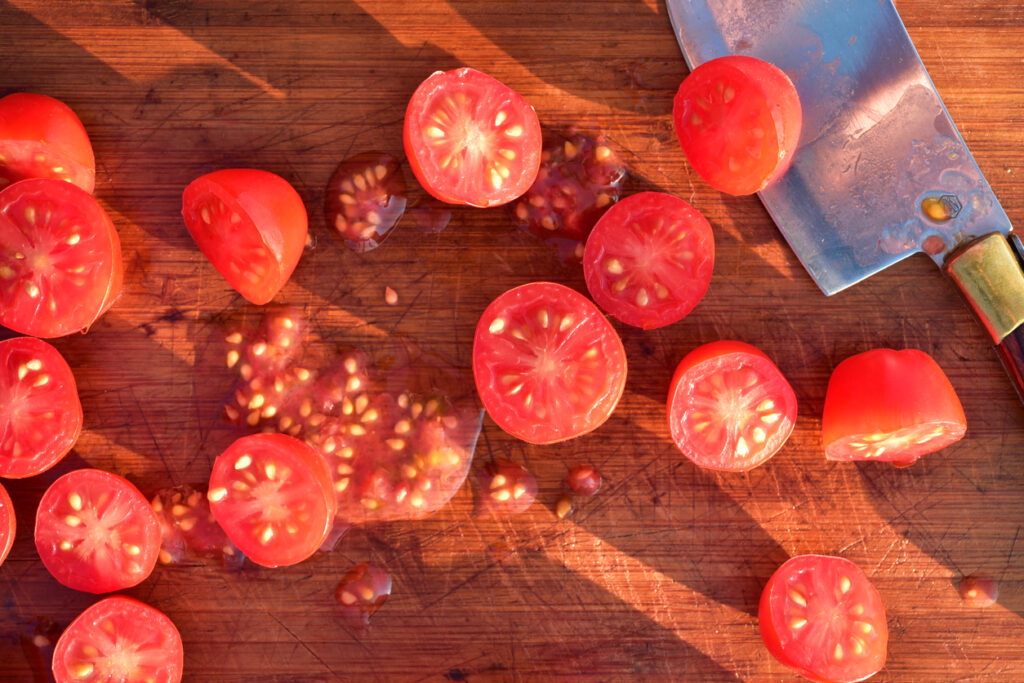
Tomato seeds from supermarket produce can be viable, especially if the fruit is organic or heirloom. But many shop tomatoes come from hybrid varieties, which means the seeds might grow, but the resulting plant could be completely different from the original, and not always in a good way.
If you want to try, scoop the seeds, rinse off the pulp, and let them ferment in water for a few days to remove any inhibitors. Then dry and plant them in good compost. They might surprise you, but don’t bank on getting the exact tomato you bought.
2. Peppers
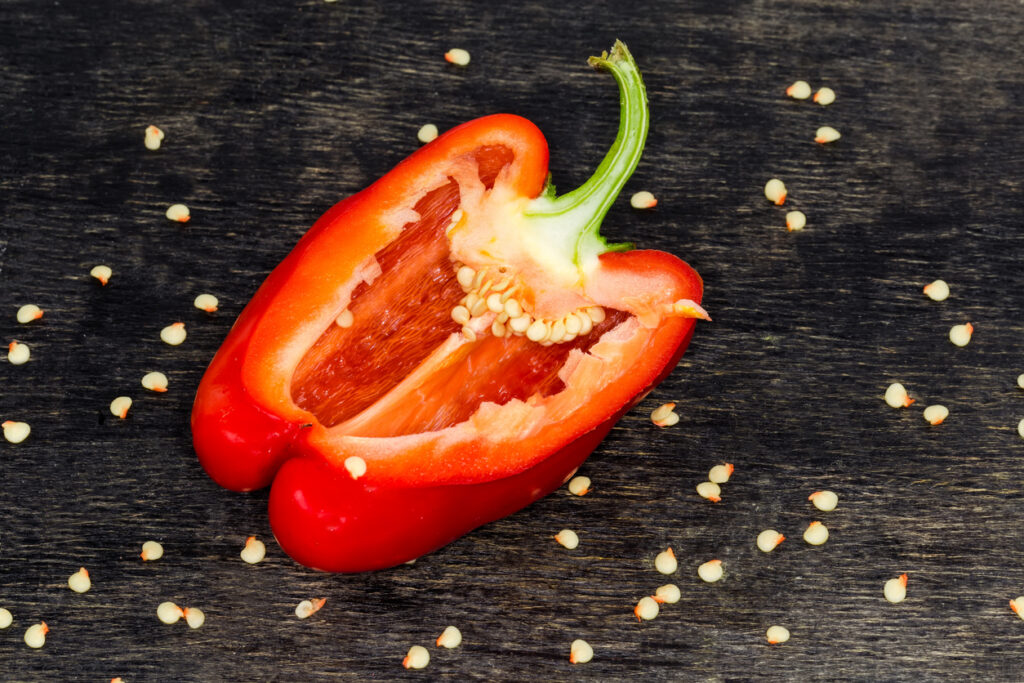
Both sweet and hot peppers often grow well from saved seeds, as long as the original fruit was ripe when picked. Like tomatoes, hybridisation is a factor, but in many cases, you’ll still get something close to the original, especially with organic produce. Let the seeds dry out completely before planting, and give them warmth to germinate, as they can be a bit slow to start. If you’re lucky, you could end up with a pepper plant that produces all summer long with minimal effort.
3. Squash and courgettes
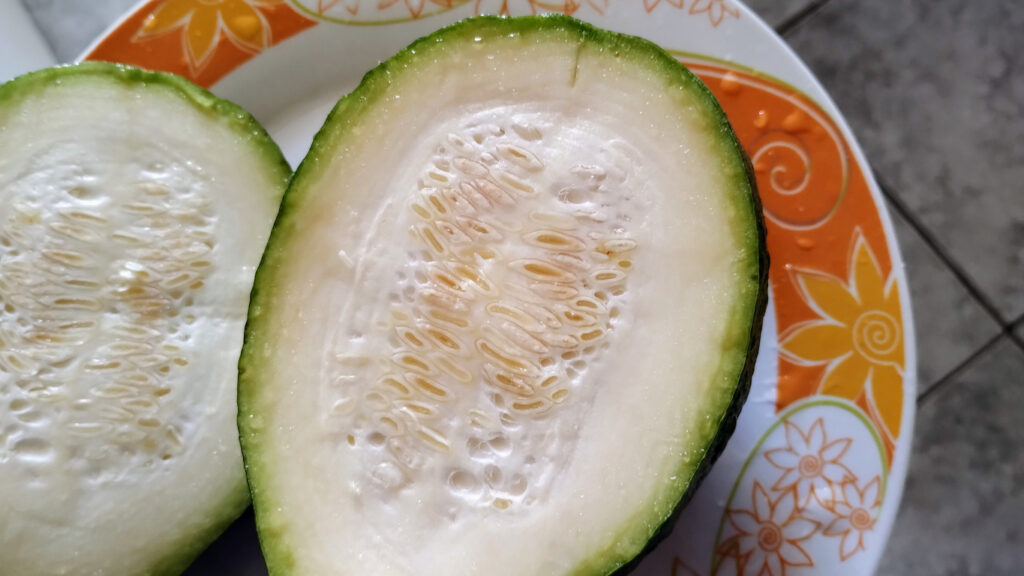
Seeds from things like butternut squash, spaghetti squash, or courgettes can grow, but they’re hit and miss. Many commercial varieties are hybrids, and because squash plants cross-pollinate easily, the seed’s genetics might be unpredictable. Still, they’re worth a shot if you’ve got space. Clean the seeds, dry them fully, and plant in rich soil once the frost is gone. Just don’t expect the fruit to look, or taste, exactly like the one it came from.
4. Potatoes
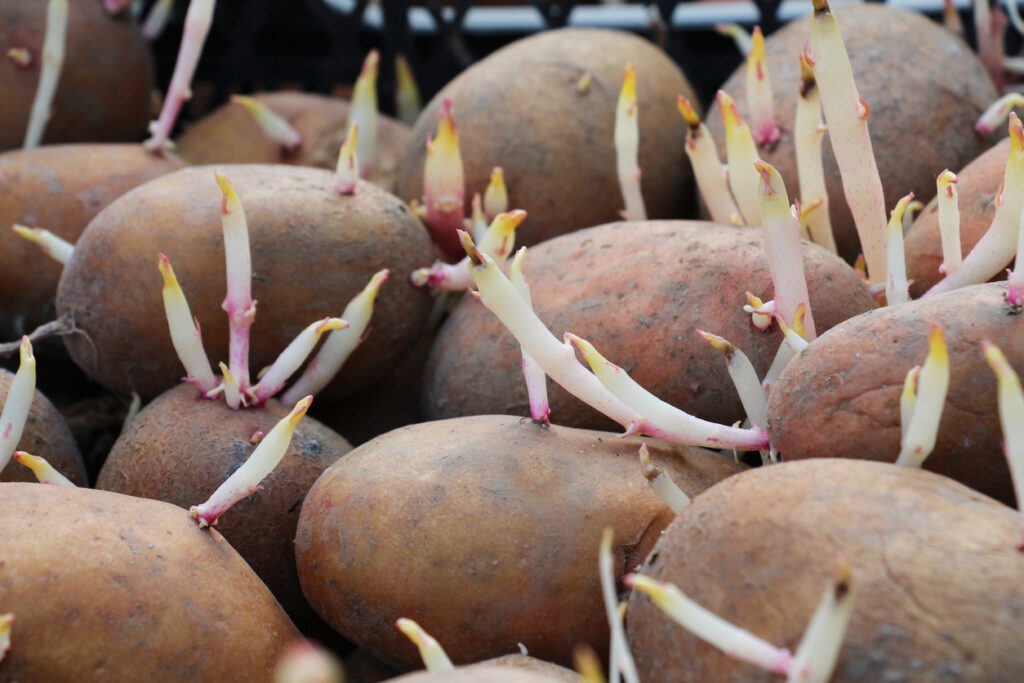
You don’t need seeds for this one, just the tuber itself. If you’ve got a bag of potatoes that’s started to sprout in the cupboard, you’ve got yourself a starter crop. Organic ones work best, as non-organic often have sprout inhibitors applied.
Cut them into chunks with at least one “eye” per piece, let the cuts dry out for a day or two, and plant them in a deep bed or container. They’re one of the most satisfying foods to grow from leftovers, and you’ll usually end up with far more than you started with.
5. Garlic
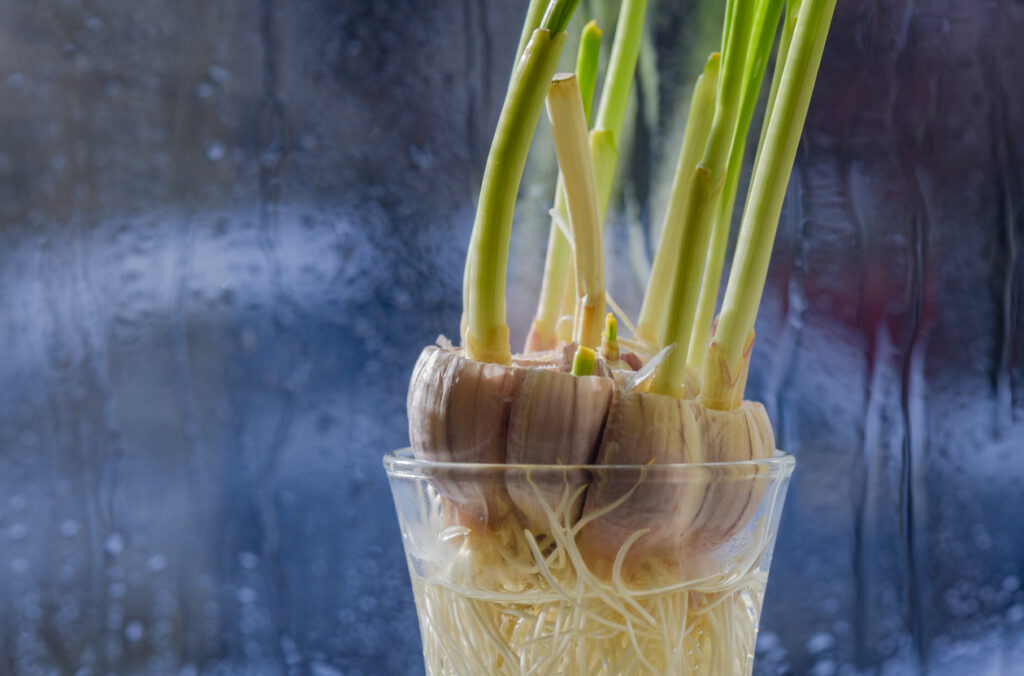
Store-bought garlic cloves can be planted directly into the ground, and most will happily grow into new bulbs. Again, organic garlic is your best bet, as some commercial varieties are treated to prevent sprouting. Break apart the bulb and plant individual cloves pointy-end-up in autumn or early spring. By summer, you’ll have your own homegrown garlic, plus garlic scapes if you harvest early. It’s an easy win if the conditions are right.
6. Onions and shallots
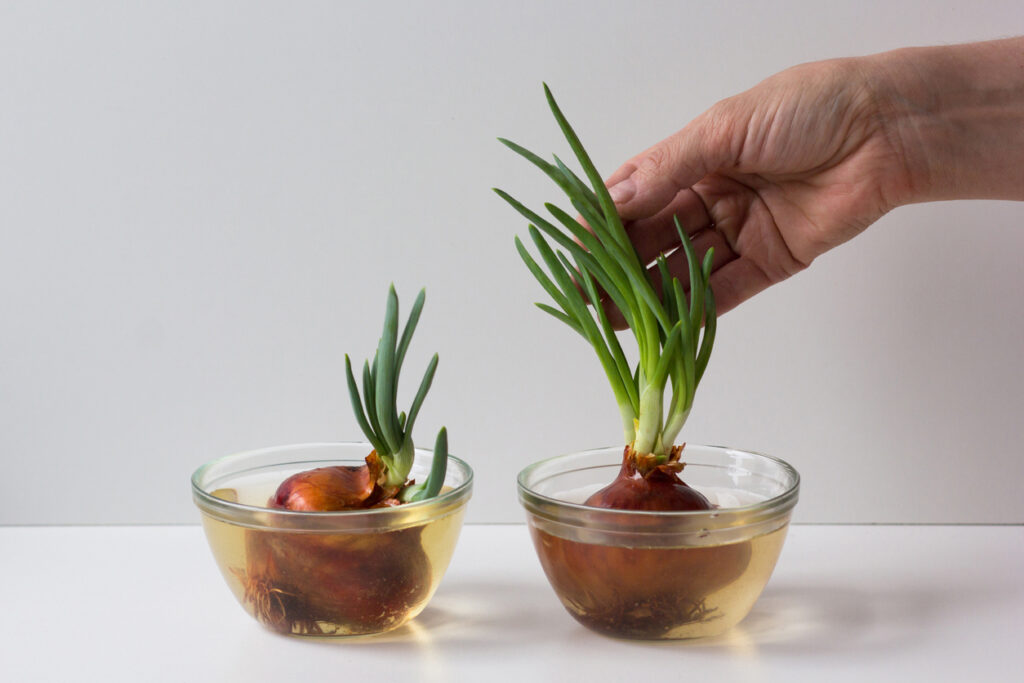
If your supermarket onions have started sprouting, you can plant them. They may not form full bulbs, especially if they’re hybrids, but they will grow green shoots, and those greens are edible and flavourful in their own right. Shallots tend to do especially well when replanted. They’ll multiply underground, giving you more shallots from just one. It’s a bit of a gamble with shop-bought varieties, but you’ve got nothing to lose if they’re already halfway sprouted.
7. Lemons and other citrus
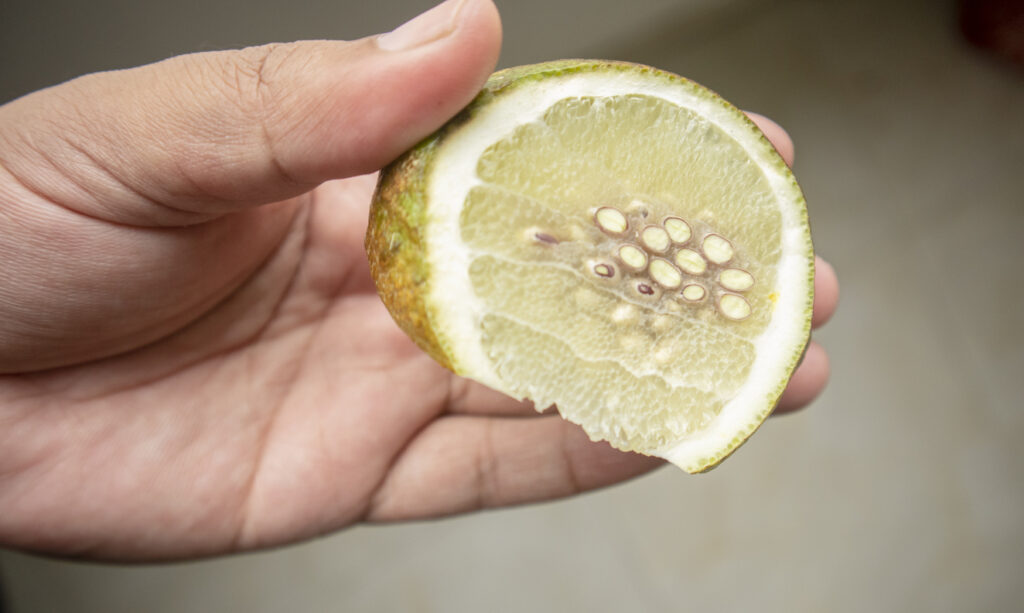
Lemon, orange, and other citrus seeds can grow into trees, but you’ll need patience, space, and the right climate (or a big pot indoors). Also, citrus trees grown from seed can take years to fruit and don’t always produce the same type of fruit as the original. If you’re just doing it for fun or as a long-term experiment, it’s still rewarding. Clean the seeds well, plant them in moist compost, and keep them warm. You may not end up with fruit, but you’ll at least get a lovely-looking citrus plant.
8. Avocados
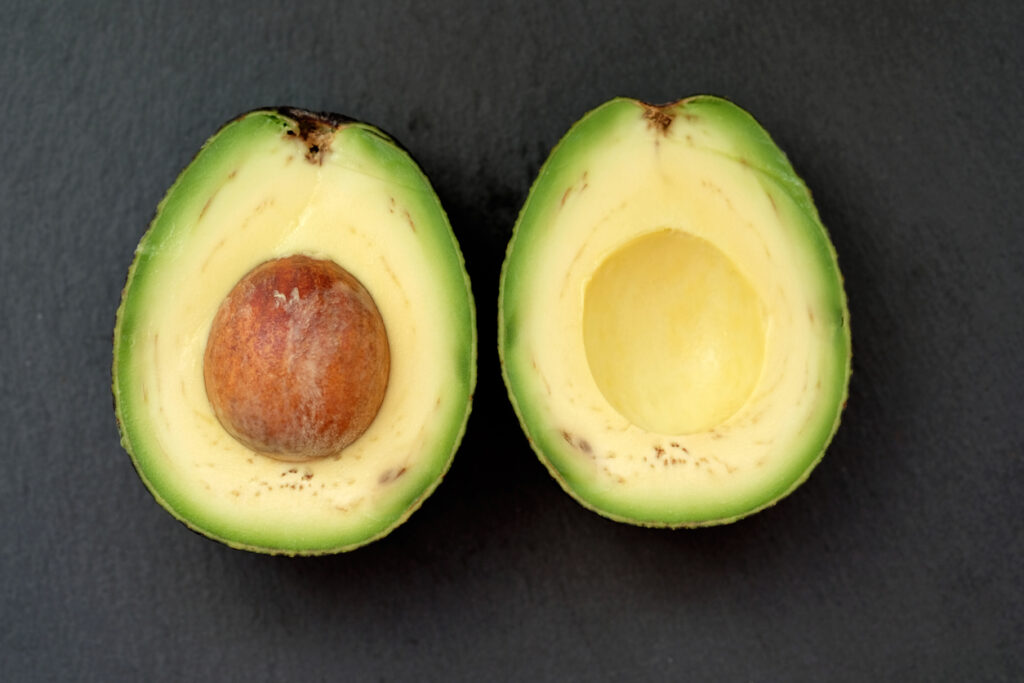
Everyone’s tried this one at some point, sticking toothpicks in an avocado pit and watching it sprout over water. It’s slow going, but yes, it works. You can grow a small avocado tree from that seed, although it likely won’t fruit unless you’re in the right climate and have a lot of patience. Still, they make attractive indoor plants, and the process is oddly satisfying. Just don’t expect guacamole-level results any time soon. Think of it more as a living science project than a reliable food source.
9. Coriander, dill, and fennel seeds
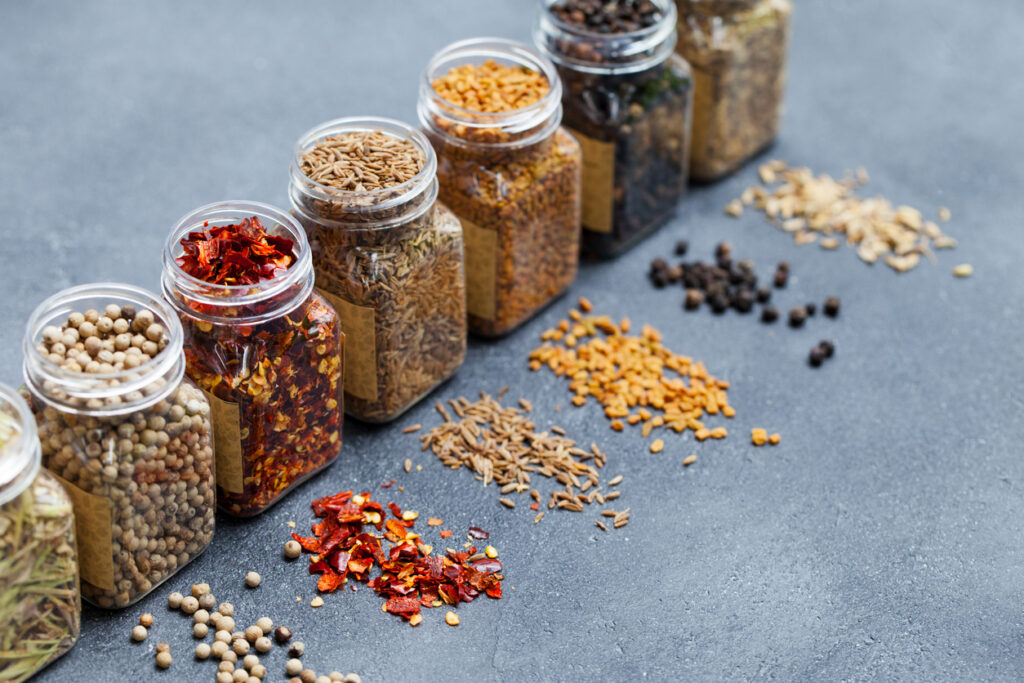
If your spice rack has whole coriander or fennel seeds (not ground), you might be able to plant them. As long as the seeds haven’t been heat-treated or irradiated, they can germinate and grow into usable herbs. It’s a hit-or-miss experiment, but a cheap one. Soak the seeds overnight, scatter them in a pot, and keep them moist. Even if only a few sprout, you’ll have fresh herbs growing from what was once just a kitchen staple.
10. Dried beans, lentils, and chickpeas

These can germinate if they’re whole, unprocessed, and not too old. Lentils and chickpeas grow best in warmer months, and while they may not be heavy producers in small gardens, they’re interesting to grow and watch develop.
Dried beans, such as black beans, kidney beans, or cannellini, are usually easy to start. Give them warmth, a bit of space, and well-drained soil. You probably won’t get a huge harvest from just a handful, but it’s still satisfying to grow your own from the basics in your cupboard.