Most of us travel a few thousand miles in a lifetime, give or take.
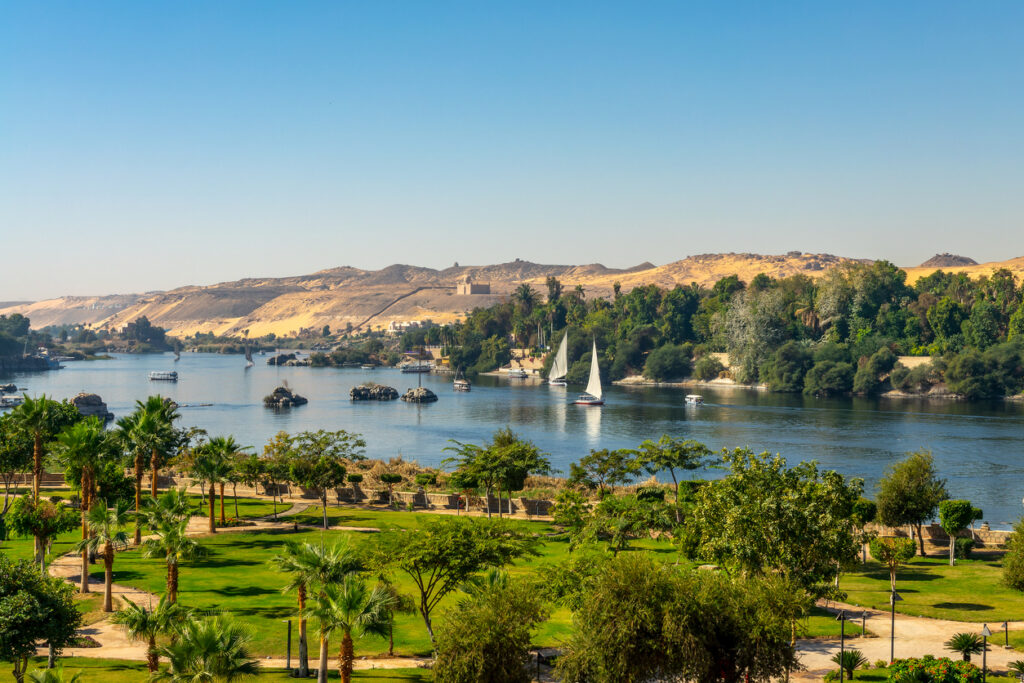
However, some rivers manage to outdo us by sheer persistence, flowing across countries, ecosystems, and entire landscapes without stopping. These rivers aren’t just long; they’re life-giving highways that pass through places you’ve probably only ever seen on a map. Here are 12 rivers that out-travel most of us easily, carving out the world beneath our feet as they go.
1. The Nile
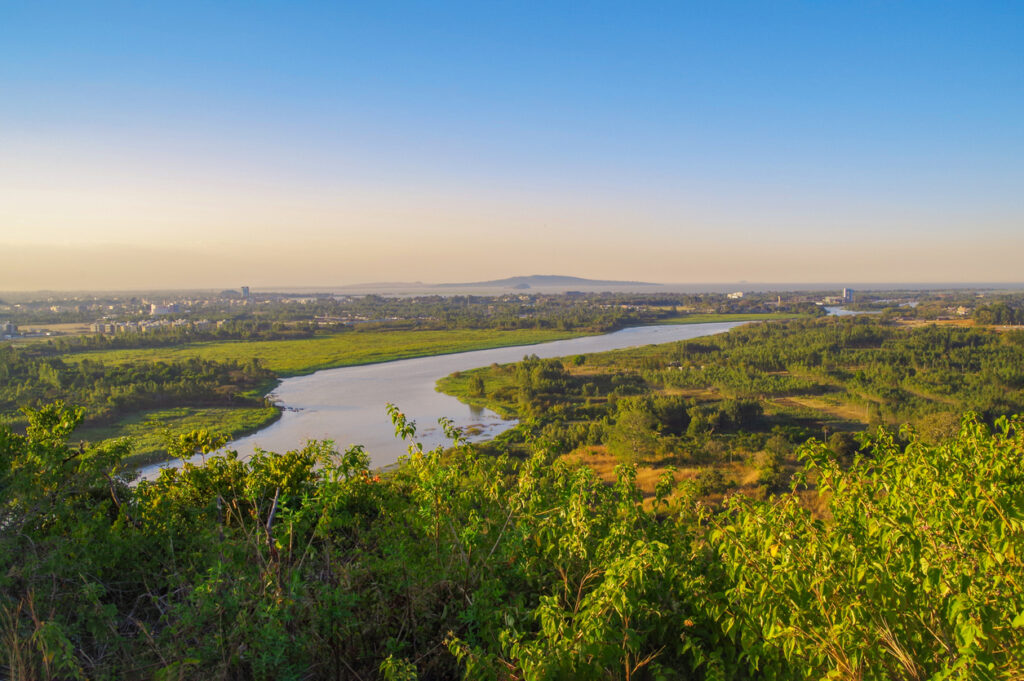
Often cited as the world’s longest river, the Nile stretches over 4,100 miles through northeastern Africa, touching countries like Egypt, Sudan, Uganda, and Ethiopia. It’s been the backbone of human civilisation for thousands of years, feeding the ancient Egyptians and shaping the region’s agriculture and trade routes.
What’s wild is how far it reaches with such consistency. From the jungles of central Africa to the deserts of Egypt, the Nile doesn’t just cut across distance. It cuts through history, culture, and myth in one massive, ongoing journey to the Mediterranean Sea.
2. The Amazon
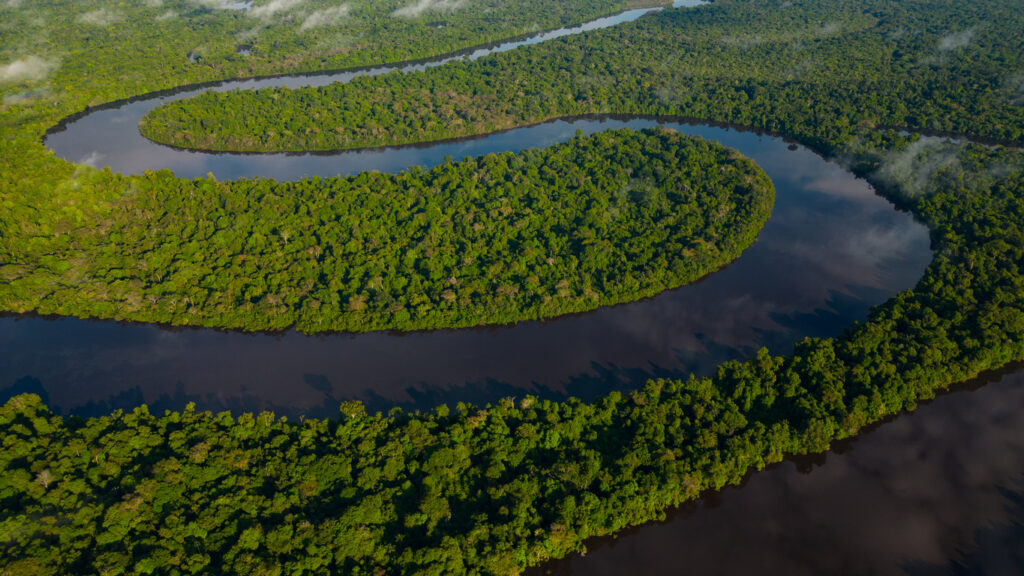
The Amazon might technically be a touch shorter than the Nile (depending on how it’s measured), but in terms of sheer volume and impact, it’s in a league of its own. Flowing over 4,000 miles from the Andes in Peru through Brazil to the Atlantic Ocean, it carries more water than any other river on Earth.
It’s also surrounded by the largest rainforest on the planet, which it helps sustain. The Amazon’s route is so remote that vast portions are still barely touched by humans, making its long journey not just impressive, but surprisingly mysterious too.
3. The Yangtze

China’s Yangtze River travels around 3,900 miles, making it the longest river in Asia. It starts in the Tibetan Plateau and winds its way through major cities like Chongqing and Wuhan before emptying into the East China Sea near Shanghai.
It’s not just long, it’s incredibly important. The Yangtze has been a vital transport, trade, and cultural artery in China for centuries. Along the way, it passes through dramatic gorges, hydroelectric dams, ancient villages, and massive modern cities, essentially all of China in one waterway.
4. The Mississippi-Missouri River system
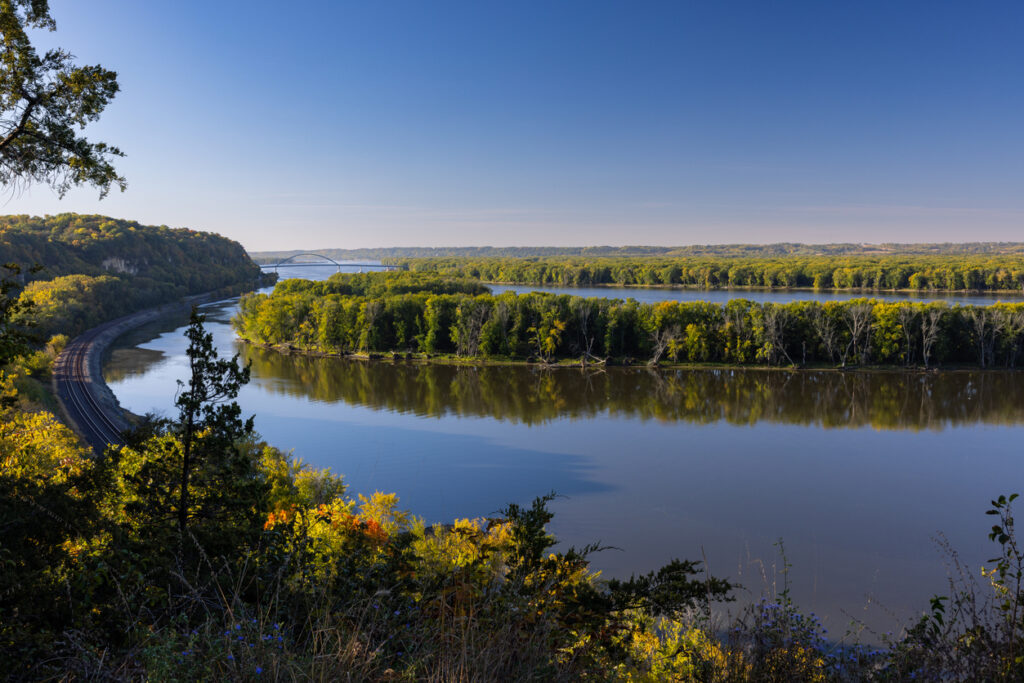
If you count the Missouri as part of the greater Mississippi River system (which many do), this North American giant spans over 3,700 miles. It winds from Montana all the way down to the Gulf of Mexico, passing through or touching more than ten U.S. states.
This river system has shaped everything from trade routes to regional identities. It’s so embedded in American history that it shows up in literature, folklore, music, and politics. Long before motorways, the Mississippi was the original American highway.
5. The Yenisei
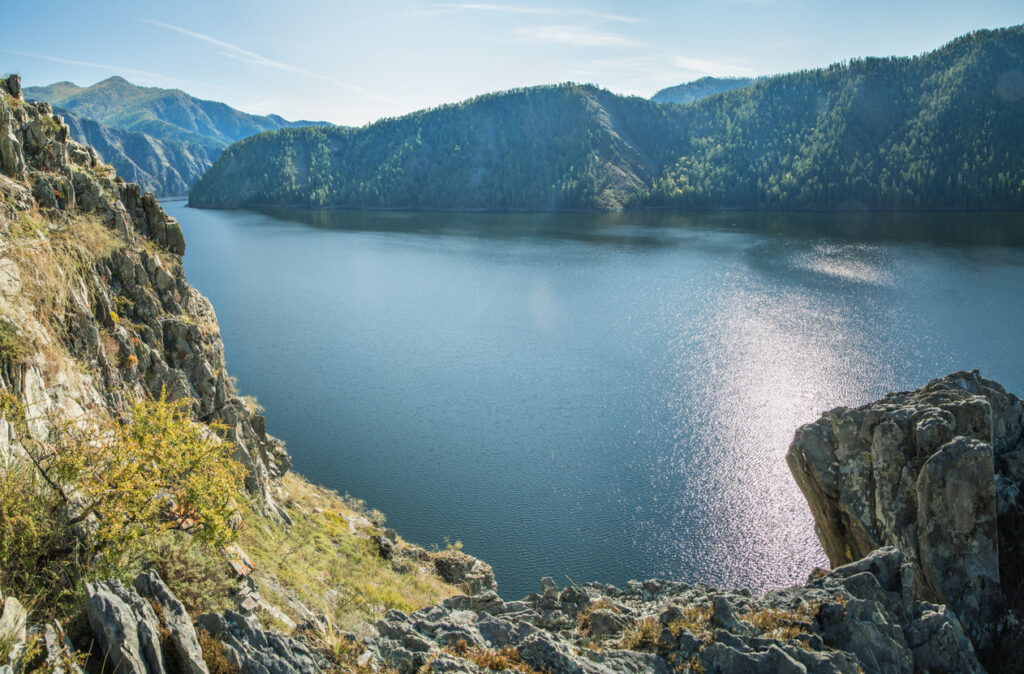
Flowing north through Siberia, the Yenisei travels about 3,400 miles from Mongolia to the Arctic Ocean. It’s cold, remote, and absolutely massive, draining one of the largest river basins in the world and cutting through areas most people will never see in their lives. Its icy waters pass through ancient forests and past quiet industrial towns, eventually freezing over during long winters. It’s one of those rivers that reminds you how vast and untouched much of the planet still is.
6. The Yellow River (Huang He)
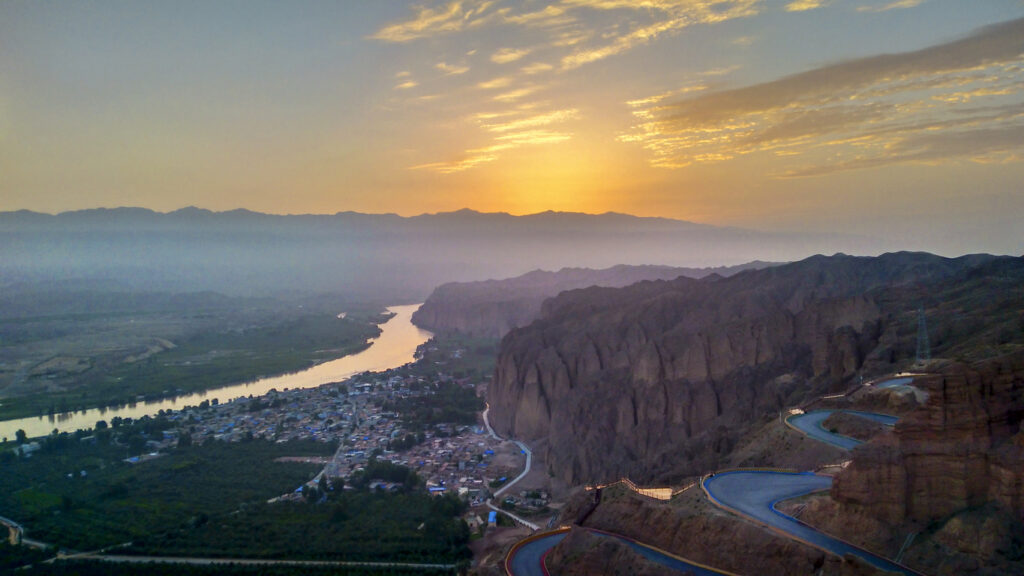
Also in China, the Yellow River stretches around 3,400 miles and is often called the “cradle of Chinese civilisation.” It’s one of the most historically important rivers in the world, but also one of the most unpredictable, thanks to its flooding patterns and heavy silt. Its journey takes it from the Tibetan Plateau through the Loess Plateau and finally to the Bohai Sea. Along the way, it’s both revered and feared. Entire dynasties were built along its banks, and sometimes destroyed by its wrath.
7. The Ob-Irtysh
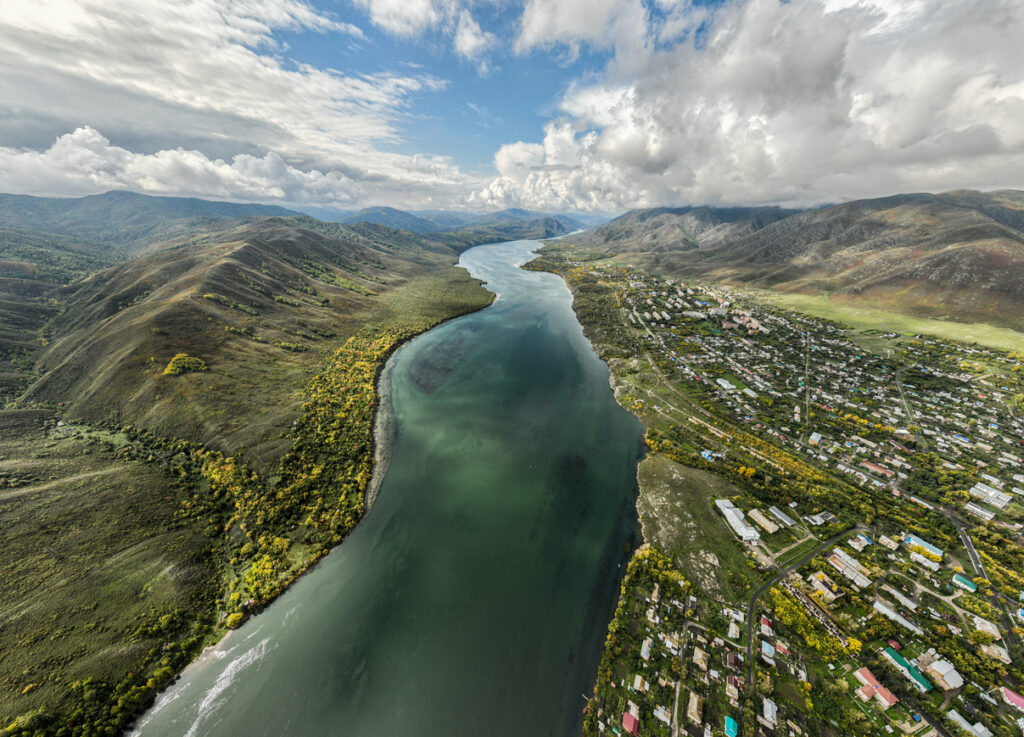
This massive river system in Russia and Kazakhstan stretches around 3,300 miles when you count both the Ob and its main tributary, the Irtysh. It eventually empties into the Arctic Ocean, winding through a mix of mountains, tundra, and taiga along the way.
It’s another river most people won’t get anywhere near, but it quietly supports massive swathes of Siberia. The landscape around it may feel desolate, but the river itself is very much alive—powering cities, ecosystems, and shipping routes deep within Russia.
8. The Paraná
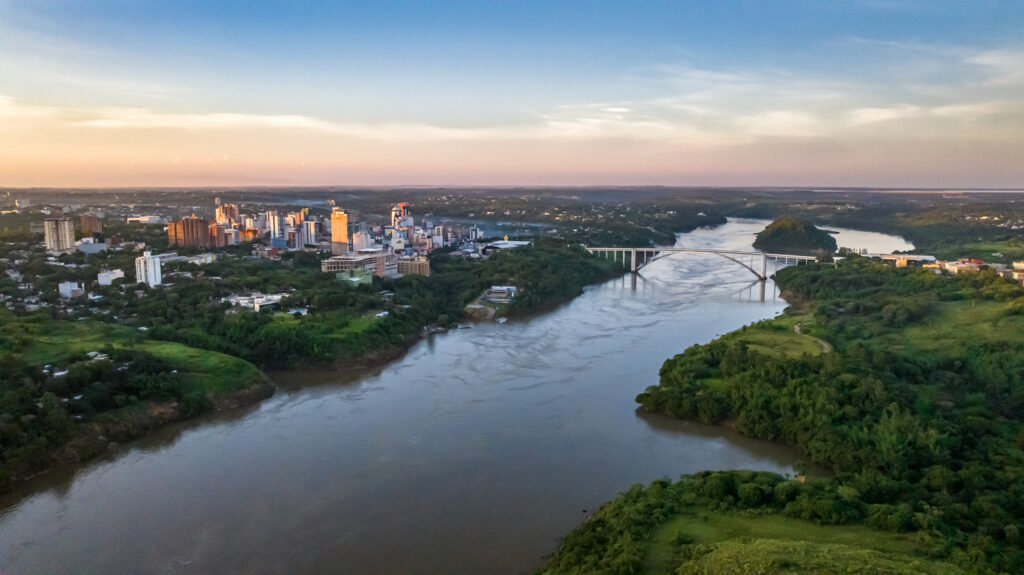
South America’s Paraná River flows for nearly 3,000 miles, running through Brazil, Paraguay, and Argentina. It’s the continent’s second-longest river, after the Amazon, and it’s vital for everything from hydroelectric power to irrigation and transport.
The Paraná forms natural borders between countries and powers some of the largest dams in the world, like Itaipú. Its reach isn’t just geographical. It shapes how nations share water, energy, and ecosystems across the southern cone of the continent.
9. The Congo
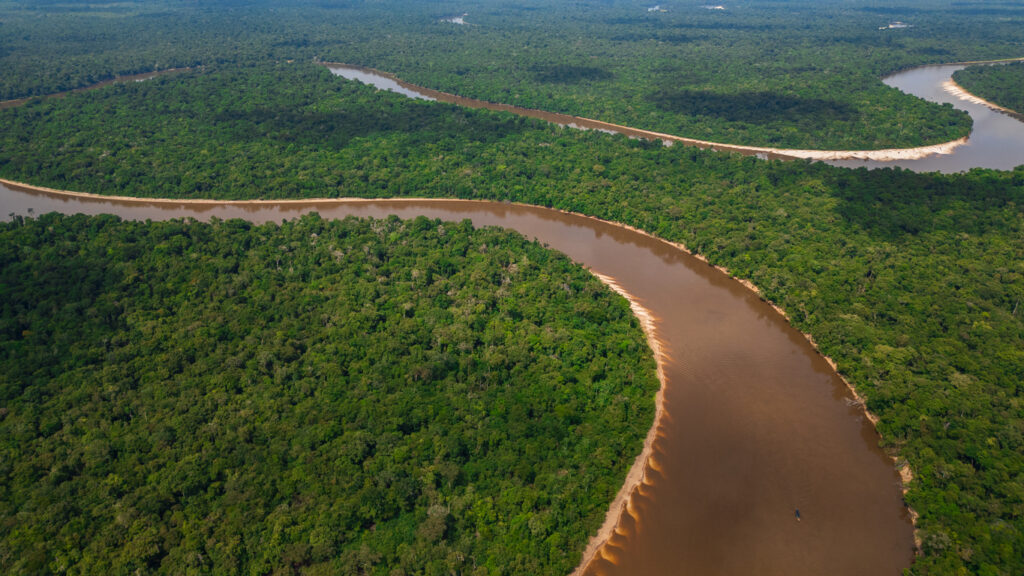
The Congo River winds for roughly 2,900 miles through central Africa and is the deepest river in the world. In places, it plunges over 200 metres, creating powerful currents and ecosystems that still baffle scientists and explorers today.
Its twists and turns cut through dense jungle, bringing life to the Democratic Republic of Congo and several neighbouring nations. For centuries, it’s been both a connector and a barrier that’s rich in resources, but difficult to navigate end to end.
10. The Lena
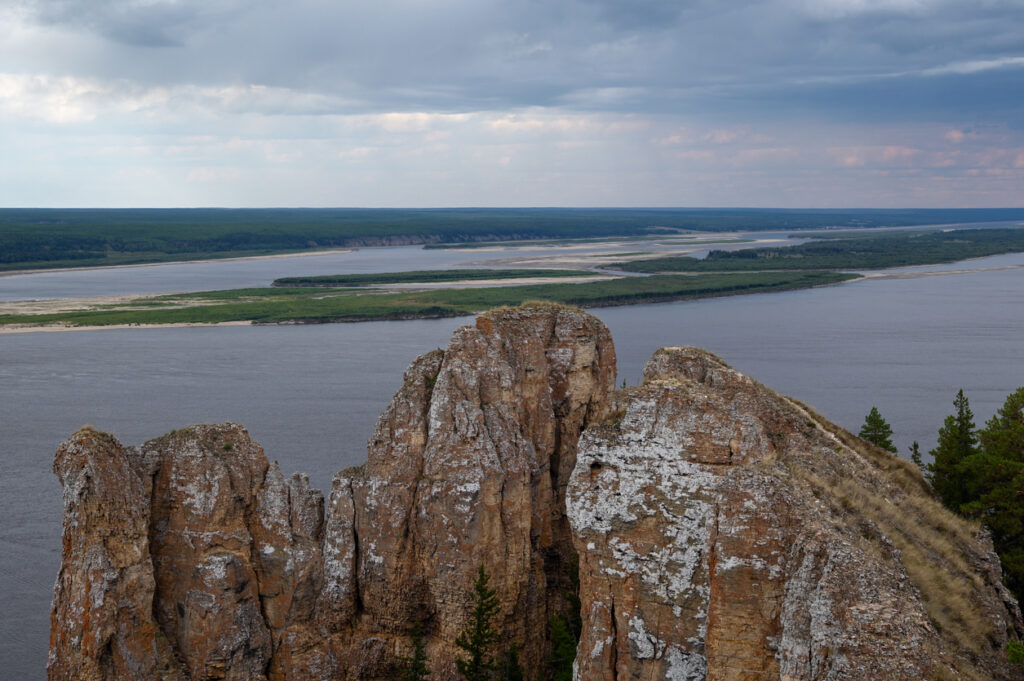
Another Siberian river, the Lena runs about 2,800 miles from the Baikal Mountains to the Arctic Ocean. It’s long, remote, and largely undisturbed by heavy development. If you’re looking for pure wilderness, this river’s journey delivers that in spades. It’s also one of the major contributors to Russia’s vast permafrost landscape. During spring thaw, it swells dramatically and floods the surrounding plains, creating a seasonal spectacle in a place that few will ever witness firsthand.
11. The Mackenzie River system
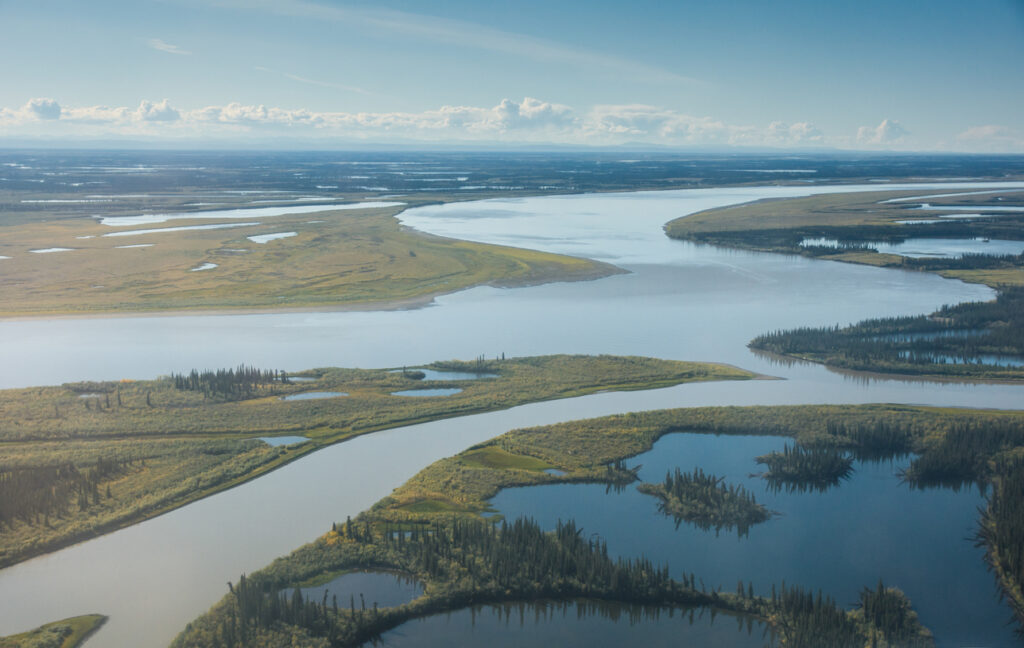
Canada’s longest river system, the Mackenzie, stretches about 2,600 miles if you include its source rivers. It flows from the Great Slave Lake through the Northwest Territories to the Arctic Ocean, one of the coldest, most remote river journeys on Earth. Its basin supports Indigenous communities, rare wildlife, and pristine ecosystems. It’s a reminder that even in places that feel untouched, there are ancient natural highways still doing their quiet, powerful work beneath the snow and silence.
12. The Mekong
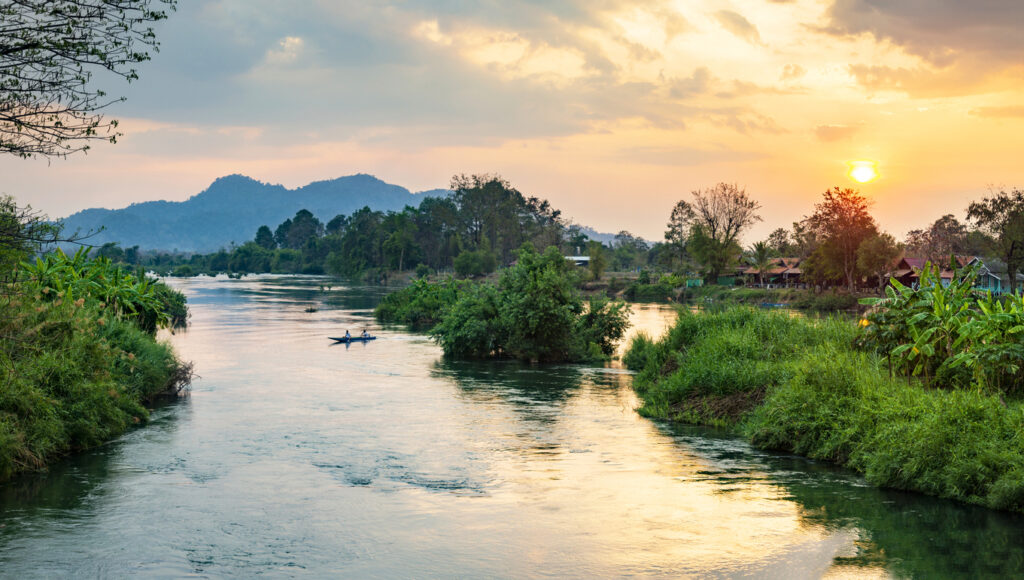
Running over 2,700 miles from the Tibetan Plateau to the South China Sea, the Mekong River moves through China, Myanmar, Laos, Thailand, Cambodia, and Vietnam. It’s one of the most culturally and biologically rich rivers in the world.
Along its path, it supports tens of millions of people with fishing, farming, and transport. It’s also the lifeblood of the Mekong Delta, where fertile land meets rising seas. Few rivers match its influence in both daily life and long-term geopolitics.