When people talk about dinosaurs, it’s easy to picture them all as equally mysterious.
After all, they’re massive creatures that vanished millions of years ago, and they’re known mostly through fragments and guesswork. In reality, our knowledge isn’t spread evenly at all. Some dinosaurs are basically celebrities in the fossil world, with thousands of specimens, detailed reconstructions, and decades of research behind them. Others exist as little more than a few bones and a hopeful name.
What determines how much we know usually comes down to luck, location, and how well a species fossilised in the first place. Some dinosaurs lived in environments that preserved remains beautifully and repeatedly. Others didn’t get that break. Looking at which ones we understand best gives a surprisingly clear picture of how palaeontology actually works, and why certain dinosaurs keep popping up in museums, textbooks, and documentaries again and again.
Tyrannosaurus rex is the undisputed champion.

T. rex is probably the most studied dinosaur ever, and for good reason. We’ve found dozens of specimens, including some that are ridiculously complete. The most famous is Sue, discovered in 1990 in South Dakota, which is 90% complete with 250 out of 380 bones intact. She’s over 40 feet long and one of the largest T. rex fossils ever found.
Scientists have studied her so thoroughly they know she survived multiple battles, had broken bones that healed, and likely died from a parasitic infection. There’s also Stan, Trix, and numerous other specimens that have helped scientists understand everything from T. rex growth patterns to how they hunted.
Triceratops has left behind loads of fossils.
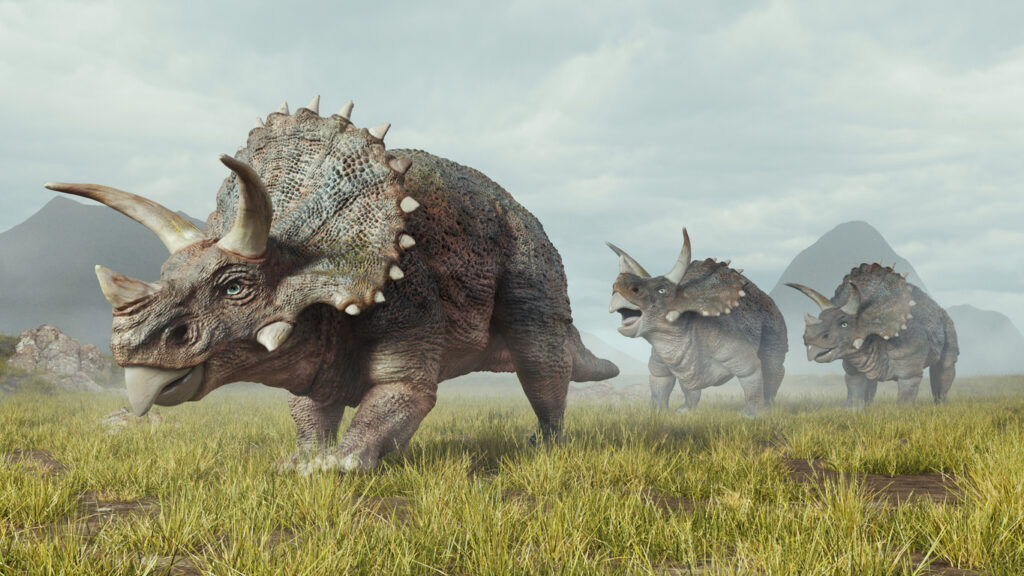
Triceratops bones are everywhere in the fossil record, especially those massive skulls, which fossilise really well because they’re thick and sturdy. The most complete specimen is called Horridus, found in Montana in 2014, which has 266 bones, making it 85% complete.
Scientists know more about Triceratops than almost any other herbivore because the sheer number of fossils means they can compare different ages, sizes, and even see variation between individuals. The skulls alone have taught researchers about their growth from babies to adults.
Psittacosaurus is absurdly well-documented.
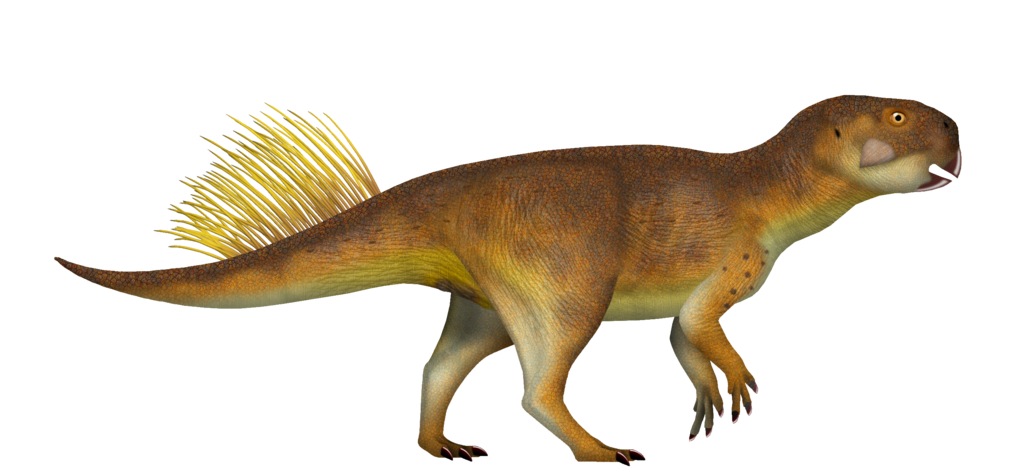
This small beaked dinosaur is the most species-rich dinosaur genus, with almost a dozen valid species identified. Hundreds of specimens have been found, many in incredible condition from China’s fossil beds. Scientists know so much about Psittacosaurus that they’ve even described its private parts based on fossilised skin impressions. They know what it ate, how it grew, what its skin looked like, and how it cared for its young. It’s basically the dinosaur we know everything about, down to embarrassing levels of detail.
Maiasaura revealed how dinosaurs raised their babies.
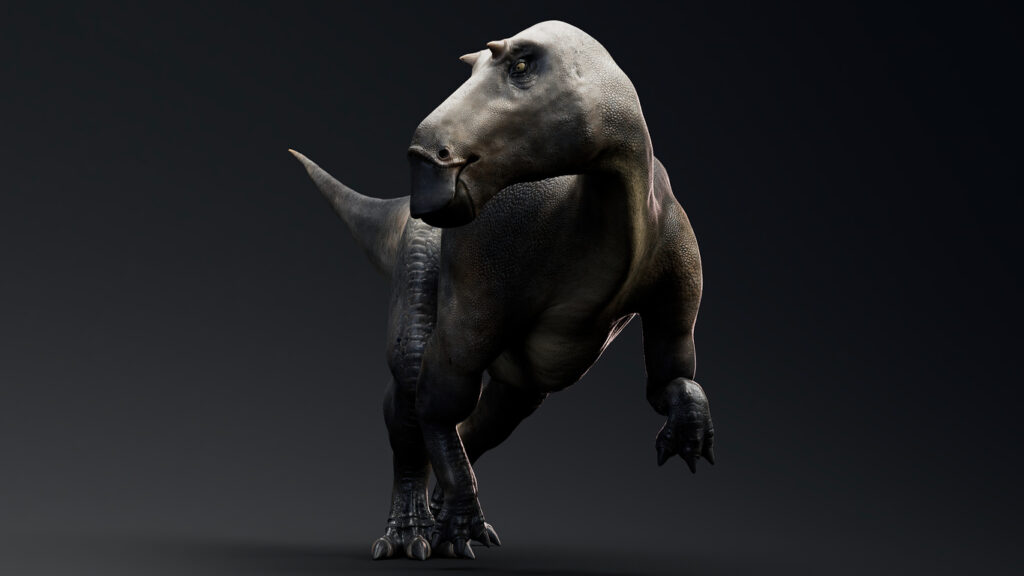
In the 1980s, scientists found entire nesting sites in Montana with hundreds of Maiasaura specimens including eggs, hatchlings, juveniles, and adults all in one place. Up to 14 nests were discovered in a single area, suggesting these duck-billed dinosaurs nested in colonies and cared for their young.
The fossils showed that babies stayed in nests while parents brought them food, completely changing how we understood dinosaur behaviour. The name literally means “good mother lizard” because of these discoveries.
Camarasaurus is the most common sauropod we’ve found.
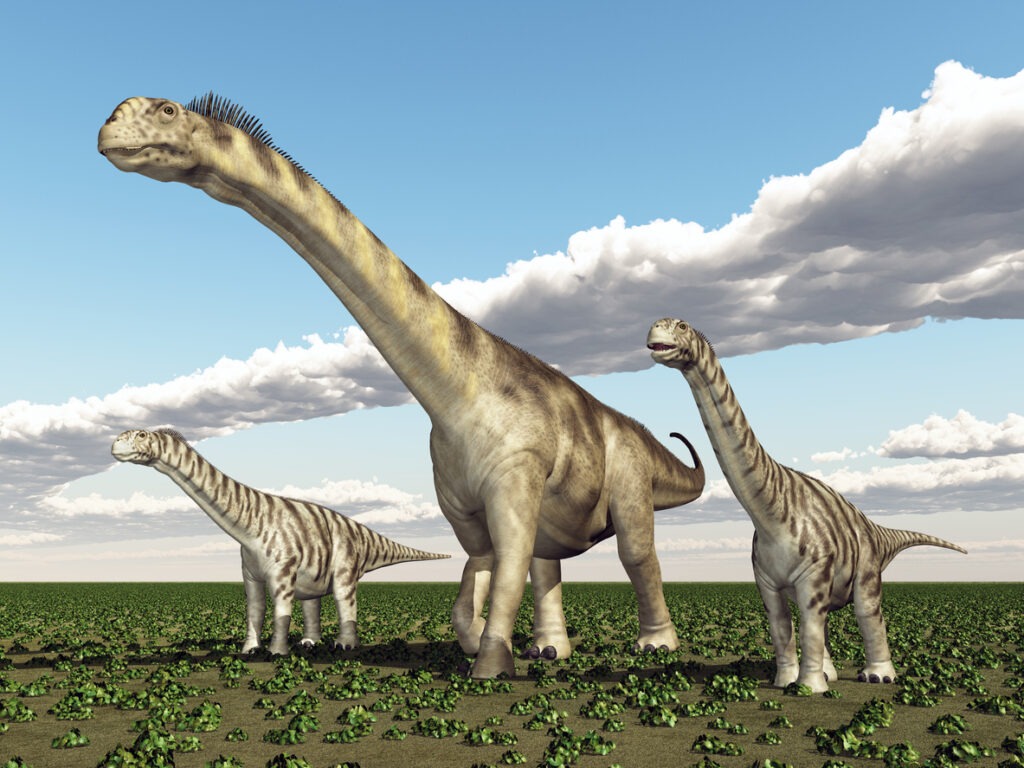
Over 530 Camarasaurus specimens have been discovered, many of them well-preserved, making it the best-known long-necked dinosaur. Scientists have found complete skeletons from babies to adults, which has given them a clear picture of how these massive herbivores grew and developed.
Their rounded teeth were perfect for eating tough plants, and we know they lived alongside other sauropods in the same ecosystems. The abundance of fossils means researchers can study population variations and individual differences.
Allosaurus dominated one particular fossil site.
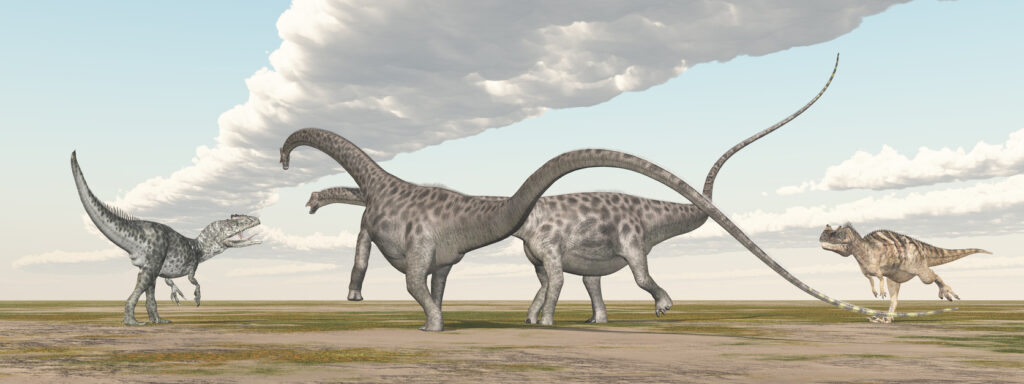
The Cleveland-Lloyd Dinosaur Quarry in Utah is basically an Allosaurus graveyard. Nearly 70% of the roughly 10,000 bones found there belong to Allosaurus, with remains from at least 46 individuals discovered at the site. Nobody’s entirely sure why so many died in one place, but the sheer number of specimens has made Allosaurus one of the best-understood predators from the Jurassic period. Scientists know how they hunted, how their bodies worked, and even have evidence of injuries and diseases.
Microraptor is known in ridiculous detail.
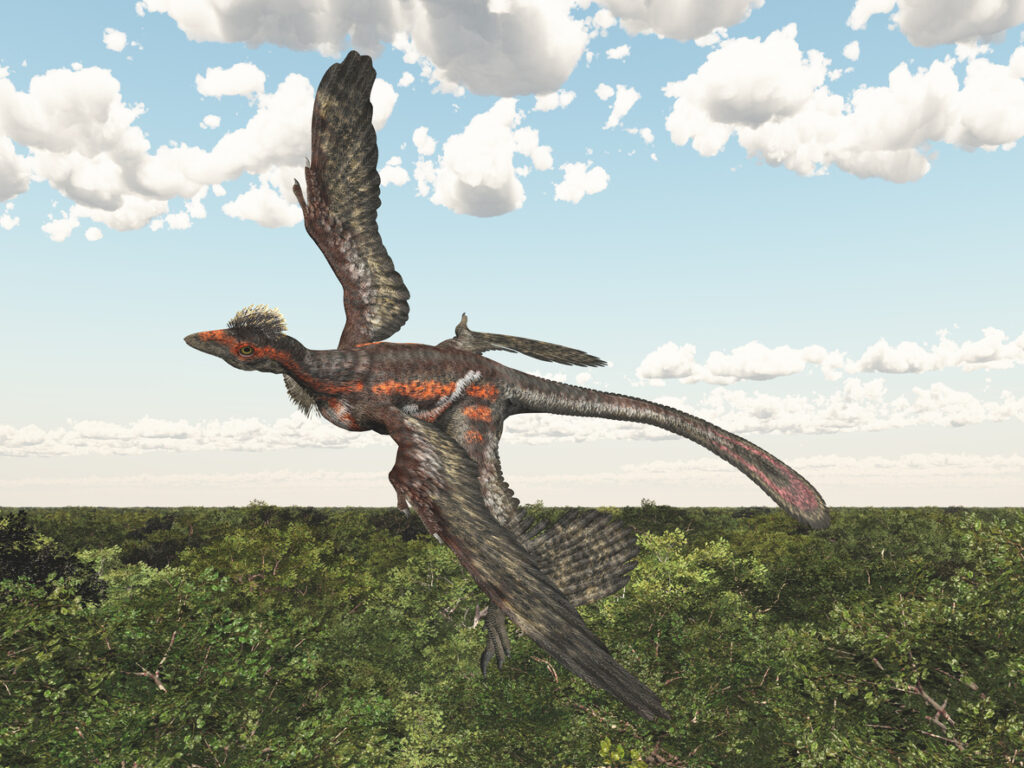
This tiny feathered dinosaur from China has been found in such well-preserved condition that scientists know its feathers were iridescent black and blue, similar to a crow. They’ve found its stomach contents showing it ate fish, mammals, and lizards, and they’ve got so many specimens they can study everything from flight mechanics to social behaviour.
Microraptor is one of those dinosaurs where the fossils are so perfect you can see soft tissue, feathers, and even colour patterns. It’s given researchers incredible insight into how dinosaurs evolved into birds.
Stegosaurus became famous during the Bone Wars.
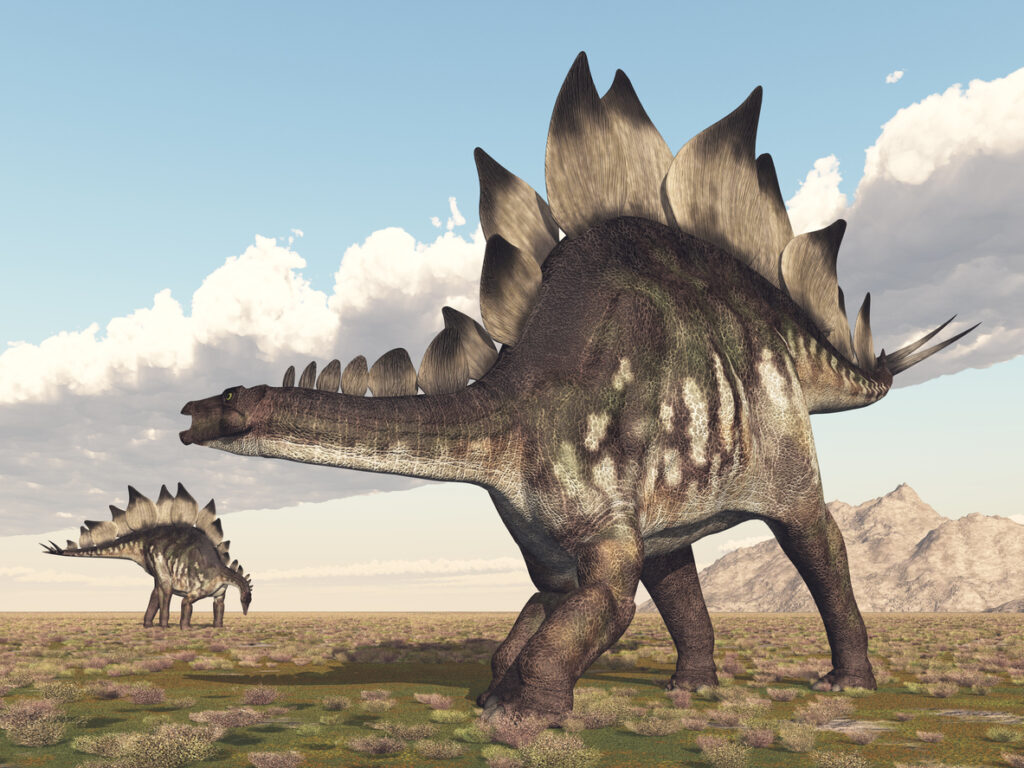
Stegosaurus was one of the dinosaurs named during the late 1800s, when two rival palaeontologists were racing to discover and name new species. Multiple well-preserved specimens from the Morrison Formation in the American West gave scientists a clear picture of this plated dinosaur.
We know about those distinctive backplates, the spiked tail, and the famously small brain. The combination of complete skeletons and numerous partial remains means Stegosaurus is one of the most recognisable and well-studied dinosaurs from the Jurassic.
Diplodocus has been studied since the 1800s.
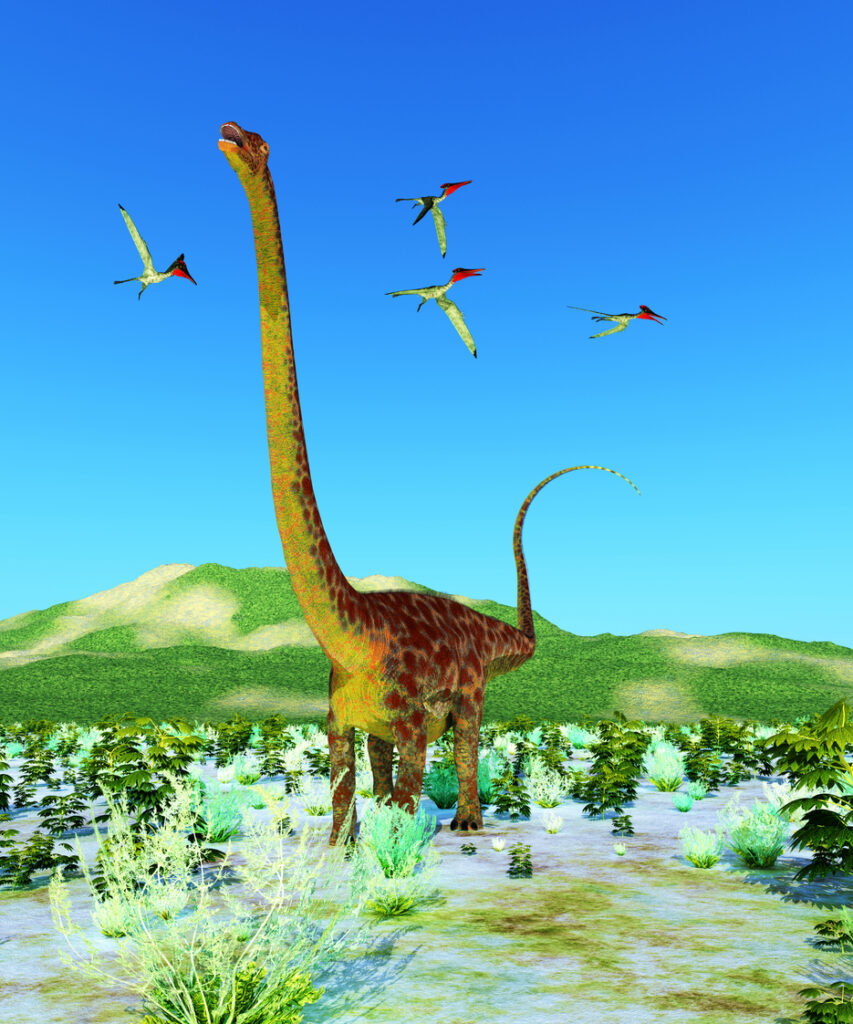
The most famous Diplodocus specimen, nicknamed Dippy, was discovered in Wyoming in 1898 and was complete enough that casts were made and sent to museums worldwide. At over 80 feet long, Diplodocus had a unique body structure with two rows of bones under its tail for support, making it instantly recognisable.
Scientists have studied multiple specimens and know how it moved, what it ate, and how that incredibly long neck functioned. Dippy became the skeleton that launched thousands of school trips and sparked generations of dinosaur enthusiasm.
Archaeopteryx bridges dinosaurs and birds perfectly.
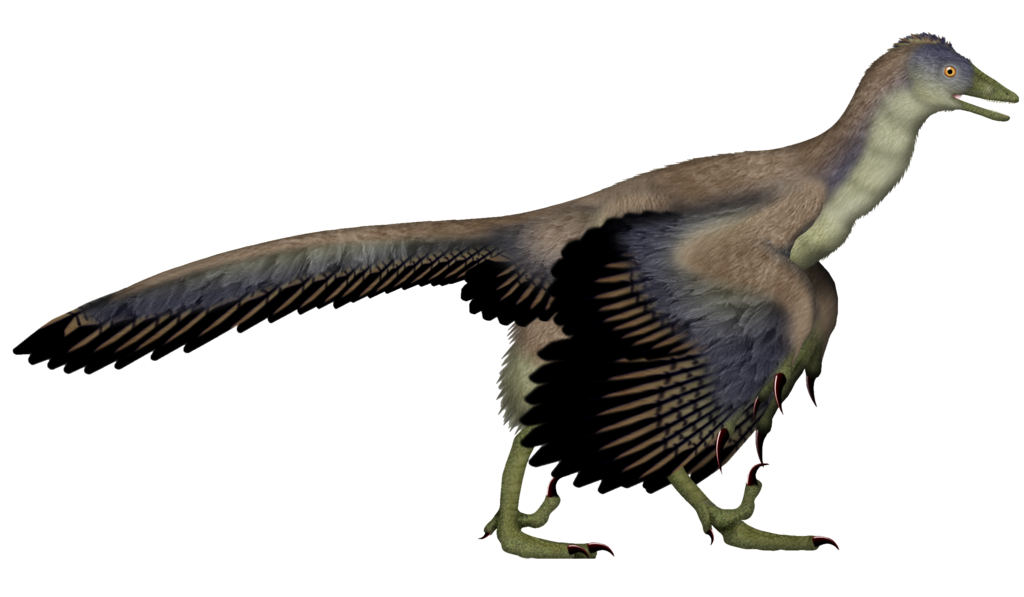
Only 12 Archaeopteryx specimens have been found since 1861, but they’re so well-preserved and important that this creature is one of the most studied fossils ever. The first specimen, called the London Specimen, showed clear feather impressions around the skeleton, proving the link between dinosaurs and birds. Scientists can see that while it had feathers and could probably fly, it also had teeth, clawed fingers, and a long bony tail. These fossils completely changed our understanding of evolution and how birds developed from dinosaur ancestors.
The dinosaurs we know best aren’t necessarily the most famous or the scariest, they’re simply the ones that got lucky with fossilisation and were found in the right places. Complete skeletons and abundant specimens have given scientists the data they need to understand not just what these creatures looked like, but how they lived, grew, fought, and died millions of years ago.