While most of us are used to seeing a bit of a hazy orange glow when we look up at night, the UK actually has some of the best spots in Europe to see the sky as it’s meant to look.
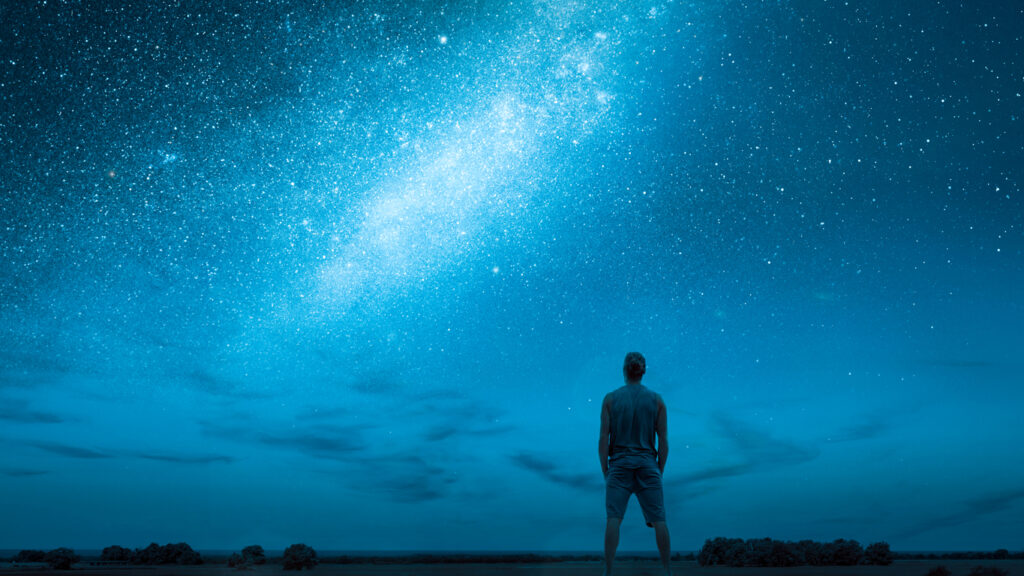
You don’t need a massive telescope or a degree in astrophysics to enjoy it; you just need to get away from the streetlights and find a patch of ground where the light pollution isn’t blocking the view. From the rugged hills of Scotland to the dark moors of the South West, there are proper designated dark sky reserves where the Milky Way is so clear it almost looks fake. It’s a great excuse to pack a flask of tea, grab a thick jumper, and head out to see something a bit more impressive than the usual city skyline. Here’s where you should visit.
Brecon Beacons National Park, Wales
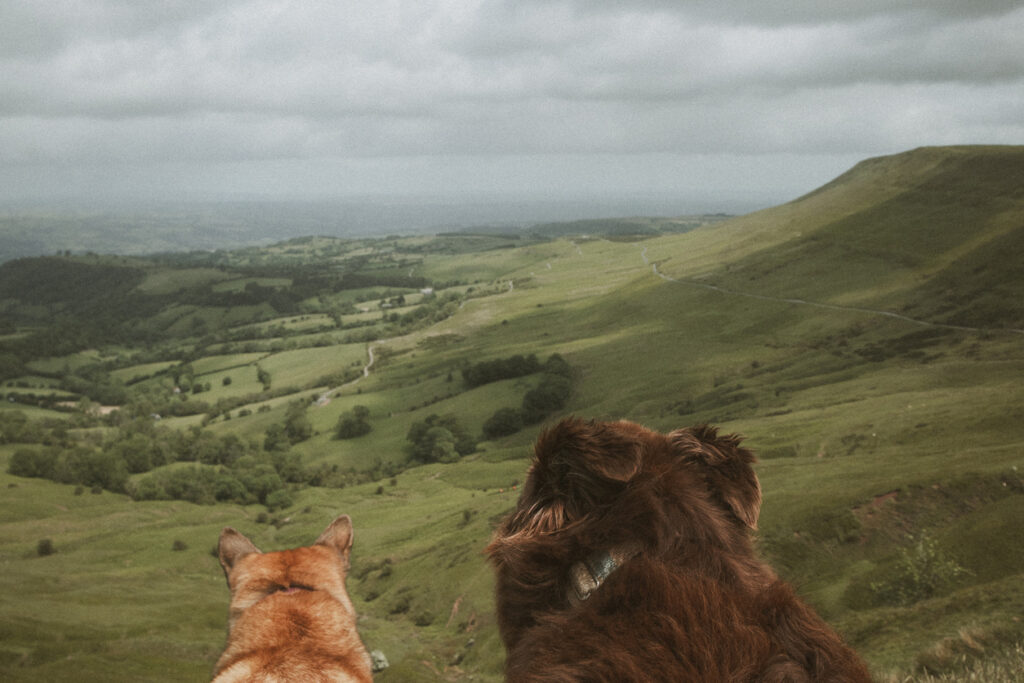
Brecon Beacons was one of the first places in the UK to be named an International Dark Sky Reserve, and when you stand there on a crisp night, you understand why. With very low light pollution across large stretches of the park, you can often see the Milky Way clearly on a good winter evening. The open landscape gives you wide horizons, which makes spotting constellations and satellites much easier than in wooded areas. On especially clear nights, the sky feels layered, with more stars than you thought your eyes could pick up.
Exmoor National Park, England
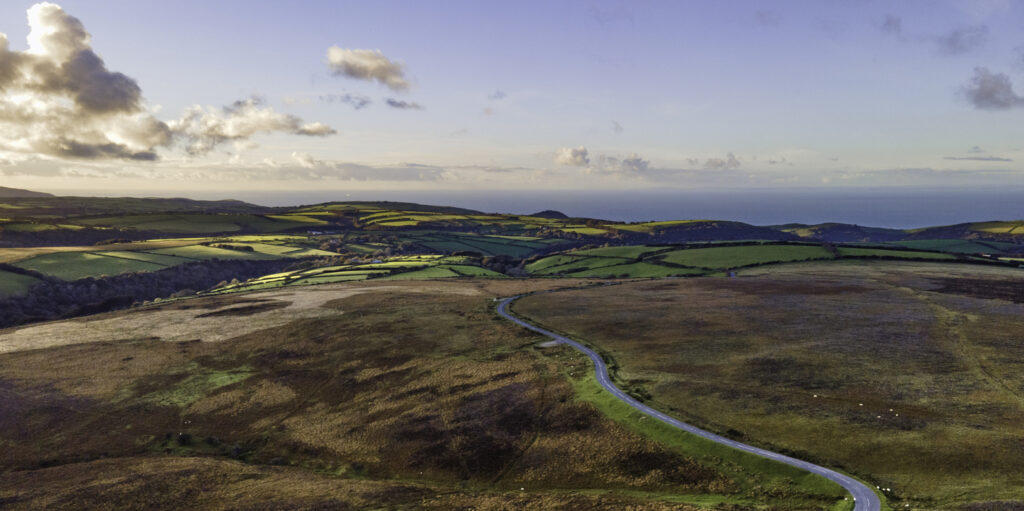
Exmoor is officially recognised as a Dark Sky Reserve and has some of the darkest skies in southern England. What makes it special is how accessible it is, with plenty of designated stargazing spots that are easy to reach by car. On clear nights you can see thousands of stars, and meteor showers feel far more dramatic without urban glow dulling them. Because Exmoor sits close to the coast, the air can sometimes be particularly clear after windy days, which sharpens visibility.
Northumberland National Park, England
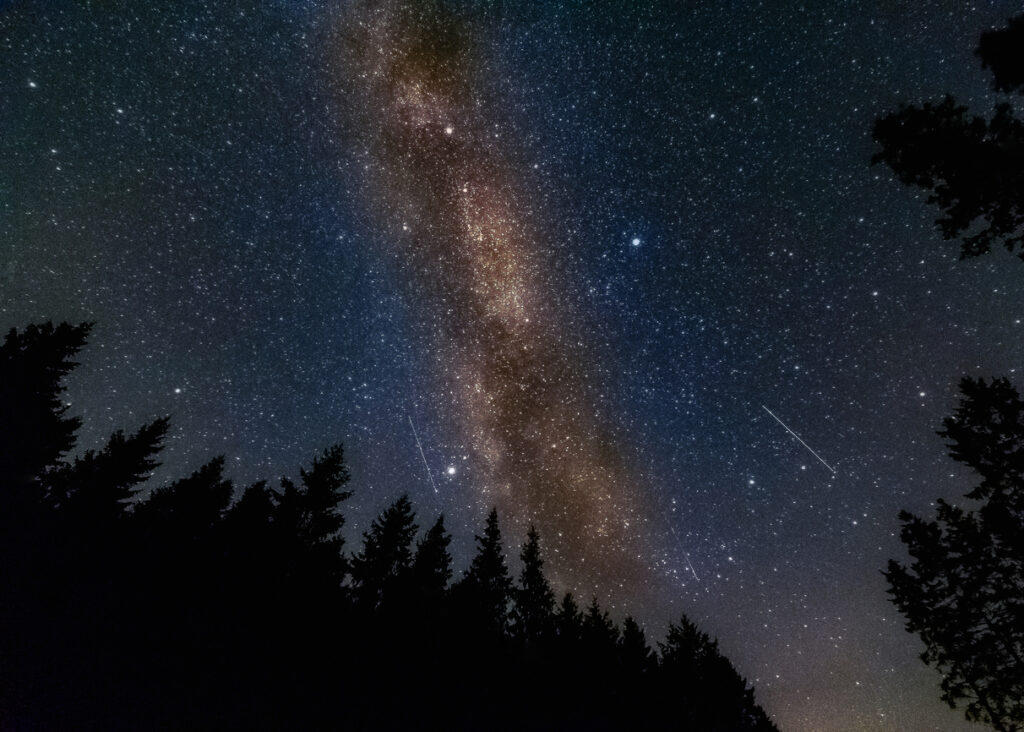
Northumberland has some of the darkest skies in the whole of England and is part of a large Dark Sky Park that includes Kielder Water and Forest. The lack of nearby major cities means light pollution is extremely low, which gives you deep, inky darkness on a cloudless night. The Milky Way can appear bright enough to cast faint shadows, and during winter, you have a good chance of spotting the Andromeda Galaxy with the naked eye. It’s one of the few places where the sky truly feels wild.
Isle of Skye, Scotland
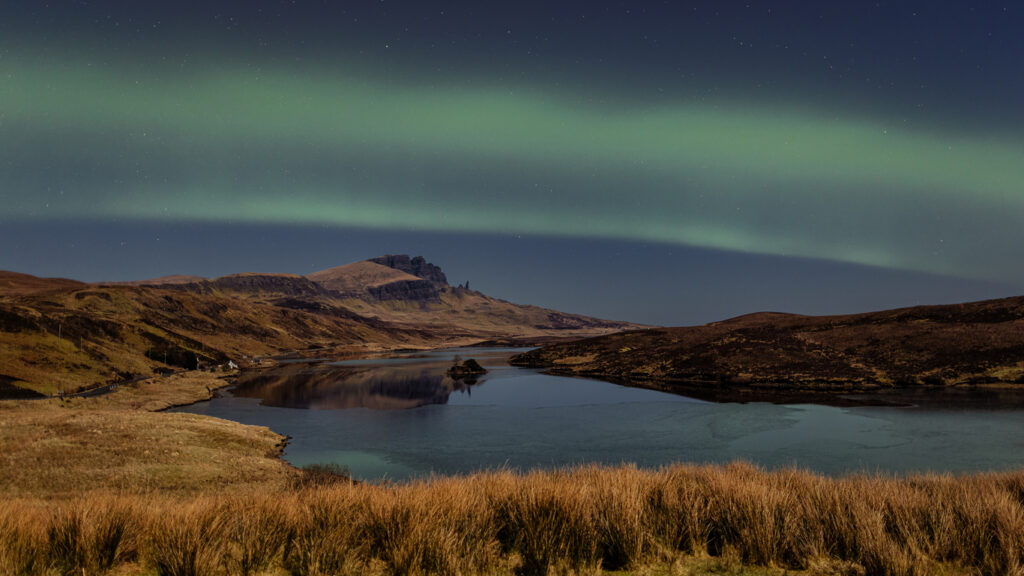
The Isle of Skye offers dramatic landscapes by day and impressive skies by night. Its relatively low population and distance from major urban areas help keep light pollution down. When conditions are right, you can watch stars rising over rugged cliffs and sea lochs, which makes the whole experience feel cinematic. On especially dark winter nights, the northern lights occasionally make an appearance, adding something extra to an already striking setting.
Galloway Forest Park, Scotland
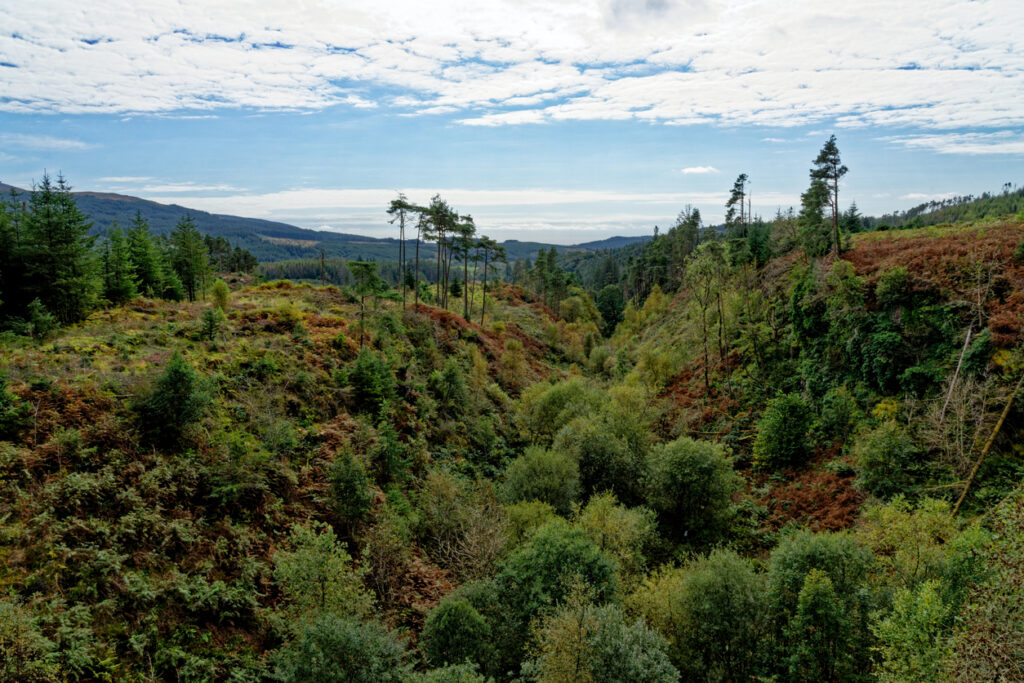
Galloway Forest Park was the first Dark Sky Park in the UK and remains one of the best spots for serious stargazing. Large areas of forest combined with minimal artificial lighting create strong contrast in the night sky. On clear evenings, you can pick out planets, star clusters, and even faint nebulae with simple binoculars. The stillness of the forest after dark adds to the experience, making it feel immersive rather than just observational.
Snowdonia National Park, Wales
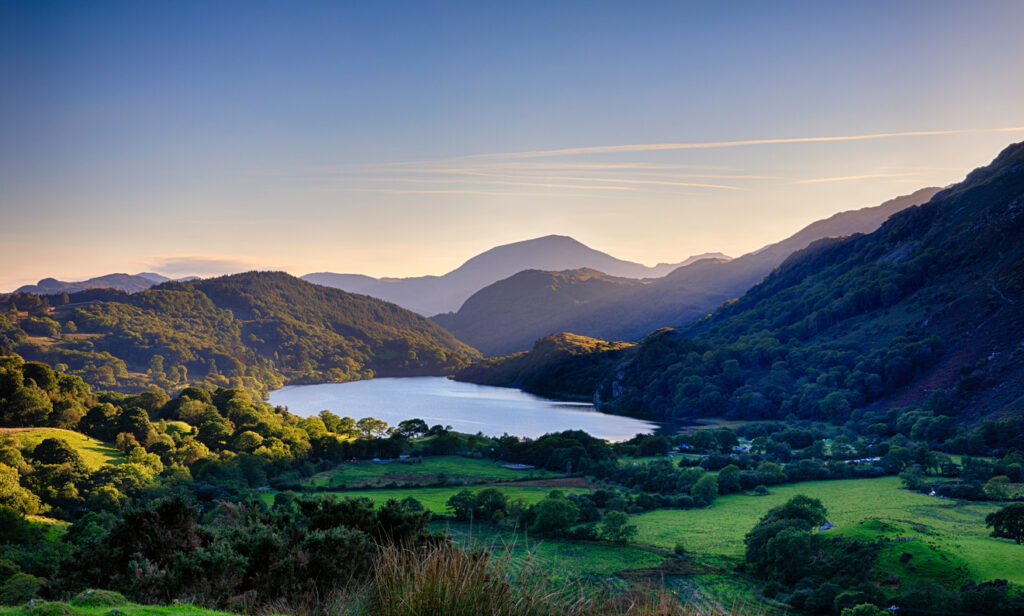
Snowdonia, now officially known as Eryri, has wide stretches of low light pollution, especially away from main towns. Elevated viewpoints give you expansive skies, which are ideal for watching meteor showers or tracking the slow movement of satellites. Cold, dry winter nights are particularly good for clarity. When conditions align, the Milky Way arches clearly above the mountains, turning familiar peaks into silhouettes against a star-filled backdrop.
South Downs National Park, England
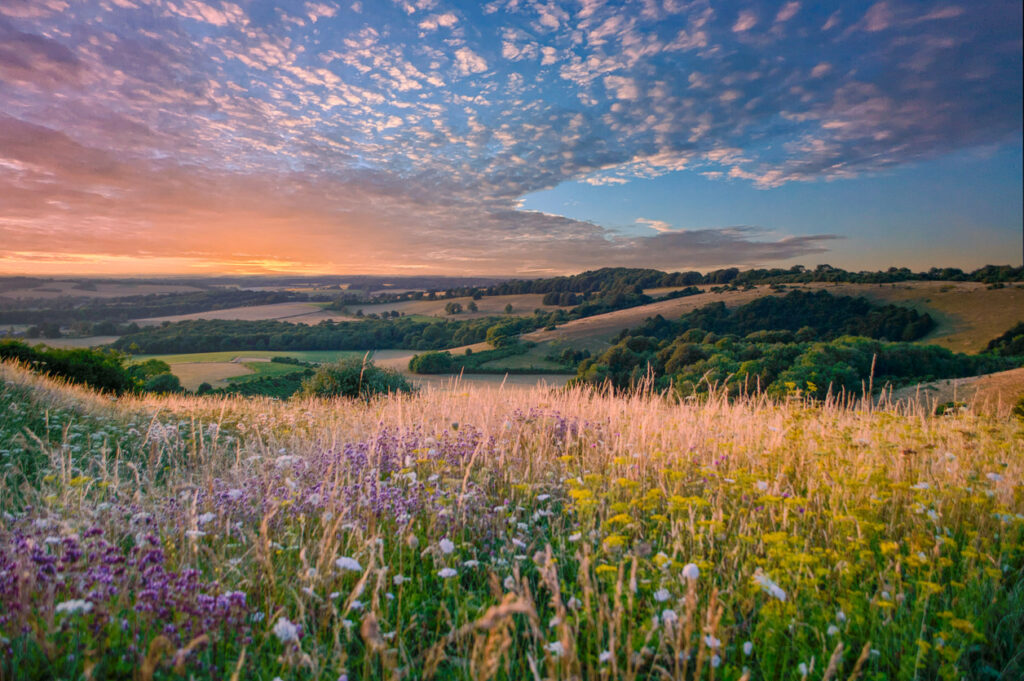
The South Downs might be closer to London than some other entries, but it still offers impressive dark sky areas if you move away from major roads. Certain designated stargazing sites within the park are known for particularly low light levels. Because it’s relatively accessible, it’s a good starting point for beginners who don’t want to travel too far. On calm nights, you can clearly make out constellations that are invisible in city centres.
Isle of Man

The Isle of Man is officially recognised as a Dark Sky Nation, meaning much of the island prioritises protecting night skies. Its coastal locations offer wide, uninterrupted horizons over the sea, which enhances the sense of scale. On clear autumn nights, the Milky Way often appears bright and textured, rather than faint and washed out. The combination of sea air and low light pollution can create particularly crisp conditions.
Bodmin Moor, Cornwall
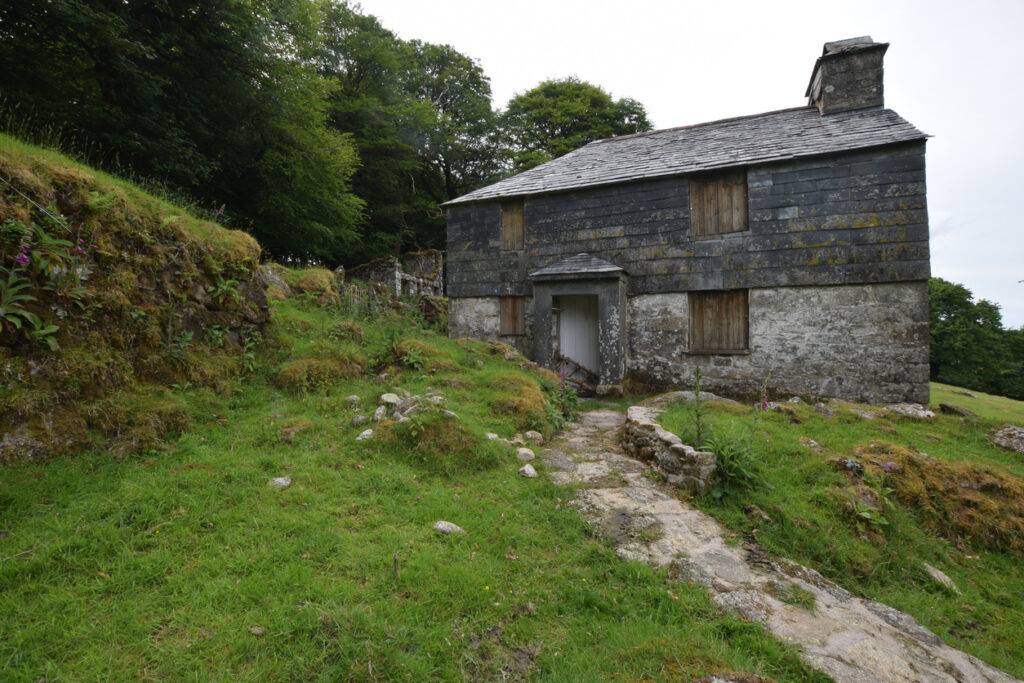
Bodmin Moor is one of the darkest places in southwest England and has earned Dark Sky Landscape status. Its open terrain and minimal nearby urban glow make it ideal for spotting fainter stars. When the weather cooperates, the sky can look almost three-dimensional, with layers of starlight stretching across the horizon. The remoteness also means there’s less traffic noise, which adds to the sense of isolation under the stars.
Yorkshire Dales National Park, England
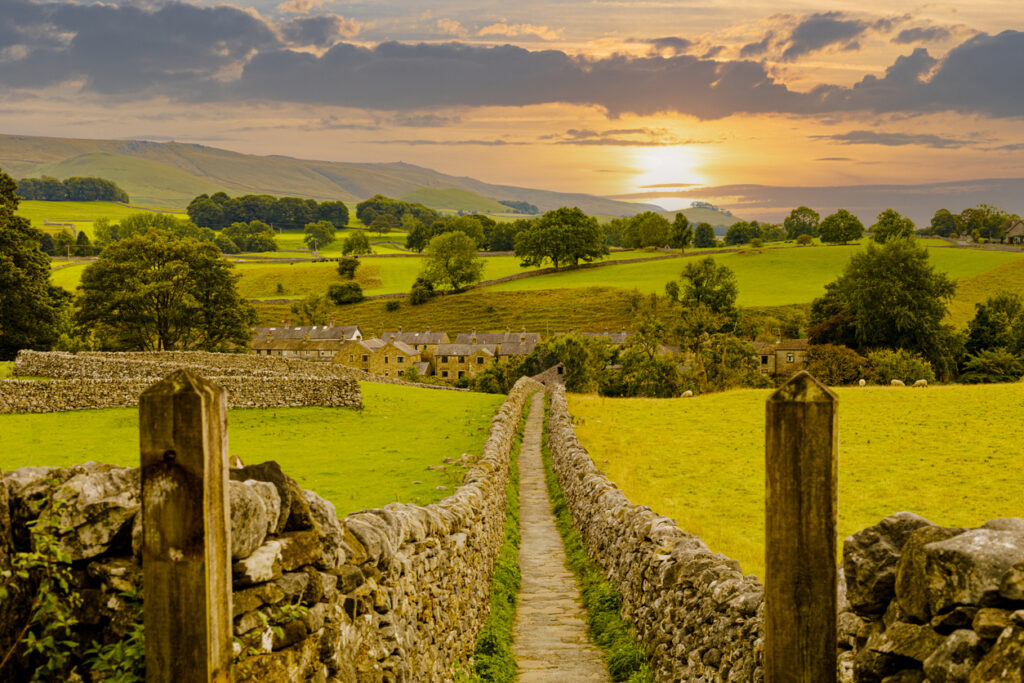
The Yorkshire Dales contain large areas of low light pollution and are officially designated as a Dark Sky Reserve. Wide valleys and elevated moorland provide excellent viewing angles. On especially clear nights, you can trace the shape of the Milky Way across the sky and pick out planets with surprising clarity. The balance of accessibility and genuine darkness makes it one of the most reliable stargazing regions in northern England.
If you want the best experience, aim for a moonless night, check cloud forecasts carefully, and give your eyes at least twenty minutes to adjust to the dark. The UK may not promise constant clear skies, but when everything lines up, it delivers something genuinely impressive overhead.