Spotting a hedgehog in autumn can feel like a treat, but it’s also a time when they’re preparing for hibernation.
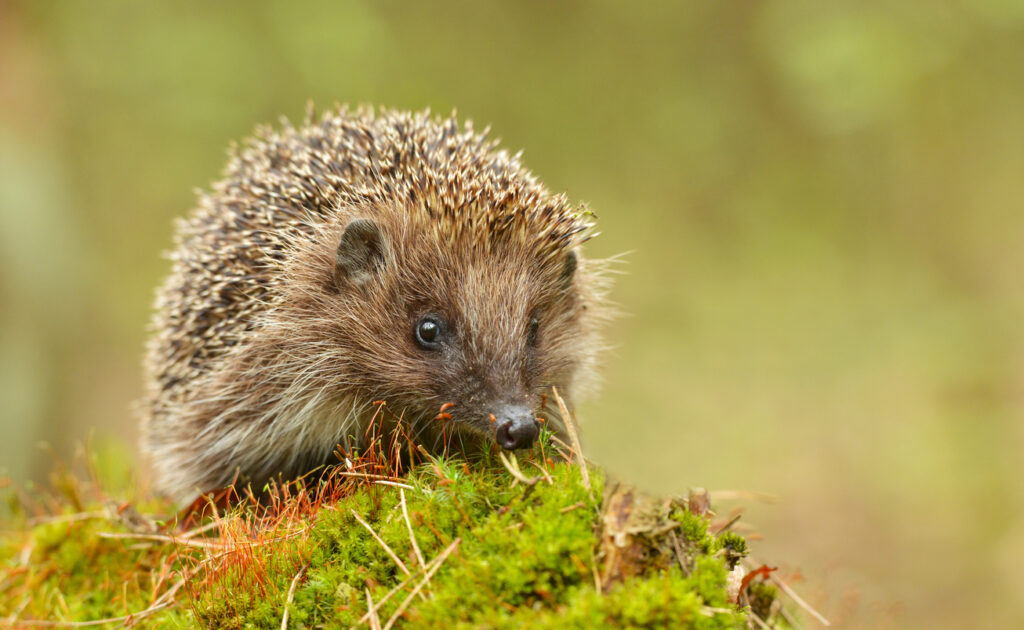
The wrong actions from well-meaning people can actually harm them, so here’s what you really shouldn’t do if you come across one. We all want to do right by our spiky little friends, and by avoiding these behaviours, you’ll be doing your part to ensure their safety and well-being.
1. Don’t assume it’s fine if it’s out in daylight.
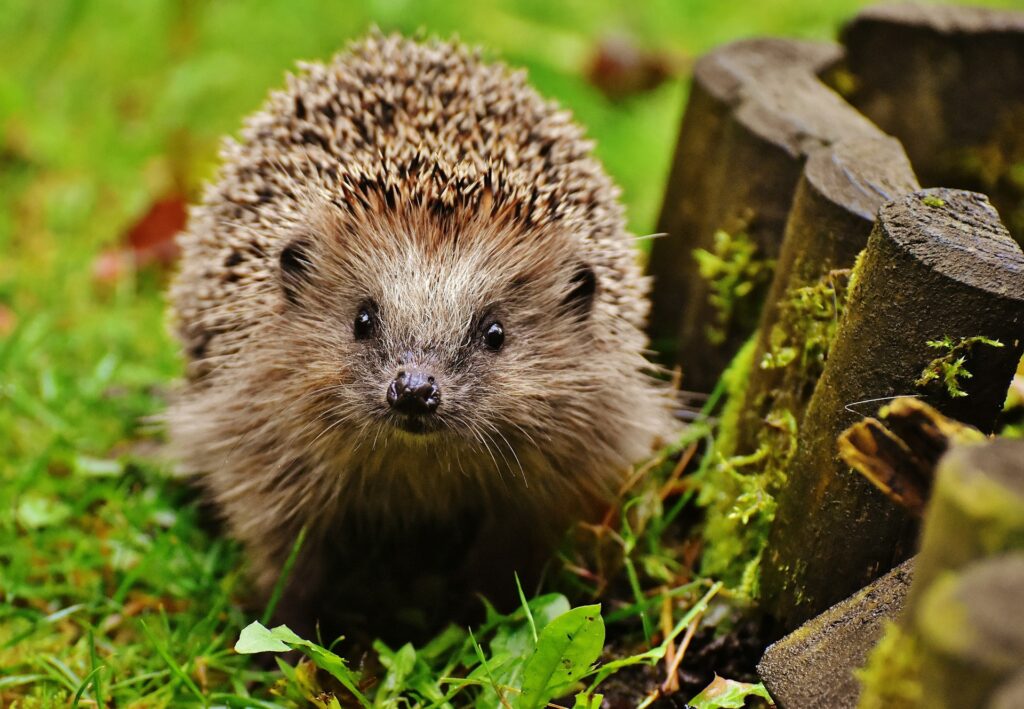
Hedgehogs are nocturnal, so if you see one wandering in the day, it’s a warning sign. In autumn, a hedgehog out in daylight may be underweight, ill, or desperately searching for food before hibernation.
Instead of ignoring it, contact a local wildlife rescue for advice. They’ll tell you whether it needs help. Acting quickly could make the difference between survival and struggle.
2. Don’t feed it bread and milk.
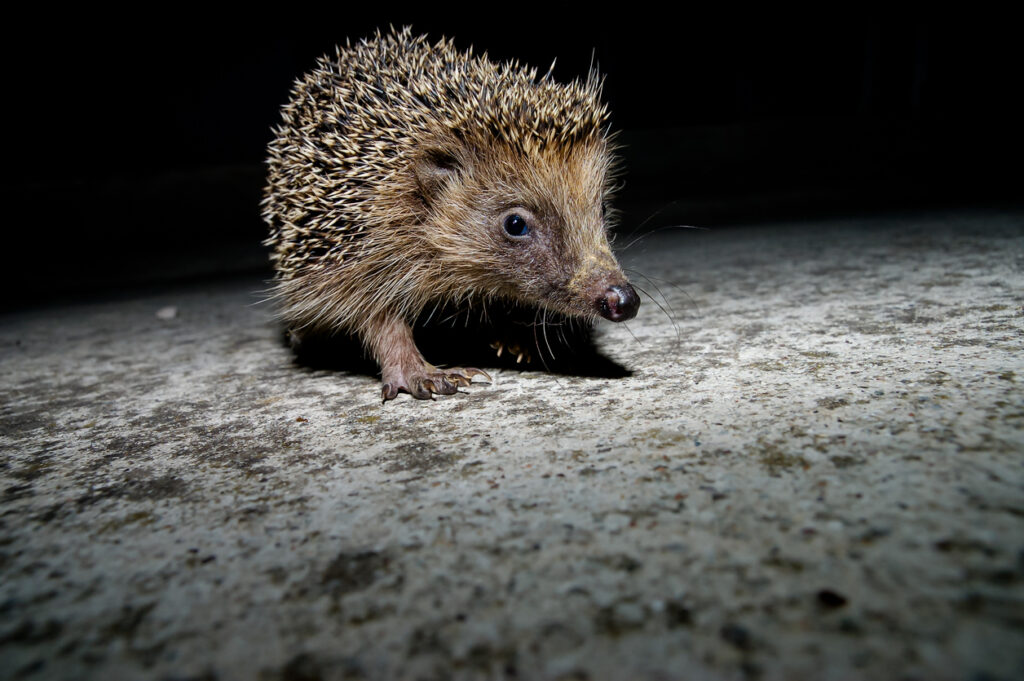
Lots of people still think bread and milk are good for hedgehogs, but they can actually make them very ill. Milk gives them stomach issues, and bread doesn’t give them the nutrients they need to get through winter.
If you want to help, offer meaty cat or dog food, or special hedgehog food from a garden centre. Water in a shallow dish is always safe and useful too.
3. Don’t move it unless absolutely necessary.
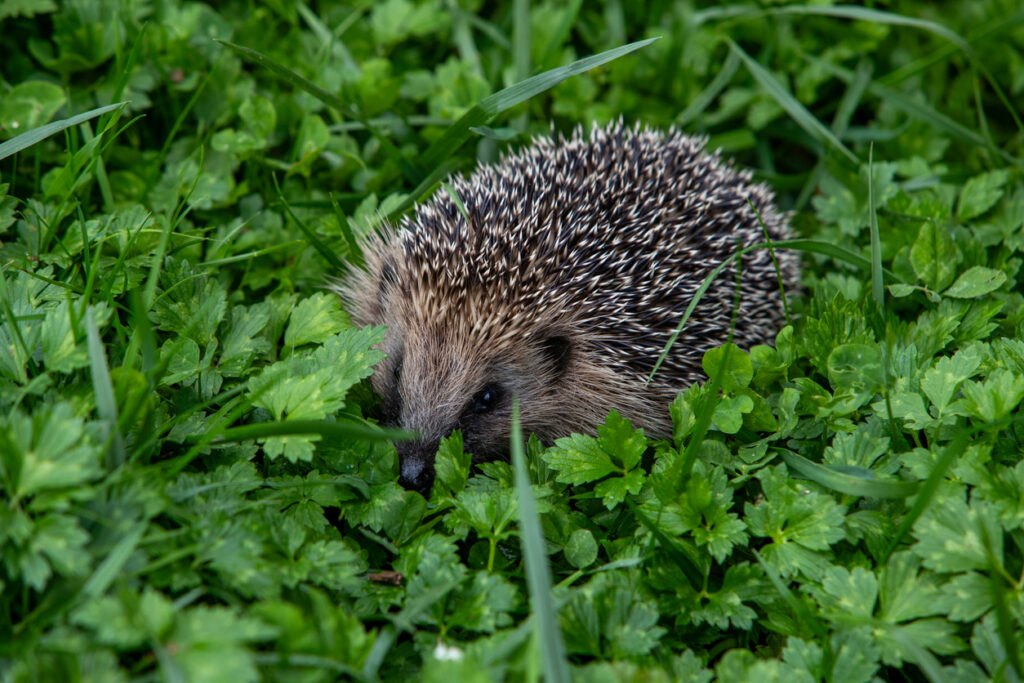
Picking up a hedgehog and relocating it might feel helpful, but it can confuse them and break their routine. In autumn, they’re carefully building fat reserves and finding safe nesting spots, so unnecessary moves put them at risk.
Only move a hedgehog if it’s in immediate danger, like on a busy road. Otherwise, leave it where it is and let it continue its natural preparations.
4. Don’t disturb piles of leaves.
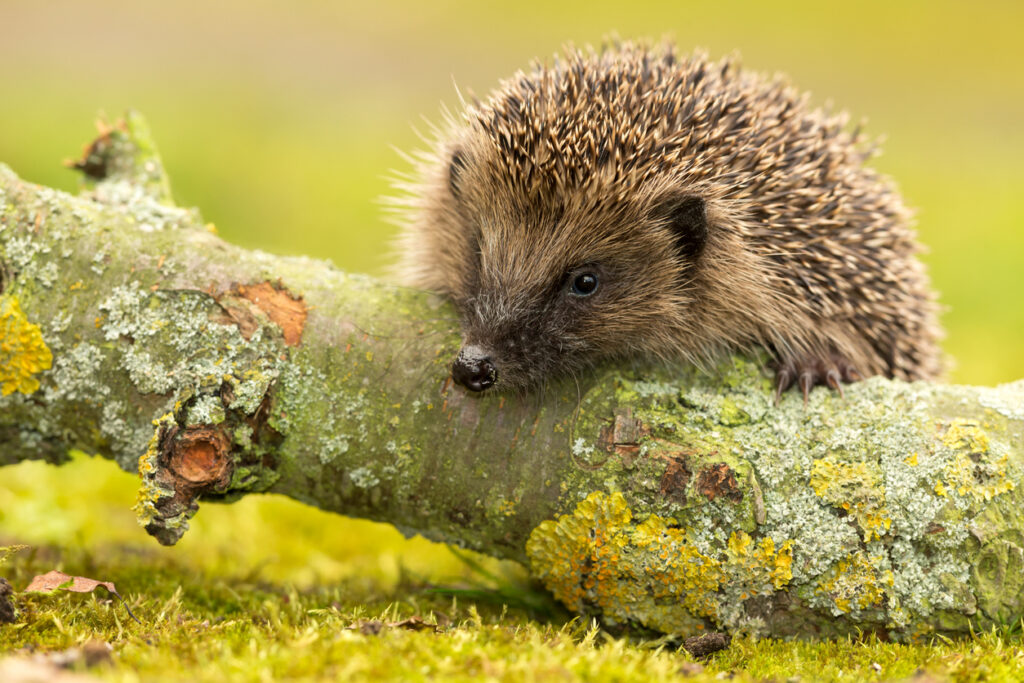
Leaf piles might look like garden waste, but to hedgehogs, they’re perfect places to build nests. If you start raking or burning without checking, you could accidentally destroy their shelter or harm them directly.
Check piles before moving or burning them. If you want to be hedgehog-friendly, keep a corner of your garden untouched for them to use as a safe nesting site.
5. Don’t let garden ponds go unchecked.
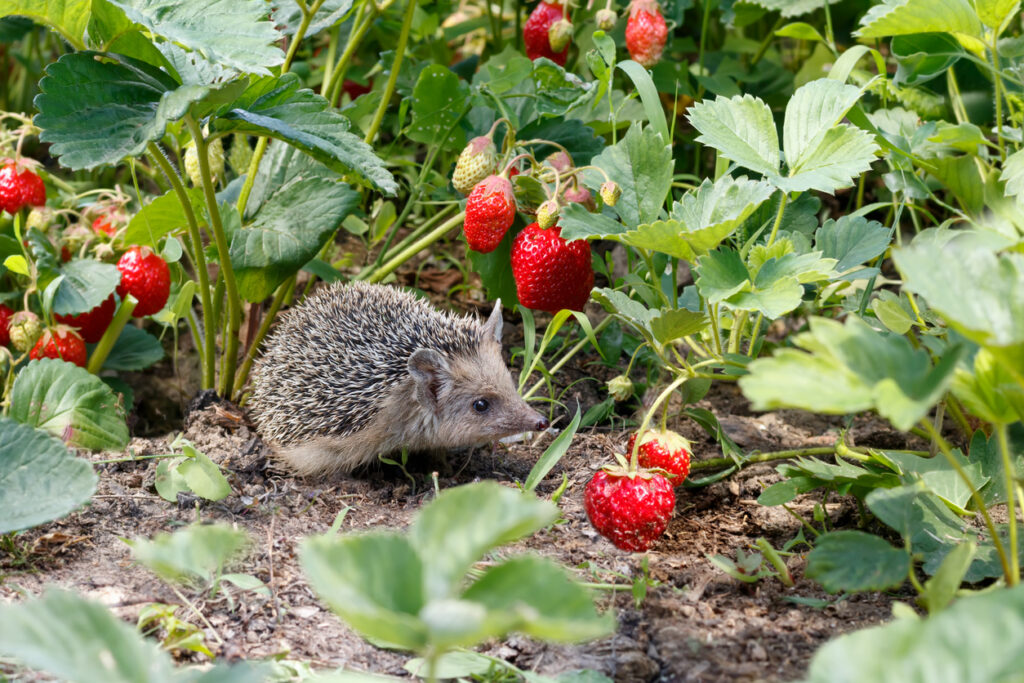
Hedgehogs are surprisingly good swimmers, but steep-sided ponds trap them easily. In autumn, when they’re busy foraging, they’re more likely to fall in and struggle to climb back out.
Add a simple ramp or gently sloped side to ponds so they can escape. Taking this step keeps your garden safe without interfering with their natural habits.
6. Don’t assume small ones will survive winter.
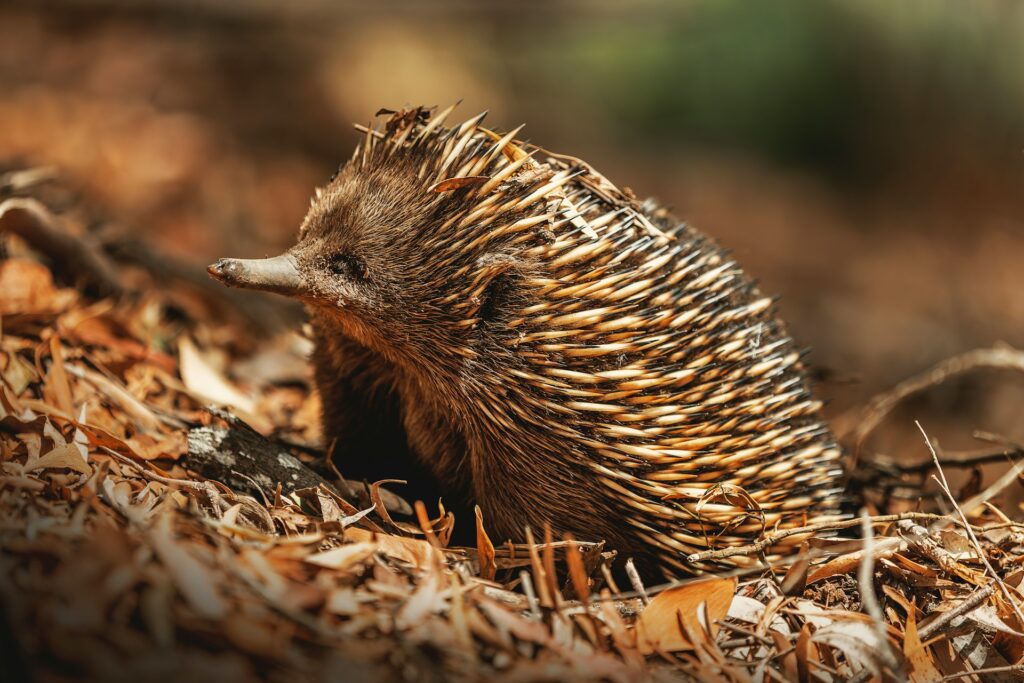
Young hedgehogs born late in the year often look cute, but struggle to build enough fat for hibernation. If you spot a tiny hedgehog in autumn, chances are it needs extra help to make it through the cold months.
Weighing them isn’t realistic for most people, so the best step is to contact a rescue if you see one underweight. They’ll know if it needs support before hibernating.
7. Don’t use slug pellets.
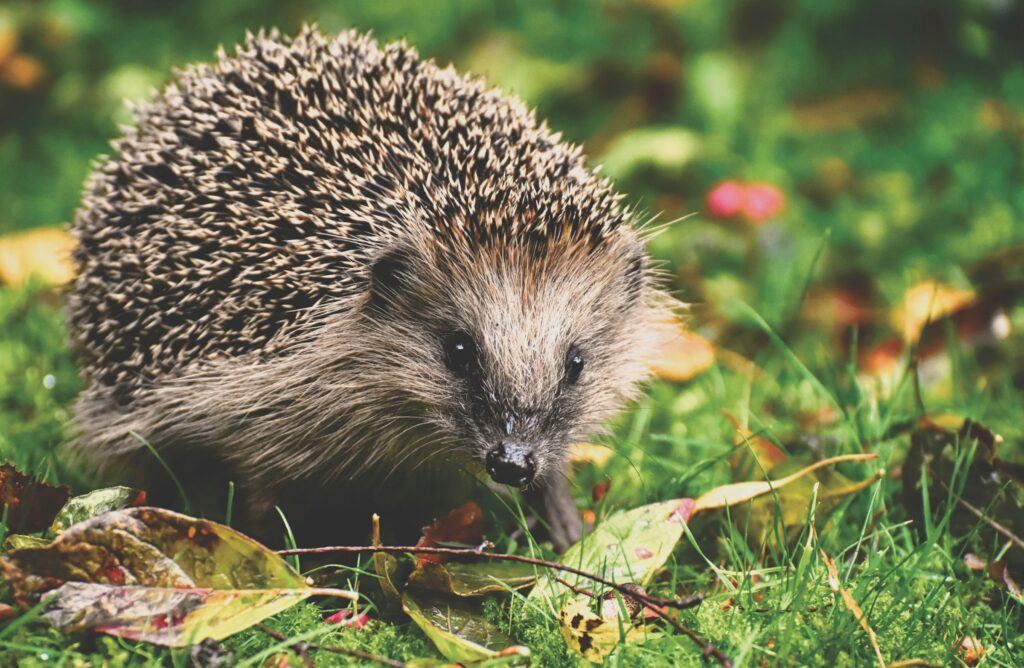
Many people reach for slug pellets in autumn to protect plants, but they’re highly toxic to hedgehogs. Eating poisoned slugs can kill them, even though they’re just doing their job as natural pest controllers.
Use wildlife-friendly alternatives like beer traps or wool pellets instead. You’ll still protect your garden without harming one of nature’s most effective slug-eaters.
8. Don’t leave netting lying around.
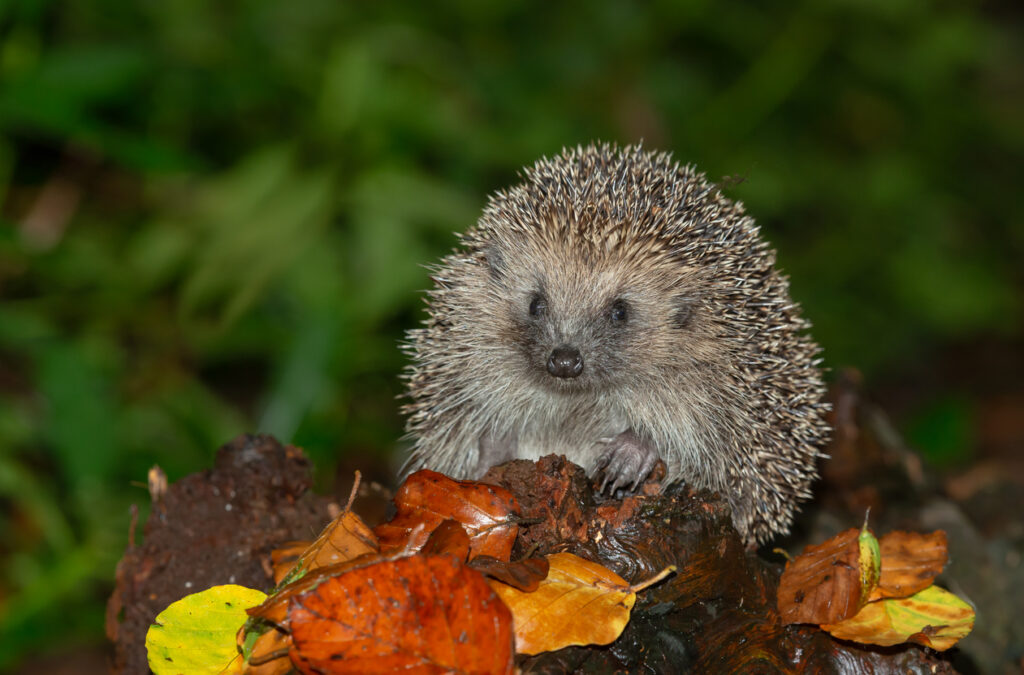
Netting from football goals, plant supports, or garden debris is a real hazard for hedgehogs. They get tangled easily, and in autumn, their constant foraging makes it more likely they’ll stumble into these traps.
Pack away or secure any netting when it’s not in use. A tidy garden keeps hedgehogs safe and prevents accidents that could stop them preparing properly for hibernation.
9. Don’t keep lights on overnight.
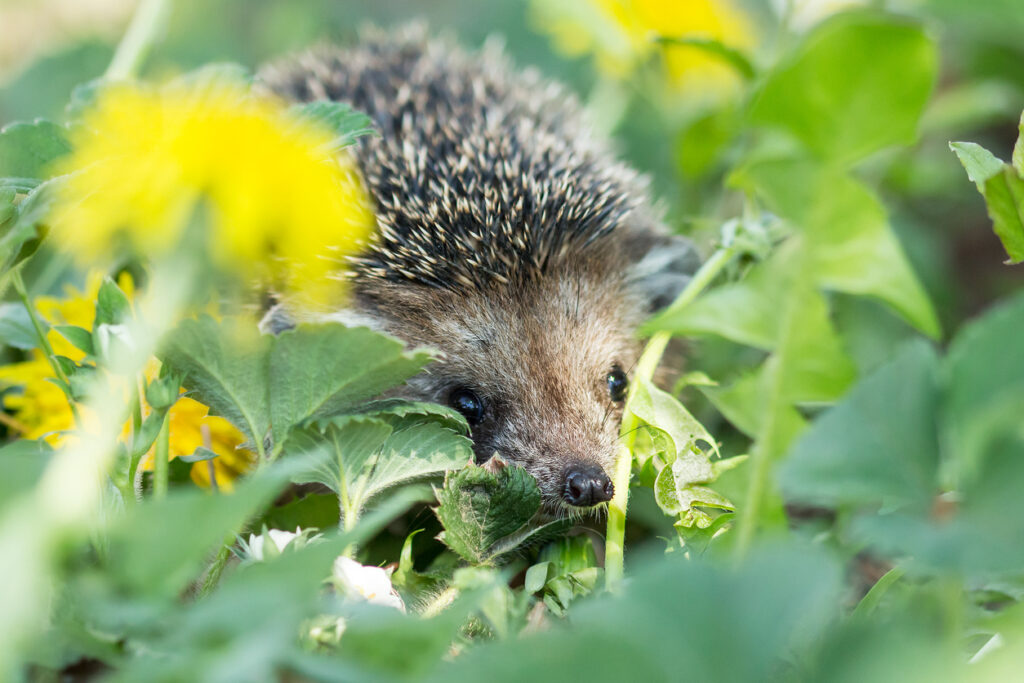
Bright garden lights might look nice, but they confuse nocturnal creatures. Hedgehogs rely on darkness to feel safe while foraging. Constant lighting can disrupt their natural behaviours and make them avoid your garden entirely.
Switch lights off when they’re not needed. Keeping spaces dark and quiet gives hedgehogs the chance to forage freely and build up strength before winter.
10. Don’t block off garden access.
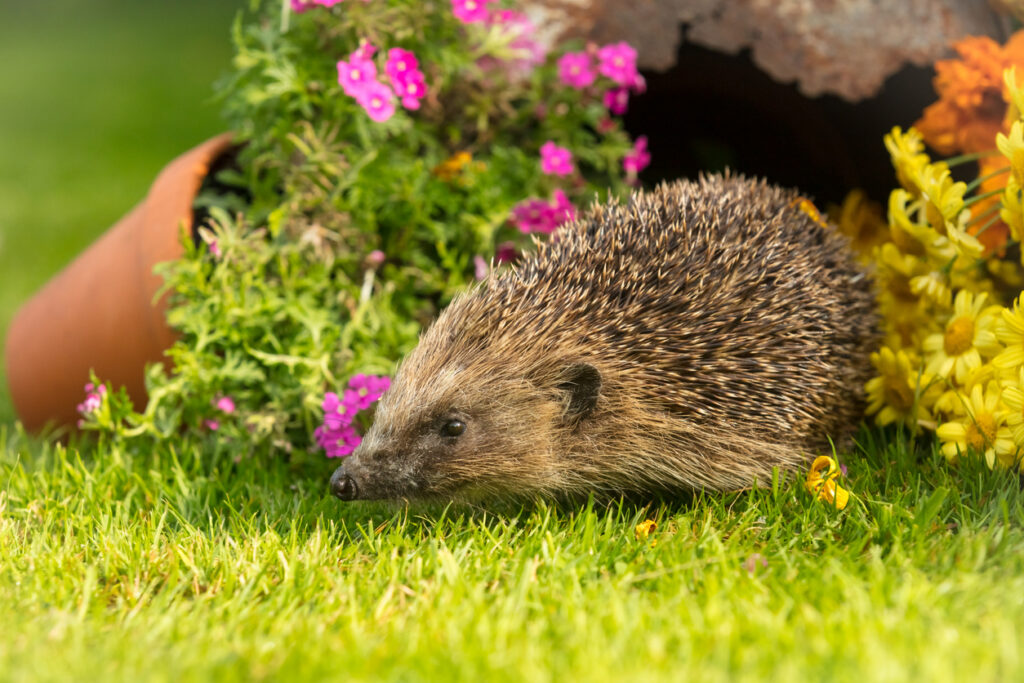
Hedgehogs travel long distances at night, often through multiple gardens. Fenced or walled gardens with no gaps block their routes, making it harder for them to find food and safe nesting spots in autumn.
Leaving small holes at the bottom of fences creates “hedgehog highways.” It’s a simple step that lets them move freely and safely while preparing for hibernation.
11. Don’t let pets chase them.
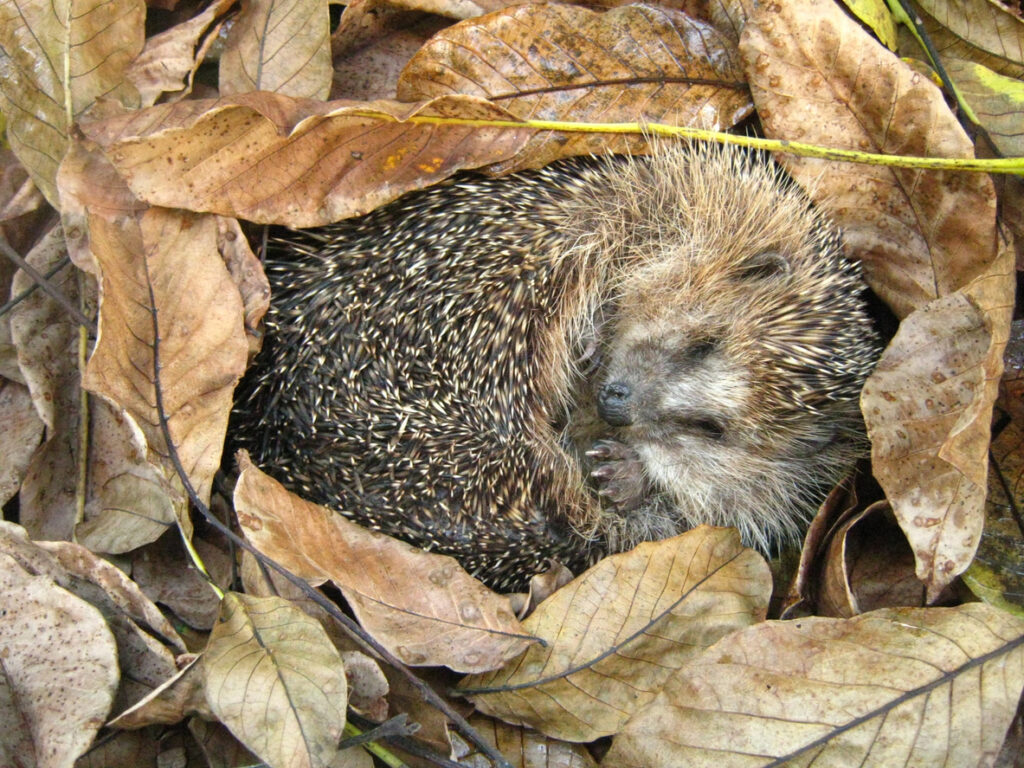
Dogs in particular can injure hedgehogs, even when they’re just being curious. In autumn, hedgehogs are especially vulnerable, as they spend more time searching for food and moving around at night.
Keep pets supervised outdoors after dark. Giving hedgehogs safe passage through your garden ensures they can keep preparing without unnecessary stress or injury.
12. Don’t handle them with bare hands.
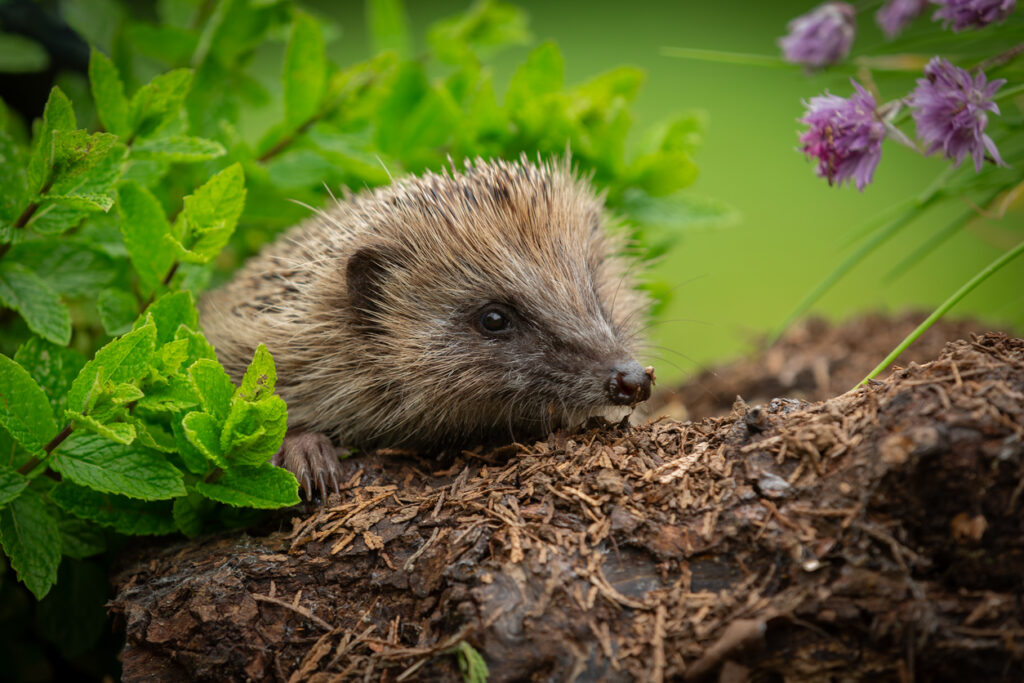
Hedgehogs might look harmless, but picking one up with bare hands can hurt you and stress them. In autumn, when they’re already under pressure, this extra stress makes life harder for them.
If you really need to handle one, use gloves or a towel. Keeping the interaction minimal ensures they can continue on their way without extra disruption.
13. Don’t ignore one in real trouble.
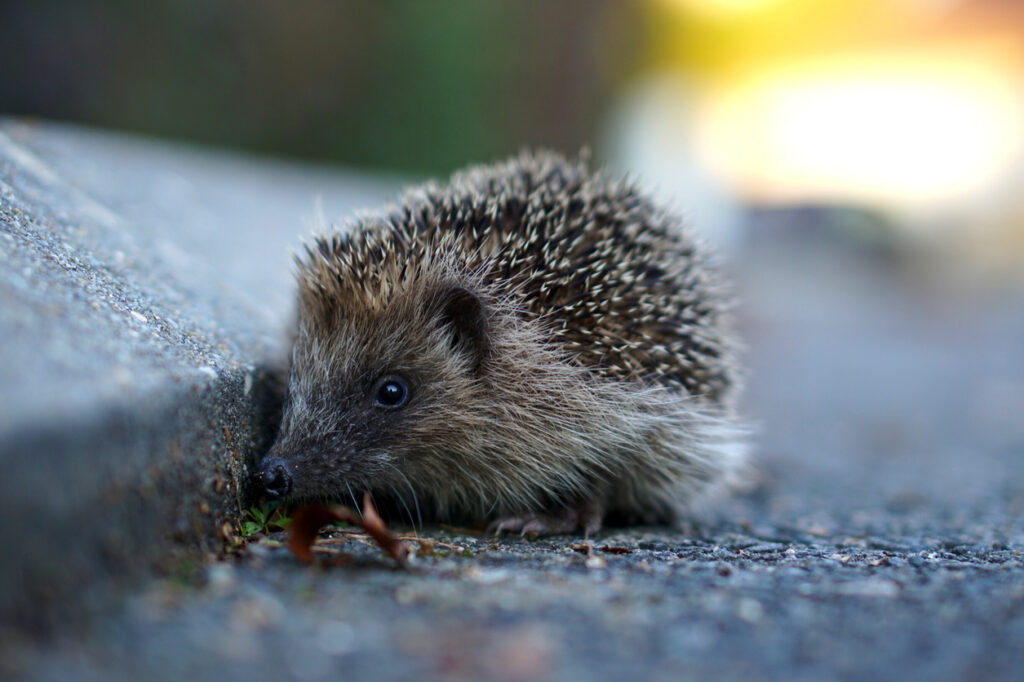
Sometimes, a hedgehog you see in autumn isn’t just foraging but clearly unwell or injured. Ignoring it in that state lowers its already slim chances of making it through the winter.
Call a local rescue centre if you see a hedgehog that’s wobbly, injured, or very small. Quick action gives it the best chance to survive and thrive come spring.