The UK’s beaches are some of the most beautiful in the world, but there are laws in place to protect the ecosystem.

Most people don’t realise that taking seemingly harmless souvenirs from British beaches can land you with hefty fines or even prosecution under various laws. Here are some of the things that you’ll need to leave where you found them, rather than helping yourself to some to take with you.
1. Pebbles, sand, and rocks are completely off-limits.

Under the Coast Protection Act 1949, taking any natural materials like pebbles, sand, or rocks from UK beaches is illegal, no matter how small the amount. Even taking one pebble technically breaks the law, and you could face fines up to £1,000 for what seems like a harmless souvenir.
The law exists to protect beaches from erosion and maintain natural sea defences. Those pebbles and sand help break up wave energy and prevent coastal flooding. Check for warning signs at beaches, but remember the law applies even if there aren’t any posted notices about it.
2. Any artifacts found with metal detectors need proper permission.
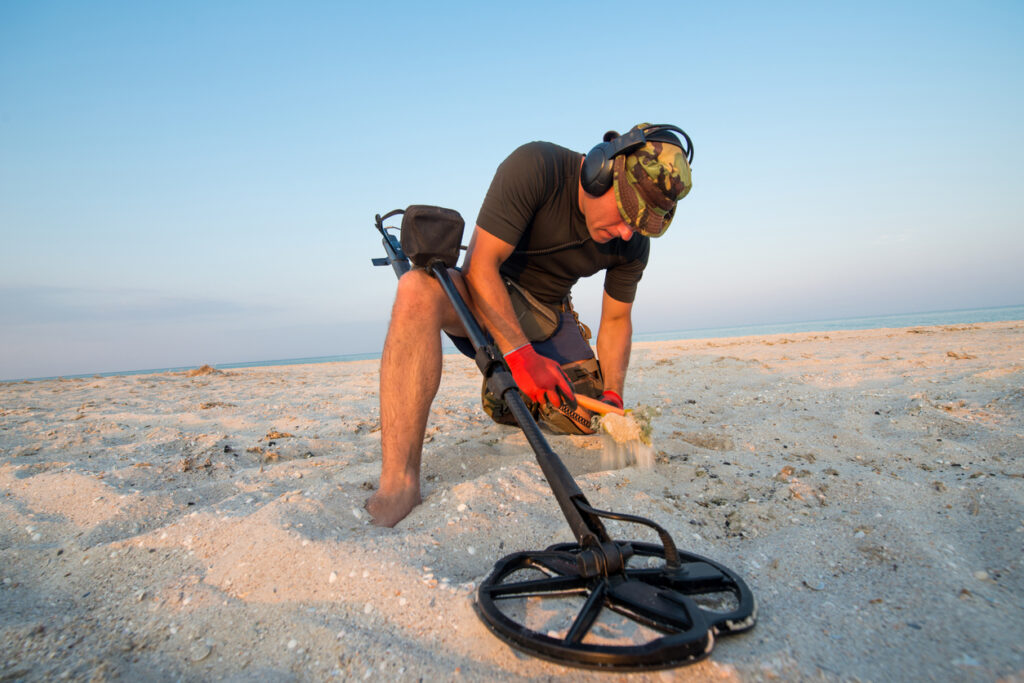
You can’t just turn up at any beach with a metal detector and start hunting for treasure. On Crown Estate beaches (which includes most UK coastline), you need permission first, and anything valuable you find might need to be reported to authorities within 14 days under the Treasure Act.
Different beaches have different rules about metal detecting. Some local councils ban it entirely, whilst others require permits. Always check with the landowner or local authority before detecting, and never attempt it on National Trust property or designated archaeological sites.
3. Fossils require careful consideration of location and ownership.
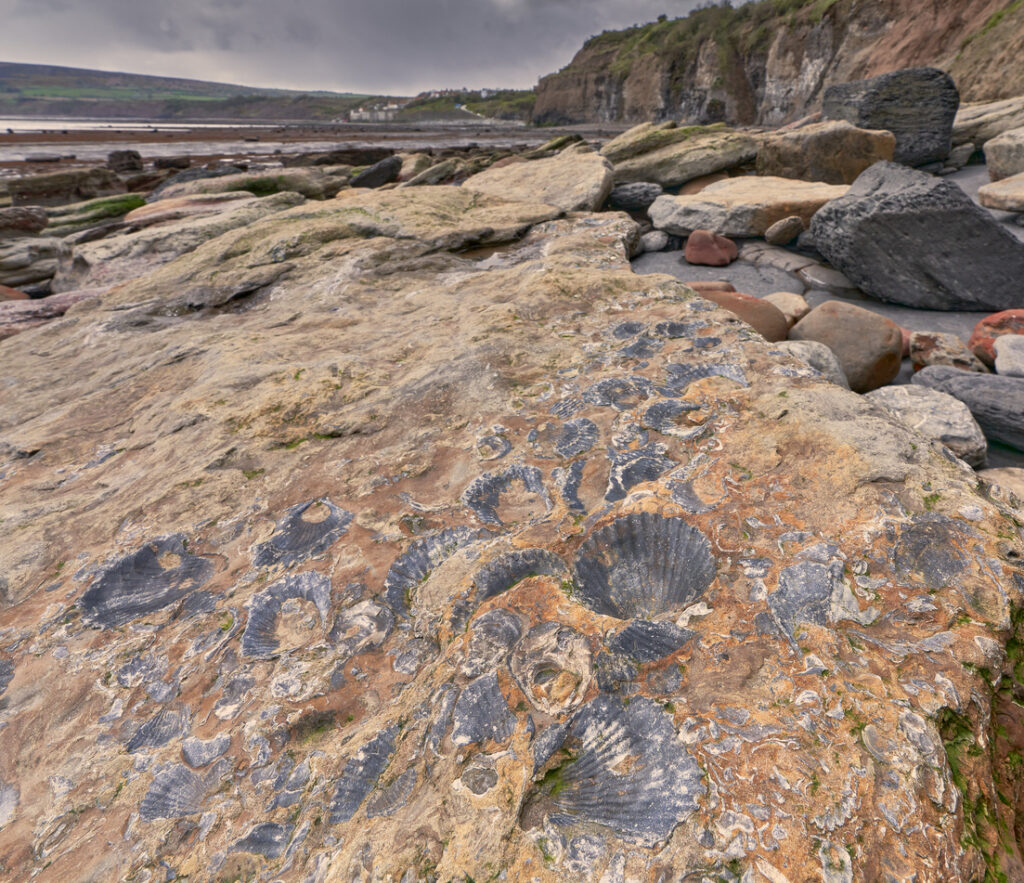
Whilst fossil hunting is generally allowed on many UK beaches, you can’t remove fossils from Sites of Special Scientific Interest (SSSIs) without permission from Natural England. Large or scientifically important fossils should be reported to museums rather than taken home, and some areas have specific codes of conduct.
If you find something significant like dinosaur footprints or rare specimens, photograph them and report the location to local museums. The fossils technically belong to whoever owns the land, so taking valuable specimens without permission could be considered theft.
4. Historic or archaeological items fall under treasure laws.
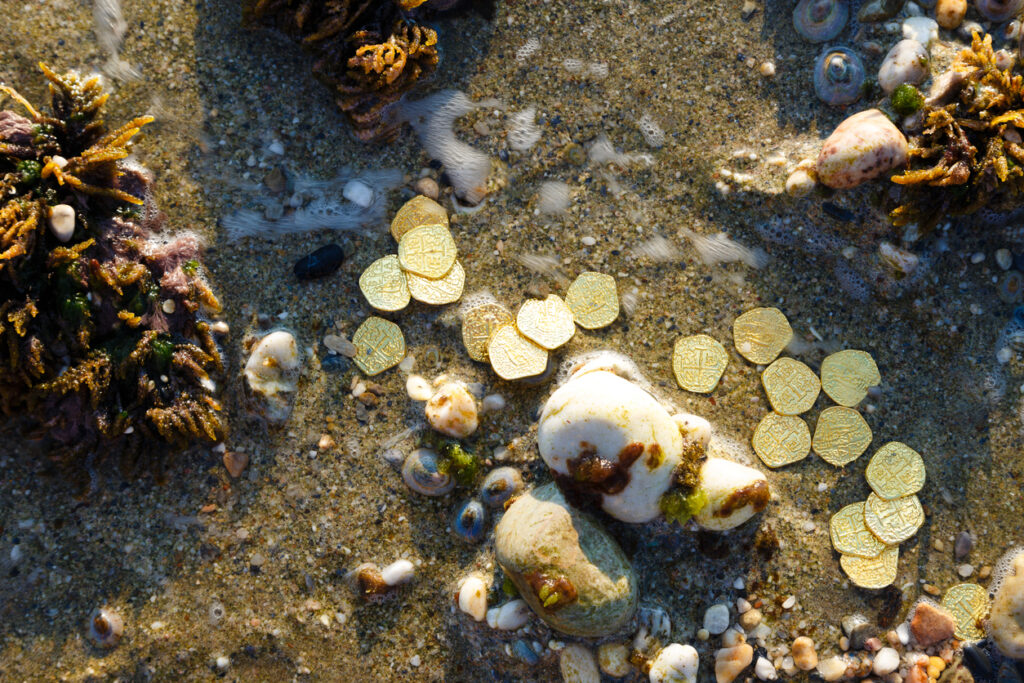
Any coins, jewellery, or artifacts over 300 years old that contain precious metals must be reported to the local coroner within 14 days under the Treasure Act 1996. This includes finds from metal detecting or just stumbling across items buried in the sand.
You can’t just pocket old coins or artifacts you find and sell them online. There’s a proper process involving museums and government officials who determine if items qualify as treasure, and failure to report can result in prosecution and unlimited fines.
5. Plants and wildlife are protected under various conservation laws.

Removing rare plants, disturbing nesting birds, or taking protected species from beaches can result in serious criminal charges. Some Schedule 8 plants are so protected that even accidentally trampling them can be an offence, with penalties including imprisonment.
Beach environments often host protected wildlife during breeding seasons. Disturbing seals, taking bird eggs, or removing certain seaweeds can all breach wildlife protection laws. When in doubt, look but don’t touch, and definitely don’t remove anything living.
6. Driftwood might be okay, but check the circumstances first.

Unlike pebbles and sand, driftwood isn’t specifically protected by law, but you should still be thoughtful about what you take. Large pieces might provide important habitats for sea creatures, and some areas may have local restrictions about removing any natural materials.
Stick to smaller pieces that clearly aren’t providing shelter for wildlife, and don’t take loads of it for commercial purposes. Some councils or landowners might have their own rules about removing anything from their beaches, so check locally.
7. Sea glass is generally fine to collect.

Sea glass is essentially polished litter from old bottles and jars, so taking it actually helps clean up the beaches. You’re not removing natural materials, just collecting processed glass that’s been tumbled by the sea, so there aren’t legal restrictions on sea glass collecting.
However, be reasonable about quantities and don’t take massive amounts for commercial purposes. If you’re filling bags with sea glass to sell online, you might run into issues with landowners or local councils, who prefer visitors to take just a few pieces as souvenirs.
8. Shells need to be empty and ethically sourced.

Empty shells are generally okay to take in small numbers, but you must never take occupied shells or disturb living creatures. Some shells provide homes for hermit crabs or other sea life, and removing these can disrupt local ecosystems.
Be selective about shell collecting and only take genuinely empty ones. If you’re unsure whether a shell is occupied, leave it alone. Large-scale shell collecting for commercial purposes isn’t appropriate and could be considered environmental damage.
9. Anything potentially dangerous must be reported.
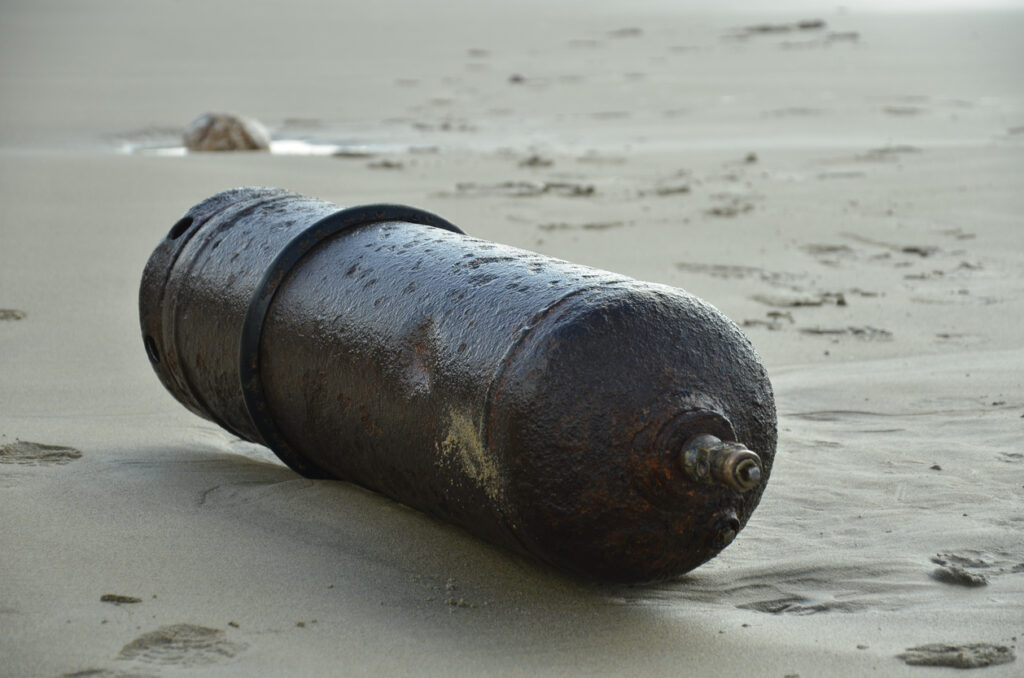
If you find old munitions, suspicious devices, or anything that could be unexploded ordnance from wartime, don’t touch it and call the police immediately. Many UK beaches were used for military training or have wartime debris that can still be dangerous decades later.
Similarly, if you find oiled seabirds, marine mammals, or signs of pollution, contact the appropriate authorities rather than trying to deal with it yourself. There are specific procedures for handling these situations safely.
10. Items from shipwrecks belong to the Receiver of Wreck.
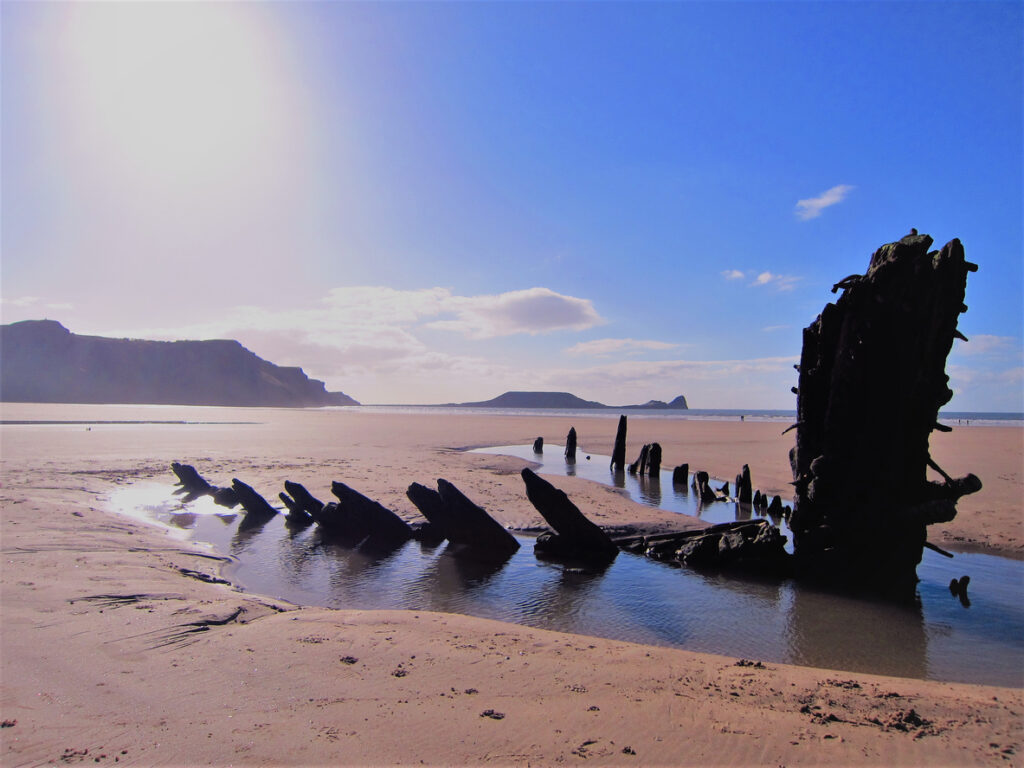
Any objects that might have come from shipwrecks must be reported to the Receiver of Wreck under the Merchant Shipping Act 1995, even if you find them washed up on the beach. This includes old bottles, metal objects, or anything that could potentially be from a maritime accident.
You have 28 days to report wreck finds, and failure to do so can result in prosecution. The Receiver of Wreck will investigate and determine ownership, and you might be entitled to a reward if the rightful owner can’t be found.