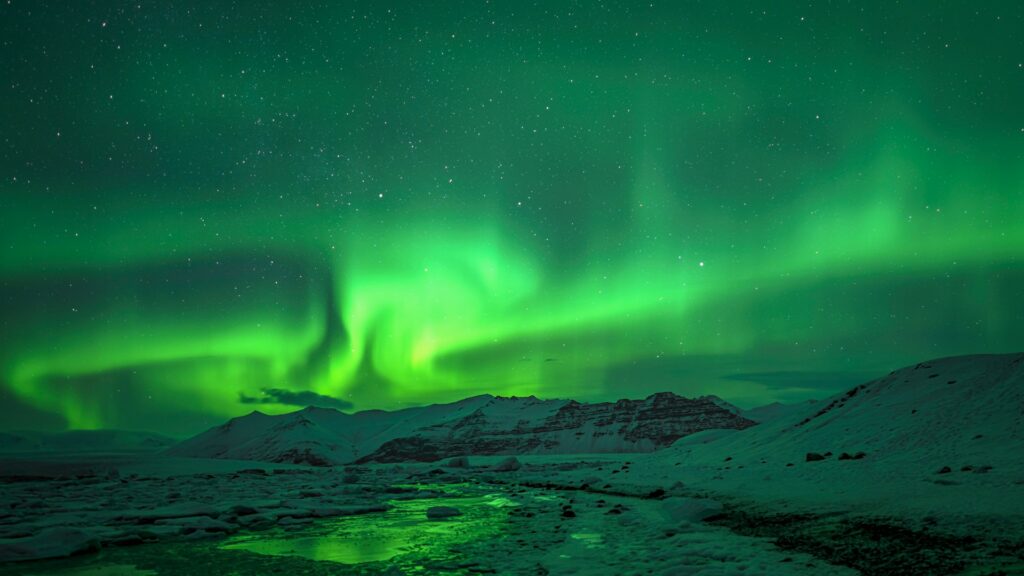
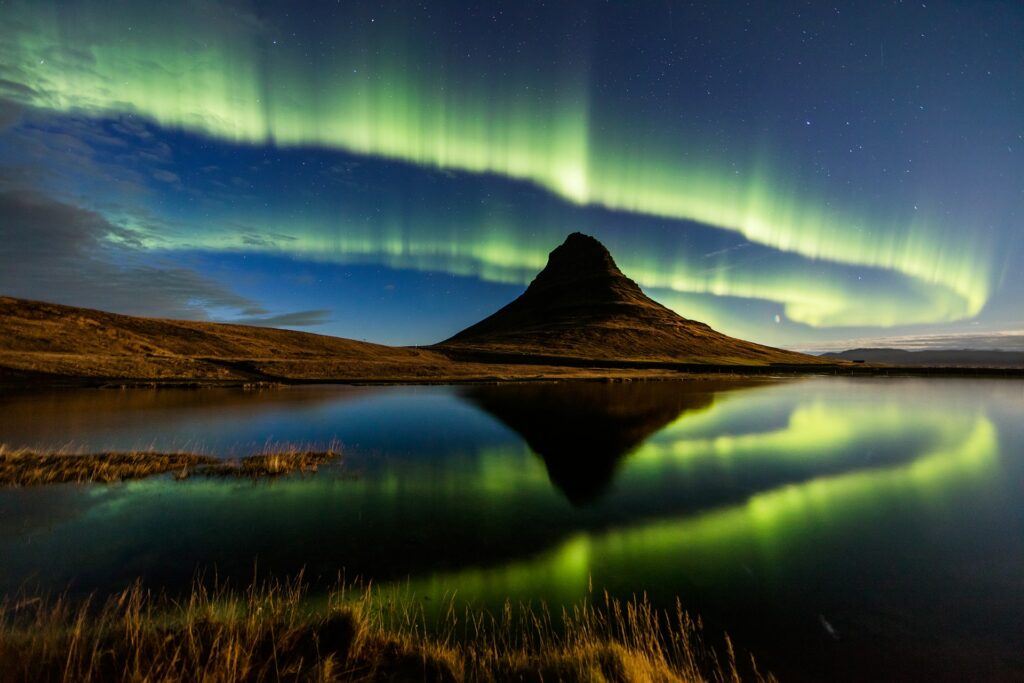
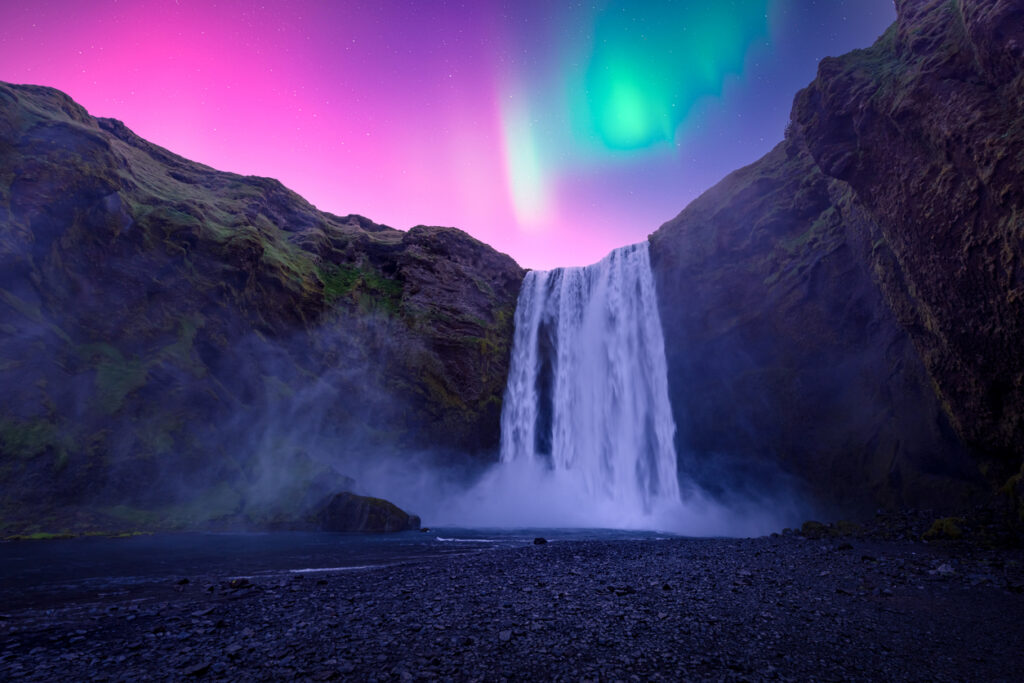
The Northern Lights are one of nature’s most breathtaking shows, thanks to the waves of green and pink light flickering across the Arctic sky.
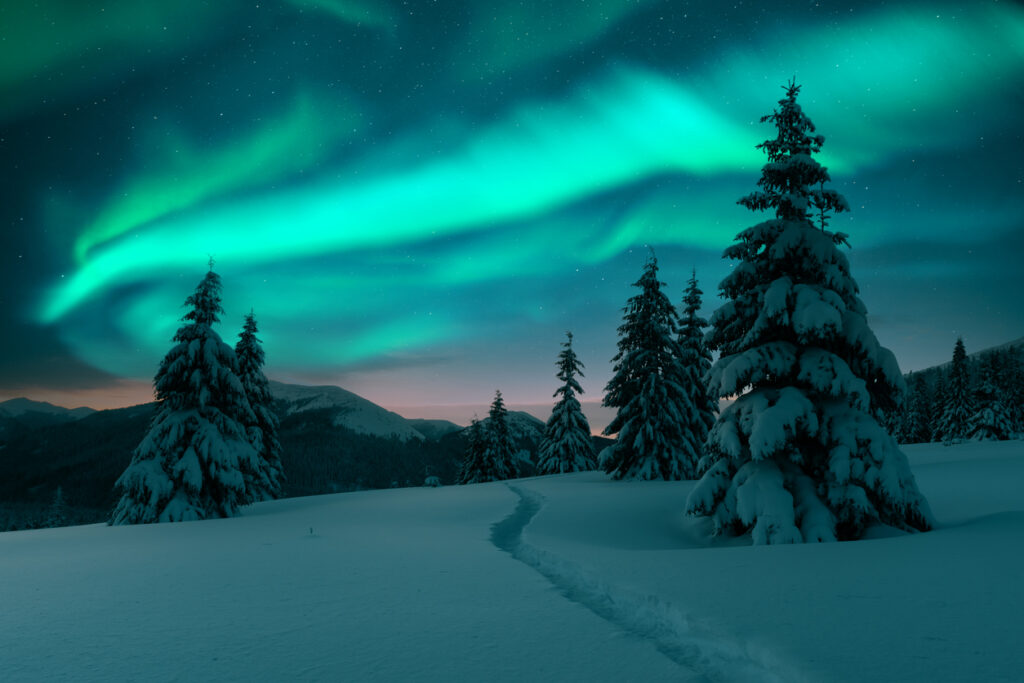
However, beyond their beauty, they tell a story about the invisible relationship between Earth and the Sun. If the auroras suddenly stopped appearing, it wouldn’t just mean the loss of a spectacle. It would mean something big had changed in the way our planet works. Here’s what would really happen if the Northern Lights disappeared.
The Sun’s activity would have dropped sharply.
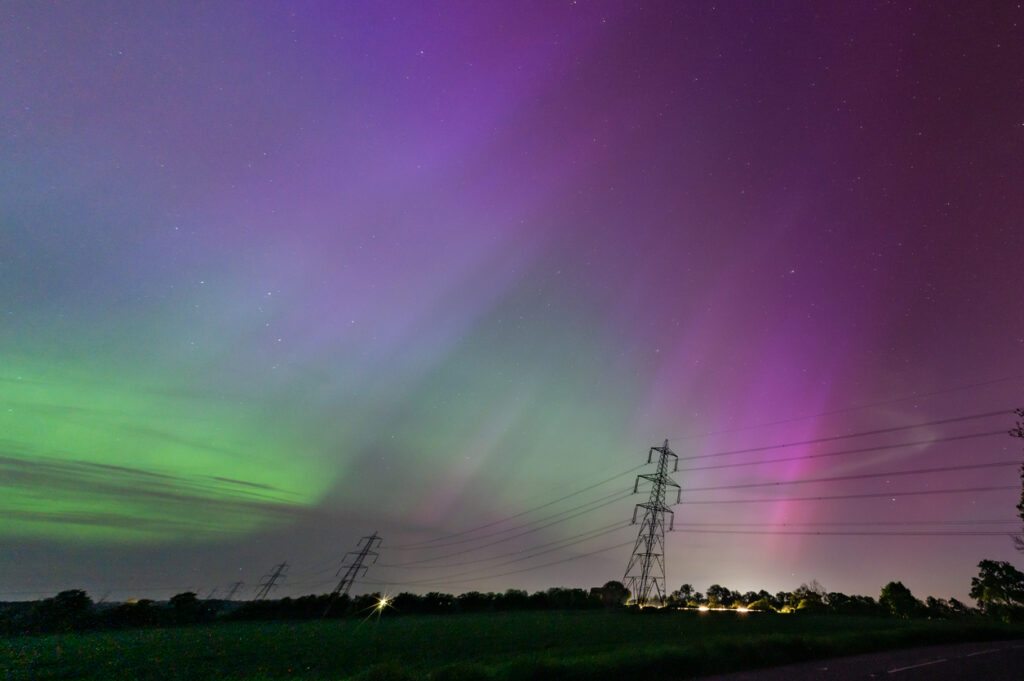
The Northern Lights are caused by charged solar particles hitting Earth’s magnetic field. If they vanished, it could mean the Sun’s energy output had fallen dramatically. Solar quietness like this could cool global temperatures slightly and affect weather systems. Scientists would likely start watching for changes in sunlight levels almost immediately.
Space weather would become unusually calm.
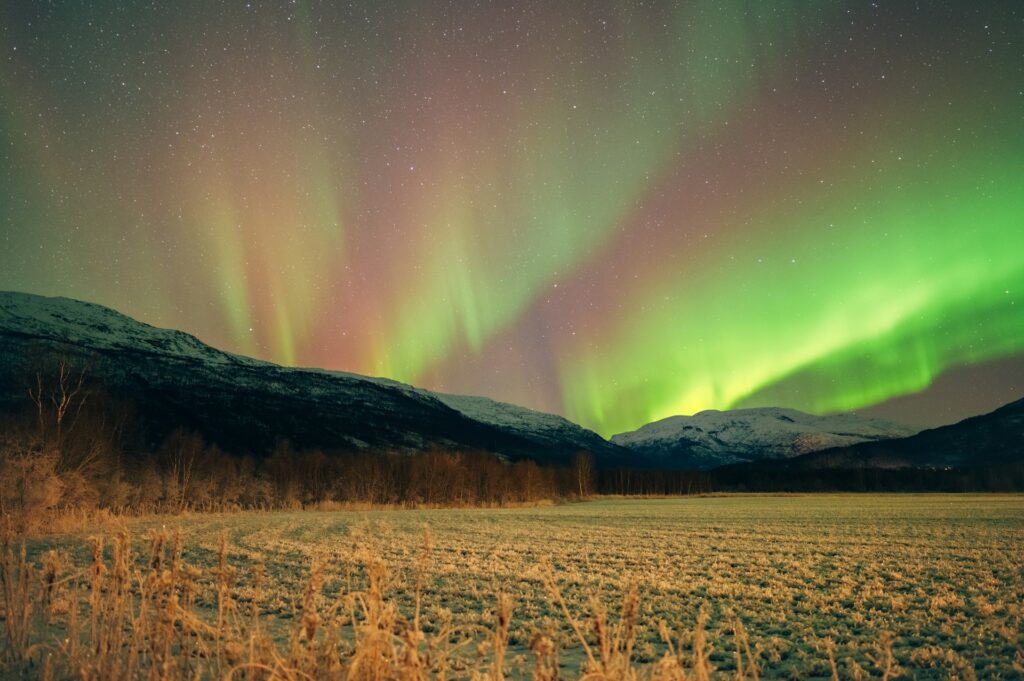
Solar flares and storms are what trigger auroras. Without them, space would be calmer, with no bursts of radiation or magnetic waves hitting Earth’s upper atmosphere. It might sound like good news, but some solar activity actually helps protect our planet by deflecting cosmic rays. With none of it, other space particles could start slipping through more easily.
Satellite and GPS systems might behave differently.
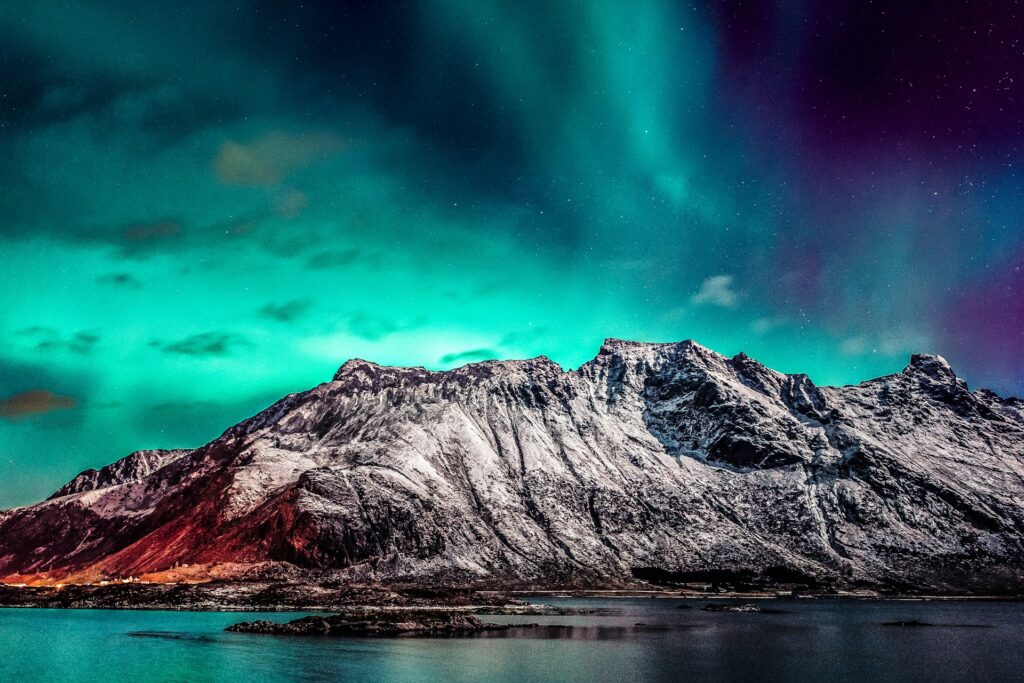
The same charged particles that cause auroras also affect how satellites and communication signals move through the atmosphere. If that stopped, signal behaviour could change in unexpected ways. Fewer disturbances might make navigation systems more stable, but it could also mean scientists lose one of their best natural indicators for space weather warnings.
Scientists would worry about the Sun’s long-term health.
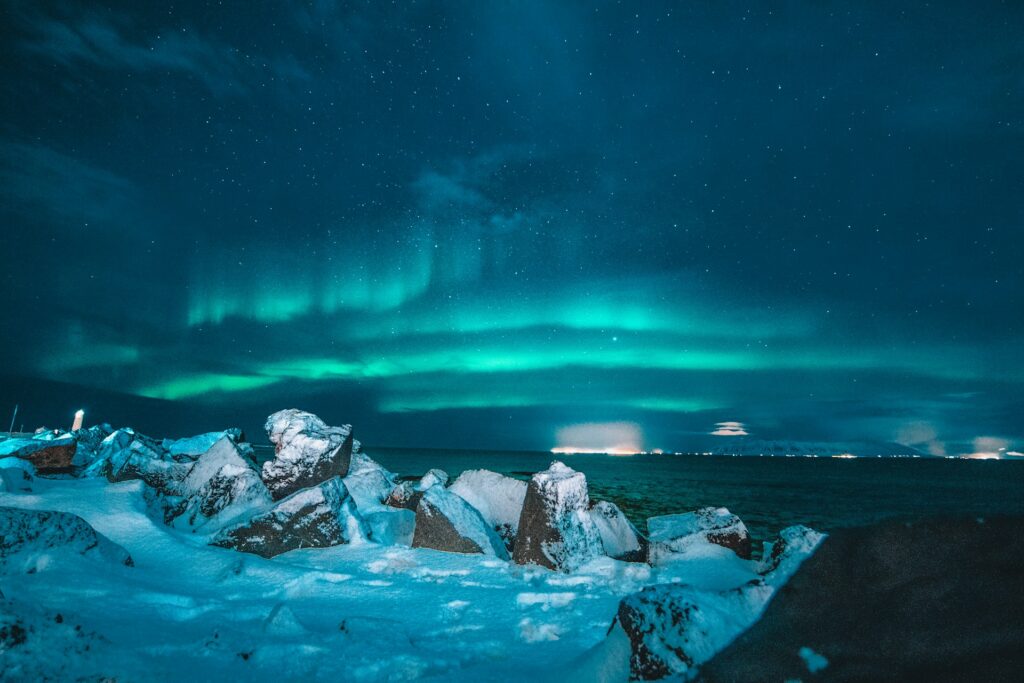
If the lights went dark for years, it could signal a solar minimum more extreme than anything we’ve recorded. That would suggest the Sun had entered an unusually quiet phase. Such a change could alter how much energy Earth receives, influencing everything from crop cycles to climate patterns. Scientists would study it closely, unsure how long the calm would last.
Polar regions would lose part of their identity.
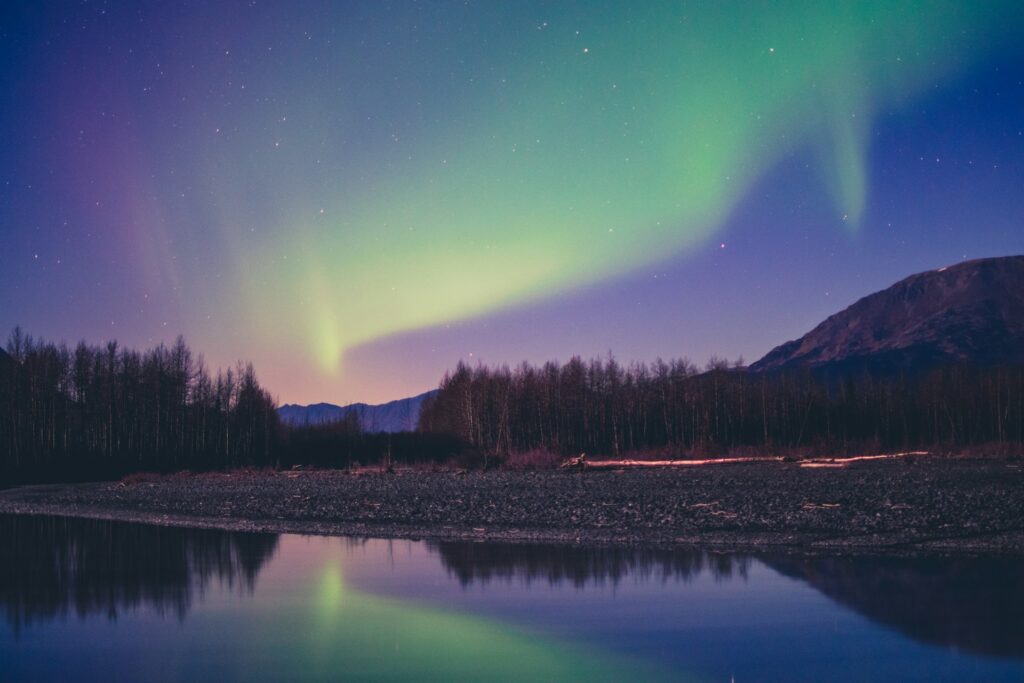
For northern communities, the aurora isn’t just a light show, it’s cultural heritage. The lights are part of Indigenous folklore, tourism, and local pride. If they disappeared, it would leave the Arctic skies strangely empty. It would change how people experience winter nights that once glowed with colour and mystery.
Tourism in the north would collapse overnight.
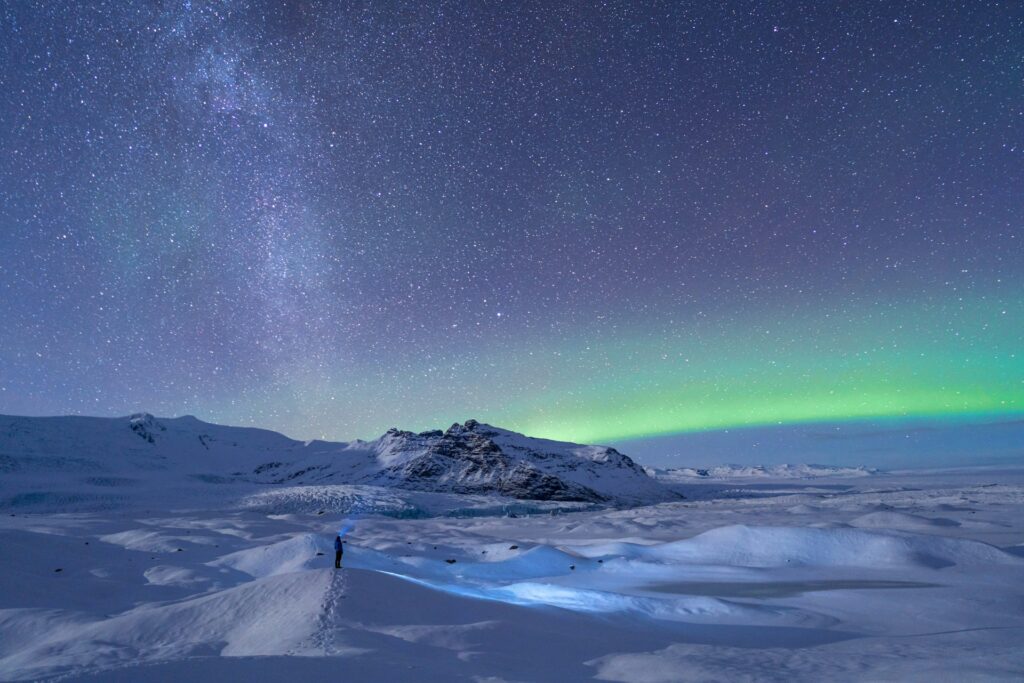
Countries like Norway, Iceland, and Finland rely heavily on Northern Lights tourism during winter. Thousands travel each year to see the glowing skies. If the lights stopped, hotels, guides, and businesses built around aurora tourism would struggle. It would cause a major hit to northern economies already dealing with harsh winters.
Earth’s magnetic field might be weakening.

Another reason the Northern Lights could disappear is if Earth’s magnetic field began to change or weaken. That field is what directs solar particles toward the poles to create the glow. A change in the field could mean the lights appear in different places, or not at all. Scientists have already noticed slow changes that could suggest a magnetic reversal in progress.
We’d lose one of our best natural warning systems.
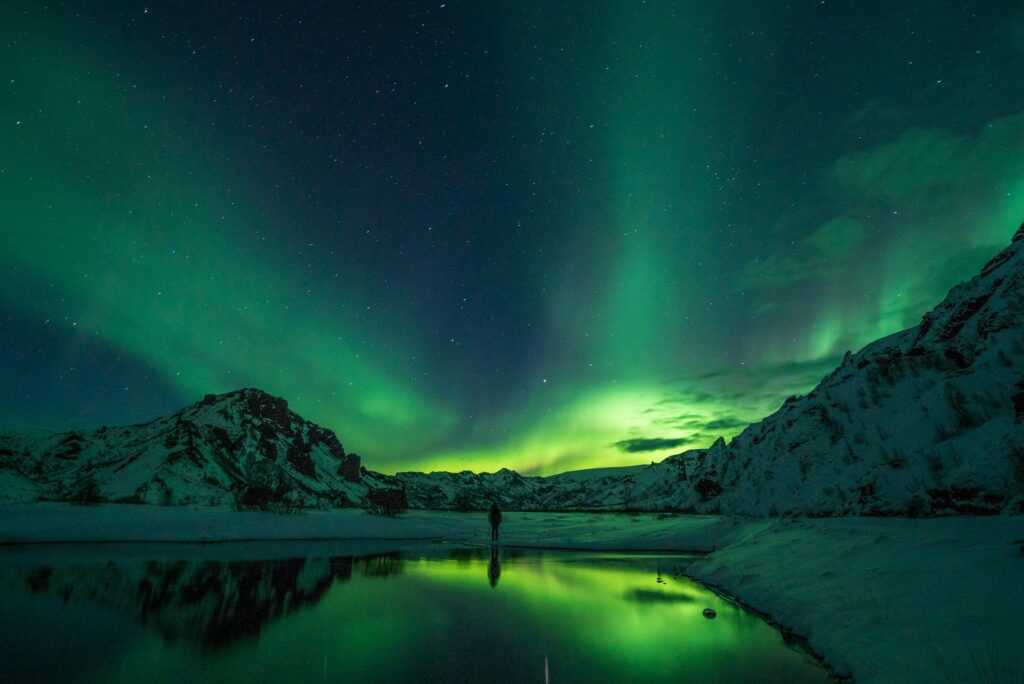
Auroras are like a visual alert that solar activity is strong. When they flare up, scientists know to expect satellite interference and communication problems. Without them, we’d still have data, but not the easy, visible signs that help track the Sun’s behaviour. It would make space weather harder to monitor in real time.
The upper atmosphere would cool.

Solar storms heat up Earth’s thermosphere, the layer where auroras form. Without those interactions, that part of the atmosphere would become colder and thinner. It wouldn’t affect people directly, but it would change how satellites orbit and how much drag they experience. Even small changes can alter satellite paths over time.
Cosmic radiation could slightly increase.
The Sun’s magnetic activity helps shield Earth from cosmic rays. If it quieted down enough to stop auroras, those rays could start reaching us in higher numbers. The increase would be small but measurable. Over long periods, it might affect high-altitude flights or astronauts working beyond Earth’s protective layers.
The colours of the night sky would feel duller.

In places like Lapland or northern Canada, winter nights are long and dark, broken only by the shimmer of the aurora. Without them, the Arctic would look flatter and emptier. The change would be emotional as much as scientific. The lights have always represented something magical; their loss would make the skies feel strangely lifeless.
Animal behaviour might subtly change.
Some species in northern regions respond to light changes at night. Reindeer, birds, and fish navigate using natural patterns of brightness, including auroras. If the lights disappeared, they’d adapt eventually, but there might be short-term confusion or migration changes. Nature’s balance is surprisingly sensitive to light.
It could signal a wider solar crisis.
If both the Northern and Southern Lights stopped appearing worldwide, scientists would likely suspect a deep solar minimum or a larger problem with the Sun’s magnetic cycles. It wouldn’t mean disaster for Earth, but it would be a clear sign that our star had entered an unusually quiet, possibly unstable phase. Space agencies would prepare for ripple effects across technology and climate.
Humanity would lose a reminder of its connection to the cosmos.

The Northern Lights remind us that Earth isn’t isolated. We live under the constant influence of a star. Losing them would make the night sky feel smaller and less alive. For thousands of years, people have looked up and felt wonder, fear, or comfort in those glowing waves. Without them, the world would feel a little less magical, even if we couldn’t explain why.