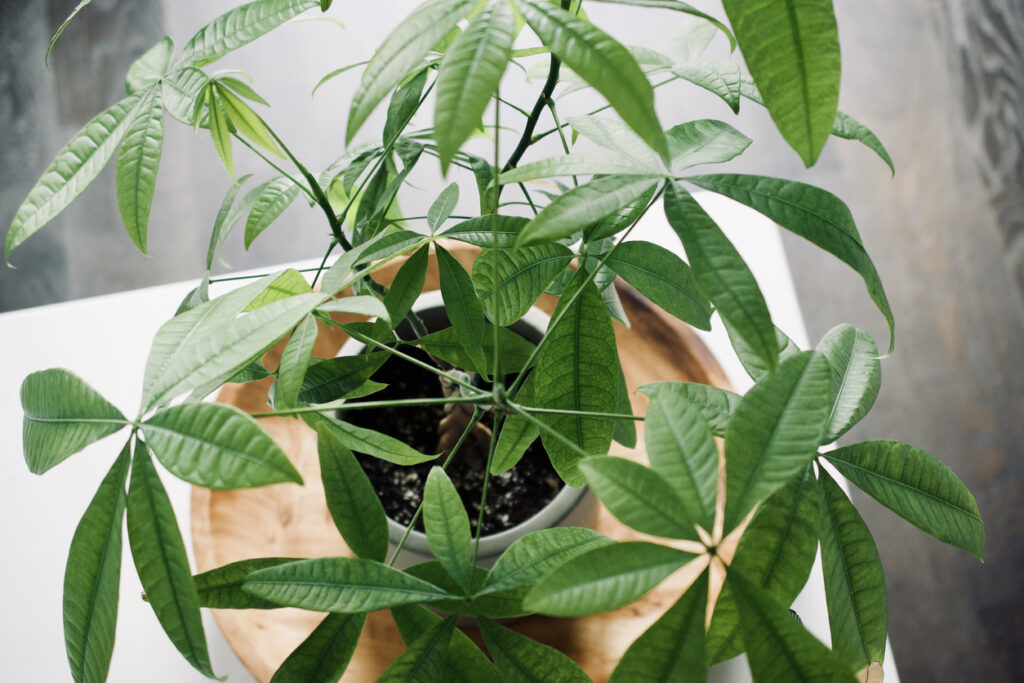
Money trees have become the go-to plant for housewarmings, office desks, and New Year blessings. However, beyond their eye-catching braided trunks and shiny green leaves, what do they actually symbolise, and why do so many people keep buying them? It turns out, there’s a reason these plants are everywhere from feng shui guides to modern plant shops. Here’s what the money tree really stands for, and why it still has such a hold on us.
They symbolise prosperity, but not in a gimmicky way.
At its core, the money tree represents good fortune and financial success. That meaning comes from East Asian traditions, where plants are often seen as energy carriers in a space. The name might sound a bit over-the-top, but the message is pretty grounded: growth, stability, and abundance.
People don’t necessarily expect their plant to drop coins or grant lottery wins, but they like the idea of having something living in their home that represents financial grounding. It’s a symbol of intention, not magic.
The braided trunk has its own meaning.
The signature braided stem of a money tree isn’t just decorative. In feng shui, it’s said to trap fortune within its folds, like weaving good energy together so it doesn’t slip through your fingers. That symbolism, plus the strong yet flexible look of the braids, creates a visual metaphor for strength through balance, which is something most of us are trying to achieve with our finances and lives in general.
They’re seen as a cure for “stuck” energy.
In spaces where things feel stagnant—money’s not flowing, motivation’s low, or things just feel off—money trees are sometimes used to help shift that energy. They’re meant to invite movement and flow into an environment. Even if you don’t buy into energy principles, there’s something psychologically helpful about adding a plant that’s tied to progress and forward motion. It’s a quiet nudge toward productivity without feeling forced.
They’re low-maintenance, which makes the symbolism feel achievable.
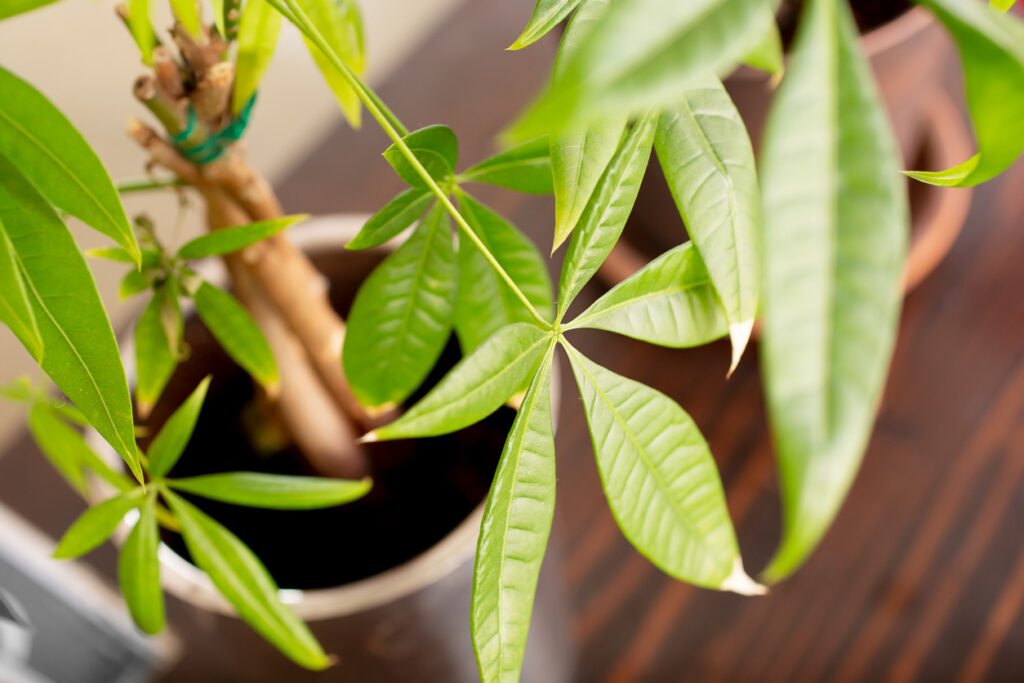
Part of the appeal is practical: money trees are fairly easy to care for. They tolerate different lighting, aren’t dramatic if you miss a watering, and still look good with minimal effort. That ease plays into the message they carry: slow, steady growth. In a world full of pressure to hustle, having a plant that says, “you’re doing fine, just keep going” fits well in both workspaces and homes. It’s a soft reminder that you don’t need to burn out to succeed.
They’re a popular gift for new beginnings.
Whether it’s a new job, a new flat, or a fresh start after something hard, money trees are often given as quiet encouragement. They don’t scream “good luck!” the way some gifts do, but the meaning is still there. They say “I hope good things come your way” without being cheesy about it. Plus, unlike flowers, they stick around. People remember who gave it to them long after the ribbon’s off.
They tap into the hope of growing into something better.
Even if you don’t believe in symbolism, there’s something inherently motivating about watching a plant grow. It reflects effort, care, and patience. A money tree, in that sense, becomes a bit of a visual mantra, something alive that keeps nudging you forward. In a world where progress can feel invisible, it’s grounding to see growth literally unfolding on your windowsill. Especially when the plant is tied to a bigger personal intention.
The name might sound like a marketing trick, but the message sticks
“Money tree” sounds like something you’d find in a cartoon, but people don’t buy them because they expect instant wealth. It’s more about the psychology behind it: the hope, the intention, the calm feeling that things are going in the right direction. At the end of the day, most people keep money trees not for superstition, but for what they quietly represent: growth without pressure, security without perfection, and a little bit of belief that things can get better over time.