
Dogs might love a sunny patch of grass or a warm day in the park, but heat can turn dangerous for them much faster than it does for humans. Because they don’t sweat the way we do, dogs rely on panting and a bit of sweating through their paws to cool down, which isn’t always enough when temperatures spike. Here’s how to tell when “a hot day” turns into a serious risk for your dog, and what temperatures they just shouldn’t be exposed to.
Anything above 24 °C (75 °F) can be risky on long walks.
While this doesn’t sound extreme to humans, once temps creep above 24 °C, dogs can start struggling, especially if there’s direct sun or high humidity. Their cooling system is much less efficient than ours, and they overheat quickly during exercise. Flat-faced breeds like pugs and bulldogs, dogs with thick coats, and older pets are especially vulnerable at these temps. It might be “warm and lovely” to you, but it can be way too much for them, even with short bursts of activity.
27° C (81° F) is where most vets agree you should stop outdoor exercise.
Once it hits the high 20s, even a quick run around the block can put your dog at risk. Walks should be kept very short, ideally early morning or late evening, when the pavement and air have cooled a bit. If it’s this hot and there’s no breeze, don’t take chances. Dogs won’t always show they’re overheating until it’s serious. At these temperatures, staying home in the shade with lots of water is the better choice.
Pavement heat is often worse than the air temperature.
Even if the air feels manageable, pavements can be roasting. At 25 °C outside, the pavement can reach over 50 °C, which is hot enough to burn a dog’s paws in less than a minute. A good test is the “7-second rule”: if you can’t keep your hand on the pavement comfortably for 7 seconds, it’s too hot for your dog to walk on. Grass is safer, but shaded paths are still best on hot days.
Some dogs are more heat-sensitive than others.
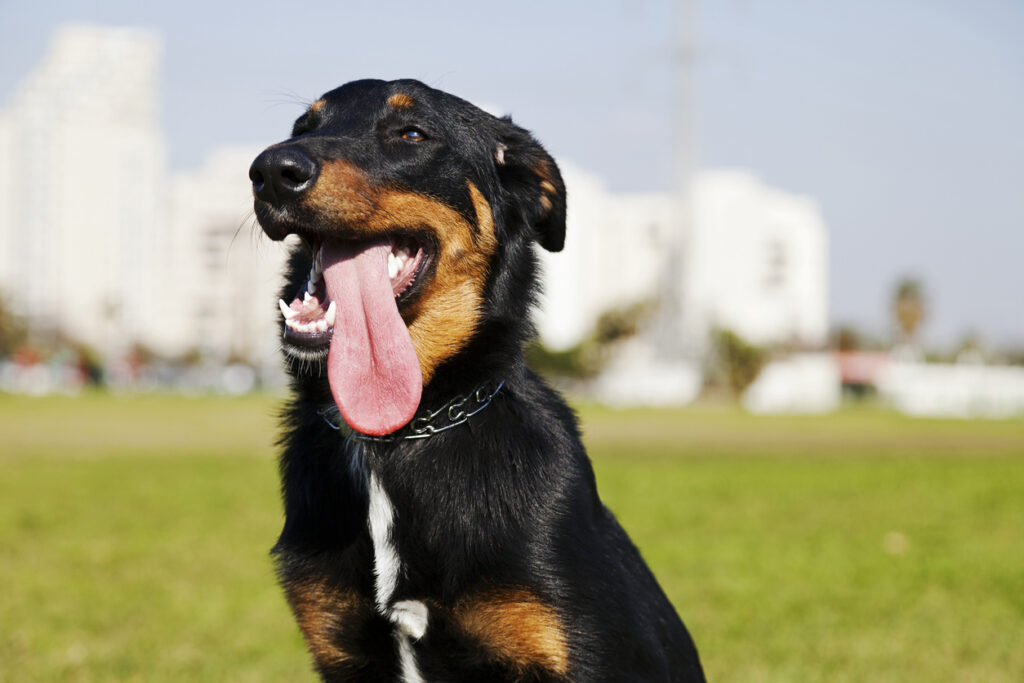
Brachycephalic breeds (those with flat faces), dogs with thick or double coats, overweight dogs, or those with heart or respiratory issues have a much harder time staying cool. They can struggle even in the low 20s. It’s not about treating all dogs the same. It’s about knowing your dog’s limits. Some pups just aren’t built for heat, no matter how keen they are to chase a ball.
Heatstroke can start fast and turn serious quickly.
Dogs don’t need to be out for long to overheat. Just a few minutes of running or sitting in a hot car can send their body temperature soaring. Heatstroke is a medical emergency and can be fatal without quick action. Warning signs include heavy panting, bright red gums, drooling, vomiting, wobbliness, and collapse. If you see these, get them into shade, wet them down with cool (not ice cold) water, and contact a vet immediately.
Cars heat up faster than you think.
Even with a window cracked, a parked car in the sun can reach over 40 °C in just 10 minutes. That’s enough to send a dog into heatstroke before you’ve even grabbed your coffee. Leaving a dog in the car “just for a minute” is never safe in warm weather. Not even if it’s cloudy. Not even if you’re parked in the shade. It’s one of the most common causes of fatal overheating every summer.
Dogs cool down from the bottom up.
Since dogs cool through their feet and bellies, hot ground makes it harder for them to regulate their temperature. Walking them on hot surfaces actually increases their body heat rather than helping it drop. Cooling mats, damp towels on shaded grass, or even paddling pools can help them regulate better. Always think about what they’re standing or lying on—it makes a big difference.
Water isn’t enough on its own.

Yes, hydration helps, but water alone won’t stop overheating if your dog is too active in extreme heat. Drinking won’t undo rising core temperature if they’re still exerting themselves under the sun. Water should always be available, but it needs to be paired with rest, shade, and ideally a cooler environment. Dogs won’t always slow themselves down until it’s too late.
A dog’s behaviour might not show how hot they are until it’s serious.
Dogs love to please and will keep chasing balls or running even when their bodies are struggling. By the time they lie down or pant heavily, their internal temperature might already be dangerously high. That’s why it’s better to limit activity before they look uncomfortable. Prevention is safer than trying to spot warning signs too late.
Cooler doesn’t always mean “safe.”
A breezy 22 °C might feel perfect, but if the sun’s strong and your dog’s running around, they can still overheat. Always factor in things like humidity, surface temperature, coat type, and fitness level. When in doubt, go early, keep it short, and bring water. Or just save the fun for a cooler day. Your dog would rather be comfortably bored than dangerously overheated.