A wolf pack works less like a group of stray dogs and more like a coordinated tactical unit.
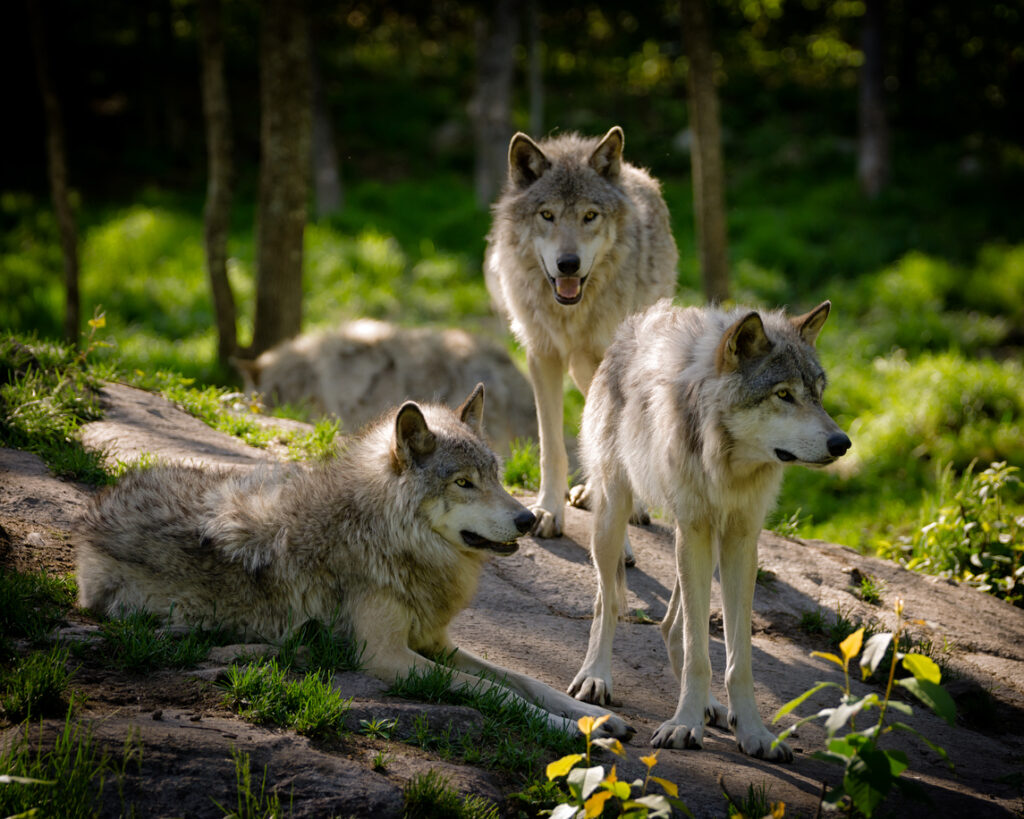
Their edge isn’t just raw power; it’s a combination of relentless stamina and a social structure that allows them to communicate without making a sound. By using a mix of relay running to tire out their target and specific roles to cut off escape routes, they can bring down animals that a lone predator wouldn’t stand a chance against. It’s an incredibly disciplined way of hunting that relies on every member of the family knowing exactly where they need to be at the right second. Here’s why they’re so good at what they do.
The pack structure means everyone already knows their role before the hunt begins.
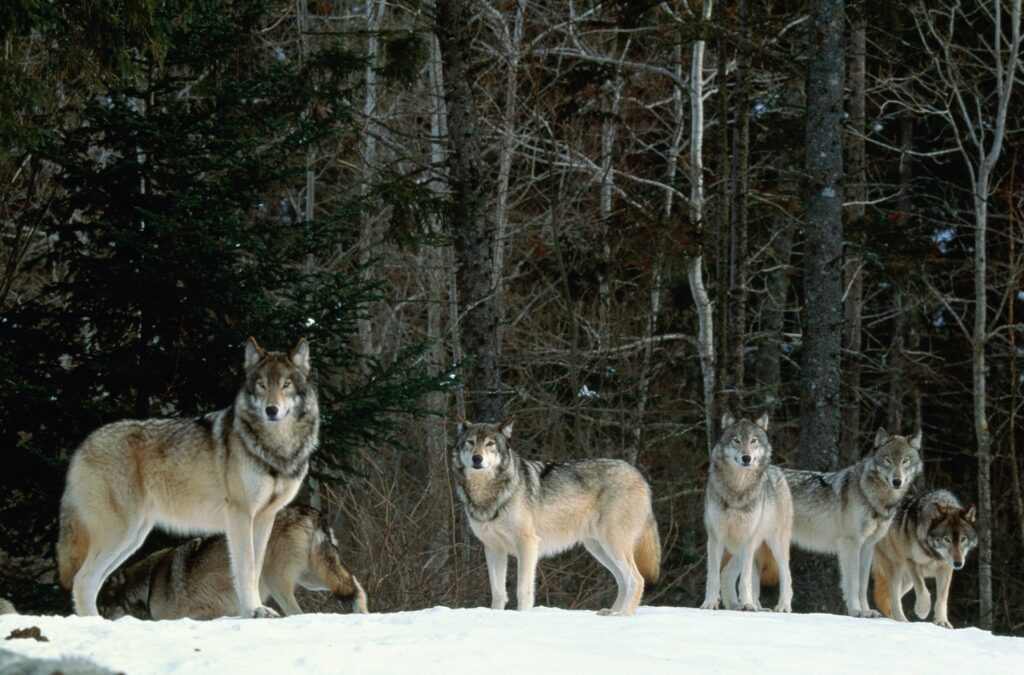
Wolf packs aren’t a loose collection of animals that figure things out on the fly. The hierarchy established through daily pack life directly shapes who does what during a hunt. More experienced wolves tend to initiate and lead, younger ones learn by following, and the whole group operates with a familiarity built over months and years of living together. Having that existing knowledge of each other removes a lot of the uncertainty that would slow down a less organised group.
They read each other’s body language faster than most animals can.

Wolves communicate constantly through posture, ear position, tail movement, and eye contact, and they do it quickly enough to coordinate in real time during a chase. A slight shift in direction from the lead wolf gets picked up and mirrored almost immediately by the others, without anything that looks like a signal being exchanged. Their non-verbal fluency is something they develop through years of close contact, and it’s central to how they hunt as a unit rather than a crowd.
They test prey before committing to a chase.
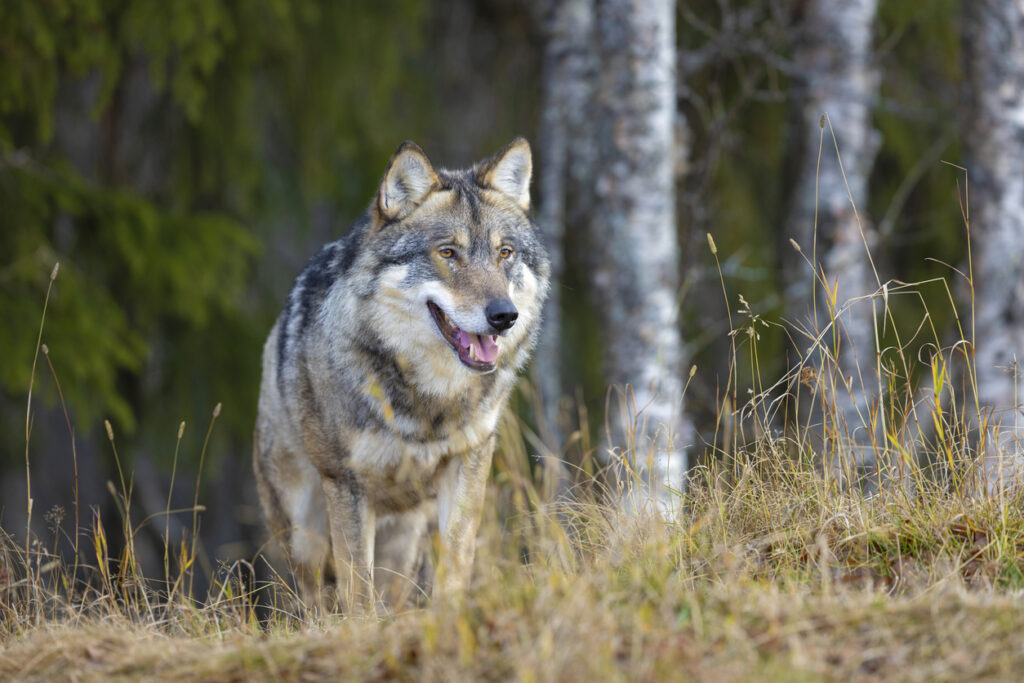
A wolf pack rarely launches straight into a pursuit. They approach, observe, and deliberately agitate a herd to see how individual animals respond. They’re looking for hesitation, an unusual gait, an animal that separates slightly or reacts differently from the others. The testing phase can last several minutes, and it saves enormous energy because a healthy animal that runs well is usually abandoned. The chase only happens when the pack has identified a realistic target.
Stamina is their main weapon, not speed.

Wolves aren’t the fastest predators on land. A healthy elk or caribou can outrun a wolf in a straight sprint. What wolves have is extraordinary endurance, covering up to 60 kilometres in a single hunt at a sustained trot before the chase even properly begins. They pursue prey over long distances, gradually wearing it down rather than overwhelming it quickly. The prey tires first, and that’s when the pack closes in. It’s a fundamentally different hunting strategy to the ambush and sprint approach of big cats.
They use terrain deliberately to their advantage.
Wolves don’t just chase prey in whatever direction it runs. Experienced packs steer animals toward terrain that works in the wolves’ favour, deep snow that slows large ungulates but barely affects wolves, frozen lake edges where footing is poor, or natural bottlenecks in the landscape that limit the prey’s options. That’s not accidental. Researchers tracking wolf hunts have documented clear patterns of prey being manoeuvred rather than simply pursued, which suggests genuine spatial reasoning happening during the chase.
Different wolves take on different positions during a chase.
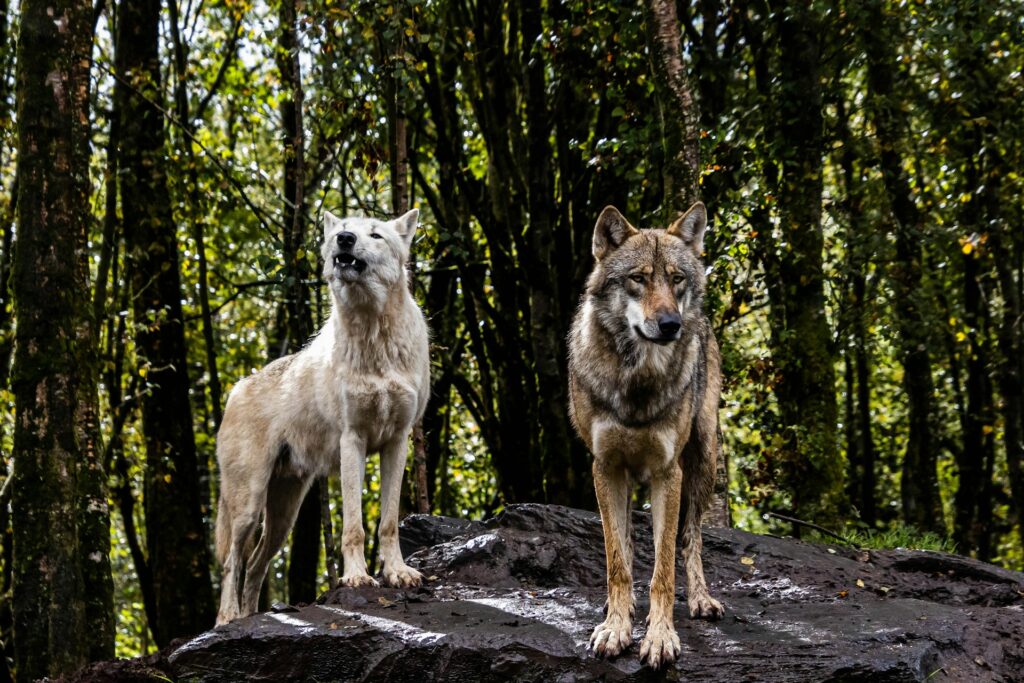
During an active pursuit, wolves split into recognisable roles. Some push hard from behind to maintain pressure and pace, others fan out to the sides to cut off escape routes and prevent the prey turning back, and some move ahead to anticipate where the animal is going rather than where it is now. The spread of positions narrows the prey’s options progressively until the window for escape closes entirely. It looks instinctive, but it reflects learned behaviour that young wolves pick up from the adults around them.
They’re willing to abandon a hunt that isn’t working.
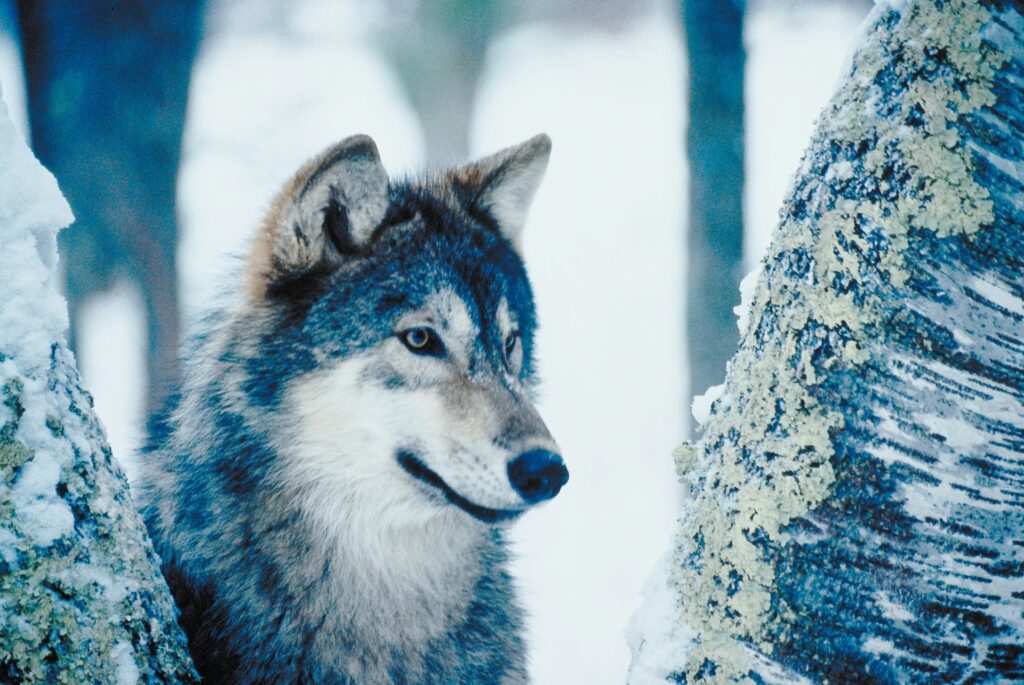
This is one of the less celebrated aspects of wolf hunting behaviour, but it matters enormously. Wolves give up on hunts far more often than they complete them, with some studies suggesting failure rates of over 80 percent depending on the prey species. The decision to stop is a form of intelligence in itself because an injury sustained during a failed hunt can compromise the whole pack’s ability to feed for weeks. Knowing when to quit is as important as knowing how to push.
The pack size adjusts naturally to the prey available.
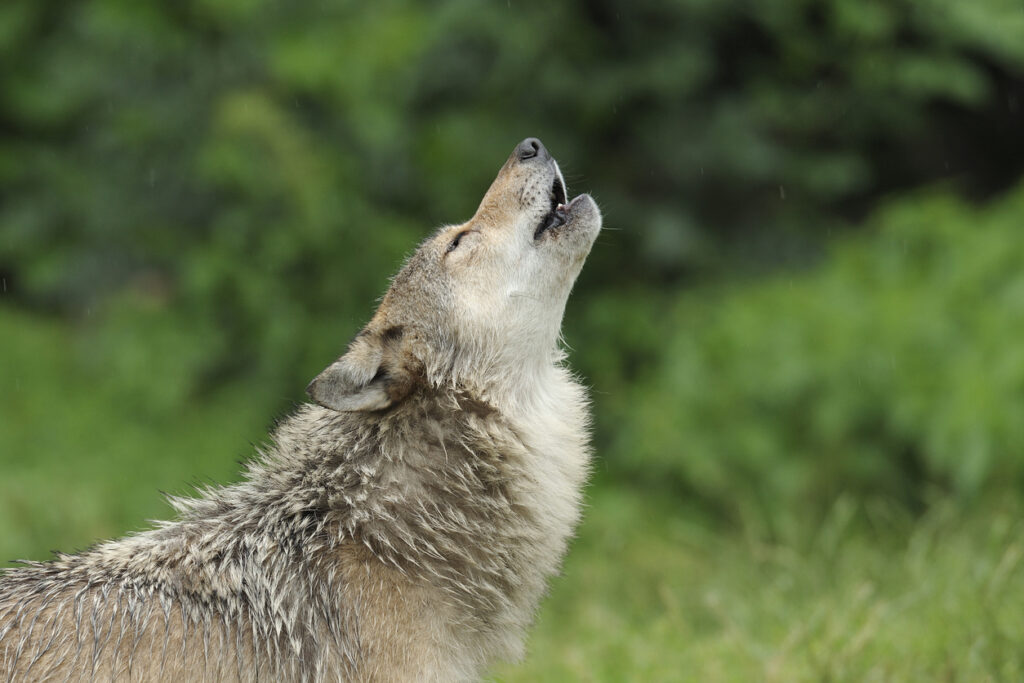
Wolves don’t maintain a fixed pack size regardless of conditions. In areas where prey is smaller, packs tend to be smaller too because a large pack hunting rabbits is inefficient and creates unnecessary competition at feeding time. Where the primary prey is large, like bison or moose, packs are bigger because the hunt genuinely requires more animals to be effective. Having such a flexible social structure means the pack is always roughly the right size for the job, which is an unusual level of ecological adaptation.
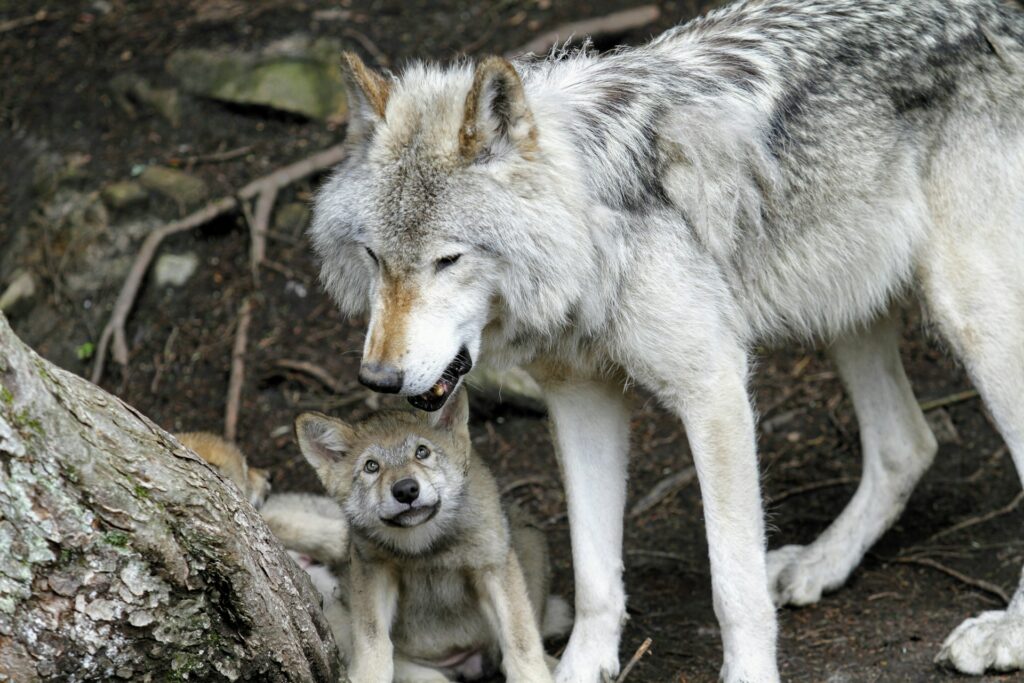
Older wolves pass down knowledge that can’t be instinctive.

Some of what makes a wolf pack effective isn’t wired in, it’s learned and transmitted across generations. Knowledge of specific hunting grounds, migration patterns of prey, which terrain works in which season, and how particular prey species behave under pressure are all things that older wolves demonstrate and younger wolves absorb over time. When a pack loses its most experienced members, hunting success often drops noticeably before the remaining wolves adapt. The pack is, in a real sense, carrying accumulated knowledge.
They recover and regroup between attempts without losing coordination.
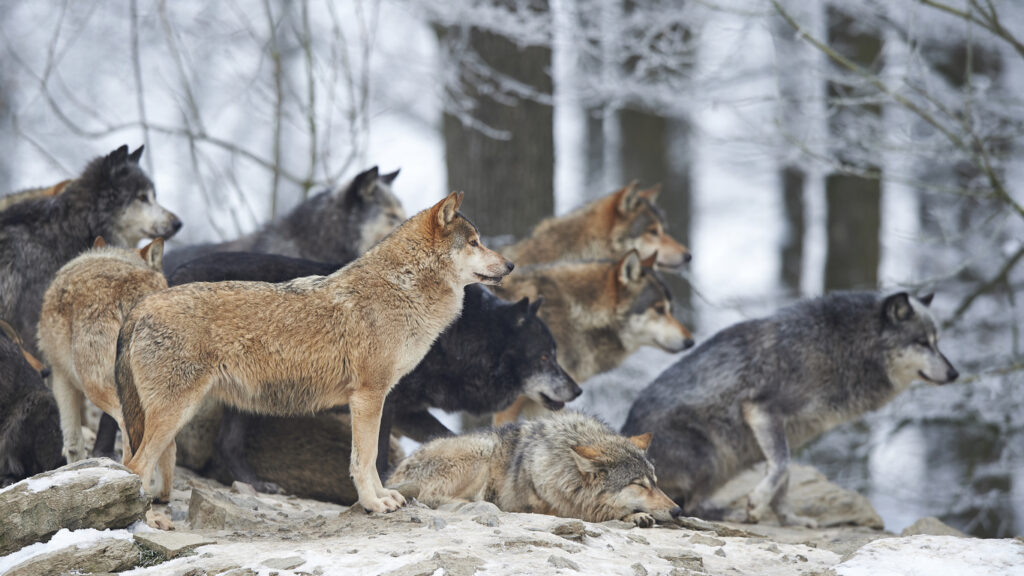
A hunt often involves multiple failed rushes before a successful one, and between each attempt the pack regroups, catches its breath, and repositions almost without any visible signal being exchanged. The cohesion doesn’t break down between attempts the way it might in a less socially bonded group. They stay oriented toward the prey, stay aware of each other’s positions, and restart the pressure when the moment is right. Being able to pause and resume without losing collective focus is genuinely unusual.
They can bring down prey 10 times their own size.
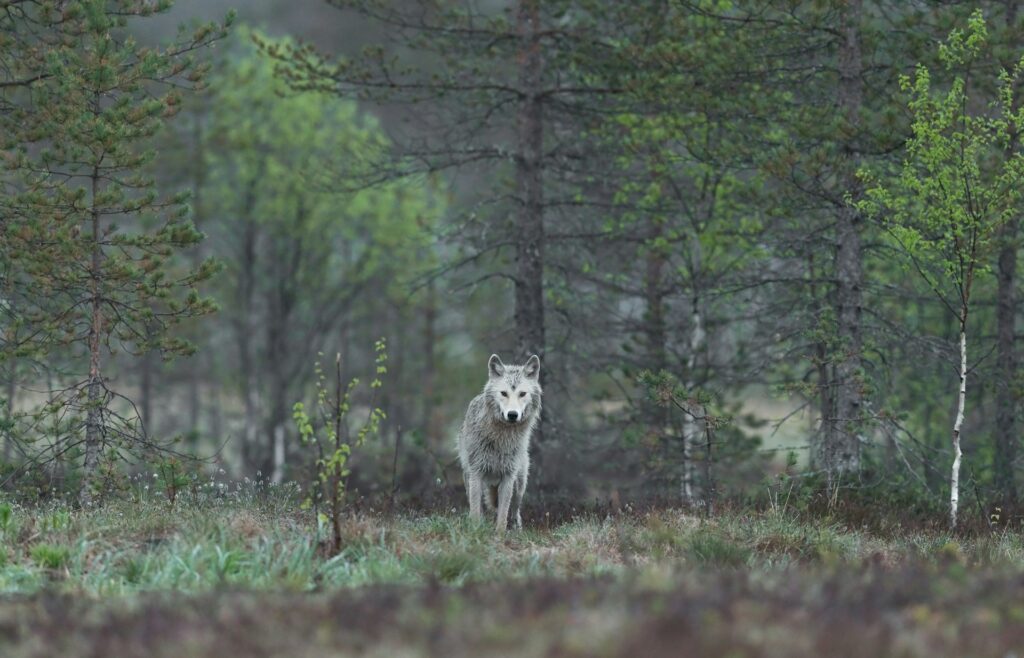
An adult male wolf weighs around 40 kilograms. A mature bull moose can weigh close to 700 kilograms. The fact that a pack can reliably hunt and kill an animal that large speaks to the effectiveness of coordinated attack more than individual strength. Wolves target the hindquarters and nose, wearing the animal down and destabilising it rather than going for an immediate kill. It’s a method that takes time and carries risk, but when it works, it provides enough food to sustain the whole pack for several days.
The reintroduction of wolves to Yellowstone showed what their absence had been costing.
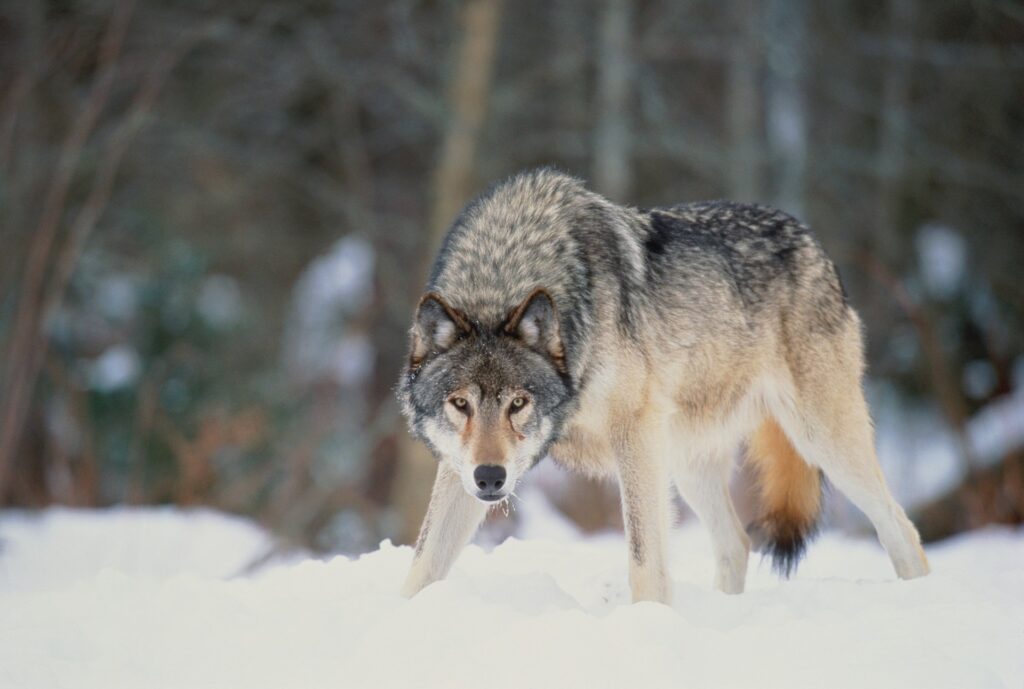
When wolves were reintroduced to Yellowstone National Park in 1995 after a 70-year absence, the effects went far beyond just having wolves back. Elk herds began moving more and avoiding river valleys where they were vulnerable, which allowed vegetation along riverbanks to recover. Trees grew back, riverbanks stabilised, and the physical geography of parts of the park began to change. That cascade of effects, driven entirely by the hunting pressure of a recovering wolf population, showed just how deeply the presence of an effective pack predator shapes an entire landscape around it.