More and more people are feeling anxious about the planet, and it’s not hard to see why.
From rising temperatures to disappearing wildlife and relentless climate headlines, the sense that our world is changing too fast can be overwhelming to consider. The growing unease has a name: eco-anxiety. It’s that mix of fear, sadness, and helplessness that creeps in when you care deeply about the environment but feel powerless to fix it.
While it’s not a mental illness, it can still have real emotional effects, especially for younger generations who see their future tied to the planet’s health. The good news is, there are ways to manage it. Understanding what eco-anxiety actually is, and learning how to respond rather than shut down, can turn that worry into something far more useful: motivation to care, act, and connect.
It’s a real response to the environmental crisis.

Eco-anxiety is basically chronic worry about environmental doom. You’re constantly stressed about climate change, extinction, pollution, and what kind of world we’re leaving behind. It’s not a mental illness, it’s a pretty rational response to genuinely scary stuff happening to the planet.
That anxiety makes sense when you think about it. We’re bombarded with headlines about melting ice caps, dying coral reefs, and extreme weather. Your brain’s just responding to legitimate threats, even if those threats feel too massive for one person to do anything about.
Young people are feeling it the hardest.
If you’re younger, eco-anxiety hits different because you’re inheriting this mess and have to live with the consequences longer. Studies show that loads of young people are genuinely worried about bringing kids into this world or what their own future looks like on a warming planet.
That generational divide is real. Older generations might not get why you’re so stressed, but they’re not the ones who’ll be dealing with the worst of climate change in 30 or 40 years. Your anxiety isn’t dramatic, it’s realistic given what you’re facing.
Constant doomscrolling makes it worse.
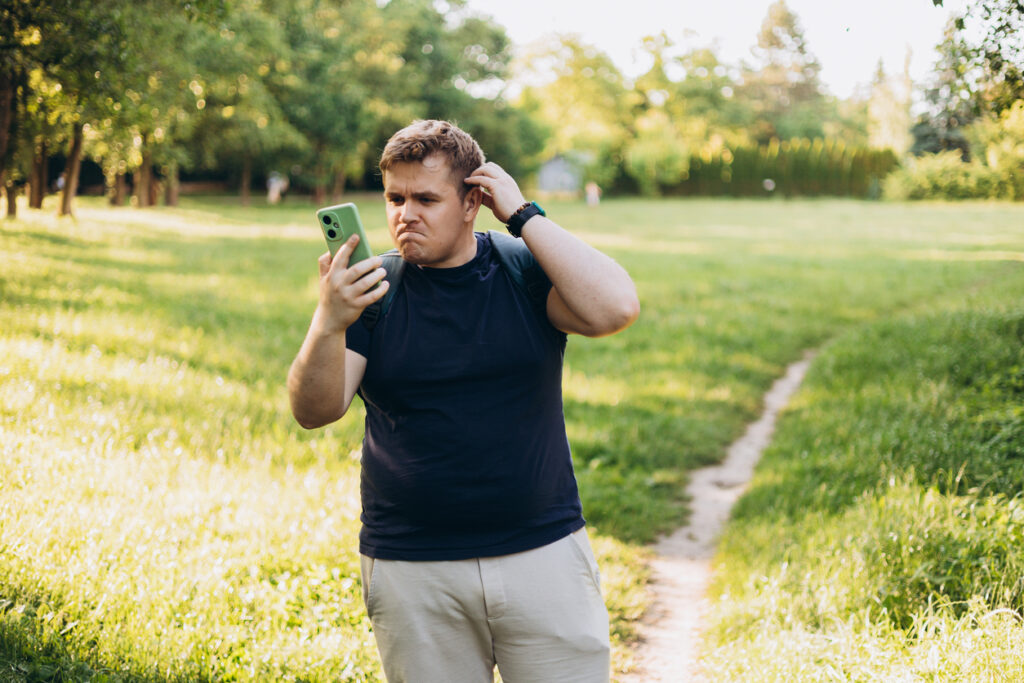
You’re on your phone reading every climate disaster story, watching documentaries about dying ecosystems, following accounts that post nothing but environmental bad news. That constant stream of negativity is feeding your anxiety and making you feel helpless.
That information overload needs managing. Stay informed, but set limits on how much climate content you consume daily. You don’t need to read every devastating article to care about the environment. Sometimes stepping back from the news actually helps you function better and take action.
Feeling powerless is the worst part.

The anxiety often comes from feeling like nothing you do matters. You recycle, you try to reduce waste, but then you read that 100 companies cause most emissions and it feels pointless. That powerlessness is paralysing and makes the anxiety spiral.
That feeling isn’t entirely accurate, though. Individual actions do add up, and they also influence other people and create cultural changes. You’re not going to single-handedly solve climate change, but that doesn’t mean your choices are worthless. Focus on what’s within your control instead of what isn’t.
Taking action helps more than just worrying.

Sitting around feeling anxious about climate change doesn’t help anyone, including you. Actually doing something, even small things, can ease the anxiety because you’re moving from passive worry to active participation. Join a local environmental group, volunteer for clean-ups, support green policies.
That transition from anxiety to action genuinely helps your mental health. When you’re doing something rather than just catastrophising, you feel less helpless. You’re still aware of the problems, but you’re channelling that worry into something productive instead of letting it eat you alive.
You can’t save the world alone.
Part of eco-anxiety is this feeling that you personally need to fix everything. You beat yourself up for every plastic bottle or car journey, like your individual carbon footprint is the problem. That’s exhausting and not fair on yourself.
That pressure needs releasing. Yes, make better choices where you can, but recognise that systemic change matters more than your personal perfection. You’re one person, and while your choices matter, the real solutions need governments and corporations to act. Don’t carry guilt that isn’t yours to carry.
Nature time actually helps.

When you’re anxious about environmental destruction, spending time in nature seems counterintuitive. But actually being outside, in green spaces or by water, can genuinely ease eco-anxiety. It reminds you what you’re fighting for and gives your nervous system a break.
That connection to nature grounds you. When everything feels abstract and overwhelming, sitting in a park or walking by a river makes it real in a different way. You remember that nature’s still here, still beautiful, still worth protecting, and that can transform you from despair to motivation.
Talking about it with other people helps.

Keeping eco-anxiety bottled up makes it worse. Finding people who get it, whether that’s friends, family, or online communities, means you’re not alone in this. Sharing the weight of worry makes it lighter, and you might find solutions or perspectives you hadn’t considered.
That community support is massive. When you’re around people who care about the same things, you realise you’re part of a movement, not a lone worrier. It’s easier to take action and feel hopeful when you’re doing it alongside other people, rather than feeling isolated in your concern.
Focus on what’s improving, too.
The news focuses on disasters because that’s what gets clicks, but there’s actually loads of positive environmental stuff happening too. Renewable energy’s getting cheaper, conservation efforts are working, technology’s improving. You don’t hear about it as much, but it’s there.
That balance is important for your mental health. You need the full picture, not just the doom. Climate change is real and serious, but so is human innovation and adaptation. Looking at progress alongside problems gives you a more realistic view and something to feel hopeful about.
Professional help is valid if you need it.

If eco-anxiety is properly affecting your daily life, stopping you sleeping, making you unable to function, or tipping into depression, talking to a therapist who gets environmental anxiety can help. You’re not weak for needing support, you’re being sensible.
That support can teach you coping strategies and help you process the grief and fear in healthy ways. Some therapists specialise in eco-anxiety now because it’s becoming so common. There’s no shame in getting help for something that’s genuinely affecting your well-being and ability to live your life.