Life in space might sound thrilling, but it comes with a long list of rules that most people never think about.
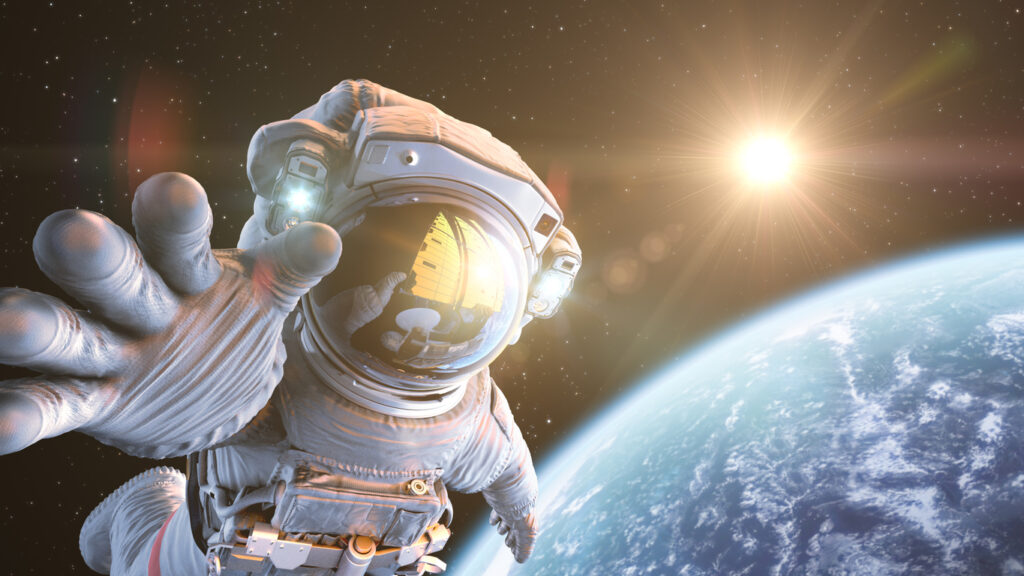
Astronauts have to follow strict guidelines for everything from eating and sleeping to exercising and communicating with Earth. Every move they make is carefully planned to keep them safe and to protect the mission. There are also plenty of things they’re not allowed to do; some for safety reasons, others because of how fragile life beyond our atmosphere really is. These restrictions might seem small, but they reveal just how different the reality of space life is from the adventure we imagine.
Drink alcohol
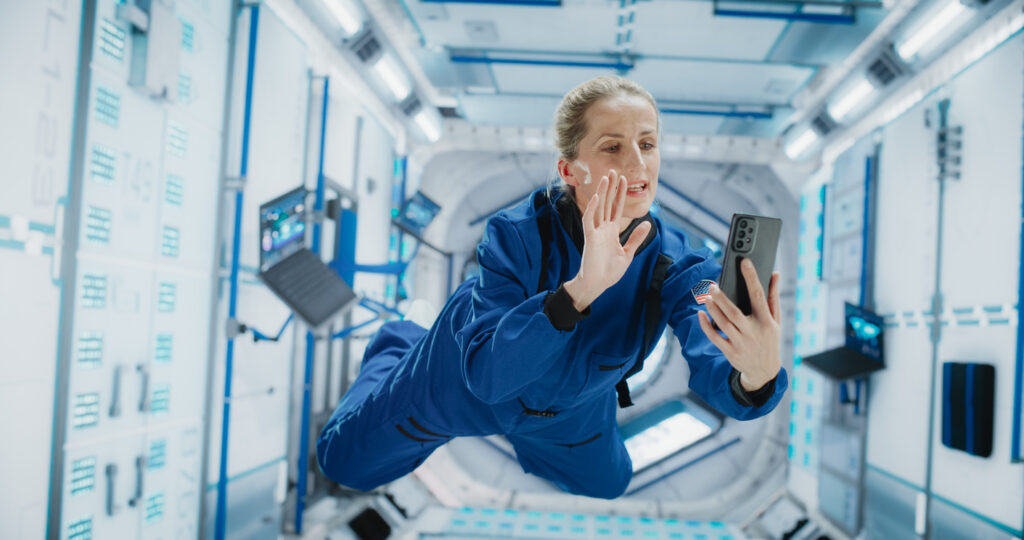
NASA has a strict no-alcohol policy in space, and it’s not just about keeping astronauts sober on the job. Alcohol behaves differently in microgravity and can interfere with the body’s ability to adapt to space. Your inner ear and balance systems are already confused enough without adding alcohol to the mix, and the last thing you need when operating complex equipment or conducting spacewalks is impaired judgment or delayed reactions.
The Russians tried allowing alcohol on Mir in the form of cognac, but it caused enough problems that even they eventually banned it. There’s also the issue of how alcohol would interact with the recycled water systems. Everything you drink eventually gets processed and reused, and introducing alcohol into that system creates complications nobody wants to deal with when you’re stuck in a tin can with the same people for months.
Eat bread
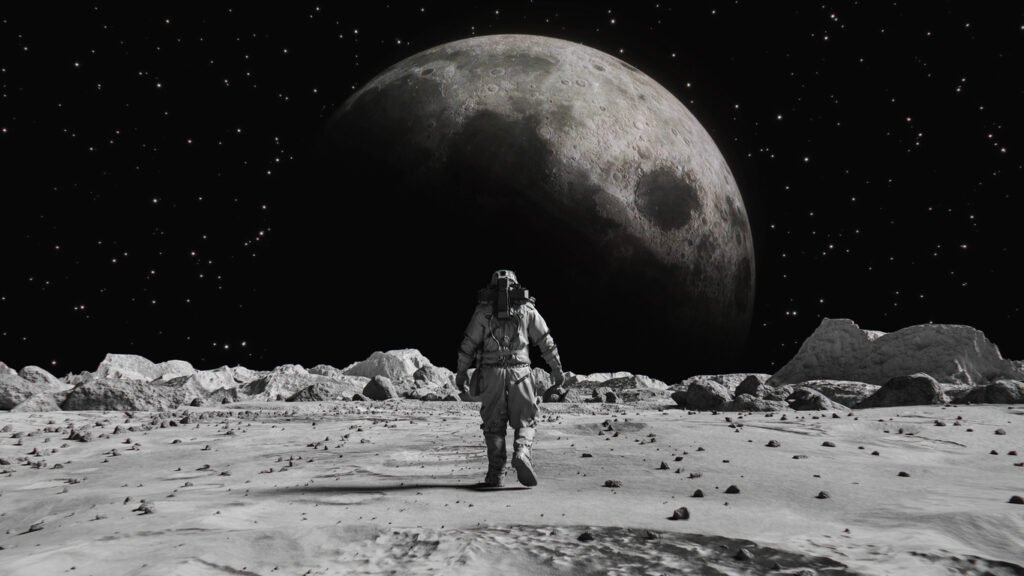
Bread is banned on the International Space Station, and the reason is surprisingly practical. Crumbs. On Earth, crumbs fall to the floor, and you sweep them up. In space, they float around indefinitely, getting into air vents, equipment, eyes, and potentially even into astronauts’ lungs. A single slice of bread can create dozens of floating hazards that persist for days.
Tortillas replaced bread decades ago because they don’t create crumbs, and they’re flexible enough to wrap around fillings without breaking apart. They last longer in storage, too, which matters when resupply missions only come every few months. It seems like a minor sacrifice until you realise those floating breadcrumbs could short out critical equipment or clog air filters that keep everyone alive.
Cry properly
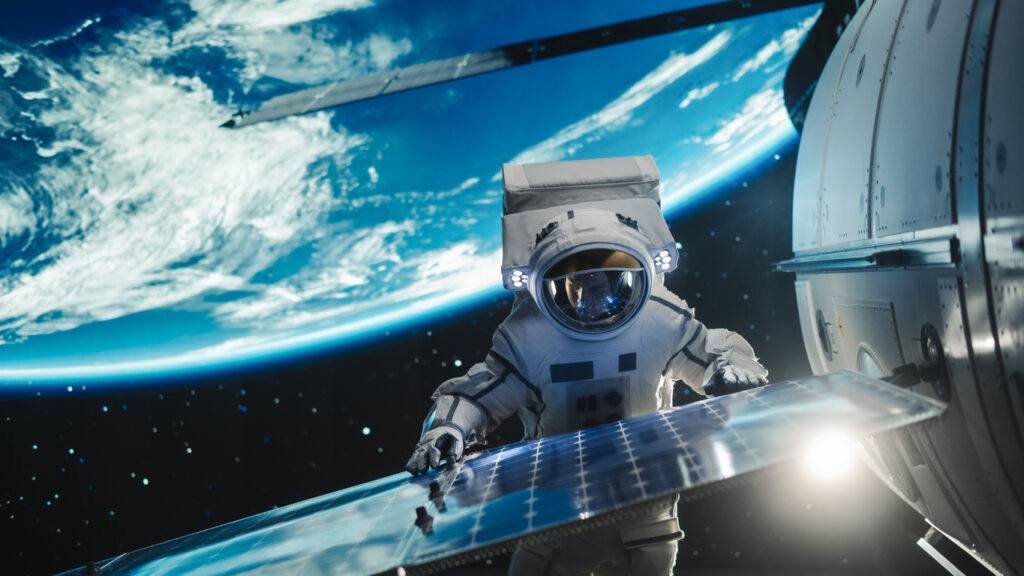
You can cry in space, but the tears don’t fall. Without gravity, they just pool around your eyes in a growing blob of salty water that stings and blurs your vision. Eventually, the surface tension makes the tears stick to your face in a wobbly ball, and you have to physically wipe them away, or they’ll just stay there, getting bigger and more uncomfortable.
Astronauts have described it as deeply unsettling, not just because crying already feels bad, but because your tears betray you in this weird, unnatural way. It’s another reminder that your body wasn’t designed for this environment, and even basic human responses don’t work properly. Some astronauts avoid crying altogether, just because dealing with the floating tear blob is more frustrating than whatever made them upset in the first place.
Have privacy
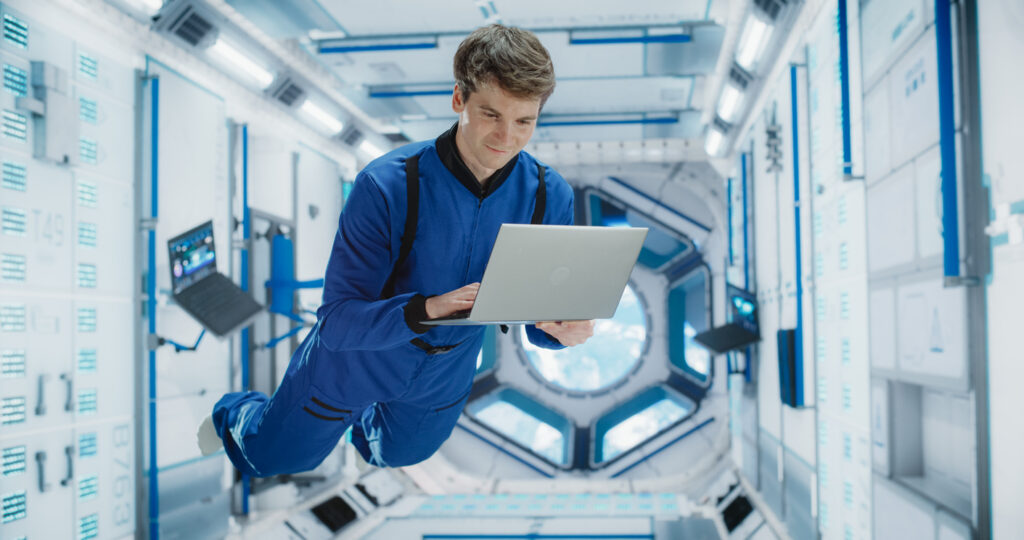
The ISS is roughly the size of a five-bedroom house, but it’s crammed with equipment, experiments, and up to seven people at once. There’s nowhere to be truly alone. Even the sleeping quarters are basically coffin-sized pods with a curtain for a door, and those are considered a luxury compared to earlier space stations where astronauts just strapped themselves to a wall wherever they could find space.
Every conversation can be overheard, every movement tracked, and even your toilet time isn’t particularly private given how close everything is. Video calls home happen in shared spaces where your crewmates can hear everything. You learn to create mental privacy instead of physical privacy, but after months of never having a moment to yourself, the psychological strain becomes real. It’s one of the hardest parts of long-duration missions that nobody really talks about.
Open windows (obviously)
This one seems obvious, but the temptation to get fresh air is apparently real enough that it needs to be mentioned. The ISS has windows, and they’re some of the most expensive pieces of glass ever made, designed to withstand the temperature extremes and micrometeorite impacts of space. But they don’t open, ever, and trying to would be instantly fatal.
The station maintains pressure equivalent to about 80% of sea level, and outside is pure vacuum. Opening anything to space would cause explosive decompression, sucking out all the air and killing everyone aboard within seconds. Even small leaks are treated as life-threatening emergencies. So while astronauts can look out the windows and see Earth, they’re permanently sealed in, breathing the same recycled air for the entire mission.
Use regular pens

The story about NASA spending millions developing a space pen while Russians used pencils is mostly a myth, but there’s truth to why regular pens don’t work in space. Ballpoint pens rely on gravity to feed ink to the tip, and in zero gravity, they just stop writing. Fountain pens are even worse because the ink would leak everywhere in the pressure differences.
Pencils seem like the obvious solution until you remember the crumb problem. Graphite dust and broken pencil tips floating around are just as dangerous as breadcrumbs, and graphite is conductive, meaning it could short out electrical systems. That’s why the Fisher Space Pen was actually developed using private money. It uses pressurised nitrogen to push ink to the tip regardless of gravity, temperature, or orientation, and it doesn’t create floating debris.
Wash clothes
There’s no washing machine on the ISS, and there’s no practical way to wash clothes by hand either. Water is too precious to waste on laundry, and wet clothes take forever to dry in the humidity-controlled environment. So astronauts just wear the same clothes until they’re too disgusting to tolerate, then throw them away.
Underwear and socks get changed every few days, shirts, and trousers last about a week, and exercise clothes are single-use because they get so sweat-soaked. All the dirty clothes get packed into empty cargo ships that burn up in the atmosphere on re-entry. It’s wasteful, but there’s literally no alternative. Some astronauts have joked that the smell inside the station is one of the things they don’t miss, and after months of people wearing the same clothes on rotation, you can understand why.
Get a good night’s sleep
Sleep in space is notoriously difficult, and it’s not just because you’re strapped into a sleeping bag attached to a wall. The ISS orbits Earth every 90 minutes, which means you see a sunrise and sunset 16 times a day. Your circadian rhythm has no idea what to do with that, and your body never quite adjusts, no matter how long you’re up there.
The constant noise from fans, pumps, and equipment doesn’t help, and neither does the fact that floating in zero gravity means you never feel that comfortable pressure of lying down. Many astronauts rely on sleeping pills just to get a few hours of rest, and chronic sleep deprivation is one of the biggest health concerns for long missions. Your body needs sleep to repair itself, but space makes that almost impossible to achieve properly.
Sneeze freely
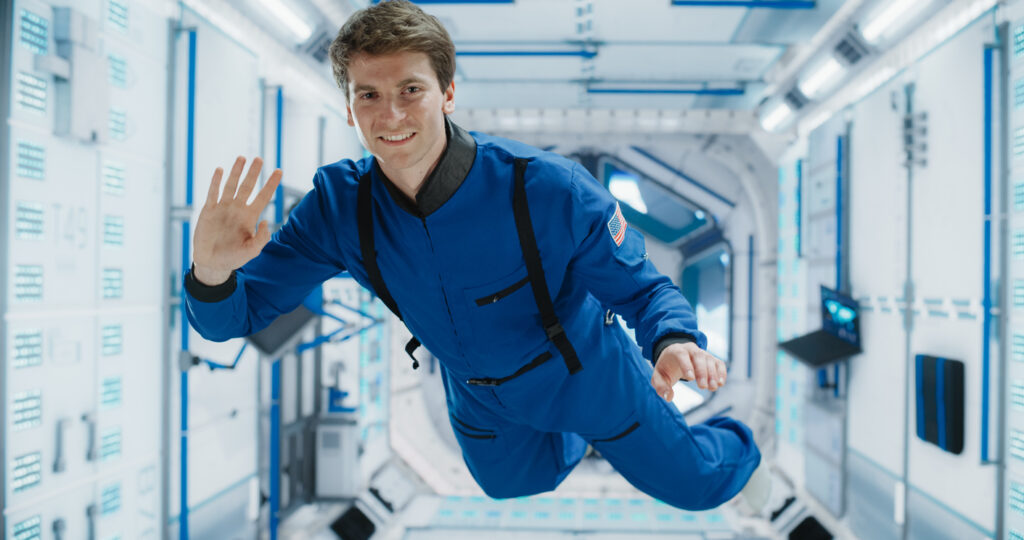
Sneezing in space is risky because whatever comes out doesn’t fall away from you. It hangs there in a cloud of droplets that drift around until they hit something or someone. In an enclosed environment where everyone is breathing the same recycled air, that’s a quick way to spread illness through the entire crew, and getting sick in space is far more serious than it sounds.
There’s no hospital, limited medical supplies, and evacuation takes hours at minimum if it’s even possible. Astronauts are trained to sneeze into their elbow or a tissue, but even then, the droplets can escape and float around. Some astronauts have described the paranoia of feeling a sneeze coming on and desperately trying to contain it, knowing that one poorly aimed sneeze could make everyone else sick for weeks.
Ignore exercise
Exercise isn’t optional in space, it’s mandatory, and astronauts are required to work out for about two hours every single day. Without gravity, your muscles and bones start to atrophy almost immediately because your body decides it doesn’t need them anymore. You can lose up to 20% of your muscle mass and 1-2% of your bone density per month if you don’t fight it.
The exercise equipment on the ISS is specifically designed to simulate the resistance your body would normally experience on Earth, but it’s exhausting and time-consuming. After a full day of work, the last thing most astronauts want to do is strap themselves to a treadmill for an hour, but skipping it means you’ll be dangerously weak when you return to Earth. Some astronauts have returned from long missions unable to stand unassisted because their bodies had adapted so completely to zero gravity.