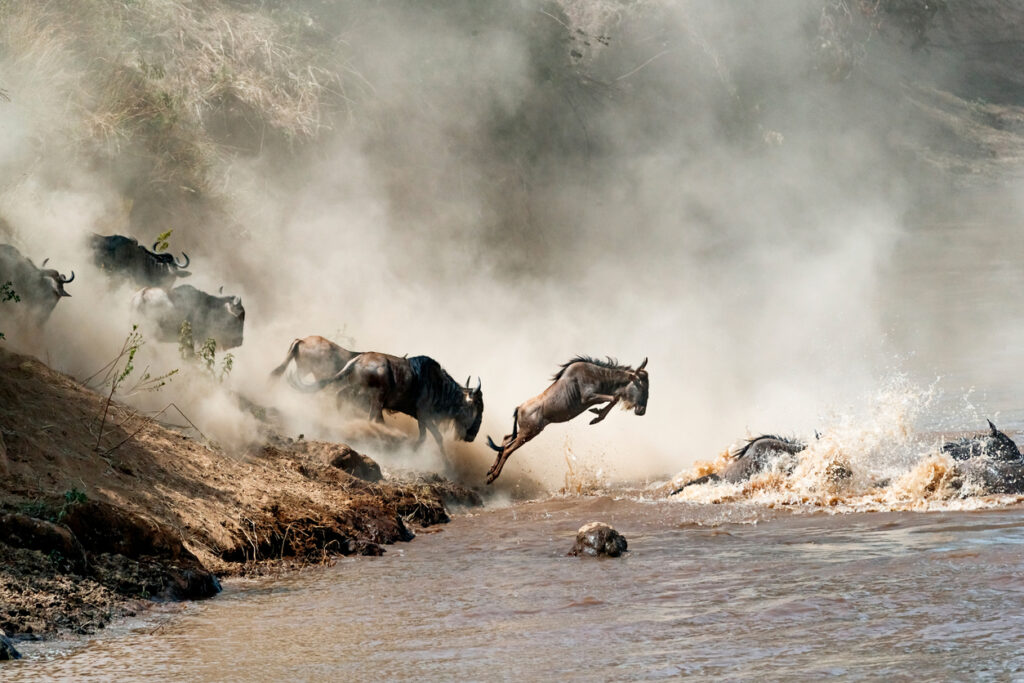
The Earth doesn’t exactly shout when something’s going wrong, but it does drop hints. Some of them are subtle, others bizarre, and a few feel like nature’s version of a blinking red light. Whether it’s strange animal behaviour or clouds that don’t look quite right, the planet has its own way of signalling that trouble might be coming. You just have to know where to look, and be willing to take it seriously. Here are some of the weird and fascinating ways the planet tries to warn us about what’s ahead.
Animals evacuating before earthquakes
There are countless reports of animals acting strangely just before an earthquake hits—dogs barking nonstop, cats hiding, birds taking off in flocks. Some scientists believe they’re picking up on subtle vibrations or changes in air pressure before humans even notice anything.
It’s still not fully understood, but animals have long been considered an early warning system in many cultures. If your pet suddenly bolts for no clear reason, it might not just be a mood; it could be instinct reacting to something we haven’t sensed yet.
Frogs climbing trees
This one’s strange but documented: in some areas, frogs have been spotted climbing trees or high surfaces just before flooding. Normally ground dwellers, they’ll seek higher ground if they sense incoming water levels rising. It might be down to changes in humidity, barometric pressure, or even the vibration of distant rainfall. Either way, it’s a clue that something wet and wild could be on the way, and the frogs are getting a head start.
Glowing ocean waves
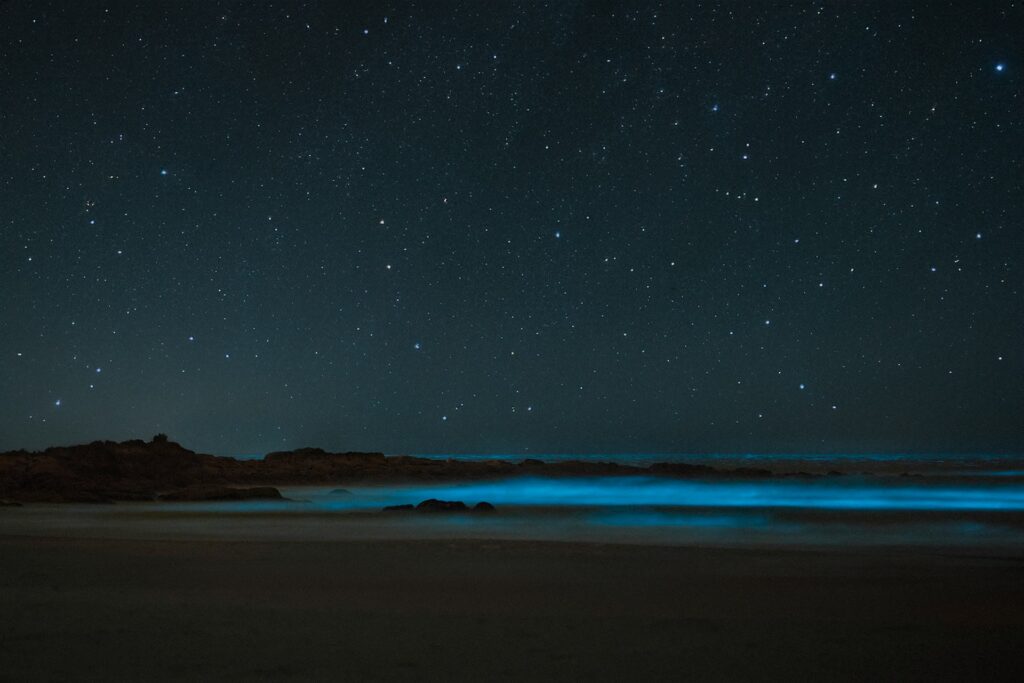
That beautiful blue glow in the water? It’s bioluminescent plankton—but when it becomes too common or intense, it’s often a warning sign of trouble. Massive blooms can indicate imbalances in the ecosystem, especially when tied to pollution or warming waters. While it looks magical, it can be a sign that marine life is struggling to adapt to changes in temperature or chemical run-off. It’s the ocean’s way of saying something’s not right beneath the surface.
Earth cracking open (in slow motion)
In dry regions, especially after drought or seismic activity, the ground can split open into visible cracks. While it doesn’t always mean an earthquake is coming, it often points to stress deep underground—or shifting water tables that signal environmental strain. Sometimes these crevices appear before landslides or sinkholes form, giving a quiet heads-up that the land isn’t as stable as it seems. It’s easy to miss unless you’re paying close attention to the ground beneath your feet.
Red skies at night… or morning
The old saying “Red sky at night, shepherd’s delight; red sky in morning, shepherd’s warning” actually has some truth to it. A red sunrise can mean there’s moisture in the air and a storm is approaching from the west. This happens because of how the sunlight filters through particles in the atmosphere. It’s not perfect science, but it’s one of those age-old observations that proves the planet really does try to give us a heads-up if we’re willing to look up and notice.
Sudden silence in forests or jungles
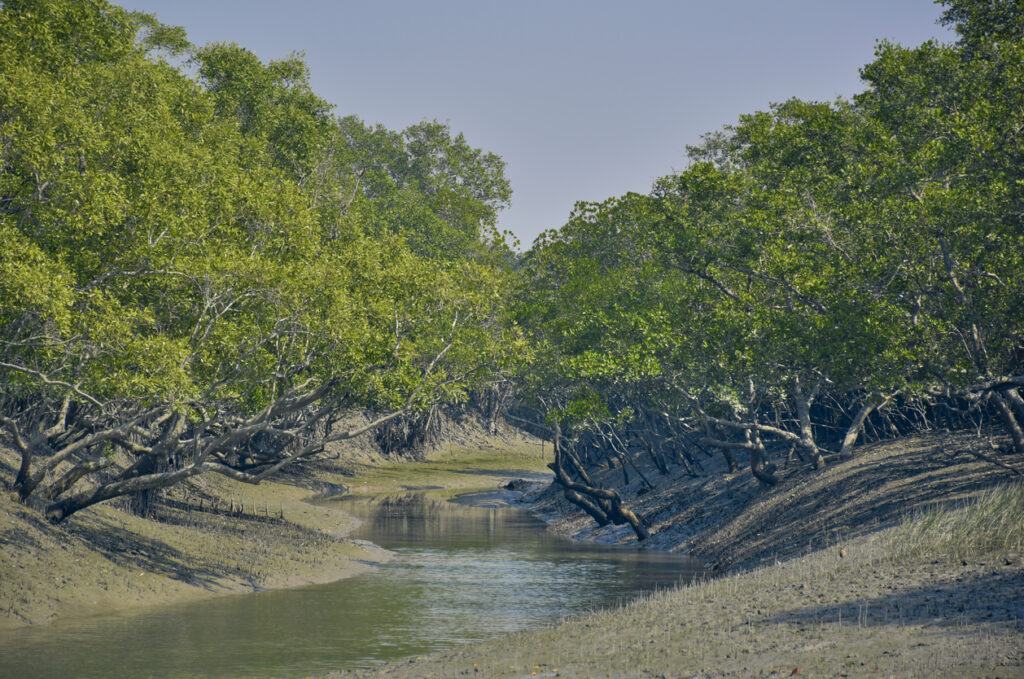
In healthy wild spaces, there’s usually a background buzz—birds, insects, wind in the trees. When that sound suddenly drops off, it often means something’s wrong. Predators might be near, a storm could be coming, or an earthquake could be rumbling far away. Many indigenous communities pay close attention to sound in the natural world, reading silence as a warning rather than peace. In nature, quiet can be just as loud as noise when it comes to signalling danger.
Beaches pulling away from the shore
If you’re ever near the sea and notice the water suddenly pulling back dramatically, that’s not low tide. It’s a sign a tsunami might be coming. In some cases, the sea floor is exposed just before the wave rushes in. It might look fascinating, even inviting, but it’s one of the most urgent warnings nature gives. That eerie retreat is the ocean inhaling before it roars. If you ever see it, don’t pause to take pictures, run.
Trees dropping leaves early
Deciduous trees have a seasonal rhythm, but when they drop their leaves out of season, it’s usually not by choice. Drought, disease, or even underground pollution can cause a tree to enter early survival mode and shed its leaves prematurely. It’s a plant’s way of conserving energy and protecting itself. But across a wider area, if multiple trees are doing it, it’s worth looking into local environmental issues. It could be nature waving a big yellow flag.
Strange cloud formations
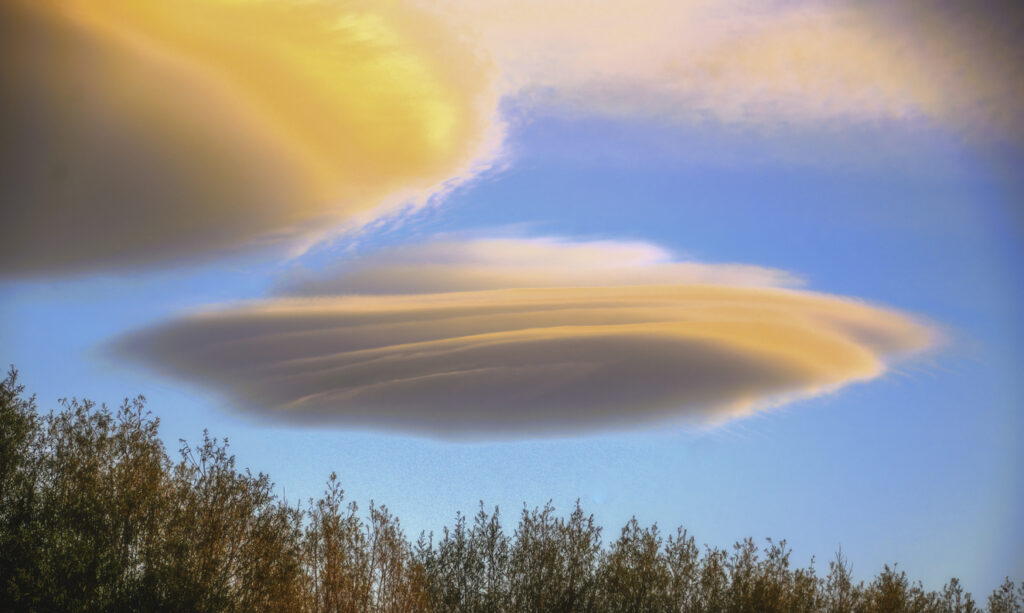
Some clouds are more than just pretty shapes in the sky. Lenticular clouds, mammatus clouds, or those eerie greenish storm clouds often precede intense weather events like hail, tornadoes, or lightning storms. The atmosphere starts acting weird long before we feel it, and clouds are one of the clearest ways the sky gives us visual cues. They’re basically the Earth’s warning sign written in vapour and colour.
Birds flying lower than usual
Birds tend to fly high in clear, calm weather. But when a storm system approaches, they’ll often fly lower to avoid unstable air pressure and turbulence. If you suddenly notice flocks swooping unusually close to the ground, a change in weather might not be far off. They can also sense barometric pressure changes much earlier than humans can, so their flight behaviour becomes a kind of floating forecast, no app required.
Fish acting frantic or disappearing
Fish are extremely sensitive to environmental shifts. Before underwater earthquakes or big storms, they might swim erratically, disappear from usual spots, or even beach themselves in confusion or distress. This behaviour is especially noticeable to local fishers and divers, who often rely on fish patterns as part of understanding the water. It’s another quiet clue that nature might be prepping for something big.
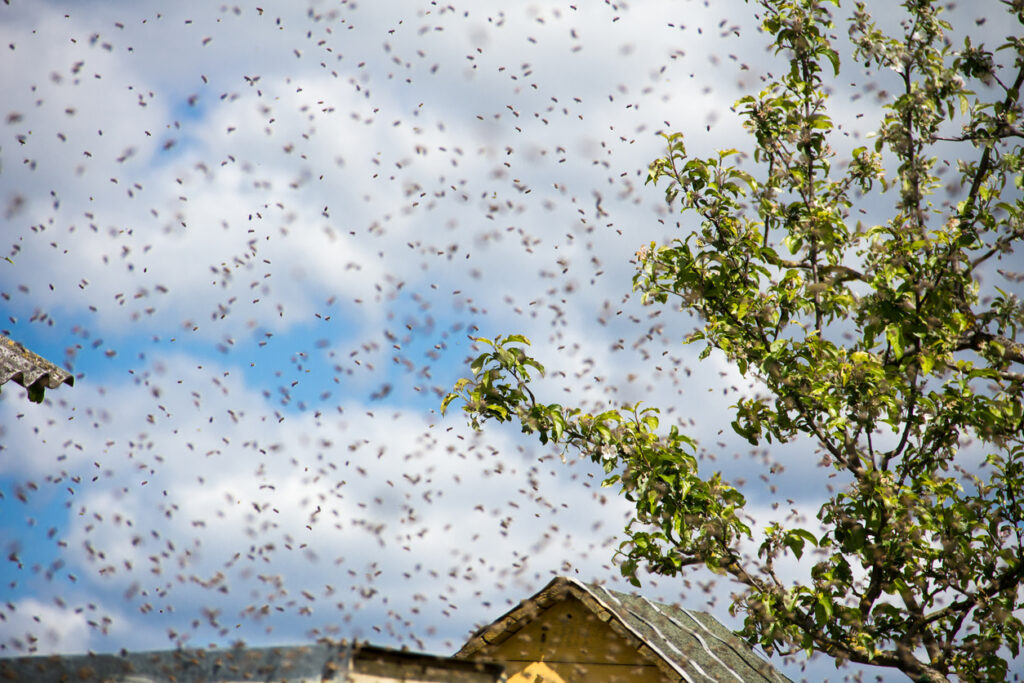
Swarms in unexpected places
When insects or birds begin moving in large groups far from their usual routes, it can signal sudden changes in the environment. Things like drought, fire, or food scarcity can trigger these mass movements. If you see unusual swarming, especially in seasons where it doesn’t fit, it could be a sign of pressure in the local ecosystem. These creatures aren’t just migrating—they’re reacting.
Water turning unusual colours
Blue and green are normal; blood red or neon orange, not so much. Algae blooms, chemical run-off, or sediment changes can drastically alter the colour of rivers, lakes, or coastlines—and often serve as early indicators of pollution or oxygen loss. While some colour changes are natural, many signal distress in aquatic environments. If a water source changes colour suddenly, it’s a clear message from the planet that something is out of balance.
Ice cracking like thunder
In polar regions and glacial areas, the sound of ice cracking can be deafening—and ominous. It often indicates rapid melting, structural weakness, or pressure changes deep within the ice sheet, all of which are linked to climate instability. Scientists listen to these sounds to monitor global warming in real time. It’s the Earth quite literally groaning as it tries to adjust to conditions it hasn’t faced for thousands of years.