Nature’s been solving problems for billions of years, long before we came along with blueprints and building codes.
From self-cleaning surfaces to perfect aerodynamics, evolution has already cracked a load of designs that we’re only just starting to understand, or attempt to recreate. Here are just some of the downright clever things found in nature that humans are still trying to copy in labs, factories, and tech startups around the world. Seems like we’ll never quite be able to compete with the natural world.
1. Spider silk’s insane strength and stretch
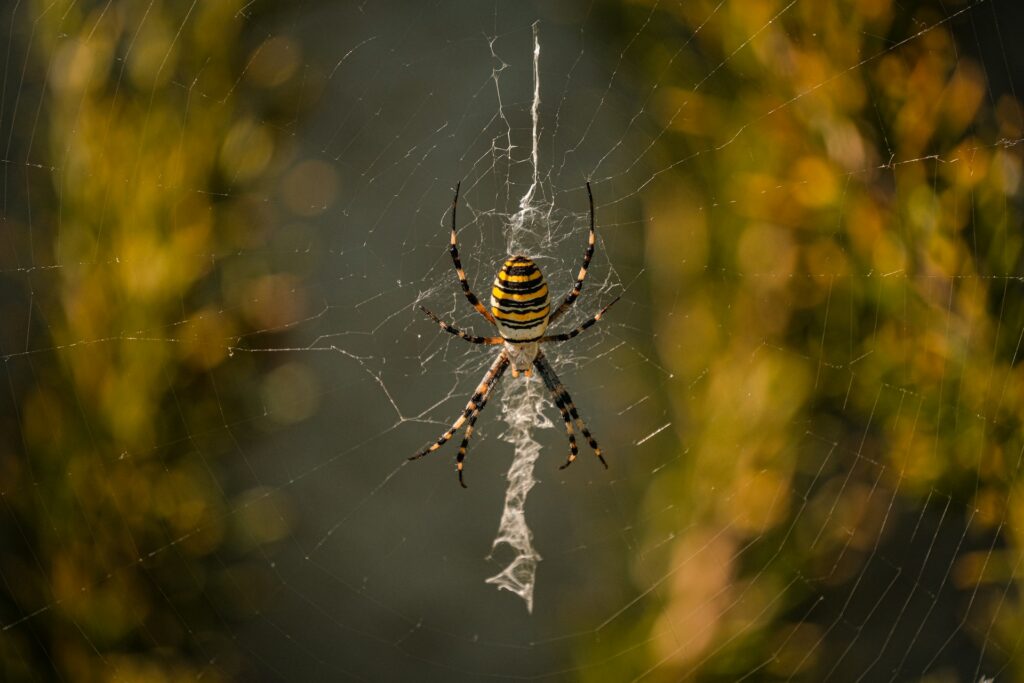
Spider silk is stronger than steel by weight and more flexible than nylon. Some species produce it in multiple forms—from sticky catching threads to ultra-tough draglines—and no manmade fibre has matched the combination of strength, stretch, and lightweight properties.
Scientists have tried everything from farming spiders (they’re too territorial) to inserting spider genes into goats (really) to produce silk in milk. We’re still chasing this miracle material, and if we ever crack it properly, it could change everything from medicine to construction.
2. Lotus leaves’ self-cleaning powers

The lotus leaf is covered in tiny bumps that repel water and dirt, keeping the surface impossibly clean. Water beads up and rolls off, taking dust and grime with it—no scrubbing needed. It’s what scientists call “superhydrophobic.” This natural trick has inspired everything from self-cleaning windows to waterproof coatings. It’s not just about convenience, either—it can reduce the need for chemicals and harsh cleaning agents, all because a plant figured it out first.
3. Shark skin’s bacteria-fighting texture
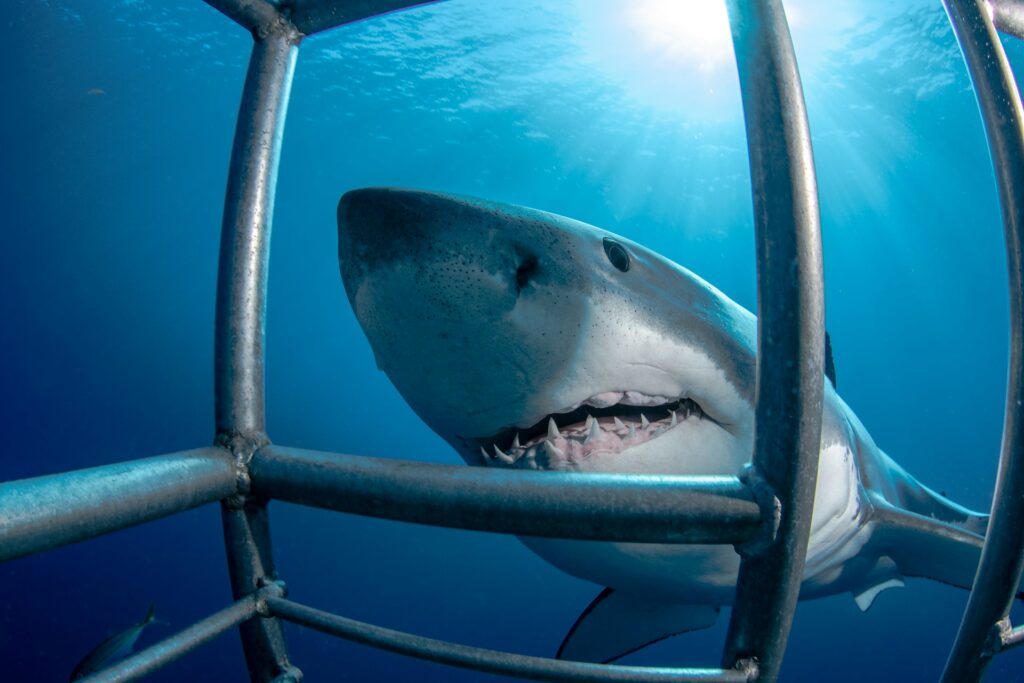
Shark skin might look smooth, but under a microscope, it’s made up of tiny tooth-like scales called dermal denticles. These create patterns that stop bacteria from settling and growing, no chemicals required. Hospitals and labs are now using shark skin-inspired surfaces to keep things clean without constant disinfectant. Nature beat us to the concept of antimicrobial design, and we’re finally catching on.
4. Owl wings’ silent flight design
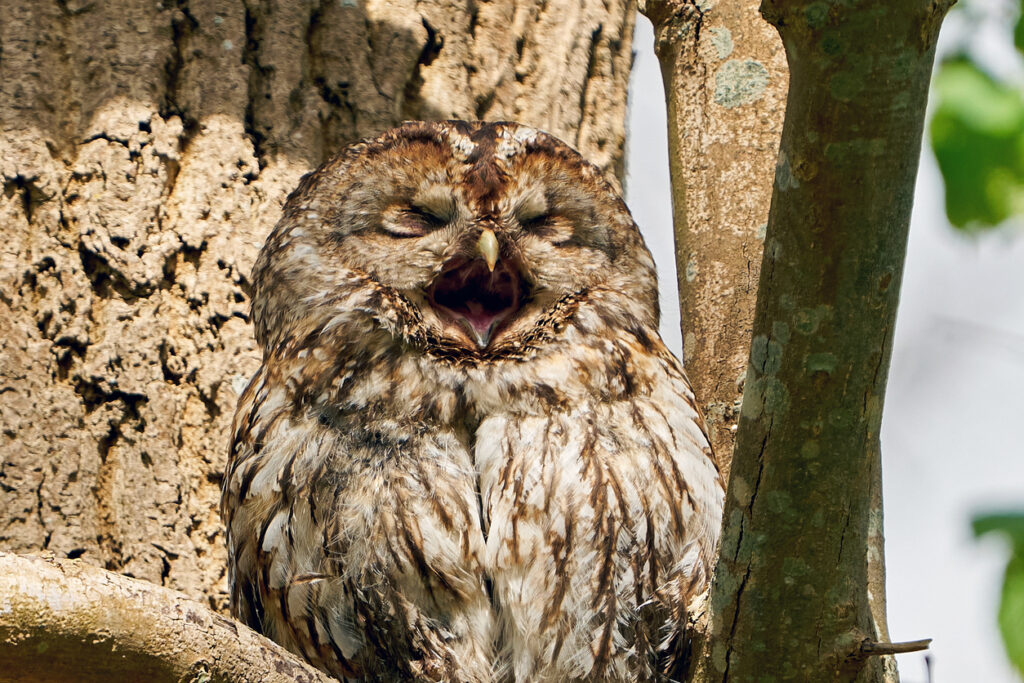
Owls fly almost silently thanks to a unique wing structure that breaks up turbulence and muffles sound. Their feathers have comb-like edges, soft fringes, and flexible tips that reduce the noise of air rushing past them. Engineers studying owl wings are trying to apply the same principles to aircraft, drones, and even wind turbines. The goal? Machines that move quietly through the air—just like these stealthy nighttime hunters.
5. Gecko feet’s gravity-defying grip
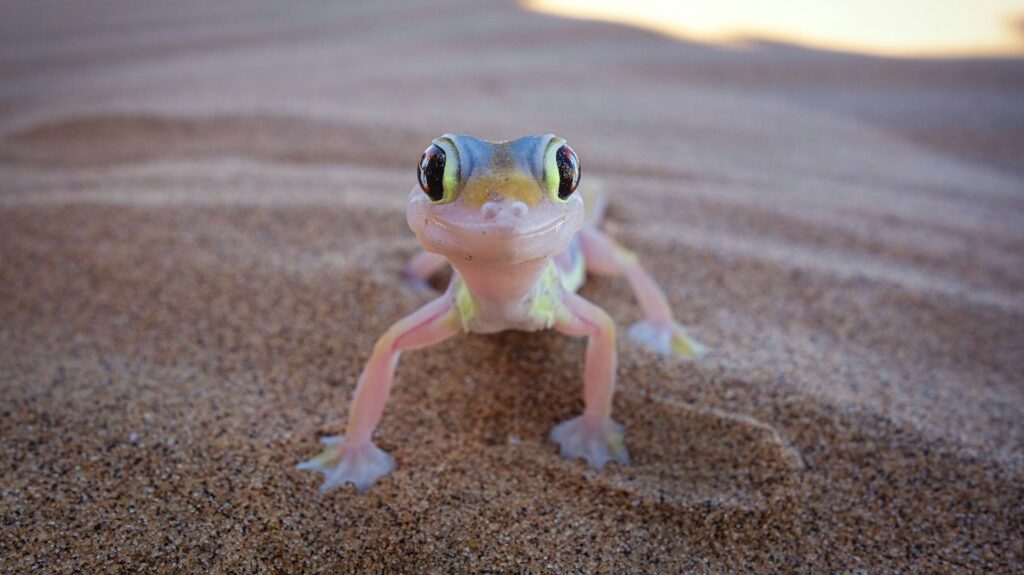
Geckos can climb glass, hang upside down, and scurry along walls like it’s nothing. Their secret? Microscopic hairs on their feet that use van der Waals forces—molecular attraction—to stick without glue or suction.
We’ve made progress with gecko-inspired adhesives, but we’re still a long way from replicating the gecko’s speed, strength, and instant grip-release action. Nature’s version is reusable, fast, and works in nearly any condition. Ours? Not quite there yet.
6. Termite mounds’ perfect climate control

Some species of termites build mounds that stay at a constant temperature and humidity, despite massive fluctuations outside. They use cleverly placed tunnels to channel airflow and regulate heat without any electricity. This has inspired architects to design buildings that cool themselves naturally, especially in hot climates. It’s sustainable, efficient, and completely passive—proof that the most advanced air-con might not be a machine at all.
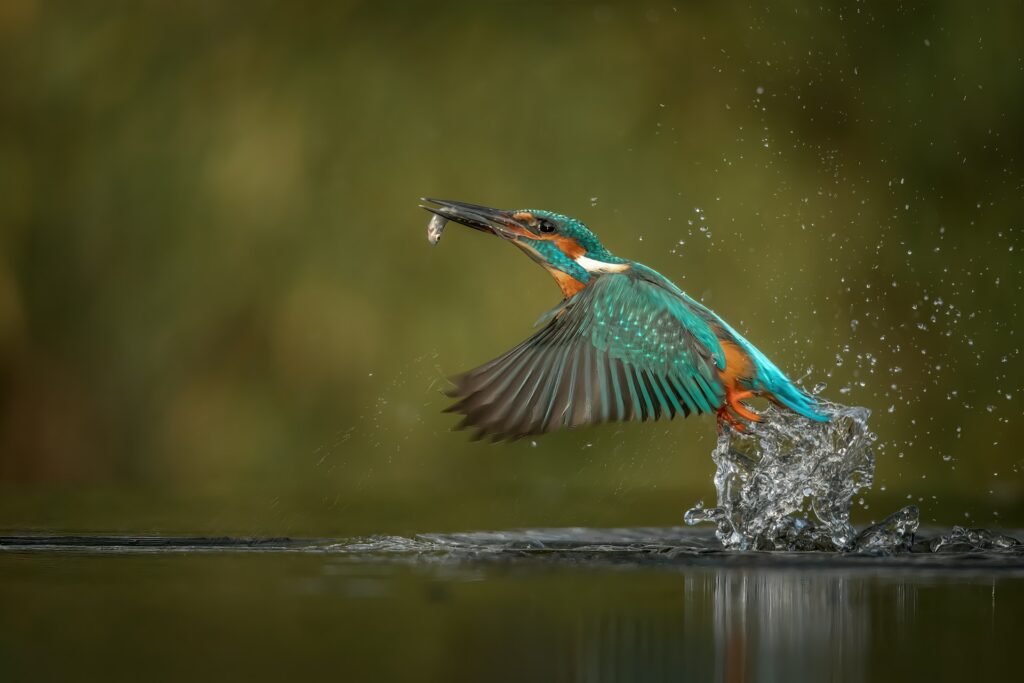
7. Kingfisher beaks and bullet-train noses
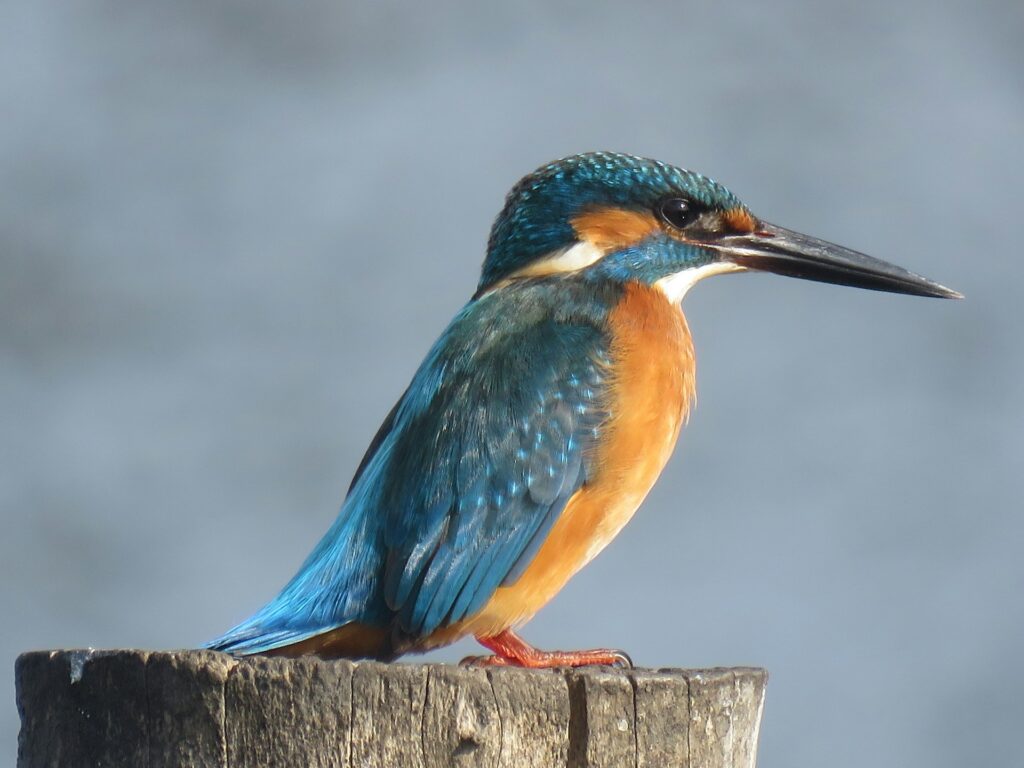
The kingfisher’s beak slices into water with barely a splash, allowing it to dive fast and precisely. This beak shape inspired the redesign of Japanese bullet trains, which were originally causing sonic booms when exiting tunnels. The new, kingfisher-inspired nose not only reduced noise—it made the trains faster and more energy-efficient. It’s one of the best examples of biomimicry making real-world travel quieter and cleaner.
8. Humpback whale fins and agile turbine blades
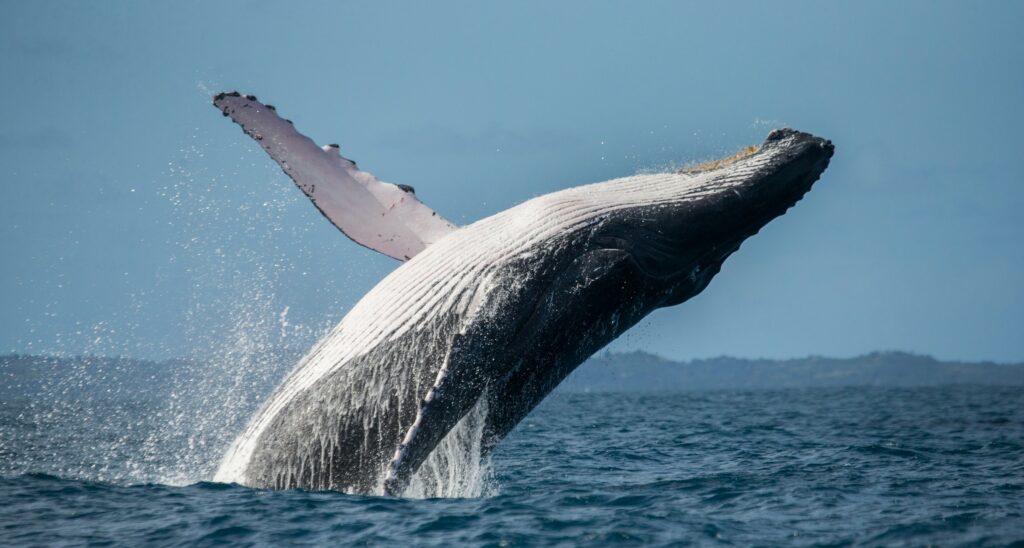
Humpback whales might be massive, but they move with surprising agility thanks to the bumps (tubercles) on the front edges of their fins. These odd-looking ridges help reduce drag and increase lift in water. This concept has made its way into wind turbines and aeroplane wings, where adding similar ridges can improve performance and efficiency. Nature’s version has been fine-tuned over millennia—we’re just starting to apply it at scale.
9. Boxfish bodies and surprisingly sleek cars

Boxfish have a bizarre, boxy shape—but despite how awkward they look, they’re incredibly efficient swimmers. Their hard, angular shells create stable flow patterns that reduce drag and wobble. Mercedes-Benz famously designed a concept car based on the boxfish, combining odd looks with aerodynamics. It turns out, sometimes nature’s weirdest designs are hiding brilliant mechanics.
10. Pine cones and passive water sensors
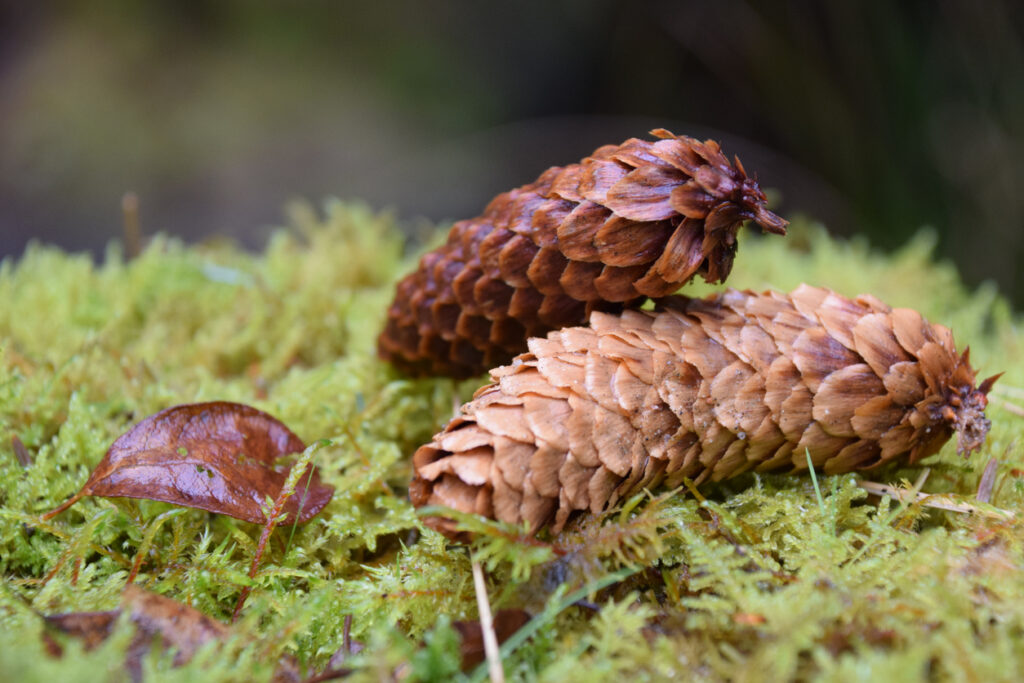
Pine cones open and close depending on humidity, protecting seeds when it’s wet and releasing them when it’s dry. This simple trick doesn’t need electricity—it’s just clever cell structure and physics. Engineers have started using similar ideas to create water-responsive fabrics, roofing, and ventilation systems. It’s a smart, zero-energy solution inspired by a forest floor staple.
11. Butterfly wings and colour without pigment
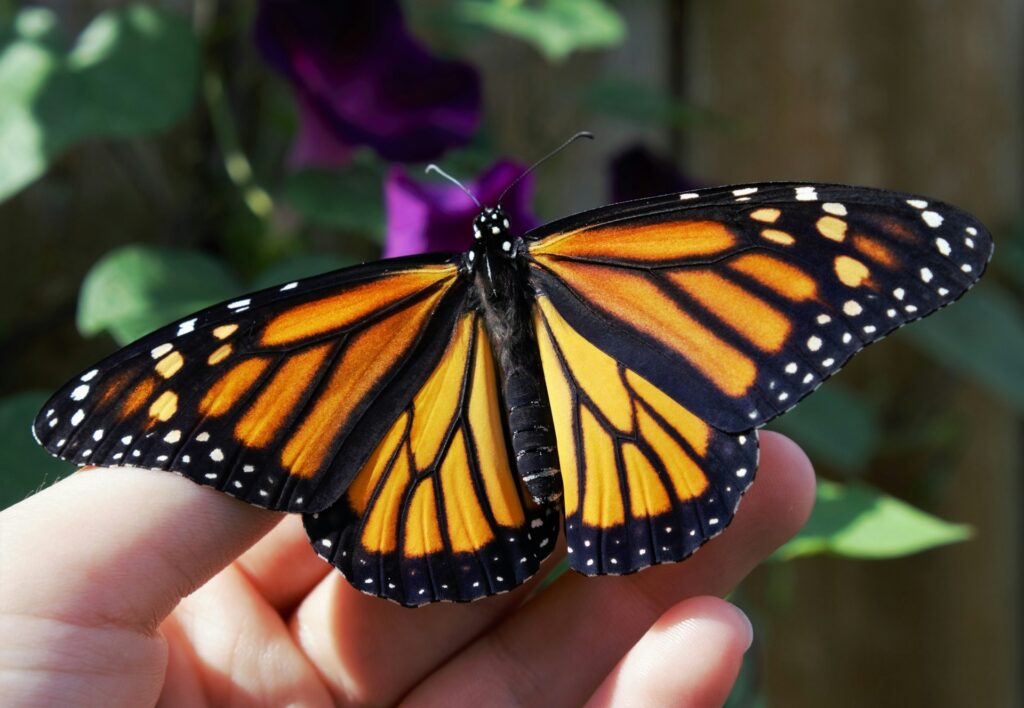
Some butterflies get their vivid colours not from pigment, but from microscopic structures that bend and reflect light—something called structural colour. These colours are brighter, more intense, and don’t fade over time. This is being used in anti-counterfeit banknotes, energy-efficient display screens, and colour-changing materials. Butterflies figured out how to dazzle with light physics—and we’re just scratching the surface of what that could mean for tech.
12. Squid skin and smart camouflage
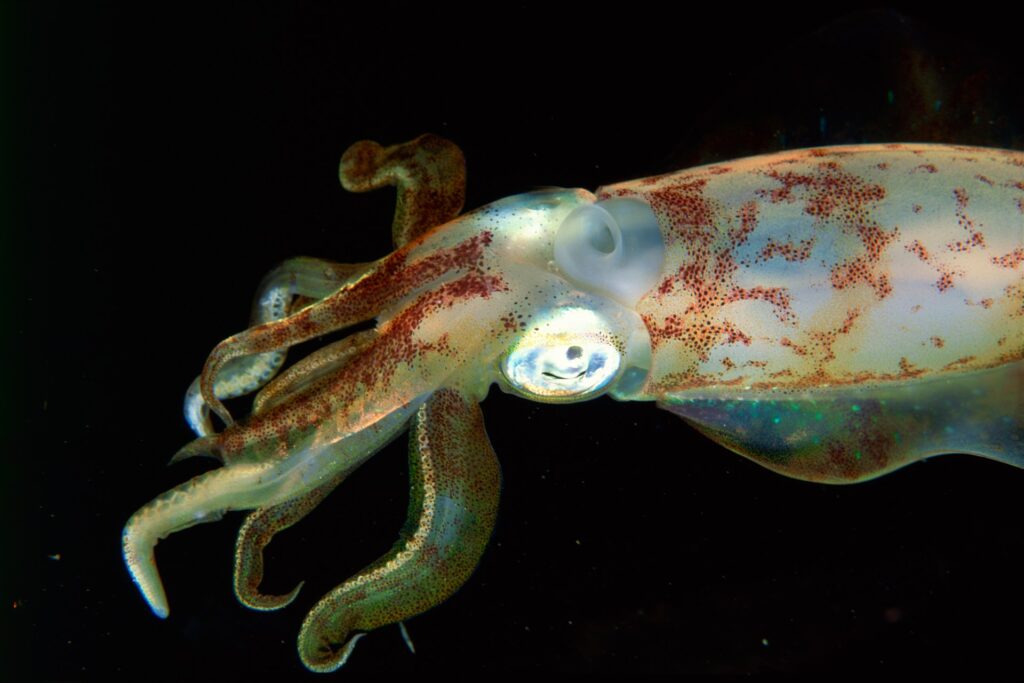
Squid and octopuses can change their skin colour and texture in seconds. They do this using chromatophores—tiny pigment sacs—and complex muscle control, allowing them to mimic rocks, coral, or even each other. Scientists are developing materials that mimic this ability, leading to fabrics and coatings that shift colour on demand. One day your clothes or phone case might change based on your mood, temperature, or environment, all thanks to squid magic.
13. Tardigrades and surviving the impossible
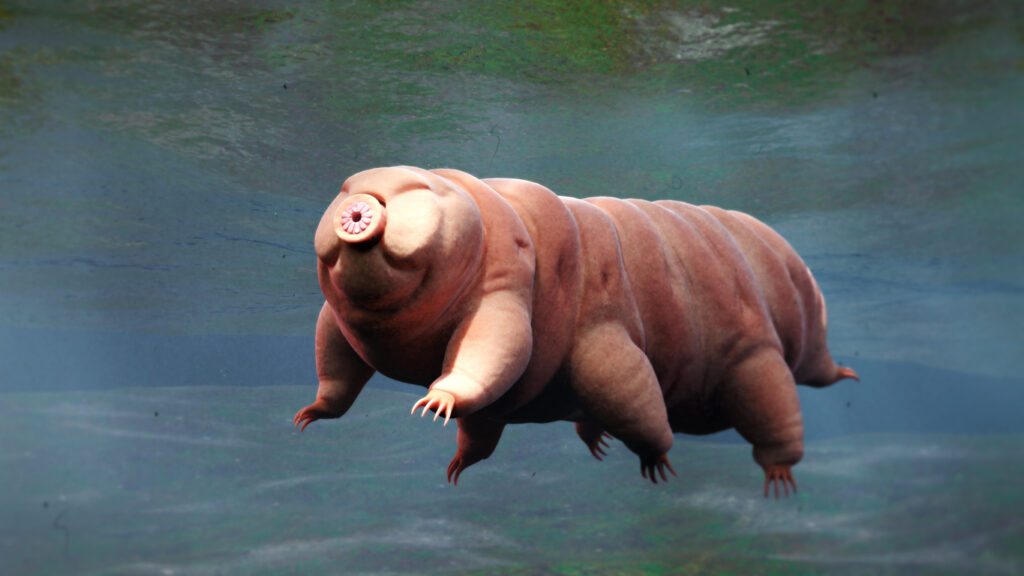
Tardigrades, also known as water bears, can survive boiling heat, freezing cold, the vacuum of space, and radiation. They do it by entering a dried-out state called cryptobiosis, where they basically pause life until conditions improve.
Researchers are studying them to figure out how to preserve vaccines without refrigeration, store cells long-term, and maybe even help humans survive deep space travel. They’re tiny, squishy, and basically immortal. Nature’s toughest little survivor still has us baffled.