There’s something about certain trees that makes you stop talking mid-sentence.
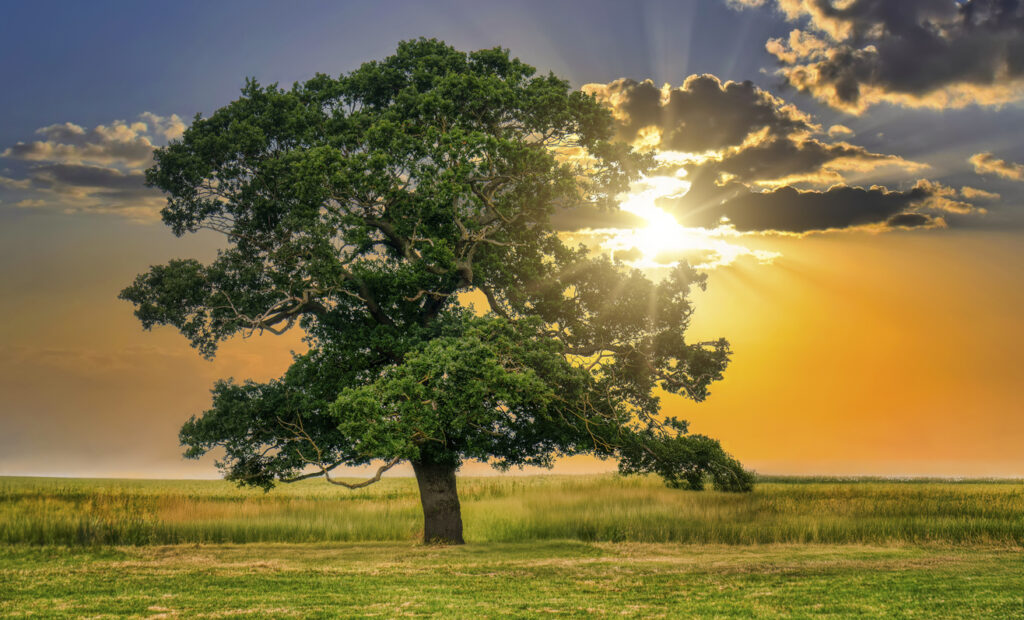
You feel it before you even think it. Some species carry age in a way that isn’t just about numbers. It’s in the bark, the shape, the way they stand there like they’ve seen a thousand storms and didn’t flinch. Call it ancient energy, call it history, call it imagination, but once you’ve stood beside one of these trees, cutting it down feels like erasing something bigger than wood. Here are 10 tree species people have long seen as holding something old and powerful, and why they deserve more respect than a chainsaw.
1. English oak
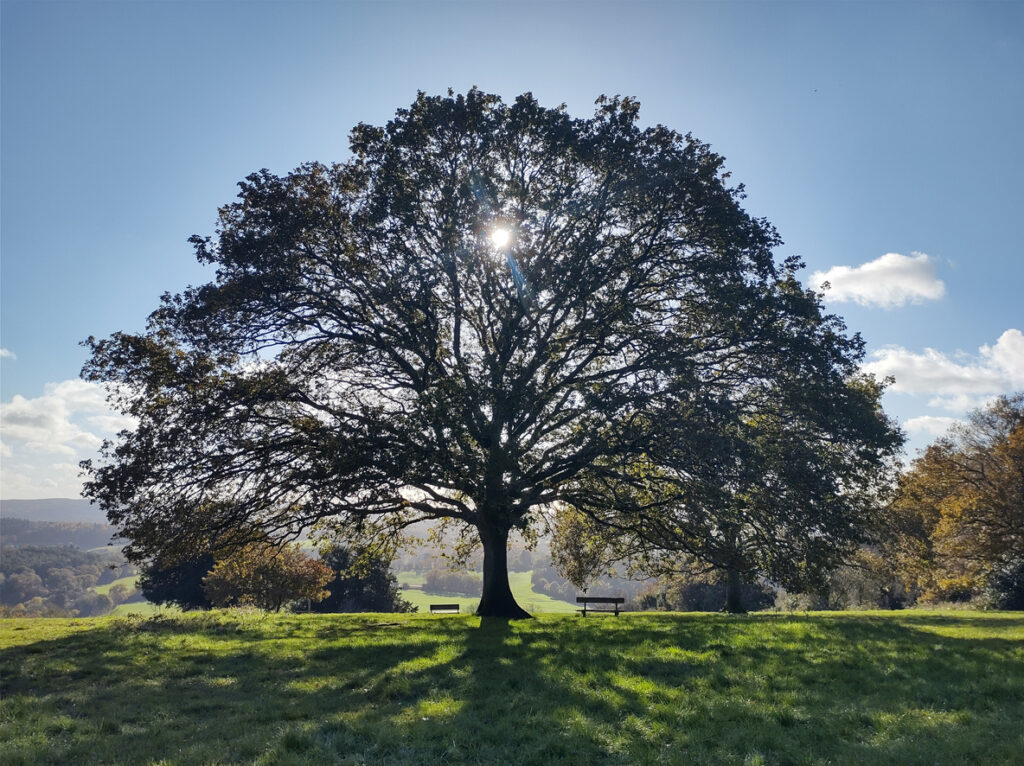
The English oak can live for hundreds of years. Some in the UK are well over a thousand. That means they were already standing when entire kingdoms rose and fell. You can’t help but feel small next to something that’s quietly watched history unfold. Beyond symbolism, they’re ecological giants. An old oak supports hundreds of species, from insects to birds to fungi. Cutting one down isn’t just removing a tree. It’s dismantling a whole living neighbourhood that took centuries to build.
2. Yew
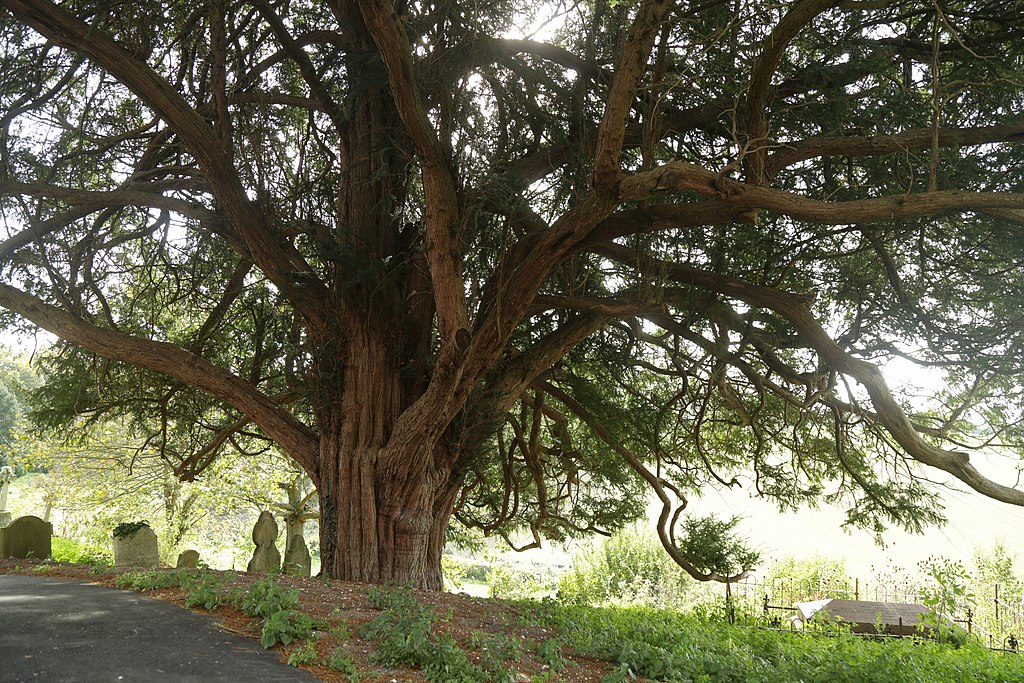
Yew trees have a strange, almost eerie presence. Many churchyards in Britain are home to yews that are older than the buildings beside them. Some are estimated to be over 2,000 years old. They’ve long been linked to life, death, and rebirth. Standing near one feels heavy and still, almost watchful. Given their age and slow growth, cutting a mature yew isn’t just removing timber. It’s ending a living relic.
3. Baobab
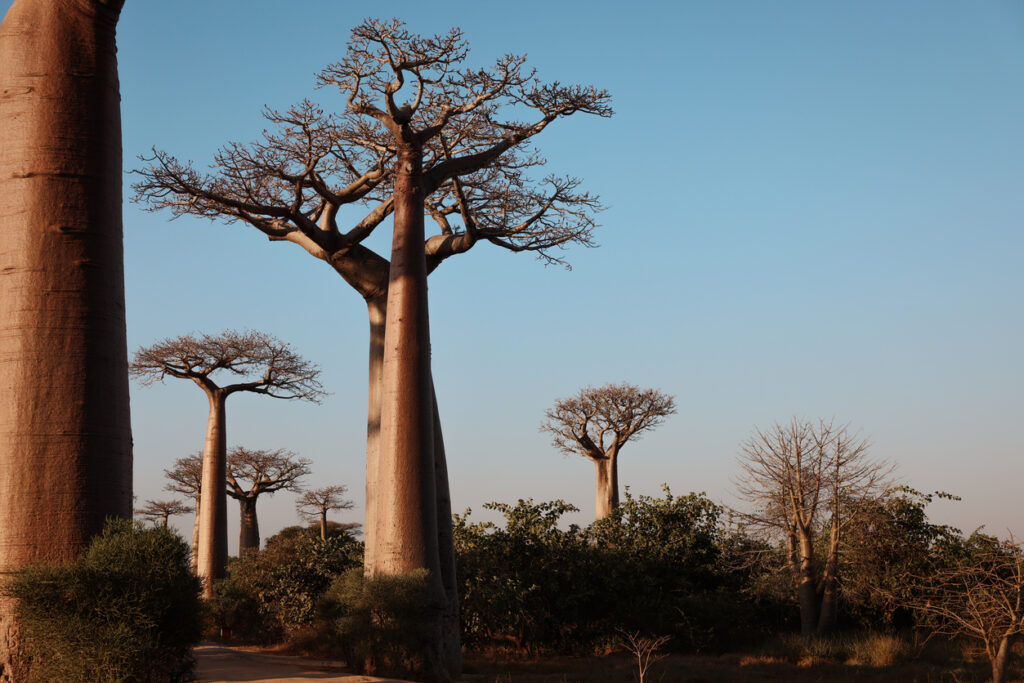
Baobabs look like they’ve been planted upside down. Thick trunks, sparse branches, surreal shapes. Some can live for thousands of years, storing water and sheltering animals and even people. In many African cultures, they’re seen as sacred. They’re meeting places and landmarks, living witnesses to generations. When an ancient baobab dies, it can feel like losing a community elder.
4. Olive
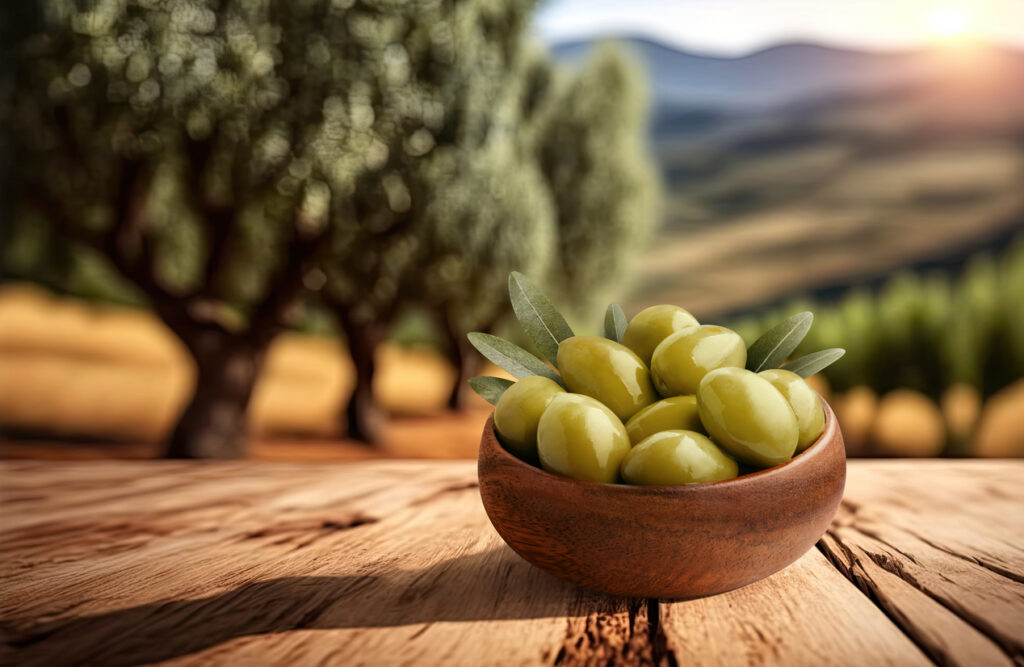
Olive trees twist and curl as they age, their trunks shaped by decades of wind and heat. Some Mediterranean olives are believed to be over a thousand years old and still producing fruit. They symbolise peace and endurance for a reason. These trees survive drought, neglect and time. Cutting down a mature olive isn’t just clearing land. It’s removing something that has quietly fed families for centuries.
5. Cedar of Lebanon
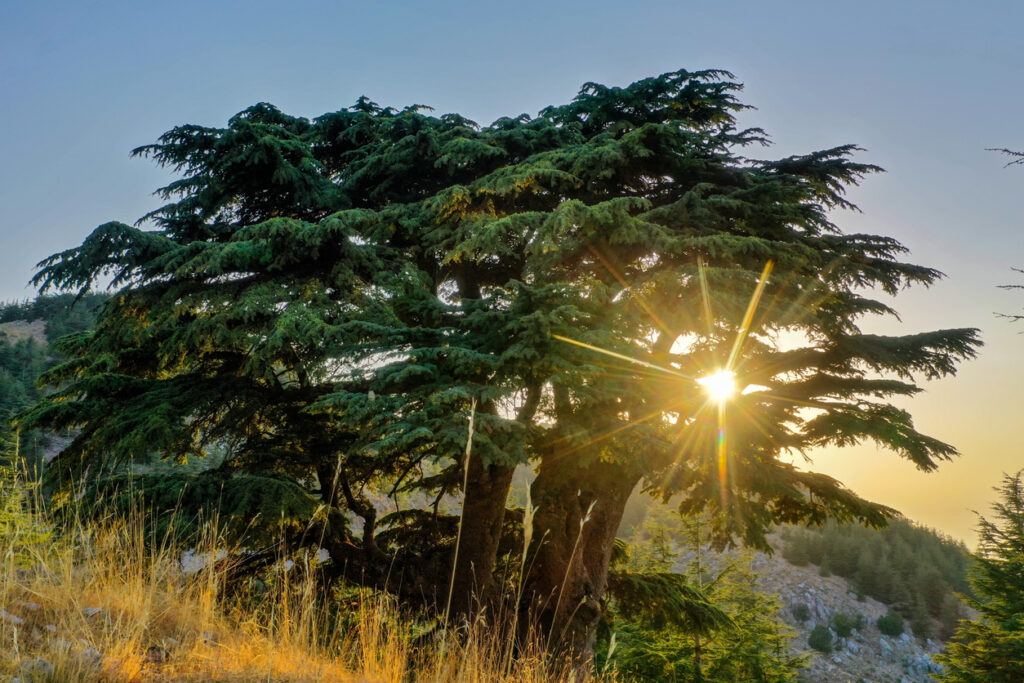
Cedar of Lebanon trees have a broad, layered shape that feels almost architectural. They’re mentioned in ancient texts and have long symbolised strength and resilience. Old cedars grow slowly and live long lives. Their wood was once prized for building temples and ships. Seeing a mature cedar still standing feels like seeing a piece of living history that shouldn’t be casually removed.
6. Sequoia
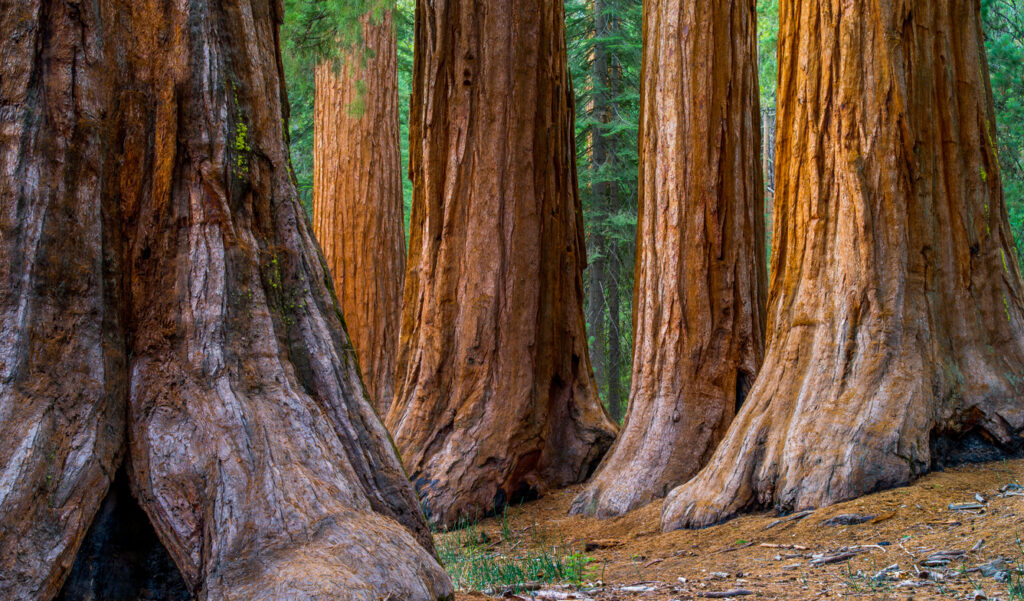
Giant sequoias are some of the largest living things on Earth. They can live for over 3,000 years. Standing at their base makes you feel tiny in the best possible way. They survive fire, drought, and centuries of change. When people talk about ancient energy, this is often what they mean. A presence that feels solid, steady, and humbling all at once.
7. Banyan
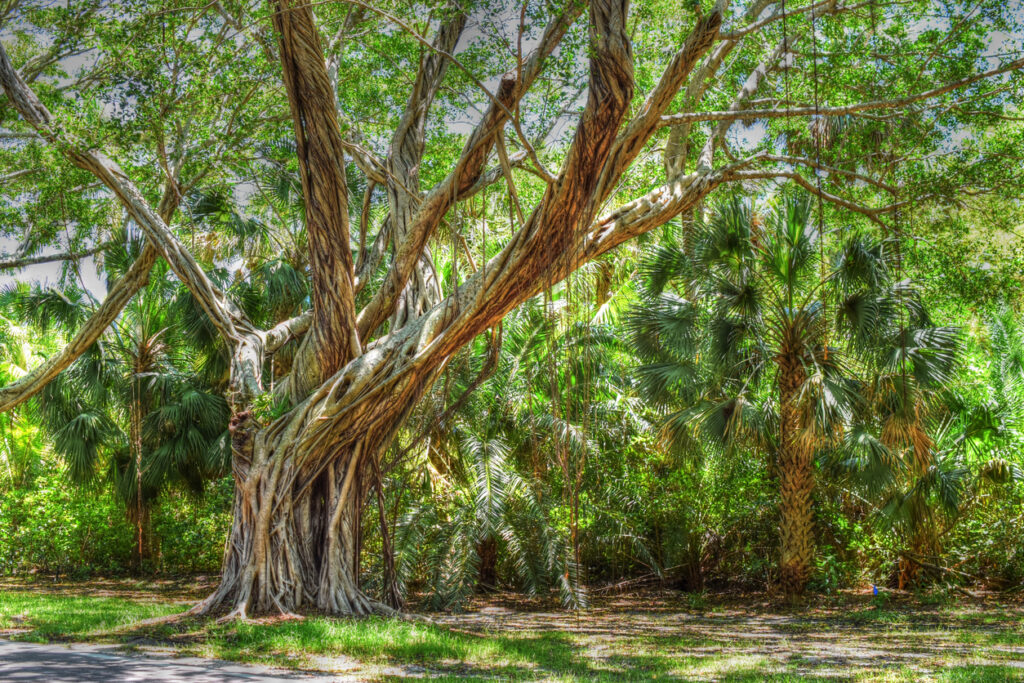
Banyan trees spread outward by dropping aerial roots that grow into new trunks. Over time, one tree becomes what looks like a small forest. It creates its own sheltered world beneath its canopy. In many parts of India, banyans are sacred gathering spots. They symbolise connection and longevity. Cutting one down can mean dismantling a space that held generations of stories.
8. Bristlecone pine
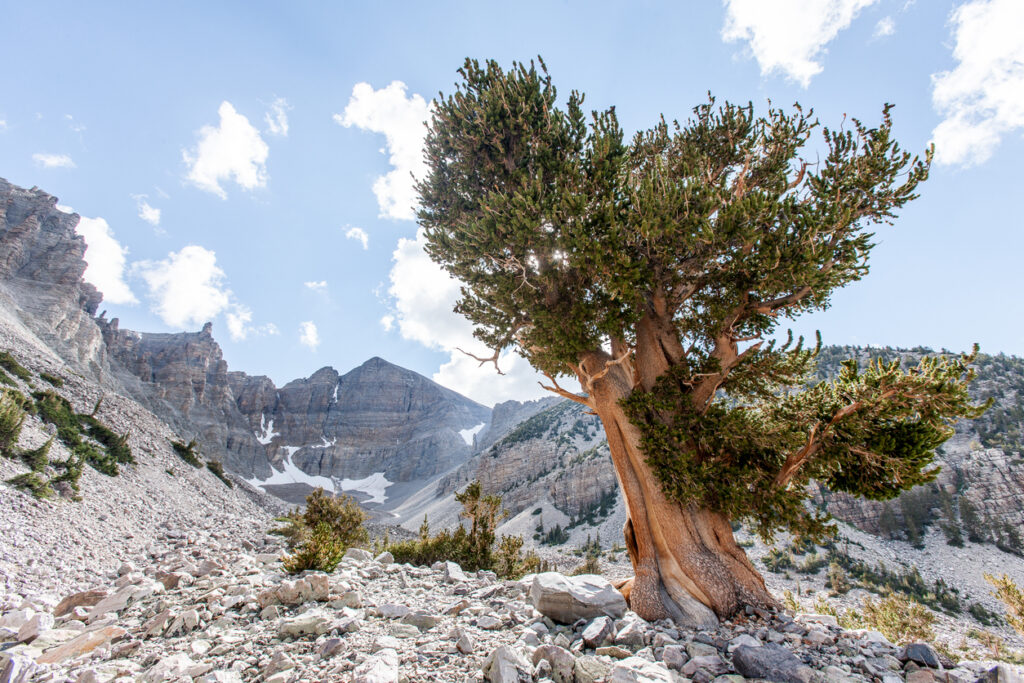
Bristlecone pines are among the oldest living trees in the world. Some in the United States are nearly 5,000 years old. They look twisted and weathered, shaped by harsh mountain climates. They survive in conditions most trees couldn’t tolerate. That endurance gives them a quiet authority. Cutting one would feel less like forestry and more like erasing something that existed long before modern civilisation.
9. Redwood
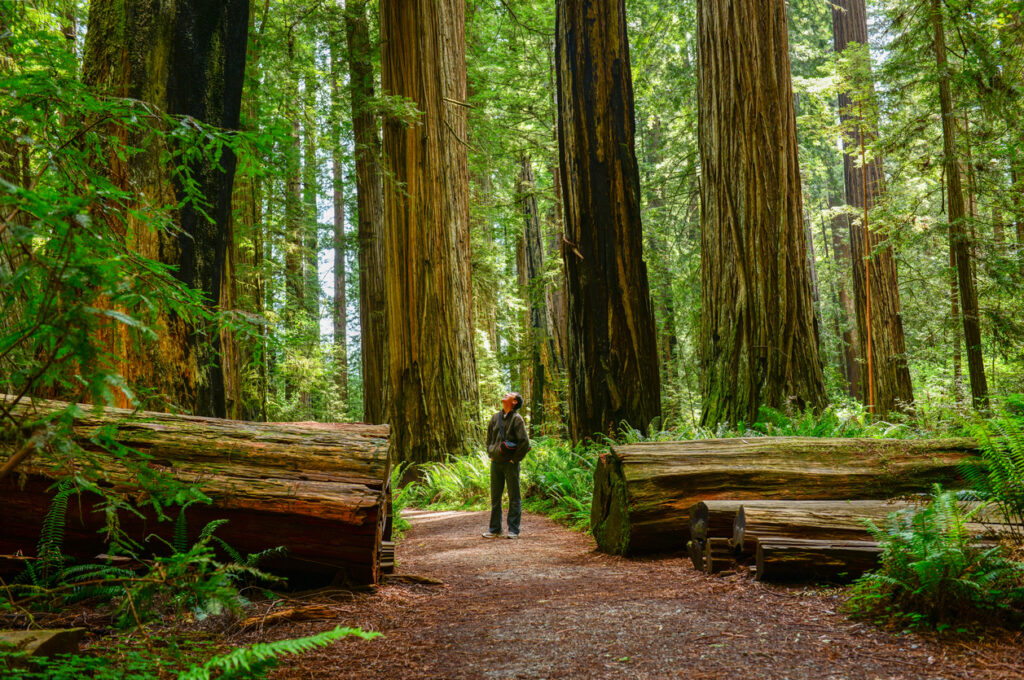
Coastal redwoods soar into the sky, some over 100 metres tall. Walking through a redwood forest can feel like entering a natural cathedral. Logging wiped out huge areas in the past. The remaining old-growth forests are reminders of how long it takes to grow something truly irreplaceable. Once they’re gone, you don’t get them back in a single lifetime.
10. Bodhi tree
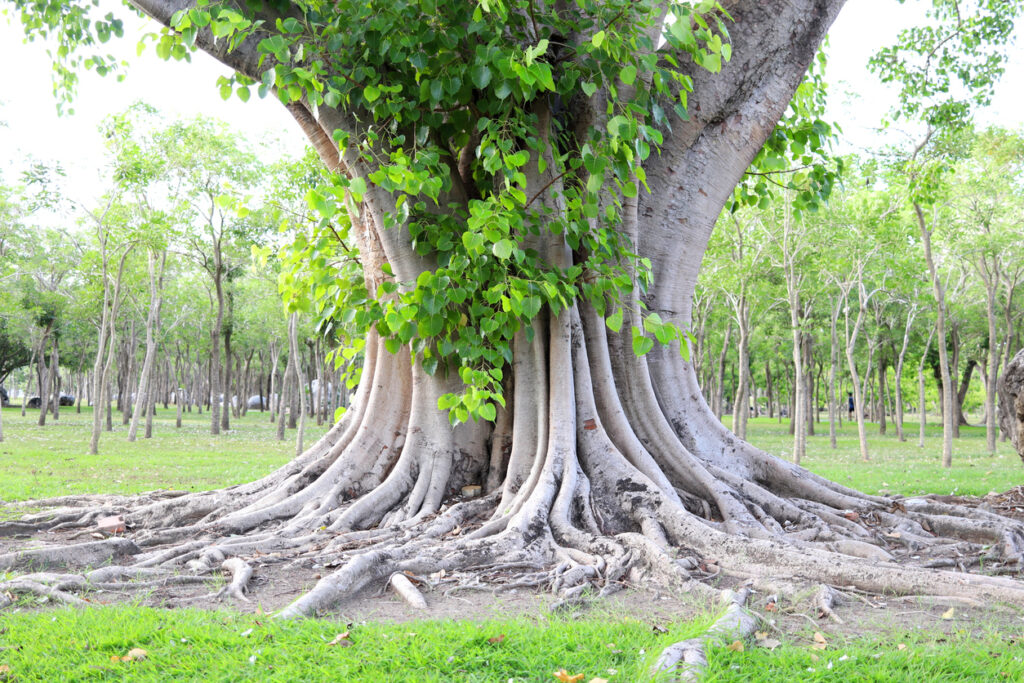
The Bodhi tree is sacred in Buddhism as the tree under which the Buddha is said to have attained enlightenment. Descendants of the original are still protected and revered today. Whether you share that belief or not, the symbolism carries weight. It represents reflection and stillness. Cutting one down would feel like ignoring centuries of reverence and meaning.
Not every tree is ancient and not every tree is sacred. But some species carry stories that stretch further back than most human memory. Protecting them isn’t just sentimental. It’s recognising that some living things are worth far more standing than fallen.